Cookbooks
Persiana by Sabrina Ghayour: A Week of Cooking Review
We cooked 16 recipes from Persiana over five days. Here is how the mezze, stews, kebabs, and rice dishes held up in a real kitchen.
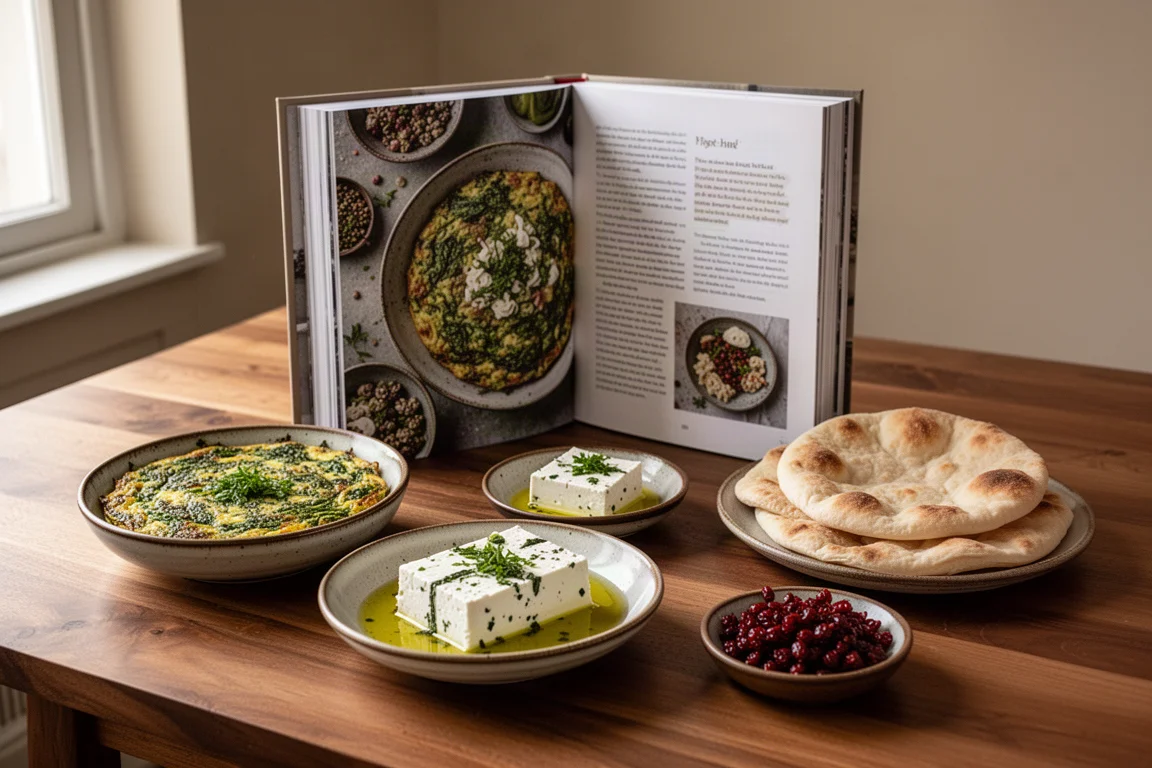
Introduction
Persiana is the debut cookbook from Sabrina Ghayour, an Iranian-born, London-based chef who has since written five books. Her goal with this one is clear: show that Middle Eastern food is uncomplicated and accessible. Over one week we cooked 16 of the 100 recipes, covering four mains, ten sides, and two desserts. Each dish took roughly two hours from start to finish and typically served six people at about $4.50 per serving.
We started with a full mezze day, moved through stews, a slow-roasted lamb, kebab night, and finished with a fish and rice spread. Here is how it all went.
Getting to Know the Book
Sabrina was raised in England, and it shows in her cooking. Her Persian dishes carry a distinct British sensibility, and she openly encourages readers to make the recipes their own by adding, removing, and swapping ingredients to fit personal preferences. That flexibility is one of the book’s defining traits: there is almost always an alternative suggested, whether it is plain rice instead of herbed, plain yogurt instead of herbed jajik, or whatever bread you have on hand.
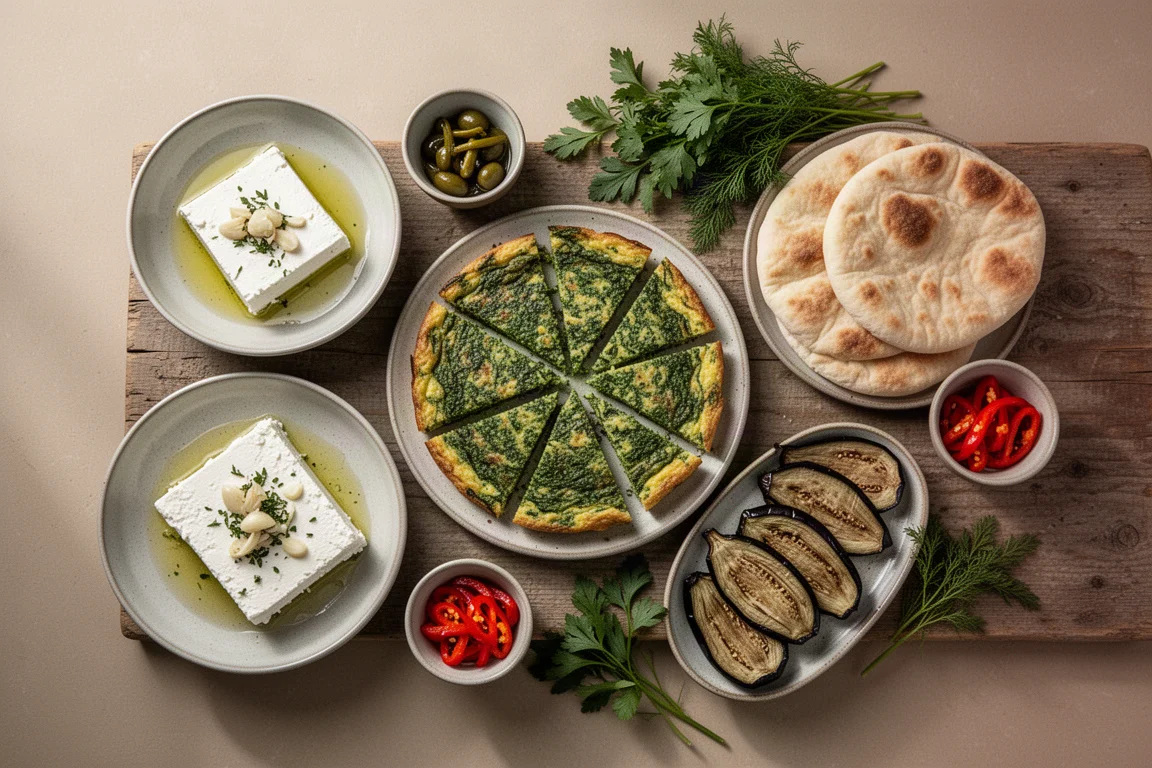
The only special tool we needed all week was a food processor, and even that was merely suggested to speed up herb chopping. Most ingredients are easy to find at a regular grocery store, though if you plan to make her cod in tamarind sauce, you may want to order fenugreek leaves ahead of time depending on where you live.
Day One: Mezze and Sharing Plates
Persiana opens with a mezze and sharing plate section, and it was the natural starting point. We made marinated feta, eggplant crcuma, the Persian herb frittata known as kuku sabzi, and an Eastern-style fattoush. One practical note: for the marinated feta, we made our own garlic oil rather than buying it. It takes minutes and removes any storage concerns.
The marinated feta with bread was a genuine highlight. Olive oil and grated garlic carry the flavor, and the pickled chili with all those herbs makes it a simple crowd pleaser. The kuku sabzi, packed with herbs, walnuts, and barberries, was delicious but seriously over-salted: two tablespoons of crushed sea salt is a lot, and the saltiness wore on us over consecutive bites. Cutting it in half would make it a hard smash. The eggplant crcuma leaned slightly sweet and bitter for our taste. As a spread, though, this was a very strong start, with beautifully balanced dishes that shine when mixed with the bread.
Day Two: Saffron Chicken with Chello Rice
Day two brought the saffron chicken and fennel and barberry stew paired with chello, a Persian basmati rice dish, done tahdig style. Wrapping the pan lid in a dish towel as the book suggests, we got a small amount of color and a light crunch on the rice, though not the full golden tahdig we hoped for.
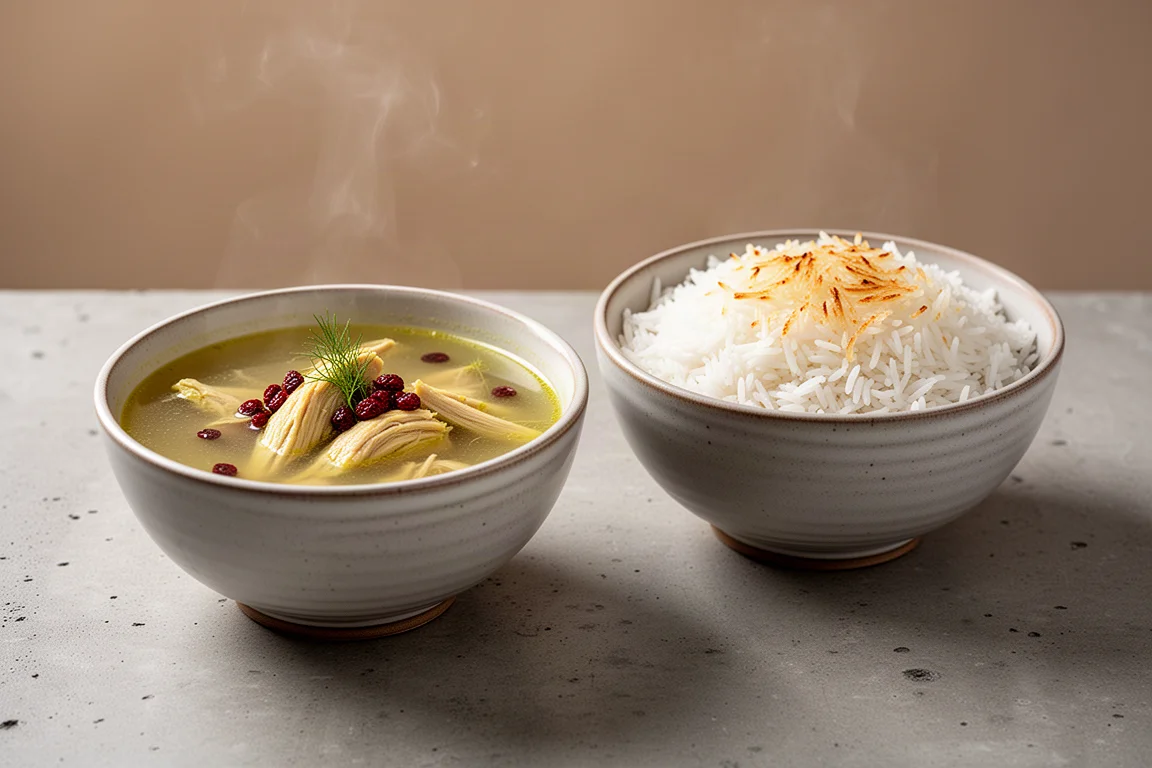
The stew itself was delicate, almost medicinal, with the barberries providing welcome pops of acidity. The chicken was under-seasoned and the broth fairly neutral, and the cumin and cinnamon never really came through. Part of the issue may be that the recipe instructs you to fill the pot and cover the chicken with water, so the final flavor depends on your pot size. Reducing the sauce would concentrate it. Still, the chicken fell apart at the touch of a spoon, and salted properly, this is a cozy snow-day or sick-day meal. As a combination, the rice and stew together earned a solid pass.
Day Three: Moyeau-Style Lamb Leg with Turmeric and Cumin Potatoes
The leg of lamb recipe lured us in with its photographed crust, but we could only find boneless cuts. The recipe calls for a five-hour roast, which felt risky for a cut that would normally need about two hours, and despite basting attempts the result came out dry, though not terrible. The salty cumin crust flavor was genuinely great, and the turmeric and cumin roasted potatoes were excellent, punchy with cayenne heat.
This is a rich, warming-spice dish that would benefit from something fresh on the side, like a salad or a yogurt accompaniment. Despite the texture problem, the flavors earned this one a place on our make-again list. A temperature probe would resolve the timing issues easily.
Day Four: Adana Kofta Kebabs with Shirazi Salad and Jajik
The kofta kebabs looked the least elegant on the page, built with store-bought tortillas and a simple yogurt, onion, and parsley dressing. But paired with jajik, a cucumber, garlic, and dill yogurt sauce, they were a revelation. The patties came off the skillet deeply charred outside and moist inside, the red bell pepper taking over as a core flavor with sweet onion behind it.
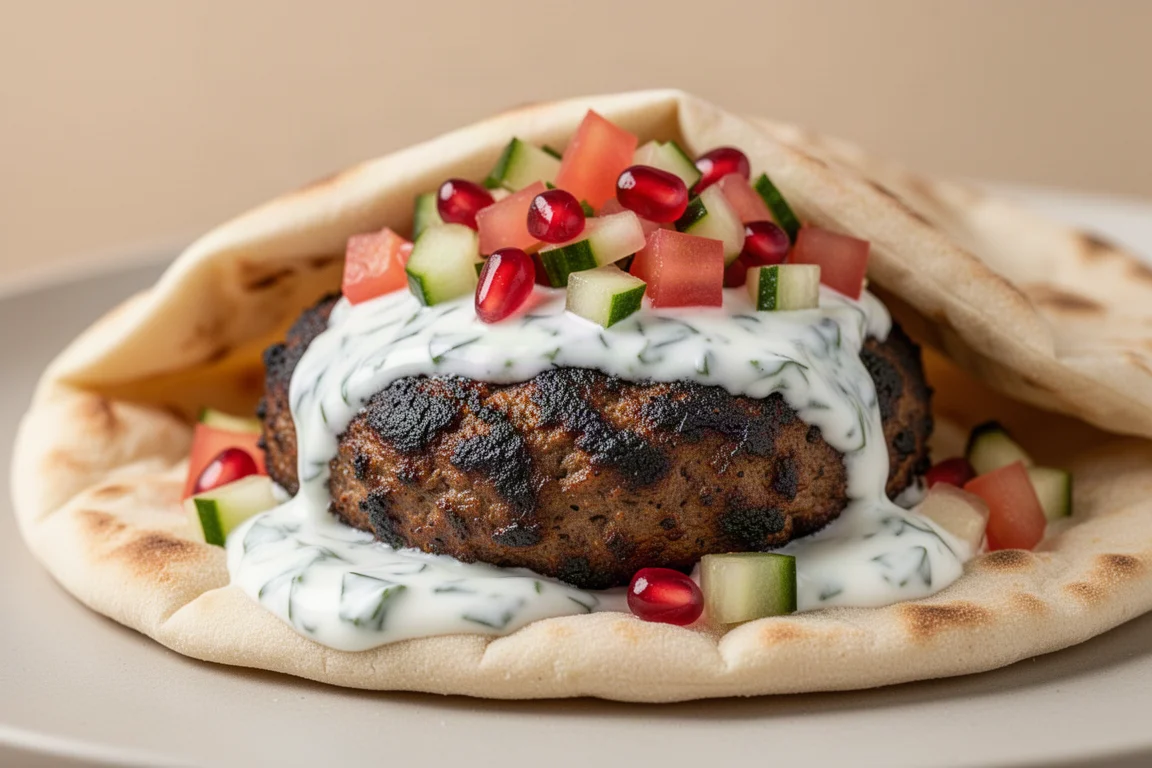
The shirazi salad was sharp, spicy, and refreshing, though very onion-forward. If making it ahead, add the onion at the end. Heating the tortillas before assembling made them soft and malleable, and the jajik was practically necessary for the whole package. This was a hard smash and the dish we would most eagerly return to.
Day Five: Cod in Tamarind Sauce with Sabzi Polo
The final day centered on ghalieh mahi, cod in a tamarind, cilantro, and fenugreek sauce, served with sabzi polo herbed rice and lacy saffron fritters with pistachio and dill sugar. The cod cooked perfectly, tender thanks to the gentle wet cooking method, which has a lot of safety built in. The fenugreek came through beautifully, along with garlic and a background of cilantro, with a sour tamarind edge.
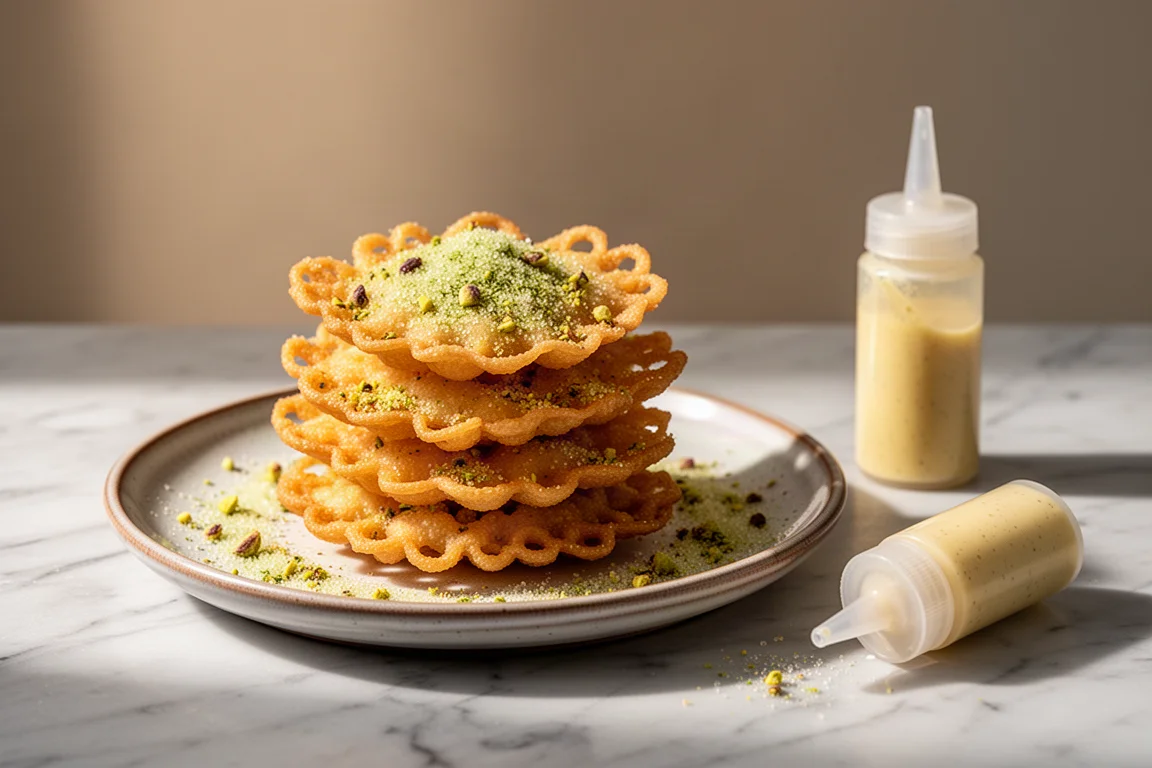
The sauce was light rather than intense, and we felt it could have been reduced more uncovered to concentrate flavor. The herbed rice complemented the herby fish without being overpowering, and the sweetness of the sauce played nicely against a slightly overdone tahdig. The fritters, essentially yeast fritters in the funnel-cake family, tasted like crispy sugar donuts tweaked just enough by pistachio and dill to feel unique. They needed the sugar, and we could have eaten a pile of them.
Overall Buying Advice
After a full week, we scored Persiana across five categories. Accessibility earned an 8: the ingredient lists are approachable, the only equipment is a food processor, and Sabrina constantly leaves doors open with substitutions. Design earned a 7: the photos are elegant and matched our final outcomes closely, though the single-page recipe layout sometimes feels cramped and forced occasional backtracking. Flavor earned an 8, driven mostly by the magic of suggested pairings rather than every dish standing alone. Writing earned a 5: instructions were easy to follow but occasionally confusing, and the book leans on time signals where a temperature probe would serve beginners far better. Value earned a 9, bringing the overall score to 7.4 out of 10.
Nine of the 16 dishes were smashes, and the texture variety across the week was a real standout. If you cook this book, the kofta kebabs and the rice dishes are the most likely return visits, and a second pair of hands helps if you attempt a full mezze dinner.
Conclusion
Persiana is a masterclass in pairings. Not every recipe smashed on its own, but Sabrina Ghayour demonstrates again and again how an extra bunch of herbs or a textural contrast can lift a meal from good to excellent. For anyone curious about Persian cooking who wants a welcoming, flexible entry point, this cookbook earns its place on the shelf.
Product link
View more details for Persiana by Sabrina Ghayour
This product is mentioned in the review. Check the specifications, options, and compatibility before buying.
View more details for Persiana by Sabrina GhayourFurther reading
Related Reviews
Cookbooks
Africana Cookbook Review: A Pan-African Journey Worth Cooking Through
We cooked 13 dishes from Africana by Llorado Umashayor over one week. Here is what worked, what stumbled, and who this beautiful cookbook is really for.
Cookbooks
By Heart by Haley Catalano: First Look at a Calm, Practical Cookbook
We cooked two recipes from By Heart by Haley Catalano, including a tomato-based sandwich and chicken fat mashed potatoes, to see if the book's calm, detail-first approach holds up in a real kitchen.
Cookbooks
Charred by Genevieve Taylor Review: Vegetable Grilling Beyond Corn and Halloumi
We cooked 11 recipes from Charred over four days. Here is what works, what falls flat, and whether the book earns a spot on your shelf.