Aquarium Equipment
Pentair Aquatics UV Sterilizer Review: Serious Parasite Control for Reef Tanks
A closer look at Pentair Aquatics UV sterilizers, from the aggressive dosage ratings and flow guidance to the real trade-offs around size, mounting, and installation.
Introduction
UV sterilizers have moved from niche equipment to a fairly common addition on reef systems. Some aquarists run them to work through algae and bacterial blooms while a new tank cycles, while others use them to manage parasites and fish disease. The underlying principle is identical in every unit: water is pumped past a source of ultraviolet light, and whatever is suspended in that water gets irradiated as it passes through.
The differences show up in how aggressively that irradiation is delivered. Not all sterilizers perform the same, and the gap becomes obvious when the goal is destroying parasites, protozoans, and pathogens rather than simply polishing water clarity. Pentair Aquatics, previously known as Emperor Aquatics, builds sterilizers positioned a step above typical hobby-grade hardware, with design and rating practices carried over from industrial purification and aquaculture applications.
Who This UV Sterilizer Is For
This is gear for aquarists who want a sterilizer rated to do genuine pathogen control rather than only clarify water. If you are dealing with parasites, protozoans, or fish disease in a reef tank, the rating approach here is the main reason to look at Pentair instead of a generic unit. The same applies if you are fighting free-floating algae, algae spores, dinoflagellates, cyanobacteria, or other stubborn bacterial blooms.
Tank size is rarely a barrier. The Pentair Smart UV range starts at 18 watts for 60 gallon aquariums and runs up to 80 watts for 600 gallon systems, so most reefers can find a model that matches their volume without stretching to something oversized.
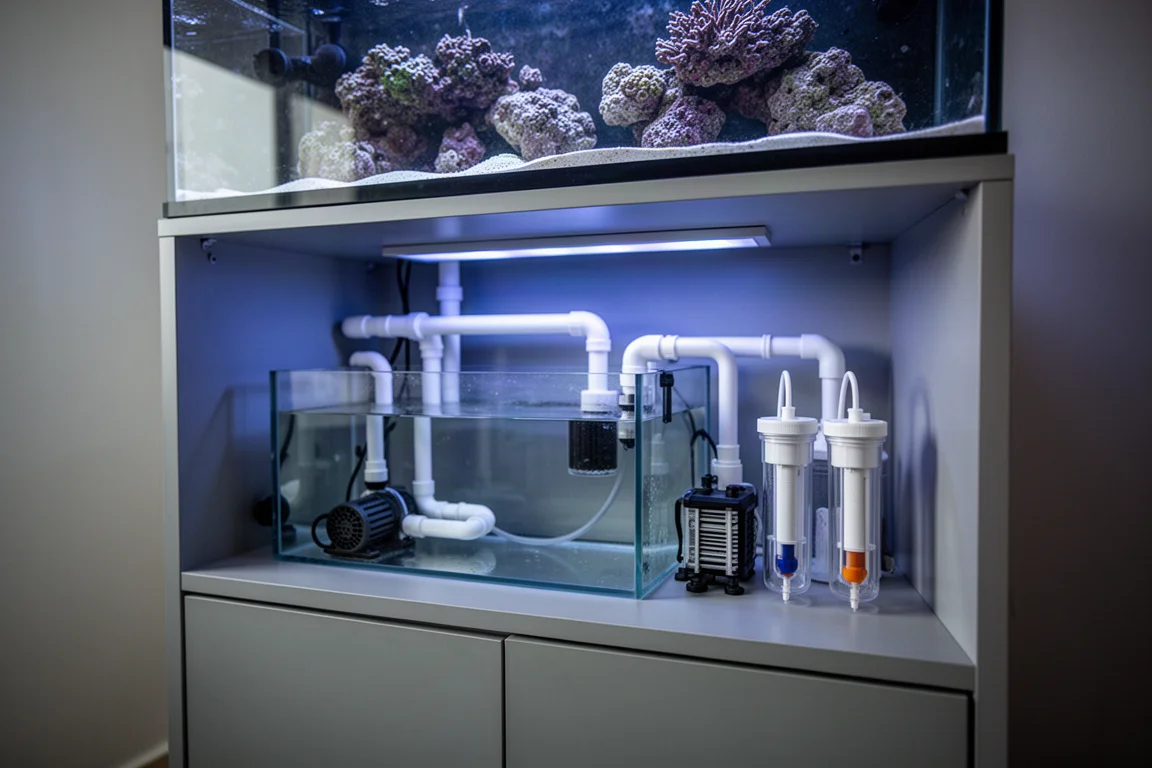
If your only goal is clearer water on a small system, a basic hobby-grade sterilizer may be enough. The case for this one gets stronger as the stakes rise, because protecting fish from disease asks far more of a sterilizer than clearing green water does.
Main Strengths
Pentair pairs a larger sterilizer body with precise flow recommendations to reach an aggressive UV dosage of 180,000 milliwatts per square centimeter, the level intended for irradiating parasites and disease organisms. Those dosage ratings also take into account the power output of the bulb at the end of its life, so the unit is designed to remain reliably effective from the day a new bulb is first switched on until the day it needs to be replaced.
The tank size and flow guidelines are easy to follow, which means there is no reason to oversize a Pentair sterilizer. You can rely on the published tank and flow ratings instead of buying up as a precaution. That combination of a bigger body and honest ratings is what separates this from hobby-grade equipment.
The same hardware doubles as a clarifier, handling free-floating algae and algae spores as well as dinoflagellates and cyanobacteria. In practice that makes it useful both for a cycling tank and for a mature system where blooms keep returning. The range also carries a recommended badge from a major marine aquarium retailer and is the sterilizer of choice for large test reef systems, including a 360 gallon personal reef tank, which says something about how it holds up under continuous use.
Installation and Placement Notes
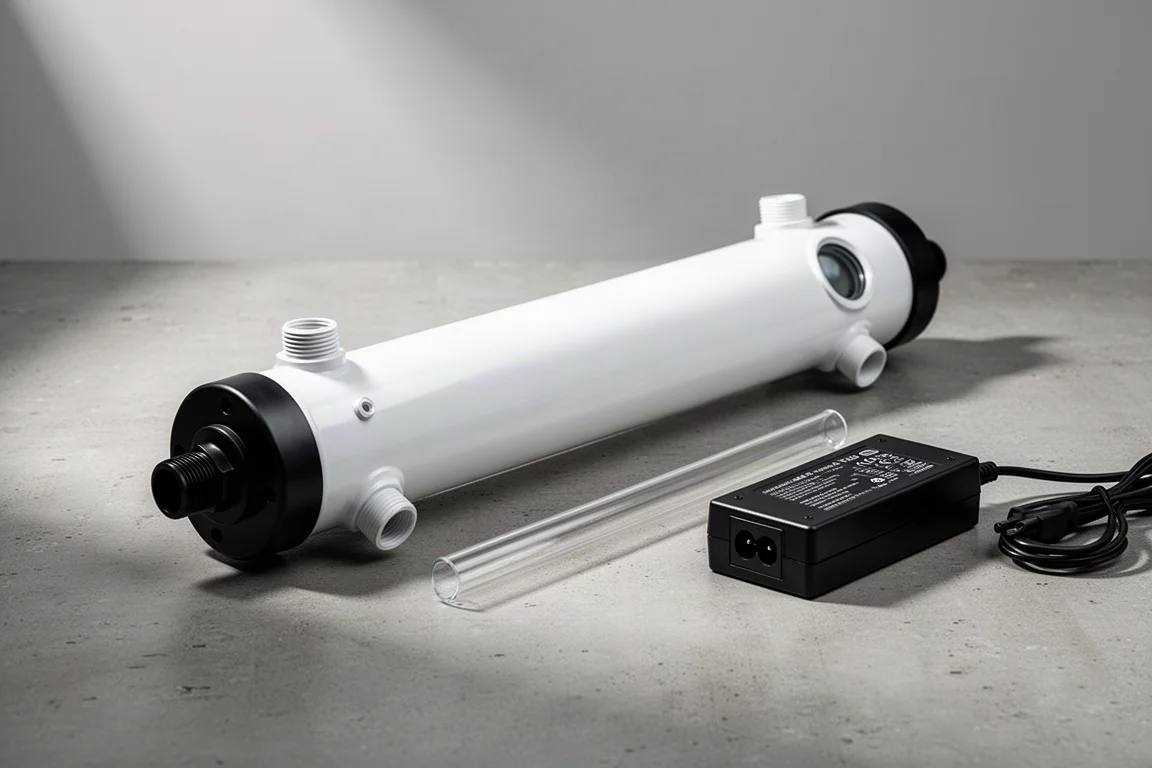
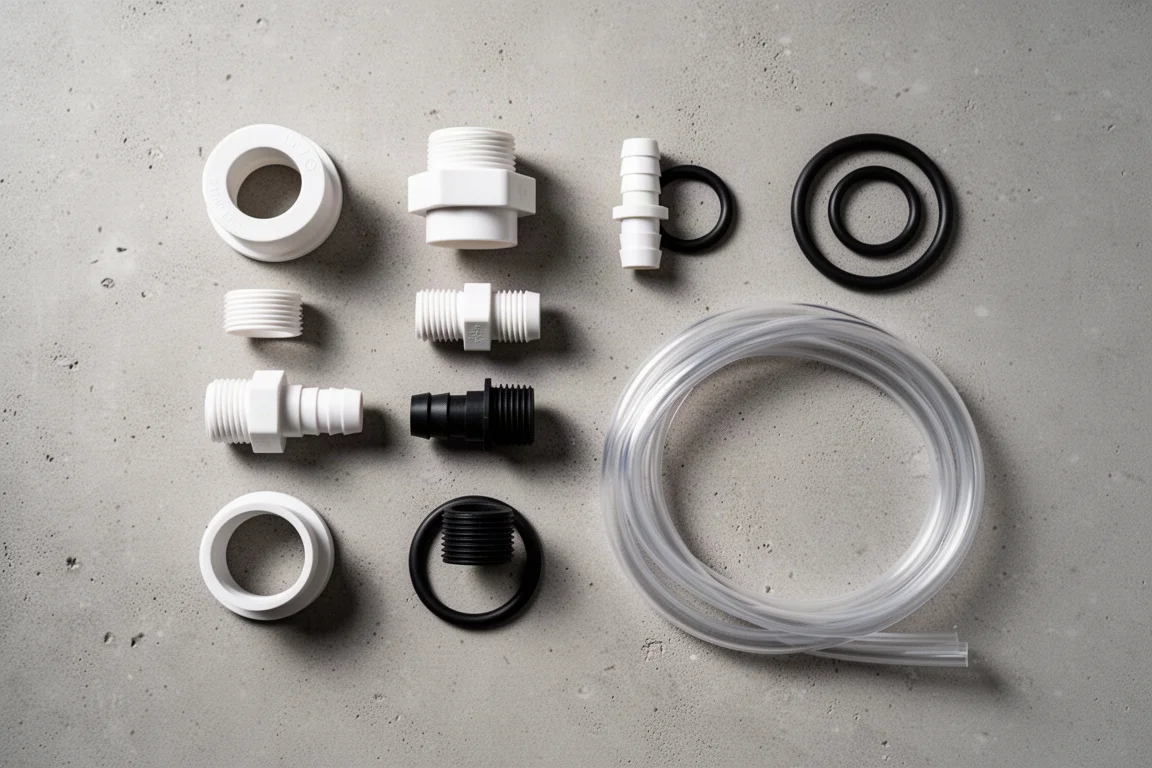
Inside the box you get the sterilizer itself, the bulb and quartz sleeve, fittings including the top quartz sleeve module, 1.5 inch slip couplers, 1.5 inch slip to one inch threaded reducers, one inch threaded barbed adapters, O-rings, and the power supply. Setup follows a sensible order: install the quartz sleeve into the top module, fit that module to the sterilizer, then thread on the 1.5 inch couplers. From there you can hard plumb directly from the couplers, glue in the supplied reducers and hard plumb off those, or screw in the barbed adapters if you prefer soft plumbing with flexible hose.
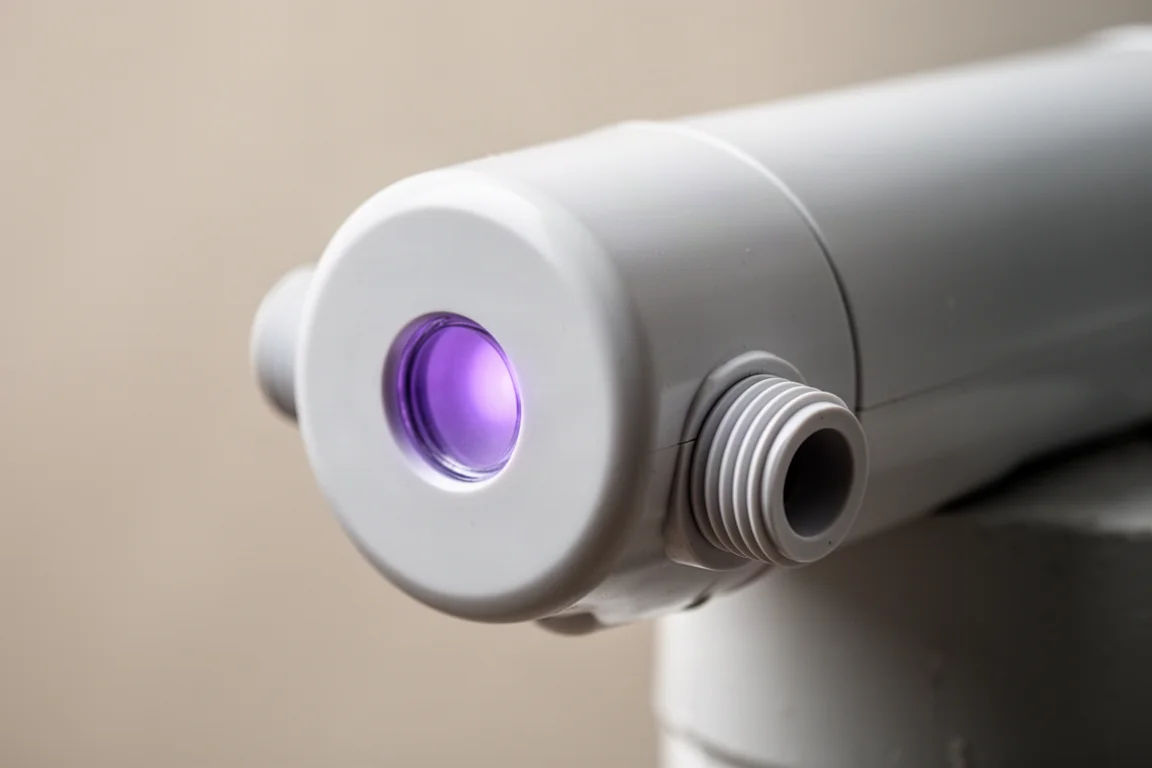
Only once everything is assembled, installed on the system, and leak tested should you unpack the bulb, slide it into the sterilizer, and connect the power supply. There is a viewing window on the ends that lets you confirm the bulb is working while shielding you from the UV light itself.
Placement deserves thought before you commit. These sterilizers are on the larger side, and finding the perfect spot under a stand or beside a sump takes a little planning. Neat Aquatics has produced a well-regarded set of mounting clamps for exactly this purpose, fitting the 18 watt, 25 watt, and 41 watt models. They are 3D printed, offer plenty of smooth articulation so the sterilizer can be swung out for maintenance, lock firmly around the body, and include small rubber standoffs that reduce pump vibration and prevent unwanted rotation once clamped. It is a tidy way to keep a bulky piece of equipment out of the way.
Things to Consider Before Buying
The first consideration is physical space. A larger body is part of what makes the dosage ratings possible, but it also means measuring your cabinet, sump area, or equipment wall before ordering rather than after.
Mounting hardware is a separate purchase, and the Neat Aquatics clamps are sized for the 18, 25, and 41 watt models, so check that your chosen wattage is covered if you want that specific mounting solution.
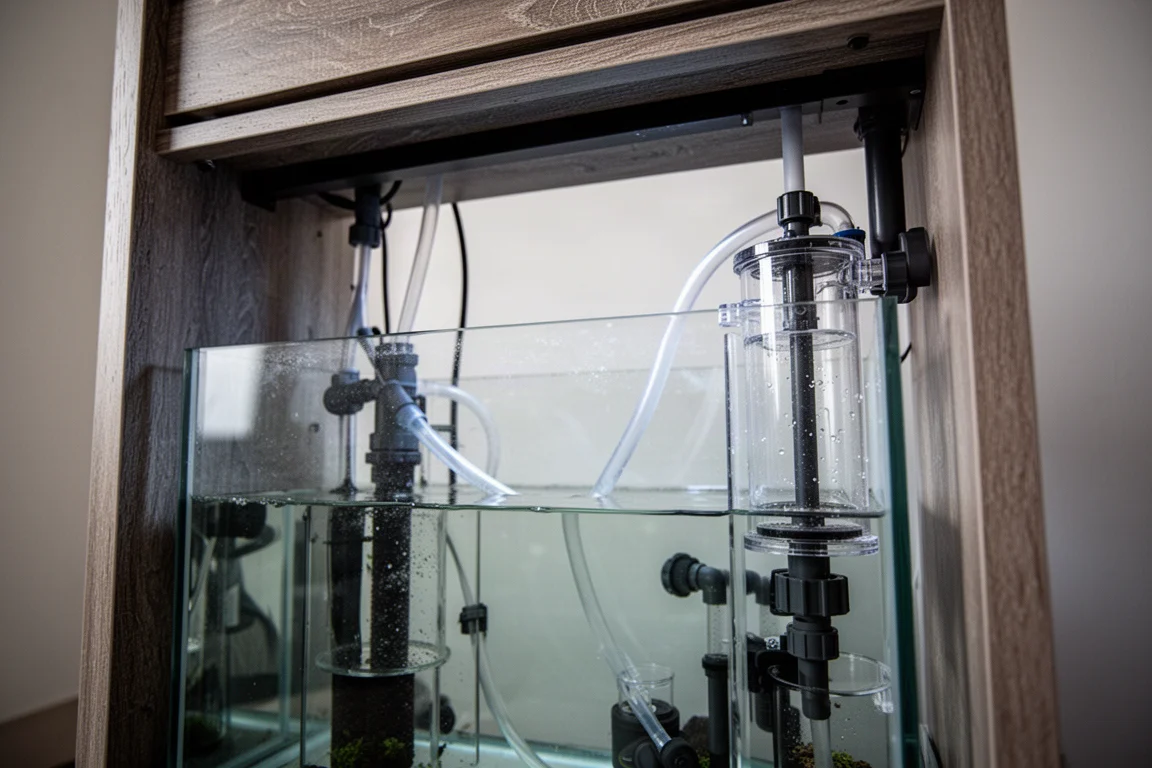
Installation quality matters more than most people expect. Common UV mistakes tend to be installation-related, and a sterilizer that is plumbed or flow-rated incorrectly will not perform the way you want it to, no matter which brand is on the housing. Budget for a proper bulb replacement routine as well, since effectiveness depends on the bulb being within its service life.
Buying Advice
Start by matching wattage to your actual water volume using Pentair’s published tank size and flow guidelines, and resist the temptation to go a size up. Because the ratings are trustworthy, an oversized unit mainly adds cost, heat, and space pressure without adding protection.
Plan the plumbing route before the unit arrives. Decide whether you want hard plumbing straight off the couplers, reducers with rigid pipe, or barbed adapters feeding flexible hose, and confirm you have the fittings and space for that path. Then choose the mounting location with maintenance in mind, ideally somewhere the sterilizer can be removed or serviced without draining anything, and pick up clamps if you want a clean, secure install.
Finally, treat the installation itself as part of the purchase. Following the recommended flow rate and setup sequence is what turns a well-rated sterilizer into one that actually protects your fish.
Conclusion
Pentair Aquatics UV sterilizers are built for aquarists who want real parasite and pathogen control rather than basic water polishing. The larger body, aggressive 180,000 milliwatts per square centimeter dosage target, and ratings that account for end-of-life bulb output all point in the same direction, and the straightforward tank and flow guidance removes the guesswork that usually surrounds UV sizing.
The trade-offs are practical rather than performance-related: these units take up more room, mounting clamps are bought separately, and installation needs to be done properly. Get those details right and this is a sterilizer you can run with confidence, both as a disease-management tool and as a clarifier for stubborn algae and bacterial blooms.
Product link
View more details for Pentair Aquatics UV Sterilizer
This product is mentioned in the review. Check the specifications, options, and compatibility before buying.
View more details for Pentair Aquatics UV SterilizerFurther reading
Related Reviews
Aquarium Equipment
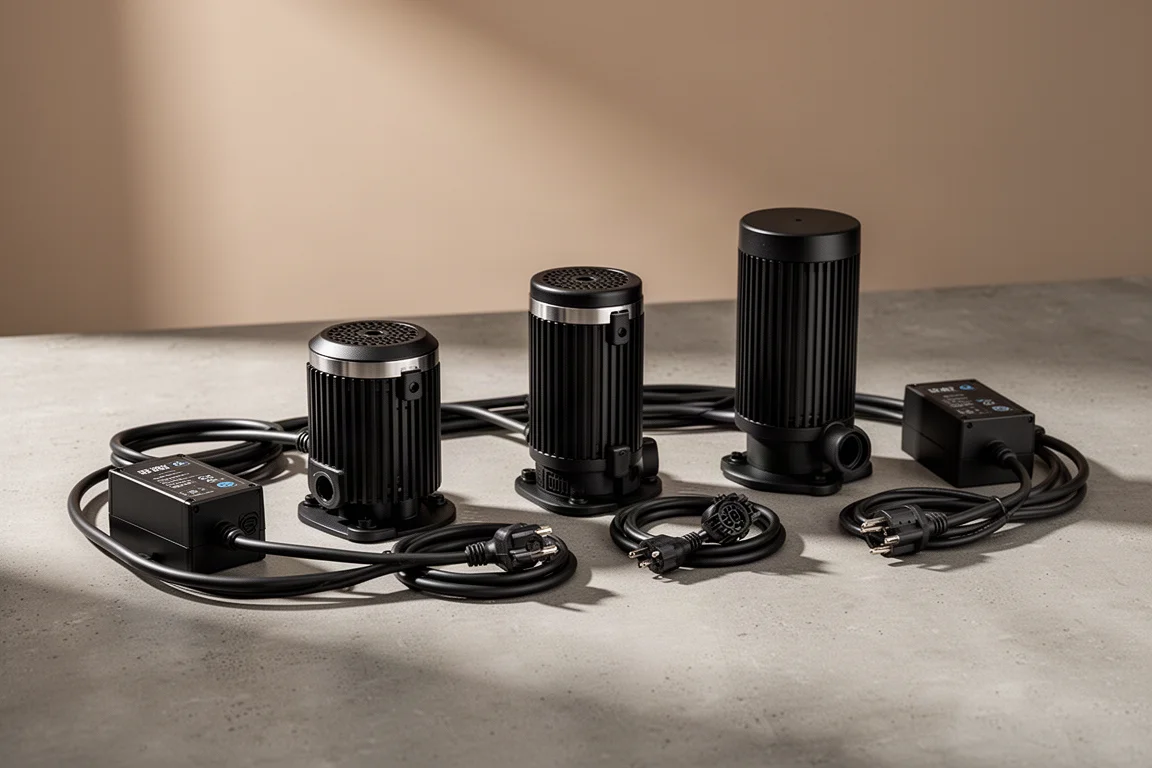
Abyzz Professional DC Pumps: A100, A200, and A400 Reviewed
A closer look at three German-made DC return pumps built for large reef systems, with titanium internals, fine flow control, and a 10-year warranty.
Aquarium Equipment
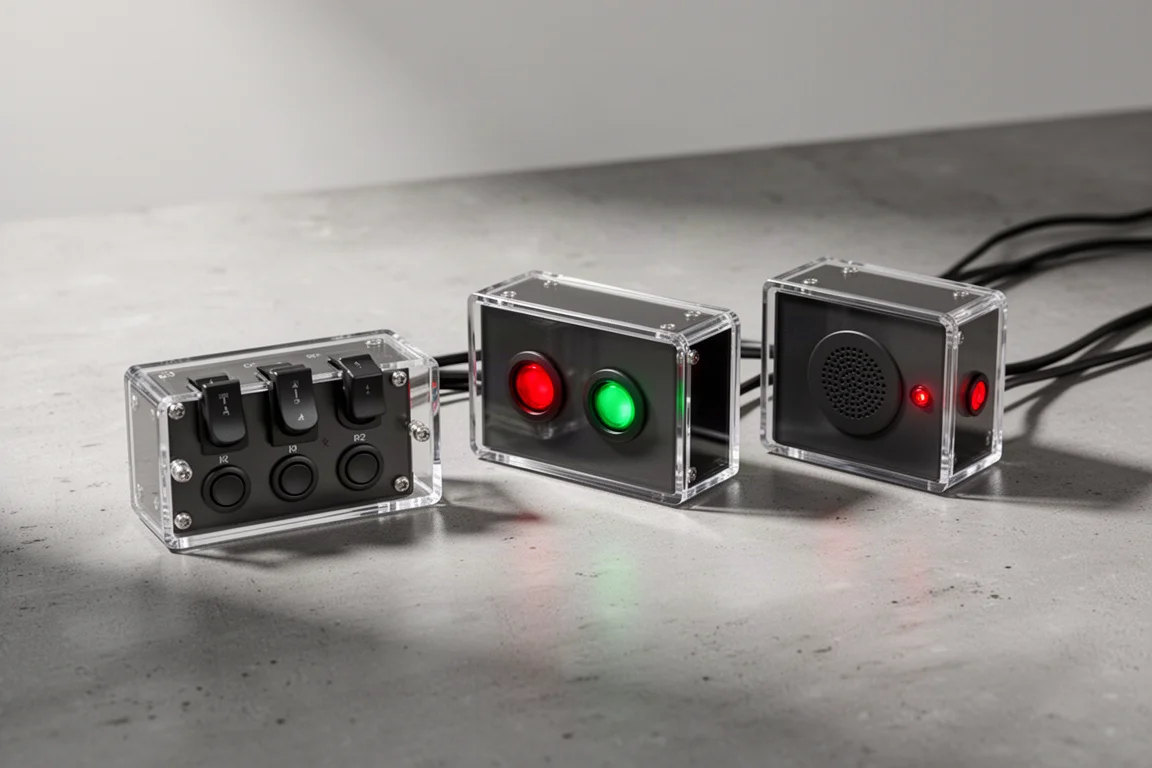
AdaptiveReef Controller Accessories: Three Tactile Upgrades for Your Reef Controller
A practical look at three AdaptiveReef add-ons that put physical switches, at-a-glance status lights, and a loud alarm within arm's reach of your reef tank.
Aquarium Equipment
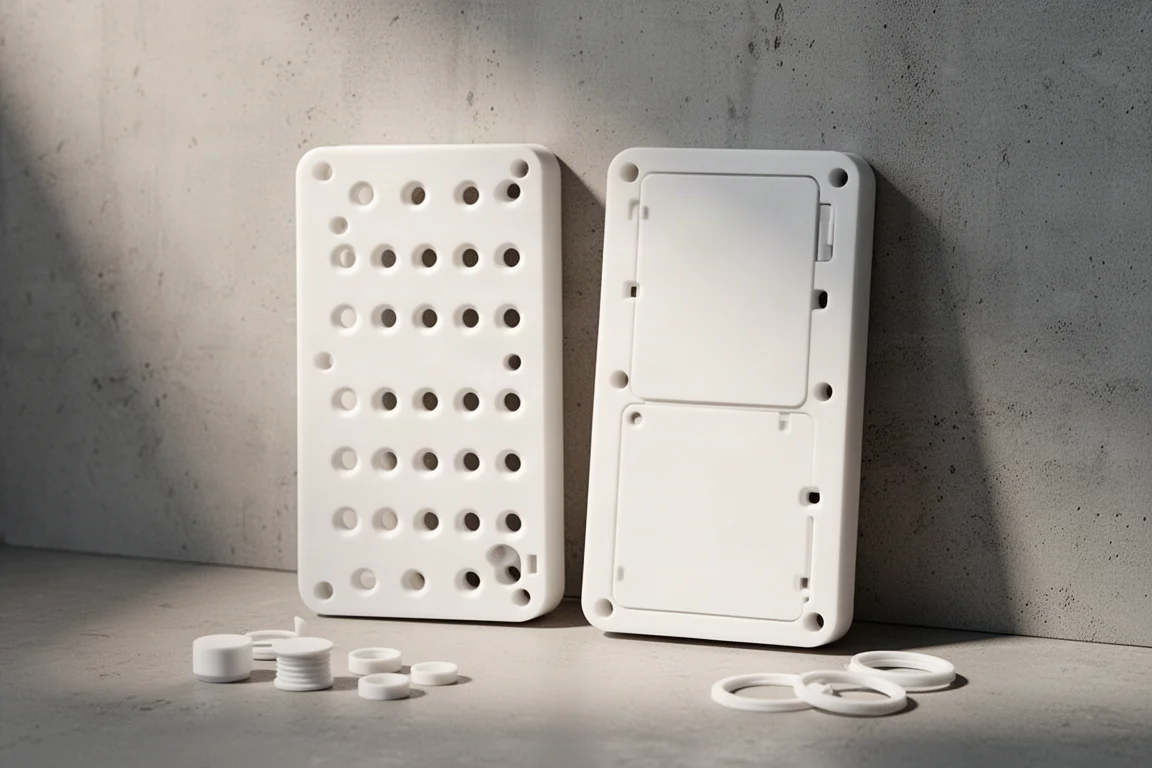
Adaptive Reef Controller Boards: Basic vs Deluxe for Cleaner Aquarium Gear
A practical look at the Adaptive Reef Basic and Deluxe controller boards, what each one includes, and how to choose the right size for your tank gear.