Cookbooks
Peinao Cookbook Review: A Week of Greek Homestyle Cooking
We cooked 19 recipes from Helena and Vicki's Greek cookbook over six days. Here is what worked, what frustrated us, and who this book is really for.
Introduction
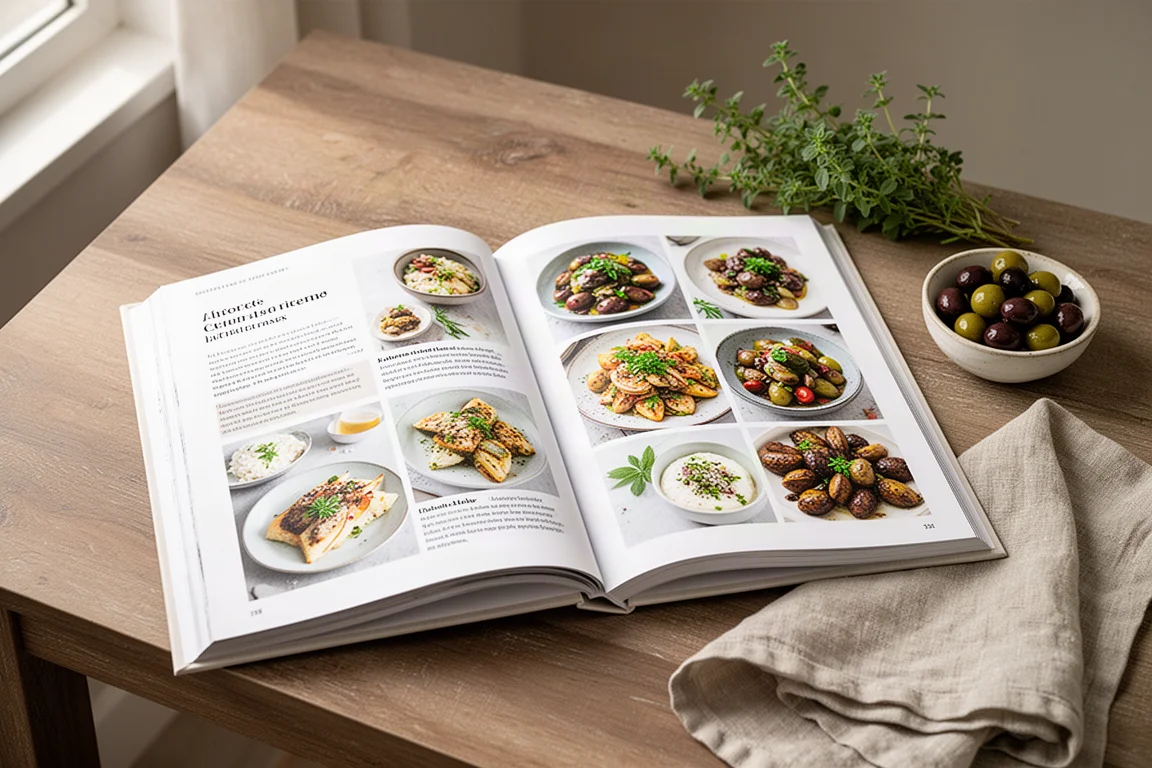
Peinao is the second cookbook from Helena and Vicki, identical twins from an Australian Greek family in Adelaide, South Australia, who many readers will know from the reality cooking competition My Kitchen Rules. The title translates to “I’m hungry,” and the book is pitched as a guide to feeding hungry guests: 80 recipes across seven sections, covering everything from breakfast to big plates.
We put the book through a real test: 19 of the 80 recipes cooked over six days, spanning mains, sides, a dessert, drinks, and pantry staples. This review reflects what those dishes were actually like to cook and eat.
What We Cooked
Across the week we made five mains, seven sides, one dessert, two drinks, and four pantry items. The average finished dish took about three and a half hours including prep, made six servings, and came out to roughly $7.23 per serving. That long average cook time is worth knowing up front: this is not a quick weeknight cookbook, and several recipes, like the lamb moussaka, require juggling multiple oven temperatures and lengthy waiting periods.
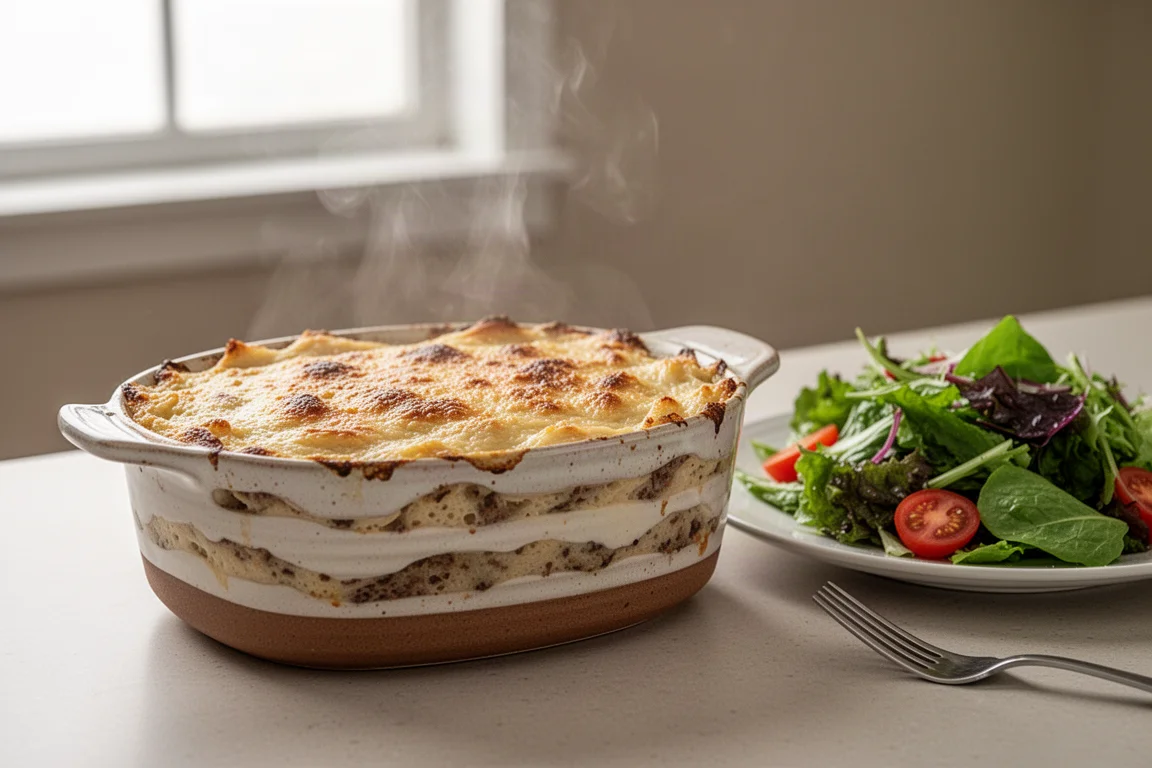
One day-one lesson: recipes may take longer than stated. The moussaka took about an hour longer than expected and never browned on top the way the photos suggest, likely because the photos rely on a broiler finish that the written method does not emphasize.
The Highlights
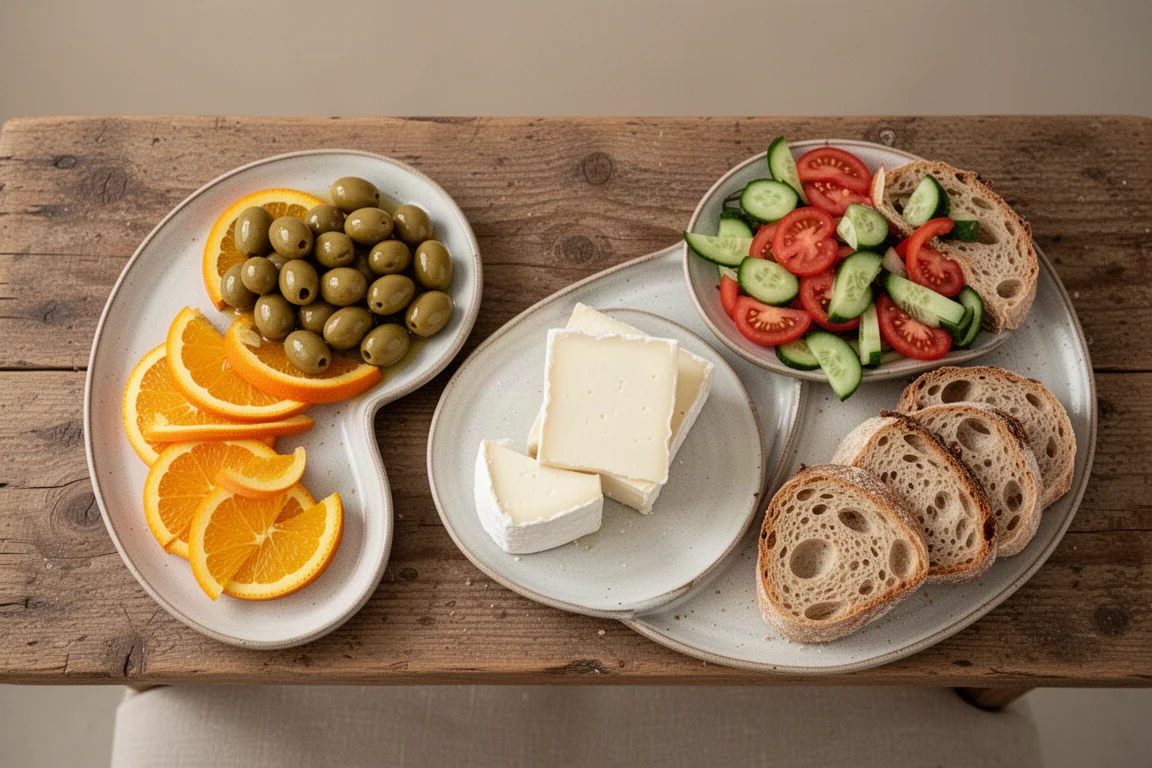
Several dishes genuinely earned their place. The marinated olives with orange and chili were fast, easy, and endlessly snackable, with the fennel standing out as the nicest touch. The iceberg and graviera salad with tarragon buttermilk dressing was a surprise favorite: simple, bright, refreshing, and far better than it looked on paper.
The tomato fritters were a genuine highlight, tasting almost like a caramelized tomato pancake with herbs, and they sparked plenty of ideas for variations. The oregano yogurt pita bread was arguably the star of the whole week, pillowy and worth the effort on its own. The pork souvlaki worked well once the meat was trimmed and sliced short across the grain, and the lamb moussaka, while fussy, improved dramatically as leftovers.
The Frustrations
Flavors as written rarely blew us away. This is a common issue with family-recipe cookbooks: the food does not taste bad, it just often tastes unremarkable if you did not grow up with it. Several dishes needed more salt, more acid, or more herbs than written, and the recipes lean heavily on hard-to-source Greek cheeses like graviera and kefalotyri with no real substitutes offered.
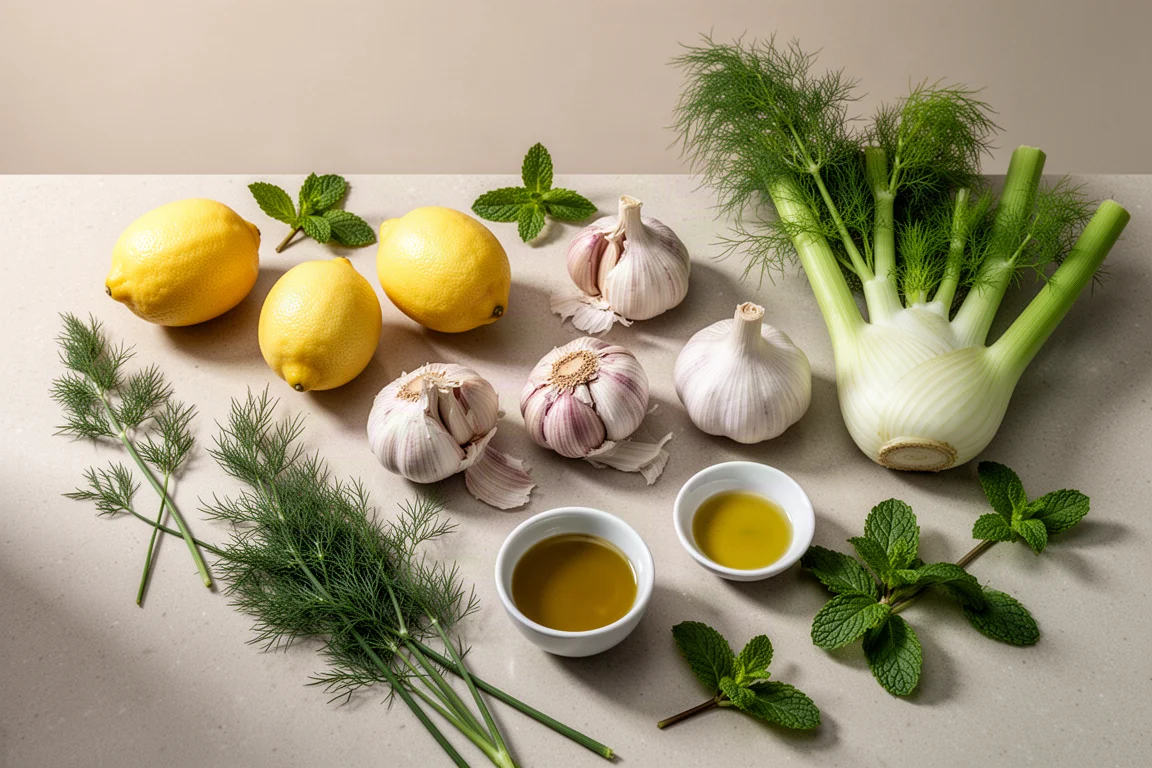
Recipe writing itself is a weak point. Order of operations is often inefficient, pushing tedious prep to the end while hot dishes sit and cool, and there is little guidance on dough texture or pan size. There is also a genuine safety concern: a garlic oil recipe appears without any warning that garlic-infused oil must be stored in a cool, dark place to avoid botulism risk. Newer cooks should take note.
Design and Writing
The book’s design is a mixed bag. The playful typography and sketchy illustrations look great, and the inclusion of prep times, pairing suggestions, and serving sizes in a consistent spot is genuinely useful for weekly planning. The stylized, heavily arranged photos, however, cannot be trusted as a reference for what a dish should look like, and trying to judge doneness or assembly from them can actively mislead.
The prose is thin. Most pages go to family lore and brief tangents on Greek culture, and the party-planning section, odd for a book ostensibly about feeding crowds, is short and obvious.
Who This Book Is For
If you want a cozy window into Greek homestyle cooking, a taste of the twins’ childhood kitchen built around their Yia and Papou, this book can deliver that. Many dishes felt like comforting weeknight basics rather than showstopping dinner-party fare, which matters for a book sold on feeding a crowd.
Buying Advice
By our usual standard, a book earns its price when at least half the tested recipes are repeaters. We got 11 keepers out of 19, which clears that bar, but with caveats: several keepers needed adjustments to reach their potential, and the book’s premise of hosting a Greek feast for a crowd is not really what the recipes deliver.
If you live near a Greek deli, already cook comfortably without heavy hand-holding, and love the idea of homestyle Greek dishes you can riff on, Peinao is worth a look. If you are a beginner looking for dependable, detailed recipes to impress guests, look elsewhere.
Conclusion
Peinao is a charming book with real bright spots: the pita bread, the tomato fritters, the iceberg salad, and leftovers that get better by the day. But inefficient recipe writing, hard-to-source ingredients, and a gap between promise and delivery keep it from being an easy recommendation across the board. It is good, but it is confusing, and the best results come when you are confident enough to trust yourself over the page.
Product link
View more details for Peinao Cookbook by Helena and Vicki
This product is mentioned in the review. Check the specifications, options, and compatibility before buying.
View more details for Peinao Cookbook by Helena and VickiFurther reading
Related Reviews
Cookbooks
Africana Cookbook Review: A Pan-African Journey Worth Cooking Through
We cooked 13 dishes from Africana by Llorado Umashayor over one week. Here is what worked, what stumbled, and who this beautiful cookbook is really for.
Cookbooks
By Heart by Haley Catalano: First Look at a Calm, Practical Cookbook
We cooked two recipes from By Heart by Haley Catalano, including a tomato-based sandwich and chicken fat mashed potatoes, to see if the book's calm, detail-first approach holds up in a real kitchen.
Cookbooks
Charred by Genevieve Taylor Review: Vegetable Grilling Beyond Corn and Halloumi
We cooked 11 recipes from Charred over four days. Here is what works, what falls flat, and whether the book earns a spot on your shelf.