Astronomy Equipment
Pegasus Astro Smart Eye Review: A Digital Eyepiece With a Telescope Brain
The Smart Eye blends visual observing, EAA, and beginner-friendly astrophotography into one 2-inch digital eyepiece with live stacking and cooling.
Introduction
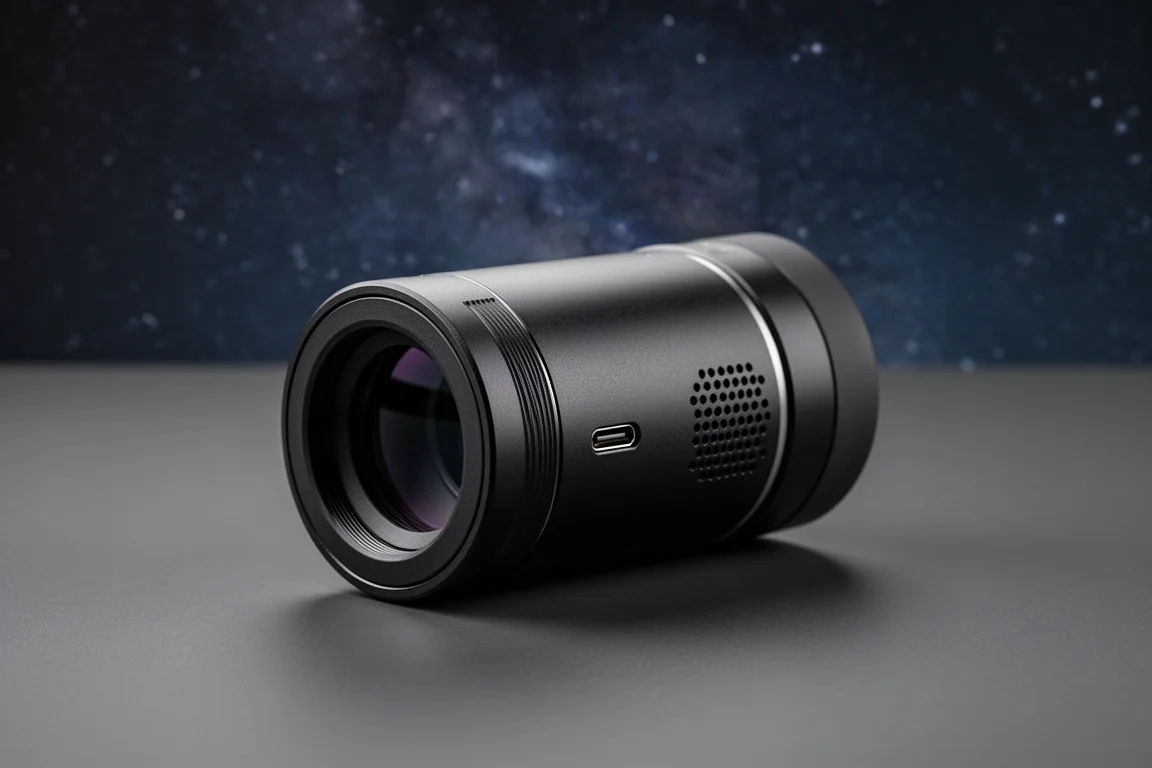
The Pegasus Astro Smart Eye is one of the more unusual pieces of astronomy gear on the market. The easiest way to think of it is that it takes your traditional visual telescope and gives it a telescope brain. It is not a normal eyepiece with glass inside, and it is not a regular astronomy camera either. Instead, it bridges visual observing, electronically assisted astronomy (EAA), and astrophotography in a single device.
The Problem It Solves
If you have ever looked through an eyepiece at a faint deep sky object, you know how it usually goes. You find the galaxy, you know it is there, you are excited, and then visually it looks like a faint gray cloud, a little whispering void in space. It is not because the object is not amazing. It is because our eyes are simply not great at collecting very faint light in real time.
The Smart Eye helps solve that by using a Sony IMX 533 color sensor, live stacking, on-board processing, and a built-in high-resolution display to enhance the view as you observe. Instead of needing a camera, laptop, capture software, cables, a screen, and a full EAA setup, it puts much of that experience into one 2-inch digital eyepiece.
Setup and Design
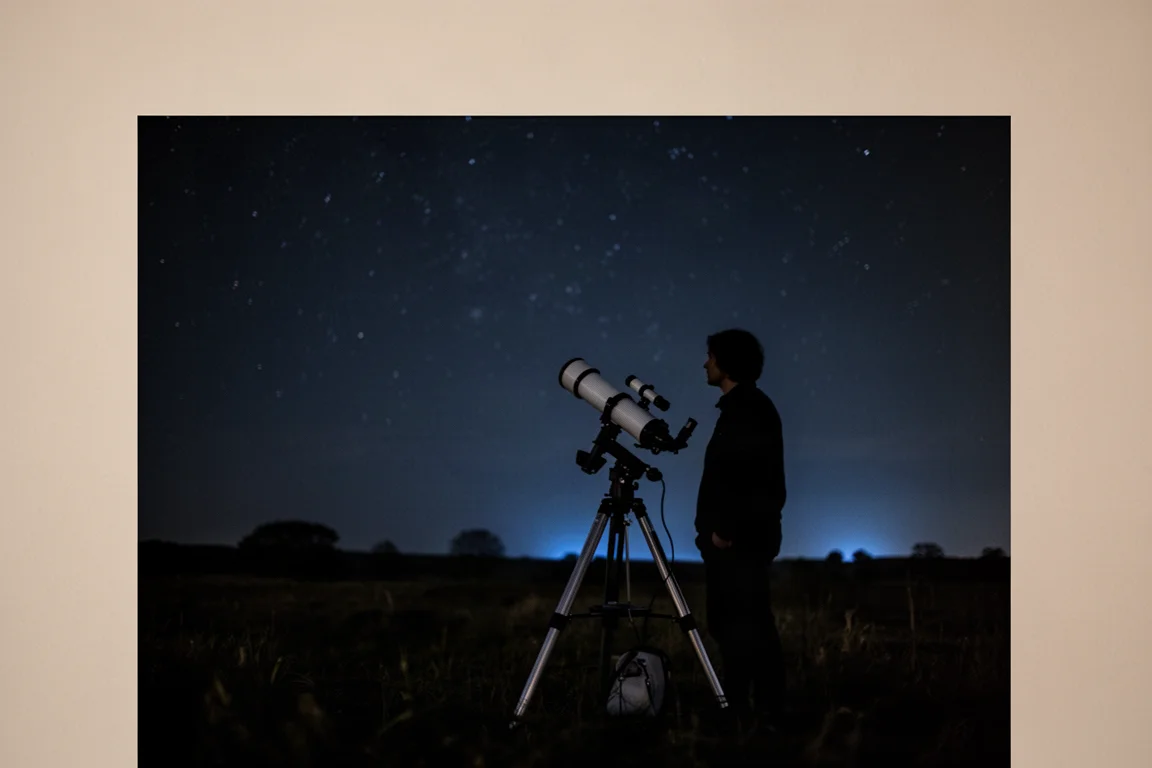
Getting started is straightforward. You place the Smart Eye into a standard 2-inch focuser, power it through USB-C, turn on tracking, reach focus, and start observing. A focal reducer is recommended but not required, so you can be observing without a complicated wiring session.
Inside the Smart Eye
The device is built around a Sony IMX 533 color CMOS sensor, delivering 3008 x 3008 resolution, roughly a 9-megapixel image. That sensor feeds a 2560 x 2560 OLED display with a wide 90-degree field of view and 12 mm of eye relief, so looking into it still feels like the immersive eyepiece experience many observers love.
Because it is designed for real deep sky work, it also includes thermoelectric cooling that can bring the sensor down to 30 degrees C below ambient. That helps reduce noise, which matters a great deal when stacking longer exposures of faint nebulae, galaxies, and star clusters.
Live Stacking and Smart Features
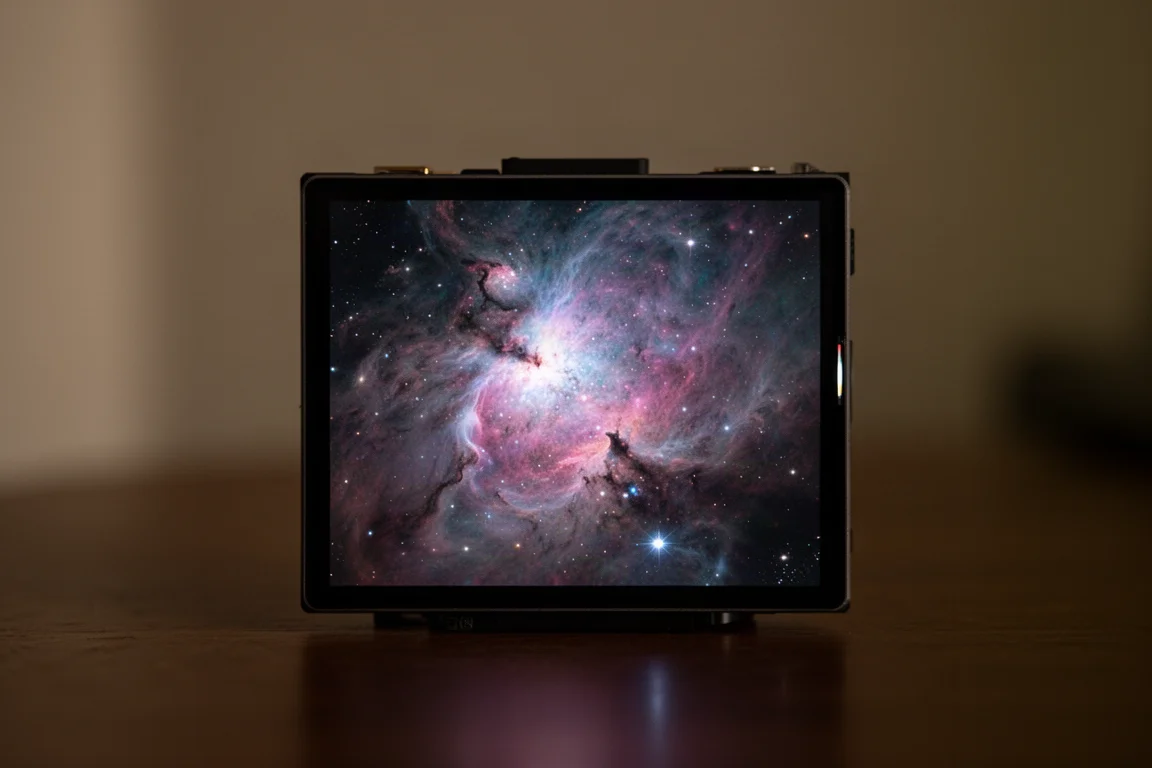
One of the standout features is live stacking. As the Smart Eye captures more frames, the signal improves, the background gets cleaner, and more color and detail start to appear right in the eyepiece. It even has sensors that detect vibrations and reject bad frames from the stack, which is a clever touch for keeping the final view clean.
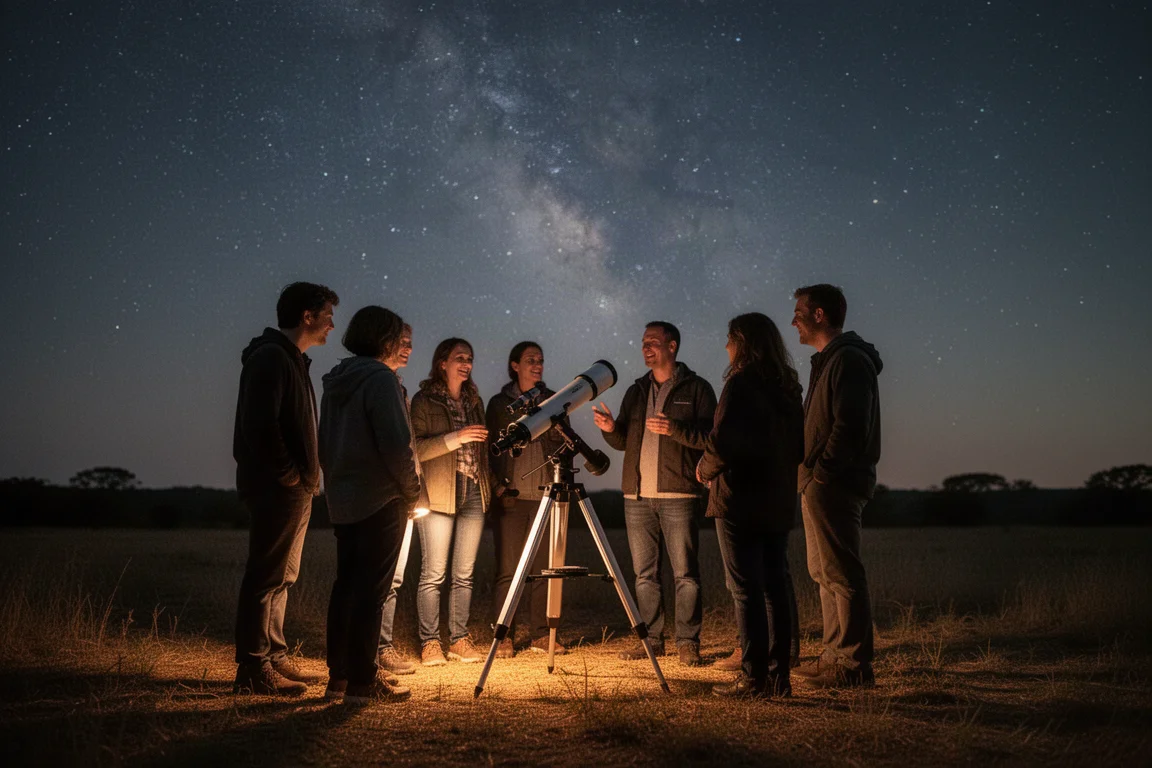
You also get SkySafari integration, wireless sharing, and a web dashboard for control. SkySafari can help you find targets and plate solve, while wireless sharing lets you pass the live view to friends and guests. That makes this a genuinely fun outreach tool: instead of your audience looking through the eyepiece and being told to trust you that it is there, you can actually show them color, structure, and detail.
Advanced Camera Mode
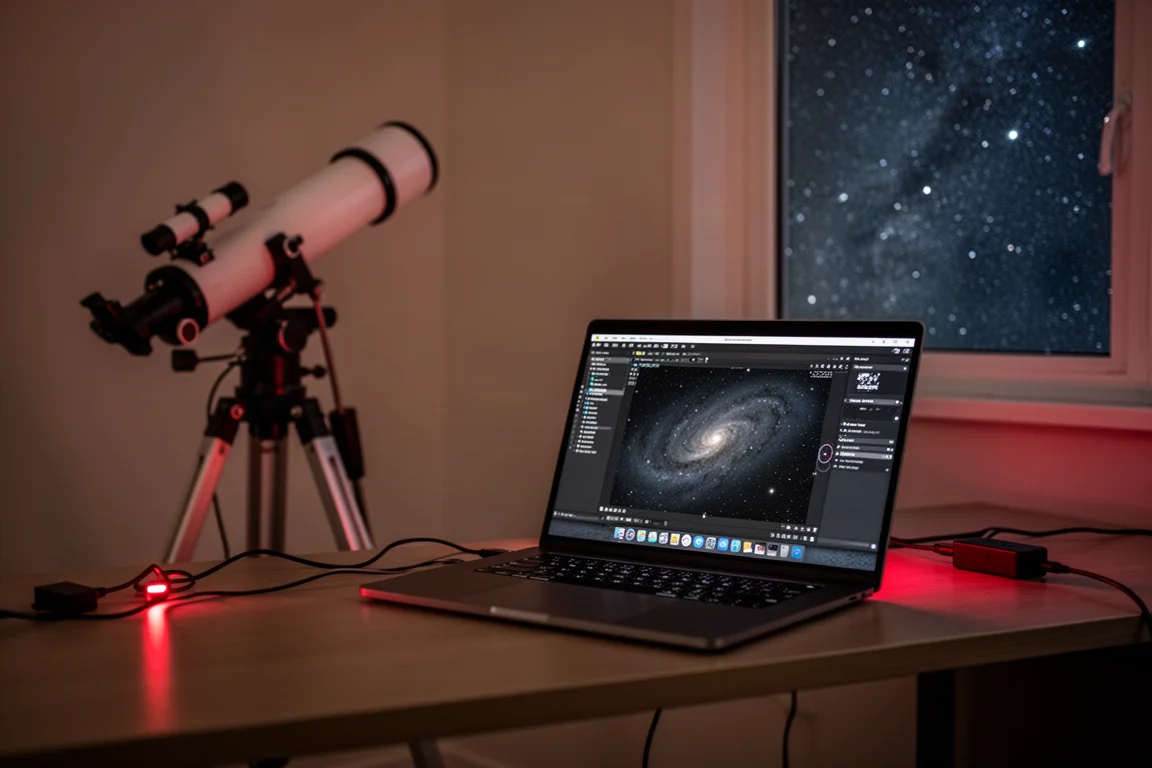
If you want to go further, the Smart Eye can also function as a cooled astronomy camera. It supports FITS image storage on a micro SD card and ASCOM Alpaca compatibility, so advanced users can connect it to a more traditional imaging workflow with software like NINA. Once you finish capturing, you can import your images and process them on your computer in your favorite editing software.
Buying Advice
The Smart Eye will not replace every dedicated astro camera or every traditional eyepiece, and that is not really its point. It is for people who want to keep the magical feeling of looking through a telescope while gaining the benefits of modern sensors, stacking, cooling, and smart software. If you split your time between visual observing and curiosity about imaging, or you regularly host star parties and outreach nights, it is an easy fit. If you already run a full dedicated imaging rig, treat it as a companion rather than a replacement.
Conclusion
The Pegasus Astro Smart Eye brings visual observing, EAA, outreach, and beginner-friendly astrophotography into one compact 2-inch digital eyepiece. For observers who want the eyepiece feeling with a modern sensor behind it, it offers a rare combination in a single device. Clear skies.
Product link
View more details for Pegasus Astro Smart Eye
This product is mentioned in the review. Check the specifications, options, and compatibility before buying.
View more details for Pegasus Astro Smart EyeFurther reading
Related Reviews
Astronomy Equipment
Blue Fireball Tri-Pier Review: Stable Pier Height for Larger Imaging Rigs
A portable aluminum pier with 39 inches of height and a 220 lb capacity, built to give go-to mounts the clearance and stability that standard tripods lack.
Astrophotography
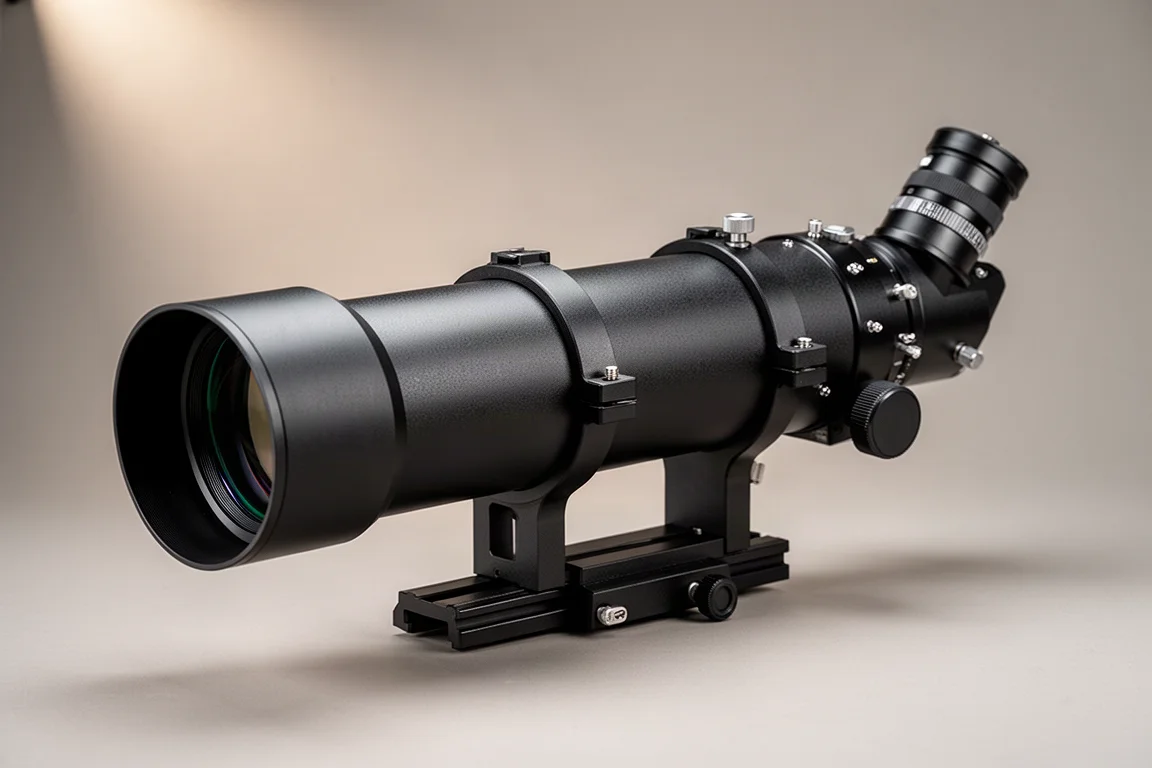
ASKAR FRA400C Review: A Versatile 400mm Refractor for Astrophotography and More
The ASKAR FRA400C is a compact 72mm refractor that balances reach, versatility, and portability for astrophotographers and visual observers.
Astrophotography
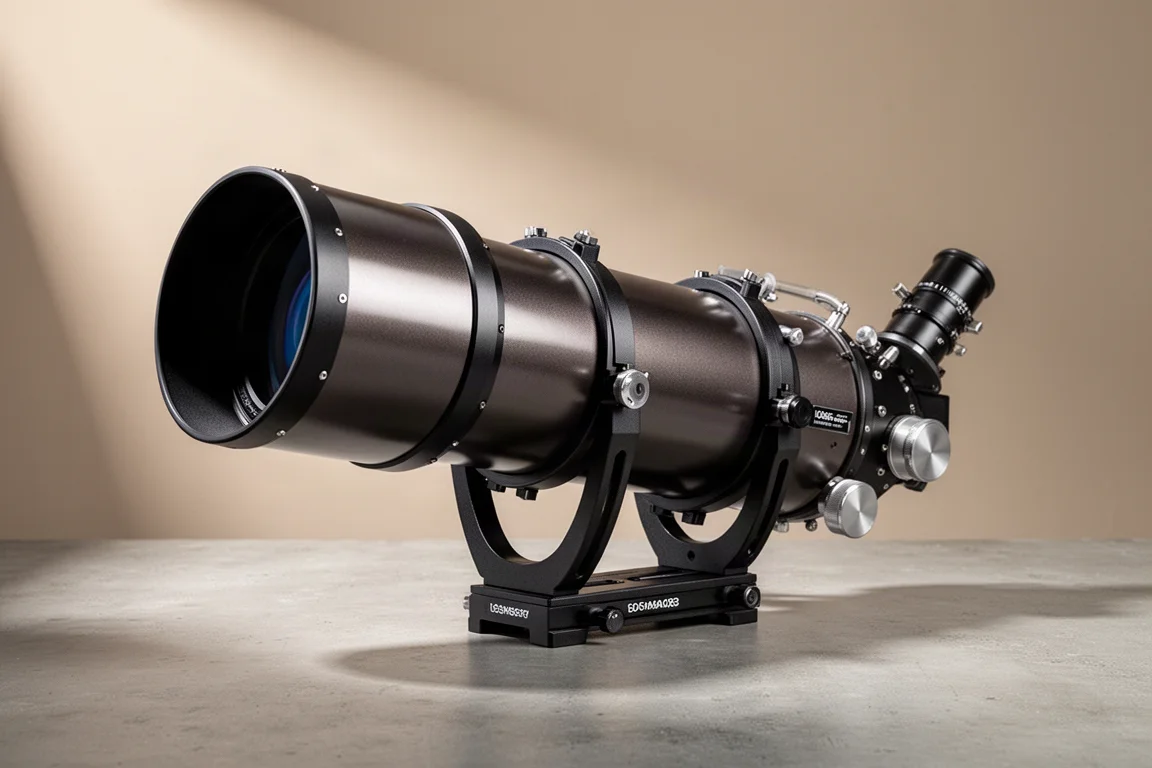
Askar SQA106 Review: A Premium 106mm Astrograph With Exceptional Optics
The Askar SQA106 is a premium 106mm quintuplet astrograph with impressive sharpness across full-frame sensors, though its price and weight demand careful consideration.