Road Bikes
Pearson Forge vs Pearson Shift: Two High-End Road Bikes Compared
Pearson's Forge and Shift sit at opposite ends of the high-end road bike spectrum. Here is how they compare on specification, fit, sizing and ownership.
Introduction
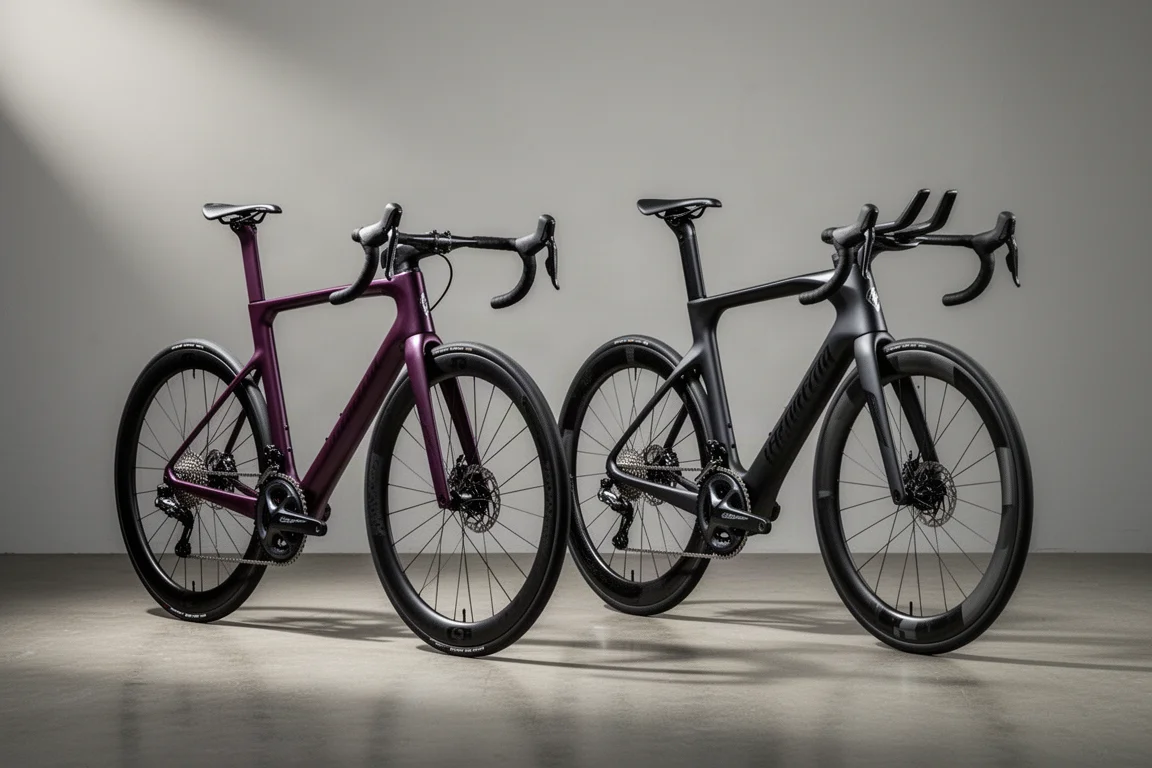
Pearson builds road bikes at the premium end of the market, and its range covers two very different ideas about what a high-end road bike should be. The Forge is an endurance road bike with a carbon frame, aero tube profiling and a deliberately compact geometry. The Shift is an all-out aero racing bike built around a long, low position and deep section tubing.
Both share a threaded T47 bottom bracket, Shimano Ultegra level builds and the same service-led buying process. The differences show up in fit, ride character and how easy each bike is to live with over time. This comparison looks at specification, sizing and ownership so you can judge which one matches the riding you actually do.
What Pearson Brings to the Table
The buying experience is unusually service-led. Delivery costs £150 and the bike arrives fully assembled and ready to ride, with no cardboard box and no home assembly. Most deliveries are handled by a member of the Pearson team, and where location or timing makes that impossible, a trained mechanic service takes over instead.
Click and Collect is available in the UK and removes the £150 delivery fee, but the bike has to be collected from a Pearson dealer. The dealer network is still being expanded, so it is worth checking the distance before choosing that route.
Bike fitting sits at the centre of the brand’s approach. Buy a bike and get a bike fit either before purchase or within 30 days afterwards, and £200 comes off the price. The fit can be carried out by any fitter rather than only ones the company works with, and supplying the fit data and a receipt is all that is needed. If a fit taken within 30 days of purchase calls for changes, the handlebar or stem is swapped free of charge.
Framesets are available for every model, so riders who prefer to build their own bike have that option.
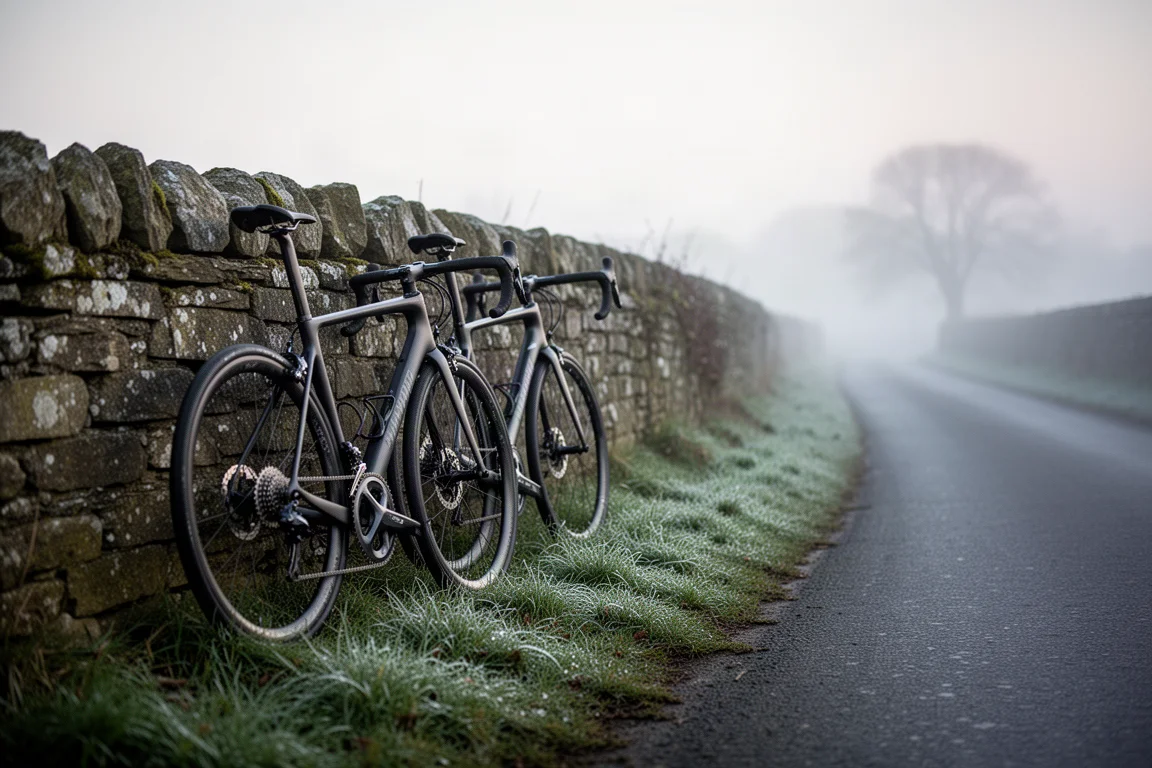
Ultegra Di2 builds are the most affordable complete bikes on the website, which is worth knowing when comparing either model against other premium road bikes.
Pearson Forge: Endurance Road Bike
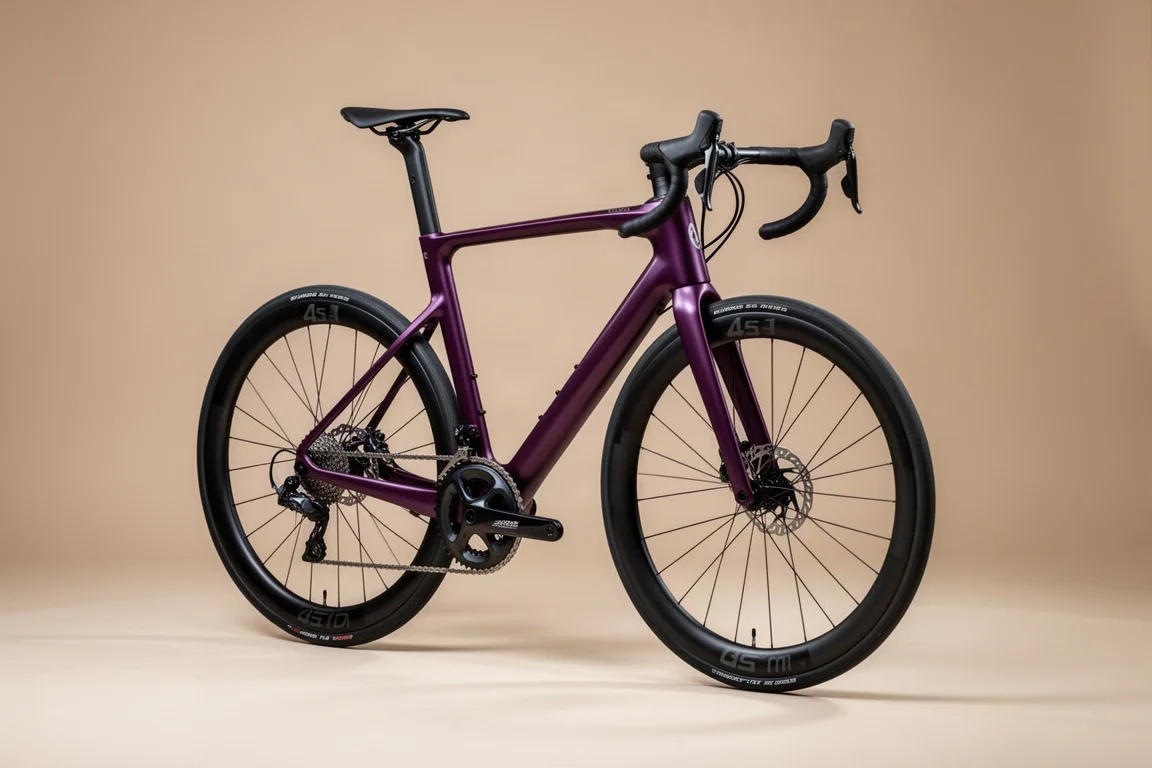
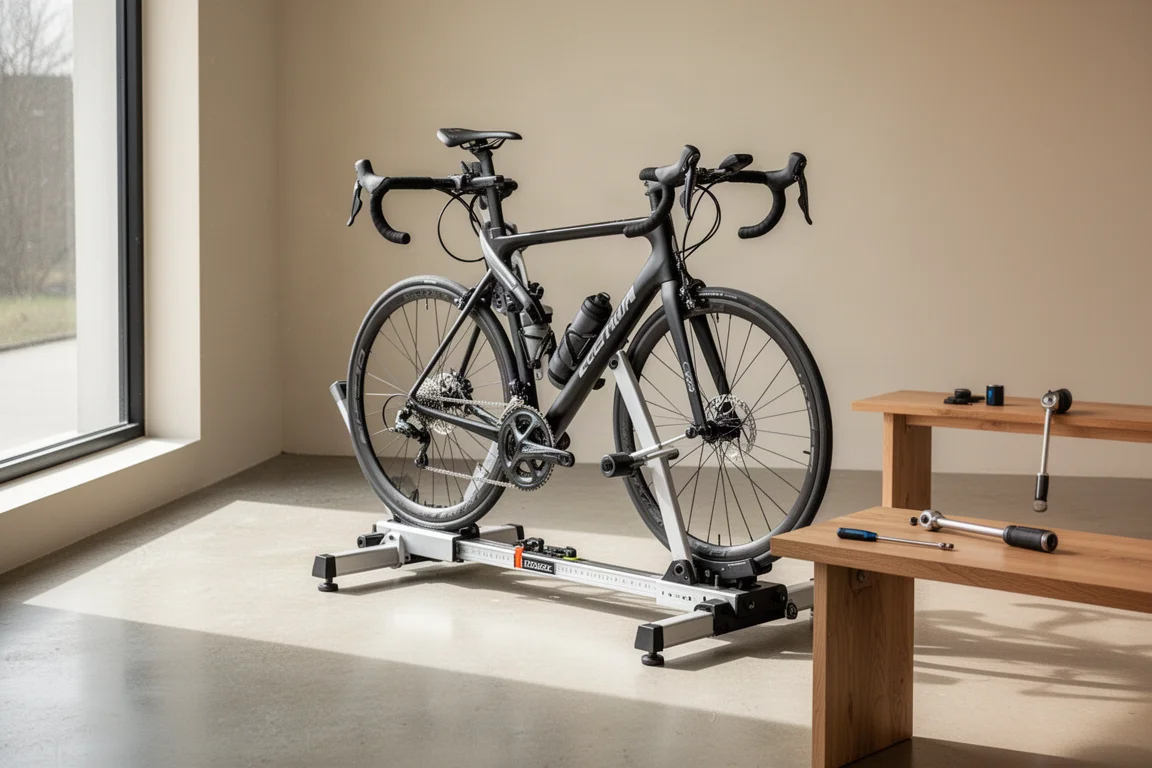
The Forge is built around an endurance position, with the rider more upright and the handlebars closer and higher than on a race bike. The frame and fork are carbon, tyre clearance is 35 mm, and the colourway shown here is atomic aubergine.
The specification is serious. There is a T47 threaded bottom bracket, 45 mm deep wheels, Vittoria Corsa Next tyres in 32 mm, a Fizik Aliante saddle, and a Pearson carbon bar and stem measuring 38 cm and 100 mm. The groupset is Shimano Ultegra with a 50-34 chainset and 165 mm cranks, and the complete bike weighs 7.81 kg.
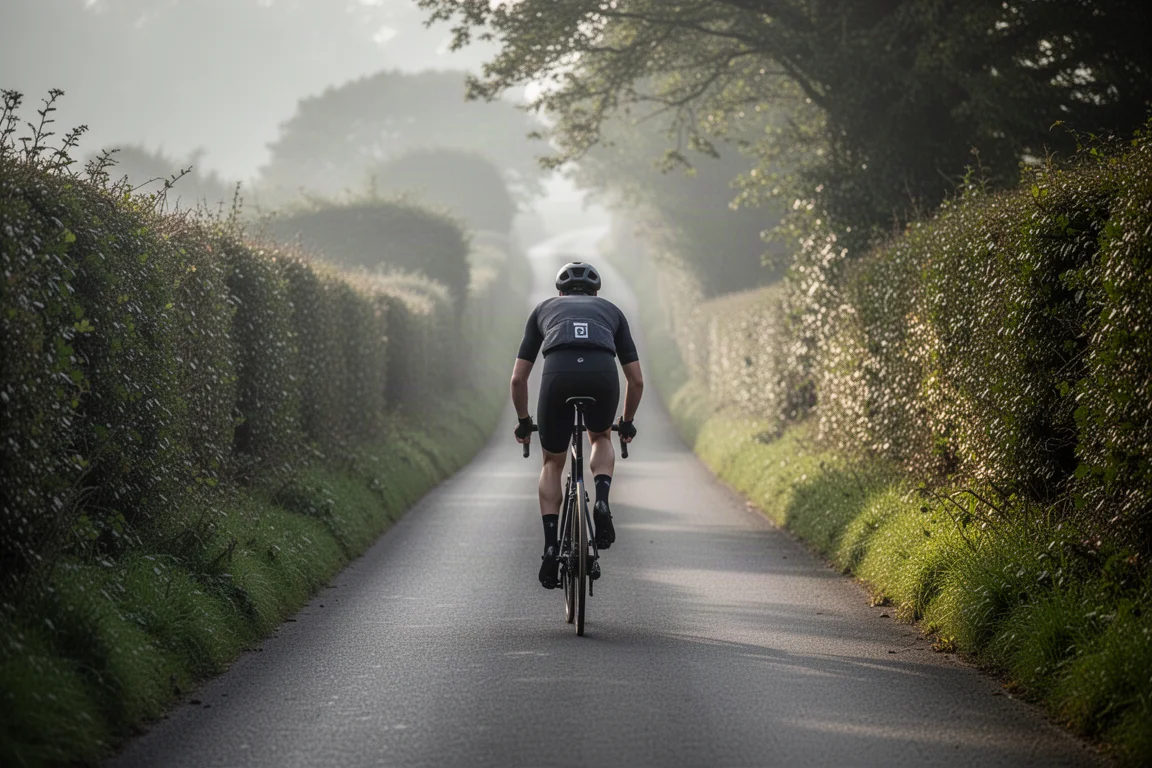
Ride quality is where the Forge makes its case. Despite the endurance geometry, it carries aero tube profiling and aero wheels, and it feels light and agile with a quick, responsive edge. Power transfer is strong, it climbs willingly, and it has enough race feel to make a hilly loop feel like an invitation to push harder. The endurance position also inspires confidence on fast descents, which is not always true of a low, aggressive race setup.
Pricing is £5,150 in atomic aubergine, £5,050 in cotton pearl and £4,950 in heritage blue.
Sizing and Fit: Where the Forge Stands Out
The Forge comes in five sizes, and the smallest has a reach of 337 mm. Reach is the horizontal distance from the centre of the bottom bracket to the centre of the head tube, and it is often the measurement that decides whether a bike fits at all, because it sets how stretched out the rider is.
Designing a proprietary mould around years of fit data is an expensive undertaking for a small brand, and the result is a road bike that genuinely serves riders below average height, a group the wider industry rarely caters for well.
For context, one of the few big-brand endurance bikes that goes properly small is the Canyon Endurace. Its smallest 3XS size uses 650B wheels and has a reach of around 350 mm, which makes the Forge meaningfully shorter in reach, and availability of that Canyon size is a separate question.
The Shift takes the opposite approach. It is a long, low racing bike, and it does not go small enough in the way the Forge does.
Pearson Shift: Aero Race Bike
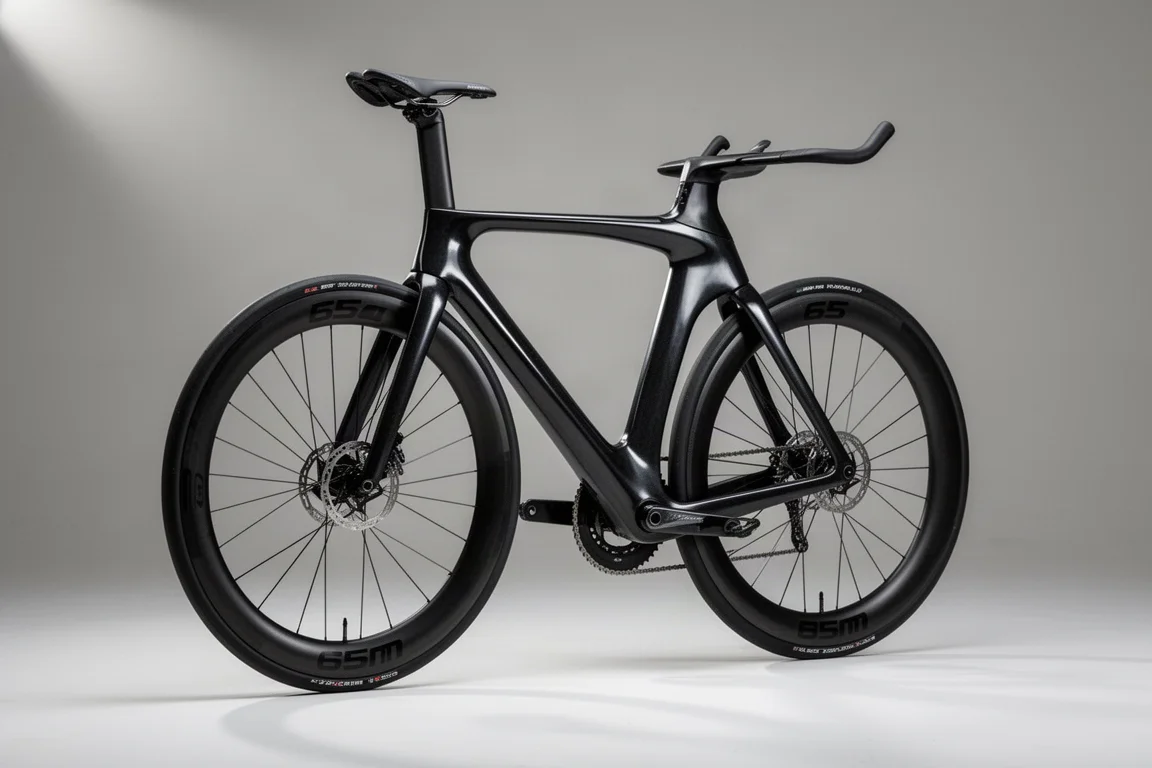
The Shift is an all-out racing bike. Tube profiles are deeper and more aerodynamic than the Forge’s, the front end is lower and further away, and the design is aimed squarely at riders who want to cut through the air in an aggressive racing position. Carbon is used throughout, and it shares the T47 threaded bottom bracket.
The build includes 65 mm deep wheels, Vittoria Corsa tyres in 30 mm, a Fizik Vento Argo saddle and Pearson’s one-piece handlebar and stem, 38 cm wide and 100 mm long. The chainset is 52-36 with 165 mm cranks, and the complete bike weighs 7.73 kg.
The one-piece cockpit is stiff and does its job, and the drop shape is a genuine highlight: hands sit locked in and secure when riding in the drops. The ride itself is firm and direct, and the aggressive position becomes uncomfortable sooner than an endurance setup would. That is the trade-off for the aerodynamic advantage, and it means the Shift rewards riders who prioritise speed and a low front end over long-distance comfort.
Pricing is £5,450 in the colourway shown, £5,600 in dawn blue and £5,450 in racing white.
Living With These Bikes
Both bikes use fully integrated cockpits and disc brakes, which is the norm on premium modern road bikes and brings its own servicing demands. Pearson fits ceramic bearings in the headset on the basis that they typically last longer, which should mean less frequent stripping down and servicing.
The Forge holds up well in the details. The bolts are good quality, the seat post clamp works as it should, and the bike comes apart and goes back together cleanly.
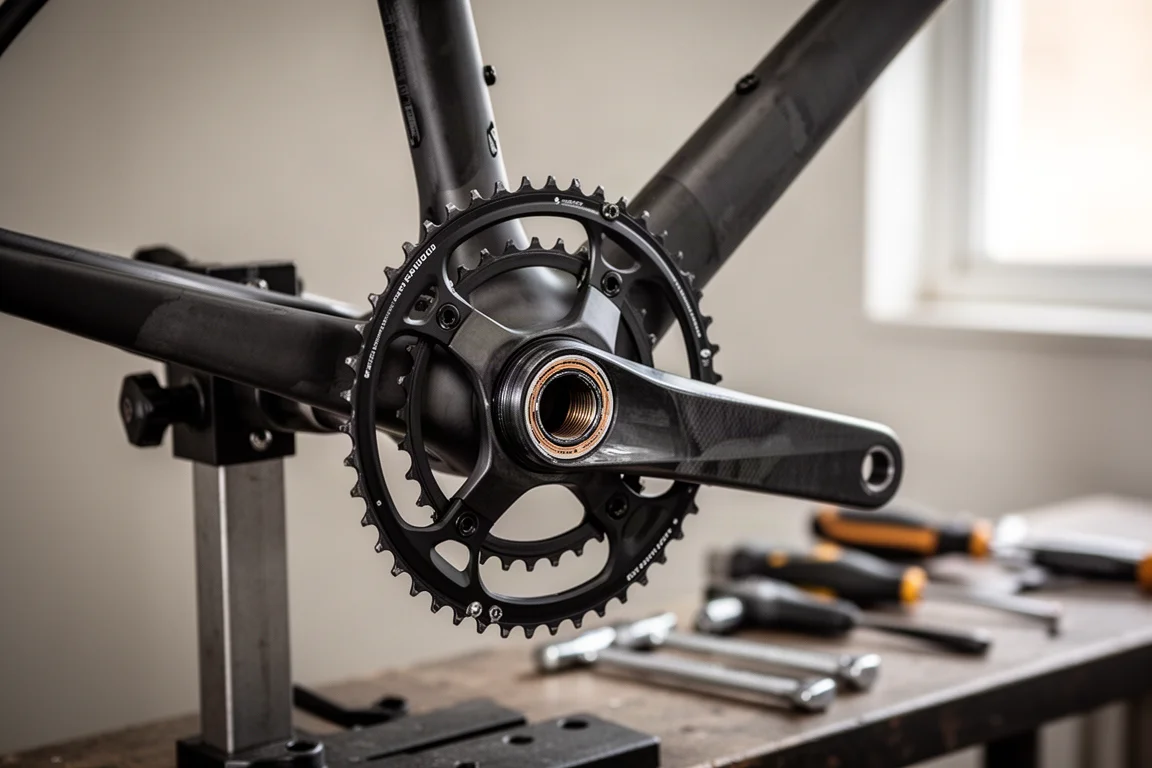
The Shift is less consistent. Its saddle clamp is fiddly, and the bolts are not held to the same standard as the Forge’s. The same clamp design is used on some other brands’ bikes, and fitting an alternative clamp made the adjustment dramatically quicker, which points to the hardware rather than the procedure. On a bike at this price, that is a fair criticism.
Wheel choice is another practical consideration. Switching to the brand’s alloy house wheels noticeably improved comfort on the Shift, smoothing out much of the harshness even with tubed rather than tubeless tyres. On the Forge, the same swap made only a marginal difference to climbing, small enough to fall within the noise of day-to-day riding.
Buying Advice
The two bikes sit at opposite ends of the high-end road spectrum, and the decision comes down to position and priorities rather than build quality alone.
The Forge is the more distinctive proposition. It is one of very few premium endurance bikes designed around a genuinely short reach, it is stiff and aero enough to feel quick, and its finish and hardware are excellent. Riders below average height who have struggled to find a road bike that fits properly should put it near the top of their list.
The Shift competes in a crowded aero category alongside established race bikes from larger brands, and comparable Ultegra Di2 builds with carbon wheels can be found for less. Buyers are effectively paying for the service model, the fit-led purchase process and the delivery experience. The frame is fast and the cockpit drop shape is excellent, but the saddle clamp hardware and the demanding position are real considerations.
For most riders weighing up the two, the Forge is the easier bike to recommend. If a low, aggressive race position is exactly what you want and the service package appeals, the Shift still delivers the speed it was built for.
Conclusion
Two premium road bikes, two clear philosophies. The Forge pairs endurance geometry with aero touches and a sizing range that genuinely serves smaller riders, making it the stronger all-round package. The Shift is a focused race bike with a fast frame and a well-shaped cockpit, best suited to riders who want an aggressive position and value what comes with a Pearson purchase. Whichever you choose, the fit-led buying process and the £200 bike fit credit are worth using.
Further reading
Related Reviews
Road Bikes
10 New Road Bikes Worth Watching: Aero, Titanium, Steel and Endurance Standouts
A practical roundup of 10 new road bikes, from aero flagships chasing single-watt gains to titanium, steel and endurance platforms built for real roads.
Road Bikes
2026 Tour de France Road Bikes: Six Race Machines Worth a Closer Look
Six race bikes from the 2026 Tour de France grid, reviewed for paint, silhouette, wheels and the specification details that matter to buyers.
Road Bikes
3T Strada Italia Review: A Radical Aero Road Bike That Rides Smooth
A made in Italy carbon aero road bike with a deep head tube, wide tire clearance and a genuinely comfortable ride. Here is what to know before buying.