Aquarium Filtration
Pax Bellum ARID N-Series Review: A Macro Algae Reactor Built for Growth
A close look at the Pax Bellum ARID N-Series macro algae reactor, covering its lighting, sizing, setup routine, and the optional calcium reactor injection assembly.

Introduction
Refugiums have long been a dependable way to grow macro algae for nutrient control, but they can also be messy and difficult to tune. The Pax Bellum ARID N-Series takes the same idea and moves it inside a sealed reactor with its own lighting, plumbing, and flow guidance. The result is a filtration component built around a single job: pushing Chaetomorpha growth hard enough that phosphate and nitrate are taken up quickly and consistently.
This review looks at how the ARID is built, what its lighting and flow systems are designed to do, how the four sizes map to tank volume, and where the matching N-Series calcium reactor injection assembly fits into a calcium reactor setup.
Why a Macro Algae Reactor Earns Its Place in a Sump
Using macro algae such as Chaetomorpha to remove excess phosphate and nitrate is a long-established practice in reef keeping. The appeal is straightforward. It is a natural process, and the algae does not lose effectiveness over time the way chemical media can. As it grows, there is simply more of it working on the nutrients in the water. The ARID leans into that behaviour and pushes growth to the limit so uptake stays rapid and consistent.
There is a second benefit that is easy to overlook. Macro algae does not only take up phosphate and nitrate. It can also pull other unwanted elements, including heavy metals, out of the system.
Reactors have become more popular than open refugiums for a practical reason. A refugium is simple and convenient, but it is notoriously messy. A sealed reactor keeps algae contained, keeps light where it belongs, and makes harvesting far less disruptive to the rest of the sump.
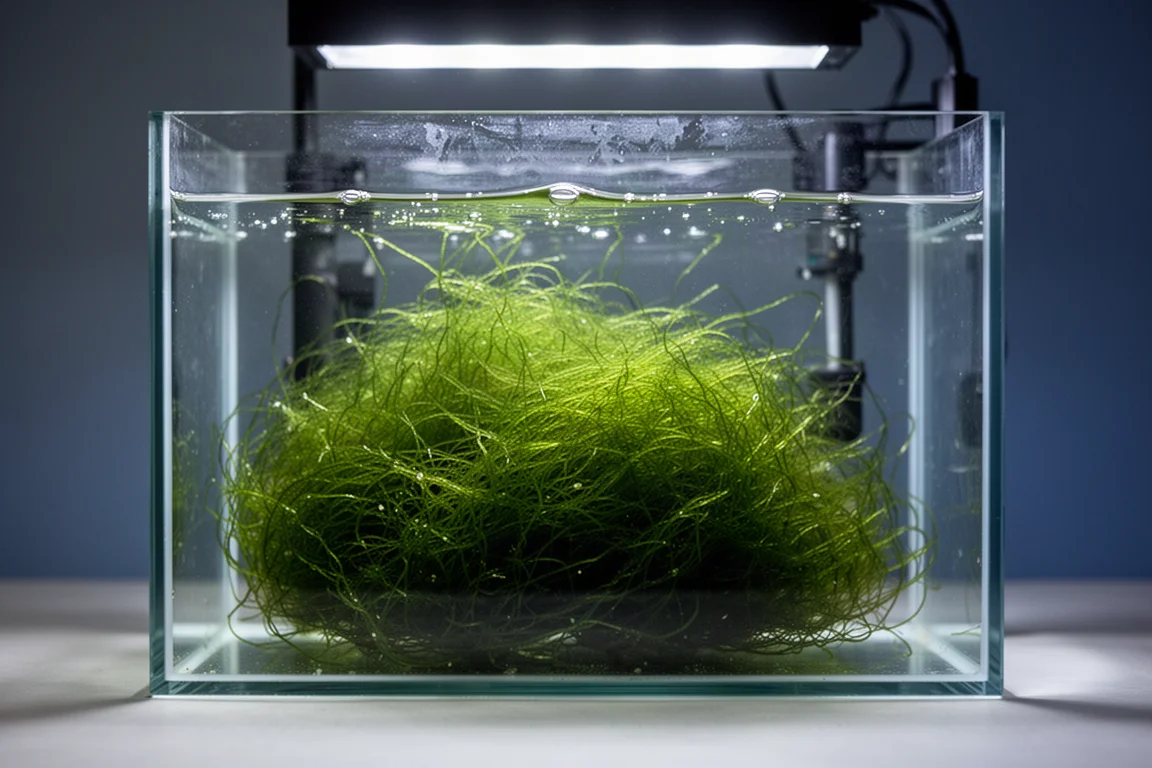
That combination of containment and controlled growth is what makes the ARID a sensible option for anyone who wants algae at the heart of their filtration rather than an afterthought in the corner of a sump.
Pax Bellum ARID N-Series: Design and Build Quality
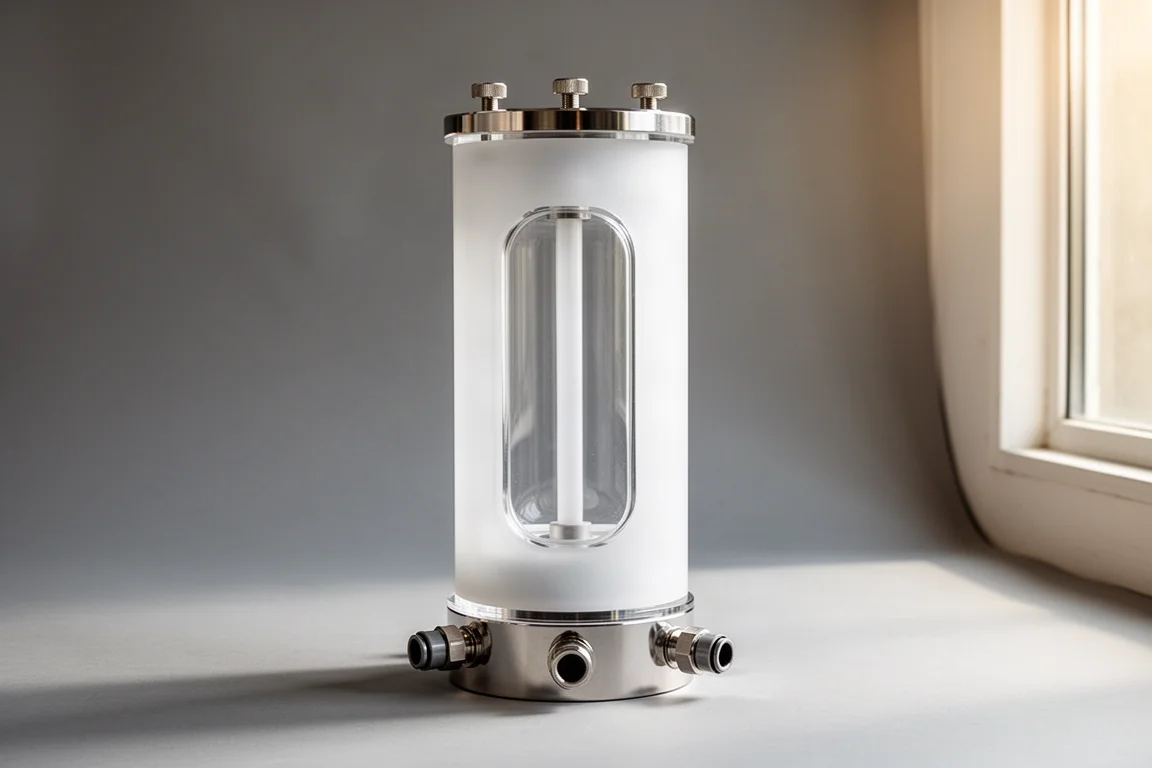
The ARID is handcrafted in the United States and holds a number of patents. The fit and finish reflects that. Polished edges look excellent, the components feel robust, and the locking quick disconnects give a firm hold with a satisfying click while staying easy to attach and remove. The thumb screws on top turn smoothly, which matters more than it sounds when the reactor is opened every week.
Each unit ships with a pre-installed light tube and sleeve, a pair of quick disconnects, the nitrate and molybdenum supplement, the iron and manganese supplement, a power supply, Super Lube synthetic grease for the electrical connectors and O-rings, spare thumb screws, a quick start guide, a troubleshooting guide, and a sticker.
Lighting, Flow, and Spectrum: The Engine Room
The lighting is the most impressive part of the design. An internal light bar in the centre of the chamber illuminates the algae from the inside out, and it is genuinely powerful. Output is equivalent to intense noon-hour tropical sunlight, with upwards of 2000 PAR measured at the innermost area of the reactor. The LEDs wrap around an efficient and silent heat pipe that keeps them cool so they perform optimally and hold up over time.
The spectrum is a mix of 660 nanometre red and 420 nanometre blue LEDs, phosphor coated to broaden the spectrum and give a fuller appearance for robust growth. It sits closer to daylight than the purple-pink glow common to hydroponic lighting, which is far easier on the eyes and makes it much simpler to judge the lush green colour of healthy algae through the chamber windows.
The light tube is water resistant rather than waterproof. The LEDs sit behind a clear protective film and the end of the tube is dip sealed, so wet hands, small splashes, and ordinary humidity are nothing to worry about. Submerging the tube is not something to attempt.

Flow is handled with the same intent. Water is pushed through the chamber in a laminar pattern past the algae, and the reactor ships with clear guidance on flow rates, photoperiod, minimum phosphate and nitrate levels, and dosing of the included supplements. Together, those settings turn the hardware into a complete filtration system rather than just a container.
Pax Bellum N-Series Calcium Reactor Injection Assembly
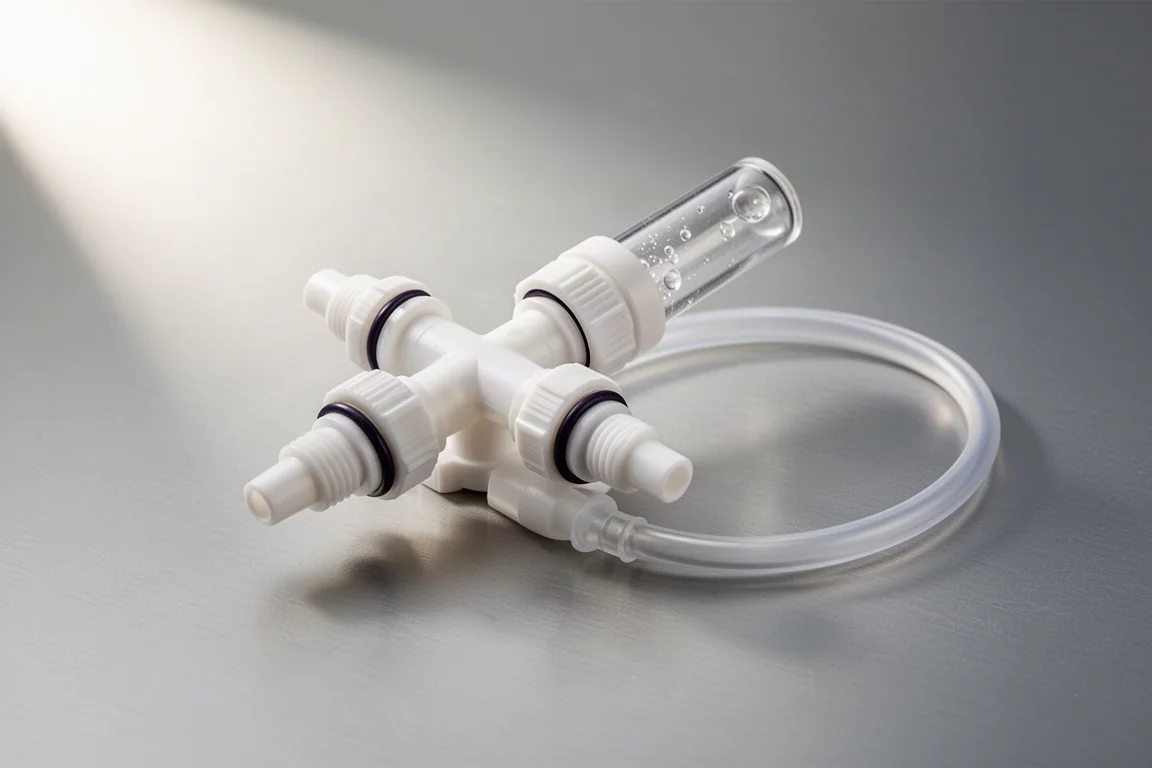
For reef keepers running a calcium reactor, this add-on is what connects the two systems. Excess CO2 in the calcium reactor effluent is fed into the ARID, where the macro algae uses it for photosynthesis and responds with boosted growth. At the same time, the effluent loses that surplus CO2 before returning to the reef tank, which raises its pH and minimizes the drop that calcium reactors are known for.
The assembly fits every model in the N-Series and includes a drip counter. It can be configured to feed water to the calcium reactor and back, or to passively receive effluent from the calcium reactor when used with a continuous duty dosing pump. It is not included with the reactor itself, so it needs to be added separately if the two are going to be paired.
Sizing the ARID to Your Tank
There are four models. The N18 is rated for 40 to 120 gallons, has a 6.5 inch footprint, stands just over 16 inches tall, and is the only model that includes a bracket for hang-on applications. The N24 is rated for 120 to 300 gallons, with a 9.5 by 8.25 inch footprint and a height of just over 22.5 inches. The N30 is rated for 250 to 500 gallons, with an 11.5 by 10 inch footprint and a 30 inch height. The N36 is the largest, rated for 300 to 1000 gallons, with a 13 by 12 inch footprint and a 36 inch height.
Sizing advice here runs against the usual instinct. Bigger is not better. Stick with the model rated for your tank volume, which is the manufacturer’s own recommendation even though a larger unit would cost more.
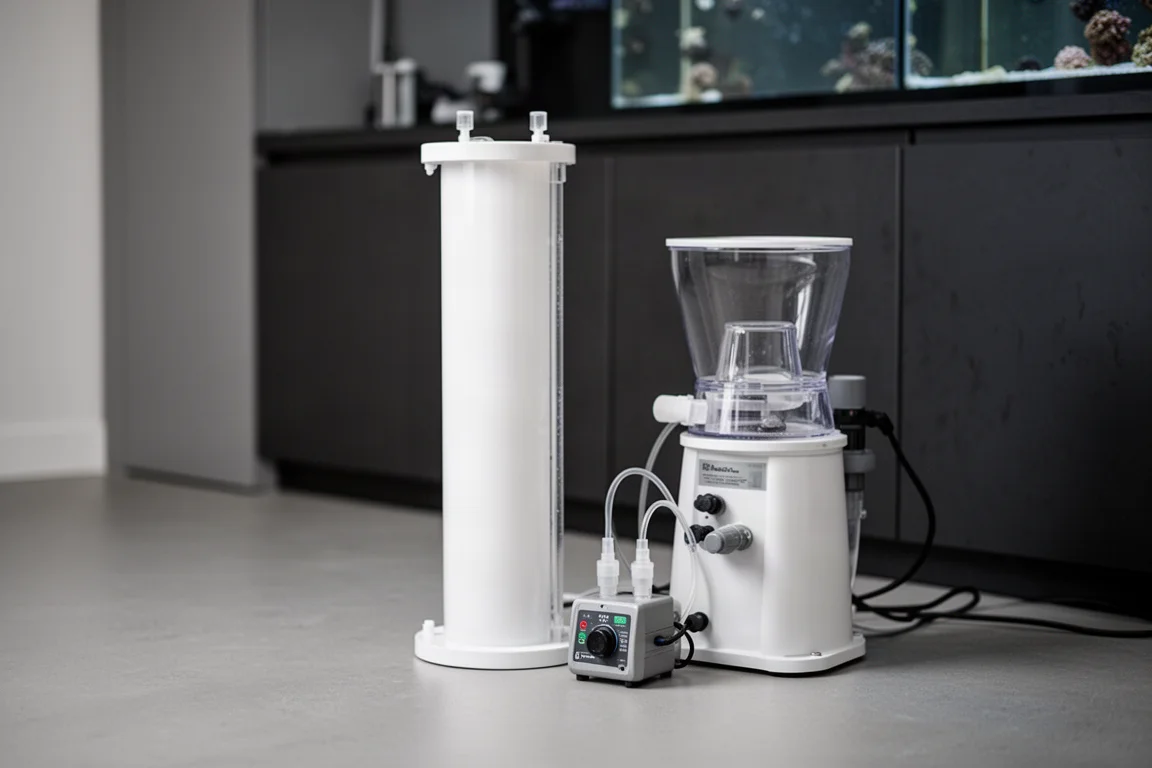
Two other system-level considerations are worth planning for. Expect to run a smaller protein skimmer, or one that can be tuned down easily for a tank smaller than yours, because the reactor takes on a large share of the nutrient export work. And do not combine the ARID with carbon dosing, zeovit, lanthanum chloride, or any other phosphate removal method. The reactor is intended to handle that job on its own.
Setup, Dosing, and Weekly Maintenance
The ARID can be run in a sump or externally. All fittings are threaded, so hard plumbing is possible, but soft tubing is the better choice because it lets the reactor and its tubing move freely when maintenance comes around. Once tubing and a pump rated for your model are on hand, the tubing connects to the quick disconnect fittings and the pump attaches at the bottom of the reactor. A DC pump is a good option because it adds another tuning point: raise or lower the flow through the chamber to dial in growth.
Water enters at the bottom and flows up to the top before returning to the sump or aquarium. To load the reactor, open it up and add one to two handfuls of Chaetomorpha to each section, spreading it evenly around the light tube. Twisting the centre disc tightens the spirals and locks the algae in place so the assembly slides back into the body. After the thumb screws are tightened and the pump is running, a DC pump can be set to the middle of the suggested flow range as a starting point.
Lighting connects through the LED power supply to a timer or an aquarium controller. Run it on the opposite schedule to the reef tank lighting with a one hour overlap: on one hour before the tank lights shut off, and off one hour after they come back on. From there it is a matter of dosing the included iron and manganese supplement for thick, robust growth and testing phosphate and nitrate regularly.
Testing matters because the reactor can do its job too well. Nitrates are often reduced more quickly than phosphate, which is why the nitrogen and molybdenum supplement is included for keeping the nitrate to phosphate ratio in the recommended 20 to 1 up to 100 to 1 range. For most systems that works out to roughly 1 to 5 ppm of nitrate against 0.5 ppm of phosphate. Both supplements are available in bottles from 125 millilitres up to 1000 millilitres.
Weekly harvesting is easier than it might sound. A sleeve inside the reactor chamber can be removed and cleaned so the whole reactor body does not need to go to the sink. Leaving the sleeve out is optional, and it gives a clear view of the algae growing through the chamber windows. The outer wrap is white, like the internal sleeve, so light is contained and reflected back onto the algae either way. Skipping the sleeve simply means the reactor body itself may need a proper clean more often. The quick disconnects make removing the reactor straightforward, and every part that makes up the reactor is available as a replacement, so damage does not mean buying a whole new unit. Newer components are also backwards compatible with older models, which means a newer generation light tube can go into an older generation reactor.
Buying Advice: Matching the ARID to Your Reef
The ARID makes the most sense for a reef keeper who has already decided that macro algae should carry the nutrient export load, and who wants that process contained, properly lit, and repeatable rather than improvised in a refugium.
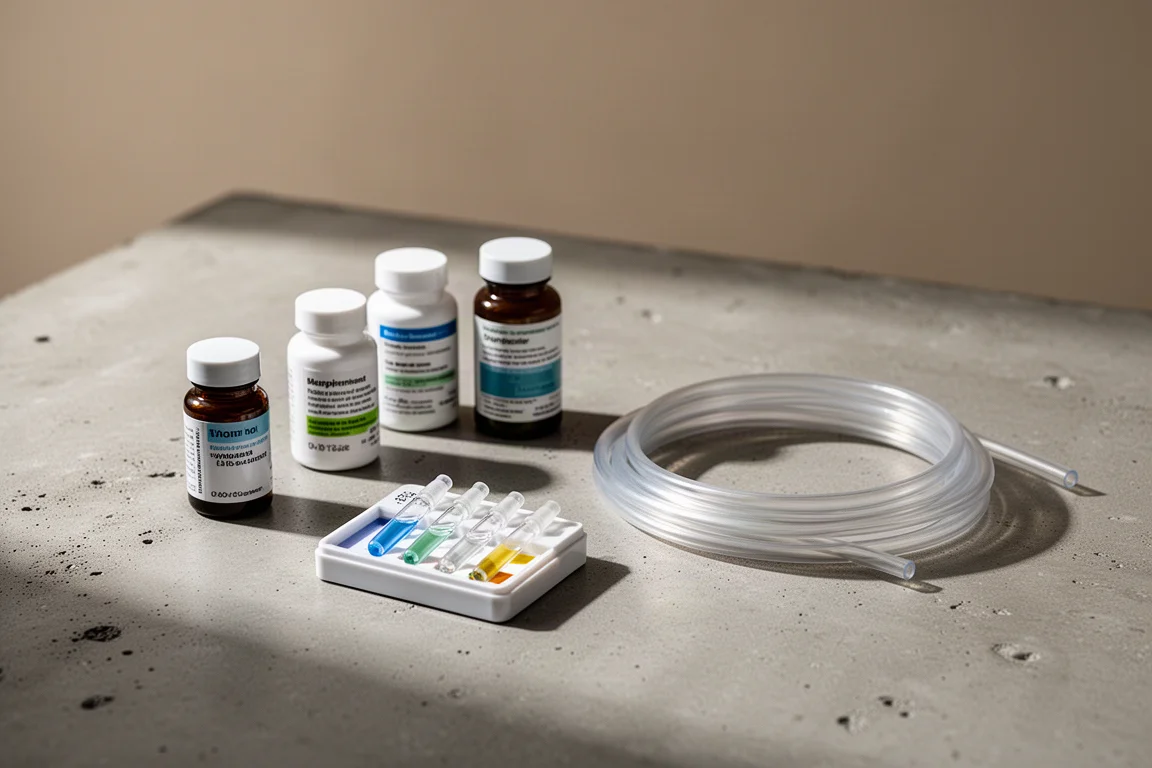
Start with tank volume and pick the model rated for it, not the largest one that will fit. From there, factor in the supporting changes: a skimmer that can be tuned down, no carbon dosing or other phosphate removal methods running alongside it, and a testing routine for phosphate and nitrate so the algae’s effect is visible in the numbers. If a calcium reactor is already part of the system, the injection assembly is the natural companion, because it puts the CO2 in the effluent to work and lifts the pH before that water returns to the tank. Without a calcium reactor on hand, the ARID still works as a standalone macro algae filtration unit.
Conclusion
The Pax Bellum ARID N-Series is a purpose-built macro algae reactor rather than a repackaged refugium. Its strengths are the high-output internal lighting, the contained laminar flow, the detailed setup and dosing guidance, and a build quality that reflects handcrafted production and a deep spare parts list. The main things to weigh are the system-level requirements: correct sizing for the tank, a skimmer that can be dialled back, and avoiding other phosphate removal methods. For reef keepers who want consistent nutrient uptake from macro algae and a cleaner sump in the process, it is a well-considered way to get there.
Further reading
Related Reviews
Aquarium Filtration
Adaptive Reef Refugium Reactor Review: A Simple Way to Grow Nuisance Algae Outside Your Display
A vessel designed to grow nuisance algae in a controlled space so it stops taking over the display tank, with an adjustable stand, a removable basket, and a single LED light on top.
Aquarium Filtration
Affordable Aquarium Filter Media: Testing Budget Alternatives to Expensive Biomedia
Can cheap pot scrubbers replace expensive ceramic biomedia in a canister filter? One aquarist tests the theory on a heavily stocked 210-gallon tank.
Aquarium Filtration
AquaMaxx Bullet 2 and Bullet 3 Review: Hang-On Protein Skimmers Compared
A closer look at two larger AquaMaxx hang-on protein skimmers, covering capacity ratings, clearance needs, and the design details that separate the Bullet 3 from the Bullet 2.