Outdoor Apparel
Patagonia R1 vs R1 Air: Which Fleece Fits Your Layering System?
Two classic Patagonia fleeces share a name and a knit-based build, yet they suit very different days. Here is how to choose between them.
Introduction
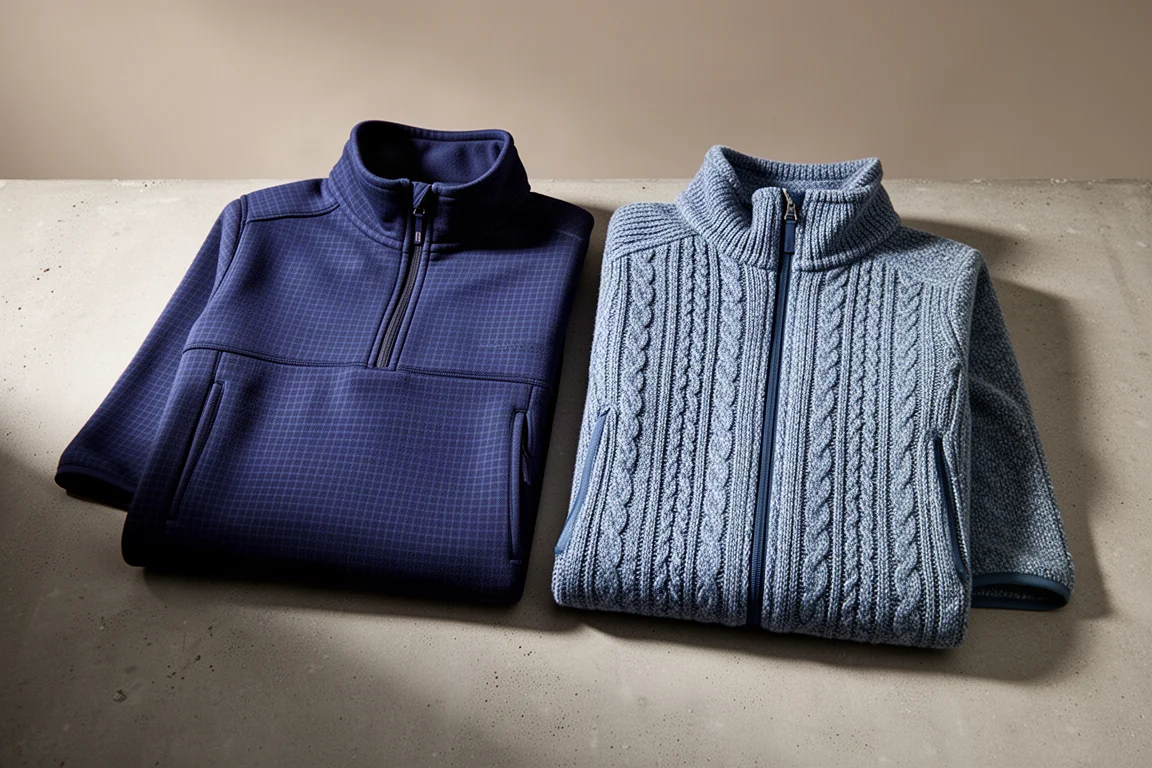
Patagonia has been making the R1 for years, and it has become a genuine classic among climbers, used both as a mid layer and as a winter base layer. More recently the R1 Air arrived and has become arguably the more popular of the two. Both are fleeces, both carry the R1 name, and both use a knitted construction rather than a traditional fluffy pile. The real differences show up in breathability, stretch, fit and how each one behaves under other layers. This guide walks through what each fleece is made of, what it does well, and which one suits the way you move.
Shared Ground: What Both Fleeces Get Right
Both the R1 and the R1 Air are built around a knit rather than a loose pile, which is why they feel lighter and more technical than the big fluffy fleeces of the past. The R1 Air is 100% recycled polyester, while the R1 combines 93% polyester with 7% elastane. Both dry quickly, both are designed to move moisture away from the skin, and both are comfortable enough to wear well away from the hill. That mix of technical performance and everyday comfort is a large part of why these two remain so widely used.
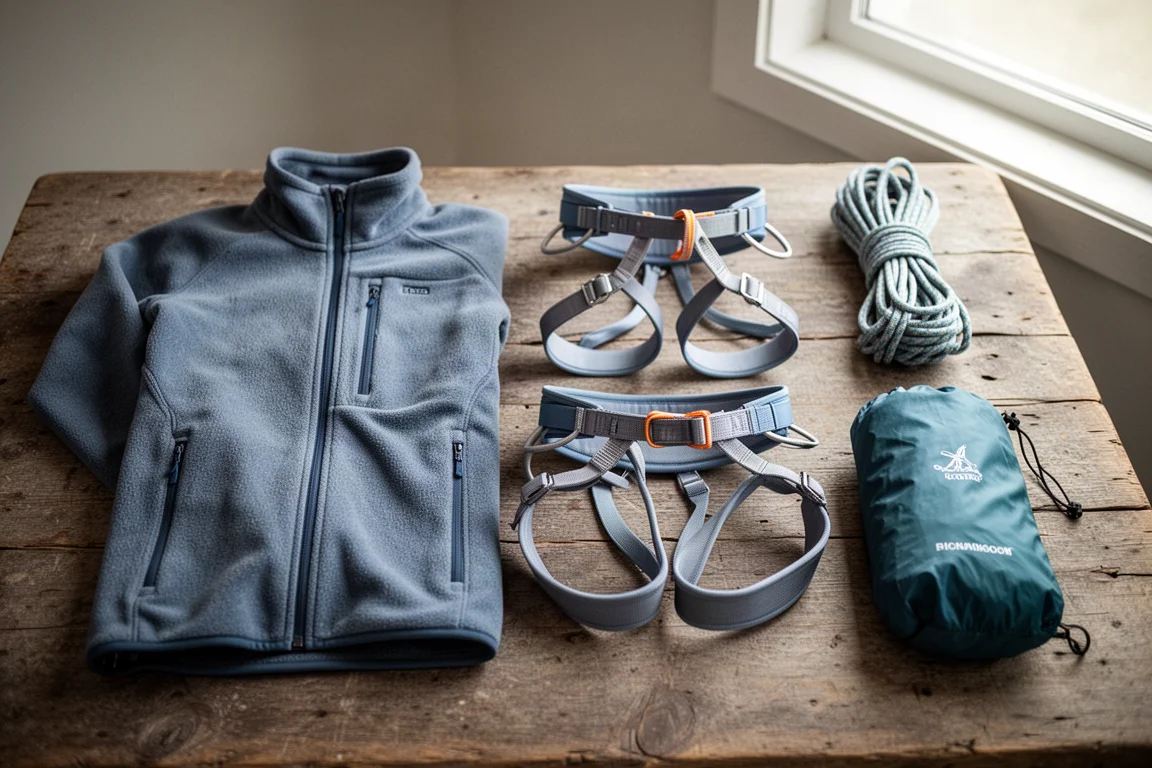
The R1 Air leans further into warmth and softness, while the R1 leans into structure and stretch. Neither is a windproof garment on its own, and both are at their best when paired with a shell or a light windshell.
Patagonia R1 Air: The Breathable All-Rounder
The R1 Air uses a jacquard knit with an unusually open, gappy structure. Those small channels are the whole point: there is very little material between you and the air, so moisture moves away quickly and hot air escapes easily. The same open structure traps warmth in the thicker sections, which is why the R1 Air feels warmer than other fleeces of a similar weight while still being extremely breathable. It also dries almost instantly.
The fit is relaxed. It is described as a slim fit, but it does not hug the body the way a technical base layer does, and that is exactly what makes it so easy to wear for everyday life as well as on the hill. The full zip version has two hand pockets, which double as internal dump pockets, plus a small chest pocket that suits a key rather than a phone. Stretch is modest because there is no elastane in the fabric, though it moves more than you might expect.
R1 Air in the Field: Breathability, Fit and Pockets
The full zip R1 Air hoodie weighs 369 g, which places it in the medium weight category. The hood is genuinely cosy and fits neatly under a helmet, though it does not come up as high as the hood on the original R1, so it offers less face coverage in truly harsh conditions. The cuffs and the hem are neatly finished, and the whole garment feels comfortable straight away.
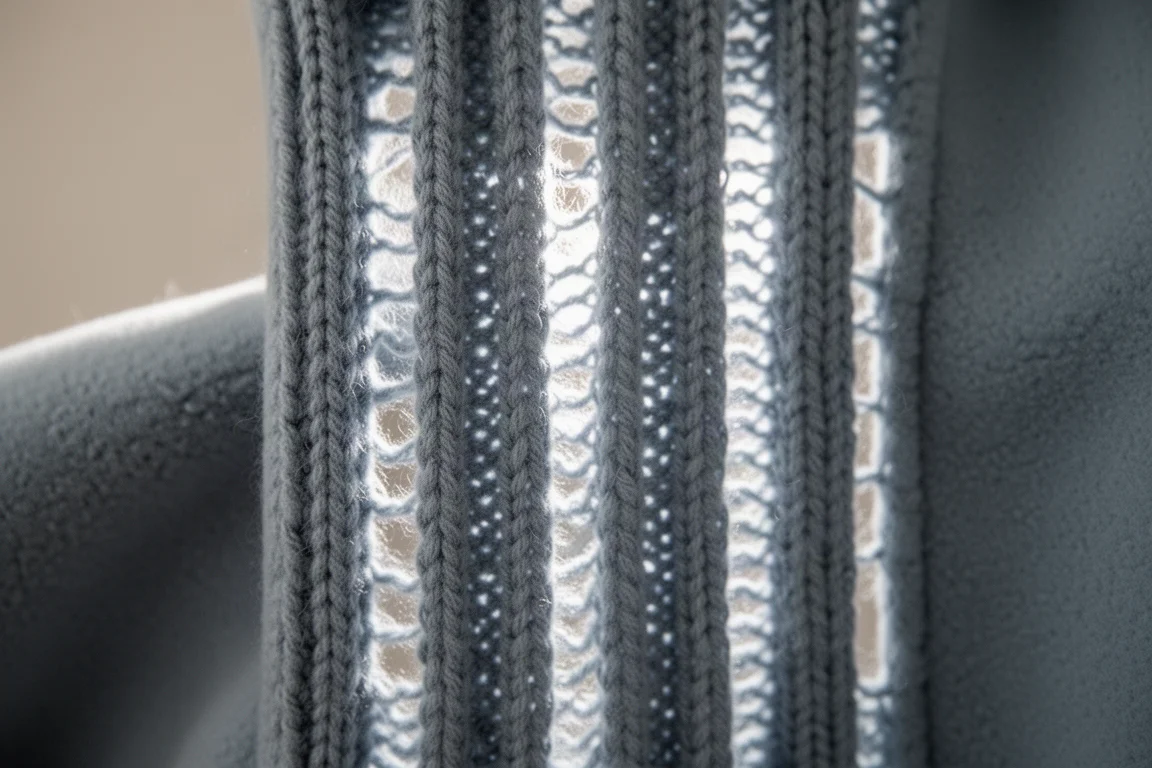
The trade-off for all that breathability is wind resistance. Worn on its own on an exposed, windy summit, the R1 Air lets the wind straight through. Under a shell, or with a light windshell over the top, that same openness becomes an advantage, and it is the reason the R1 Air works so well across skiing, walking, camping and everyday use.
Patagonia R1: Built for High Output
The R1 is a two-fabric design, and that is the key to understanding it. The darker areas use the classic R1 fleece, made from Polartec Power Grid, chosen for durability, breathability and quick drying. Those panels insulate the core. The lighter panels use a thermal weight Capilene material, which is thinner and much stretchier, and they are positioned where extra bulk would be uncomfortable, such as around a climbing harness.
The overall fabric mix is 93% polyester with 7% elastane, which is where the freedom of movement comes from. The arms are longer than the R1 Air’s and finished with thumb loops, so you can tuck them into gloves without leaving a gap. The hood uses the thinner material, which keeps it low profile under a helmet, and the collar rises higher when the zip is fully closed, giving noticeably more chin and face protection. The body is cut a little longer than the R1 Air, which keeps it from pulling out from under a harness, and the hoodie is only offered with a three-quarter length zip. That is a deliberate choice: a shorter zip opens wide to dump heat and keeps hardware away from a harness.

R1 in the Field: Materials, Stretch and Layering
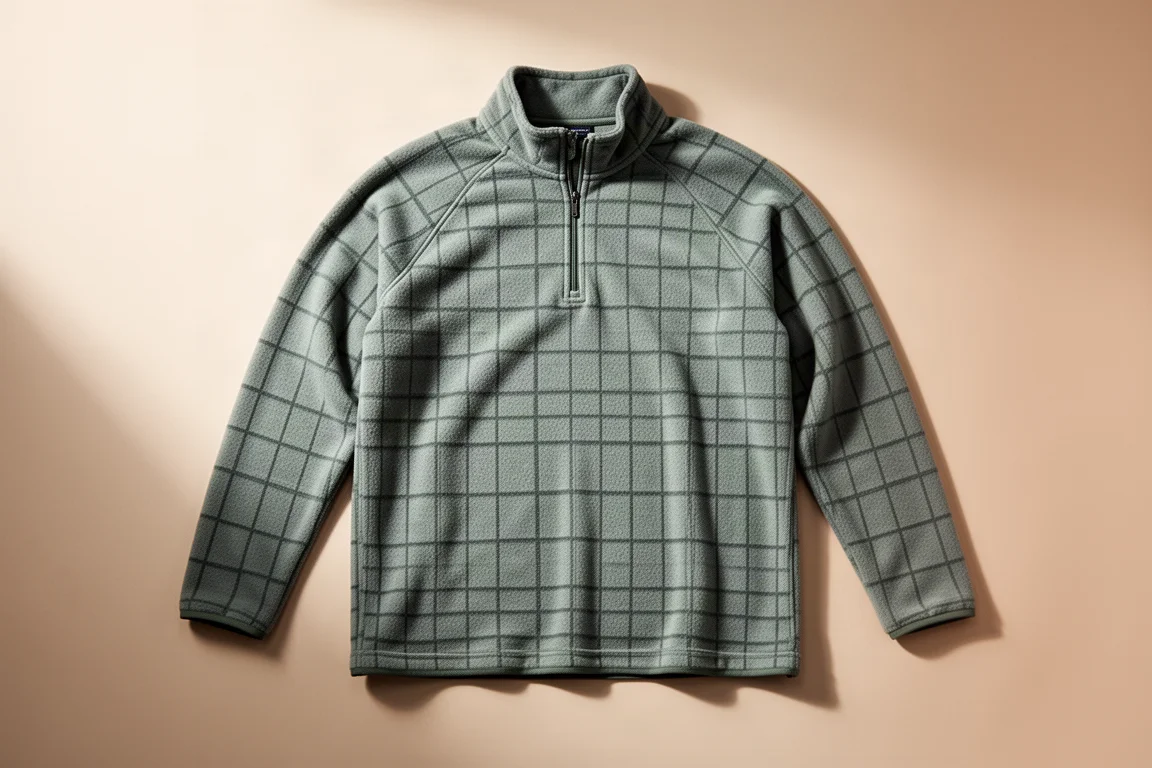
The R1’s construction differs from the R1 Air’s. Instead of an open channel knit, it uses a grid of small fleece cubes on the inside with a smooth face fabric on the outside. That smooth face blocks more wind and offers more abrasion resistance, which matters if you are climbing against rock. It also makes the R1 slide far more easily under additional layers.
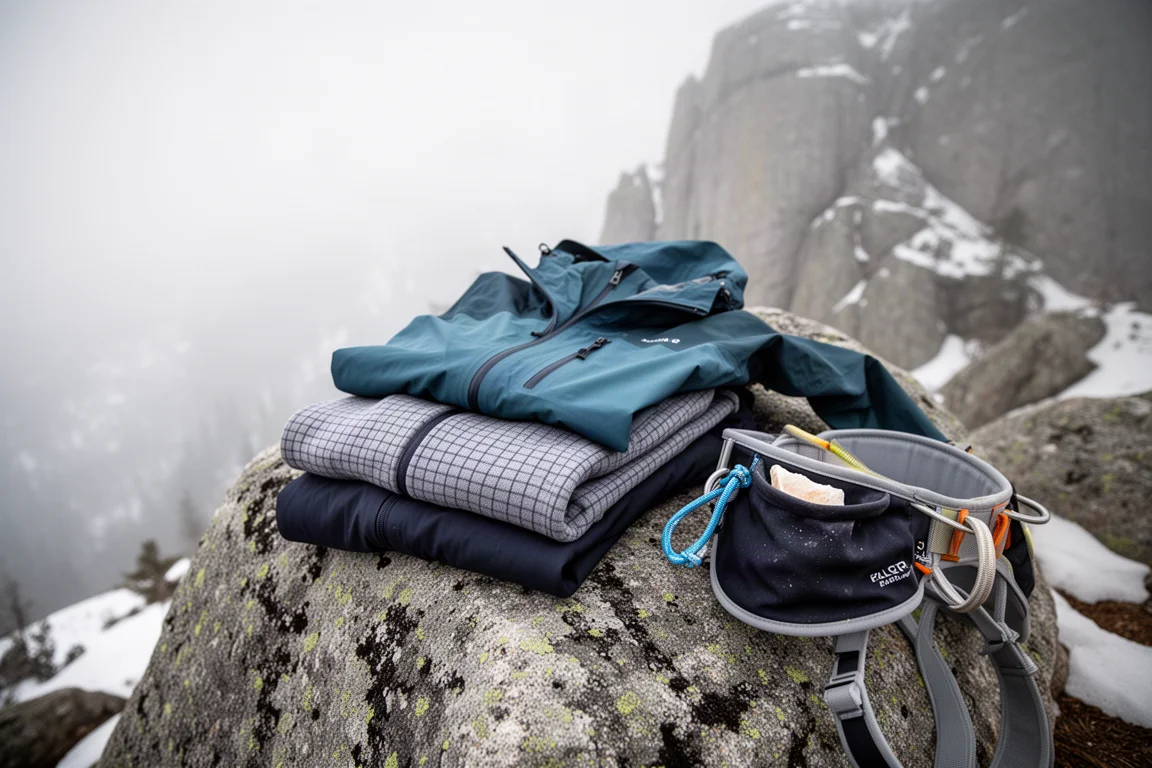
The trade-off is that measured breathability is a little lower than the R1 Air’s. In practice the R1 is still highly breathable, and it works well either as a mid layer or directly against the skin, where it pulls moisture away effectively. At 289 g it is lighter than the R1 Air hoodie and compresses down easily into the bottom of a pack.
Durability and Long-Term Value
The R1 has been widely imitated, and cheaper lookalikes are easy to find. In practice those copies often pill within a season or two and end up being replaced, while an original R1 can stay in service for well over a decade. That long service life is the strongest argument for the higher price, and it is why the R1 sits at the top end of this category.
Which Fleece Is Right for You?
The R1 Air is the all-rounder. It handles climbing and skiing, but it is equally at home on a low-paced walk, at a campsite, or around town, because it is warm, cosy and quick drying. Just remember that something this breathable has very limited wind resistance, so carry a windshell or be ready to put your shell on when the weather turns.
The R1 is the high-output technical layer. The cut, the fit and the feel all point towards sustained effort, which makes it the better choice as a winter climbing or ice climbing mid layer, as a base layer, or for bouldering in the cold. It is stretchier, more abrasion resistant, more wind resistant, lighter and easier to layer.
If you want one fleece that covers the widest range of days, the R1 Air is the more versatile pick. If your priority is performance during hard, cold days out and you want a layer that will last for years, the R1 earns its price.
Conclusion
Both fleeces share a name, a knit-based construction and a reputation for working well in the cold. They diverge in breathability, stretch, fit and wind resistance, and those differences map cleanly onto different kinds of days. Choose the R1 Air for warmth, comfort and breathability across everyday and lower-paced use. Choose the R1 for stretch, layering and durability when the plan involves hard climbing in winter conditions.
Further reading
Related Reviews
Outdoor Apparel
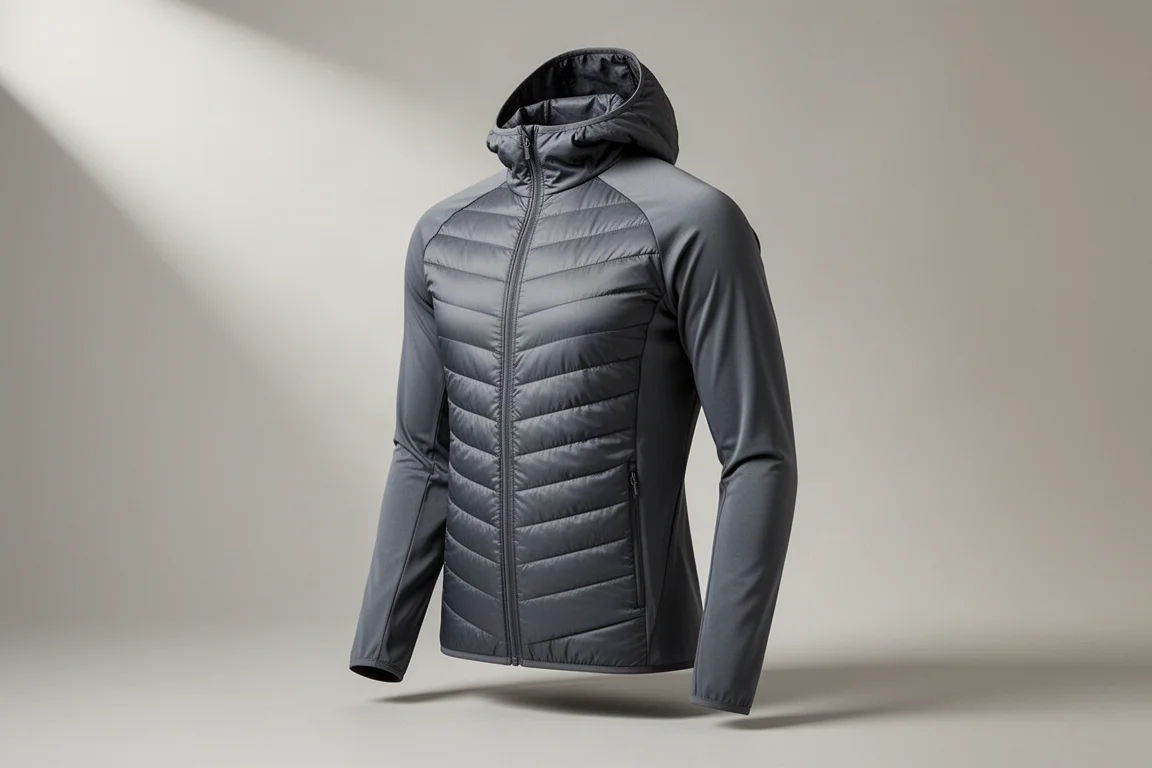
Arc'teryx Atom LT Review: A Lightweight Synthetic Mid-Layer Built for Movement
A close look at the Arc'teryx Atom LT, a breathable synthetic mid-layer with Coreloft insulation, fleece side panels, and a helmet-compatible hood.
Outdoor Apparel
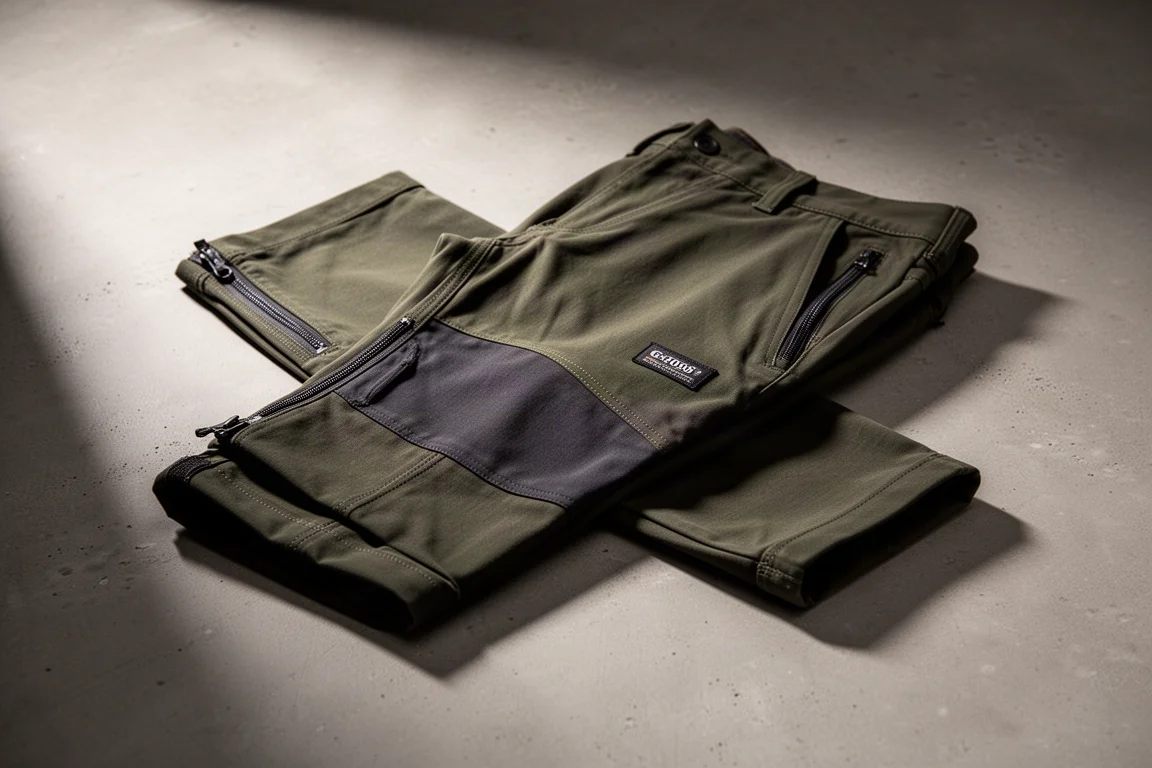
Fjällräven Vidda Pro Ventilated Trousers Review: Tough Trekking Pants With Two Long Vents
A detailed look at the Fjällräven Vidda Pro Ventilated trousers, covering the G-1000 fabric, side ventilation zips, pocket layout, sizing, and the trade-offs to weigh before buying.
Outdoor Apparel
Helicon Tex Windrunner Review: An 8-Ounce Nylon Wind Shirt at $70
A close look at the Helicon Tex Windrunner, an ultra-light nylon anorak with strong ventilation, a $70 retail price, and a sizing chart that runs large.