Outdoor Jackets
Arc'teryx Atom LT Review: The Synthetic Mid Layer That Earns Its Place
A long-term look at the Arc'teryx Atom LT, a lightweight synthetic mid layer built around Coreloft insulation, breathable side panels, and genuine everyday versatility.
Introduction
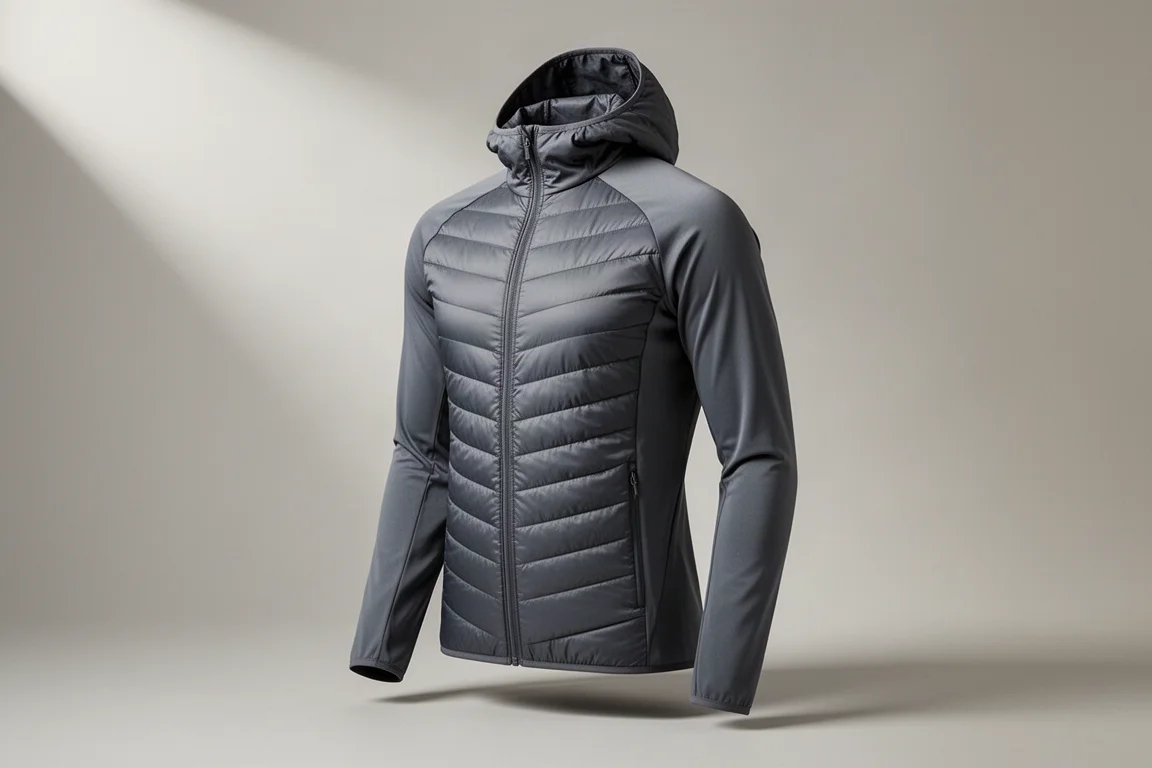
The Arc’teryx Atom LT has been a fixture in cold-weather layering for years, and it occupies a very specific slot in a kit. It is a lightweight synthetic mid layer, not a belay parka and not a waterproof shell, and it is designed to be worn while you are moving rather than while you are standing still. Coreloft insulation runs through the front and back of the torso, while the panels under the arms and down the sides carry no insulation at all, just a lighter fleece material that breathes.
That split construction is the whole idea. The insulated core keeps your chest and back warm, and the uninsulated side panels let heat escape when your effort level climbs. The result is a jacket that works on a cold hike, on an alpine approach, and on an ordinary winter day around town without turning into a sauna.

It is worth saying plainly what this jacket is not. It is not a substitute for a down jacket in deep, dry cold, and it is not a shell. It is the layer in the middle that keeps working when you are sweating, when the air is damp, and when the weather is doing something between crisp and mildly unpleasant. At around $250, it sits in a considered price bracket, and the value case rests on how many days a year you will actually reach for it.
Who This Jacket Is For
The Atom LT suits people who run warm when they move. Anyone who has pulled on a down jacket for a brisk walk and immediately regretted it will understand the appeal here. The breathable side panels and the full-length zipper give you two ways to dump heat, so the jacket stays comfortable across a much wider range of effort than a fully insulated piece.
It is a strong choice for winter hiking, snowshoeing, cold-weather commuting, and alpine climbing where the hood needs to go over a helmet. It also works as an everyday piece. Because the design is clean and understated, it reads well in a black colorway with something smarter than trail clothing, which makes it a genuinely dual-purpose layer rather than gear that only leaves the closet on big days.
Packability matters too. The jacket compresses down to a small size and weighs just under a pound in a medium, so it disappears into a pack without a second thought. That combination of low weight, low bulk, and reliable warmth is what makes it easy to justify carrying.
Design, Fit, and Hood
The fit is athletic without being restrictive. On a medium worn by someone around 165 pounds and five foot nine, the cut sits close to the body, which is exactly what you want from a mid layer since it has to slide under a shell without bunching. The length is generous, and the hem tapers slightly lower around the seat so that bending over does not expose your lower back to the cold.
The hood is one of the better-executed details. It is not oversized, so it sits quietly when you are not using it, but it is still large enough to pull over a climbing helmet. A drawcord at the back lets you cinch it down around your face, and a lightly structured brim gives the hood some shape so it holds together in wind instead of collapsing against your forehead.
Storage and hardware are equally practical. There is a full-length front zipper for easy on and off, an internal pocket for small items, and two zippered hand pockets positioned behind the insulation. That last detail matters more than it sounds. Pockets placed behind the insulation keep the warmth barrier intact, while pockets sewn in front of it create cold spots exactly where your hands rest.
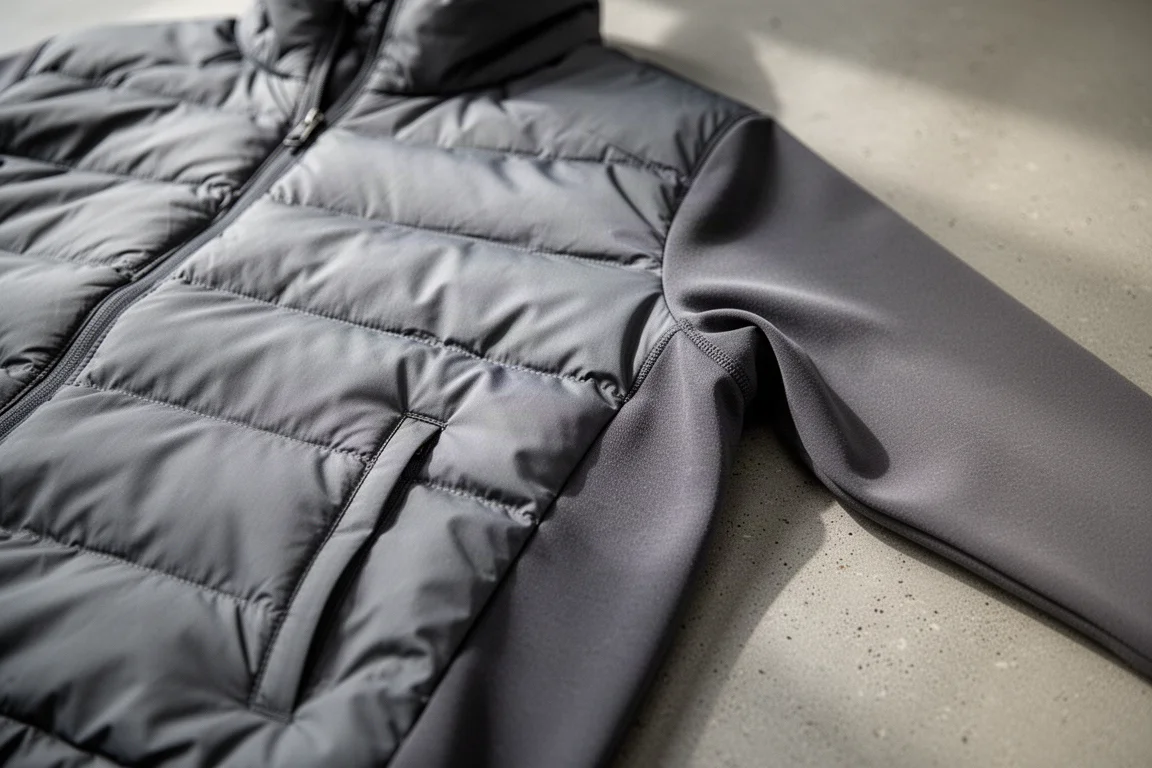
The side panels have been refined across generations of the jacket, with the fleece material at the underarm and flank being a defining part of the current design, along with small changes to the overall fit and feel. None of it is dramatic, and that is rather the point. The jacket has been nudged rather than reinvented.
Insulation and Breathability
Coreloft synthetic fill is the engine here. It is lighter in weight than many mid layer alternatives, and it has the property that matters most in cold, wet conditions, which is that it keeps lofting and keeps you warm even after it takes on moisture. Sweat is the realistic scenario. On a long winter climb or a sustained uphill hike, you will wet the jacket out from the inside, and it will still hold warmth where a down jacket would start to collapse.
Breathability is where the design earns its keep. With no insulation under the arms and along the sides, air moves through the areas that generate the most heat. In below-freezing conditions, around 20 degrees Fahrenheit or even into the teens, the jacket is comfortable to walk and move in without the stifling feeling that a down layer produces once your heart rate rises.
It is a slightly heavier mid layer than some ultralight options, and the full zipper is part of why. That zipper adds real versatility, letting you vent aggressively on a climb and seal up on a descent, and it makes the jacket far easier to put on and take off than a pullover hoodie.
Weather Resistance and Durability
The outer fabric is a 20 denier nylon with a water-resistant treatment. It is not a waterproof shell and should not be treated as one, but in light rain it sheds water well enough to keep you dry until you can get a proper shell on. Combined with the synthetic fill, that gives you a useful margin in changeable weather.
Durability is one of the quieter strengths of the Atom LT. Long-term owners report jackets that stay structurally sound after many seasons of use, with seams, zippers, and fabric holding up well. The realistic wear point is the insulation itself. Over years of use, the fill loses some of its loft, and an older jacket will feel noticeably less warm than a new one even though it still looks perfectly serviceable.
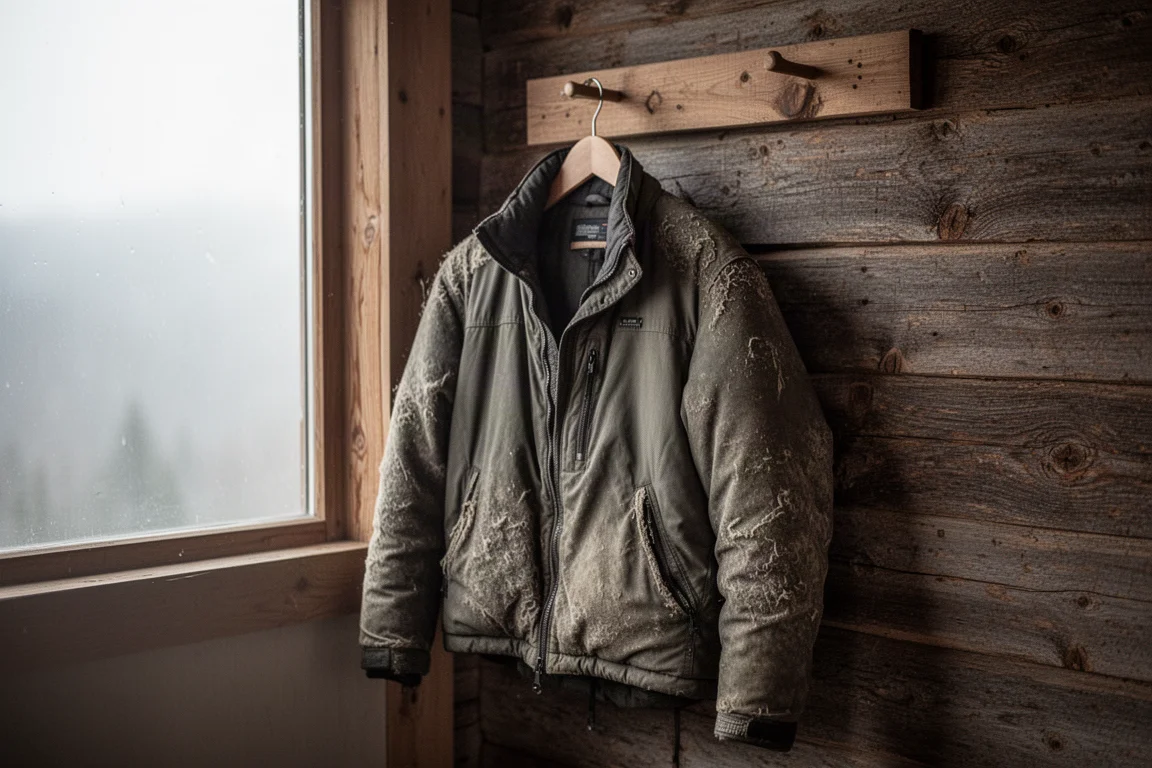
The takeaway is not that the jacket fails, but that it ages gracefully. If you are replacing an older Atom LT because it feels thin rather than because it has fallen apart, that is a fairly good sign about how the rest of the construction holds up over time.
Things to Consider Before Buying
The Atom LT is not the lightest insulated jacket you can buy. Several down options pack smaller and weigh less, and if your priority is minimum grams for maximum warmth in dry conditions, down remains the more efficient choice. The Atom LT is not trying to compete on that axis. It is an active layer, and its advantages show up when you are moving and when moisture is part of the picture.
It is also not a stand-alone deep-winter piece. Think of it as the middle of a system, worn over a base layer and under a shell when conditions demand it. For truly cold, stationary situations, you will want a heavier insulation layer on top of it.
There are smaller trade-offs worth knowing. The synthetic fill will gradually lose loft over a long service life, and the jacket is a little heavier than some competing mid layers because of its full-length zipper and construction. Sizing also rewards attention, since the athletic cut is intended to sit close to the body and works best when it does.
Buying Advice
At roughly $250, the Atom LT is a considered purchase rather than an impulse one, and the case for it rests on frequency of use. If you spend a lot of winter days moving in cold weather, hiking, climbing, snowshoeing, or simply commuting on foot, the breathable side panels and the wet-weather warmth of the synthetic fill will pay for themselves in comfort very quickly. If you mostly need warmth while standing around in dry cold, a down layer will likely serve you better for the money.
On sizing, the medium cut works well for a medium build around 165 pounds and five foot nine, with enough length to stay put when you bend and move. Because it is designed as a mid layer, resist the urge to size up for a roomier feel unless you specifically plan to wear it over bulky layers.
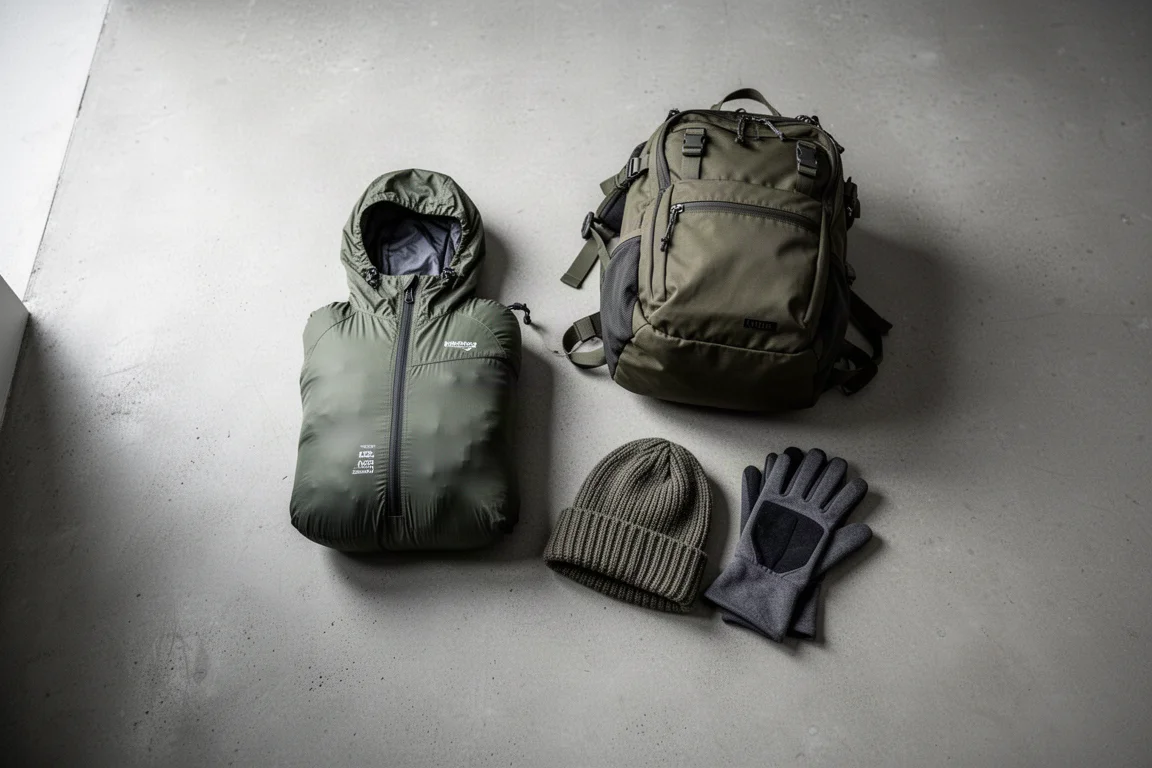
On care and longevity, treat the water-resistant treatment as something that fades with use rather than a permanent feature, and expect the insulation to soften gradually over several seasons. Neither is a reason to avoid the jacket. Both are simply part of what owning a lightweight synthetic mid layer looks like over a long horizon.
Conclusion
The Arc’teryx Atom LT is not the warmest jacket you can own and not the lightest, and it does not pretend to be either. What it does exceptionally well is cover the enormous middle ground of cold-weather activity, where you are moving, generating heat, and occasionally getting damp. Coreloft insulation through the torso, uninsulated fleece side panels, a helmet-compatible hood with a structured brim, and a fit that layers cleanly under a shell all point in the same direction.
For anyone building a winter layering system around real use rather than spec sheets, it is one of the most straightforward recommendations in its category. Buy it as a mid layer, use it hard, and it will quietly justify itself season after season.
Product link
View more details for Arc'teryx Atom LT
This product is mentioned in the review. Check the specifications, options, and compatibility before buying.
View more details for Arc'teryx Atom LTFurther reading
Related Reviews
Outdoor Jackets
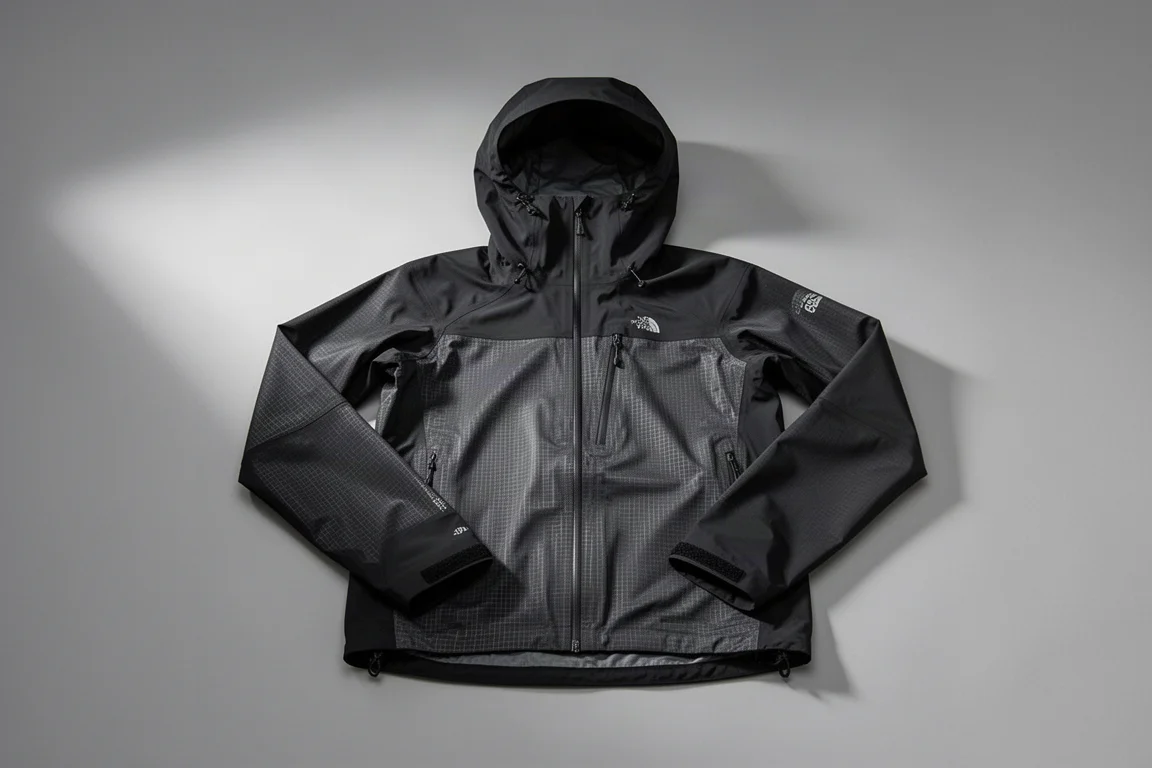
Arc'teryx Alpha Jacket Review: A Lightweight Gore-Tex Shell Built for Climbing
A detailed look at the Arc'teryx Alpha Jacket, a lightweight Gore-Tex mountaineering shell with rugged shoulders, a Hadron body, and a deliberately simple feature set.
Outdoor Jackets
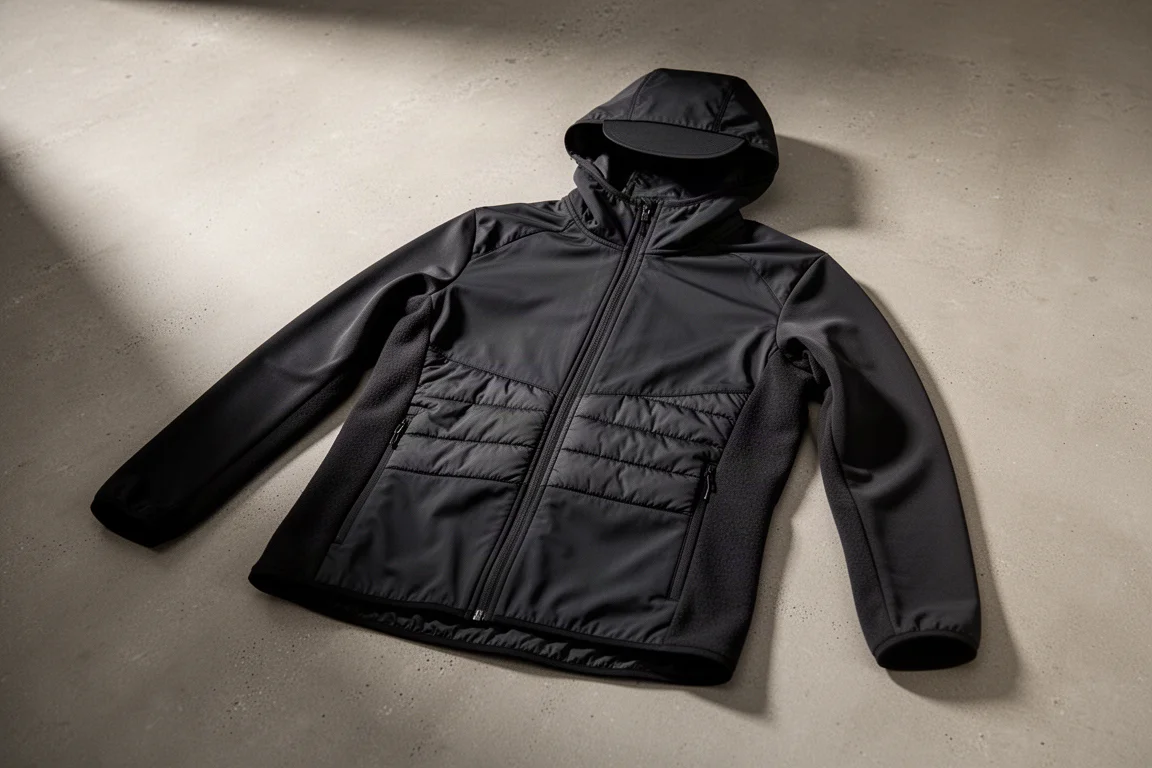
Arc'teryx Atom LT Review: A Versatile Synthetic Midlayer for Cold Weather
A detailed look at the Arc'teryx Atom LT, a lightweight synthetic midlayer built for active cold-weather use, with its strengths, trade-offs, and who it suits best.
Outdoor Jackets
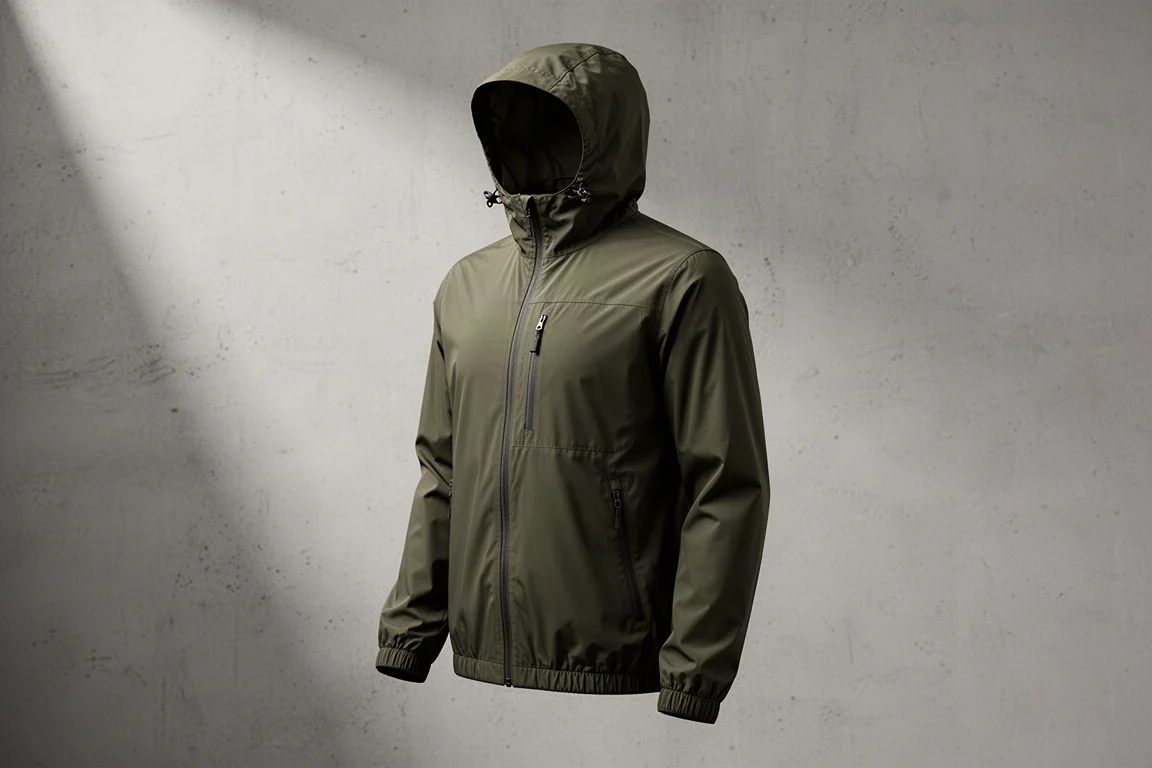
Haglöfs L.I.M Mimic Barrier Hood Review: Light, Breathable, Built to Move
A close look at the Haglöfs L.I.M Mimic Barrier Hood, a 282 g windproof and breathable synthetic layer that works alone in mild weather and as part of a winter system.