Phono Preamps
Parks Audio Puffin Review: DSP Tools That Bring Old Vinyl Back to Life
A phono preamplifier with more than 20 settings, record grading, click and pop reduction, and tone shaping aimed at older vinyl collections.
Introduction
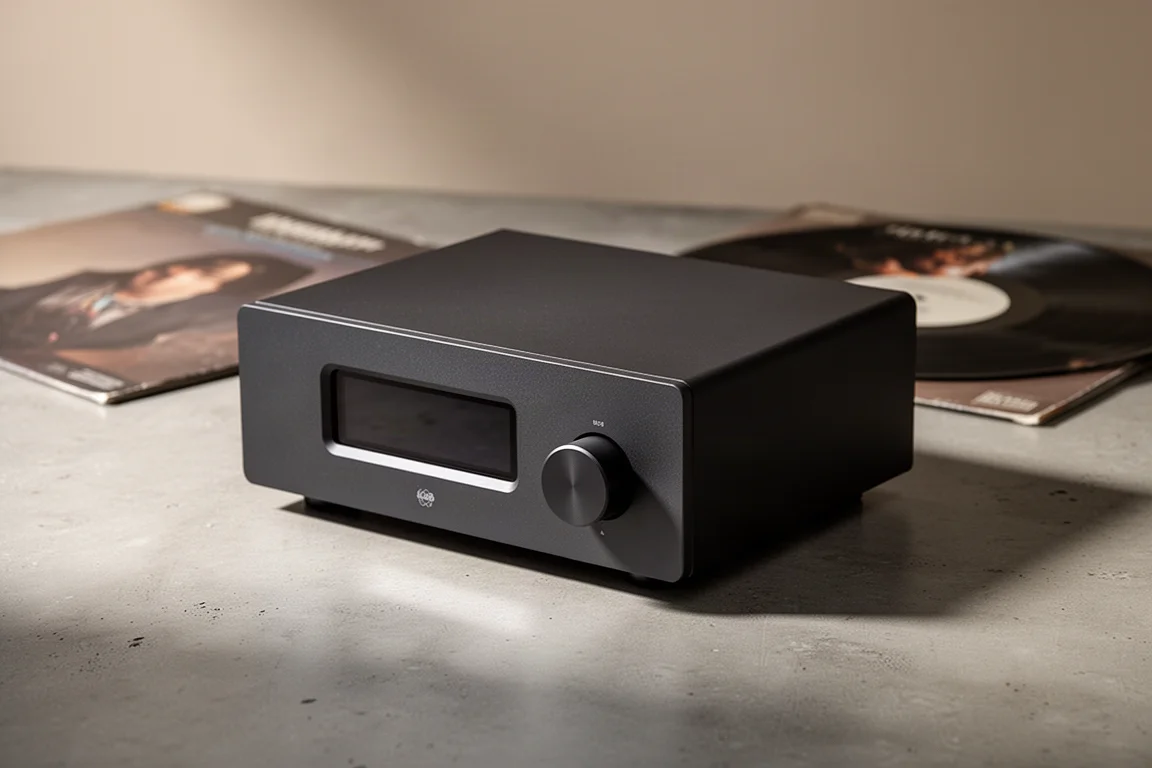
The Parks Audio Puffin is a phono preamplifier with an unusual second half: a digital signal processing engine that lets you reshape how a record sounds. Parks Audio is a small, family-run business in the Pacific Northwest, and the Puffin has been in development for roughly two decades.
The device sits between your source and your main system. A turntable or a CD player runs into the Puffin, and the Puffin runs into your amplifier, integrated amp, or preamp. The base model costs $489. A version with a coaxial digital output is $589, and a version with an optical digital output is $639. The digital output is available as a factory or do-it-yourself modification.
What makes the Puffin interesting is the combination. The analog side handles gain and cartridge matching, while the processing side handles clicks, pops, tonal balance, and room problems. It is not a turn-it-on-and-you-are-done product. There are more than 20 settings in the menu, and the same record can sound radically different depending on how you configure it.
Who This Product Is For
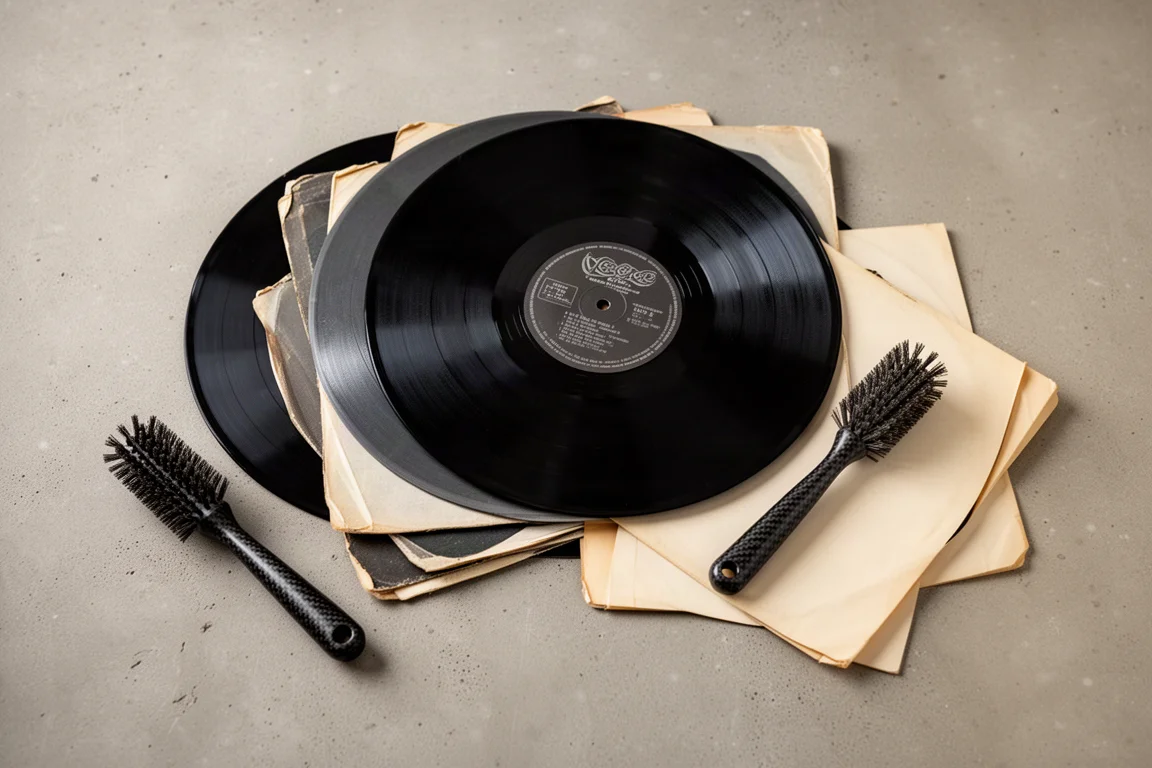
The strongest case for the Puffin is a large collection of older vinyl. Records that have been played for decades, stored imperfectly, or bought secondhand tend to carry surface noise and uneven tonal balance, and that is exactly the territory this device was built to address.
It also suits listeners who want tone shaping at the source. Warmth, air, bass and treble adjustments, and a switchable bass boost all live in the menu, so a thin or flat-sounding pressing can be nudged toward something more satisfying.
The Puffin is not only for turntables. It accepts a CD player or an external DAC as well, provided you set the gain to match that source. Output levels differ substantially between a turntable and a CD player, so it is worth keeping your system volume low while you dial in the correct setting.
Main Strengths
The Puffin’s main strength is breadth. A conventional phono preamp gives you gain, loading, and little else. This one adds record grading, click and pop reduction, tone controls, filters, room EQ, and a choice of analog or digital outputs, all in a single box.
Build and support are part of the story as well. It comes from a small family operation, and support runs directly to the owner, Shannon Parks, who is also the person to contact if something needs attention.
Magic Click and Pop Reduction
The magic function is the headline feature for worn records. It is designed to remove clicks and pops, and it can be switched on after a record has been graded, so you can hear the same pressing with and without processing.
For a collection full of noisy pressings, this is the setting most likely to change how often those records actually get played.
Record Grading
The grade function evaluates a record based on defects divided by playing time. Because the calculation depends on how long the record plays, a longer listen produces a more accurate grade. The result is a letter grade from A+ down to F.
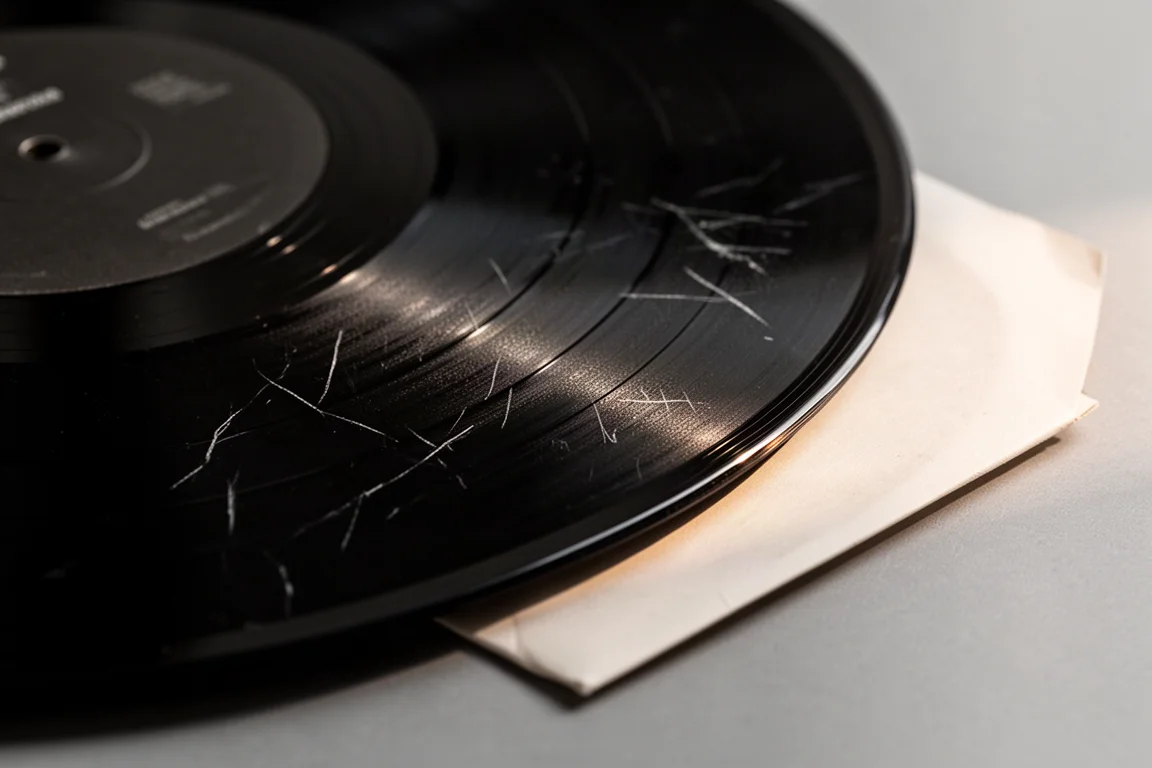
Grading is genuinely useful for cataloguing a collection. It gives you an objective note on condition, which helps when deciding what to keep, what to clean, and what to play when you want the best possible sound.
It also pairs naturally with cleaning. A record that grades poorly before a proper clean can grade considerably higher afterwards.
Tone, Warmth, and Air
Warmth is a seesaw-style adjustment centered around 800 Hz. Positive values warm up a thin recording, and negative values cool down a bright one. Small moves tend to be enough.
The tone controls are straightforward: treble at 3 kHz and bass at 300 Hz, adjustable in 1 dB steps. Air adds a sense of room ambience to a recording, and an adaptive bass boost with a 100 Hz corner frequency can be switched on or off. Combined, these give you a practical toolkit for pressings that sound flat, thin, or bright.
Filters and Room EQ
The high pass filter targets surface noise on old LPs and 78s, which makes it the natural companion to a collection of well-worn records.
The low pass filter, sometimes described as a subsonic filter, is adjustable from 5 Hz up to around 400 Hz and is mainly used to eliminate vinyl rumble and tonearm resonances. A separate de-rumble setting is recommended for thinner LPs that lack bass, and it works best alongside a low filter setting of 25 Hz or higher. De-rumble only functions in stereo; otherwise it is bypassed.
Room EQ addresses bass problems in the listening space. It applies a narrow 6 dB cut with a Q of 2.6, centered around 300 Hz, and you can locate the frequency that needs attention with a free octave RTA app on a phone using the Puffin’s pink noise function.
That last point is worth emphasizing: the room correction is guided rather than automatic. You find the problem frequency, then apply the cut. It rewards a little patience.
Modes, Load, and Output Options
The mode setting covers left, right, stereo, and mono. Mono can lower noise by summing out pops and clicks, and on records where groove damage sits mostly in one channel, the left or right setting alone may deliver better sound. Cycling through the three options on a noisy record is quick and often revealing.
Load sets input impedance and is almost always left at 47k. Balance and phase are adjustable for listeners who need them. Output can be analog or optical, with digital sample rates of 24-bit/48 kHz or 24-bit/96 kHz. An FX section adds tube-like or tape-like processing, and the tape setting brings additional clipping headroom. A custom EQ section is available for anyone who wants to build their own curve.
Things to Consider Before Buying
The Puffin is not plug-and-play. Expect to spend time in the menu, and expect the sound to change meaningfully as you work through it. Buyers who want a set-and-forget phono stage may find the depth unnecessary.
Volume defaults to 100 percent, and most owners leave it there, controlling level from their main system. The Puffin can act as a preamp and control volume or mute, but that is a secondary use rather than the main event.
Gain has to be matched to the source. A moving magnet cartridge is a reasonable starting point at around 40 dB, while moving coil cartridges, CD players, and external DACs each need a different setting. Getting this wrong is the most common way to make the Puffin sound bad on a first listen.
Finally, the digital output versions cost more than the base model. If you do not need a digital output, the base model is the least expensive way into the platform.
Buying Advice
At $489 for the base model, the Puffin competes with phono preamps that cost roughly the same and offer no processing at all. That comparison is the simplest way to think about the value: you are paying for a solid phono stage plus a substantial set of tools on top.
If you want the digital output, plan for $589 with coaxial or $639 with optical. For anyone with a large collection of older records, the grading and click and pop reduction alone justify the entry price, and the tone controls and filters add flexibility for records that were always going to need help.
For listeners with a small, carefully kept collection, the case is weaker. The Puffin makes the most sense when you have records you have stopped playing because of how they sound.
Conclusion
The Parks Audio Puffin is best understood as a phono preamplifier with a restoration toolkit attached. Grading tells you what condition a record is in, the magic function reduces clicks and pops, and warmth, air, tone controls, and filters let you shape what comes out the other side.
It asks for some setup time and a willingness to work through a deep menu, and the digital output versions cost more. In exchange, it can bring a shelf of neglected vinyl back into regular rotation. For committed vinyl listeners with older collections, that trade is easy to make.
Product link
View more details for Parks Audio Puffin
This product is mentioned in the review. Check the specifications, options, and compatibility before buying.
View more details for Parks Audio PuffinFurther reading
Related Reviews
Phono Preamps
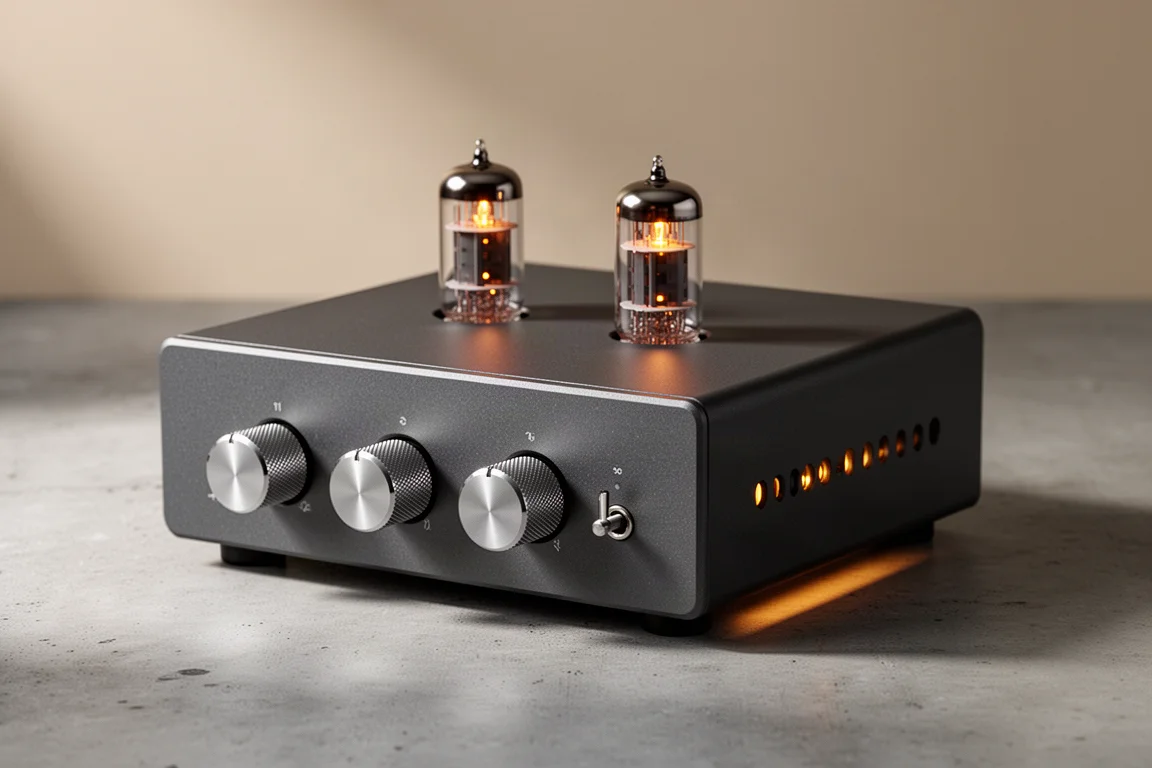
Ampapa A1 Review: A $130 Tube Phono Preamp With Tone Controls
A compact tube phono preamp with bass and treble controls, a headphone output, and a design-origin claim worth reading carefully.
Phono Preamps
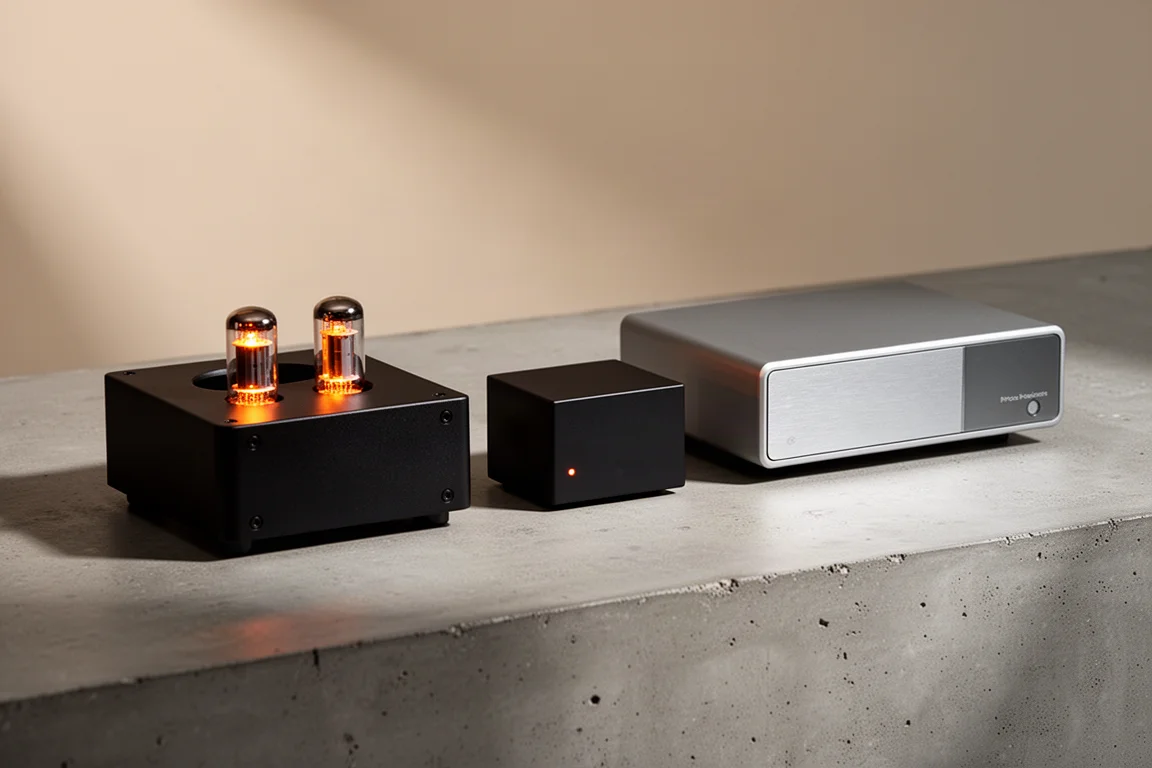
Three Phono Preamps Worth Considering: Budget, Detail, and Flexibility
Three phono preamps at three price points, compared by sound, adjustability, and cartridge compatibility so you can pick the right one for your vinyl setup.
Phono Preamps
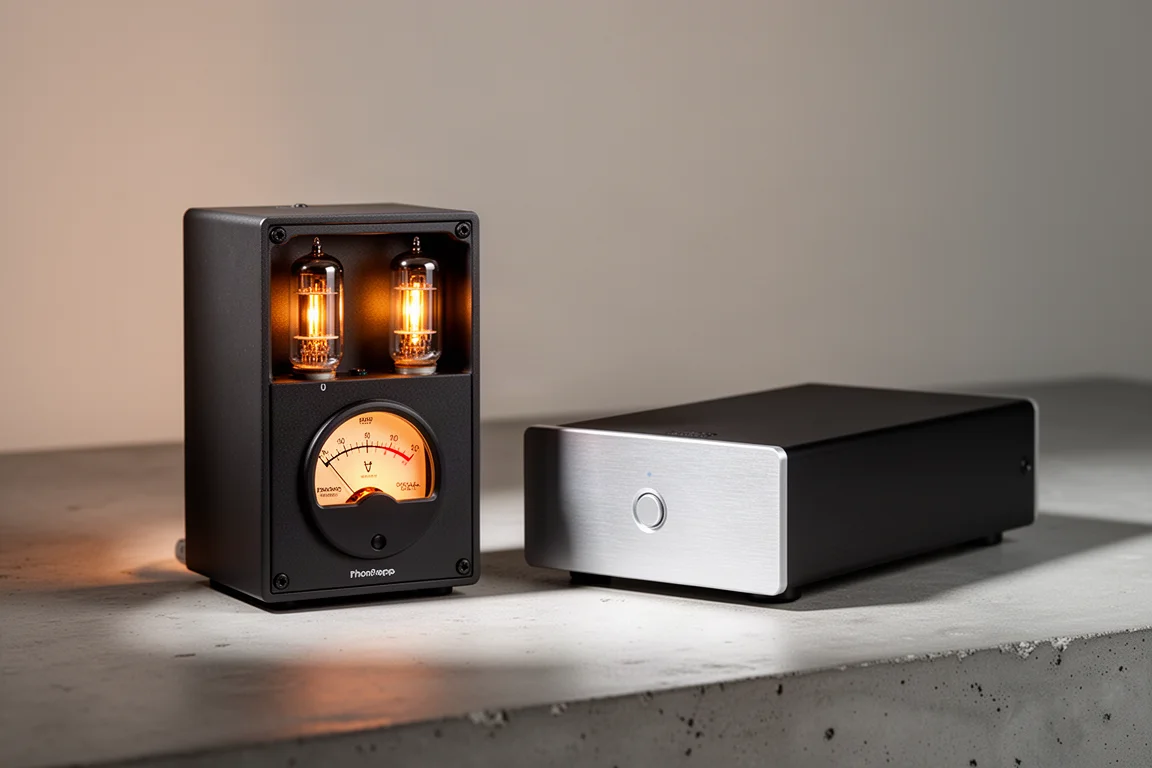
Duke Audio T4 Plus vs Andover Phono Preamp: Which One Suits Your Turntable?
A tube phono preamp at around $100 against a $250 model with an extra analog input: how the Duke Audio T4 Plus and the Andover Phono Preamp differ in sound, features, and value.