Cycling Gear
Paris-Roubaix Bikes and Tires: 2015 vs Today Compared
How ten editions of Paris-Roubaix reshaped race bikes and tires, from a rim-brake winning setup to modern aero disc frames and wide tubeless rubber.
Introduction
Paris-Roubaix has moved on dramatically in the space of ten editions. In 2015 the winning average speed was 43.5 km/h. This year it was nearly 48 km/h. The riders got faster, and the equipment changed with them.
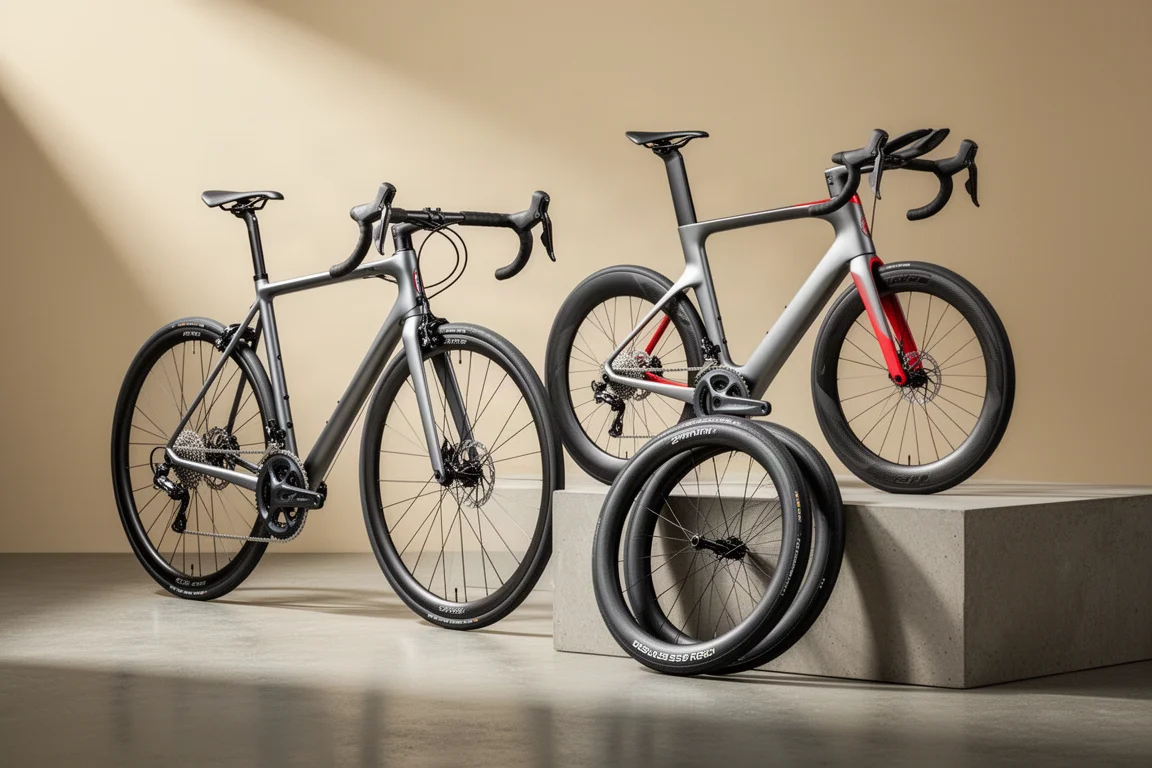
The 2015 winning setup was a rim-brake Giant Defy Advanced SL, chosen to balance speed and comfort rather than chase outright aerodynamic performance. Today’s equivalents, the Canyon Aeroad CFR and the Specialized Tarmac SL8, are disc-only aero machines with integrated front ends, wider tires and much narrower handlebars.
This guide looks at the bikes and the tires that shaped the race, and at what those changes mean if you are buying equipment for your own riding.
What Changed Between 2015 and Today
Three shifts stand out: brakes, tire clearance and cockpit width.
In 2015, rim brakes were the only option at this level, and tire clearance was the limiting factor. The 25mm tires of the era simply were not big enough for the cobbles, so the winning bike was chosen partly because it accepted larger rubber. Its tires were 30mm wide and handmade for the race, because few brands produced tubular race tires in that size at production scale.
Disc brakes changed the picture. Giant specced disc brakes on its 2015 model, but the UCI did not allow them at the time, so the team raced the previous year’s bikes. Later that year the UCI announced that all teams could use disc brakes at two events of their choosing during August and September, as a test. Discs opened up fully in 2016, with the intention of introducing them officially to the UCI World Tour in 2017.
Modern race frames are disc-brake only, and their tire clearance exceeds what rim brakes ever allowed. Cockpits narrowed too. The 2015 bike ran a 42cm bar, a width that is now rare in the professional peloton, while today’s riders use 38cm to 40cm.
Tire width keeps climbing. Some riders in the men’s and women’s fields used tires so wide they would be illegal in a UCI cyclocross race, including 35mm rubber, and one team went further still on gravel bike tires.
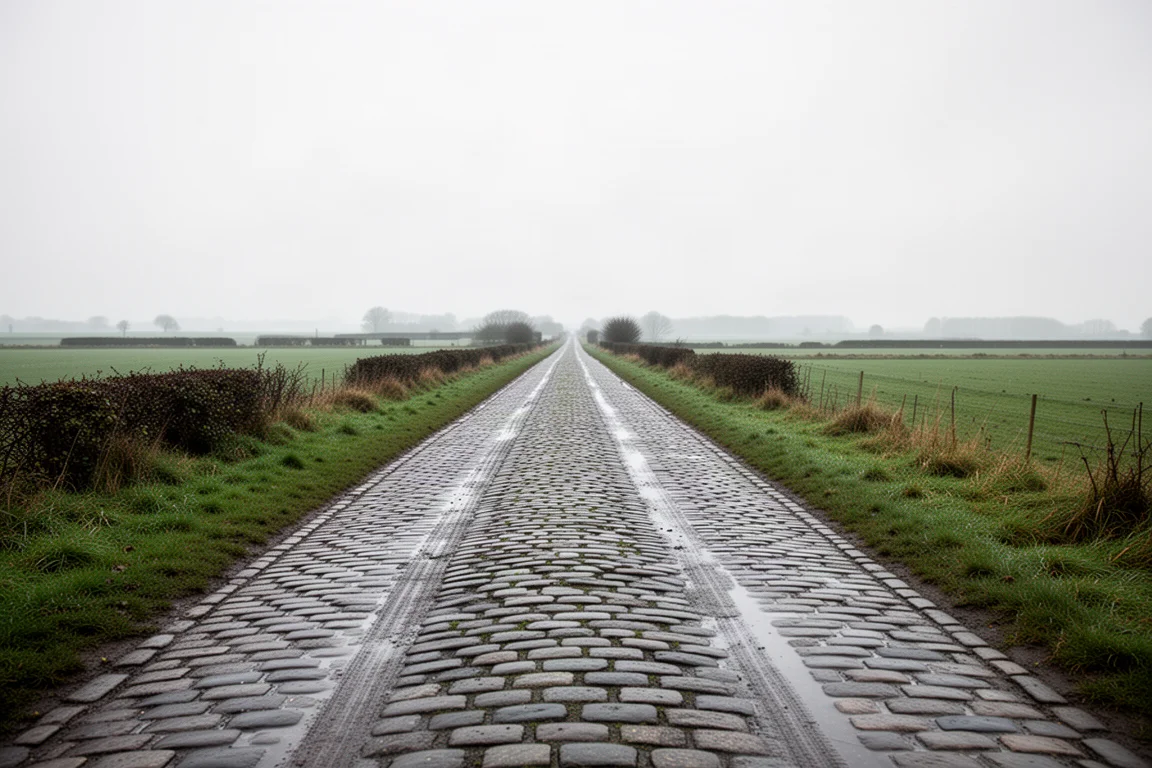
Handmade tubulars have largely given way to tubeless. Tubular tires were the professional choice for years and some favourites still chose them last year, but in this year’s men’s race only one team used them.
Giant Defy Advanced SL
The 2015 winning bike was a deliberate compromise. The Defy was not as fast as the team’s Propel or TCR, but it was not limited to 25mm tires, which made it the right tool for a race decided on pavé. It ran a 42cm Pro PLT bar and a 53-tooth chainring, and it carried a cross-top brake lever, an extra lever on the bar top that is rarely seen today.
The build is a reminder of how much brakes dictate everything else. With rim brakes, tire width was capped by the caliper. With discs, the frame became the limit, and modern frames now clear 31mm or 32mm officially.
Canyon Aeroad CFR
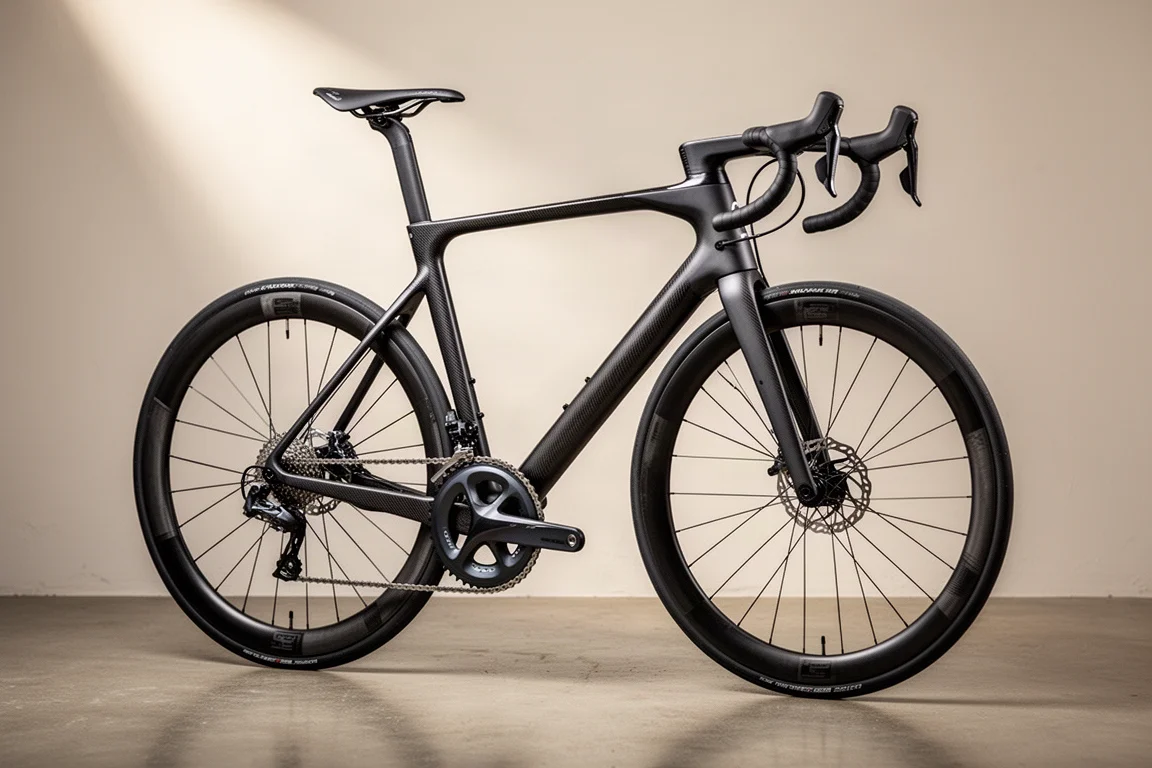
The Aeroad is a disc-only aero frame with an official tire clearance of 31mm, though the race setup pushed that to 32mm. It has a fully integrated front end, which removes the aerodynamic drag that exposed cables create, and its adjustable CP0018 bar was set to 40cm.
The most interesting detail is pressure. Start-line information showed the men’s winner running 3.46 bar, or 52 PSI, for a rider listed at 75 kilos. That is very low for a race run at this speed, and it would normally raise puncture risk. Over the last two years that setup has come through the puncture-heavy race with zero flats.
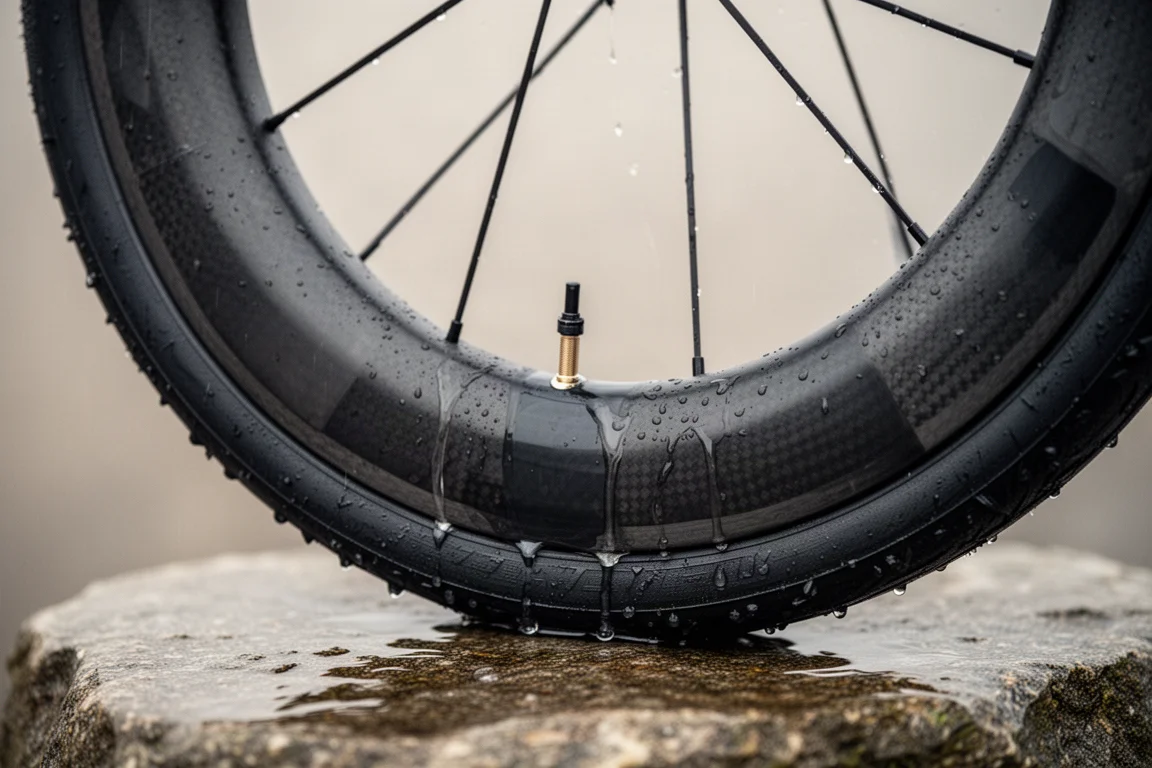
A second detail points to tire inserts. When a teammate punctured a rear tire, he was seen riding on comfortably with the tire apparently holding some pressure, which suggests inserts from the tire brand along with sealant. The 32mm tubeless tires used here are a development of the handmade 30mm tubulars from 2015.
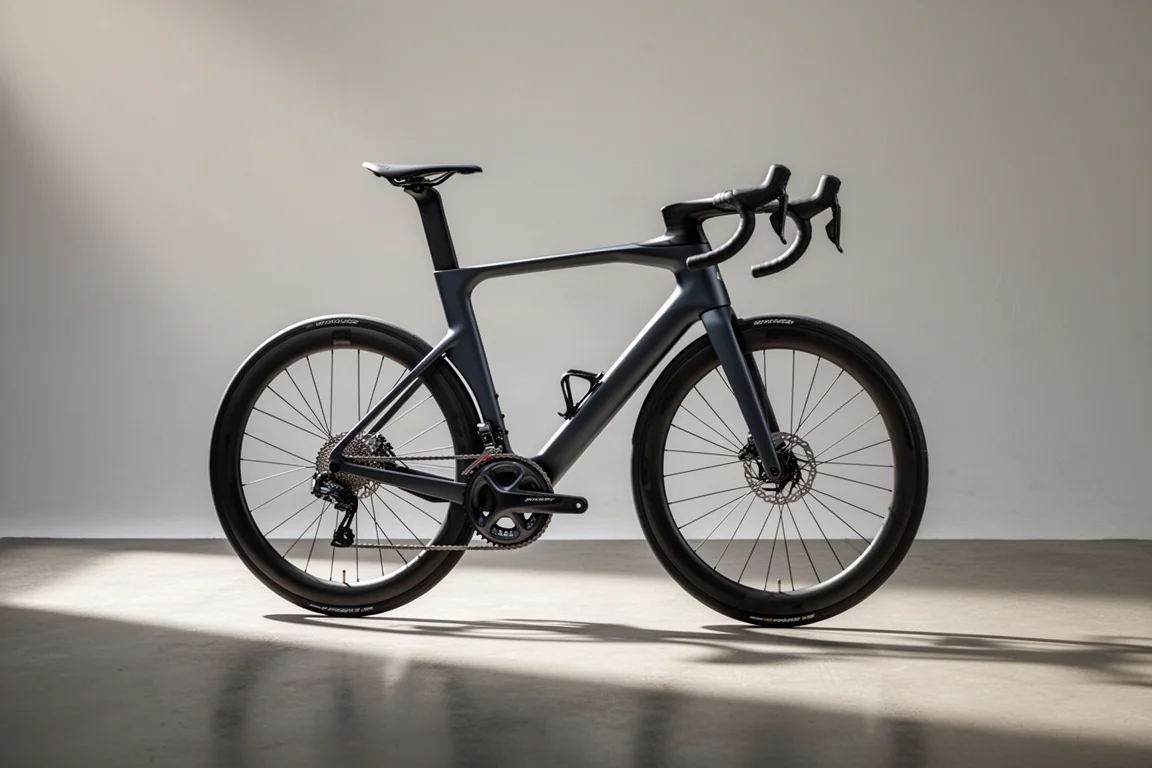
Specialized Tarmac SL8
The Tarmac SL8 offers an official clearance of 32mm and, like the Aeroad, uses deeper tube shapes on a disc-only platform. The build took a different route at the front end. Instead of an integrated cockpit, the rider used a stem from the SL7 with a bar whose drops resemble a gravel bar, possibly a 38cm model.
Gearing is where this bike stands apart. It ran a 1x setup with a 50-tooth chainring, an oil slick cassette and a matching oil slick chain. 1x gearing has become a serious option on the cobbles after several years of development, and it looks distinctive as well.
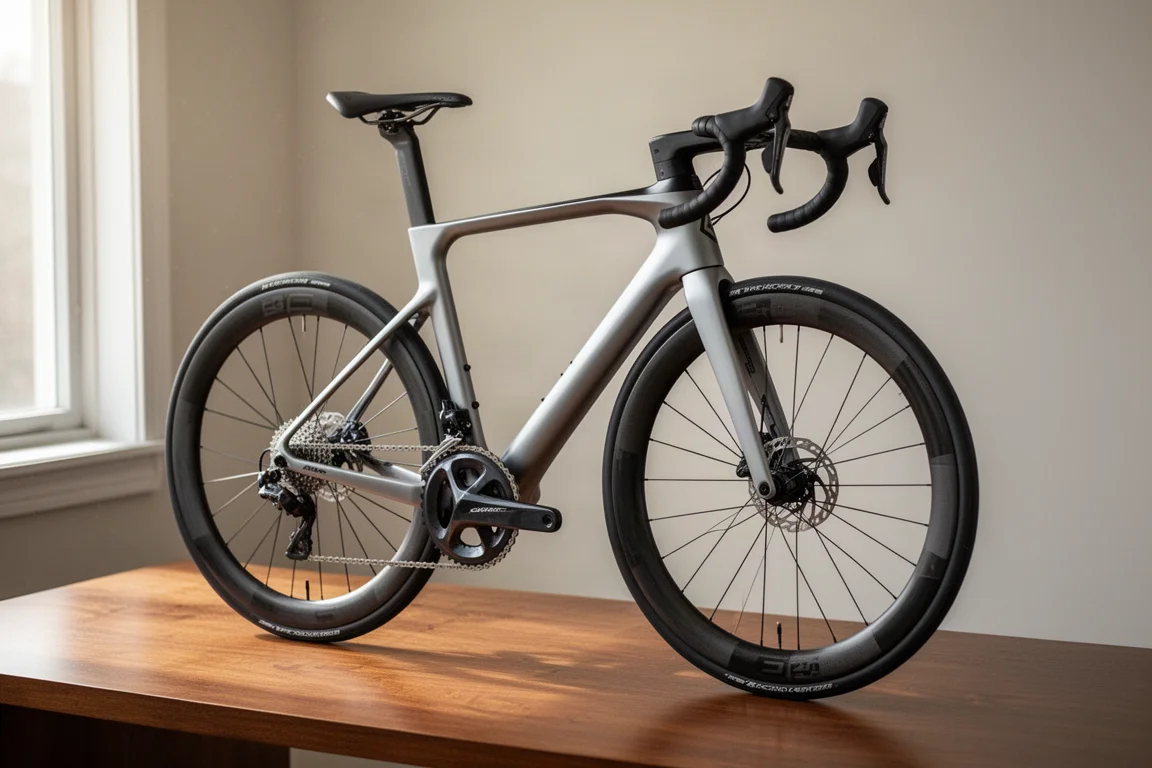
Continental GP5000 S TR
Continental’s tubeless road tire was one of the most common choices in the men’s race, fitted in 32mm by several teams. It also appeared in a 35mm size, which is remarkably wide for a road race and part of a broader trend toward bigger rubber on the pavé.
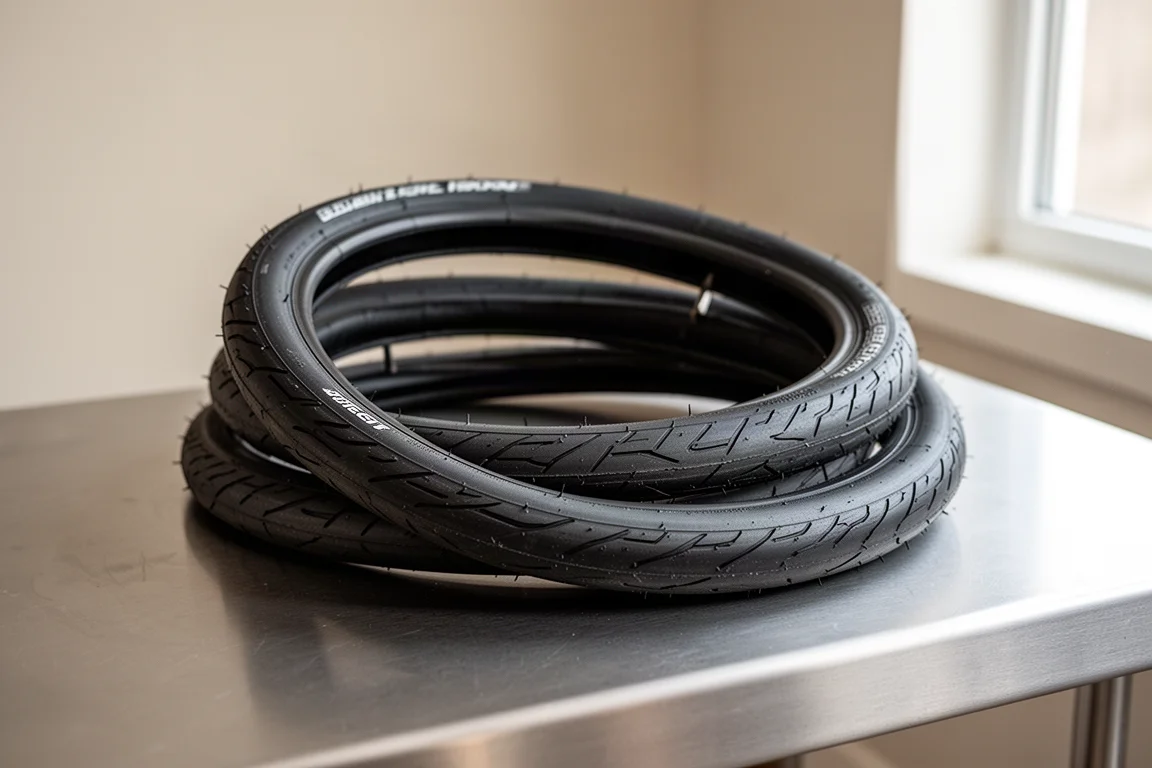
Vittoria Corsa Pro
Vittoria’s tubeless race tire was another 32mm staple, used by several teams. A small number of riders chose the slightly grippier Control version, presumably to cope with the wet cobbled sectors.
The Corsa Pro also connects the modern race to 2015. The handmade tires on the winning bike were made by gluing clincher treads onto 30mm tubular casings, and today’s tubeless tire is a development of that approach.
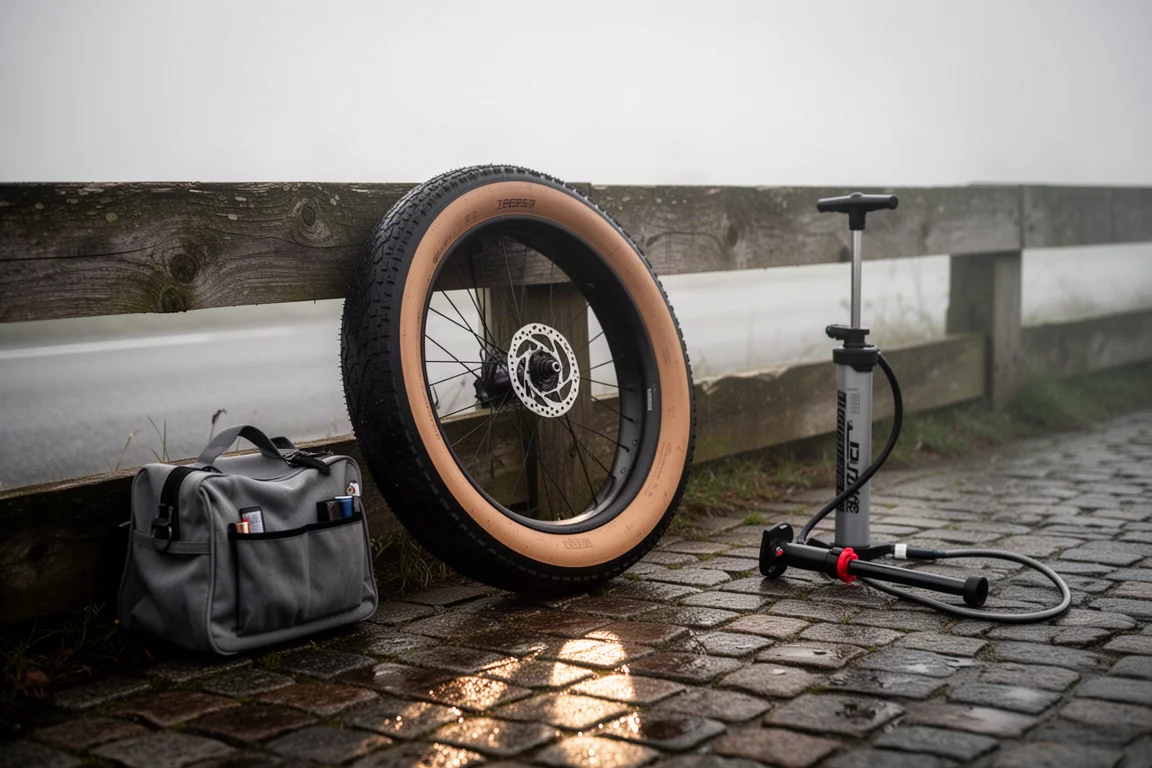
Inserts matter here too. Riders who avoided punctures appear to have been running inserts, likely from the tire brand, together with sealant. Even so, the battered sidewalls on the 2015 bike show how brutal this race is on tires, and sometimes a puncture is simply the luck of the draw.
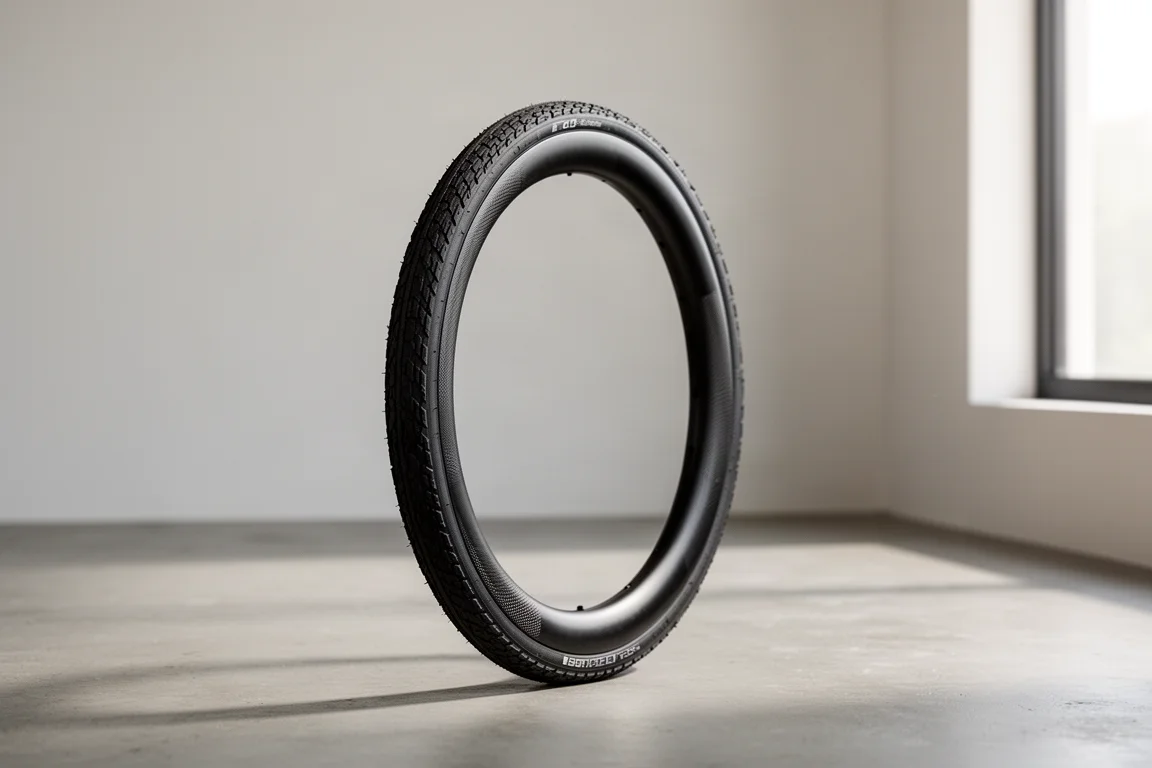
Specialized Mondo
The Mondo is a 32mm tubeless road tire that first appeared at the previous edition of Paris-Roubaix and returned on the modern race bikes. It sits alongside the Corsa Pro as one of the two tubeless tires identified in the winning setups this year.
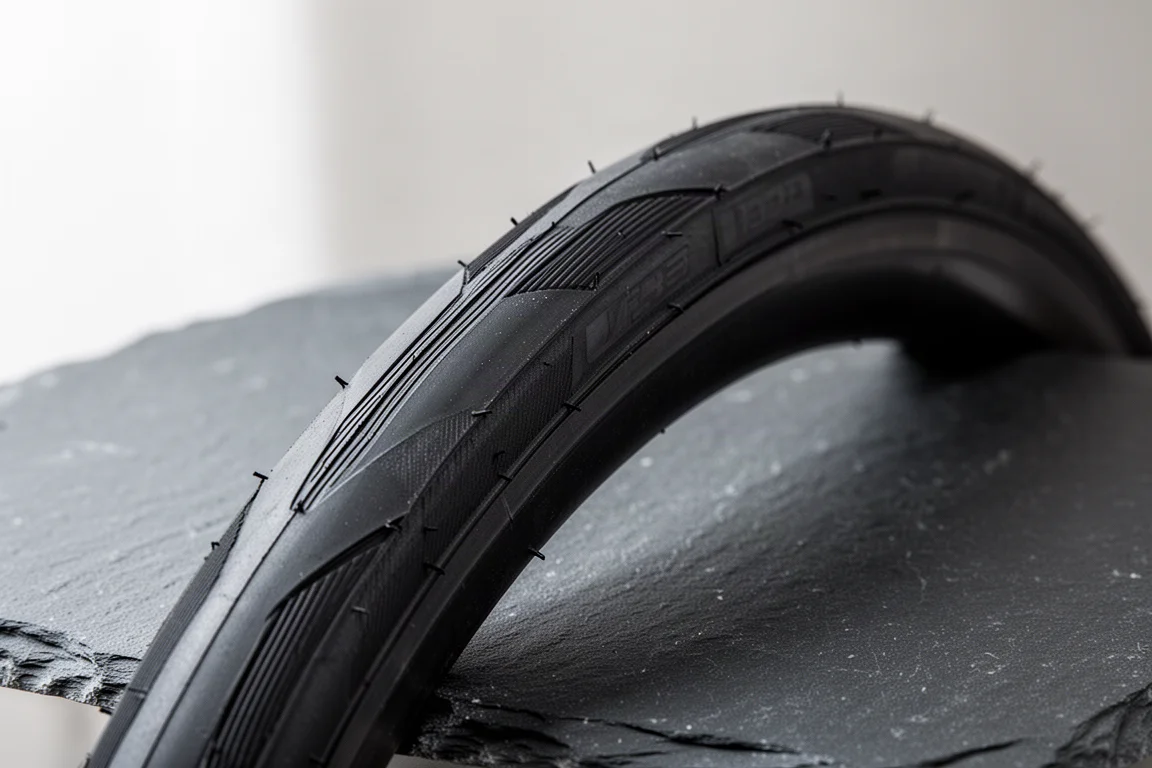
Michelin Power Cup
Only one team in the men’s race stayed with tubular tires, and it used Michelin Power Cup treads on specially made 30mm casings. That size is not sold publicly, which says a lot about how specialised the remaining tubular market has become.
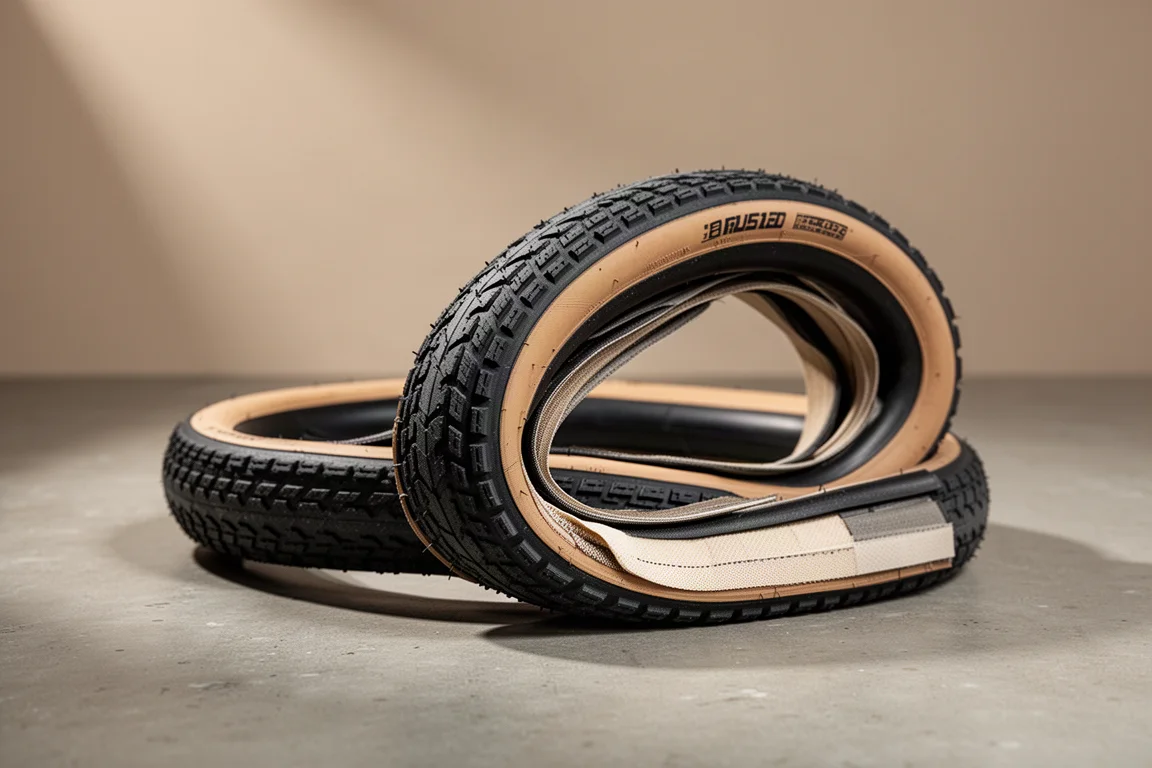
Buying Advice
The lessons from ten editions translate well to everyday riding. Tire width and pressure have more effect on comfort and grip than most component upgrades, and a tubeless 32mm tire is now a mainstream race choice rather than an experiment.
If your frame is rim brake, tire clearance is the hard limit, so check what will actually fit before buying wider rubber. If you are buying a modern disc frame, look at the official clearance rather than what a race mechanic can squeeze in.
Cockpit width is worth attention as well. The 42cm bar of 2015 has given way to 38cm and 40cm, and a narrower bar changes both comfort and aerodynamics. Gearing has moved in the opposite direction, with 1x drivetrains and larger chainrings used to keep the chain at the efficient end of the cassette.
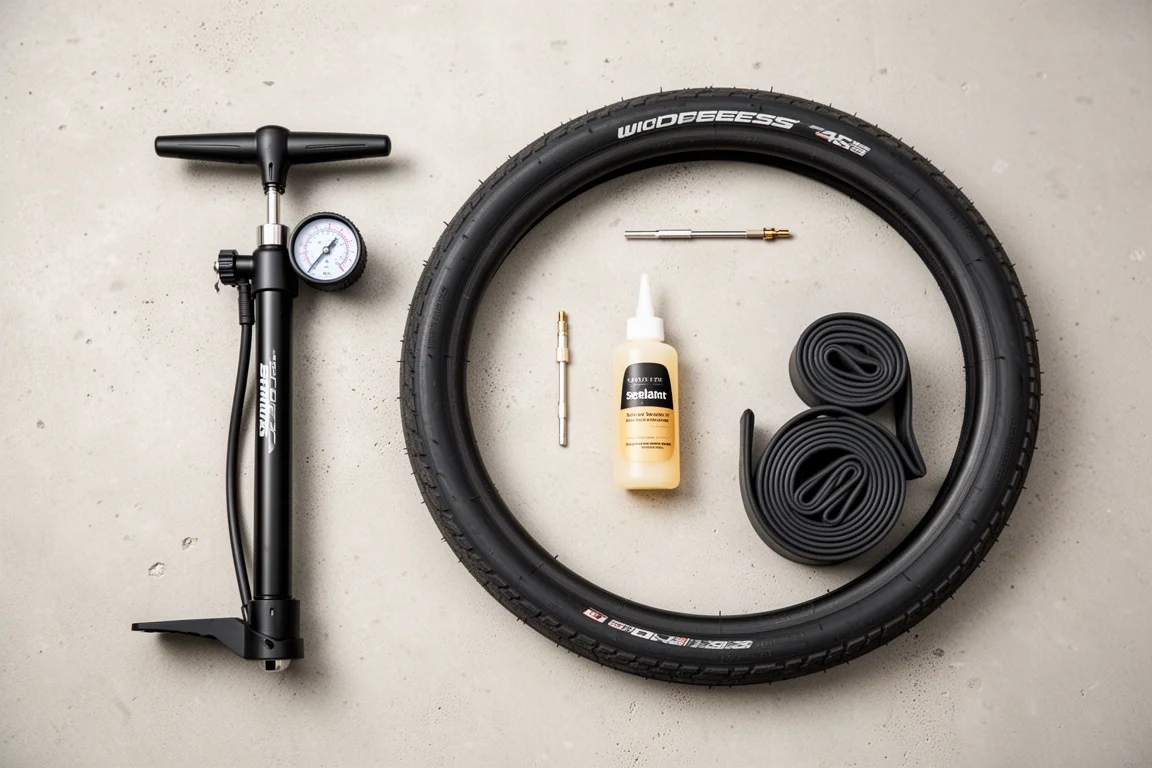
None of this makes the 2015 bike obsolete. It won on the same roads with a fraction of the technology, and the choices made then, comfort, tire width and sensible pressure, are still the ones that matter most.
Conclusion
Speed at Paris-Roubaix rose from 43.5 km/h to nearly 48 km/h across ten editions, and the equipment moved with it. Disc brakes unlocked tire clearance, tubeless replaced tubulars for almost everyone, cockpits narrowed, and gearing went 1x.
The rim-brake Giant Defy Advanced SL remains a clear example of prioritising the right things for the terrain, while the Canyon Aeroad CFR and the Specialized Tarmac SL8 show how far aero frames, integrated front ends and wide tubeless tires have come.
Further reading
Related Reviews
Cycling Gear
8 Cycling Products Riders Keep Coming Back To
Eight cycling components and accessories with clear strengths, honest trade-offs and long-standing reputations among riders and mechanics.
Cycling Gear
Aero Helmets and Bottle Setups Tested: Six Options Ranked by Measured Watt Savings
Wind tunnel data on six aero helmets and bottle setups, with real watt savings, practical trade-offs, and guidance on what is worth buying first.
Cycling Gear
Aero Road Bikes and Fast Tires Worth Watching in 2026
Four aero road bikes and one fast road tire, with the real strengths, the open questions, and what to check before you buy.