Floorstanding Speakers
Paradigm Founder Series 120H Review: Active Bass, ARC Correction, and a Sound You Can Live With
A hybrid floorstanding speaker with 1,000 watts of active bass, built-in ARC room correction, and a smooth, neutral character that stays comfortable over long sessions.
Introduction
Some speakers impress immediately and then slowly wear you down. Others are built around engineering decisions that keep proving themselves month after month. The Paradigm Founder Series 120H belongs to the second group.
Paradigm designs and builds its speakers in Canada, and it is not a small workshop operation. The company runs a large facility with anechoic chambers, and the design choices behind this speaker are supported by lab testing and chamber measurements rather than untested theory. That matters, because the Founder Series 120H is the flagship of the range and it carries a lot of technology: an active bass section, a passive midrange and treble section, and built-in room correction.
Who This Speaker Is For
The 120H makes the most sense for listeners who want genuinely deep, controlled bass without adding separate subwoofers to the system. Its three large bass drivers are driven by 1,000 watts of onboard amplification, and the reported frequency response reaches 22 Hz or lower in some rooms.
It also suits anyone who wants to keep control of the midrange and treble through their own amplification. Because those sections are not powered, you can shape their character with the integrated amplifier, preamplifier, or tube amplifier you already own, while the bass is handled for you.
A third group will find it compelling: people whose room has a stubborn low-frequency problem. More on that below.
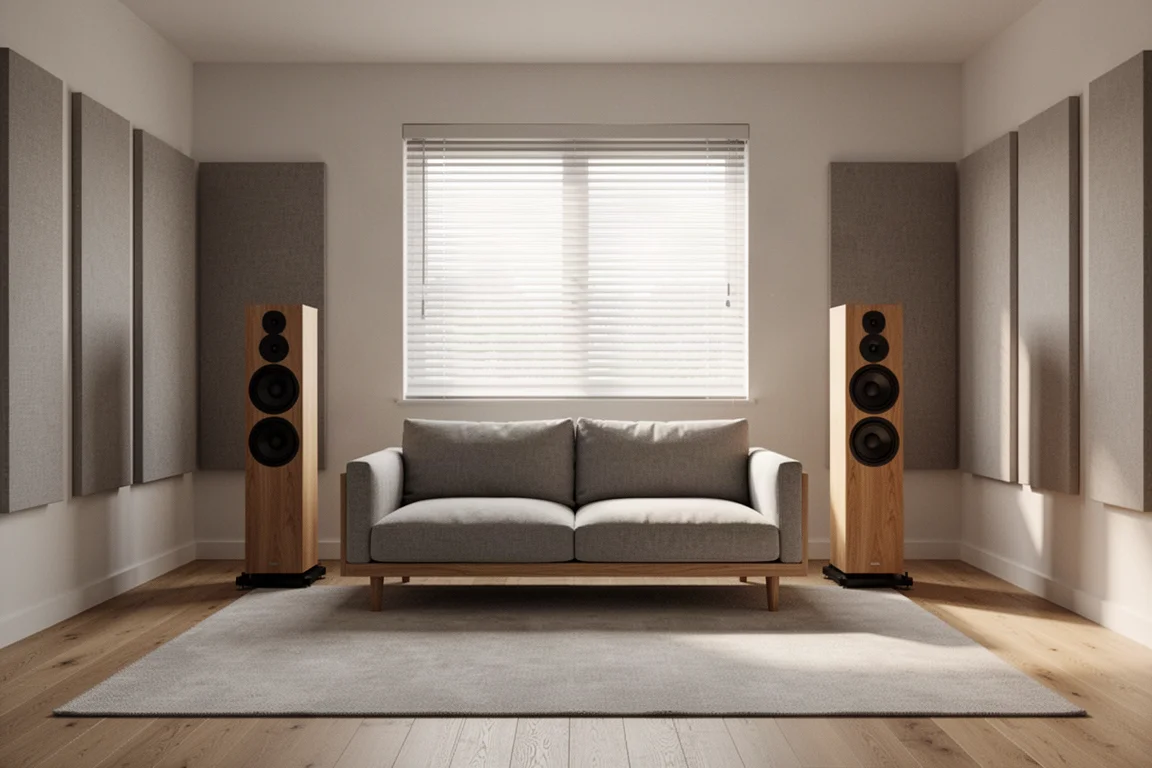
If long, fatigue-free listening sessions matter more to you than a flashy, forward presentation, this speaker is aimed squarely at you.
Design, Finishes, and Build Quality
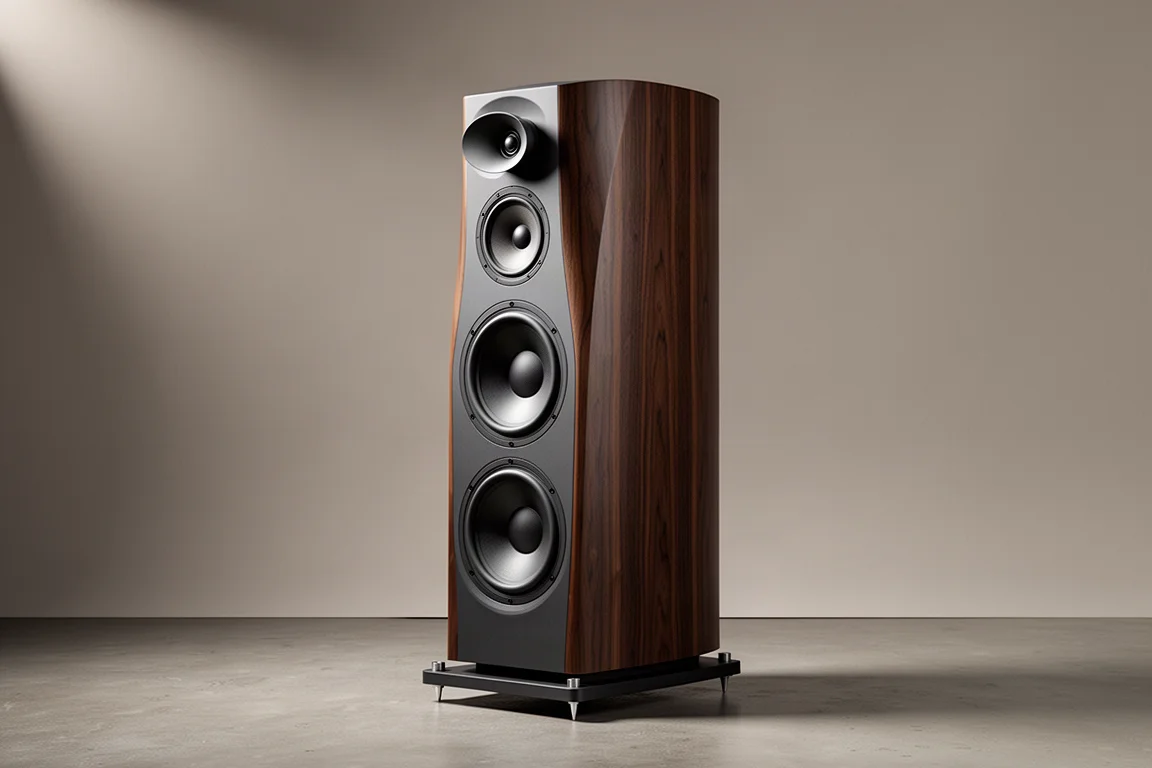
The cabinet looks expensive in the way a well-finished piece of furniture does. There are no visible screws on the front baffle, which keeps the front face clean, and the side profile curves gently instead of following a plain box shape. Everything feels robust, the kind of build that suggests it will still be working properly many years from now.
Four finishes are offered. Two worth noting are Walnut and Midnight Cherry. The Midnight Cherry sample used here is glossy and dark, and under bright studio lighting it is reflective enough that it can read as less attractive than its product photography suggests, though certain angles reveal real depth. The Walnut finish is not glossy, which makes it the more versatile choice if the speaker will sit in a bright room or double as part of a home theater setup.
Small details back up the finish. The feet use a shock mount design with a high-quality spike that decouples the speaker from the floor twice rather than once, and the same decoupling thinking is applied internally, where the drivers are mounted so that resonances do not travel freely between the cabinet and the drivers.
Main Strengths: Active Bass Performance
The bass section is the headline. Three large drivers, 1,000 watts of dedicated amplification, and a reported response that extends to 22 Hz or lower in some rooms add up to a low end that is controlled, dynamic, and linear, with real punch and texture. Nothing about the bass region stands out as a weakness.
There is also no visible port. The port is located at the bottom of the cabinet, which makes bass response less dependent on how far the speaker sits from the wall, because the port interacts mainly with the floor. This is a proven approach that shows up in other well-regarded designs, and it makes placement noticeably more forgiving.
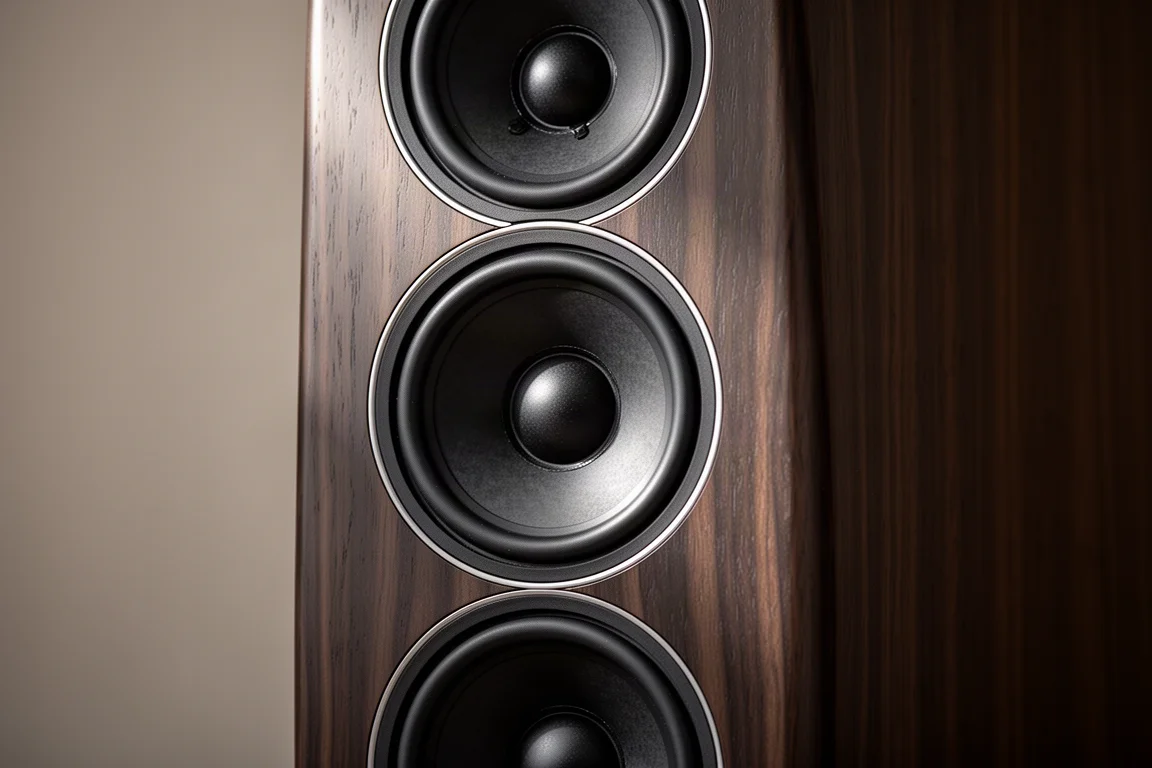
The one thing to understand is that the bass is not adjustable. There is no dial to raise the low end above neutral. Whatever the correction software determines is correct for your room is what you get.
Main Strengths: Imaging and High-Frequency Composure
The midrange and tweeter both use a lens that corrects phase alignment, and the tweeter adds a waveguide for controlled dispersion. The result is a large sweet spot, a broad soundstage, and imaging precise enough that individual instruments can be placed with unusual confidence. The stage stretches wide and deep for a floorstander, even if it does not spread quite as widely as some smaller bookshelf or coincident designs.
Tonally, the midrange and treble are silky smooth, neutral, and balanced. They never shout or turn bright, which is a meaningful distinction within this family: the smaller Founder Series 40B bookshelf leaned slightly bright for some tastes, while the 120H stays composed.
Sensitivity is rated at 92 dB, so the speaker is easy to drive. Low-powered solid state amplifiers and tube amplifiers are both realistic options. Amplifier choice still shapes the character of the midrange and treble, since those sections are passive. Tube amplification tends to widen the dispersion a little while softening the pinpoint precision of solid state, which gives you a genuine tuning tool.
Room Correction and Hybrid Design
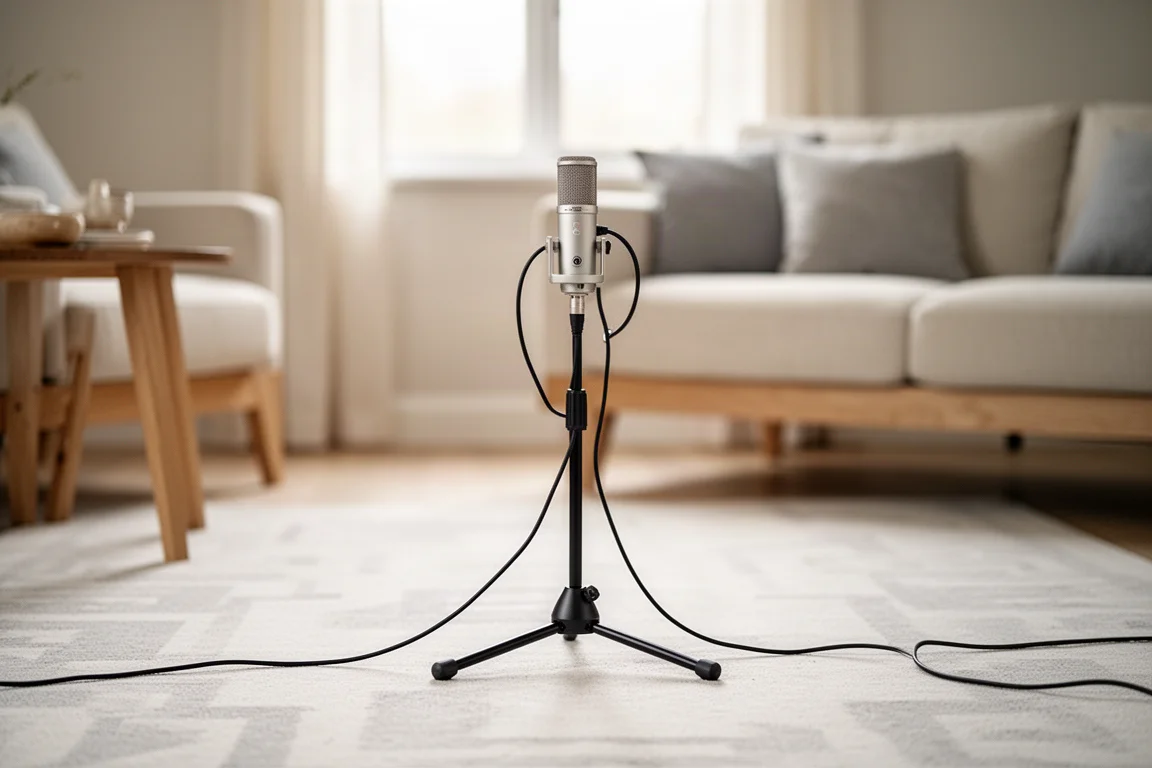
ARC room correction has been part of the Paradigm family for years, and it is built into this speaker. On the back, just above the binding posts, there is a USB port. The package includes a microphone, a microphone stand, and a long USB cable to connect the left and right channels. Software downloaded from the manufacturer’s website runs the measurement: it listens to the room and then adjusts the frequencies that need a lift or a trim.
Setup is intuitive and fast, and the outcome is convincing. In a heavily treated room the corrections were minimal. In a room with a pronounced dip around 50 Hz, the correction brought that region back, both visible on the measurement graph and clearly audible. That is the kind of room where built-in correction wins, because fixing such a dip with acoustic treatment alone is difficult and time-consuming.
It is worth being precise about the architecture. Only the bass is active. The midrange and high frequencies remain passive and are driven by your own amplification, which is what gives the speaker its flexibility. Think of it as having active subwoofers integrated into a floorstanding cabinet, with room correction included.
Things to Consider Before Buying
The bass cannot be tailored. If you like the idea of raising the low end above neutral the way you would with a subwoofer level control, this speaker will not do that. Room correction aims for a flat, neutral result, and that is what you hear.
The glossy finish options are reflective under strong light, which is worth checking against your room’s lighting before you commit.
This is not an inexpensive speaker, and it is a large floorstander, so it needs space and a room that can accommodate it. Amplifier quality also matters more than usual, because the passive midrange and treble will reveal what you feed them.
Buying Advice
Despite the high price point, the 120H represents strong value for what it delivers. Much of that comes down to scale: a long-established manufacturer with a large Canadian facility and decades of incremental development can spread engineering costs across a broad product line, which keeps the final price lower than it would be from a small builder working with limited resources.
It is the right purchase if you want deep, authoritative bass without separate subwoofers, a neutral and non-fatiguing midrange and treble, precise imaging, and built-in correction for a room that needs it. Pair it with an amplifier whose character you like, since that is where your remaining tuning options live.
If instead you want to boost the bass beyond neutral, or you prefer a brighter, more forward presentation, this is probably not the speaker to build a system around.
Conclusion
The Paradigm Founder Series 120H is one of those rare components where the technology actually transfers into the listening room. The bass is deep, controlled, and convincing. The midrange and treble are smooth and neutral without losing precision. The room correction does measurable, audible work in rooms that need it. For listeners who value neutrality, imaging, and long-term comfort over novelty, this is a speaker that is easy to live with.
Product link
View more details for Paradigm Founder Series 120H
This product is mentioned in the review. Check the specifications, options, and compatibility before buying.
View more details for Paradigm Founder Series 120HFurther reading
Related Reviews
Floorstanding Speakers
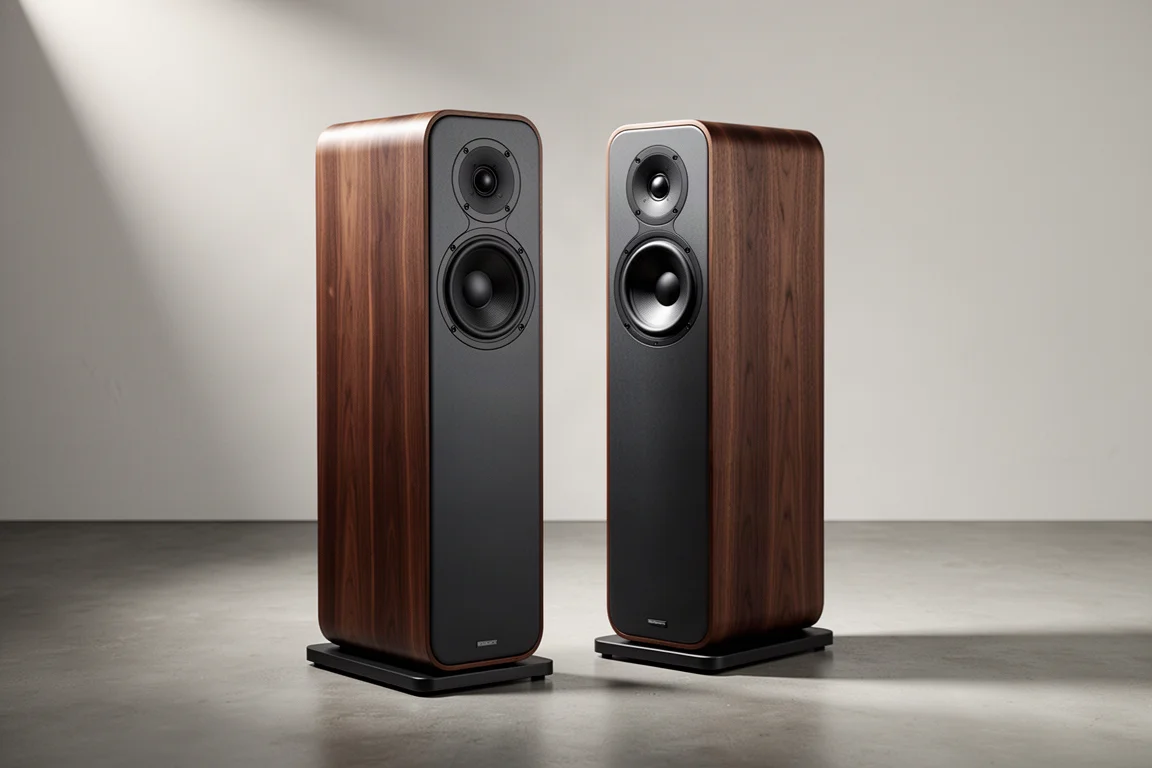
Acoustic Energy AE109 Mark II Review: A Refined Floorstander at £699
The Acoustic Energy AE109 Mark II is a slim, warm sounding floorstander that delivers clarity, midrange body and strong imaging in small to medium rooms.
Floorstanding Speakers
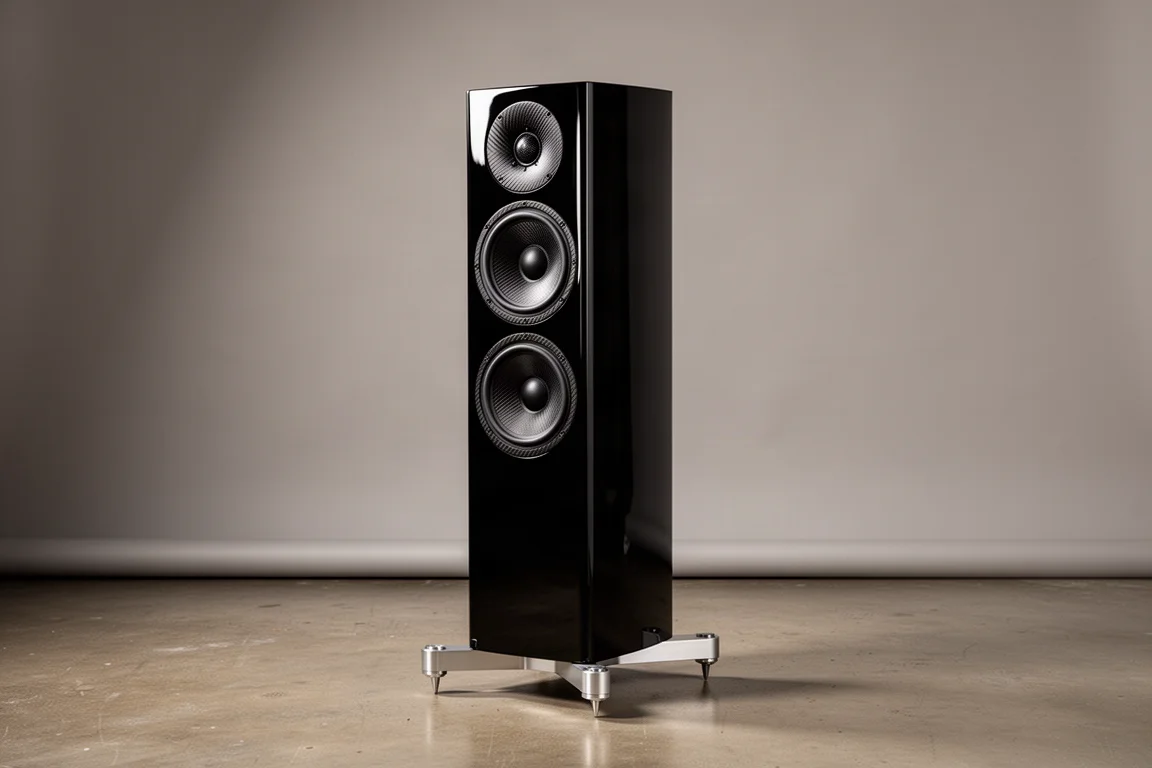
Acoustic Energy AE509 Review: A Slim Floorstander With Deep, Defined Bass
A practical look at the Acoustic Energy AE509, a slim floorstanding speaker with carbon fibre drivers, deep and well-defined bass, and an easy-going character that rewards careful system matching.
Floorstanding Speakers
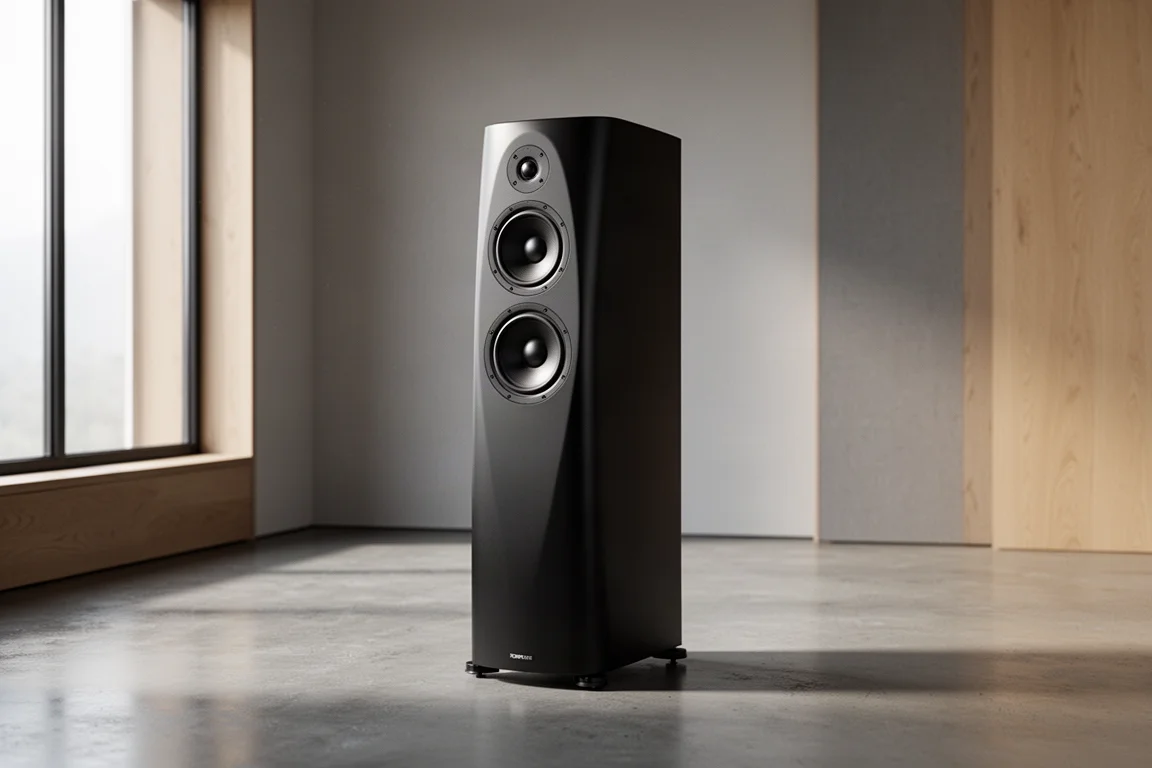
Arendal 1528 Tower 8 Review: Reference Neutrality With Real Demands
A close look at the Arendal 1528 Tower 8, a nearly five-foot, 200-pound floorstander that rewards generous space, serious power, and high listening levels with reference-grade neutrality.