Ultralight Backpacking
Palante Packs Compared: From the Original Simple Pack to the Ultralight and Joey
How the Palante backpack line evolved, from the original Simple Pack and the thin-fabric Cuben Simple Pack to the V2, the Joey, and the current Ultralight Pack.
Introduction
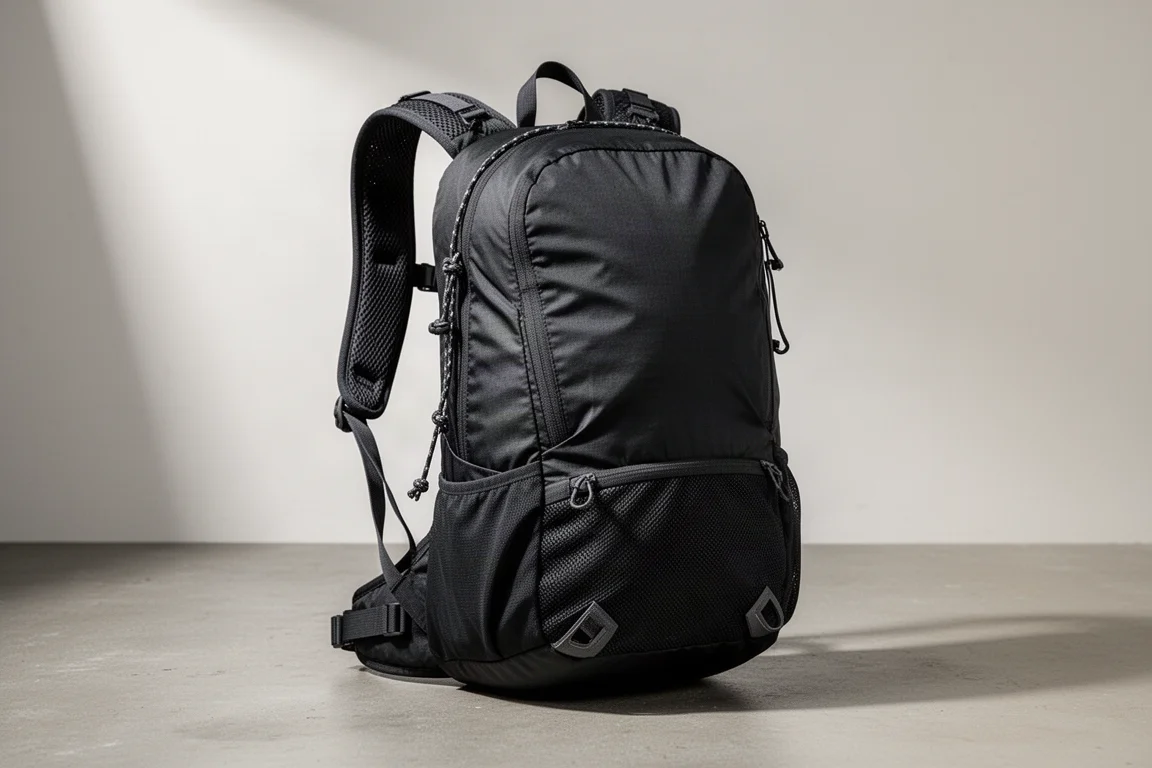
Ultralight backpacking packs are usually judged on one practical question: can you reach what you need without stopping? Palante answered that question with a stretchy bottom pocket, a pair of shoulder strap pockets, and a harness that keeps the load close to the body.
The company began with a single pack and has spent roughly five years selling backpacks, with a few more years before that spent making packs for personal use. The name reflects the intent behind the design: to keep moving, to keep going.
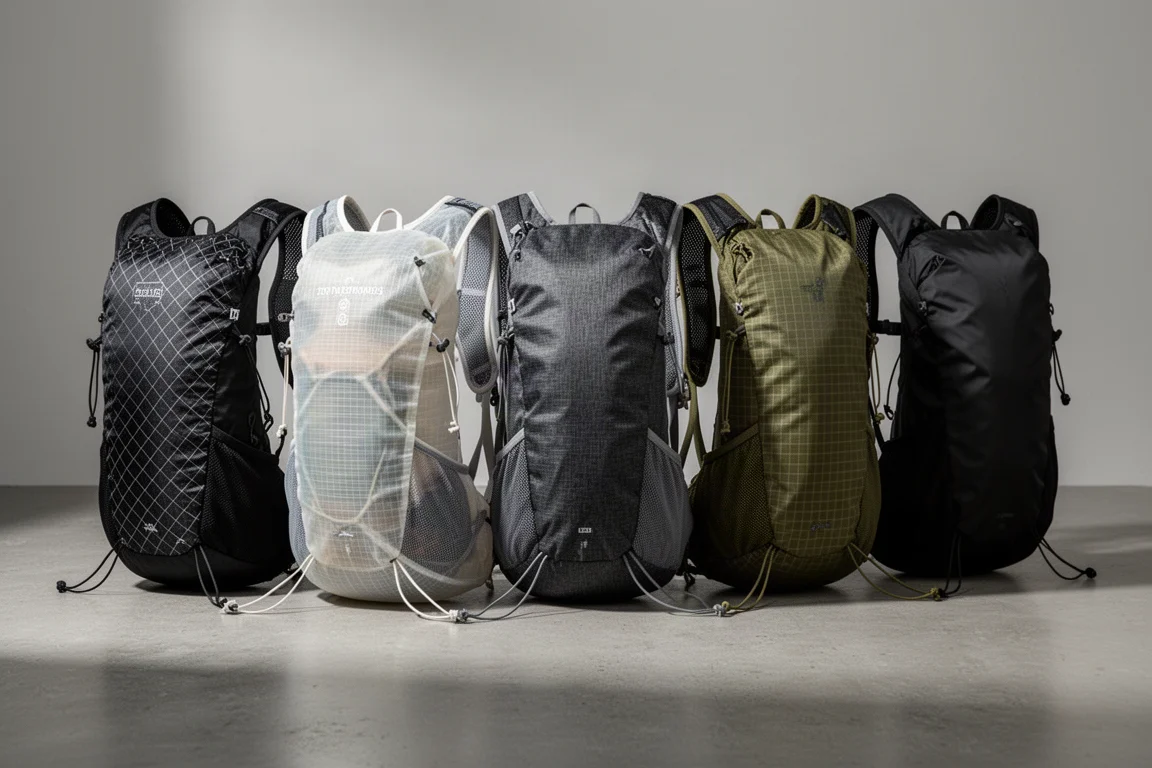
This guide follows the line as it developed, from the original Simple Pack through the Cuben Simple Pack, the V2 (now sold as the Lightweight Pack), the Joey, and the current Ultralight Pack. Each section covers what the pack is, what changed along the way, and the kind of hiking it suits.
What ties all five packs together is access. Food, maps, a phone, and trash stay within reach, so a long day of walking does not require stopping, unshouldering, and digging through an outer mesh pocket.
What Defines the Palante Approach
A few design decisions recur across the range, and they explain why the packs feel similar in use even when the fabrics and volumes differ.
The bottom pocket is the clearest example. It sits low on the front of the pack and stays reachable while you walk. On later models Palante split it into two openings: a main hole for food and a second opening roughly an inch and a half wide for trash. Food comes out of one side through the day while wrappers go back in the other, so the pocket fills with rubbish as it empties of food.
Shoulder strap pockets are the second constant. They hold snacks, a phone, and a small map, and the current models add a smaller pocket underneath each one.
Fabric choices tell the rest of the story. Earlier packs used a waterproof X-Pac laminate, then very thin Dyneema composite fabric, then water resistant grid stop, and now an aerobic nylon that trades waterproofness for light weight and durability. Over the same period the silhouette moved away from a boxy shape toward a gentle curve, which shifts weight higher on the back and, in practice, carries more comfortably.
Palante Simple Pack: The Original Bottom-Pocket Design
The Simple Pack was the first backpack made by John and Andy under the Palante name, and it set the template the rest of the range still follows.
It is sewn from X-Pac, a durable fabric that is described as waterproof. The bottom pocket holds food or gear, the shoulder strap pockets keep small items close at hand, and a small strap on the side works for hanging socks or sliding in an umbrella. The top closes with simple snaps. Weight lands at roughly twelve ounces.
Field use is substantial. The pack covered the final hundred miles of the International Appalachian Trail, the whole Appalachian Trail, sections of the Benton MacKaye Trail and the Pinhole Trail, and stretches of road walking through Alabama, adding up to more than 3,000 miles of daily use in every kind of weather. Two things are worth knowing before buying. The X-Pac laminate began to delaminate over that distance, and the shoulder straps started to tear, which was a known issue on early production. Later packs in the range have not shown the same strap problem.
Palante Cuben Simple Pack: The Ultralight Experiment
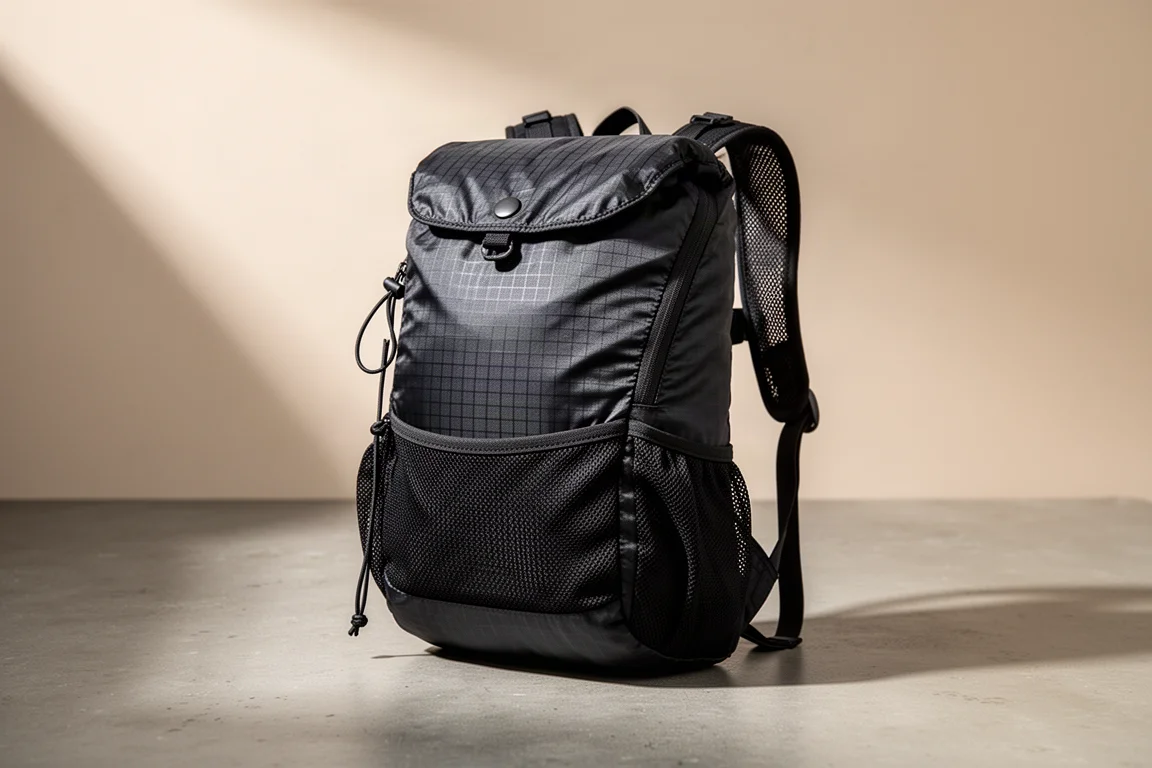
The Cuben Simple Pack strips the formula back to almost nothing. It weighs around nine ounces, roughly three ounces less than the Simple Pack, and gives up features to get there: thinner webbing, a single button snap at the top instead of a row of them, no side cord, and less internal volume.
The fabric is the headline change. This pack uses a Dyneema composite, often called cuben fiber, which is about as thin as pack fabric gets. Palante’s own guidance was that it suits a hiker carrying something like a four pound base weight, and that is fair. There is not much margin here for heavy or bulky loads.
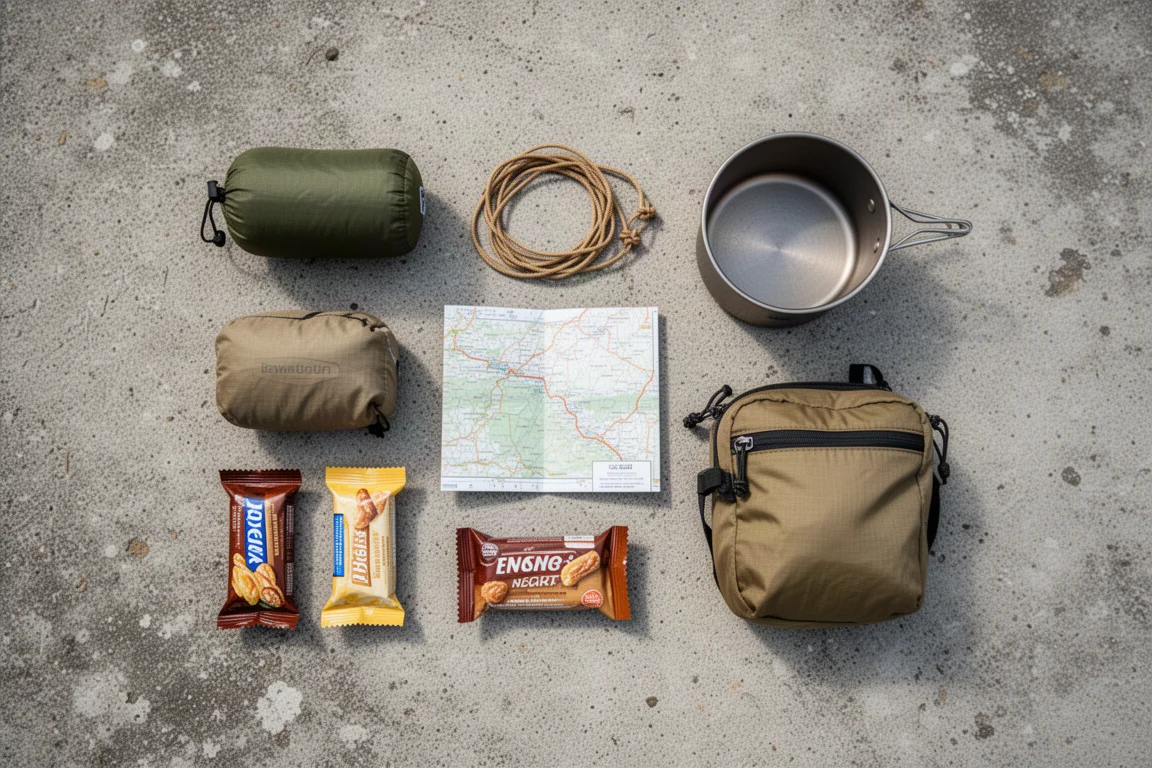
Durability has surprised anyone who expected the thin fabric to fail quickly. The pack covered a Florida Trail speed record finished in 28 days plus a few hours, then another 200 miles down to Key West, and roughly 1,300 miles in total on that trip. Overnight trips since then have added more distance without any real signs of tearing, and the front mesh pocket and shoulder straps are still intact. Even so, this is not a fabric to choose if you want a pack to survive thousands of miles of hard use.
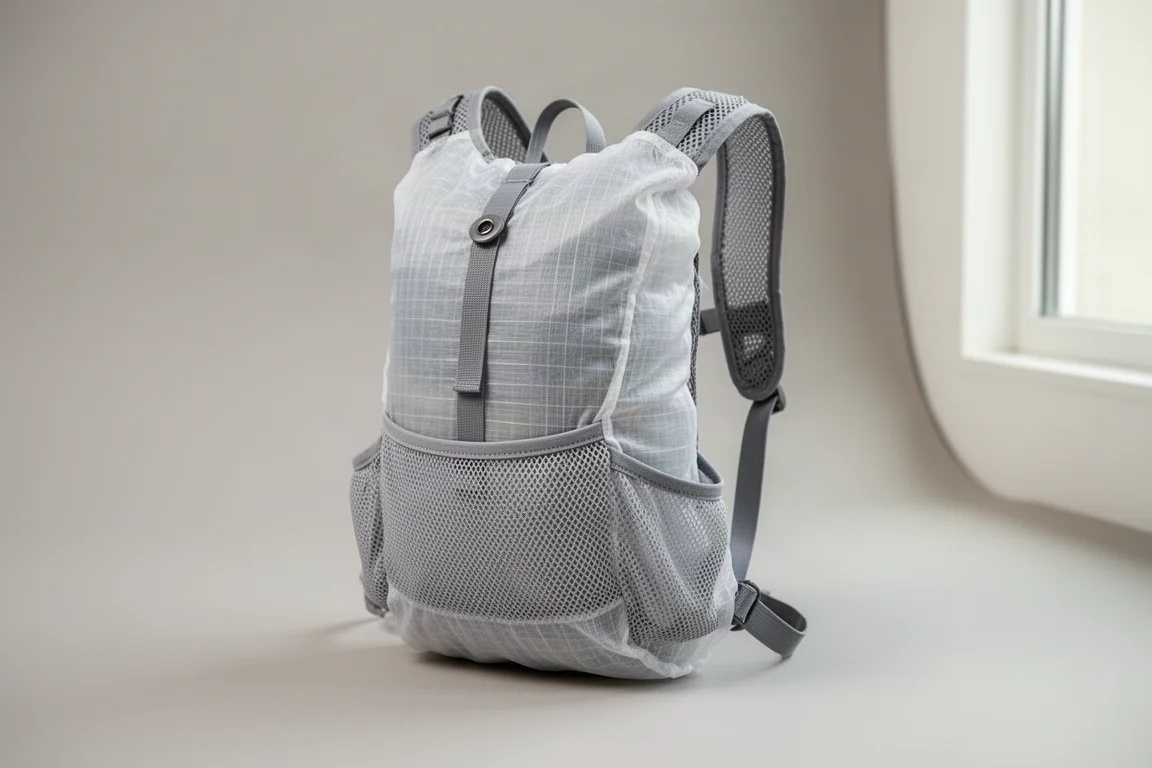
Palante V2 / Lightweight Pack: More Volume for Long Resupply Gaps
The V2, now sold as the Lightweight Pack, is a significant step up in volume and carrying capacity. The version pictured here is one of the earliest prototypes, which is why the production pack looks sleeker today, though the core design carries over.
The fabric is a much thicker Dyneema composite than the original Simple Pack used, and considerably thicker than the Cuben Simple Pack. No rips appeared in use, and there was never much concern about them.
Two changes matter most in daily use. First, the bottom pocket was resewn: Palante ran the stitching around a couple of times so that anything trying to work its way out catches on that edge, and extended the pocket further around the side so contents have to negotiate a corner. Second, the top closure moved from snaps to a small slide buckle, which is quicker and easier to operate.
The pack suits long stretches between towns. It carried a bear canister inside or strapped on top, along with three to four liters of water across 200 mile resupply gaps. Roughly 2,500 miles of use on the Pacific Crest Trail, the Sheltowee Trace Trail in 2019, and the Florida Trail have left it in great shape.
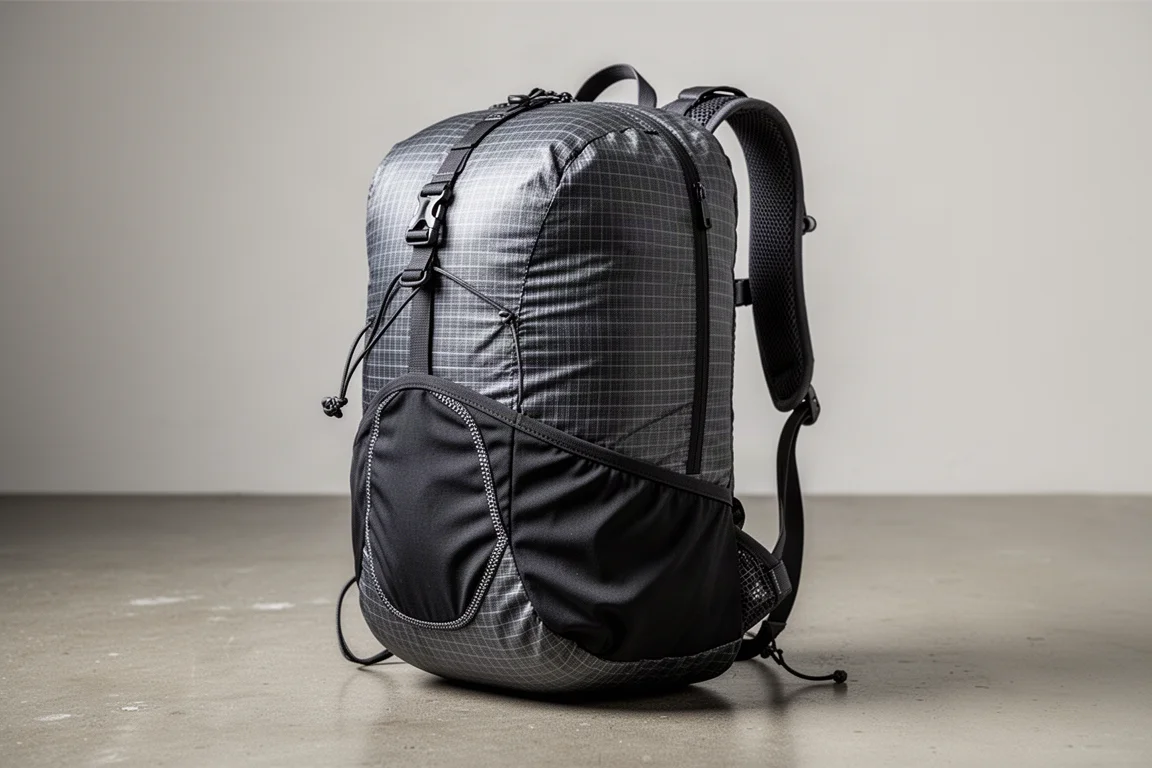
Palante Joey Pack: Running Vest Comfort and Stability
The Joey was designed around the needs of a runner and fast hiker: a pack that stays secure against the body, carries very little weight, and can be worn while jogging or scrambling. The running vest harness is the result. Two sternum straps cross the chest and two side straps pull the pack in, so the load sits close rather than hanging off the back.
Volume is smaller than the V2, and the front pockets are larger. The fabric is grid stop, which is very light and extremely durable but water resistant rather than waterproof. A bear canister fits inside or straps on top, which mattered on the Pacific Northwest Trail and through Olympic National Forest. The Uinta Highline Trail added more distance. Between them, roughly 1,100 miles passed without any durability issues.
The current Joey carries the design further. It uses the same aerobic nylon as the Ultralight Pack, which is lighter and durable, and the side pocket fabric has been built up with a rolled over stretchy cord so contents stay put. The sternum strap attachment is more adjustable, and each shoulder strap now has an extra pocket beneath the main one, which suits hikers who would rather not stop to dig for a snack.
The original intent still holds: water bottles on the chest, food on the sides. It is a strong match for speed-focused efforts and for shorter thru-hikes with frequent resupply towns, where carrying less food is realistic.
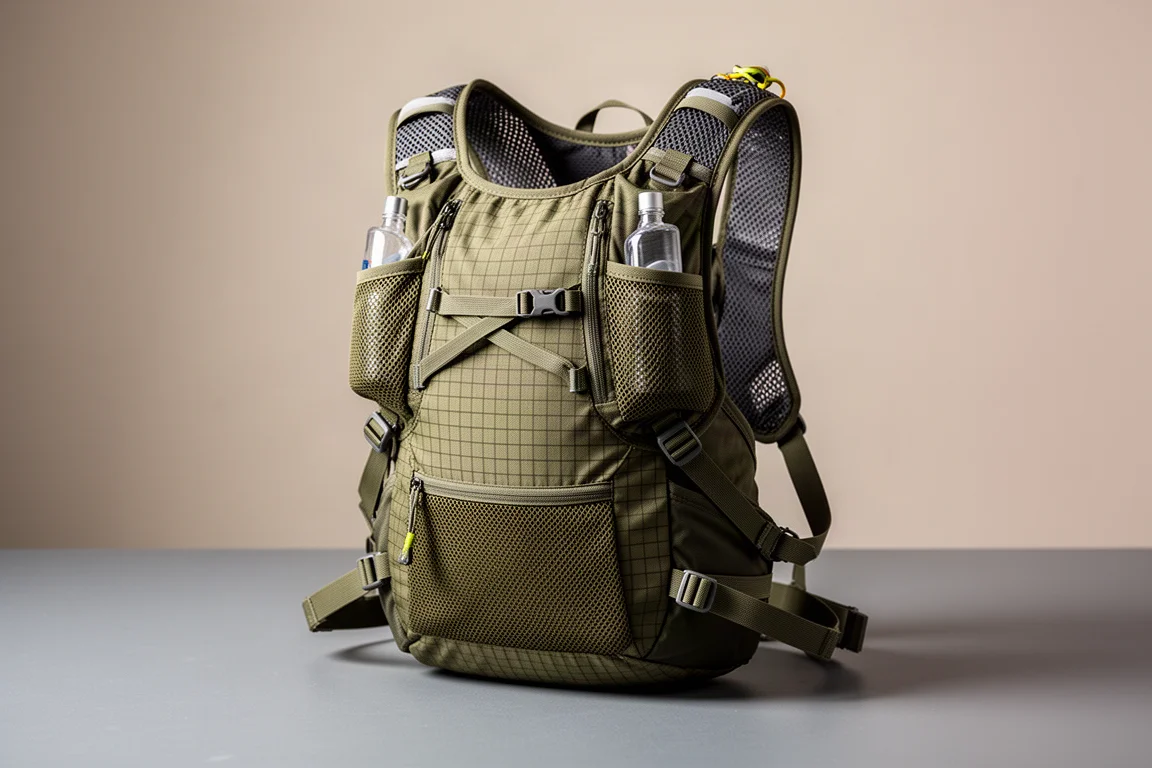
Palante Ultralight Pack: The Refined All-Rounder
The Ultralight Pack is the current thru-hiking model and the one that benefits most from everything learned across the earlier designs. It holds more volume than the Joey, which makes it a better fit for longer trails with bigger food carries.
The fabric is an aerobic nylon. It is not waterproof, and that is a deliberate trade for lower weight and high durability. Shoulder straps are wider and thicker than on earlier packs, and the familiar features remain: a cord on the side for an umbrella, side pockets that take two water bottles, and a bottom pocket with the same anti-slip sewing that keeps bars and wrappers where they belong.
For a hiker carrying an ultralight kit on a long trail, this is the most balanced pack in the range. It is smaller and lighter than the Lightweight Pack while keeping the access features that make the line distinctive.
Buying Advice: Which Palante Pack Fits Your Hike
Choosing between these packs comes down to three questions: how much volume you need, how far apart your resupply points are, and how much you value a waterproof fabric.
If you regularly carry a bear canister or cover 200 mile stretches between towns, the V2 / Lightweight Pack and the Ultralight Pack have the volume to handle it. The Ultralight Pack adds wider straps and lighter fabric, which makes it the easier carry of the two over long distances.
If your trips are fast and light, with a low base weight and short gaps between towns, the Cuben Simple Pack and the Joey Pack are the more natural picks. The Cuben Simple Pack is the lightest of the group and the least forgiving, while the Joey Pack pairs a compact body with a running vest harness that keeps everything stable and within reach.
If you want the original formula in a waterproof fabric, the Simple Pack remains the reference point. It is the pack that established the bottom pocket and shoulder strap pocket layout, and it is a reasonable choice for hikers who value weather resistance over the lightest possible weight.
One last note on fabrics. Waterproof laminates keep rain out but can delaminate with heavy use. Thin Dyneema composite saves weight but has a short service life under load. Grid stop and aerobic nylon give up waterproofness in exchange for durability. Matching that trade-off to your own hiking style matters more than the weight difference on a spec sheet.
Conclusion
The Palante range has moved in a consistent direction: keep the access features, improve the fabrics, and refine the fit. The original Simple Pack proved the idea, the Cuben Simple Pack tested how light a pack could go, the V2 and Lightweight Pack added volume and a better bottom pocket, the Joey brought a running vest harness, and the Ultralight Pack pulls the best of each into a single thru-hiking design.
Any of the five will do the job if it matches your volume needs and the fabric suits your conditions. For most long-trail hikers, the Ultralight Pack and the V2 / Lightweight Pack cover the widest range of trips, while the Joey and the Cuben Simple Pack reward a lighter, faster approach.
Further reading
Related Reviews
Ultralight Backpacking
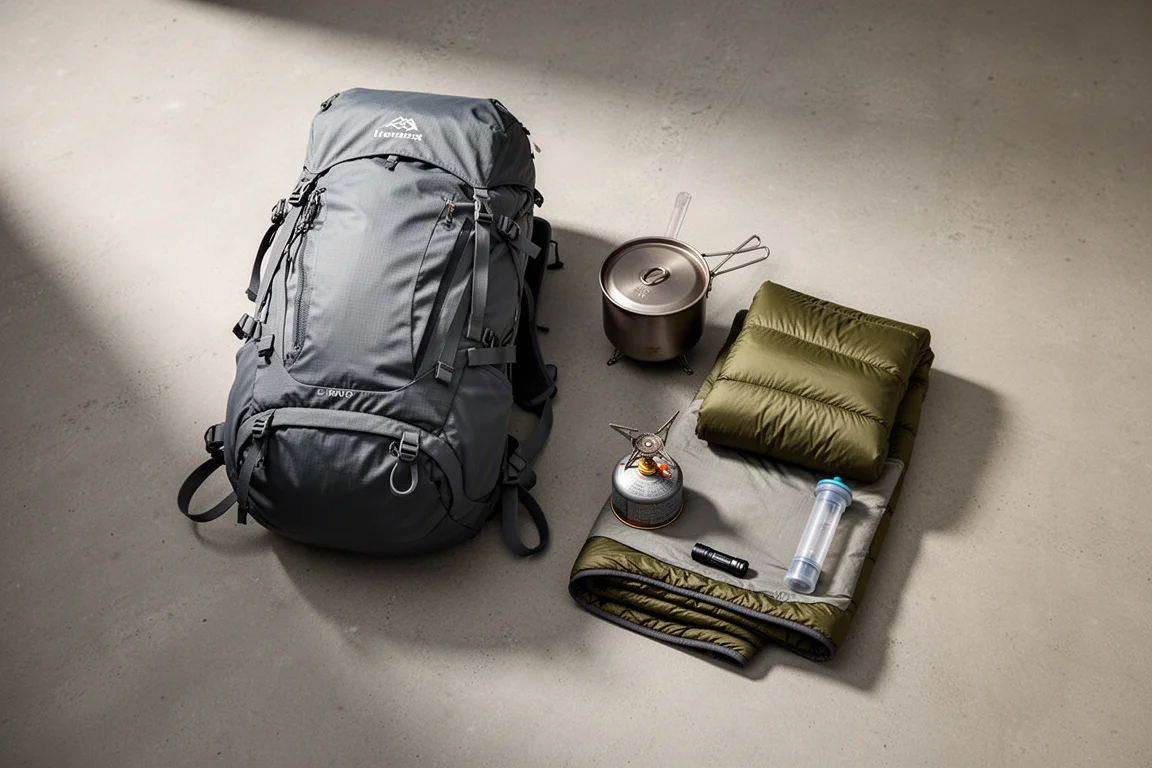
Ultralight Backpacking Gear List: Building an Eight-Pound Base Weight
A practical ultralight backpacking gear list covering pack, shelter, sleep, cook, and safety choices, with notes on what each item does well and where it makes trade-offs.
Ultralight Backpacking
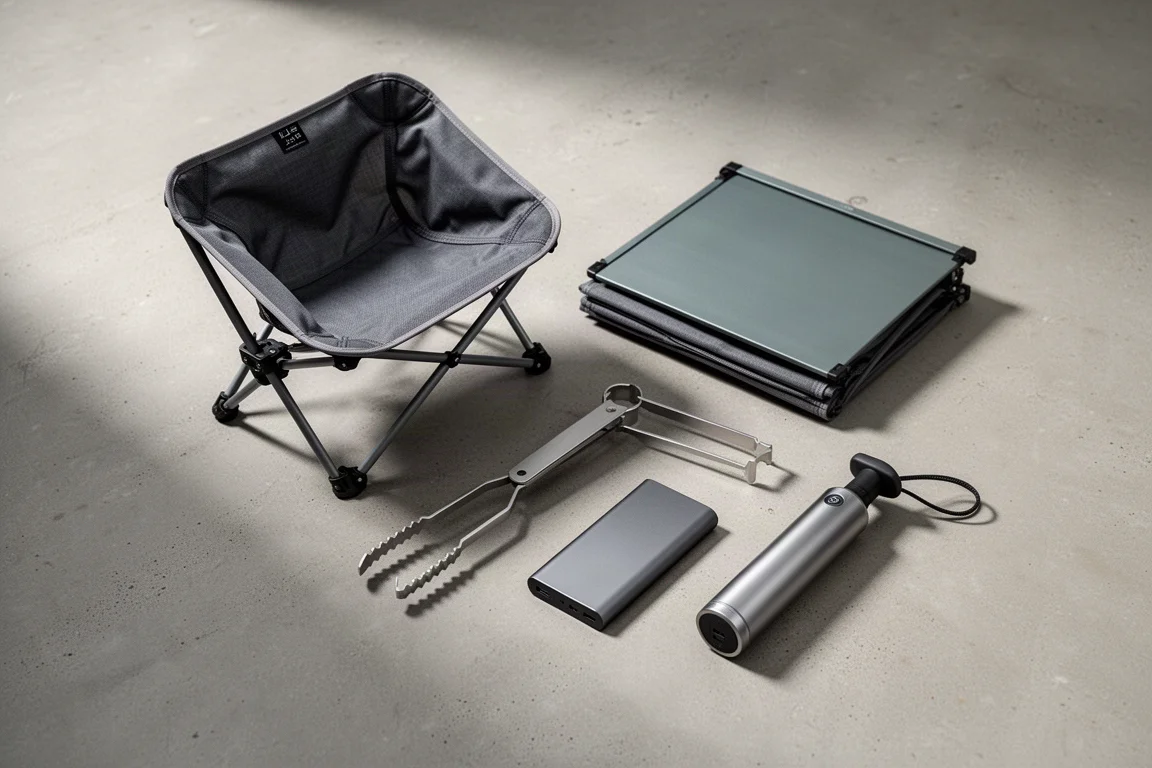
Best Ultralight Backpacking Gadgets 2026: Six Lightweight Upgrades Worth Knowing
Six ultralight backpacking gadgets, from a 488 g camp chair to a 4.5 g pot grabber, with practical notes on weight, usability, and price.
Ultralight Backpacking
Five Small Ultralight Brands and the Gear Worth Packing
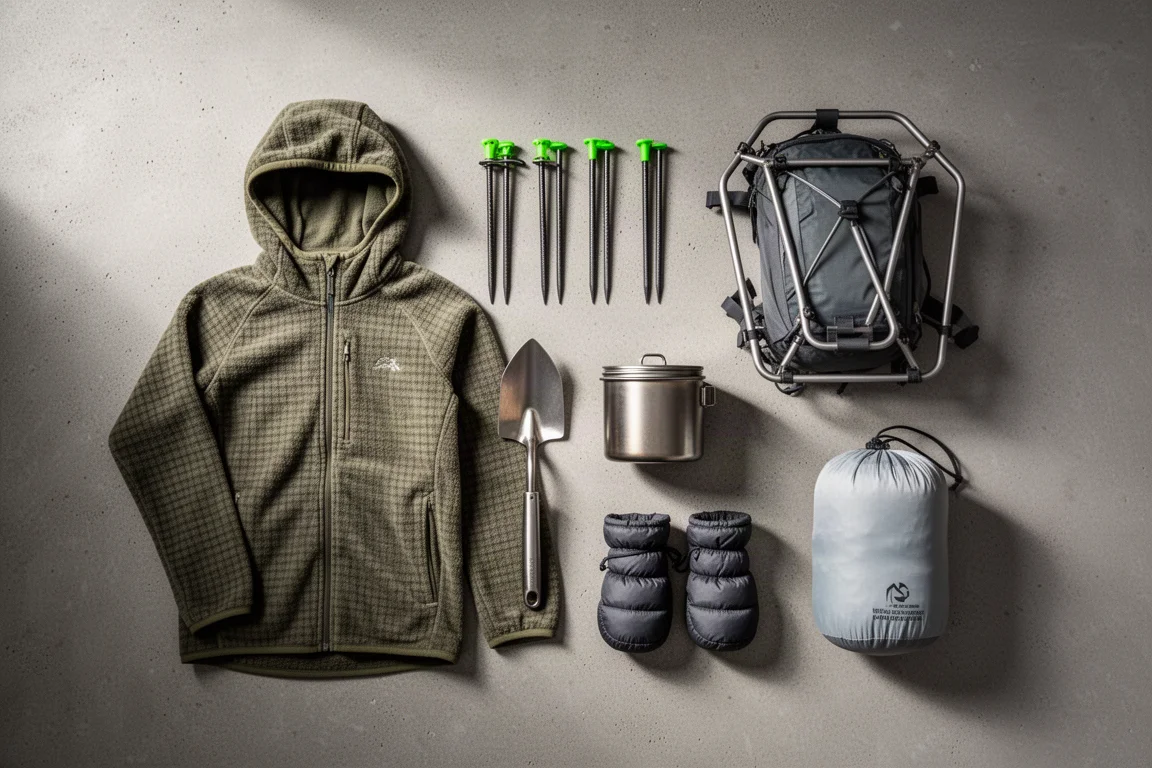
A closer look at five cottage ultralight brands and seven pieces worth considering, from a 4 oz fleece layer to carbon fiber tent stakes you can barely feel.