Outdoor Safety
OverWatch and Rescue Review: An SOS Subscription That Pays the Rescue Bill
OverWatch and Rescue is an annual SOS subscription that coordinates emergency rescues and pays the bill directly, with no deductible, no claims process, and no monetary limits.
Introduction
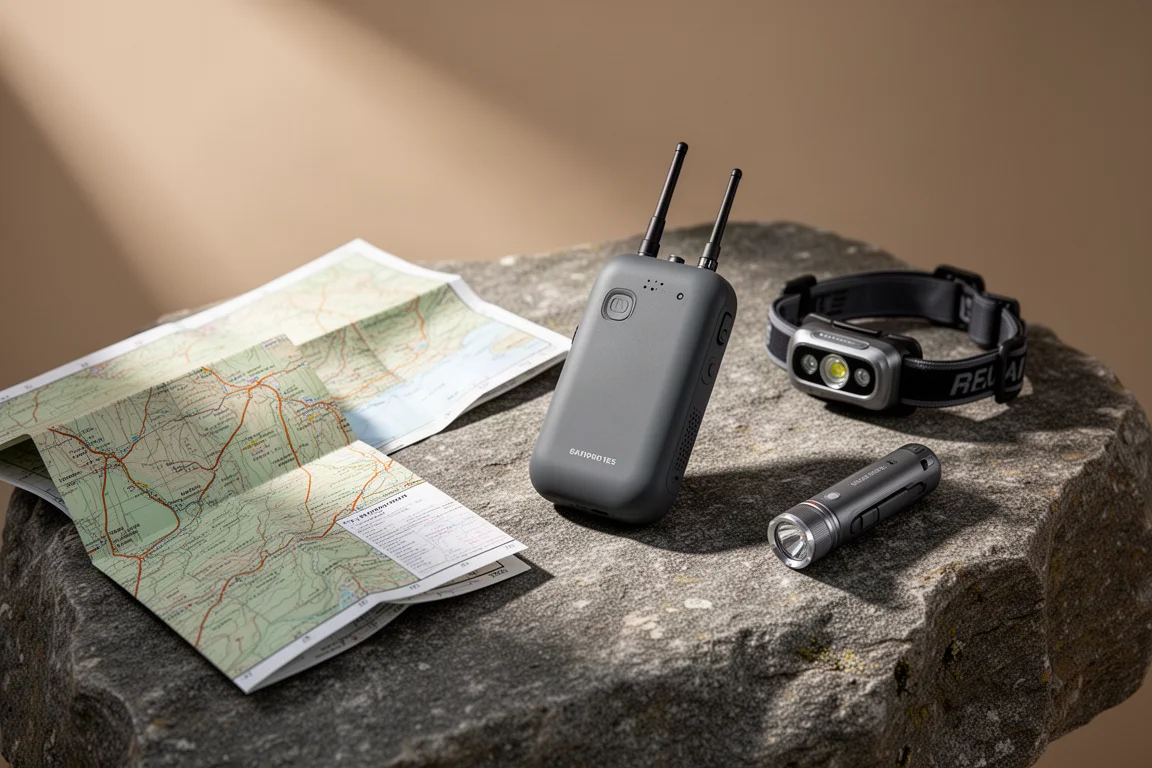
Pressing an SOS button in the backcountry is already a stressful moment. The last thing anyone wants to think about while waiting for help is how the rescue will be paid for, and in many situations the answer is genuinely unclear. A helicopter flight that would normally be covered can turn into a private charter when the nearest aircraft is somewhere else, and a critical injury can require a specialised air ambulance brought in from another city with medical personnel and equipment on board.
OverWatch and Rescue is an annual subscription built for exactly that gap. It is not insurance. There is no deductible, no adjuster reviewing a file, no reimbursement cycle, and no haggling over whether a claim is approved. Members pay one annual fee, similar in spirit to a roadside assistance plan, and if a charge is attached to a rescue they send the bill and it is paid.

The point of the service is to take cost out of the decision at the moment it matters most. If a rescue coordinator says a lift is needed, the member should be able to get on the aircraft and sort out the paperwork afterwards. Everything else in the product is designed to support that promise.
Who This Service Is For
OverWatch and Rescue is aimed at anyone who spends time far enough from a road that getting out under their own power may not be an option. Hunting, fishing, hiking, biking, cycling, and general backcountry travel are all covered, and the same plan applies whether you are a casual day hiker or training for a major summit.
Coverage is worldwide, and the service states there are no activity tiers to choose from and no altitude based pricing to work around. That matters because many outdoor enthusiasts move between very different environments over a year: a lowland trail one weekend and a high alpine route the next. The plan does not change based on where the trip goes.
Main Strengths
The most important feature is the payment model. OverWatch and Rescue operates as a first payer product. If a rescue generates a bill, the member can notify the service, send the invoice, and the bill is settled directly. There is no out of pocket payment followed by a claim, no deductible to absorb first, and no monetary cap on what a rescue can cost.

That last point separates it from several products on the market that do pay for rescues but stop at a fixed ceiling. Some carry limits around $100,000, and others sit below $10,000, while the average rescue helicopter is reported at roughly $28,000. Ground ambulances are far more common than helicopters, with more than 200,000 rescues in the United States each year involving one, and average costs falling somewhere between $400 and $2,000. A capped benefit can leave a member covering the difference on a single serious incident.
The plan is also device agnostic. A subscription can register up to three devices, which could be a Garmin inReach, an iPhone 14 or newer with satellite capability, or another satellite communicator, all under the same membership. Members who already carry more than one piece of safety hardware do not have to choose between them.
How the Emergency Response Works
Once devices are registered, members are plugged into a purpose built rescue network rather than a general call centre. The service runs crisis response centres in Florida and South Africa, giving redundancy across different hemispheres, and the staff are drawn from emergency services backgrounds: former military personnel including special operations, first responders, EMTs, paramedics, medical staff, and people with 911 dispatch experience. The organisation is veteran founded and veteran led.
Behind the team is a proprietary software platform called Pulse, along with integrations into RapidSOS and 911 call centres. The job is not to perform the rescue itself, but to establish exactly what the problem is and where the person is, then package that information and hand it to the appropriate search and rescue entity. Because the report arrives already vetted, the receiving team does not have to second guess its accuracy before acting. The service maintains relationships with thousands of search and rescue organisations worldwide, from federal and local agencies to volunteer groups.
What happens next is the real differentiator. OverWatch and Rescue stays with the case until there is a confirmed outcome rather than handing it off and disconnecting. One documented case involved an endurance athlete injured and immobilised on a mountain in Argentina who triggered a satellite SOS. The response required coordination with at least seven agencies. The first agency contacted declined because of weather and a lack of available people, so the team escalated, worked through an embassy, and located a private search and rescue group willing to go up the mountain in difficult conditions. She was brought down, treated, underwent several surgeries, and has since returned to summiting mountains.
What Happens After a Rescue
The service extends well past the moment of extraction. If a vehicle is left at a trailhead, it can be returned to where it needs to be, including a rental car. If children are with the member, arrangements are made for them. If treatment requires moving from one hospital to another for the right care, that transfer is organised. If someone is alone overseas, a family member or loved one can be flown over to be at their bedside, and repatriation and follow on services are coordinated where needed.
Billing is handled the same way at the back end. If a bill arrives in the mail weeks later, the member sends it in and the service pays it directly. There is nothing to pay first and nothing to claim back, and no out of pocket expense during the incident itself. The framing is closer to a service guarantee or a warranty than to an insurance policy.
Things to Consider Before Buying
This is a coordination and payment service, so it depends on being able to reach the response team. A compatible satellite communicator, or an iPhone 14 or newer with satellite capability, is required, along with the ability to send a text message either from the device or through an app. Satellite device coverage works anywhere the device can be purchased, while the iPhone satellite option is limited to the United States and Canada.
Setup is not instant and should be done well before a trip. Members register up to three devices with serial numbers, add emergency contacts, and then follow emailed instructions to configure a contact and a prepared quick message on the device. On a Garmin messenger app that means saving the contact and the quick text, and on an iPhone it means installing a shortcut that can be launched from the home screen or by voice. Doing this at home, rather than on a ridge, is the sensible approach.
It is also worth understanding how this differs from a device manufacturer’s built in emergency path, where a distress signal may be relayed to a public safety answering point and the relaying centre disconnects once contact is confirmed. OverWatch and Rescue stays on the case, follows up on progress, and escalates if the first agency cannot respond. The practical advice from the team behind the service is simple: ask for help as soon as possible rather than waiting to be certain, because trained staff on the other end of the message can help assess the situation and decide on the right response.
Buying Advice
Signing up is straightforward. Joining happens on the service website, where personal details are entered and payment can be made with Apple Pay or a credit card. A promotional code that takes 15 percent off is available to apply during signup, and after payment members register their satellite devices and enter emergency contacts.
For anyone who regularly travels beyond reliable cell coverage, the value case rests on a single comparison: one annual fee against the possibility of a bill for a ground ambulance or a helicopter flight that arrives months later. The plan is aimed at a wide range of users, from casual hikers to serious mountaineers, and the cost structure is deliberately simple. There is one price for the year, no tiers to compare, and no limits to weigh up before deciding whether a rescue is worth requesting.
Conclusion
OverWatch and Rescue is best understood as a rescue coordination service that also removes the financial question from an emergency. The annual fee, the absence of a claims process, the lack of monetary limits, and the willingness to stay with a case until there is a confirmed outcome are the reasons it stands out. For riders, hikers, hunters, and anyone else who ventures into places where self rescue is not guaranteed, it is a practical layer of protection that pairs naturally with a satellite communicator already in the pack.
Product link
View more details for OverWatch and Rescue
This product is mentioned in the review. Check the specifications, options, and compatibility before buying.
View more details for OverWatch and RescueFurther reading
Related Reviews

Outdoor Safety
Best Bear Spray 2026: Five Options for Wilderness Protection
A practical comparison of five bear spray products, from compact carry options to maximum-range formulas, with clear strengths and trade-offs for different wilderness scenarios.
Outdoor Safety
Backcountry Rescue Insurance: Three Coverage Options Compared
Backcountry rescues are often free, but not always. Three coverage options, from a Garmin inReach policy to a fully funded assistance subscription, take the cost question out of calling for help.
Outdoor Safety
Garmin inReach Mini 2 vs RescueME PLB1: Which Satellite SOS Device Should You Carry?
A practical comparison of the Garmin inReach Mini 2 and the RescueME PLB1, covering seven-year SOS costs, two-way messaging, and the kind of backup each device is built to be.