Outdoor Safety
OverWatch and Rescue Review: An Annual SOS Subscription for Backcountry Emergencies
A close look at OverWatch and Rescue, an annual SOS subscription that coordinates mountain rescues worldwide and pays rescue bills directly instead of reimbursing them later.

Introduction
Backcountry emergencies rarely follow a predictable script. A situation that begins as a turned ankle can end with a helicopter flight, a specialised air ambulance brought in from another region, or coordination between several agencies that have never worked together before. The cost is usually the last thing anyone wants to weigh up while pressing an SOS button, yet rescue bills can arrive weeks later and reach figures most households cannot absorb without planning.
OverWatch and Rescue is an annual SOS subscription service built around that exact problem. It is not insurance. There is no claim form, no deductible, no adjuster to convince, and no reimbursement cycle to chase. One annual fee covers the year, and if a rescue generates a bill, the service settles it directly with the provider.
Who This Service Is For
The subscription is aimed at anyone who spends time where help is genuinely far away: hikers, climbers, hunters, anglers, mountain bikers, and cyclists. It is relevant both to casual weekend users and to athletes training for serious objectives, because the coverage does not change with the difficulty of the activity. Hazardous pursuits are included rather than priced separately, and there is no altitude-based tier that raises the fee the higher you go.
The service is also deliberately device agnostic. It works with a Garmin inReach, an iPhone 14 or newer with satellite capability, a Zoleo, a SPOT device, or a range of other satellite communicators. A single subscription can register up to three devices, so a satellite communicator and a satellite-capable phone can sit under the same plan.
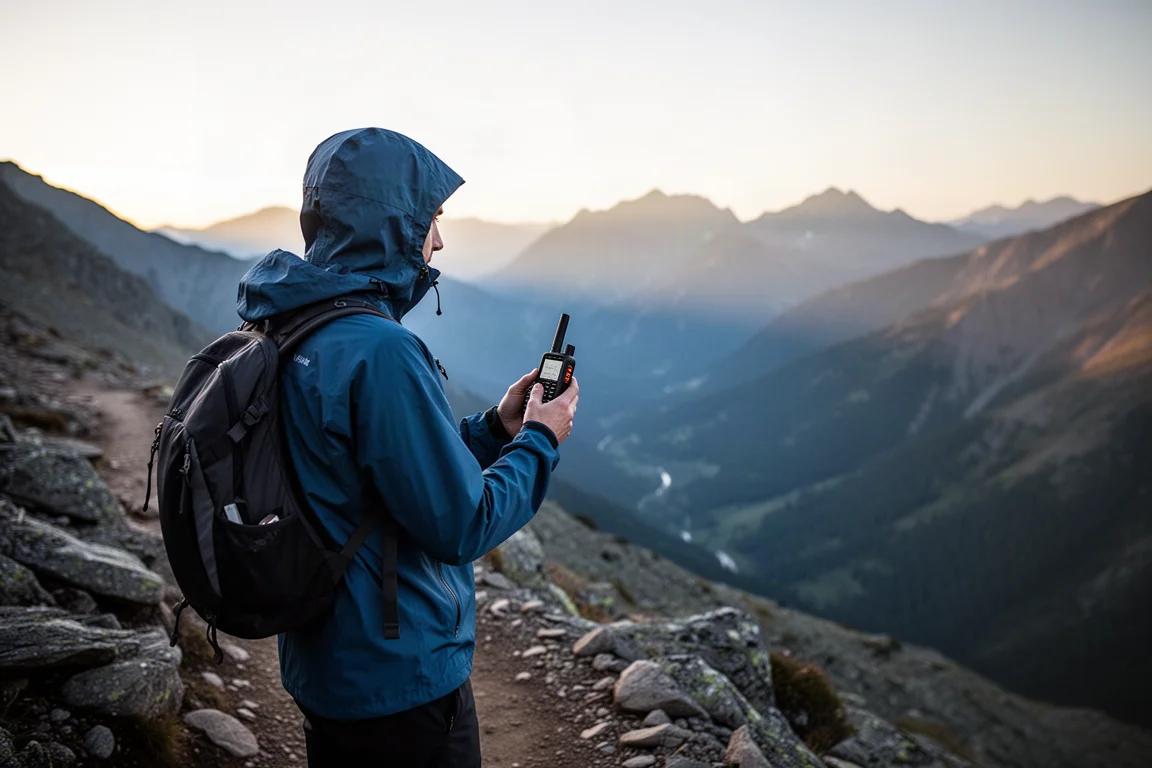
That flexibility matters in practice. Riders and hikers often carry one device as their primary emergency tool and a second as a backup, and being able to register both under one annual fee removes a layer of admin from an already complicated category.
What the Annual Subscription Covers
The pricing model is a single yearly fee, structured much like a roadside assistance membership. There is no deductible, no monetary cap on what a rescue can cost, and no per-incident limit. The service describes itself as a first payer product: rather than asking a member to pay a provider and then submit a claim, it deals with the rescue operator directly and covers the bill. A bill that arrives months later can also be sent in and settled the same way.
The scope is broader than helicopter evacuation. Ground ambulance transport is covered too, which is worth noting because the volume is high. More than 200,000 rescues involving a ground ambulance occur in the United States each year, and the average ground ambulance bill runs somewhere between $400 and $2,000. Many of those charges land with the patient.
Helicopter evacuation is where the numbers get serious. The average cost of a rescue helicopter is around $28,000. Some competing rescue products do pay out, but with benefit ceilings that may sit at $100,000 or, in other cases, below $10,000. When a single flight can exceed a six-figure ceiling, the gap between a capped benefit and an uncapped one becomes the whole point of the policy.
How the Response Network Works
Behind the subscription sits a purpose-built coordination operation rather than a call centre that forwards requests onward. There are crisis response centres in Florida and South Africa, a deliberate redundancy that keeps coverage running across different hemispheres and time zones. The teams are drawn from emergency services backgrounds: former military and special operations personnel, first responders, EMTs, paramedics, and people with experience in 911 dispatch, chosen for their ability to stay calm and coordinate during chaotic moments.
The operation maintains relationships with thousands of search and rescue entities, from federal agencies down to local and volunteer groups. A proprietary software platform, Pulse, supports the response, alongside connections into RapidSOS and public safety answering points. The core task is to establish exactly what has happened and precisely where the person is, then hand a vetted, properly packaged request to the search and rescue organisation best placed to act. Because the request arrives already validated, the responding team can move without spending time re-investigating the call.
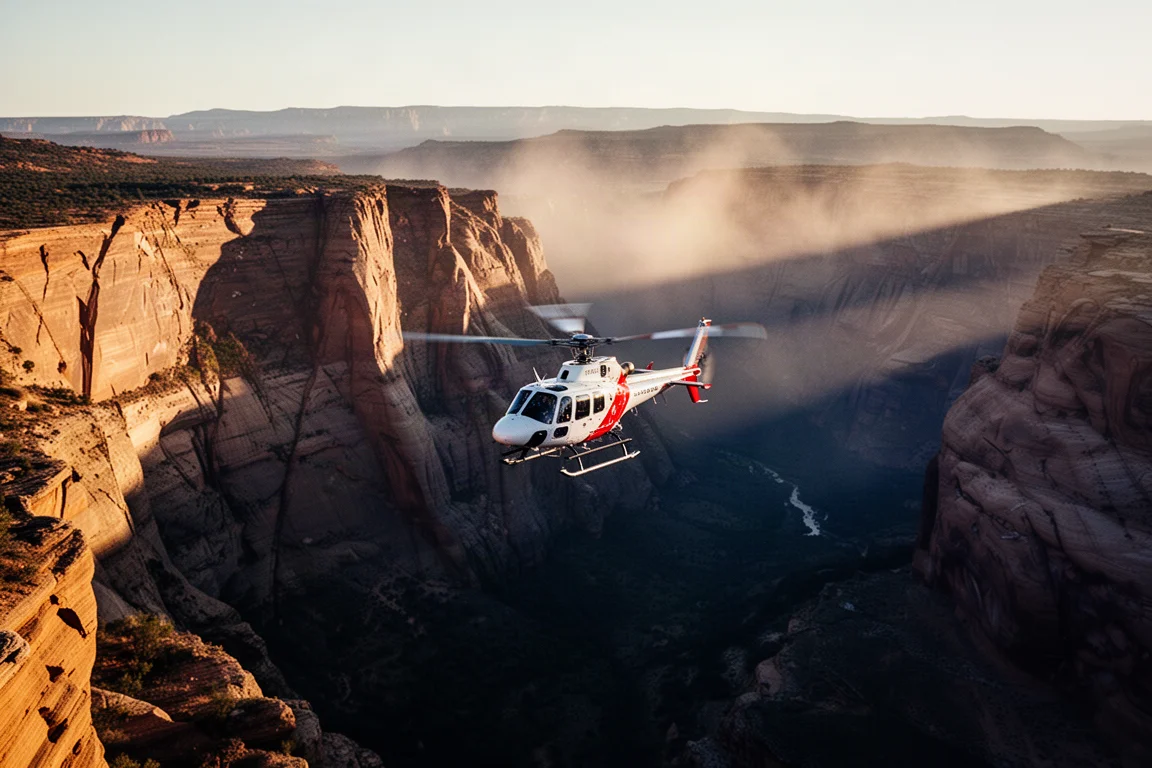
The most consequential difference is what happens after that handoff. The coordination team stays on the case until there is a confirmed outcome. If the first agency cannot respond, they advocate for the member and find someone who can. One documented case involved an endurance athlete who was immobilised after a fall while climbing in Argentina. Coordination eventually involved seven agencies. The first declined because of weather and a lack of available people, so the case was escalated through an embassy, which helped locate a private search and rescue outfit willing to go up the mountain in difficult conditions. The athlete was brought down, treated, and later returned to the sport.
Device Support and Setup
Registration begins on the service website: enter personal details, choose a payment method, and complete the annual subscription. From there, satellite devices are added by serial number, up to three per subscription, followed by emergency contact details.
Device coverage differs slightly by platform. Satellite communicators can be registered in any market where the hardware is sold, while iPhone satellite capability is limited to Canada and the United States. Once a device is registered, an email arrives with setup instructions. On a Garmin device, the process involves creating a contact in the messenger app using a supplied number, then pasting ready-made quick text messages so the request can be sent in a couple of taps. On an iPhone, a shortcut can be installed that fills in latitude and longitude and queues a message, launchable from the home screen or by voice.
Beyond the Rescue: Follow-On Support
The service extends past the moment of extraction. If a vehicle is left at a trailhead, it can be recovered and returned, including rental cars. If children are travelling with the member, arrangements can be made to get them where they need to be. If treatment requires a transfer between hospitals, including from one country to another, that can be organised. If a member is hospitalised abroad and alone, a family member or loved one can be flown over to be at their bedside. Where a serious medical situation requires it, repatriation back to the United States can also be arranged.

Read together, these provisions cover the whole arc of an emergency rather than just the dramatic middle of it: the alert, the response, the transport, the treatment, and the return home.
Things to Consider Before Buying
It helps to understand what this product is and is not. It is a service guarantee rather than an insurance policy, which means there is no claims process at all. That is the appeal, but it also means the value depends on staying subscribed before anything happens rather than buying cover afterwards.
A compatible device with messaging capability is required, since the whole system runs on the ability to send a text either through a device or an app. The iPhone satellite option is only available in Canada and the United States, so travellers relying on a phone rather than a dedicated communicator should plan accordingly.
The other consideration is behavioural rather than technical. The advice from the coordination side is to ask for help as soon as possible. Trained staff can assess the situation, talk a member through it, or decide whether a response is needed at all, and waiting to see how things develop is the decision most often regretted.
Buying Advice
The case for a subscription is easiest to make for anyone whose plans regularly take them beyond reliable phone coverage, whether that is a multi-day hike, a remote cycling route, a hunting trip, or a climb in another country. The financial exposure is asymmetric: the annual fee is predictable, while a single uninsured helicopter evacuation can run to roughly $28,000, and specialised air ambulance transfers can go higher still.
It is also worth weighing what the subscription replaces. A capped rescue benefit may look sufficient until a real evacuation exceeds the ceiling, and a reimbursement-based policy still requires fronting the money and waiting. An uncapped first payer service removes both problems, and registering up to three devices under one fee makes it practical to cover a primary communicator and a backup.
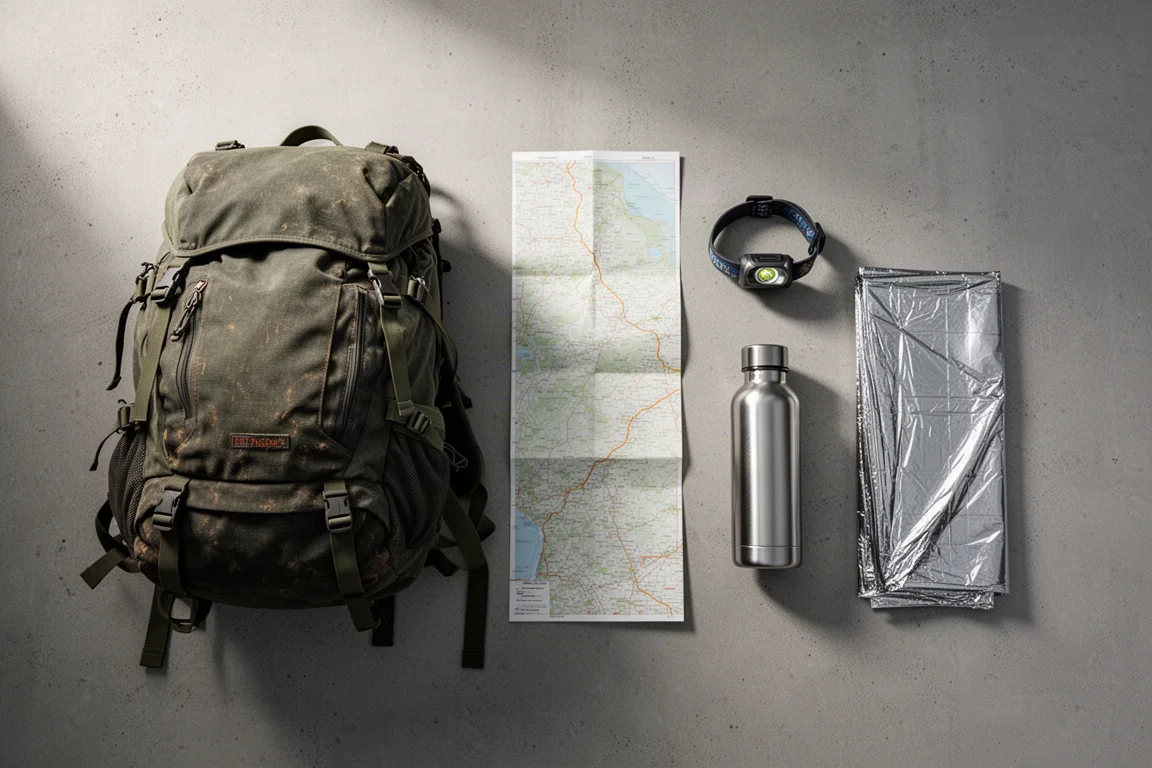
For riders, hikers, and anyone training towards a demanding objective, the sensible approach is to pair the subscription with a device that suits the terrain and to complete the device setup well before the first trip, so the quick text or shortcut is already in place when it is needed.
Conclusion
OverWatch and Rescue addresses a narrow but genuinely high-stakes problem: what a rescue costs, and who handles the coordination when the first agency says no. Its strengths are the uncapped annual coverage, the direct payment model that removes claims and deductibles, the device-agnostic registration, and a coordination team that stays with a case until there is a confirmed outcome. The main things to check are device compatibility, the regional limits on iPhone satellite use, and the discipline to call for help early rather than late.
For anyone whose time outdoors regularly takes them out of signal, it is a straightforward and well-considered addition to a safety kit.
Product link
View more details for OverWatch and Rescue
This product is mentioned in the review. Check the specifications, options, and compatibility before buying.
View more details for OverWatch and RescueFurther reading
Related Reviews
Outdoor Safety
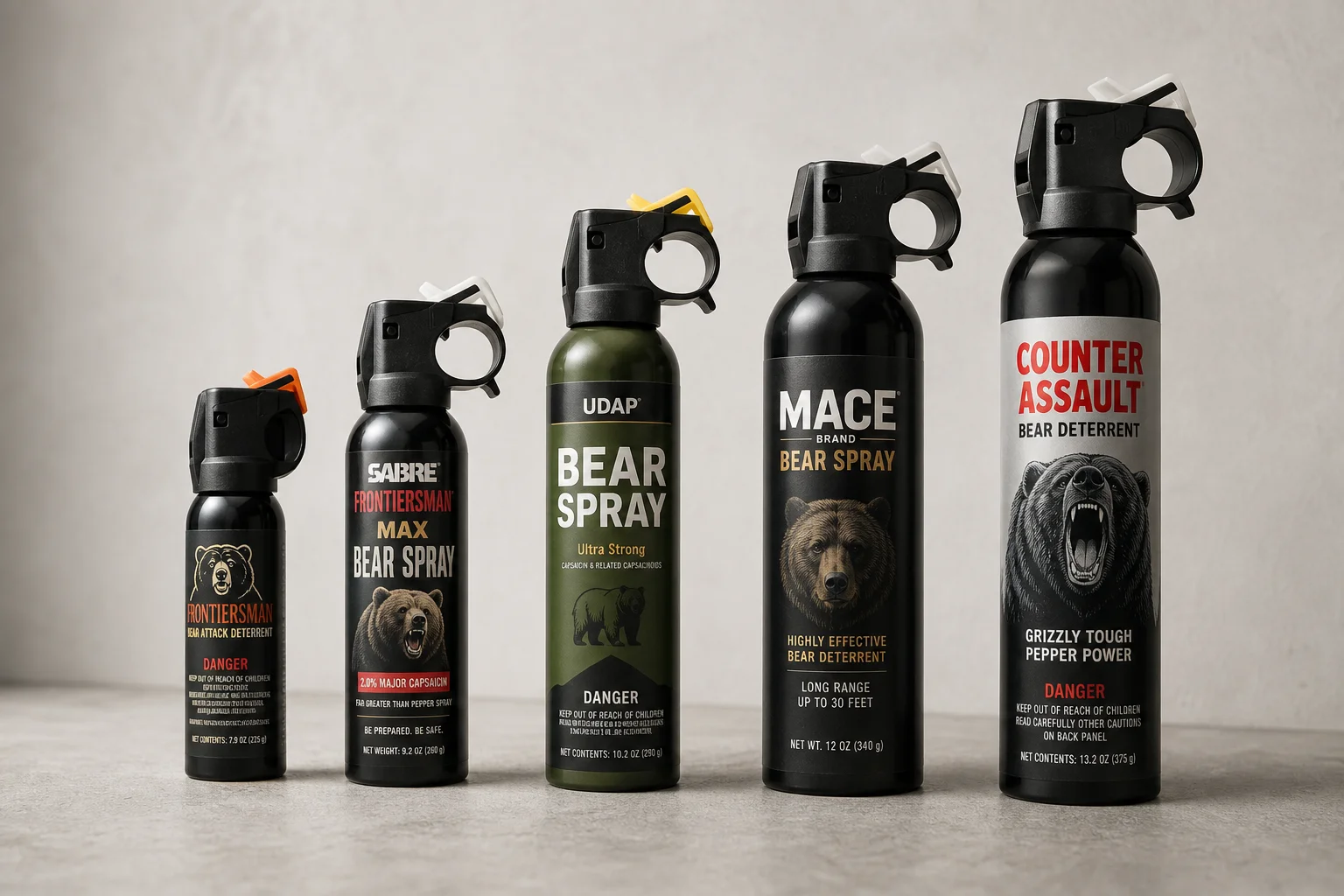
Best Bear Spray 2026: Five Options for Wilderness Protection
A practical comparison of five bear spray products, from compact carry options to maximum-range formulas, with clear strengths and trade-offs for different wilderness scenarios.
Outdoor Safety
Backcountry Rescue Insurance: Three Coverage Options Compared
Backcountry rescues are often free, but not always. Three coverage options, from a Garmin inReach policy to a fully funded assistance subscription, take the cost question out of calling for help.
Outdoor Safety
Garmin inReach Mini 2 vs RescueME PLB1: Which Satellite SOS Device Should You Carry?
A practical comparison of the Garmin inReach Mini 2 and the RescueME PLB1, covering seven-year SOS costs, two-way messaging, and the kind of backup each device is built to be.