Outdoor Apparel
Outdoor Vitals Vario Jacket vs Ventus Hoodie: Choosing the Right Synthetic Layer
A practical comparison of two lightweight synthetic layers from Outdoor Vitals, covering warmth, fit, breathability, and how they work together as a system.
Introduction
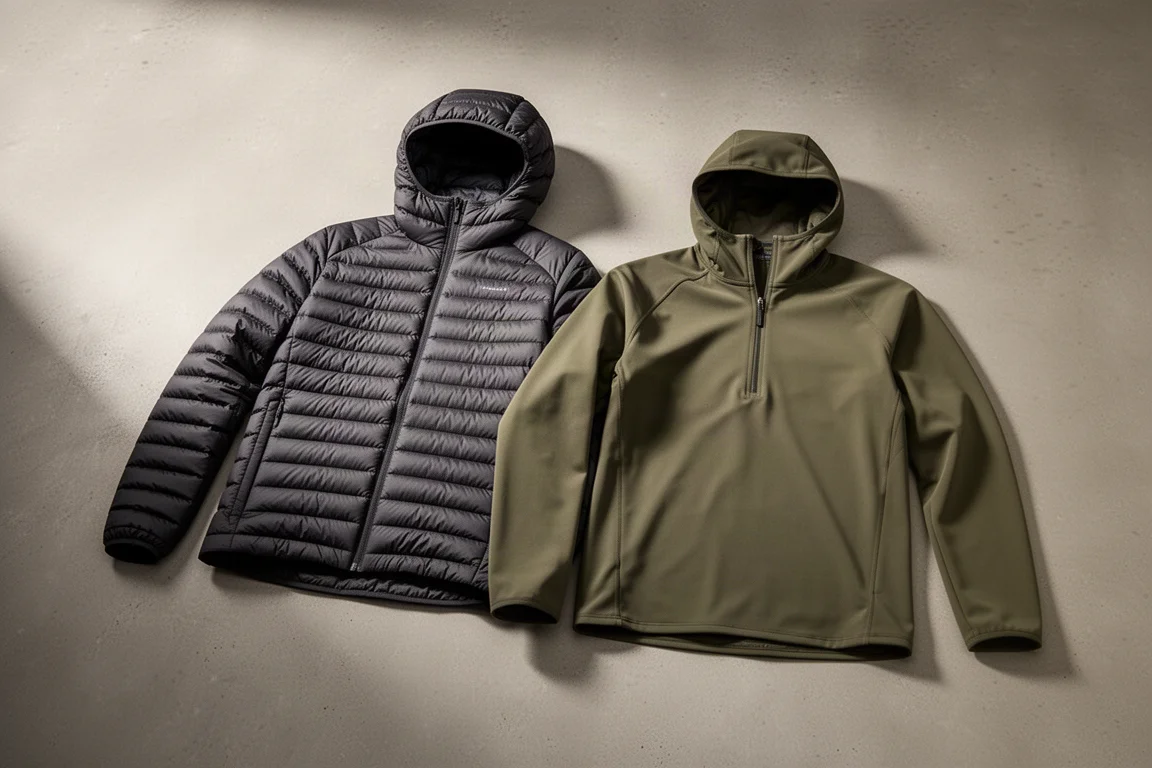
Outdoor layering works best when every piece has a clear job. The Outdoor Vitals Vario Jacket and the Outdoor Vitals Ventus Hoodie sit close to each other in the same lightweight synthetic family, but they are built for different moments on the trail.
The Vario is a synthetic insulated jacket designed to serve as a standalone insulation layer for three-season trips. The Ventus is a thinner quarter-zip hooded mid layer made for active movement when you only need a little extra warmth. Understanding that split makes it far easier to decide which one belongs in your pack first.
How the Vario and Ventus Hoodie Differ
Both pieces use synthetic insulation, but they are tuned in different directions. The Vario carries more loft and is intended to be the outermost insulation layer, worn over a base layer and a mid layer, with a wind or rain shell added on top when conditions demand it. It is not positioned as a standalone piece for four-season backpacking, yet it covers a lot of ground across spring, summer, and autumn trips.
The Ventus takes the opposite approach. Its insulation is noticeably thinner, so it delivers less warmth and is meant to sit closer to the body as an active mid layer. It is the piece you reach for when the evening turns chilly and you want to take the edge off without carrying bulk.

That difference in intent shows up in nearly every design decision, from the fit and the hood to the pockets and the amount of ventilation built into the underarms. Neither approach is better on its own; they simply solve different problems.
Outdoor Vitals Vario Jacket: Standalone Synthetic Insulation
The Vario is a lightweight synthetic filled jacket built around an insulation that keeps a springy, lofted structure even after it becomes sweaty or damp from activity. Even though the fill is moderate rather than heavy, the jacket feels warm and comfortable, and it holds its loft in wet conditions where down insulation would typically struggle.
For three-season use, the Vario fills the same slot as a lightweight down jacket. It works as your standalone insulation piece over a base layer and a mid layer, with a shell on top for wind or rain. Perforated underarm panels help it breathe, and it stays comfortable in mild conditions, though the underarm venting is less extensive than what the Ventus offers.
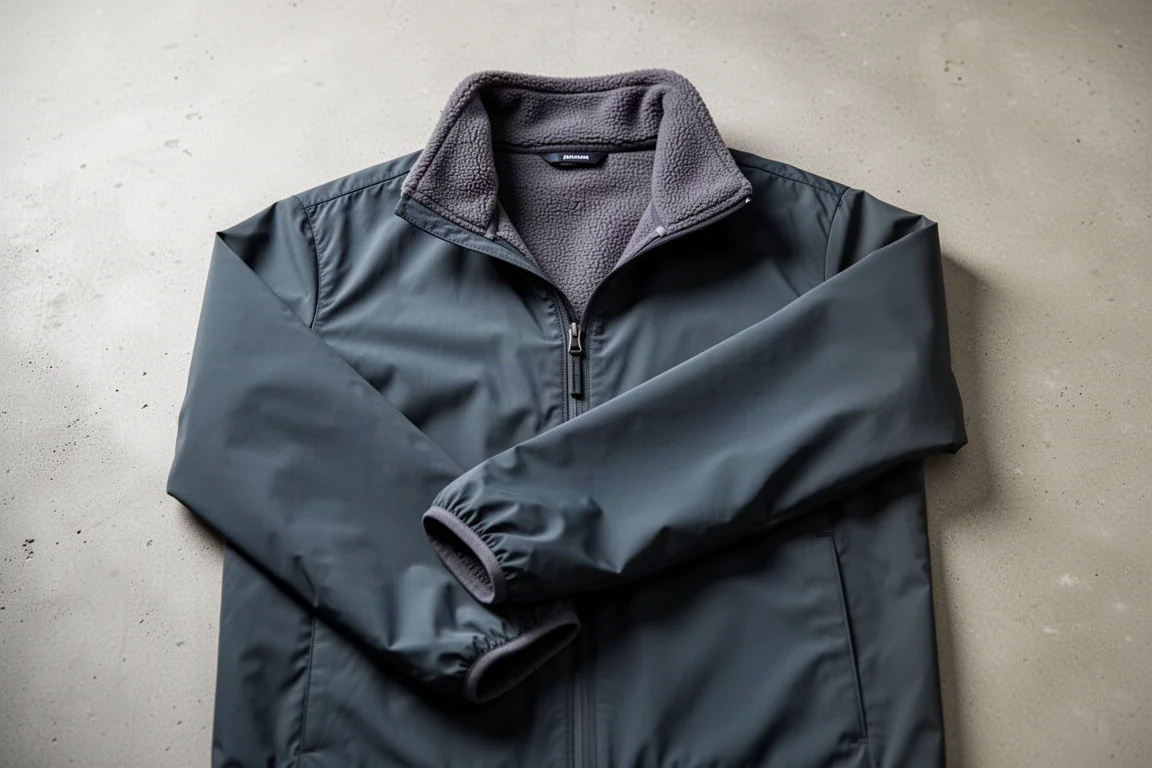
The details are practical: a full length YKK zipper that runs smoothly without snagging, zippered hand pockets, a shock cord drawstring hem for adjustment, and a back panel that drops lower to keep drafts off your lower back when you bend over to get into a tent.
Vario Jacket Fit, Hood, and Details
The Vario has a roomier fit than the Ventus, with enough space in the shoulders to wear a lightweight mid layer and a base layer underneath. The 20 denier nylon used inside and out has enough stretch to move with you without feeling restrictive. A men’s medium comes in at under 10 ounces, with the men’s large listed at roughly 10 ounces, and the jacket compresses into a small package.
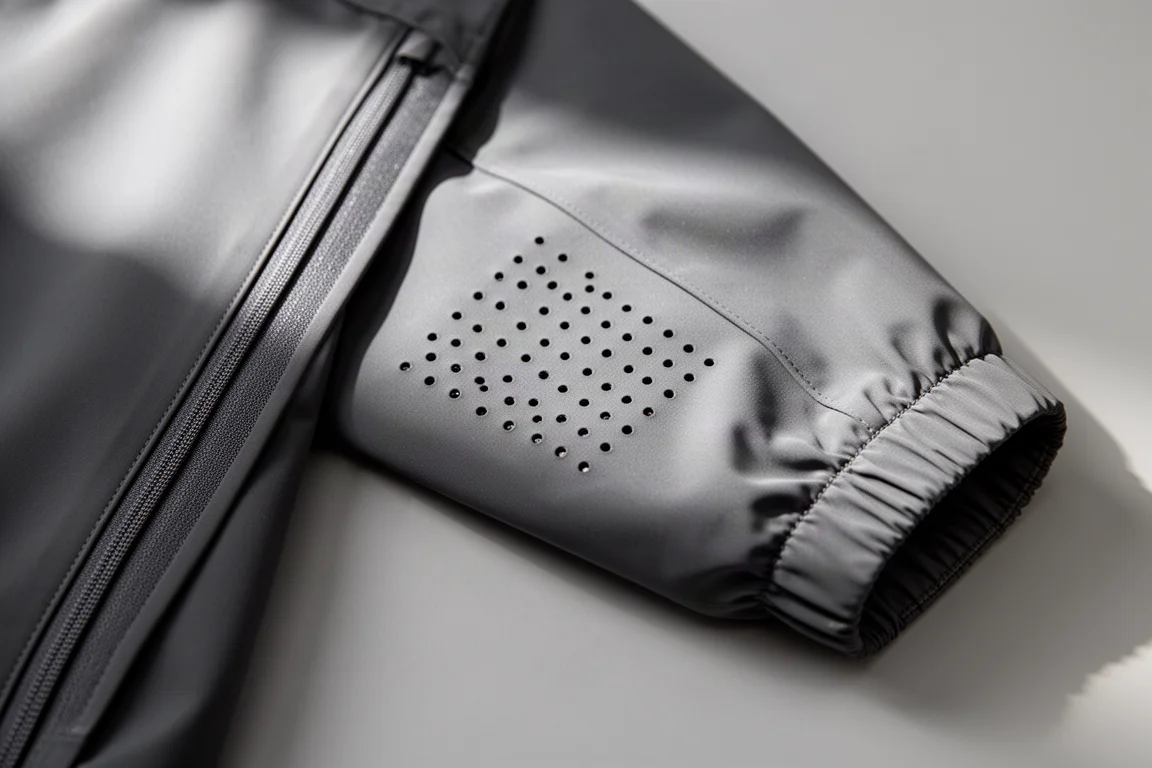
The hood is well sized for this kind of jacket. It manages to be fitted and roomy at the same time, with enough space for a beanie underneath, and an elasticized hem holds it in place so your head does not shift around inside it. There is no rear cord lock, which suits a piece that is not intended for use over a climbing helmet. The sleeves finish with elasticized cuffs and thumb loops that keep things in position while you pull gloves on. If one thing is missing, it is a chest pocket, though the hand pockets are large enough to hold a phone.
Outdoor Vitals Ventus Hoodie: A Lightweight Active Mid Layer
The Ventus Hoodie is a quarter-zip hooded piece with thinner insulation and less loft than the Vario. That makes it less warm overall, but it is also the reason it works so well as an active mid layer: it is designed to breathe with you while you move, not to be your final insulation layer.
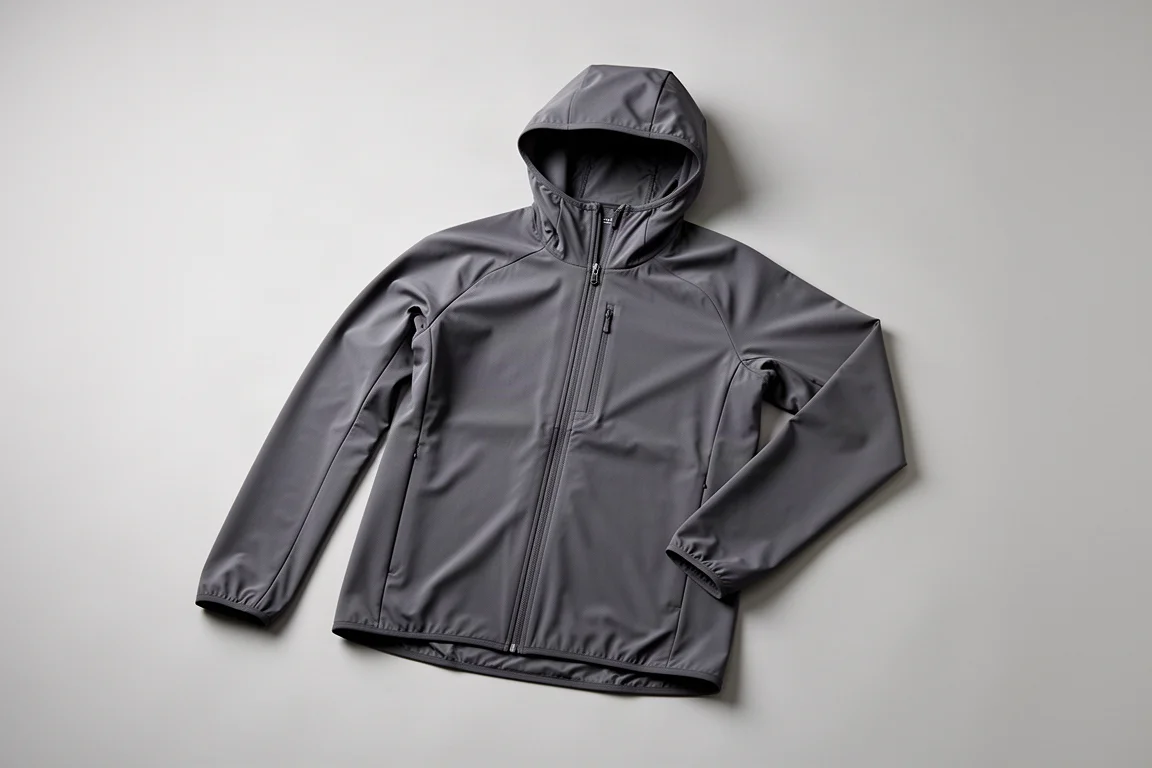
Its athletic cut sits tighter against the body, so it is meant to be worn over a base layer or a light t-shirt rather than layered over other insulation. The underarm perforation is more extensive than on the Vario, which adds breathability during climbs and brisk hiking in cool conditions.
Ventus Hoodie Fit and Breathability
The trimmer fit and lighter insulation make the Ventus the better choice when you are hiking in temperatures around 40 to 45 degrees and simply want to take the chill off without overheating. The tighter hood matches that intent, though it leaves less room for a beanie underneath than the Vario’s hood does.

There are no hand pockets on the Ventus, which keeps the profile clean and reinforces that this is a layering piece rather than a standalone jacket. Worn on its own in genuinely cold conditions, it will likely leave you wanting more warmth, and that mismatch is the most common source of disappointment with this style of mid layer.
Layering the Vario and Ventus Together
Where these two pieces really make sense is as a system. Worn together, with a base layer underneath the Ventus and the Vario over the top, they create a warm insulation stack that stays comfortable well below freezing. The combined setup weighs under 20 ounces, and because the Vario has a roomier cut, it does not compress the loft of the Ventus underneath it.
Mobility holds up as well. Even with both layers on, movement stays unrestricted, and a wind jacket or rain shell can go over the top without fighting the fit. The shorter length of the Ventus also layers neatly beneath the longer Vario, so there is no bunching around the waist.
Buying Advice: Which Layer to Choose First
If you do not already own either piece, the Vario is the more sensible first purchase for most people. It delivers the standalone lightweight insulation that most hikers and backpackers are actually looking for, covering three-season trips and dropping comfortably into freezing temperatures when paired with a good base layer and a mid layer.
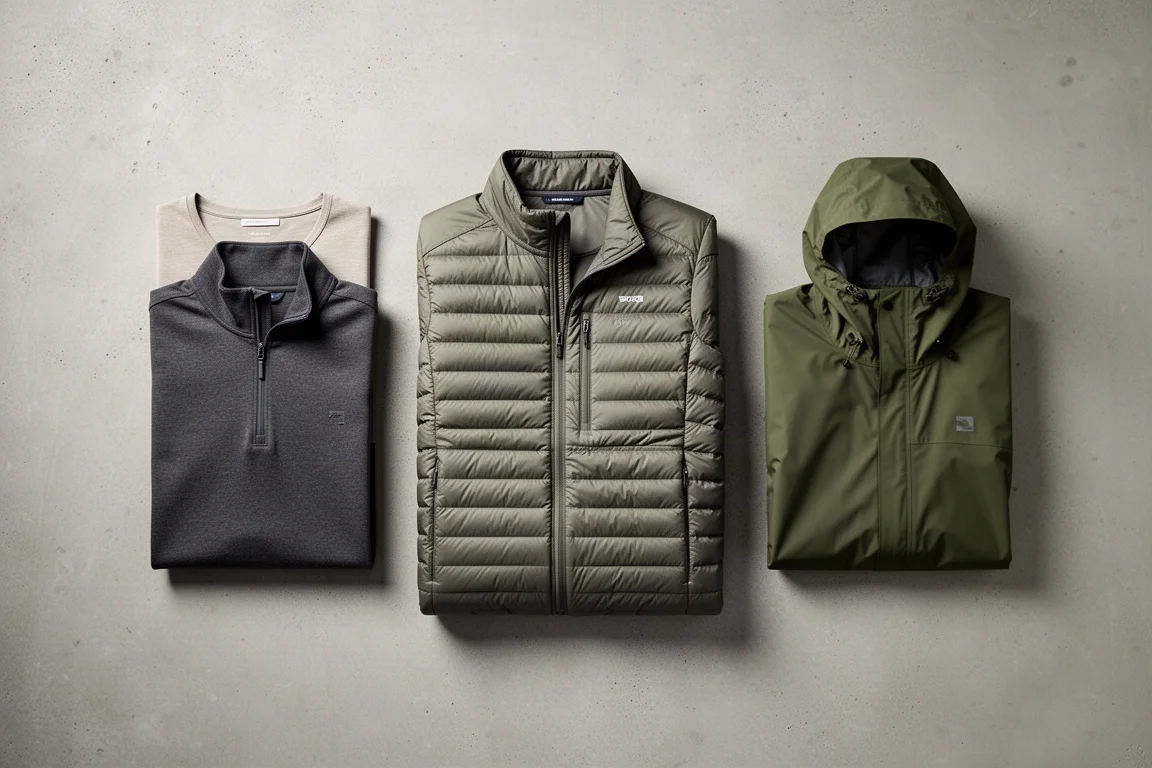
The Ventus is best treated as a second step. Once the Vario proves itself on your trips, adding the Ventus gives you a flexible active mid layer and completes a genuinely capable layering system. Buying the Ventus first and expecting it to perform as a standalone insulated jacket is where most frustration comes from, because that is simply not the job it was designed to do.
The Vario is available direct from Outdoor Vitals.
Conclusion
The Vario Jacket and the Ventus Hoodie are not competing for the same slot in your pack. One is a standalone synthetic insulation layer for three-season adventures, and the other is a breathable active mid layer that shines when you are moving. Chosen in the right order, they also combine into a lightweight insulation system that handles sub-freezing temperatures without weighing you down.
Further reading
Related Reviews
Outdoor Apparel
Arc'teryx Atom LT Review: A Lightweight Synthetic Mid-Layer Built for Movement
A close look at the Arc'teryx Atom LT, a breathable synthetic mid-layer with Coreloft insulation, fleece side panels, and a helmet-compatible hood.
Outdoor Apparel
Fjällräven Vidda Pro Ventilated Trousers Review: Tough Trekking Pants With Two Long Vents
A detailed look at the Fjällräven Vidda Pro Ventilated trousers, covering the G-1000 fabric, side ventilation zips, pocket layout, sizing, and the trade-offs to weigh before buying.
Outdoor Apparel
Helicon Tex Windrunner Review: An 8-Ounce Nylon Wind Shirt at $70
A close look at the Helicon Tex Windrunner, an ultra-light nylon anorak with strong ventilation, a $70 retail price, and a sizing chart that runs large.