Outdoor Apparel
Outdoor Vitals Vario Jacket and Ventus Hoodie: A Lightweight Synthetic Layering System for Three-Season Backpacking
Two lightweight synthetic pieces from Outdoor Vitals, one built as standalone insulation and one as an active mid layer, and how they work together across three-season conditions.
Introduction
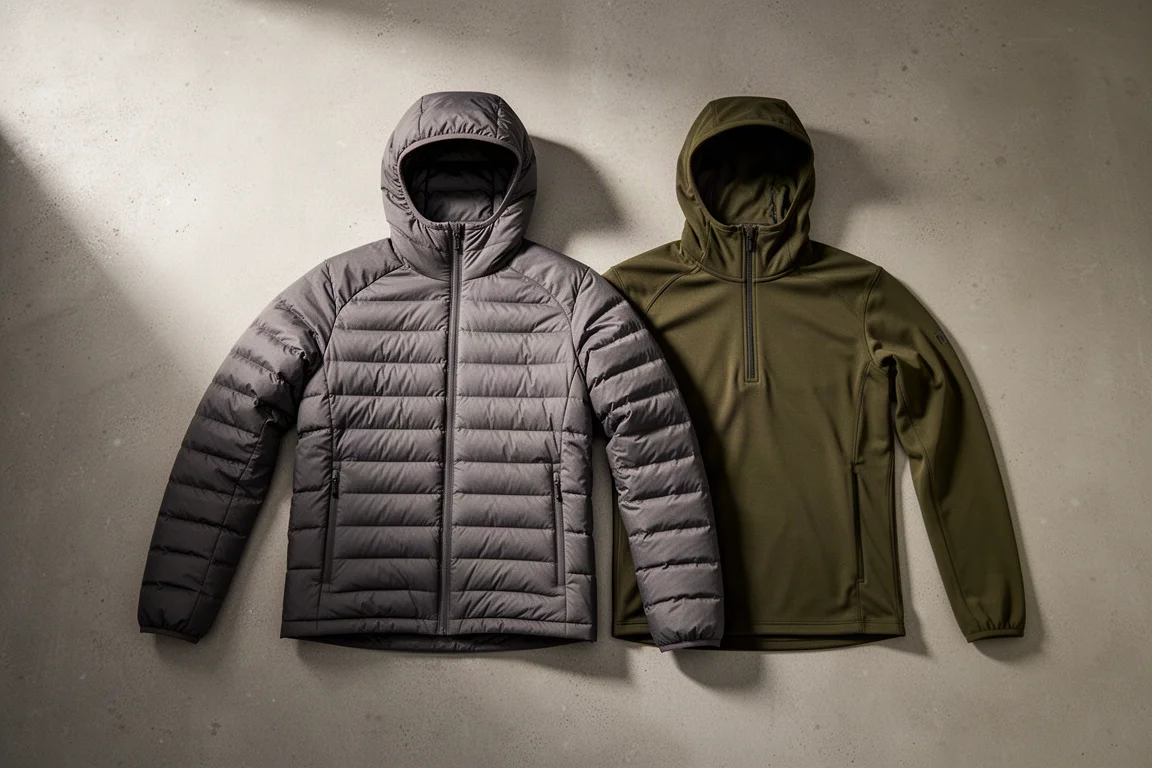
Choosing a single insulation piece for three-season backpacking usually comes down to balancing warmth, weight, and how the jacket behaves when conditions turn wet. Outdoor Vitals offers two lightweight synthetic options that occupy different slots in a layering system: the Vario Jacket, a standalone insulated piece, and the Ventus Hoodie, a thinner active mid layer. Both are sold direct from Outdoor Vitals.
The Vario is the warmer of the two and is designed to be worn over a base layer and a mid layer when temperatures drop toward freezing. The Ventus is built to sit next to a base layer while moving, adding just enough insulation to take the chill off without trapping heat.

For hikers who want one jacket that covers the widest range of conditions, the Vario is the more versatile starting point. The Ventus becomes genuinely useful once the Vario is already in the pack.
How These Two Pieces Fit Together
The two pieces differ in insulation thickness, cut, hood shape, and features, and those differences decide where each one belongs in a pack.
The Vario uses a thicker synthetic fill and a roomier cut so it can be layered over a mid layer. It has zippered hand pockets, a full-length zipper, and a lowered back panel. The Ventus uses thinner insulation with a more athletic cut, a quarter zip, and no hand pockets, and it is intended to sit close to the body over a base layer or a light t-shirt.
Neither piece is designed as a four-season standalone layer. Used together, though, they form a system that stays light while covering everything from mild mornings to below-freezing temperatures.
Outdoor Vitals Vario Jacket: The Standalone Insulation Piece
The Vario Jacket is a lightweight synthetic jacket filled with a material Outdoor Vitals calls 3D Effects, which has a spring-like structure. That structure keeps a useful amount of loft even when the jacket gets damp from sweat, so it stays warm and comfortable in conditions that would flatten some synthetic fills.
The shell and lining use a 20 denier nylon that stretches enough to move with the body without feeling restrictive. Underarm perforations add breathability, though less than the Ventus provides, and the jacket stays comfortable in temperatures around 50 to 55 degrees Fahrenheit without feeling clammy.
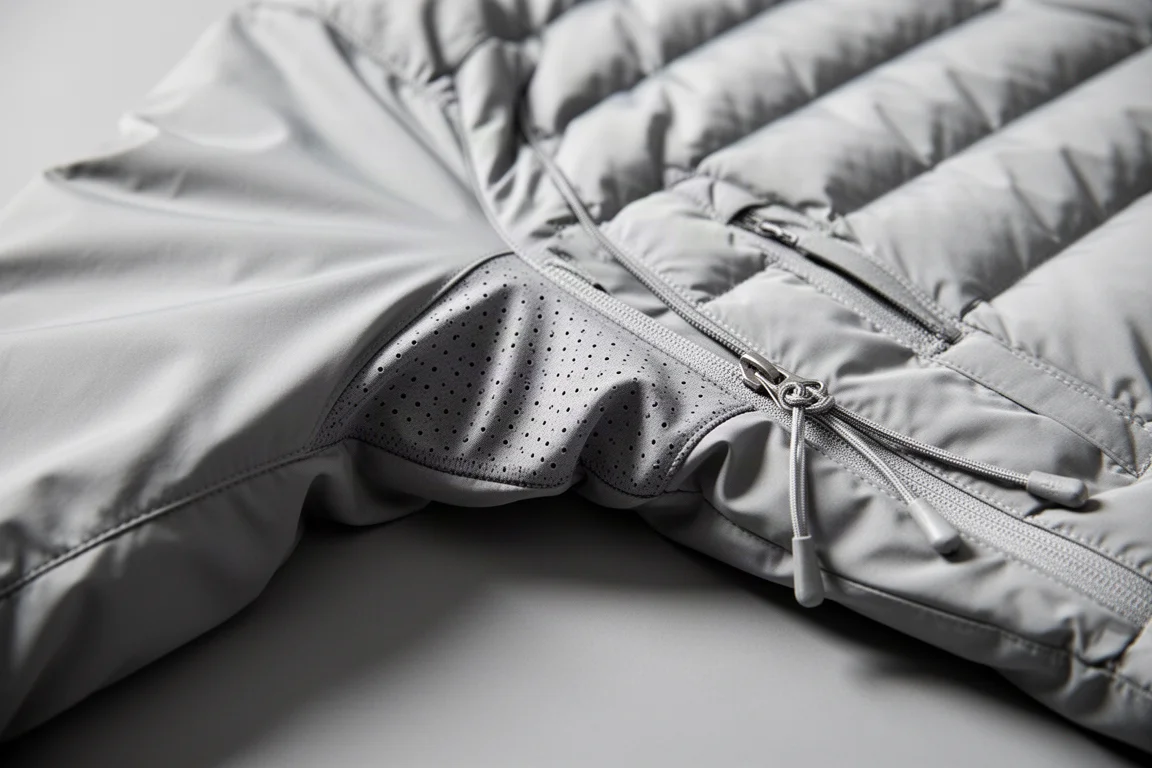
Hardware is kept light and simple. A full-length YKK plastic zipper runs smoothly and has not caught on fabric, and two zippered hand pockets hold small items such as a phone. A shock cord drawstring at the hem cinches the jacket down, and the back panel drops lower than the front to keep drafts off the lower back when bending over.
The hood is fitted rather than helmet-sized, with an elasticized hem that holds it in place and enough room to wear a beanie underneath. The sleeves finish with elasticized cuffs and thumb loops, which help keep the cuffs positioned while pulling on gloves. In a men’s medium, the jacket weighs under 10 ounces, and it compresses into a small package that takes up little space in a pack.
Outdoor Vitals Ventus Hoodie: The Active Mid Layer
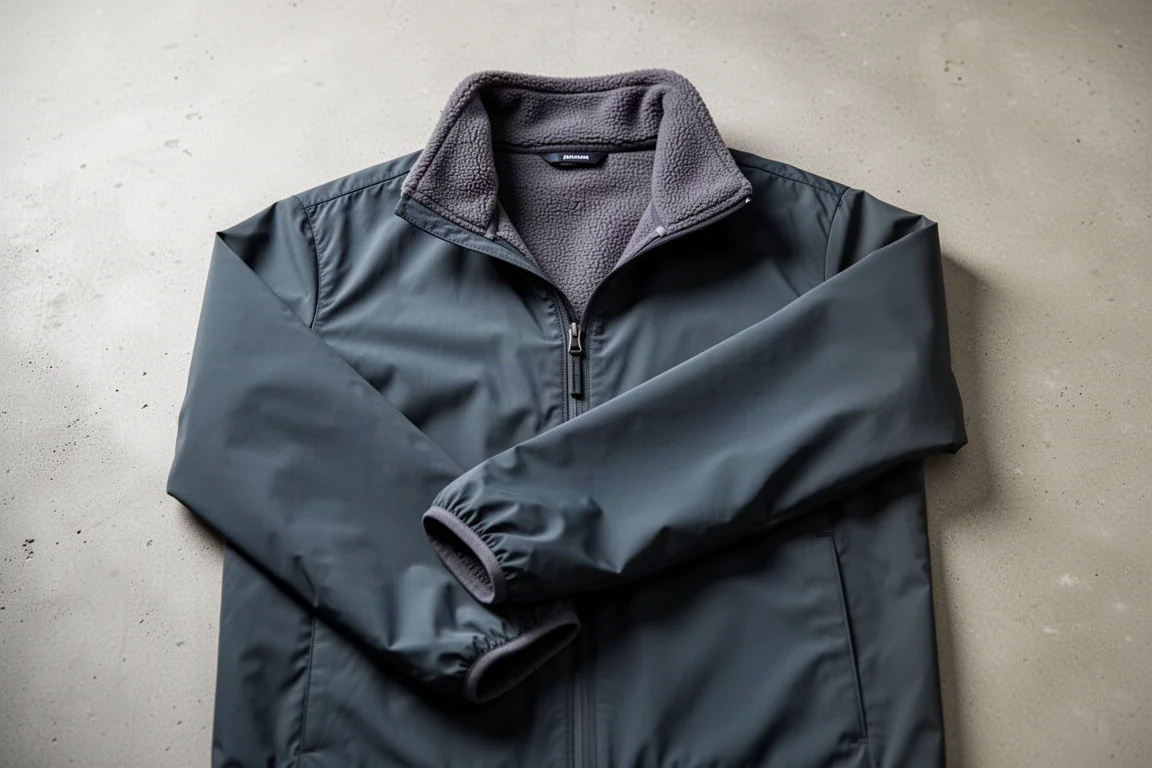
The Ventus Hoodie is a much thinner piece. It has less loft and less warmth than the Vario, and it is meant to be an active mid layer rather than an outer insulation layer. It suits hiking in temperatures around 40 to 45 degrees Fahrenheit, when a small amount of insulation takes the edge off without causing overheating.
The design reflects that role. A quarter zip provides ventilation, the cut is athletic and close to the body, and there are no hand pockets. Underarm perforations are more extensive than on the Vario, which increases breathability during sustained effort. The hood is tighter as well, so it fits closely and leaves less room for a beanie underneath.
Because the fit is trim, the Ventus is best worn over a base layer or a light t-shirt only. It is not built to accept another insulating layer underneath it.
Vario and Ventus as a Layering System
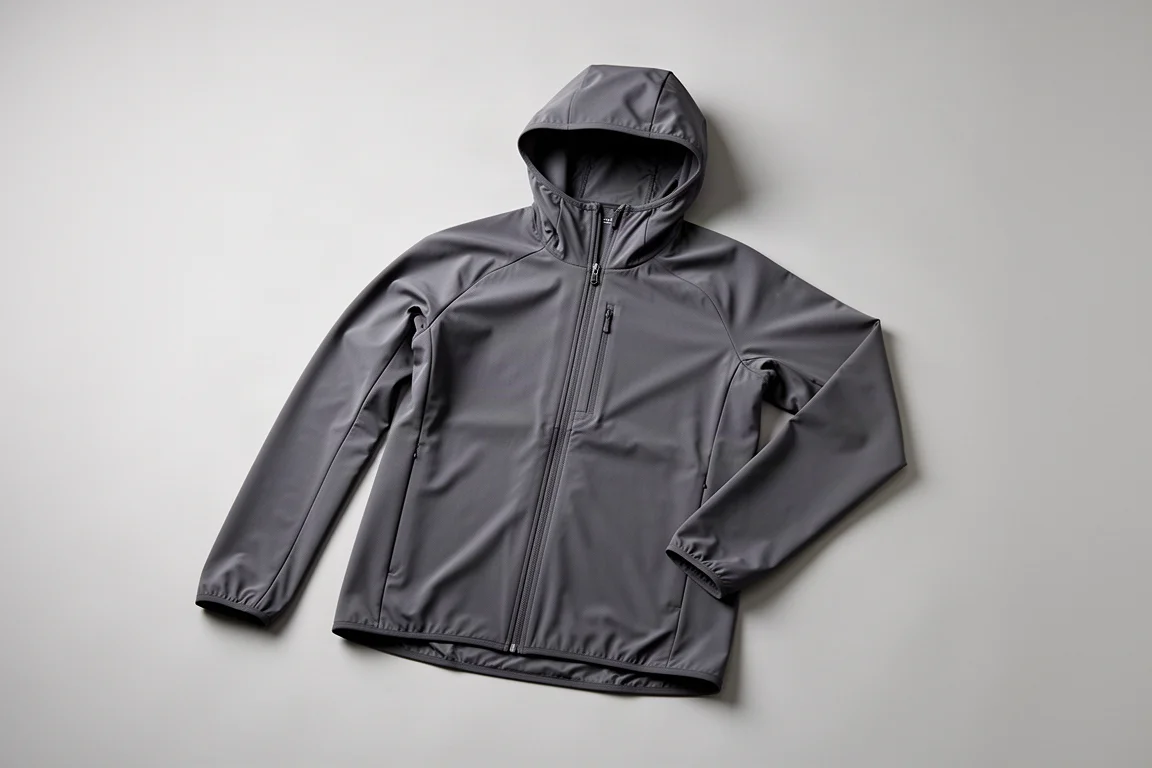
Worn together, the two pieces make a compact insulation system. A base layer sits closest to the skin, the Ventus goes over it as the active mid layer, and the Vario goes on top as the insulation layer, with a wind jacket or rain shell over everything if conditions demand it.
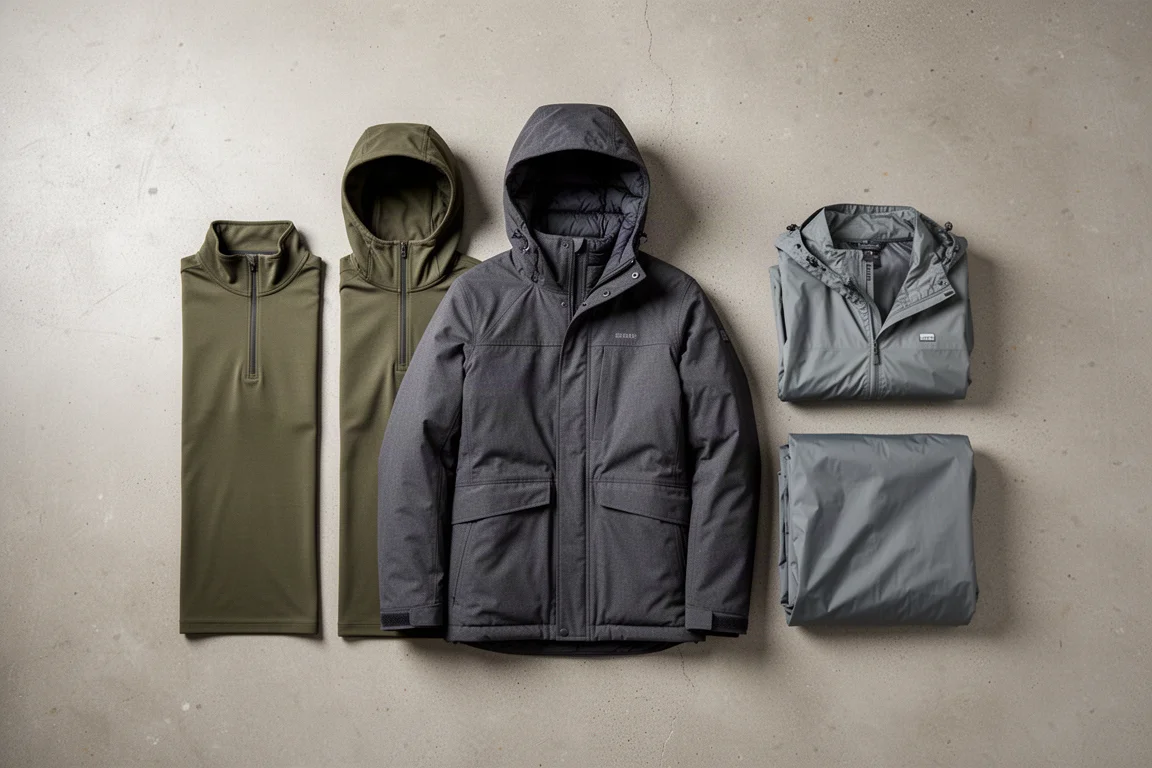
The combination handles sub-freezing temperatures comfortably while keeping mobility intact. Because the Vario has a roomier cut, it does not compress the loft of the Ventus underneath, so the two layers work together instead of fighting each other. The full system comes in under 20 ounces and stays warm and comfortable.
One practical detail is length: the Ventus is cut shorter than the Vario, which lets it sit cleanly underneath without bunching.
Which One Should You Buy First?
For most people starting from scratch, the Vario Jacket is the better first purchase. It fills the role of a lightweight standalone insulation piece and covers the widest range of three-season conditions, from cool evenings at camp to hiking in temperatures dropping toward freezing when paired with a solid base layer and mid layer.
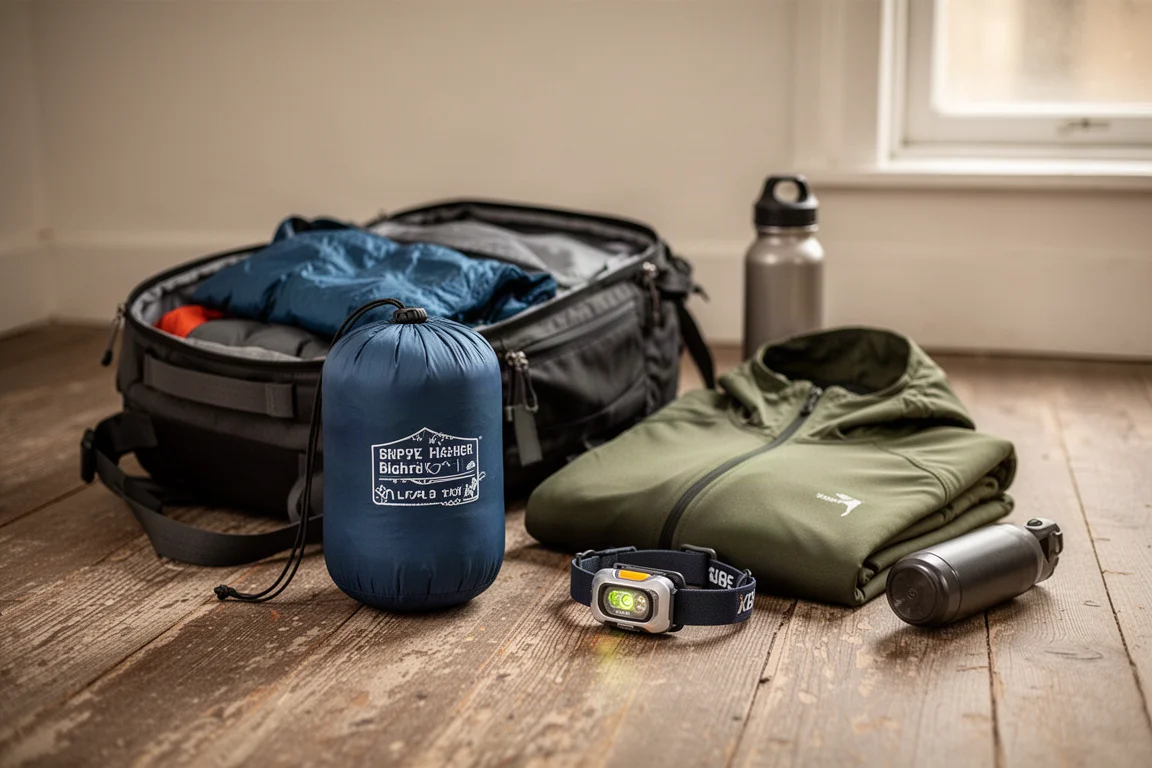
The Ventus makes more sense as a second step. Bought on its own with the expectation of a warm insulated jacket, it can feel underwhelming, because it is deliberately thin and designed for movement rather than stationary warmth. Bought as part of a system, it adds breathable insulation that makes the Vario more flexible across a wider temperature range.
Conclusion
The Vario Jacket and the Ventus Hoodie solve two different problems. The Vario is the standalone synthetic insulation layer, warm, light, and thoughtfully detailed for three-season backpacking. The Ventus is the active mid layer that keeps you comfortable while moving and pairs neatly underneath the Vario when the temperature drops. Start with the Vario, then add the Ventus if you want a complete lightweight layering system.
Further reading
Related Reviews
Outdoor Apparel
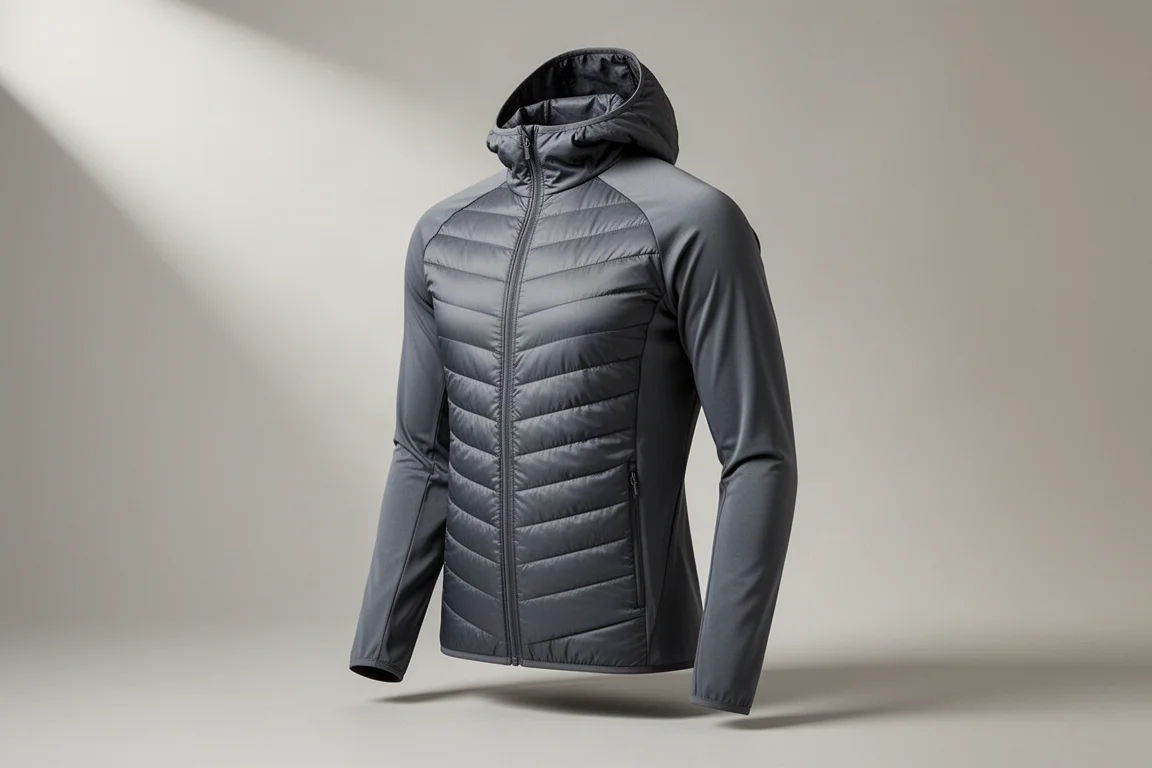
Arc'teryx Atom LT Review: A Lightweight Synthetic Mid-Layer Built for Movement
A close look at the Arc'teryx Atom LT, a breathable synthetic mid-layer with Coreloft insulation, fleece side panels, and a helmet-compatible hood.
Outdoor Apparel
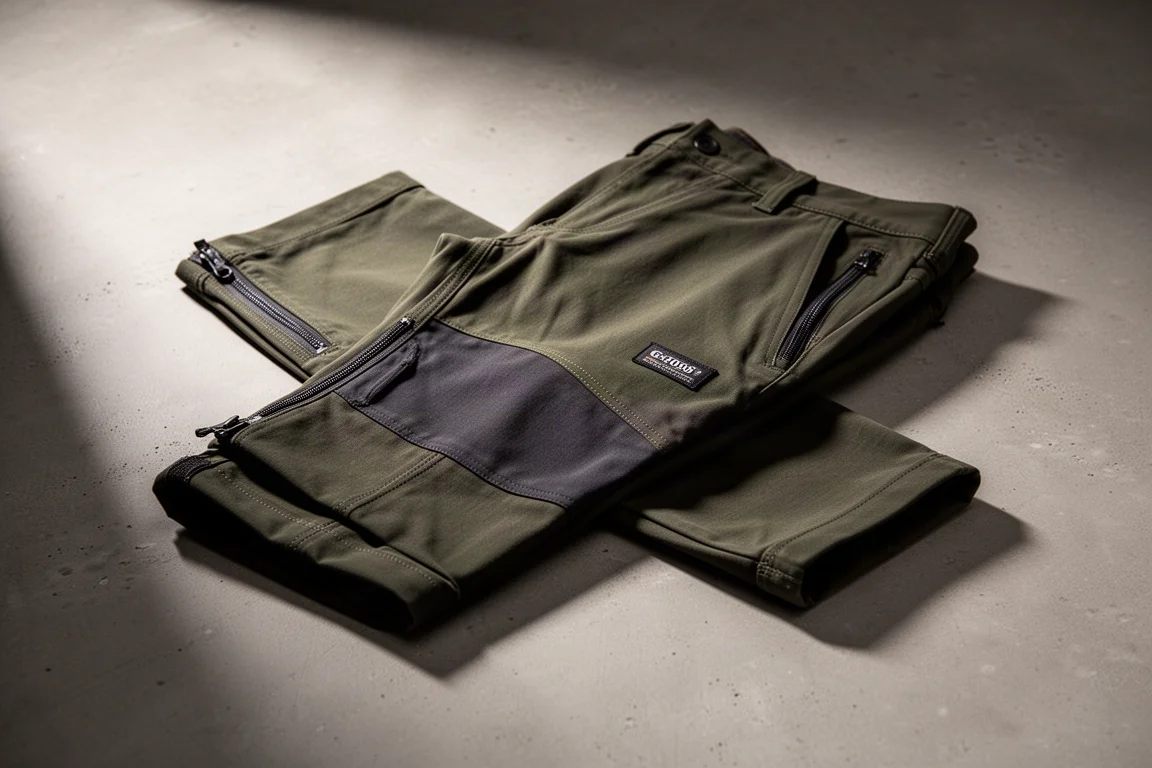
Fjällräven Vidda Pro Ventilated Trousers Review: Tough Trekking Pants With Two Long Vents
A detailed look at the Fjällräven Vidda Pro Ventilated trousers, covering the G-1000 fabric, side ventilation zips, pocket layout, sizing, and the trade-offs to weigh before buying.
Outdoor Apparel
Helicon Tex Windrunner Review: An 8-Ounce Nylon Wind Shirt at $70
A close look at the Helicon Tex Windrunner, an ultra-light nylon anorak with strong ventilation, a $70 retail price, and a sizing chart that runs large.