Outdoor Apparel
Outdoor Vitals Jacket Comparison: Loft vs Zulu vs Varo
How the discontinued Loft, the 900 fill power Zulu, and the breathable Varo compare on warmth, weight, wind resistance, and venting.
Introduction
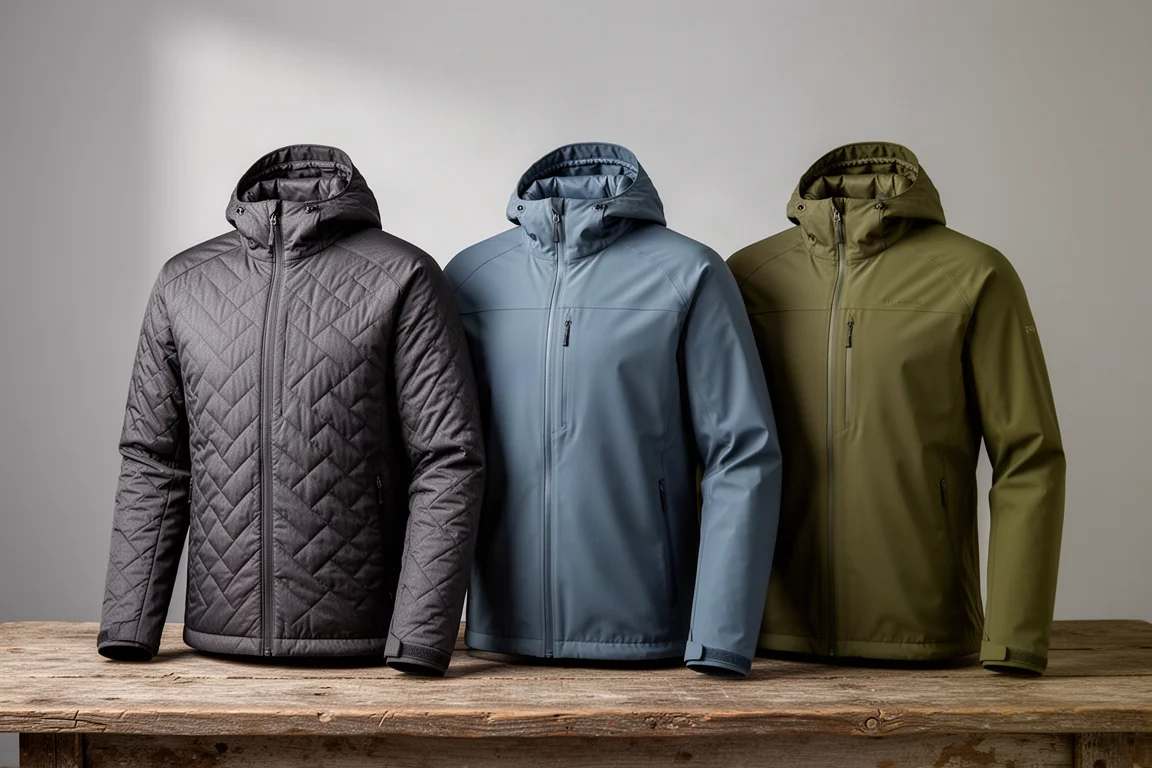
Outdoor Vitals has retired one of its best-known pieces, which makes a comparison between the Loft, the Zulu, and the Varo more interesting than a typical lineup walkthrough. The Loft earned the nickname “the million-dollar jacket” after it pre-sold a million dollars worth of product before the first unit shipped, and it remains one of the most popular products in the company’s history. It is no longer produced.
The Zulu is its closest replacement in weight and overall feel, while the Varo was created for people who wanted a genuinely breathable jacket for high-output days. Here is how the three compare on the details that matter when you are deciding what to wear outside.
How These Three Jackets Compare
Start with the numbers. The Loft weighs 11.5 oz and uses a 20-denier nylon face fabric. The Zulu comes in at 11 oz with a 15-denier nylon face. Those figures are close enough that the two jackets read as direct competitors on paper, which is exactly why they are worth setting side by side.
The insulation is where they separate. The Loft used a loose-fill synthetic insulation that tested at roughly 625 fill power equivalent, which sits at the budget end of the spectrum next to down. The Zulu uses 900 fill power down, a premium figure that delivers more loft for the same weight. To reach their respective warmth levels, the Loft needed around 182 g of fill, while the Zulu needs only a little over 100 g.
That gap shapes everything else about how these jackets behave, from wind resistance to how they feel once you start moving.
Outdoor Vitals Loft Jacket: The Original Crowd Favorite
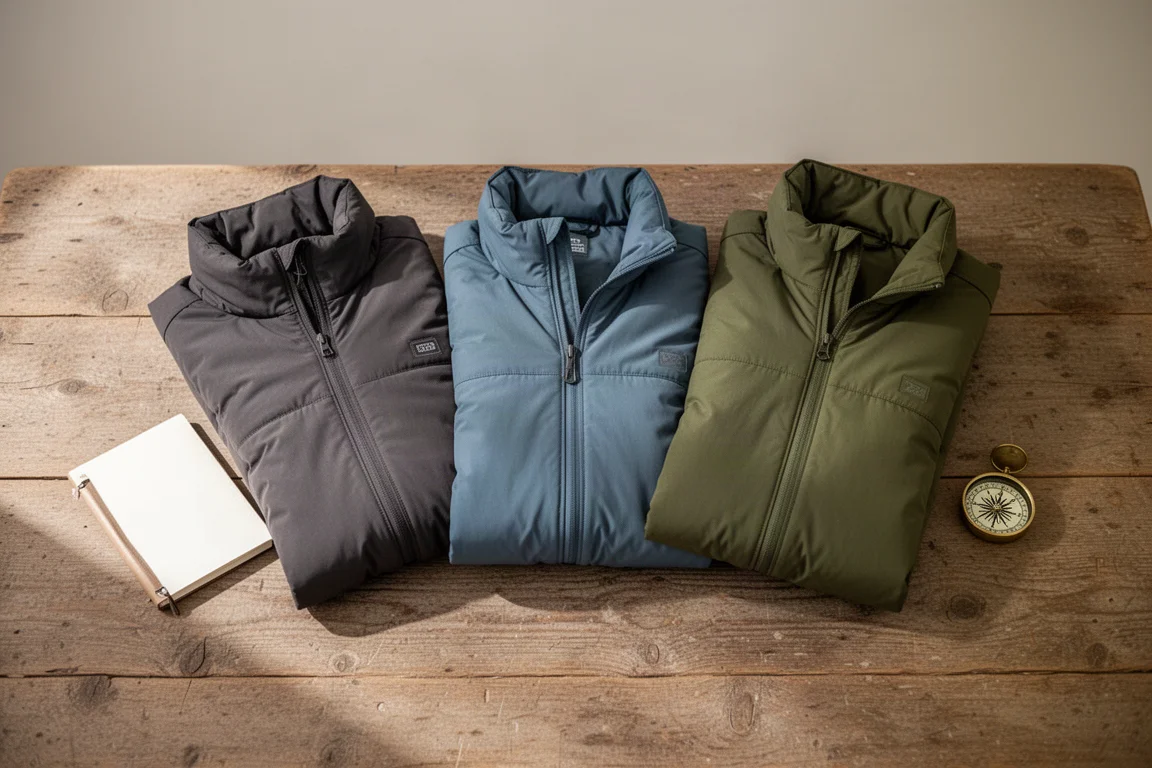
The Loft built its reputation on weather resistance and easy airflow. Its face fabric proved very difficult to soak through in real use. In extended heavy rain, the jacket stayed fully lofted, with only a few small water spots showing up on a handful of interior seams. For a jacket with synthetic insulation, that is a meaningful margin of safety when the forecast turns.
The stitched baffles that held the insulation in place also gave the Loft its characteristic feel. Air moved through those stitch lines, and the jacket included pit zips, so plenty of owners treated it as an active layer even though it was never designed as a high-activity piece. Insulated jackets need a coating on their fabrics to keep the fill from working its way out, and that coating limits breathability by design. The Loft simply breathed better than most because of its stitching and vents.
The trade-off is warmth. The Loft does not loft up as much as the Zulu, and wind passes through its stitched construction more easily. It is a versatile jacket rather than a specialist one.
Outdoor Vitals Zulu Jacket: Lighter, Warmer, and More Wind Resistant
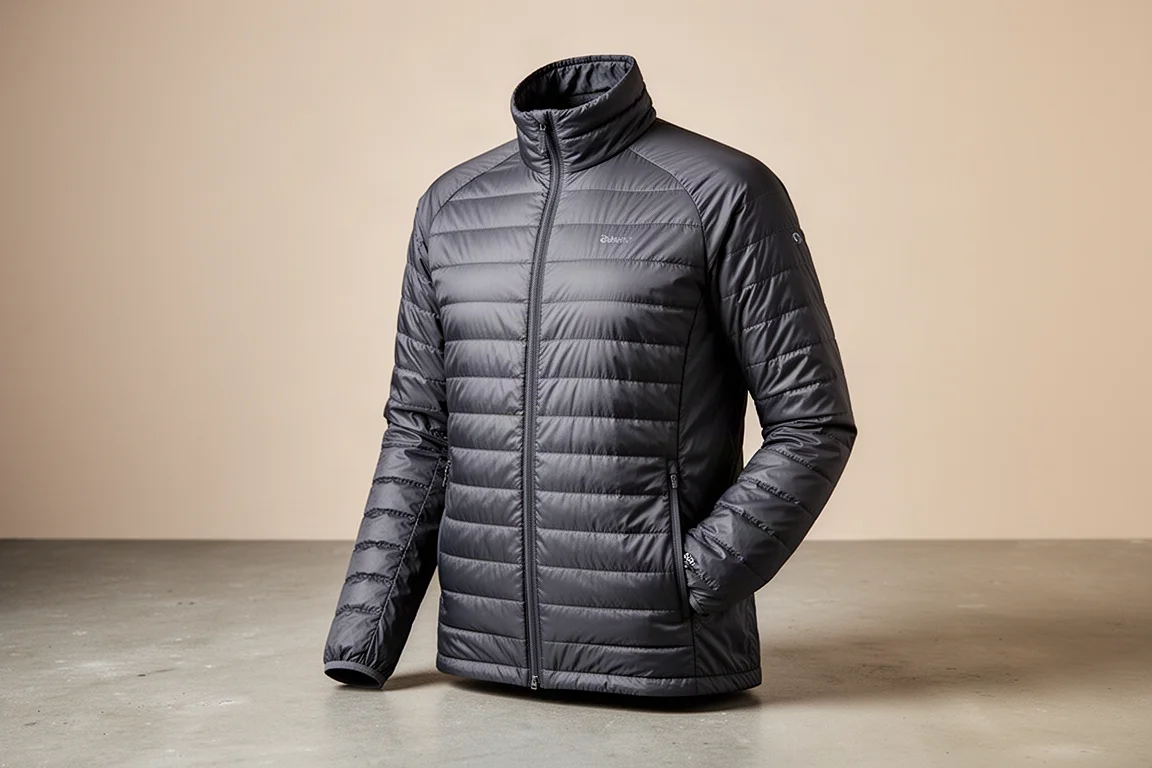
The Zulu is the more focused cold-weather piece. With 900 fill power down and a lighter overall build, it delivers noticeably more warmth than the Loft, and the difference is not marginal. On an exposed, windy ridge, the Zulu blocks far more wind, which keeps you warmer on its own before the extra loft is even factored in.

What it gives up is manual venting. There are no pit zips on the Zulu, so you manage temperature by adjusting layers rather than by opening vents. For colder trips, stationary camp time, and shoulder-season conditions where wind is the main challenge, that trade usually works in your favour.
Outdoor Vitals Varo Jacket: Breathable by Design
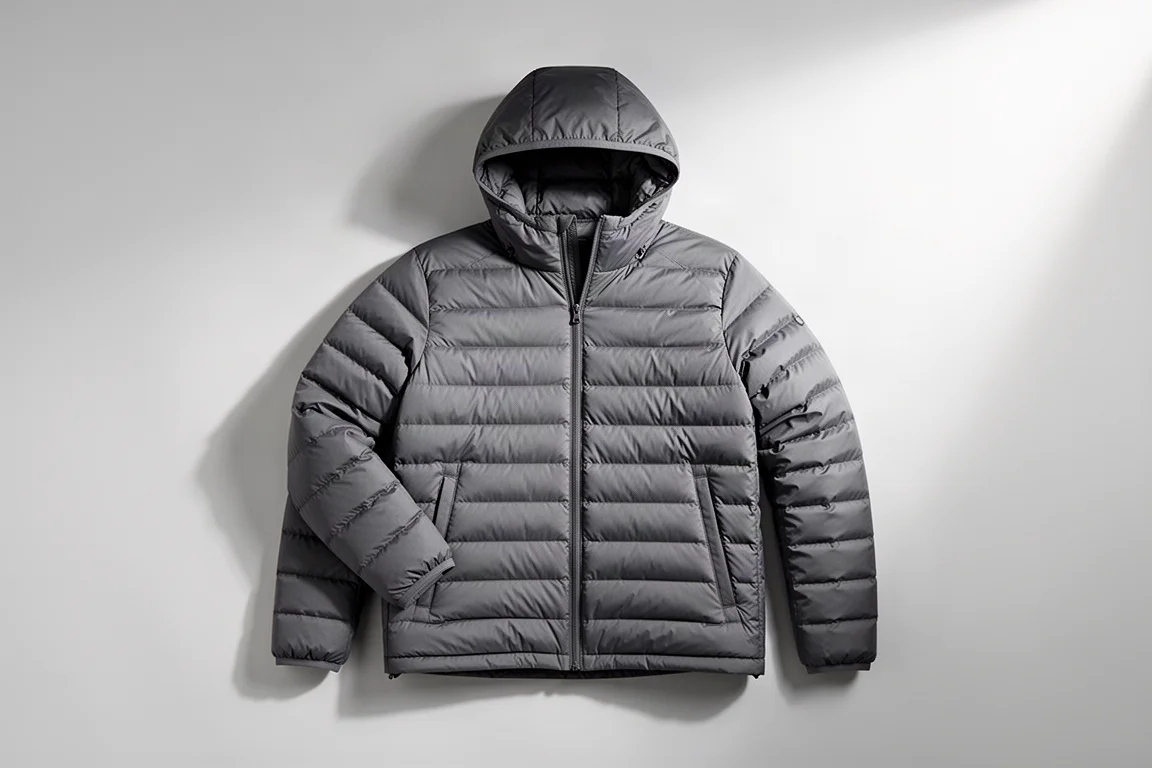
The Varo exists because the Loft ended up in a role it was never built for. Many owners used it as a highly active layer, so Outdoor Vitals set out to make a jacket whose fabrics are genuinely breathable rather than incidentally breathable. The Varo uses highly breathable materials, adds vents under the arms, and needs no stitching through the insulation, which helps it land at a warmth level similar to the Loft.
For anyone who runs hot on the climb and would rather keep a jacket on than stop and strip layers, that is the entire point of the design.
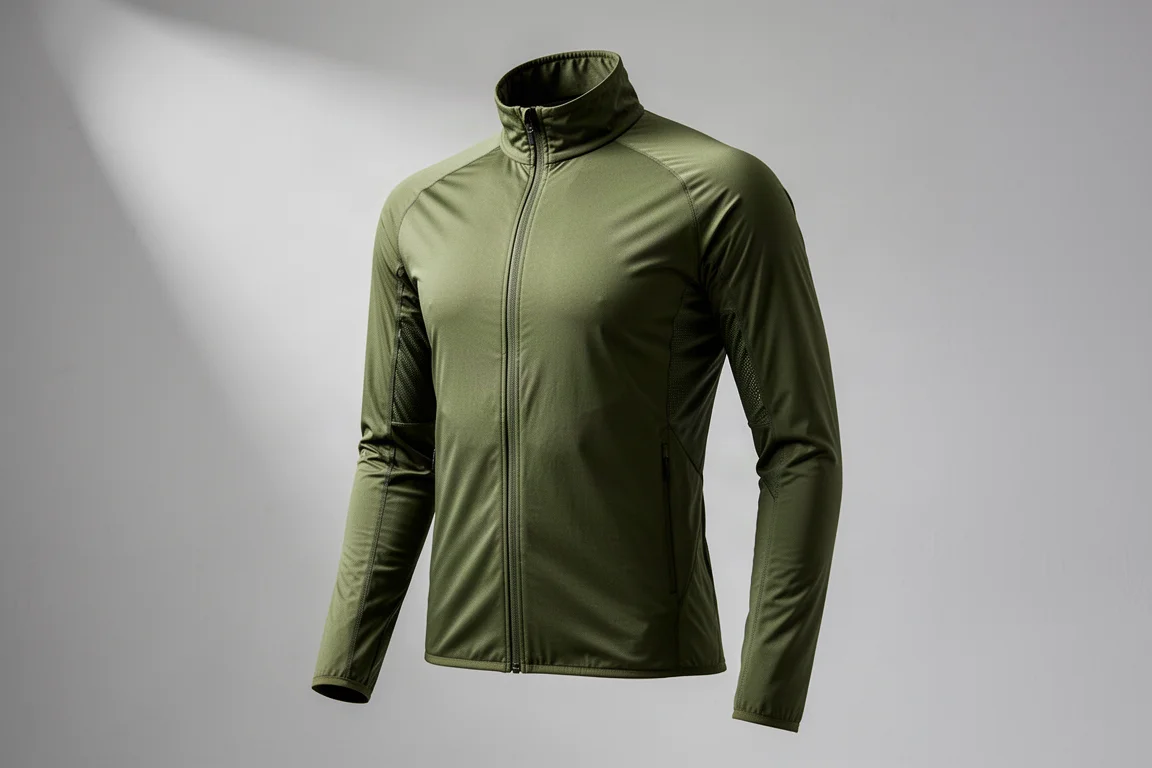
Warmth, Breathability, and Weather Protection in the Field
Read together, these three jackets represent three different answers to the same question. The Loft answered it with a weather-resistant shell over synthetic fill and a construction that let heat escape. The Zulu answers it with premium down and better wind blocking, accepting fewer venting options in return. The Varo answers it with breathable fabrics and under-arm vents, prioritising airflow during movement.

That framing matters more than any single specification. A jacket that keeps you comfortable while you are moving is not the same product as one that keeps you warm while you stand still, and the Loft’s popularity came largely from blurring the line between the two. The Zulu and the Varo pull that blur apart into two clearer choices, which is useful if you know how you actually use a jacket.
Which Outdoor Vitals Jacket Should You Choose?
If you want the warmest of the three for the weight, the Zulu is the straightforward pick. Its 900 fill power down, lighter 11 oz build, and stronger wind resistance make it the better companion for cold, exposed conditions and for camp time when you are not generating much heat.
Choose the Varo if breathability is your priority. It is built for people who stay active in cold weather and would rather vent heat than take the jacket off, and its warmth lands close to what the Loft offered.
The Loft is the sentimental choice, and for some people it is still the right one. If you already own one and it suits your trips, there is no reason to change. If you are buying today, keep in mind that it is no longer in production, so availability depends on remaining stock. Between the two current options, the decision comes down to whether you want maximum warmth and wind protection or maximum breathability while you move.
Conclusion
Outdoor Vitals replaced one very popular jacket with two more specialised ones. The Zulu is lighter, warmer, and better in wind. The Varo is built for breathability and active days. Neither is a straight like-for-like swap for the Loft, but together they cover the ground it used to hold, and knowing which kind of jacket you actually need makes the choice simple.
Further reading
Related Reviews
Outdoor Apparel
Arc'teryx Atom LT Review: A Lightweight Synthetic Mid-Layer Built for Movement
A close look at the Arc'teryx Atom LT, a breathable synthetic mid-layer with Coreloft insulation, fleece side panels, and a helmet-compatible hood.
Outdoor Apparel
Fjällräven Vidda Pro Ventilated Trousers Review: Tough Trekking Pants With Two Long Vents
A detailed look at the Fjällräven Vidda Pro Ventilated trousers, covering the G-1000 fabric, side ventilation zips, pocket layout, sizing, and the trade-offs to weigh before buying.
Outdoor Apparel
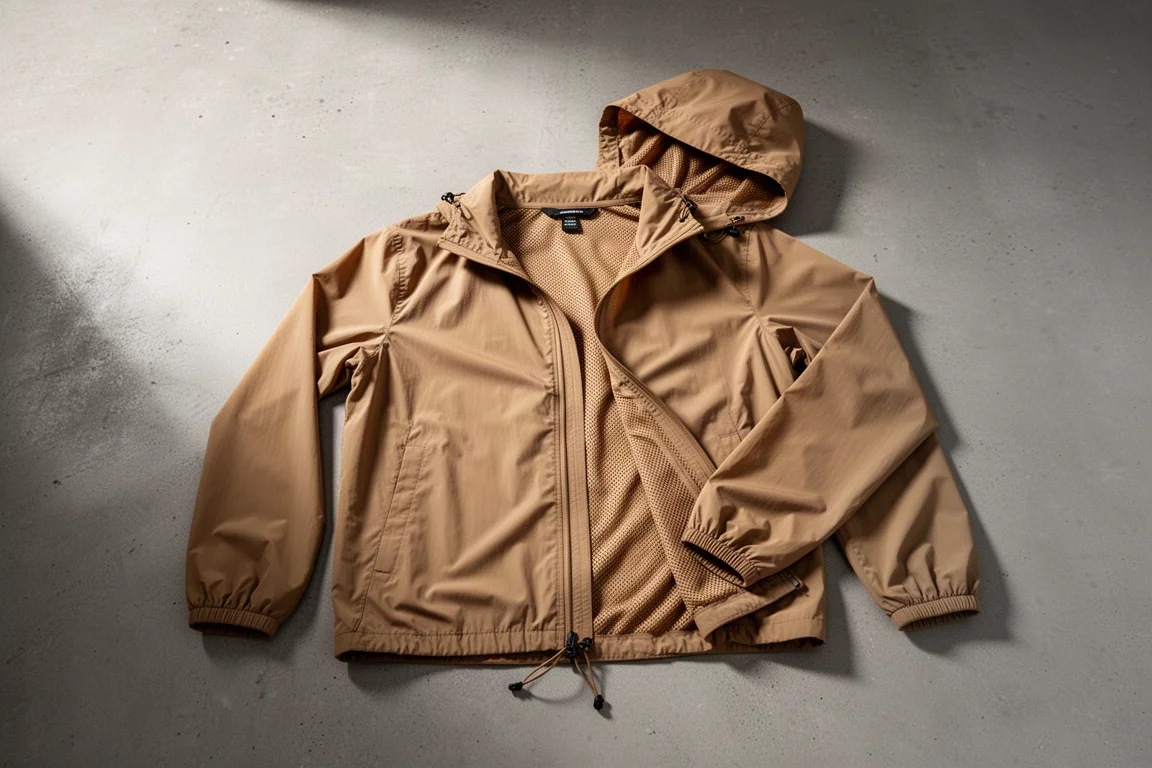
Helicon Tex Windrunner Review: An 8-Ounce Nylon Wind Shirt at $70
A close look at the Helicon Tex Windrunner, an ultra-light nylon anorak with strong ventilation, a $70 retail price, and a sizing chart that runs large.