Backpacking Packs
Outdoor Vitals Carbon Evo 50 Review: A Lightweight 50L Pack That Carries Real Weight
A 50-liter ultralight backpacking pack with carbon fiber frame stays, durable Robic and Spectra fabrics, and a comfortable hip belt carry.
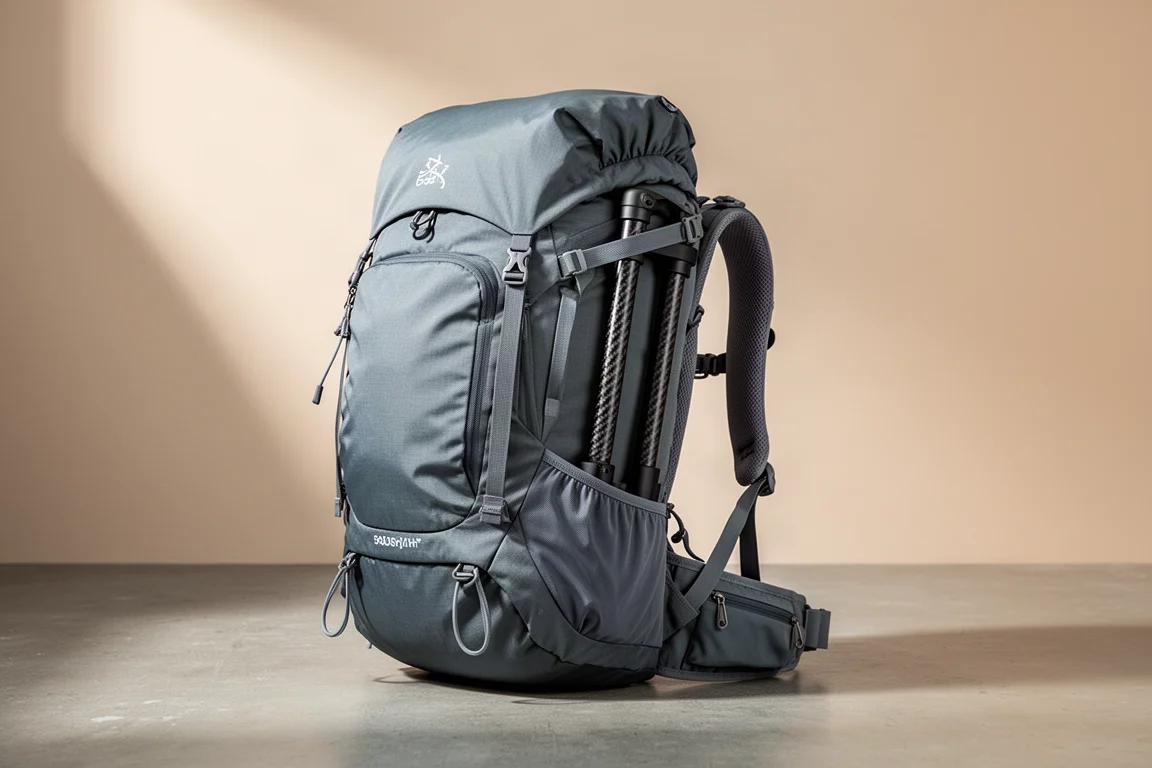
Introduction
Ultralight packs usually ask for a compromise. A 50-liter roll-top pack with a carbon fiber frame, a durable main fabric, and enough pocket space for long days is a narrow target to hit, and the Outdoor Vitals Carbon Evo 50 aims straight at it. It was carried for four days of backpacking in the Grand Canyon with a load of 36 lb of gear, food, and water, which is a realistic test of how a lightweight pack behaves when it is genuinely loaded.
The short version: the carry is comfortable, the fabric choices are sensible for the price, and the pack is easy to live with on the trail. There are also a handful of small details that could be refined. None of them are deal breakers.
Who the Carbon Evo 50 Is For
The Carbon Evo 50 is aimed at backpackers who want to keep their base weight low without giving up structure under load. It is offered in three fixed torso lengths and five hip belt sizes, ordered separately, so a shorter torso can be paired with a larger hip belt, or a tall torso with a smaller waist. That range of options is unusual in a pack this focused, and it makes the pack relevant to a wider set of body types than most ultralight designs allow.
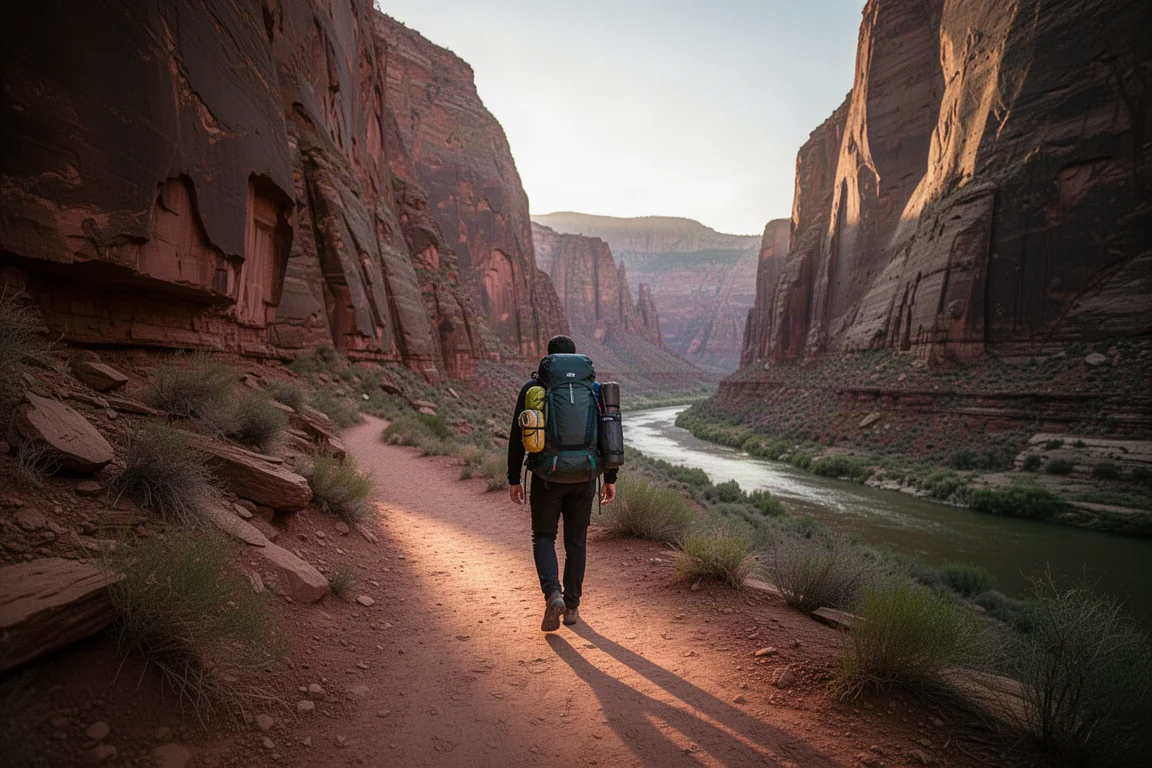
Capacity is 50 liters in the main body with a roll-top entry. The design resists overpacking while still holding what a multi-day trip requires, so hikers carrying food, water, and a shelter for several days will find the volume appropriate rather than generous.
Main Strengths
The strengths come down to three things: how the pack carries weight, how it is built, and how easy it is to reach what you need during the day.
Carry Comfort and Suspension
Two carbon fiber stays run the full length of the pack and extend above the shoulder strap attachment, which gives the load lifters enough height to pull the weight close to the back. From there it transfers into a hip belt that wraps the hips rather than sitting flat across them, helped by a narrow lumbar section. The result is a pack that articulates with the body instead of feeling like a barrel strapped to the back.
The back panel uses foam with cutouts for ventilation and a small weight saving. Managing sweat is a modest benefit at best on a hot climb, but the panel does help move moisture away from the back.
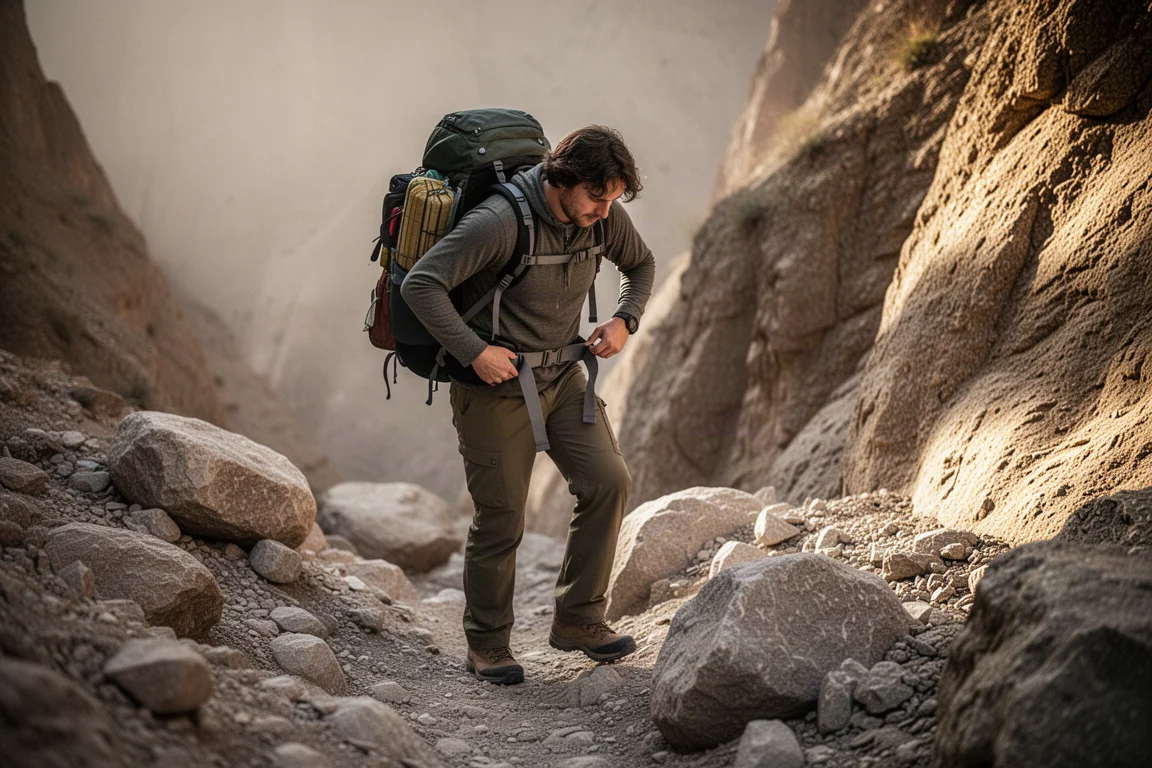
The hip belt stays in place without slipping, and the sewn-in hip belt pockets open and close easily with one hand and hold a phone, a GPS unit, or snacks. Curved shoulder straps, a sternum strap, and load lifters complete a conventional but well-executed harness.
Fabric and Durability
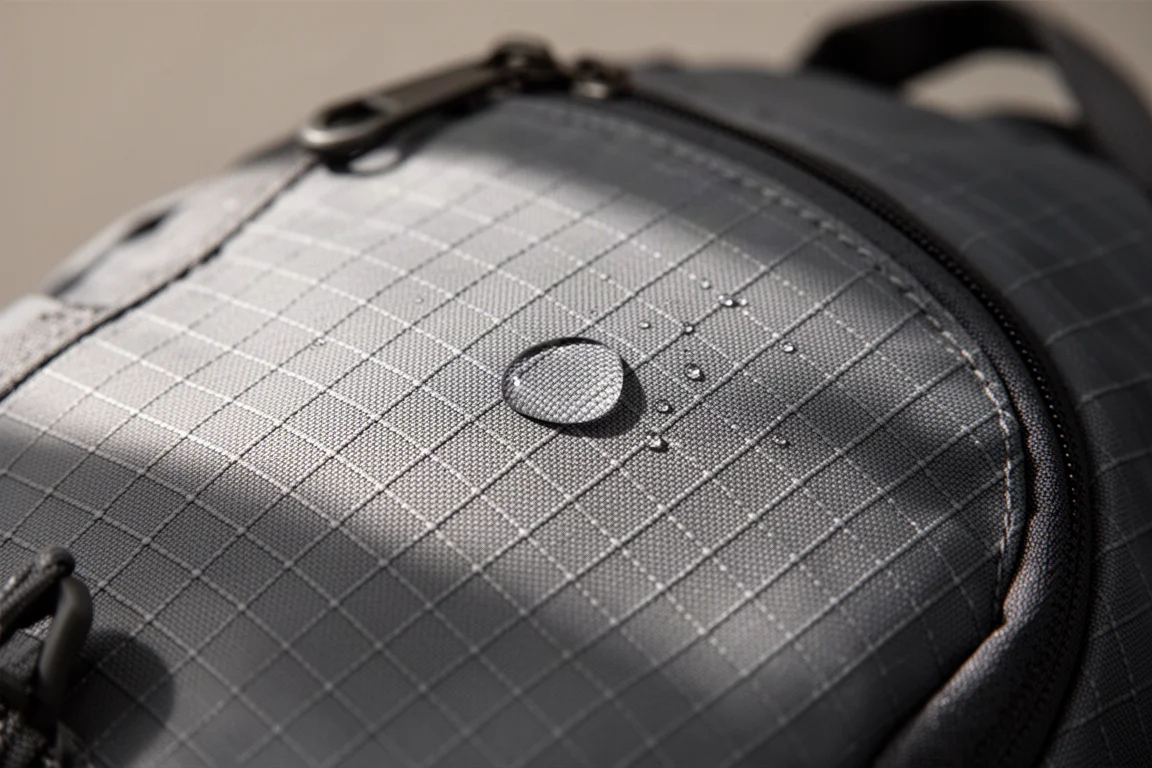
The main body uses a 100 denier Robic nylon with 200 denier Spectra yarn woven through it to create the ripstop grid. It is a durable, lightweight combination that avoids the cost of fabrics such as Ultra Weave or Dyneema while still standing up to trail use. The base steps up to 210 denier with a 400 denier Spectra ripstop, so the part of the pack that meets rock and gravel gets the heavier treatment.
The front pocket is a large ultra stretch pocket, which is a meaningful durability upgrade over the thin, semi-transparent stretch mesh used on the earlier CS40.
Pockets and Access
The side pockets are large enough to hold two 1-liter bottles, and they are easy to reach and reload while walking. Compression straps run down both sides, shock cord loops take trekking poles, and an over-the-top Y strap handles a foam pad or a bear canister. A hydration bladder port and a removable internal bladder sleeve round out the layout.
The overall pocket set stays close to what an ultralight pack should be: enough organization to be practical, without extra pockets that add weight and complicate the way the pack packs.
Things to Consider Before Buying
The following points are refinements rather than faults, but they are worth knowing before ordering.
Shoulder Strap Attachment Points
The shoulder straps have little in the way of webbing loops down their length, so attaching a satellite messenger or a camera clip means working around the top of the strap near the load lifter. A few daisy chain loops would add only a couple of grams and would improve day-to-day flexibility.
Sternum Strap and Grab Handle
The sternum strap has no elastic, so a deep breath pulls against it, and the webbing across the chest could be stiffer so it does not deform across the shoulder strap foam. The top grab handle sits low on the pack, which lets the body tip forward when you lift it, especially with something heavy strapped on top. Moving it higher, near the collar, would make the pack easier to pick up.
Hip Belt Hook-and-Loop Noise
The hip belt attaches through the lumbar area with hook-and-loop material that is wider than it needs to be. Under tension on descents, that material can attach and detach repeatedly, producing a popping sound while scrambling. It does not affect performance, and it is far less distracting than the squeaking that the CS40 was known for.
Roll-Top Closure Details
The roll-top hook-and-loop is abrasive and grabs fleece easily, and a larger, molded style would reduce that risk for anyone stuffing a fleece in and out of the pack. A stiffer strip of webbing across the collar would also help the roll feel tighter and more secure once the top is buckled down. The over-the-top Y strap could use more adjustment length and a rear adjustment point so it can sit higher when the pack is loaded tall.
Buying Advice
At $280 USD, the Carbon Evo 50 sits at a fair price for its fabric, feature set, and carbon fiber frame stays, which cost more to produce than aluminum stays. Weight lands around 30 oz for a medium torso and a medium hip belt, which is competitive for a 50-liter pack with a genuine frame.
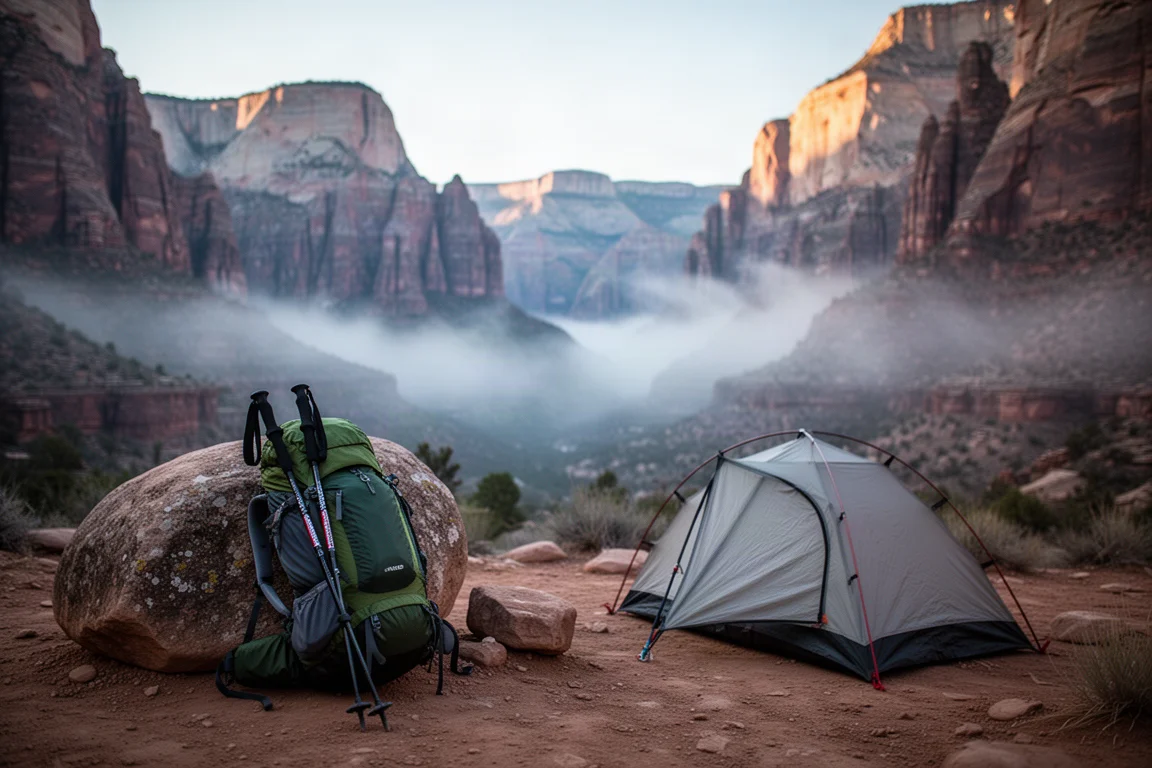
Ordering the correct torso length and hip belt size matters more than any single feature here, because the torso length is fixed rather than adjustable. Measure the torso before buying, then choose the hip belt that matches your waist instead of defaulting to the size that comes with the torso. Get that pairing right and the carry quality follows naturally.
Conclusion
The Carbon Evo 50 is a clear step forward from the CS40: lighter, higher in capacity, tougher in the front pocket, easy to access bottles from, and comfortable to carry for a 50-liter pack. The changes worth making are small ones, mostly involving attachment loops, the grab handle, and the roll-top hardware. For backpackers who want a lightweight 50-liter pack that still carries a heavy load well, it is a strong option to consider.
Product link
View more details for Outdoor Vitals Carbon Evo 50
This product is mentioned in the review. Check the specifications, options, and compatibility before buying.
View more details for Outdoor Vitals Carbon Evo 50Further reading
Related Reviews
Backpacking Packs
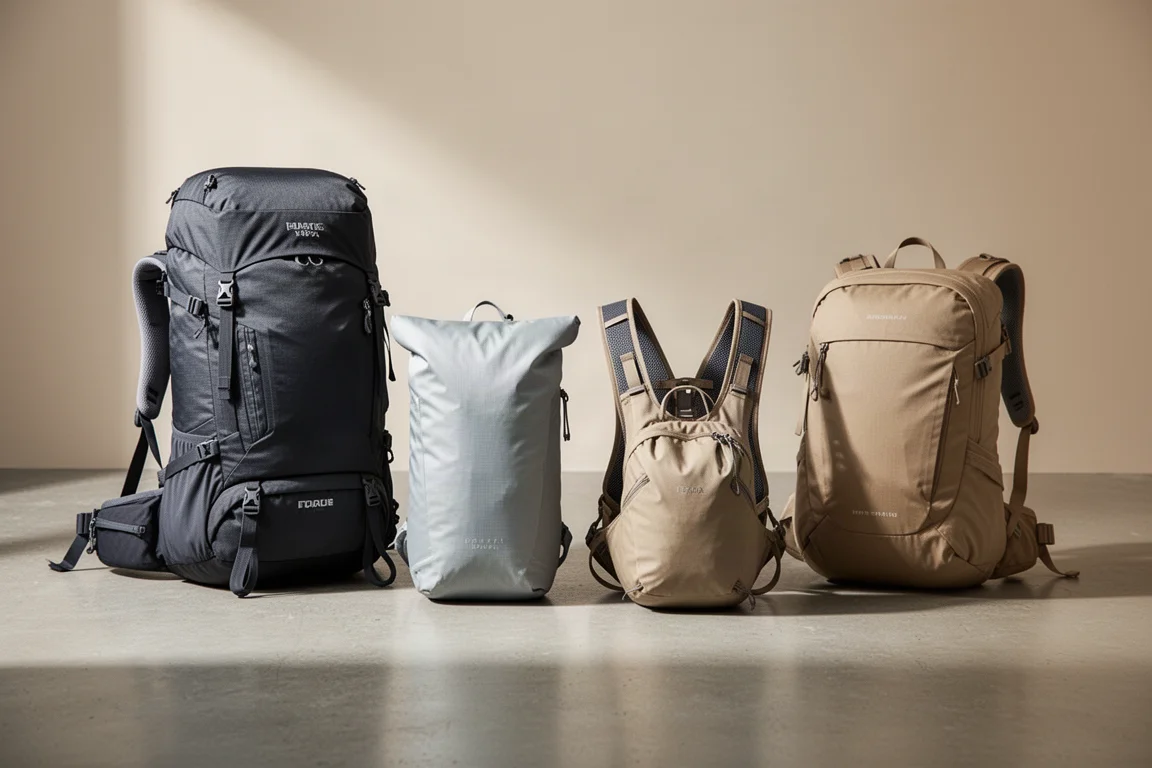
Backpacking Pack Types Compared: Traditional, Ultralight, Frameless, and Hybrid
Four pack categories, four representative packs, and a practical way to decide which kind of backpacking pack matches the weight of your gear.
Backpacking Packs
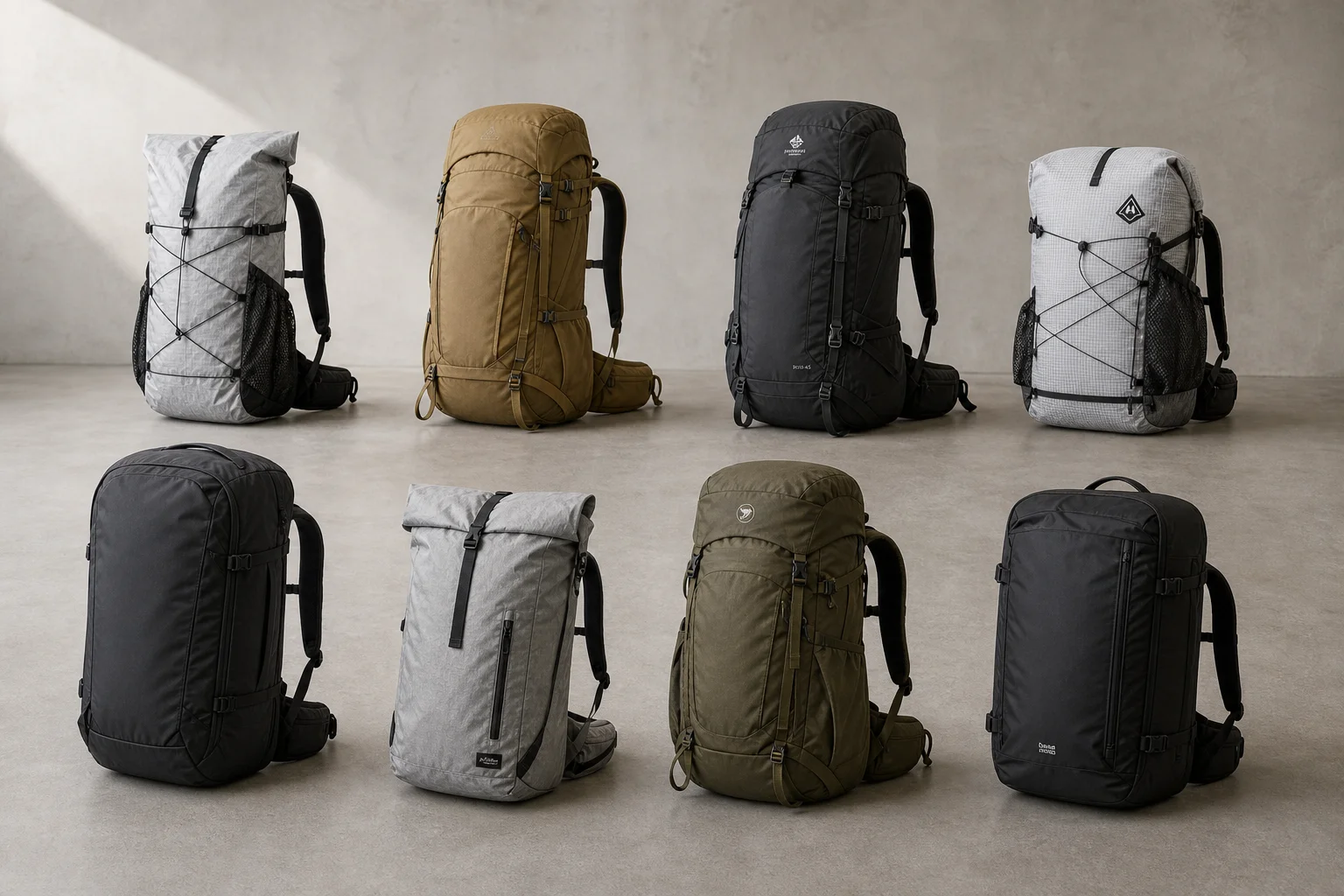
Best Backpacking Packs 2026: Six Picks for Every Style of Trip
Six backpacking packs that earned their place by weight class and purpose, with the real strengths and trade-offs to weigh before you buy.
Backpacking Packs
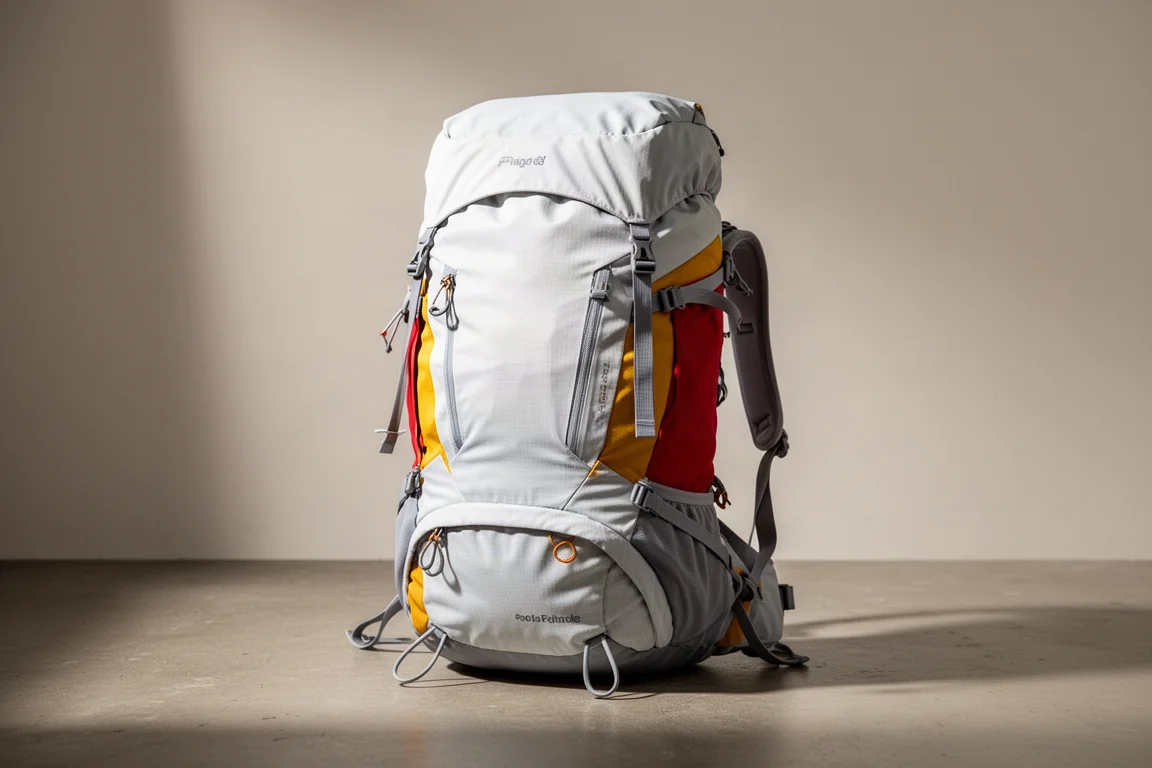
Big Agnes Prospector 50 Review: A Hybrid Pack That Sits Between Two Worlds
A 50-liter backpacking pack that mixes ultralight features with traditional padding and panel access. Here is who it suits and where it falls short.