Bivy Bags
Outdoor Research Helium UL Bivy Review: A 511 g Shelter for Fast and Light Trips
A practical look at the Outdoor Research Helium UL Bivy, covering its 511 g packed weight, Pertex Shield construction, ventilation, and the optional vestibule.
Introduction
Outdoor Research has been building bivy bags for a long time, and the Helium has sat near the top of that range for years. The Helium UL is the lighter, updated take on that formula, and it arrives at a moment when lightweight backpacking is booming and more people are putting money into minimalist shelters rather than full tents.
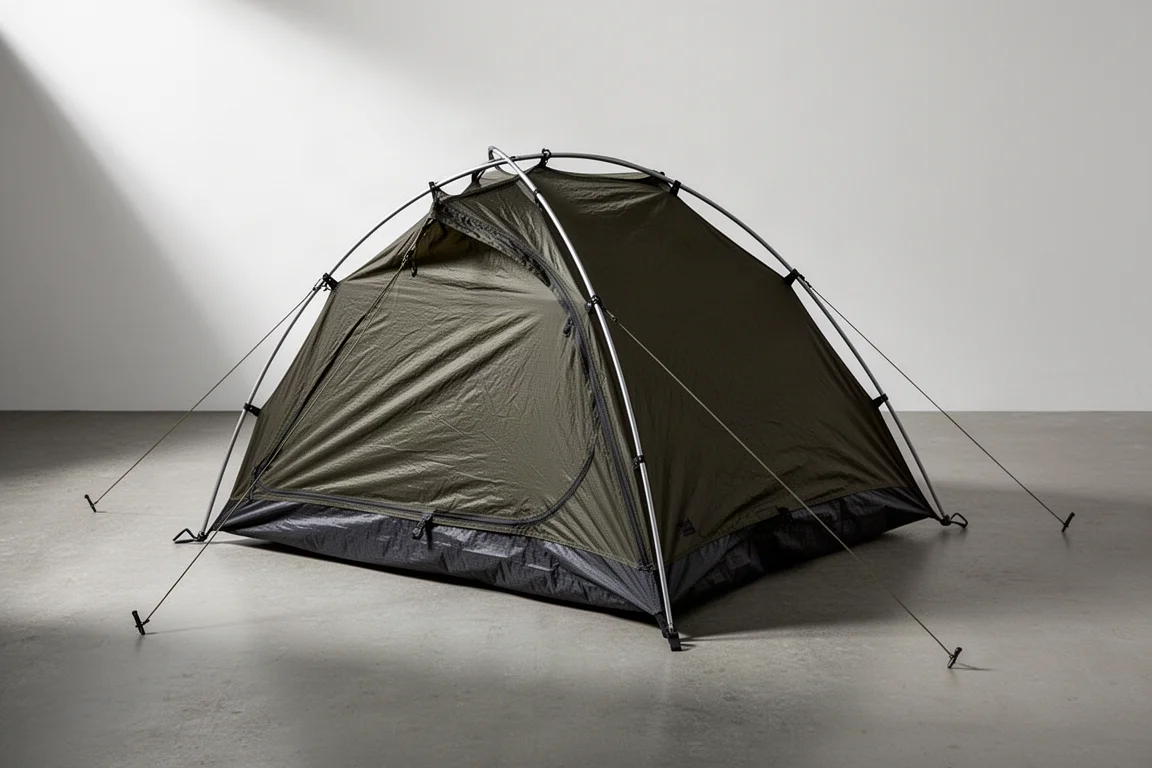
The headline number is 511 g. That is the whole shelter, and it is a figure that shapes almost every other decision about how and where you would use it. The design brief is simple: a small, packable, weatherproof place to sleep that sets up quickly and does not ask much of the ground you pitch it on.
This review walks through who the Helium UL Bivy suits, where it performs well, and what to weigh up before committing to a bivy instead of a tent.
Who This Bivy Is For
The first question most people ask is why they would bivy at all when a tent exists. Weight is the obvious answer, since a bivy bag like this can come in at roughly half the weight of a standard tent. Pack size matters just as much, because the rolled shelter takes up far less room in a pack than a tent does.
There is also the appeal of sleeping out under the stars. On a clear, calm evening, a tent wall between you and the sky is arguably a waste, and a bivy keeps the experience direct while still providing a proper shelter if conditions change. The Helium UL is best understood as a tiny tent rather than a sleeping bag cover, which is the right mental model for judging it.
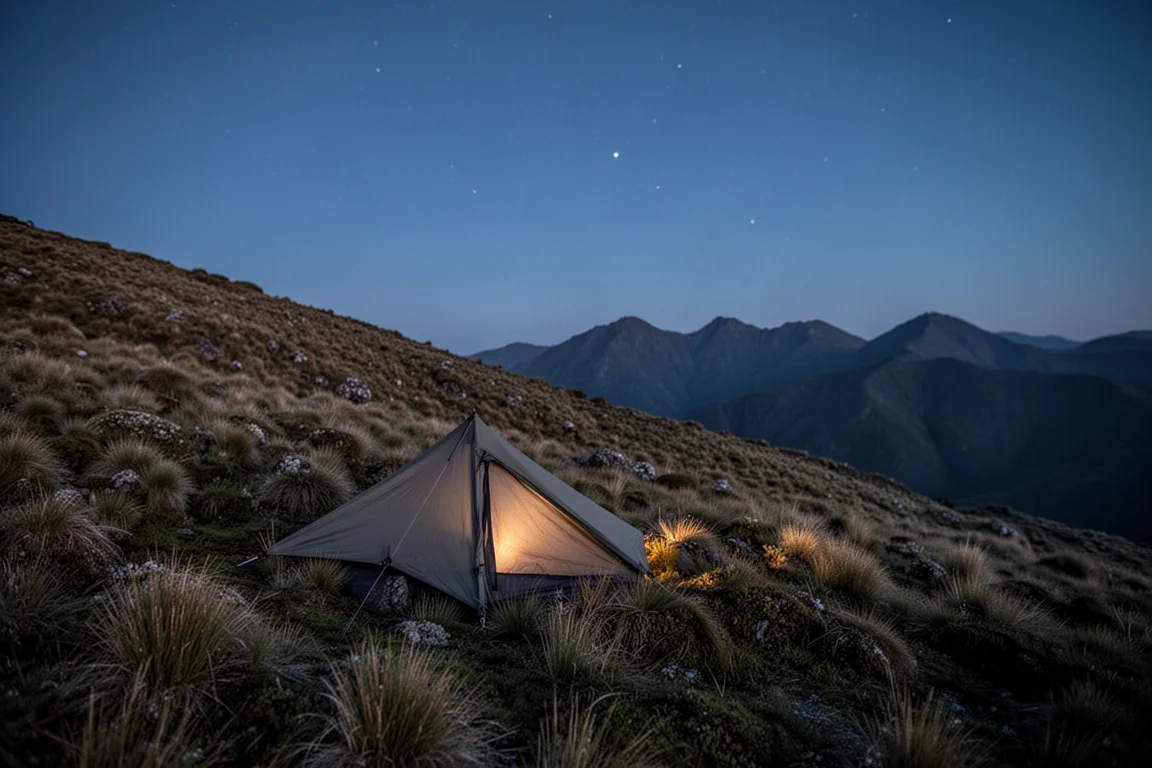
A second practical advantage is placement. Bivy bags do not need a large, flat, clear pitch, so they work in spots where there is nowhere sensible to stand poles or drive a full set of tent pegs. That flexibility is what makes this style of shelter genuinely useful on fast and light trips, ridgeline camps, and routes where you arrive late and leave early.
Design and Setup
Setup is about as straightforward as shelter design gets. There is a single DAC aluminium pole, the kind of tried and tested hardware that has become standard on quality lightweight shelters, and it forms a single hoop at the front. Four stakes come with the shelter, and once they are in, the structure holds itself neatly.
That self-supporting shape matters more than it sounds. Loose fabric flapping against your face through the night is one of the small miseries of bivouac camping, and the Helium UL avoids it by keeping tension across the body of the shelter. If you want more security in exposed positions, you can add guy lines and really pin it out. Inside, a raised toe box gives your feet somewhere to sit, which helps if you are using a thicker sleeping pad and do not want to feel crushed against the end of the bag.
Weather Protection and Breathability
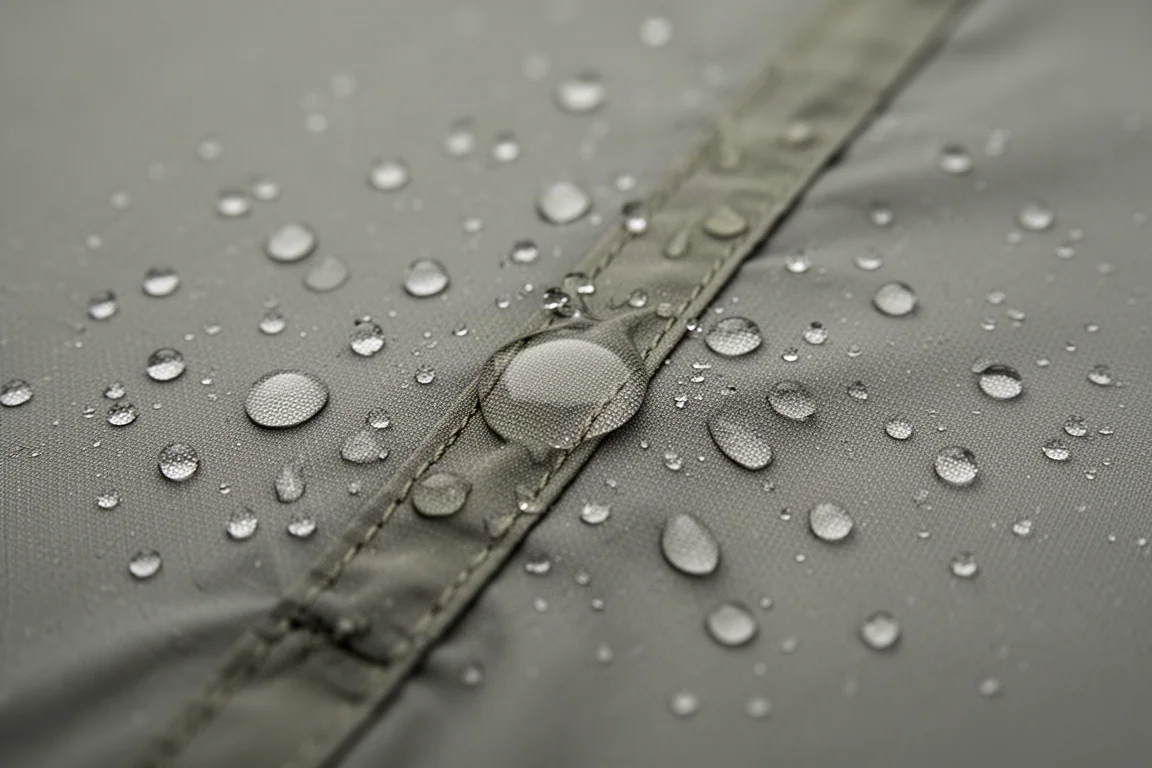
The fabric is Pertex Shield 2.5 layer with a hydrophilic finish. It is a well established choice in lightweight shells, and the numbers back it up: a hydrostatic head of 20,000 mm, which is comfortably more than most three-season conditions demand. It is also notably breathable, quiet, and soft to the touch, which is a real consideration when the fabric is inches from your face.
The top half uses a 30 denier face fabric built from NetPlus material, made mainly from recycled fishing nets recovered from the ocean, and it is PFAS free. The base is more durable, a 40 denier ripstop nylon with a PU coating, which addresses the part of a bivy that takes the most abrasion and where you least want moisture working its way up into your sleeping system.
Ventilation is handled by two vents that stay usable even in heavy rain, so you can keep air moving without opening the shelter to the weather. When conditions are merely damp rather than serious, you can unzip the front and drop the waterproof panel away, leaving just the midge net in place. That keeps insects out while letting in a lot of fresh air, and on a clear night it lets you watch the sky from inside.
Comfort and Ventilation
Condensation is the eternal argument against bivy bags, and the Helium UL addresses it from a few directions at once. The breathable Pertex Shield membrane, the two vents, and the option to run the midge net instead of a sealed front all work together to keep moist air moving out rather than pooling inside.
The raised toe box contributes more comfort than its size suggests. Thicker pads and lofted bags tend to compress at the foot end, and having that extra volume reduces the squashed feeling that makes some bivouacs a poor night’s sleep. Combined with the taut pitch, the interior feels more like a very small, very purposeful tent than a fabric tube.
Things to Consider Before Buying
A bivy is not a tent, and the trade-offs are worth being honest about. There is no living space. You get in, you settle, and you stay in. Cooking, sorting kit, and changing layers all happen outside or in a cramped position. For solo travellers who mostly sleep and move, that is fine. For anyone who wants to sit up and spread out at the end of the day, a tent remains the better answer.
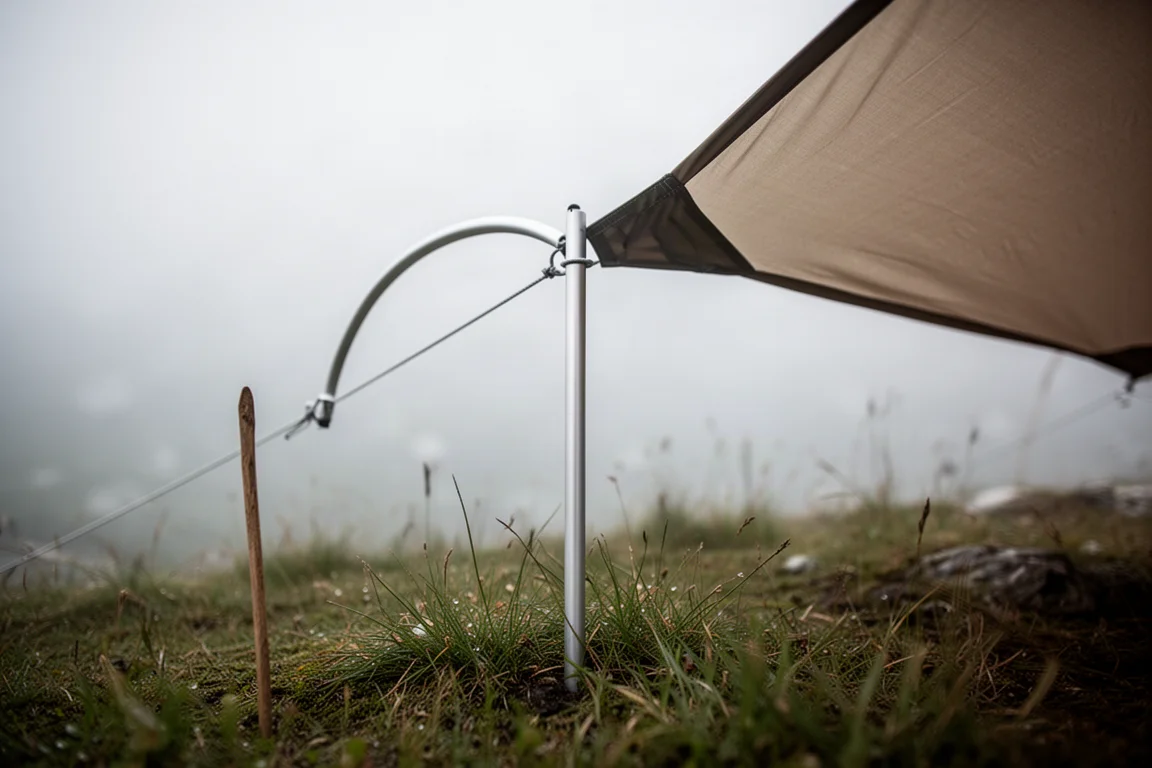
It is also worth noting that the vestibule, which adds meaningful extra space and coverage, is a separate addition rather than part of the base shelter. If you expect to use the bivy in changeable weather, plan for that. Finally, the shelter relies on being pegged out to hold its shape as neatly as it does, so a set of anchors and, ideally, a couple of guy lines are part of the kit rather than optional extras.
None of these points are flaws in the design so much as characteristics of the category. The Helium UL does what a bivy is supposed to do, and it does it with fewer annoyances than most. The question is whether the category matches how you actually camp.
The Optional Vestibule
The add-on vestibule is the most interesting part of the system. It weighs 155 g and uses a trekking pole to create a substantial amount of extra space and coverage over the head end of the shelter. The fabric is 100% nylon at 15 denier, and it is semi-translucent, so the interior is not pitched into total darkness.
For a very small weight penalty, you get a dramatically more liveable setup when the weather turns. It gives you somewhere to keep a pack, more room to move, and a buffer against wind and rain at the opening. With the vestibule in place, the whole setup still comes in under 700 g, which keeps the system firmly in ultralight territory while adding a layer of practicality that a bare bivy cannot offer.
Buying Advice
The decision comes down to how you sleep in the hills. If your trips are fast, solo, and weight-sensitive, and you are happy to trade living space for a lighter pack, the Helium UL Bivy at 511 g is a compelling option. It sets up quickly, holds its shape, and the Pertex Shield fabric gives you genuine confidence when the forecast deteriorates.
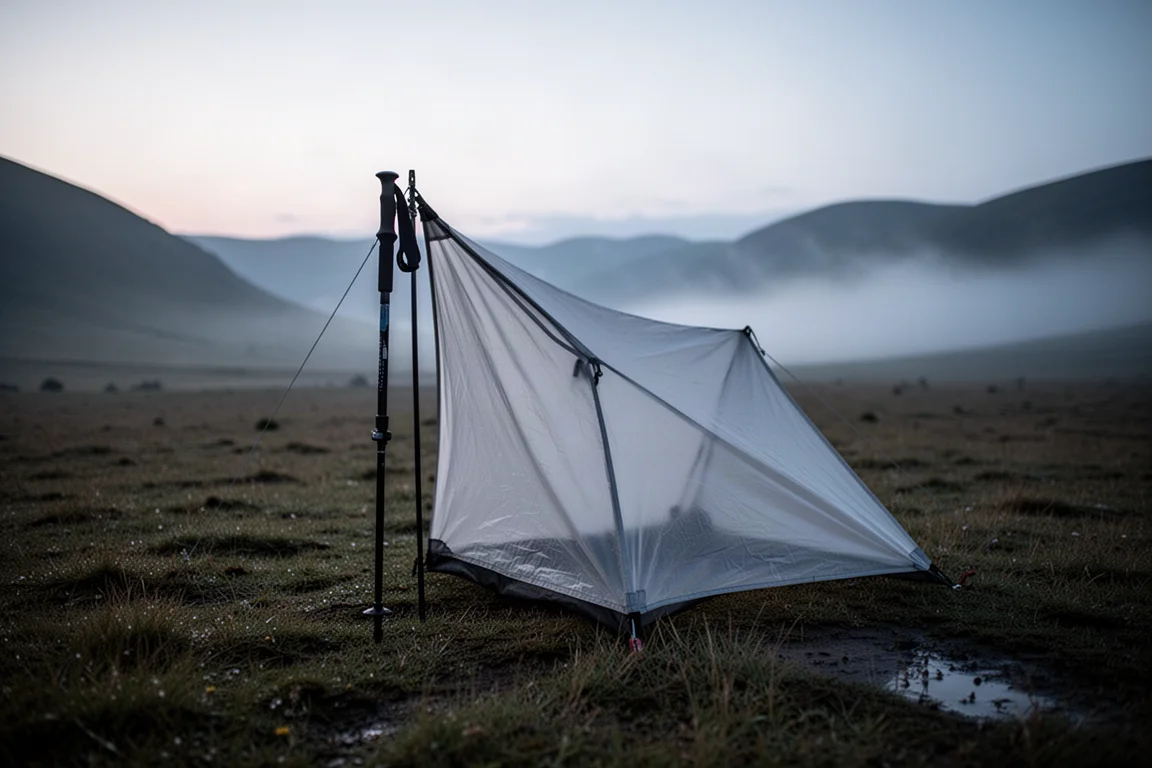
If you expect long evenings in camp, shared shelter, or serious cooking under cover, a lightweight tent will serve you better. If you are on the fence, the vestibule is the sensible way to hedge: start with the bivy for the weight advantage, then add the vestibule when you want more room and coverage for very little extra carry.
Conclusion
The classic bivy has been refined rather than reinvented. The Helium UL is very packable, simple to pitch, effectively waterproof, and breathable enough to sleep in comfortably, with an optional vestibule that turns it into a far more versatile shelter for under 700 g all in. For anyone keeping things light and simple in the hills, it is a well-considered piece of kit that earns its place in the pack.
Product link
View more details for Outdoor Research Helium UL Bivy
This product is mentioned in the review. Check the specifications, options, and compatibility before buying.
View more details for Outdoor Research Helium UL BivyFurther reading
Related Reviews
Camping Tents
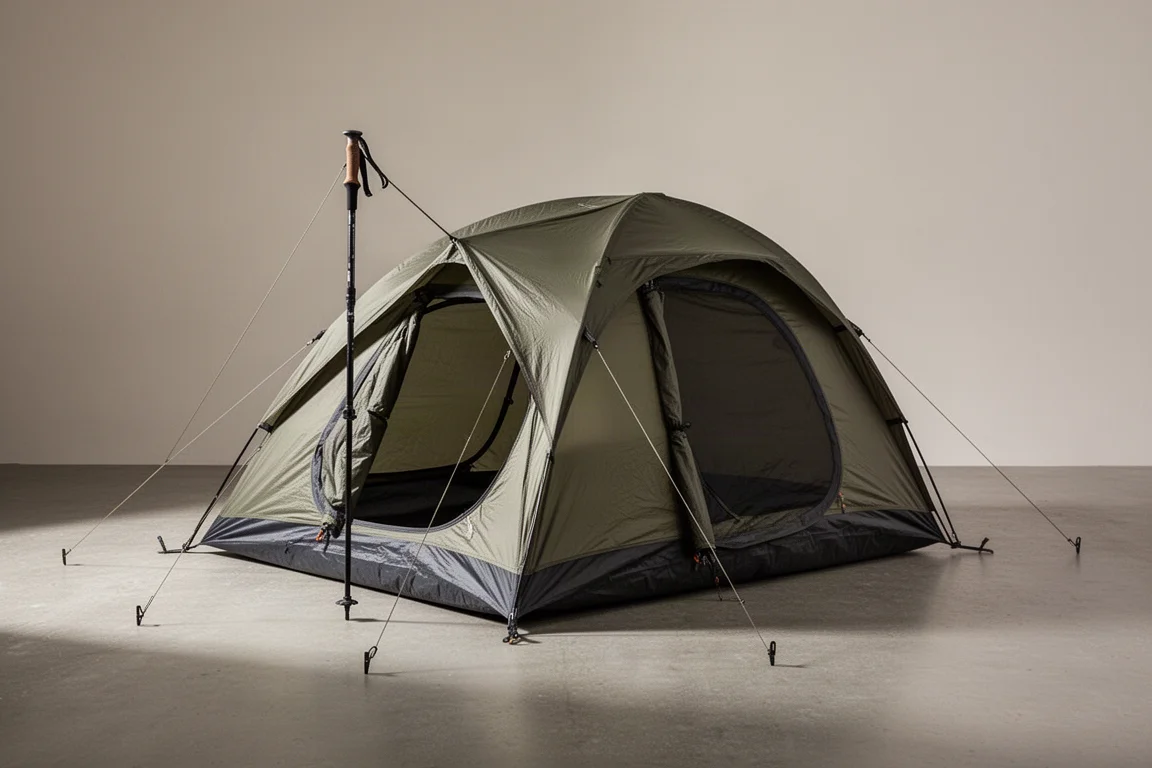
3FUL Gear Lanshan 2 Pro 4-Season Review: A Sub-$200 Single-Wall Trekking Pole Tent
An early look at the 3FUL Gear Lanshan 2 Pro 4-Season, covering its straightforward pitch, generous interior space, and the condensation and seam-sealing questions that come with any single-wall shelter.
Camping Gear
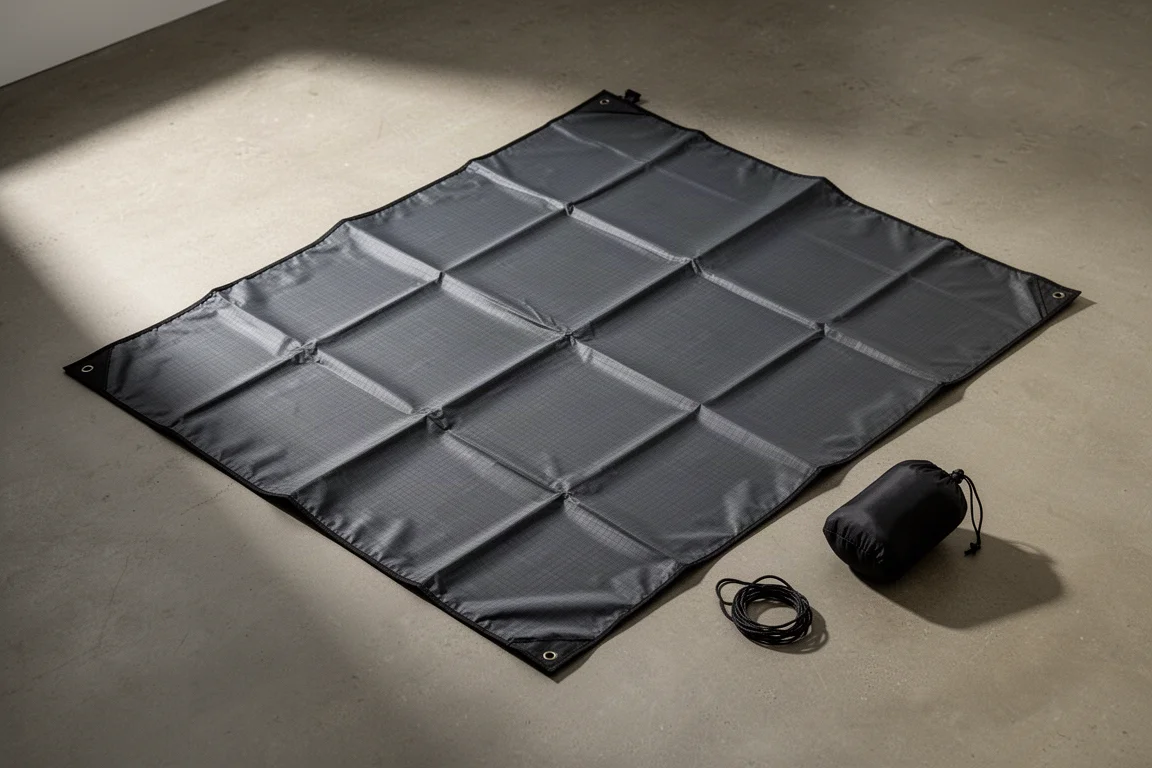
3FUL Ultralight Ground Sheet Review: A Two-Person Footprint Worth Packing
A 6.7 oz two-person ground sheet in ripstop silnylon, priced around $30. Here is what it protects, what it does not do, and who should pack it.
Backpacking Gear
Backpacking Gear That Solves Five Real Problems
Nine backpacking products that solve recurring trail problems, from wet tent setups and jammed zippers to bottle reach, wrist lights, and pad valves.