Down Jackets
Outdoor Research Helium Down Hooded Jacket Review: Lightweight Down for Cold, Active Days
A close look at the Outdoor Research Helium Down Hooded Jacket, covering warmth, fit, weather resistance, and the trade-offs to weigh before buying.
Introduction
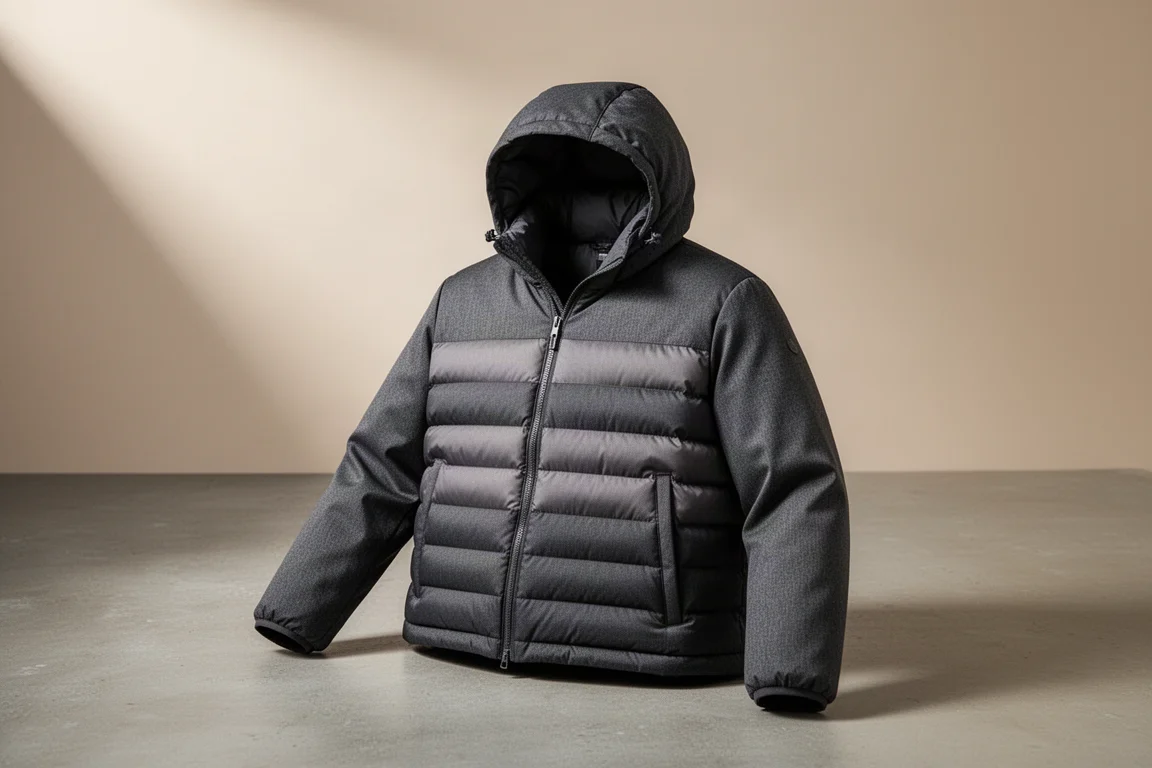
The Outdoor Research Helium Down Hooded Jacket is a lightweight down insulation layer built around 800 fill power responsibly sourced goose down and a shell made from the brand’s Diamond Fuse fabric technology, a Pertex Shield material shared with the Helium rain jacket. That pairing puts it in a useful middle ground for cold weather: warm enough for winter layering, light enough to carry on a hike, and noticeably more resistant to abrasion and moisture than a plain nylon down jacket.
It has been used through several months of colder winter conditions, including hikes at around 25 degrees Fahrenheit with a light breeze, where it stayed comfortable without overheating. That balance between warmth and breathability is the whole point of a jacket like this, and it largely delivers.
Who the Helium Down Hooded Jacket Is For
This is an insulation piece for people who move in cold conditions rather than stand around in them. Hikers, climbers, and anyone who wants a packable down layer for winter trails will find the weight and warmth sensible. The reinforced fabric on the shoulders, hood, and sleeves also makes it a better match for climbing and backpacking than a fragile ultralight shell.

Wearing a down jacket while hiking can feel like overkill, and in milder weather it is. The Helium Down Hooded Jacket earns its place when the temperature drops and the wind picks up, when a light shell alone is not enough and a heavier belay jacket is more than the day calls for.
Main Strengths
Warmth and Materials
The core of the jacket is 800 fill power responsibly sourced goose down, which gives a strong warmth to weight ratio. Around that, Outdoor Research applies its Diamond Fuse Pertex Shield fabric to the shoulders, the hood, and along the sleeves. Those are the areas that take the most abuse from pack straps and rock, so the reinforcement adds abrasion resistance and water repellency exactly where it matters most.
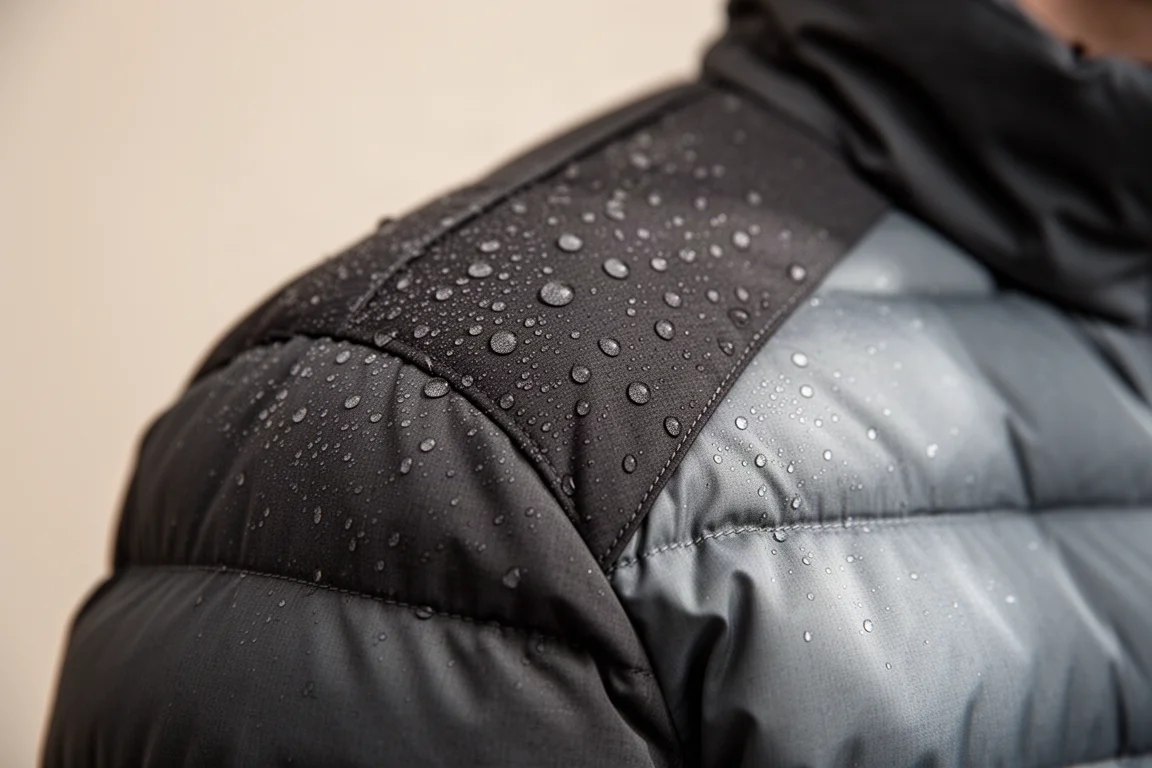
The practical benefit is that the down stays protected. Light rain, wet brush, and snow that would eventually compromise a bare down jacket are far less of a concern here, which widens the range of conditions the jacket can handle. Listed weight is 15.4 ounces, which lands just under a pound and varies by size.
Fit, Length, and Mobility
The torso runs long and covers the rear, which means the jacket does not ride up and expose the lower back when you bend over or reach for a hold. Sleeve length is generous enough to keep wrists covered when the arms are extended, and the shoulders are cut to allow a full range of motion without pinching or restricting movement.
In a size medium, the jacket suited a 5 ft 8 in, 165 lb frame with an arm span slightly longer than body height, and the fit stayed in place while moving. The hip pockets are lined with a soft microfleece and insulated on the outside of the hand, so fingers get warmth from the jacket rather than pressing against uninsulated fabric.
Hood and Weather Protection
The hood is form fitting and moves with the head rather than sitting off the back of the neck. A cord lock at the rear and a shock cord let you cinch it down snugly. Depending on head size, that shock cord can sit close to the ears, which is worth checking if you are sensitive to pressure there.
The hood uses the same Pertex Shield material as the shoulders, so a sudden rain shower or a wet morning out of the tent does not soak through and compromise the down underneath.
Things to Consider Before Buying
The main hesitation is price. At close to $300, this is an expensive lightweight down jacket, even though it is not the most expensive option in its class. Comparable insulation pieces from other brands, including the Arc’teryx Cerium LT, Rab models, and the Mountain Hardwear Ghost Whisperer, sit in a similar bracket, so the decision comes down to the details rather than the price alone.
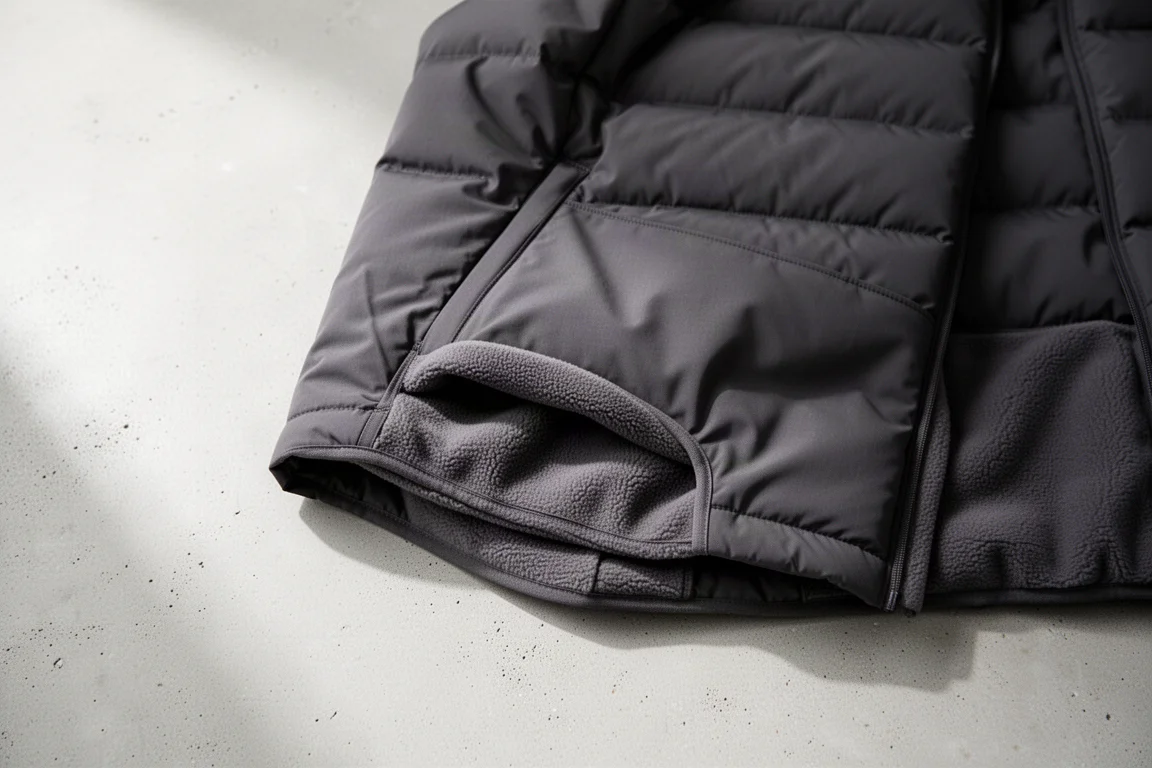
The other point to weigh is pocket placement. The front pockets sit low, with the bottom of the pocket running down toward the hem of the jacket. That is comfortable for everyday wear, but if you climb with a harness, hands cannot easily reach the pockets, and loose items in the pockets can bunch up around the hem while walking. Higher pockets are easier to live with in those situations.
How It Compares to Other Down Jackets
Against the Arc’teryx Cerium LT, the Helium Down Hooded Jacket is a little heavier and less expensive. The Cerium LT is lighter and has higher pockets with a full baffle above the pocket opening, which is a genuinely nice detail. But the Cerium LT is shorter in the torso, its hood feels more restrictive when fully zipped, and it lacks the microfleece pocket lining. It is also a lighter construction that can lose loft and shed feathers over time. For active cold weather use, the Helium’s water resistant shoulder and hood fabric and its longer cut are the stronger argument.
Compared with the Outdoor Research Illuminate Jacket, the two share a concept and the same 800 fill power down, and the Illuminate also offers water resistant performance. It does not use the Diamond Fuse material, so it is less abrasion resistant, and its baffle design and overall fit are less refined than the Helium’s.
Buying Advice
Buy the Helium Down Hooded Jacket if you want a light, packable down layer that handles active days in cold, damp conditions and holds up to a pack. The reinforced shoulders and hood, the long torso, and the mobility through the shoulders are the reasons it works so well on the move.
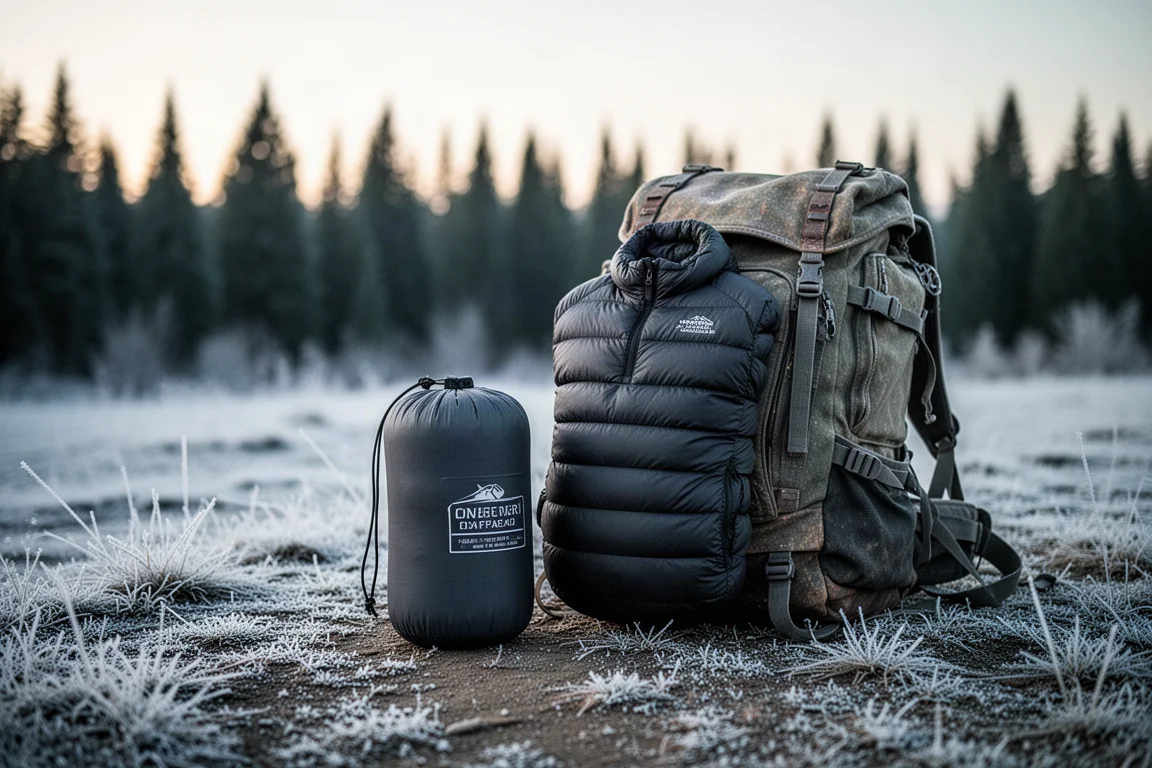
If your priority is the lowest possible weight, or you prefer higher pockets for harness use, it is worth comparing the alternatives at this price before deciding. For most winter hiking and general cold weather layering, the Helium Down Hooded Jacket is the more versatile choice of the group.
Conclusion
The Outdoor Research Helium Down Hooded Jacket gets the fundamentals right. It uses a warm 800 fill power down fill, protects it with an abrasion resistant and water repellent Pertex Shield fabric on the shoulders, hood, and sleeves, and pairs that with a long torso and unrestricted shoulder movement. The trade-offs are a price close to $300 and low-set pockets that are awkward with a climbing harness. If those points do not hold you back, this is a down layer that covers a wide range of cold weather activity.
Product link
View more details for Outdoor Research Helium Down Hooded Jacket
This product is mentioned in the review. Check the specifications, options, and compatibility before buying.
View more details for Outdoor Research Helium Down Hooded JacketFurther reading
Related Reviews
Down Jackets
Best Budget Down Jackets 2026: Three Picks Worth Considering
A practical look at three budget down jackets between $80 and $150, compared on warmth, features, build quality, and weight.
Down Jackets
Best Down Jackets 2026: From Budget Warmth to Extreme Cold
Nine technical jackets compared by warmth, weight, price, and availability, from an affordable $120 layer to a 537 g expedition jacket worn down to -30°C.
Down Jackets
RAB Mythic G vs Decathlon MT500: What a $525 Down Jacket Actually Buys You
Two down jackets with similar warmth on paper and a price gap of nearly $400. Here is where the money goes and which one suits which kind of buyer.