Snowboard Goggles
Best Outdoor Master Goggle Lenses for Low Light: Four Lenses Ranked
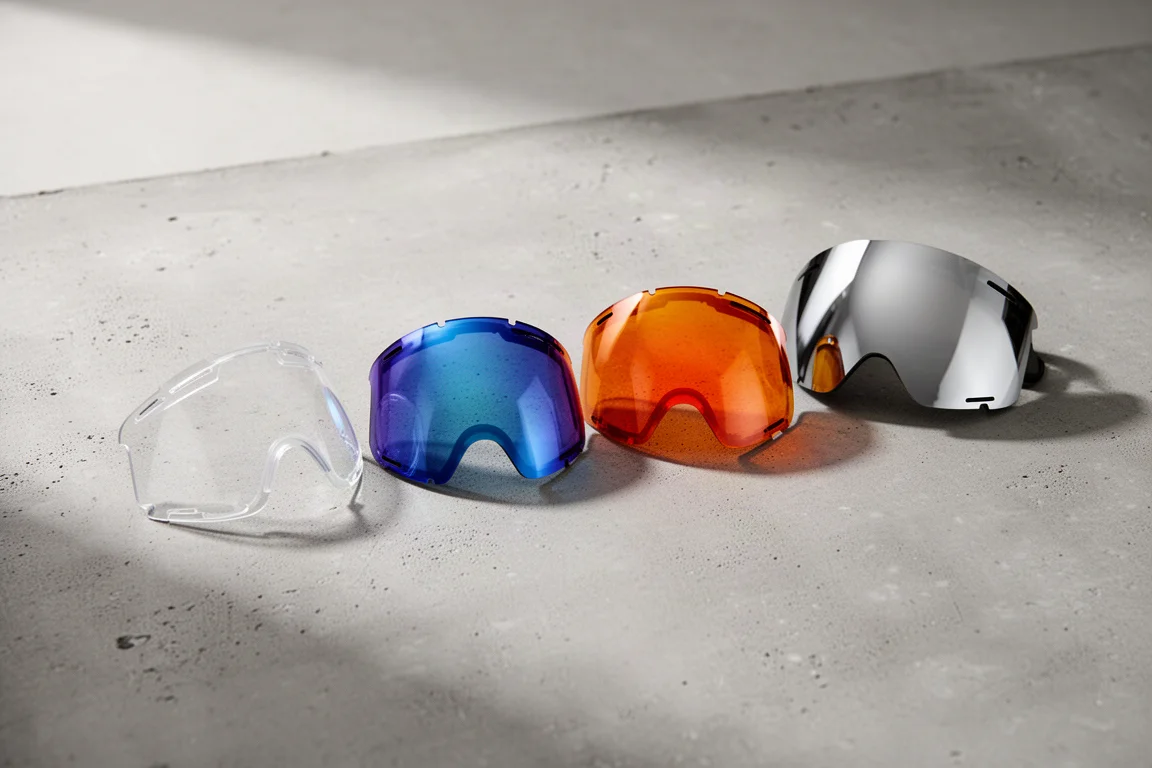
We compared four Outdoor Master snow goggle lenses on a cloudy, icy day to find out which one truly performs best in flat light.
Introduction
Flat light is one of the trickiest conditions to ride in. On a cloudy, icy, overcast day, the snow can lose almost all of its depth, and the wrong lens makes everything blend into a single white sheet. That is exactly the situation we set out to test: four Outdoor Master goggle lenses, used back to back on a grey, low-light day, then ranked from worst to best for cloudy conditions.
If you ride mostly sunny days, only one of these lenses will make sense. If you ride the cloudy half of the season, the ranking below should save you some guesswork.
Why Lens Choice Matters in Flat Light
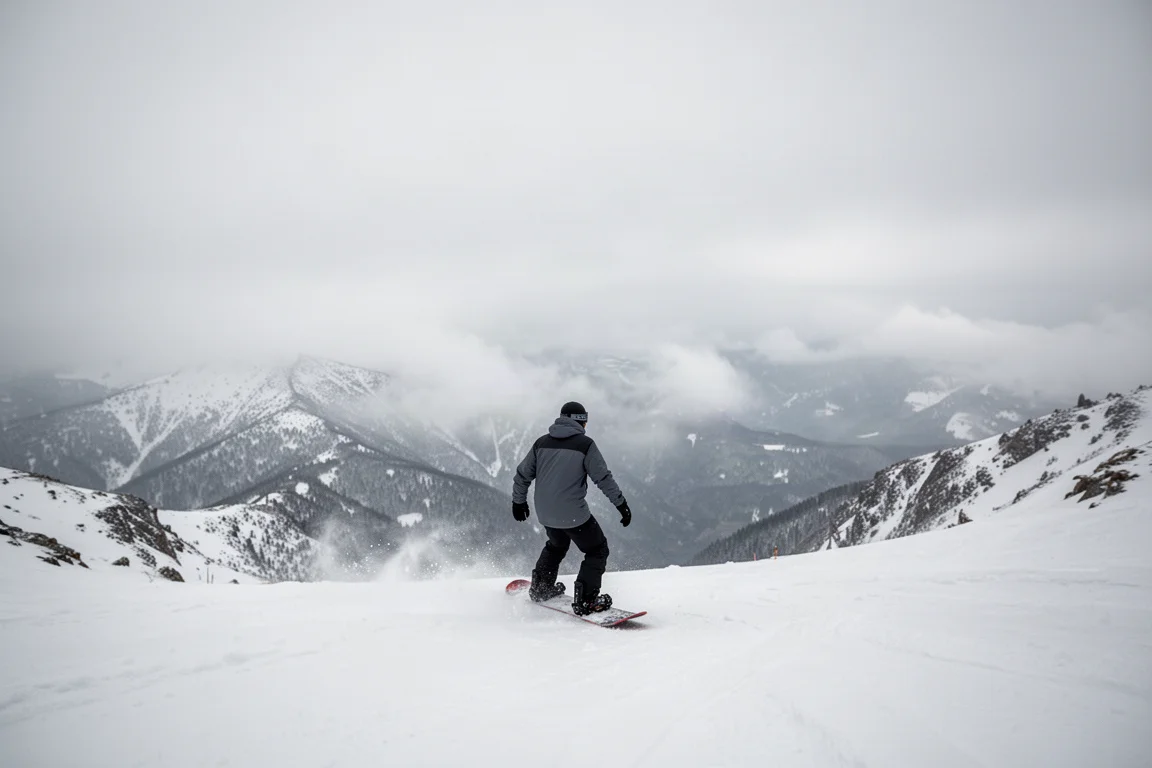
On an overcast day, contrast is everything. Shadows disappear, contours of the snow flatten out, and small bumps or ice patches become hard to read until you are already on top of them. A good low-light lens either brightens what little light is available or adds contrast back into the snow so your eyes can pick out detail again.
We judged each lens on three things: how bright it made flat conditions feel, how well it preserved the contours of the snow, and how comfortable it was to wear when glare did occasionally break through the cloud.
Ranking from Worst to Best
The final order, from least to most suited for cloudy days, came out as: blue lens, orange lens, silver with pink tint, and clear lens at the top. Here is how each one performed.
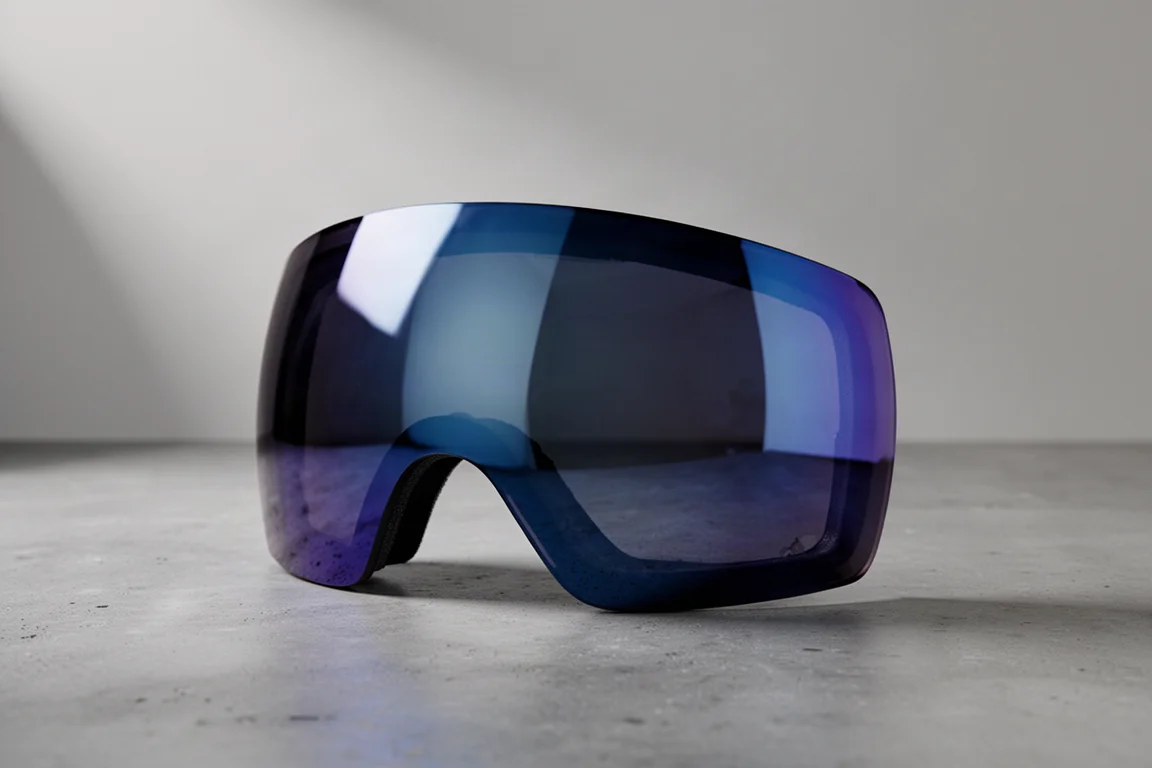
Outdoor Master Blue Lens
The blue lens turned out to be better than expected. It did brighten things up a little more than anticipated, which was a pleasant surprise. The problem is that it takes away nearly all the contours of the snow, and everything starts to look the same across the slope. That sameness caused a bit of vertigo in places where the surface detail vanished entirely.
This is really a sunny-day lens. It shields your eyes the most when the sun does pop out, but that same strength makes it the hardest lens to see snow contours through in flat light. On a cloudy day it is the weakest of the four.
Outdoor Master Orange Lens
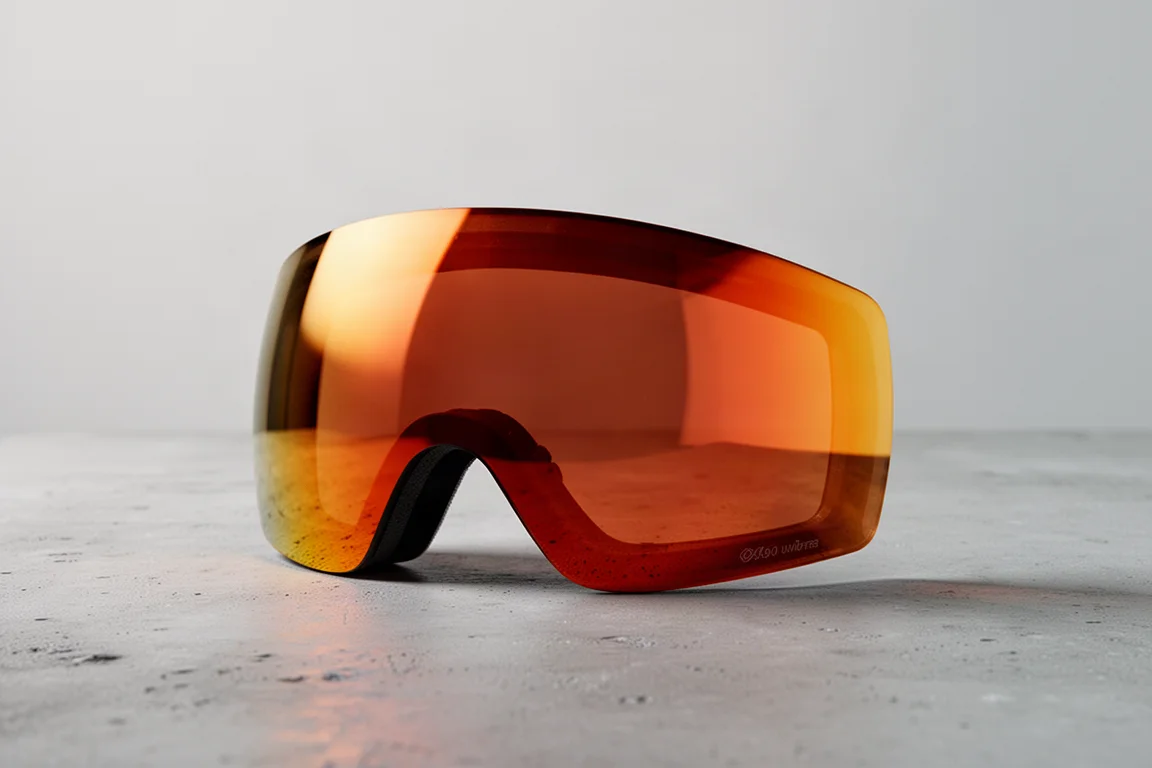
The orange lens adds noticeable contrast. Straight away it brings definition back to the snow, making contours much easier to read, with a slight tint that offers a little protection from glare. Snow falling and bouncing off the lens was not an issue either.
It still lands in the middle of the pack, though. On the foggiest, most washed-out sections of a run, whiteout conditions still crept in, and the clear lens beat it overall. But if you had to choose between the blue and the orange on a cloudy day, the orange wins comfortably.
Outdoor Master Silver/Pink Lens
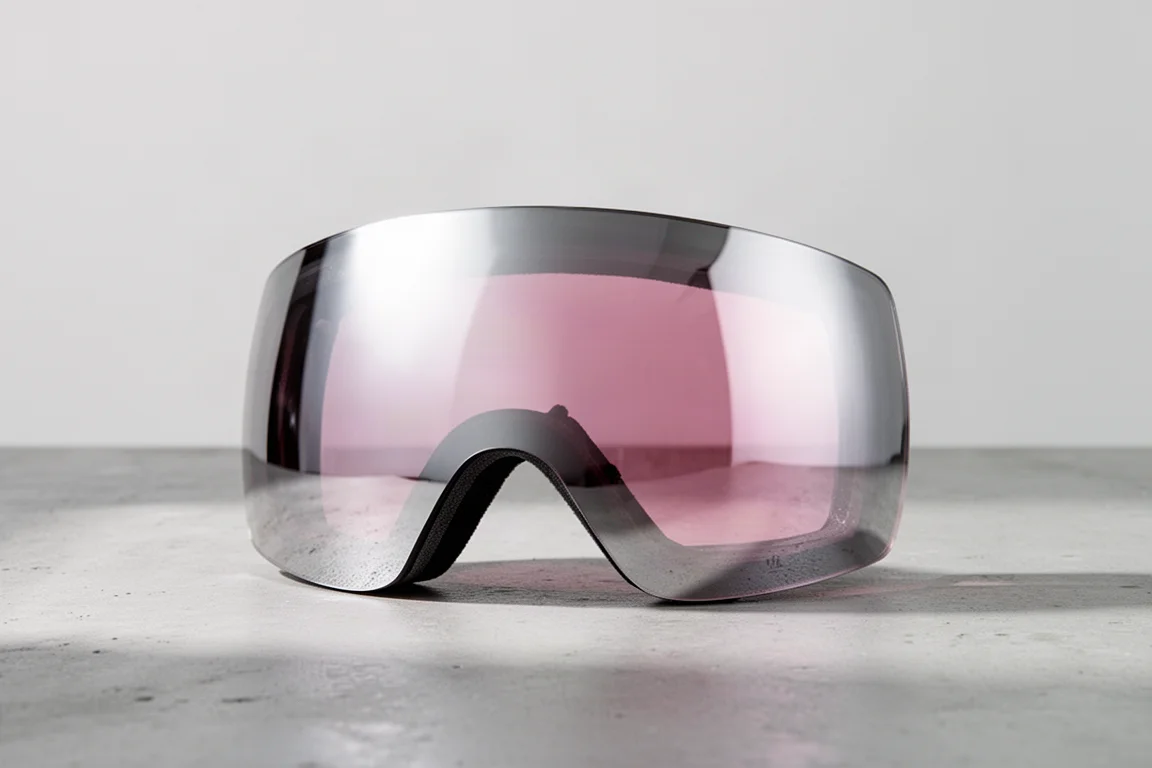
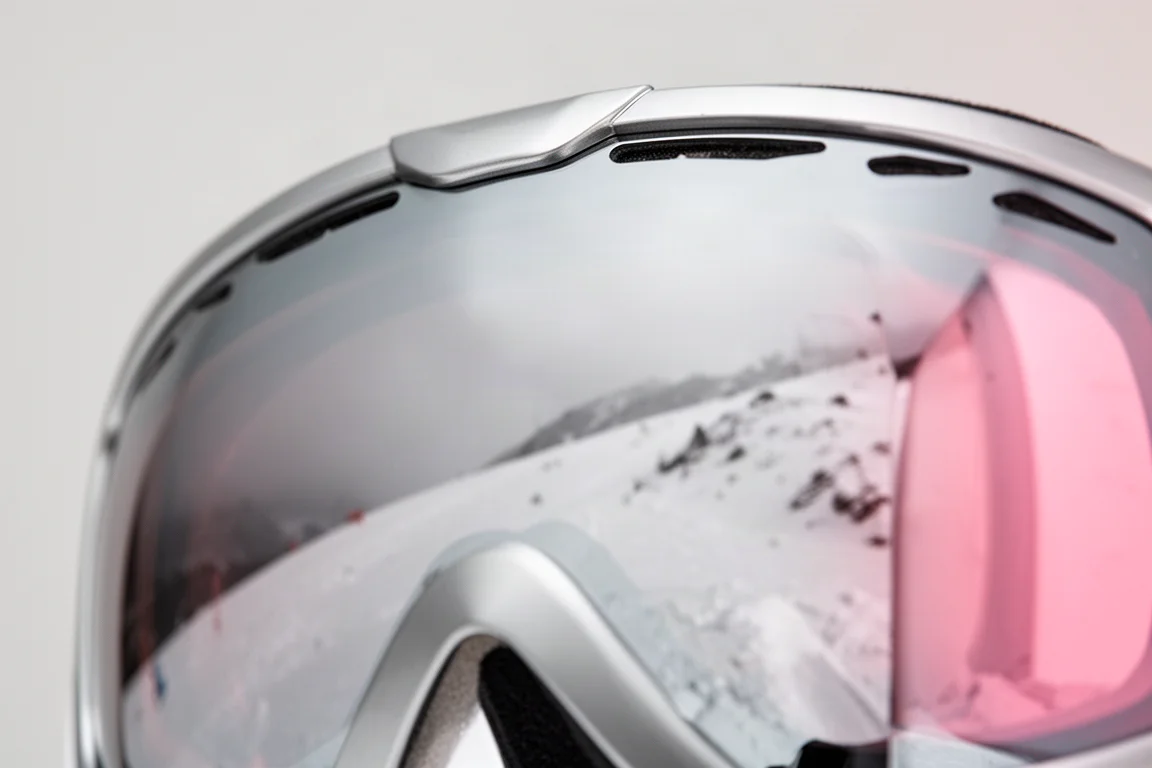
The silver lens has a mirrored silver finish on the outside and a pink tint on the inside. It takes some of the glare off the snow, so your eyes feel more relaxed, and the pink tint adds a warm contrast that helps you pick out fine contours, especially in harsh white conditions.
It makes things slightly darker than the clear lens, which is not necessarily a bad thing. When a little sun pushes through heavy cloud, that extra bit of glare protection feels welcome. It nearly edged out the orange lens, and it is the pick for days that are cloudy with occasional sunshine.
Outdoor Master Clear Lens
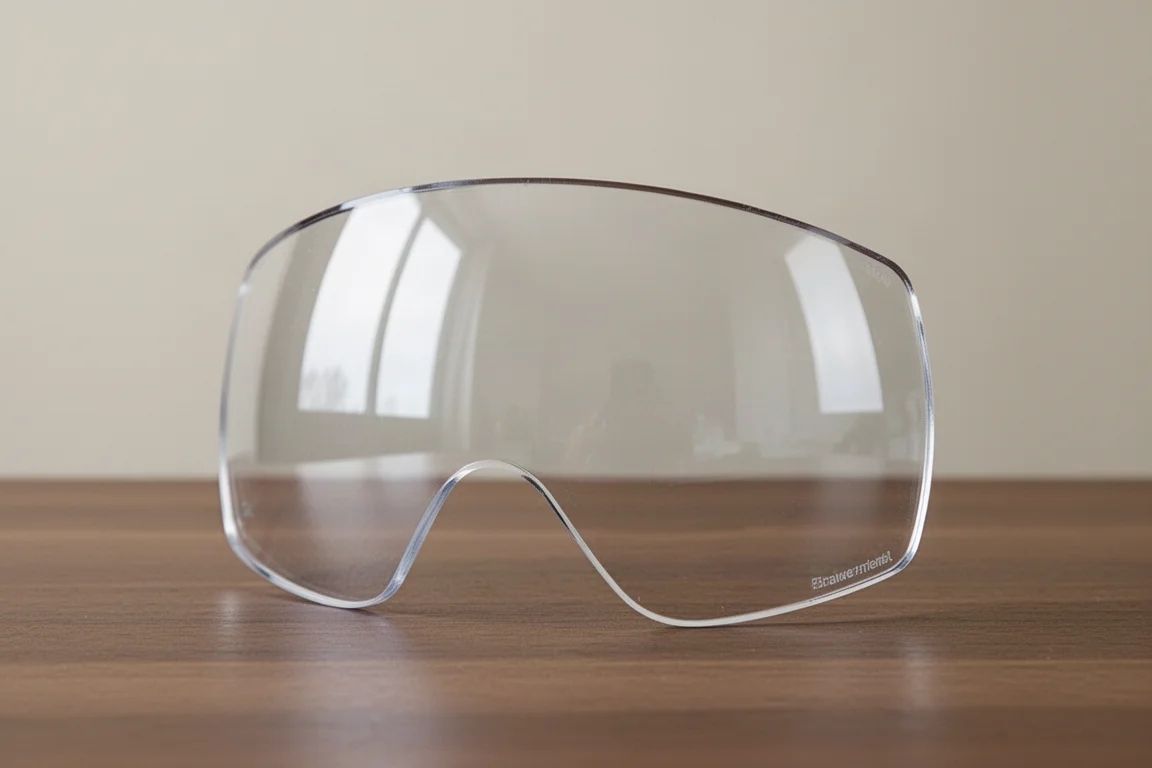
The clear lens is the most true-to-life option of the four. It brightens everything up the most, exactly as if you were not wearing a lens at all, while still shielding your eyes from snow and wind. On a run with little ice pellets whipping into your face, that protection alone made it worth wearing, and visibility was noticeably better than the blue lens.
Even with thick cloud rolling through, the clear lens keeps the scene bright and lets you see all the small detail and contours in the snow. For genuinely cloudy, low-light days, it takes the number one spot.
Which Lens Should You Pick?
Match the lens to the sky. For days that are properly overcast and flat, the clear lens is the strongest choice because it maximizes brightness without adding any tint. For cloudy days where the sun might break through occasionally, the silver with the pink tint is the better balance, since it adds contrast while taking a little glare off the snow. For a mostly sunny day, the blue lens is the one to pull out, because it shields your eyes the most when the light is strong.
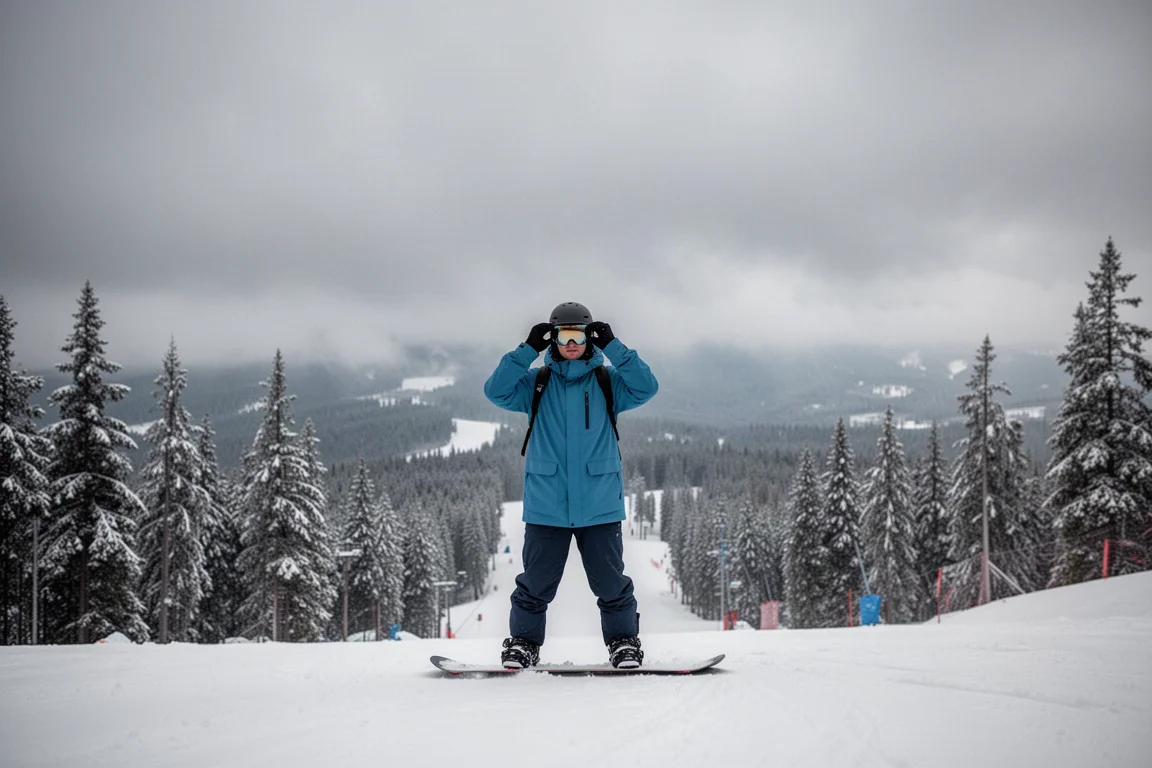
The orange lens sits in between: it adds real contrast and is clearly better than the blue in flat light, but it does not beat the clear or silver/pink options on genuinely cloudy days.
Conclusion
For low-light riding, the clear lens is the outright winner, with the silver/pink lens a close second for mixed conditions. The orange is a solid middle-ground option, and the blue lens is best saved for sunny days. Choosing based on the conditions you actually ride most often will make far more difference than any single feature, and picking up a spare lens for cloudy days is one of the cheaper upgrades you can make to your on-mountain setup.
Further reading
Related Reviews
Snowboard Goggles
Anon M4 vs Anon M4S: How to Choose the Right Snowboard Goggles
Two very similar goggles from Anon with one key difference: face size. Here is how to pick between the M4 and the M4S before you buy.
Snowboard Goggles
Anon M4S Goggles: Why Carrying Multiple Lenses Changes Your Snow Day
How the Anon M4S magnetic lens system makes swapping between low-light, all-round, and sunny lenses easy, and why that matters on a socked-in mountain day.
Snowboard Goggles
Ashberry Low-Profile Magnet Frame: What It Is and Who It's For
A closer look at Ashberry's low-profile magnet frame design, how it differs from standard magnetic goggle frames, and whether the closer fit is worth it.