Snowboard Goggles
Anon M4 vs Anon M4S: How to Choose the Right Snowboard Goggles
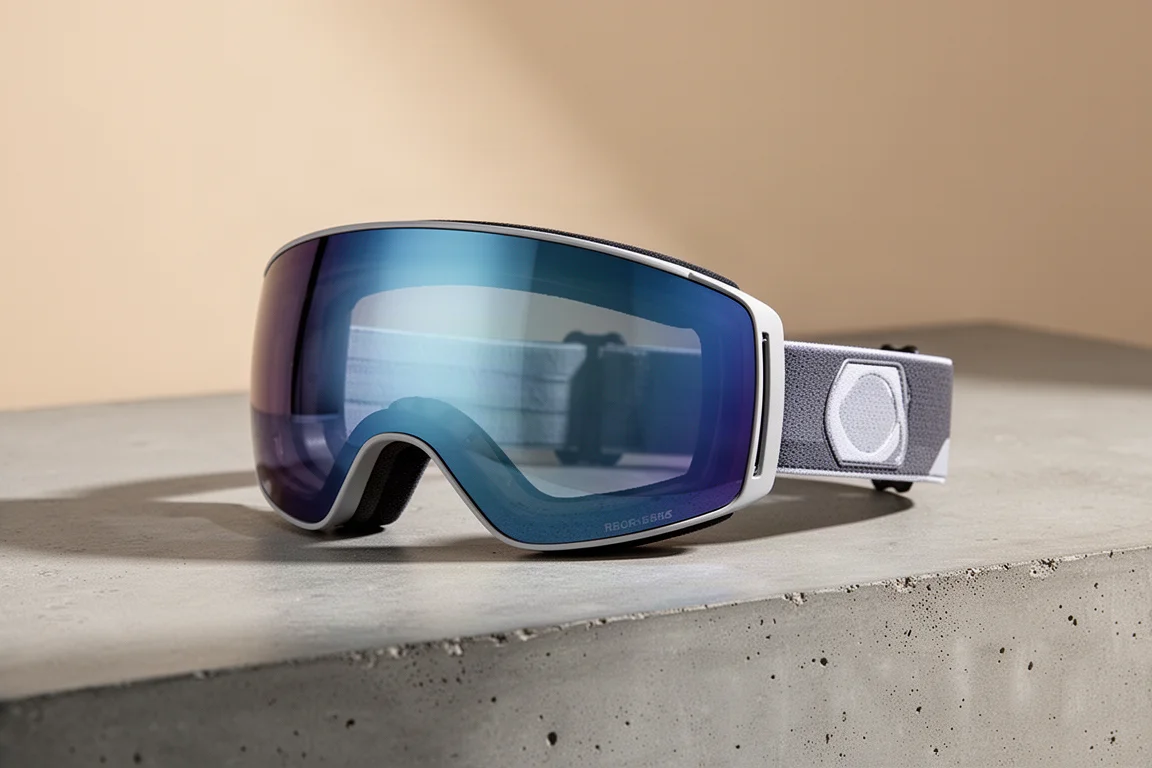
Two very similar goggles from Anon with one key difference: face size. Here is how to pick between the M4 and the M4S before you buy.
Introduction
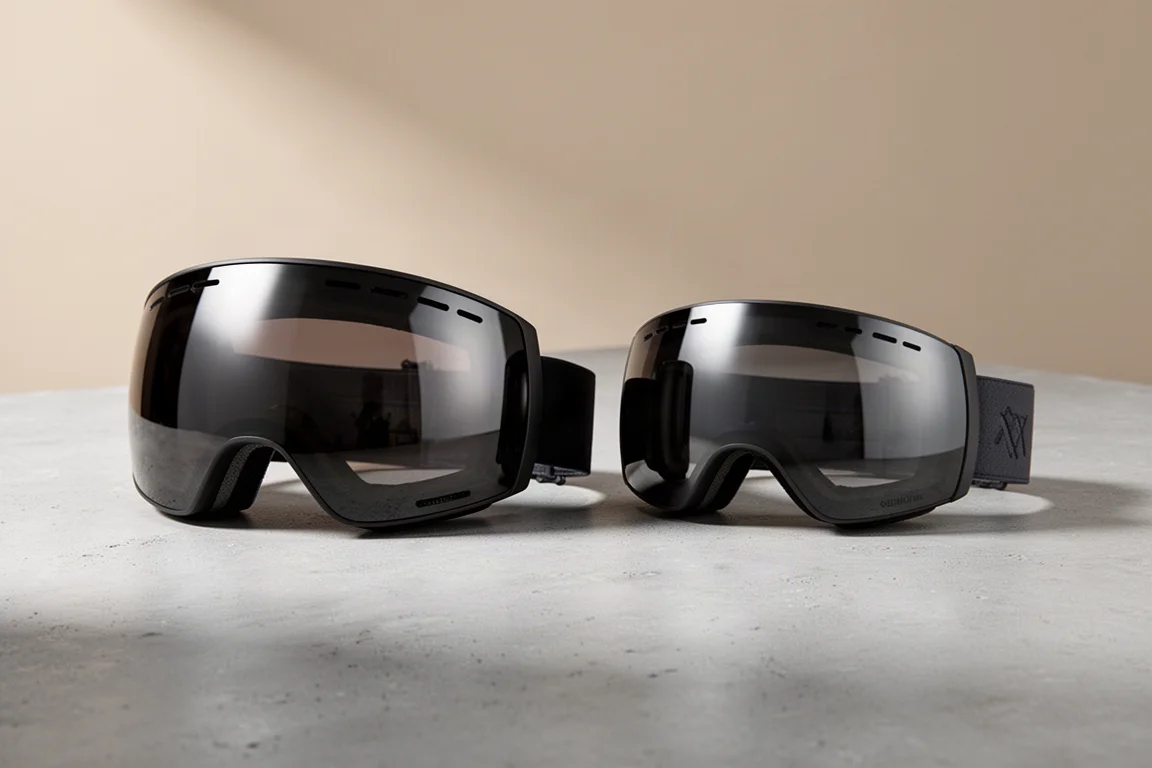
Snowboard goggles are one of those purchases that quietly decide whether your day on the mountain is great or miserable. Vision is everything, and the right pair for one rider can be completely wrong for another. Anon’s M4 and M4S are a perfect example: they look nearly identical, share the same lens system, yet one fits a large face and the other a small to medium face. This guide walks through what to check before buying, and which of the two suits which rider.
Fit and Field of View Come First
The most important thing when trying goggles on is size. When you look through the lens, you should not see a lot of the frame. If it feels like you are peering through a small window, the goggle is probably too small for your face shape.
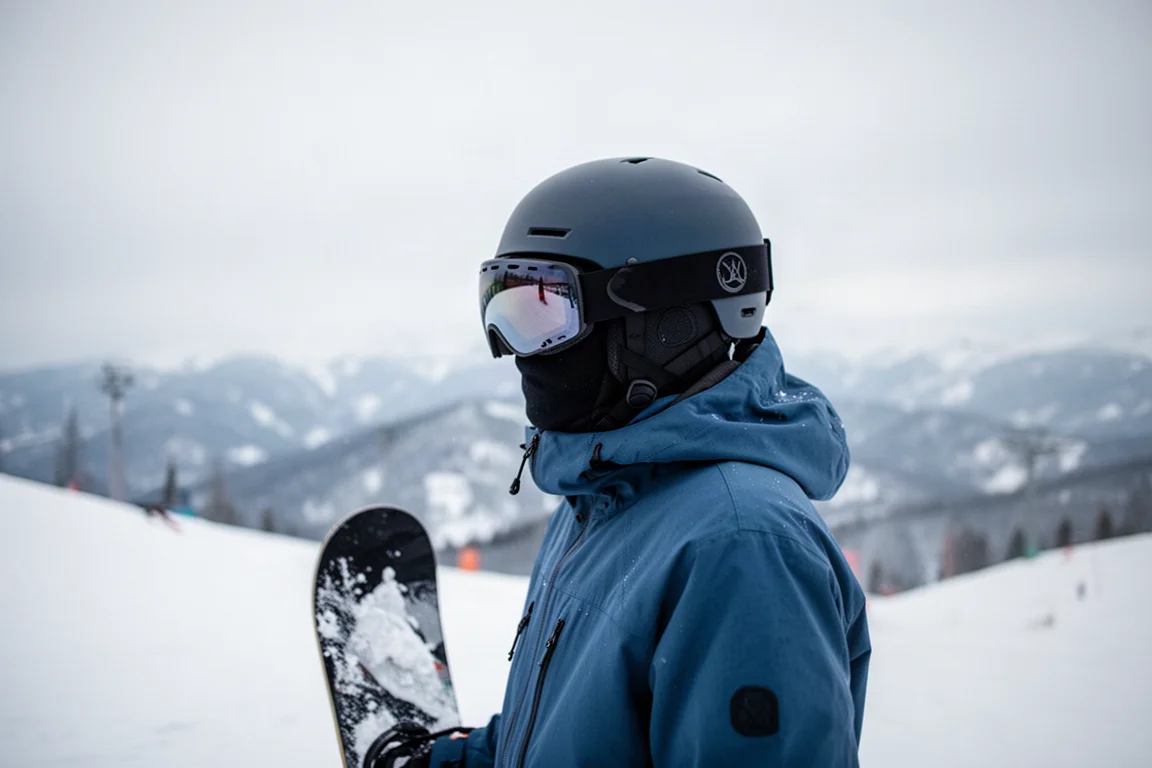
The Anon M4S is the largest goggle Anon makes, which makes it ideal for riders with larger faces. The Anon M4 is built for small to medium faces, with a frame that is noticeably smaller side to side and top to bottom. For a larger face, that narrower frame restricts the field of view; for a medium face, the M4S would simply feel oversized and uncomfortable.
Nose Foam and Facial Fit
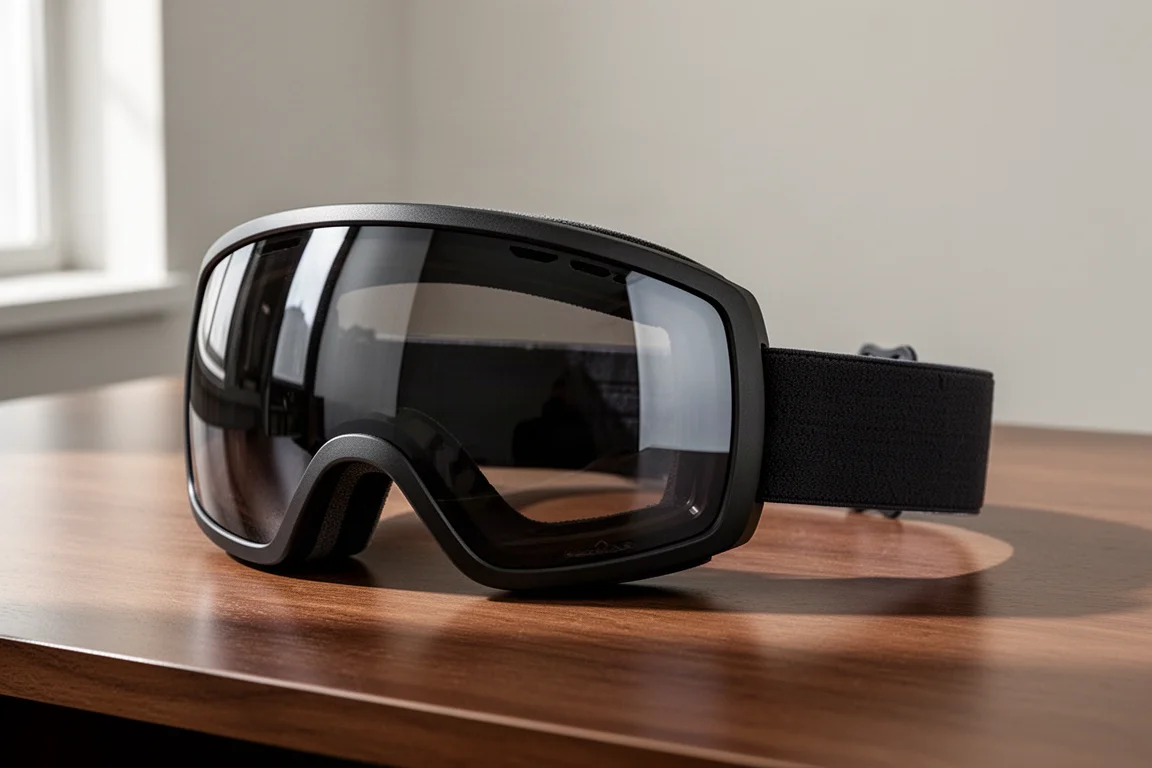
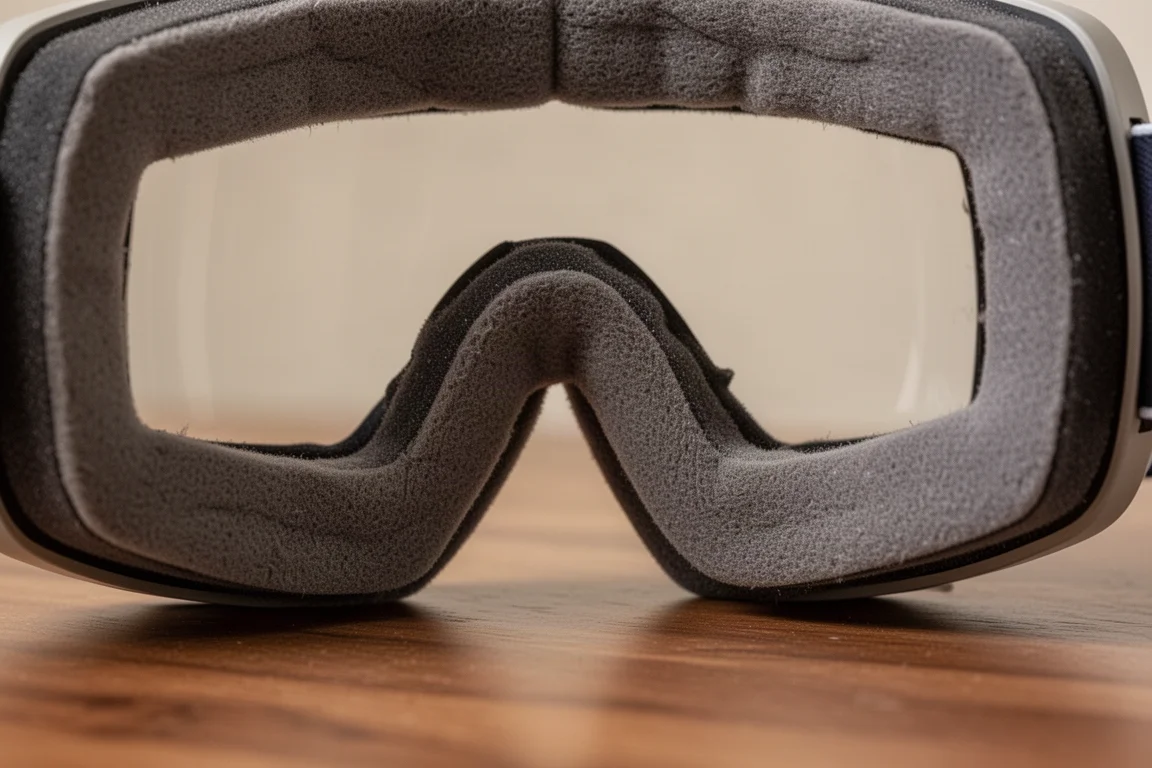
One extra sizing detail often overlooked: the foam around the nose. If you have a larger nose, you want the foam to have a cutout right where the nose sits. If you have a flatter nose, extra foam in that area helps prevent wind from sneaking in while you ride. Checking this in the store takes seconds and saves a lot of cold discomfort later.
Two Lenses for Two Conditions
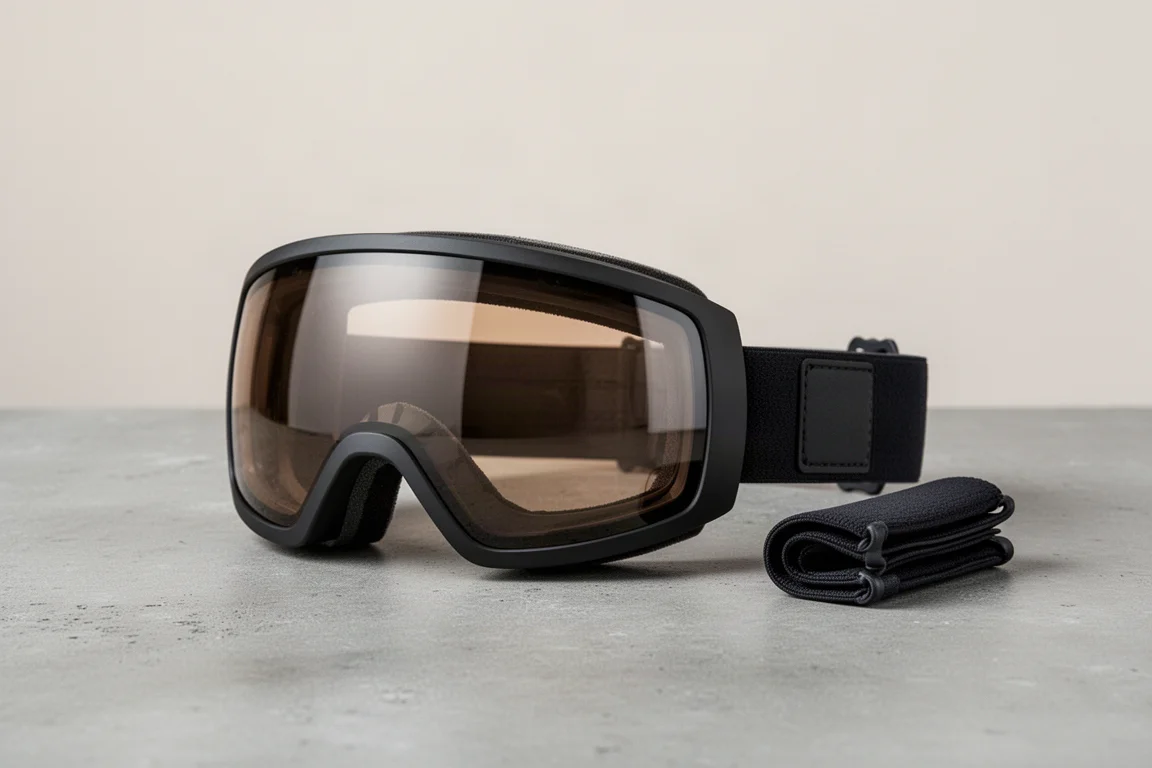
Both models come with two lenses, and this matters more than most first-time buyers expect. There are typically two types: one for sunny days and one for cloudy days. The sunny lens keeps glare and harsh light out of your eyes when you are riding the park, while the low-light lens brightens everything up so you can read the contours of the snow in fog or flat light.
Wearing the wrong lens for the conditions has a real impact on how the day feels. Being able to swap between a darker lens and a brighter one is worth prioritizing.
Ease of Lens Swapping
Related to the two-lens setup: how easy is it to actually change lenses? For riders who switch lenses a couple of times a week, sometimes even on the mountain, convenience is essential. Try the swap in the store. If it takes real effort there, imagine doing it outside in the cold with cold fingers. Lenses that pop in and out easily are the way to go.
Close-to-Face Fit
When you put the goggle on, it should sit close to your face. If it sits too far away, you get a tunnel-vision effect that limits what you can see. Both of these Anon models sit close to the face when correctly sized, which keeps the view open rather than constricted. This is the kind of fit you can only judge by trying them on, so do not skip that step.
Helmet Compatibility Matters
Another thing to check before buying: the goggles need to fit with your helmet. Bring your helmet to the store, or buy both at the same time, and try them together. You are looking for a seamless fit, with no gap between the helmet and the goggle, and a goggle shape that follows the brim of the helmet.
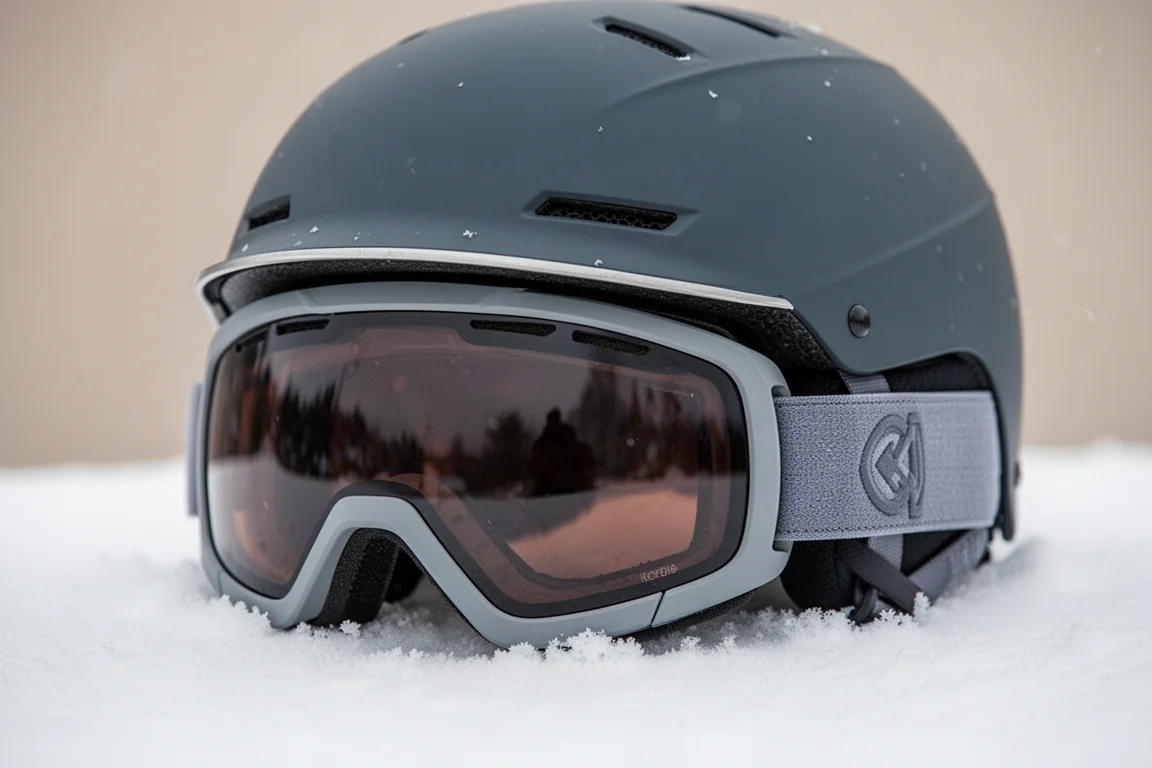
If there is a big gap up on the mountain, wind or snow gets in, and that ruins the experience quickly. A clean helmet-to-goggle fit makes the whole day noticeably better.
Ask Around Before You Buy
Before spending money, talk to friends about their experiences with different goggle brands. Each brand is known for different things, and feedback from people you trust is one of the best ways to narrow down your shortlist. Goggles are an important investment, and a little word-of-mouth goes a long way.
Which One Should You Buy?
For a rider with a larger face, the M4S is the clear pick: it offers the widest lens and field of view, sits close to the face without tunnel vision, includes two lenses, and pairs seamlessly with a helmet. For riders with a small to medium face, the M4 is the better choice, since the larger M4S would fit badly and feel uncomfortable. Either way, run through the checks above in the store before committing, because fit is the one thing no spec sheet can decide for you.
Conclusion
The Anon M4S suits larger faces that want maximum field of view, while the M4 fits small to medium faces far better. Size, close-to-face fit, two lenses, easy lens swaps, and helmet compatibility are the five things worth checking before you buy. Get them right and your goggles will make every day on the mountain better.
Further reading
Related Reviews
Snowboard Goggles
Anon M4S Goggles: Why Carrying Multiple Lenses Changes Your Snow Day
How the Anon M4S magnetic lens system makes swapping between low-light, all-round, and sunny lenses easy, and why that matters on a socked-in mountain day.
Snowboard Goggles
Ashberry Low-Profile Magnet Frame: What It Is and Who It's For
A closer look at Ashberry's low-profile magnet frame design, how it differs from standard magnetic goggle frames, and whether the closer fit is worth it.
Snowboard Goggles
Giro Contour Goggles Review: Premium Vision for the Whole Season
A top-tier goggle from Giro with a toric Zeiss Vivid lens, magnetic lens swaps, and anti-fog ventilation that holds up between powder laps.