Snowboard Goggles
Ashberry Low-Profile Magnet Frame: What It Is and Who It's For
A closer look at Ashberry's low-profile magnet frame design, how it differs from standard magnetic goggle frames, and whether the closer fit is worth it.
Introduction
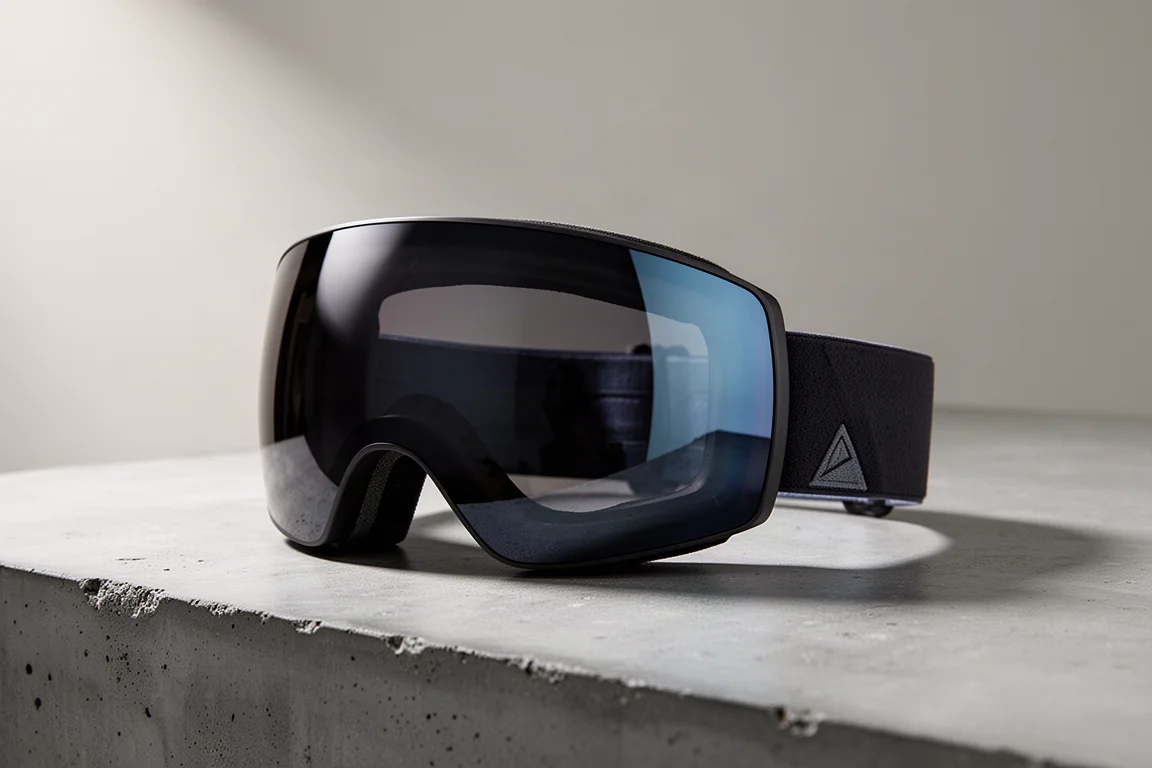
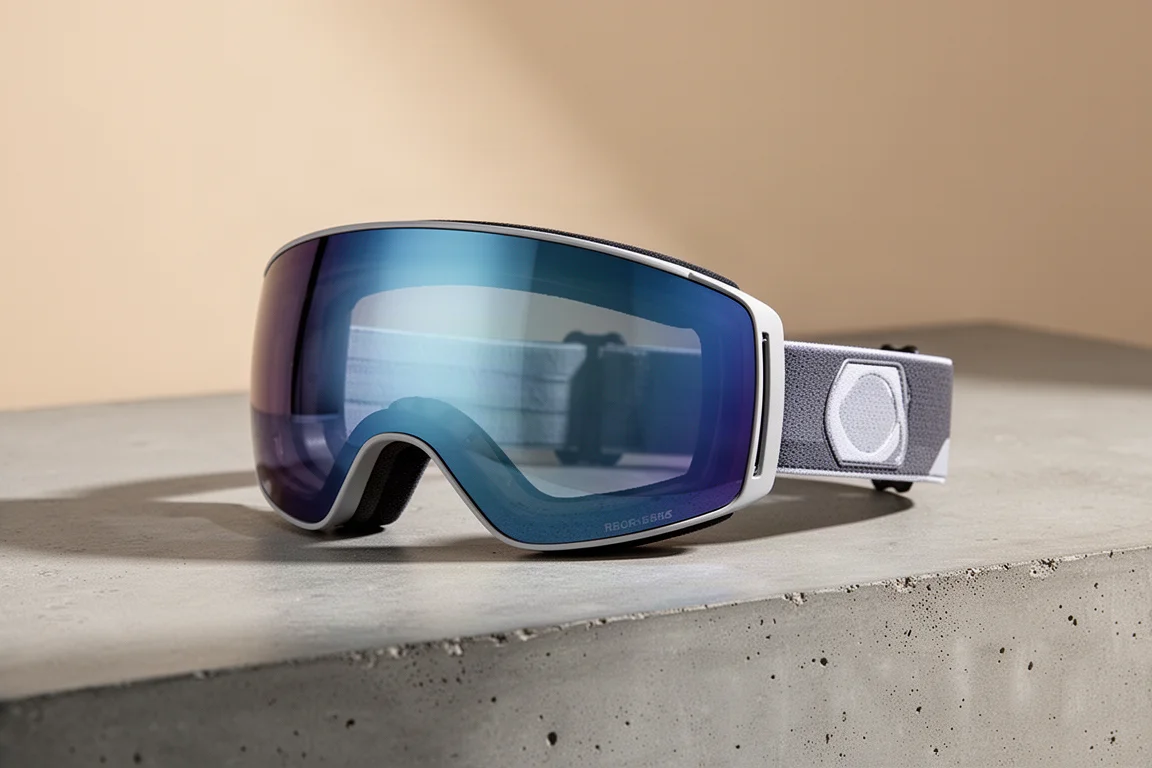
The Ashberry low-profile magnet frame is a snowboard goggle design built around one idea: getting the frame and lens closer to your face than most goggle brands manage. Magnetic quick-swap frames are nothing new, and plenty of companies use some form of low-profile magnetic frame. What sets Ashberry’s version apart is how the magnets are embedded and how the frame itself sits against your face.
In this guide we break down what the design actually does, who benefits from it, and whether it deserves a spot in your setup.
Who This Product Is For
This frame design is aimed at riders who want a streamlined goggle rather than something bulky strapped across their helmet. Because the lens sits deeper into the frame and the whole unit sits closer to the face, the benefit is most obvious for riders who care about peripheral vision and a clean line of sight.

It is worth noting one important limitation: the low-profile fit does not work well over eyeglasses. If you wear glasses on the mountain, you will want to ride with contacts or go without glasses entirely to get the intended fit.
How the Low-Profile Magnet Frame Works
Side by side with other goggles, the Ashberry frame sits noticeably closer to the face, and the lens seats into the frame rather than perching on top of it. This keeps the whole assembly more streamlined than a traditional goggle profile.
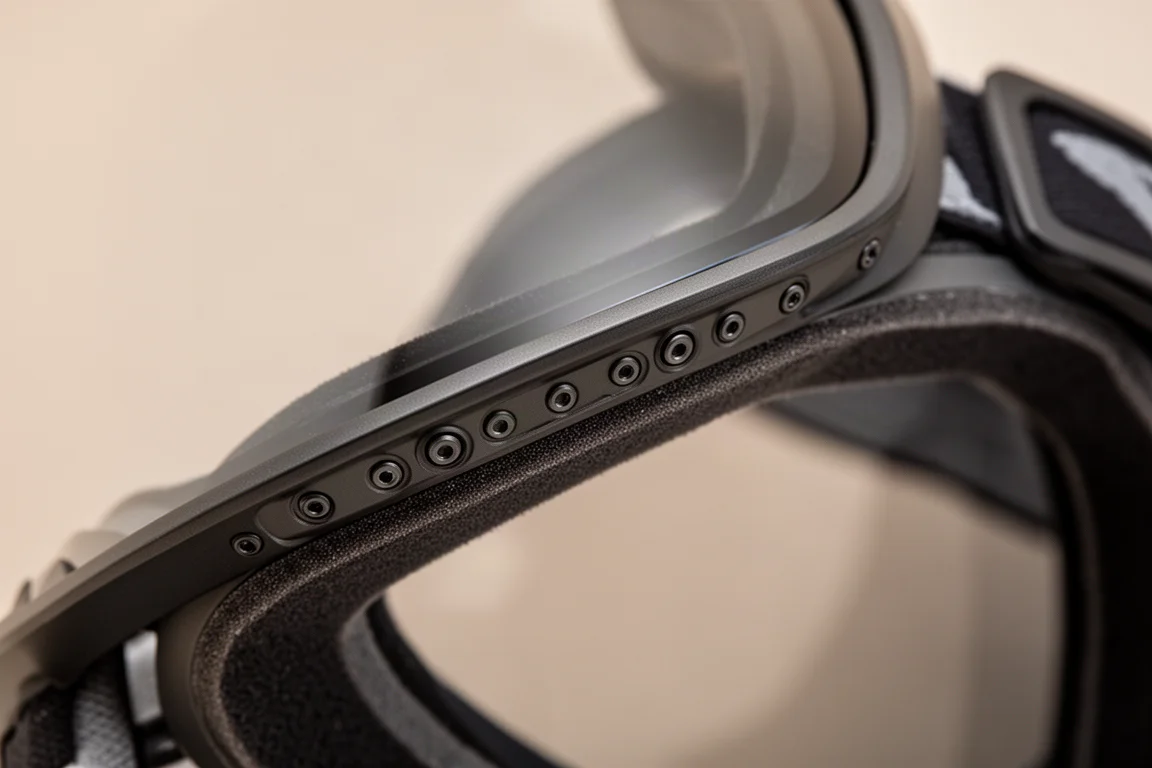
The practical payoff is twofold. First, the closer fit gives you a better peripheral view, so you are not staring at a ring of frame around the edges of your vision. Second, the reduced profile keeps the goggle from protruding away from your face, which matters more than most riders realize until they ride with both styles back to back.
Main Strengths
The biggest strength is fit. A goggle that sits close to the face is lighter and less bulky in feel, and it stays planted. When you are spinning off jumps or taking hits in the park, a heavier goggle can shift or shoot away from your face mid-trick. The low-profile magnet frame resists that movement, which makes it a genuine performance advantage rather than just an aesthetic one.

Add in the wider effective field of view from the reduced frame edge, and you get a design that earns its place through function, not looks alone.
Things to Consider Before Buying
The trade-offs are worth knowing before you commit. The close fit is the whole point of the design, but it is not compatible with wearing glasses underneath. Riders who rely on prescription glasses will either need contacts or a different goggle. It is also a design that differs mainly in fit rather than in what you see in the spec sheet, so trying goggles on remains the best way to judge how much the lower profile matters to you.
Buying Advice
If you are unsure whether this design is for you, a simple test at a local shop goes a long way: try on a few goggles and pay attention to how far the frame sits away from your face. Once you feel the difference between a proud, bulky frame and a low-profile one that hugs closer, the choice becomes much easier.

For riders who spin, press, and ride aggressively, the closer fit is an easy recommendation. The goggle simply stays where it should be, and your view of the run stays unobstructed.
Conclusion
The Ashberry low-profile magnet frame takes a familiar magnetic frame concept and refines it with embedded magnets and a fit that pulls the goggle closer to your face. The result is better peripheral vision, a lighter feel, and a goggle that stays put when the riding gets rowdy. The main caveat is eyeglasses compatibility, so contact lens wearers and glasses-free riders are the clear fit. If a streamlined, close-fitting goggle sounds like your kind of setup, this design is worth a serious look.
Product link
View more details for Ashberry Low-Profile Magnet Frame
This product is mentioned in the review. Check the specifications, options, and compatibility before buying.
View more details for Ashberry Low-Profile Magnet FrameFurther reading
Related Reviews
Snowboard Goggles
Anon M4 vs Anon M4S: How to Choose the Right Snowboard Goggles
Two very similar goggles from Anon with one key difference: face size. Here is how to pick between the M4 and the M4S before you buy.
Snowboard Goggles
Anon M4S Goggles: Why Carrying Multiple Lenses Changes Your Snow Day
How the Anon M4S magnetic lens system makes swapping between low-light, all-round, and sunny lenses easy, and why that matters on a socked-in mountain day.
Snowboard Goggles
Giro Contour Goggles Review: Premium Vision for the Whole Season
A top-tier goggle from Giro with a toric Zeiss Vivid lens, magnetic lens swaps, and anti-fog ventilation that holds up between powder laps.