Portable Power Stations
OUPES Mega One vs Mega 2: Which Portable Power Station Makes More Sense?
Two expandable LFP power stations from a brand worth knowing: a fast-charging 1K unit and a heavily featured 2K box that costs only a bit more.
Introduction
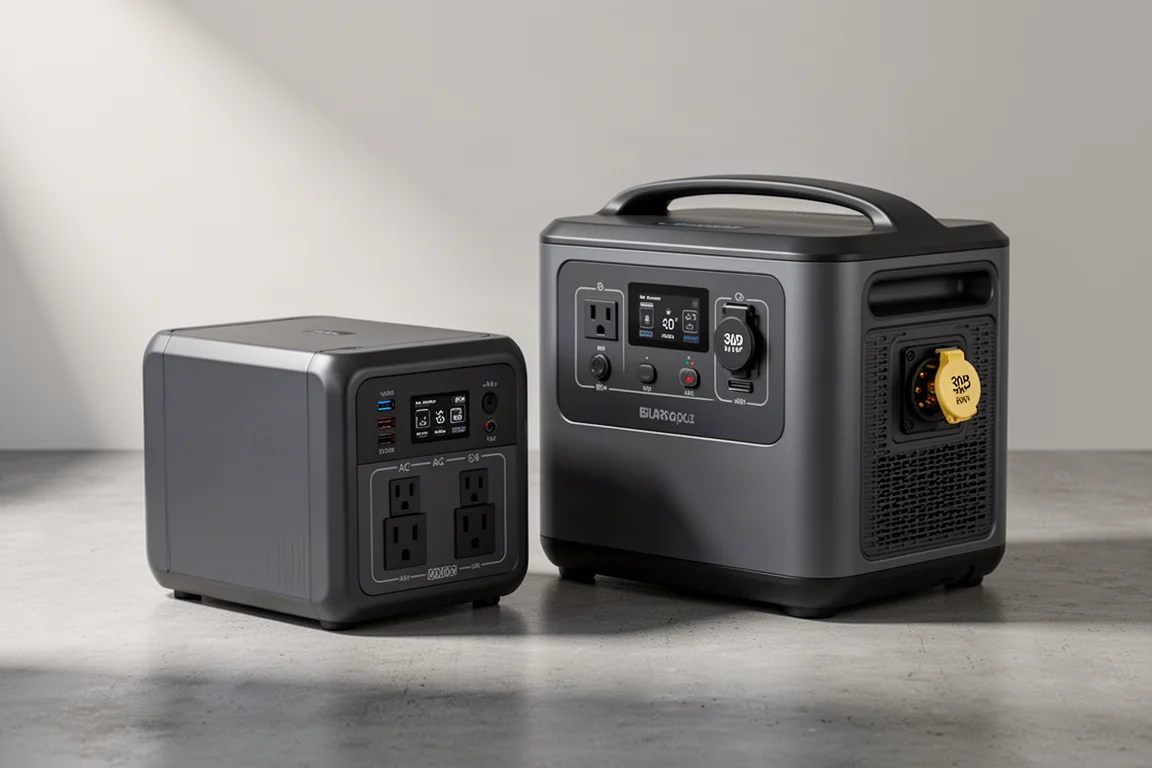
OUPES is a brand that kept coming up in reader requests, and after spending real time with two of its units, it is easy to see why. The Mega One is a 1,000-watt-class power station with a feature set you normally find on more expensive boxes, and the Mega 2 is a 2,000-watt-class unit that costs only about $100 more. Both use LFP battery chemistry, both are expandable with external batteries, and both charge surprisingly fast.
This comparison covers what each unit offers, where each one falls short, and which one makes sense for your situation.
OUPES Mega One: The Fast-Charging 1K Unit
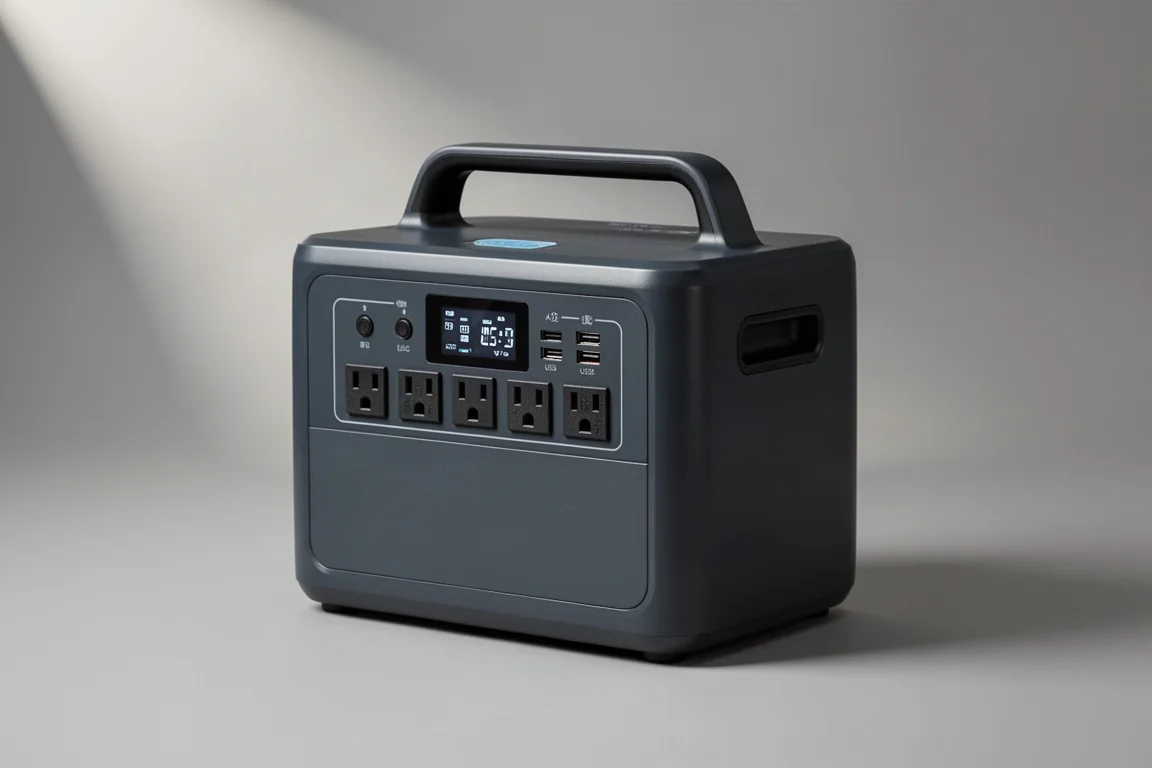
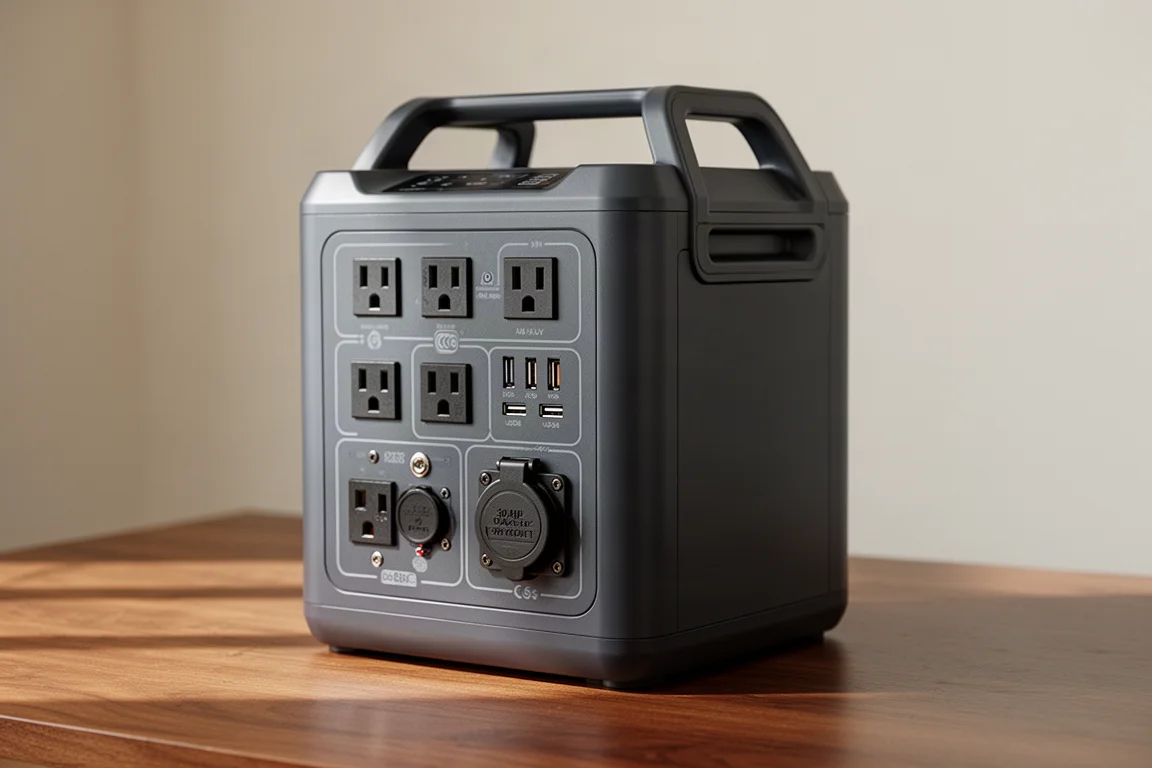
The Mega One is OUPES’s 1K box, and the port selection is generous for this class. You get four AC outlets, two PD100 USB-C ports, four QC 3.0 USB-A ports, a 12-volt cigarette lighter port, and two 12-volt barrel plugs. It also connects to the internet, so there is a companion app for monitoring and control.
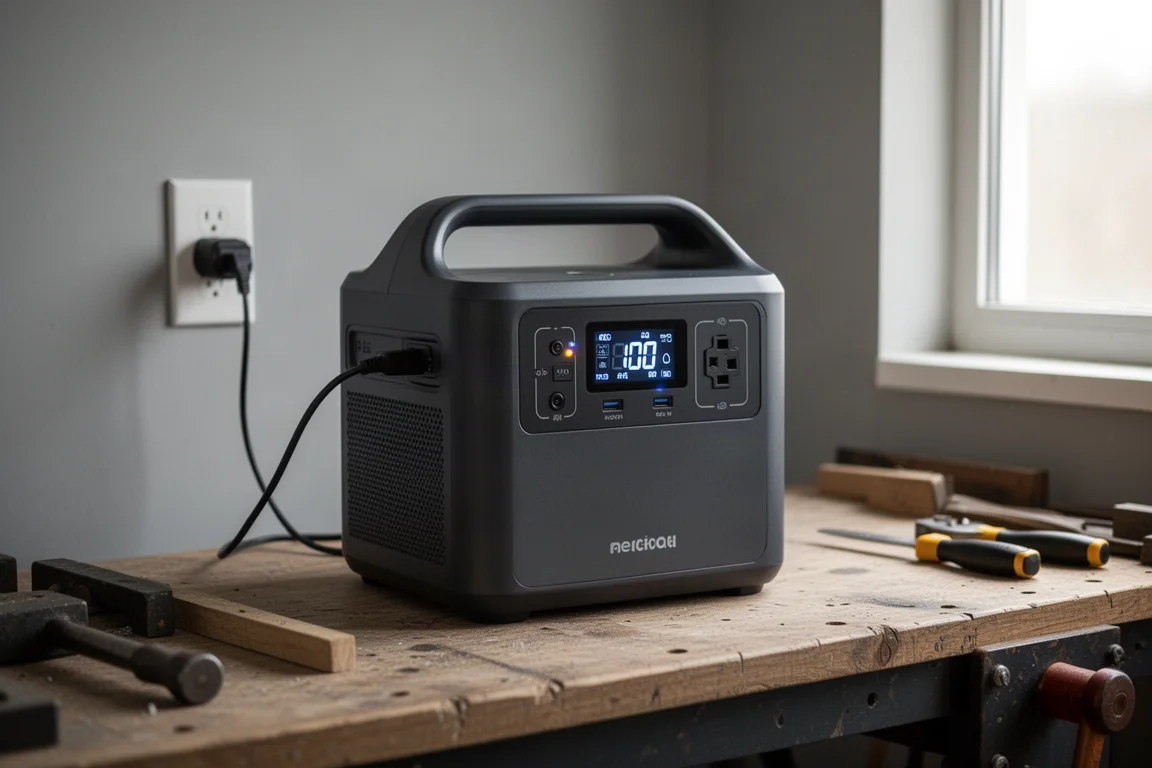
The standout spec is charging speed: the Mega One can go from empty to 100% in about 60 minutes. In real testing it delivered on that claim, going from roughly 19% to a full charge in about an hour. Under load it held around 1,021 watts with a power tool battery charger connected and pushed close to 2,000 watts momentarily with a heavier tool, though a space heater tripped it into shutdown, which is expected behavior for a 1K inverter pushed past its limit.
On the side, a rubberized door (a nice touch compared with brittle plastic covers on many competitors) hides the solar input, a 20-amp AC input, and the fuse. The other side carries an expansion battery port.
Who the Mega One Is Best For
The Mega One is expandable with up to two external batteries, which is rare in the 1K class. Pair it with two 2K external batteries and you reach roughly 5K of total storage. The catch is that all of that power still flows through the Mega One’s 1K inverter, so you cannot draw it all at once.
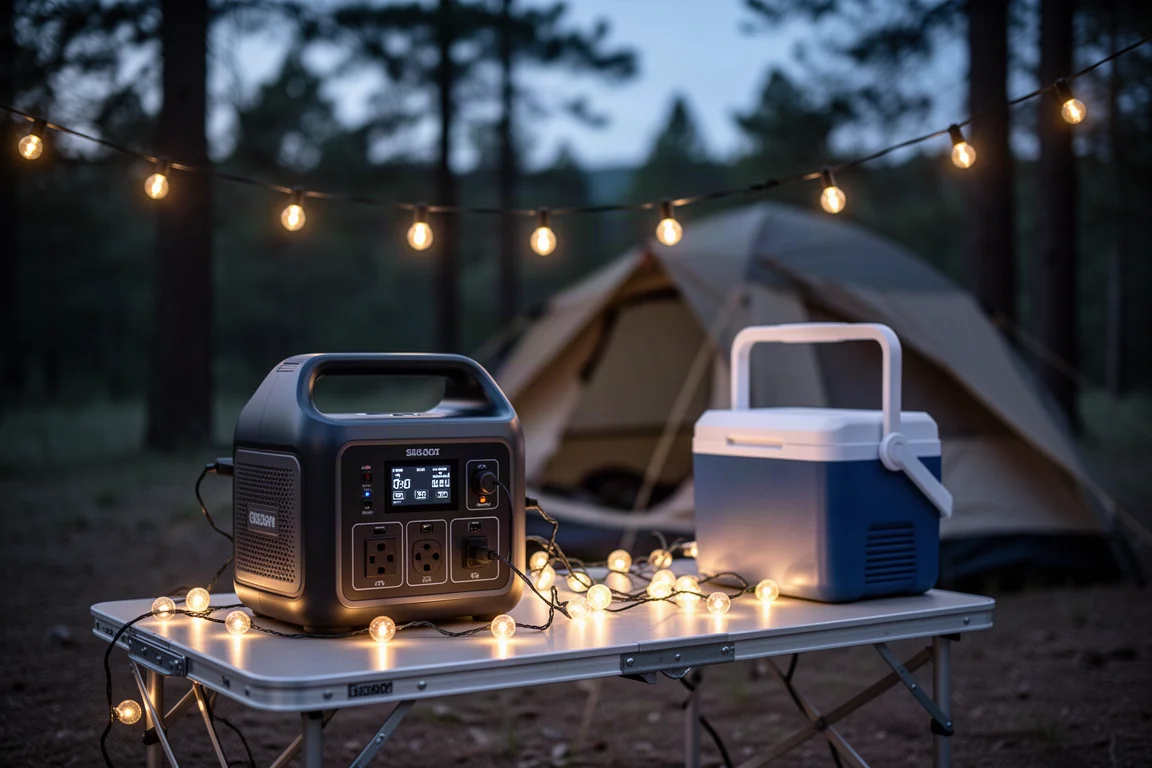
That makes it a strong fit if you do not need high output at any single moment but want long-duration power: camping trips, a cabin, or backup power during an outage. It is fairly portable, the LFP chemistry is a durability plus, and at around $700 it packs features you often see only on higher-end units.
OUPES Mega 2: The 2K Box With Serious Expansion
The Mega 2 doubles the capacity while keeping nearly the same port layout: four AC outlets, six USB ports, and a 30-amp RV-style outlet, which the Mega One does not have. It is also expandable, and the ceiling is dramatic: with the base unit plus expansion batteries you can reach up to 10 kilowatt-hours of storage flowing through one inverter box.
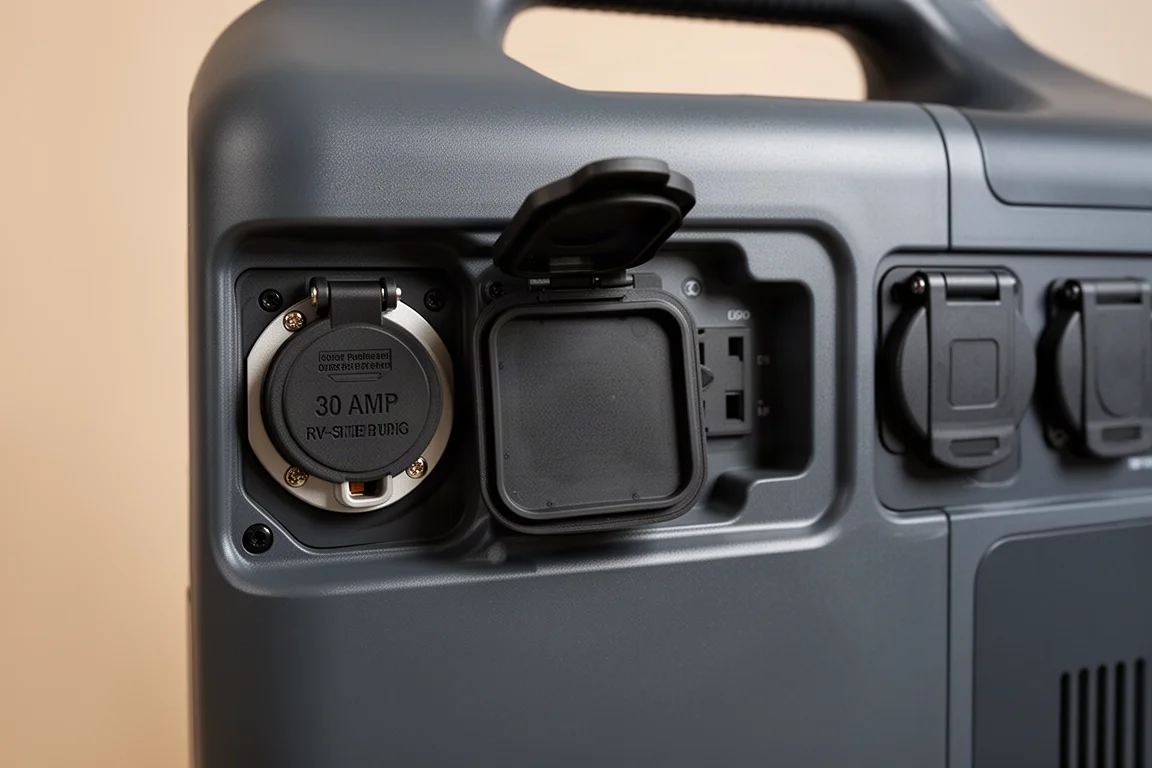
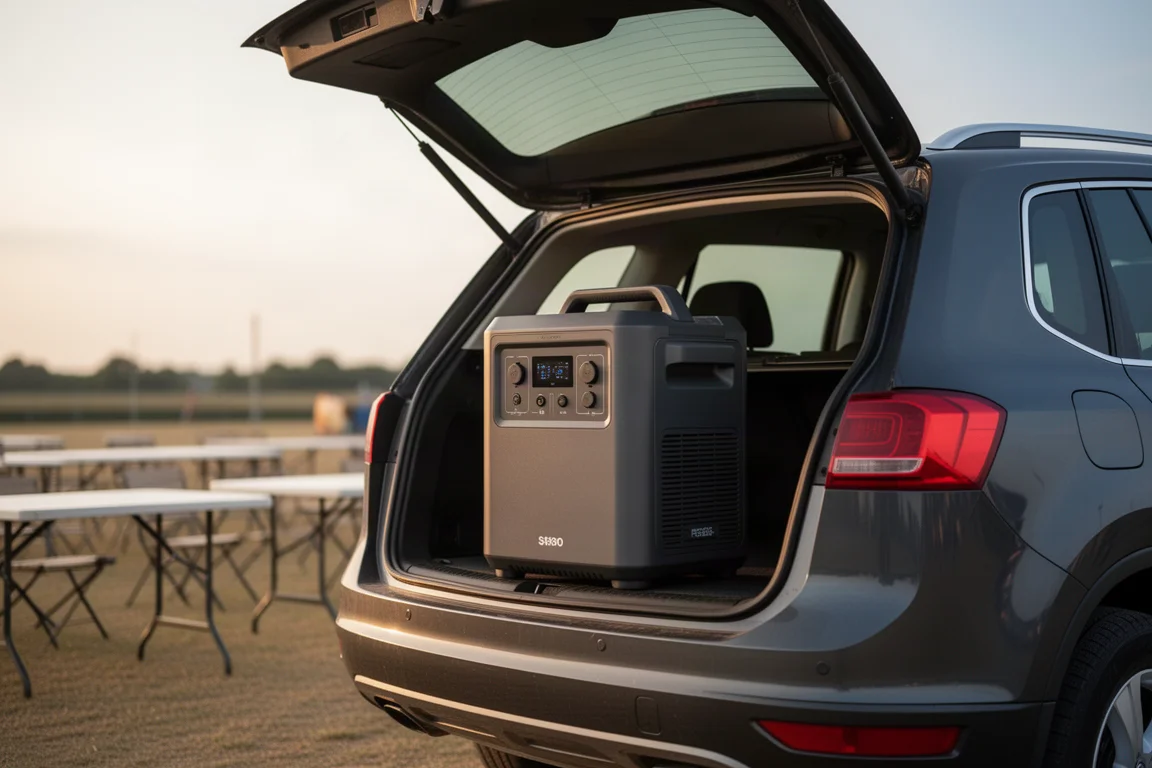
At around $800, the Mega 2 is not the most refined power station on the market. The fit and finish does not match what you get from premium brands, and it is heavier than the Mega One. Still, it is light enough to carry one-handed and to toss in the back of an SUV or truck, and because the system breaks down into separate boxes, hauling the whole setup to a cabin or RV for boondocking is realistic.
In testing, the Mega 2 held about 1,000 watts continuously, ran a tool charger that pushed output close to 2,000 watts, and kept running steadily. Like the Mega One, a space heater pushed past its comfort zone, but the unit recovered cleanly after being unplugged and reset.
Mega One vs Mega 2: Which Should You Buy?
If size and portability are your top priorities, the Mega One is the reasonable pick. It is half the capacity, easier to move, and still covers the basics with fast charging and solid port variety.
For almost anything else, the Mega 2 is the stronger value. For roughly $100 more you get double the capacity, a 30-amp RV outlet, and much higher expansion potential. That price gap makes it genuinely hard to justify the smaller unit unless you specifically need the lighter package.
Overall Buying Advice
Think about how you will actually use the unit. If you want long-duration power for camping, a cabin, or backup, either model works, but the Mega 2 gives you far more runway for the money. If you need serious output, note that OUPES also sells larger models: the Mega 3, a 3,600-watt-output unit with 3,000 watt-hours of battery that expands up to 15 kilowatt-hours, and a 5K box with 5,000 watt-hours built in that expands up to 45, designed for whole-home power. Those larger units are heavy, and the 5K is realistically a two-person lift.
For most buyers comparing these two, the Mega 2 hits the sweet spot of capacity, portability, and expansion at its price.
Conclusion
OUPES has quietly built a compelling lineup, and these two units show it well. The Mega One is a respectable, fast-charging 1K station with rare expandability, while the Mega 2 is one of the better deals in portable power right now, delivering double the capacity and an RV outlet for only about $100 more. Choose the Mega One for portability, and choose the Mega 2 for everything else.
Further reading
Related Reviews

Portable Power Stations
Anker SOLIX F3000 Review: A Powerful Portable Power Station With a Few Design Quirks
The Anker SOLIX F3000 delivers strong performance, fast charging, and a competitive price, but a few design choices may give you pause.

Portable Power Stations
EcoFlow Delta 3 Series: Five New Power Stations Previewed
EcoFlow expands the Delta 3 lineup with five models, from the compact Classic to the flagship Ultra Plus. Here is what each one offers.
Portable Power Stations
Oscal Power Max 6000 Review: A Large Solar Generator With Real Trade-Offs
A week of off-grid use shows what the Oscal Power Max 6000 handles well, where it falls short, and when a fuel generator still makes more sense.