Backpacking Packs
Osprey Unlimited Review: A $700 Backpacking Pack Built Around a 3D-Printed Lumbar
A close look at the Osprey Unlimited, a premium backpacking pack with a 3D-printed lumbar panel, an included rain cover, and a detachable hip pack, plus what $700 really buys.
Introduction
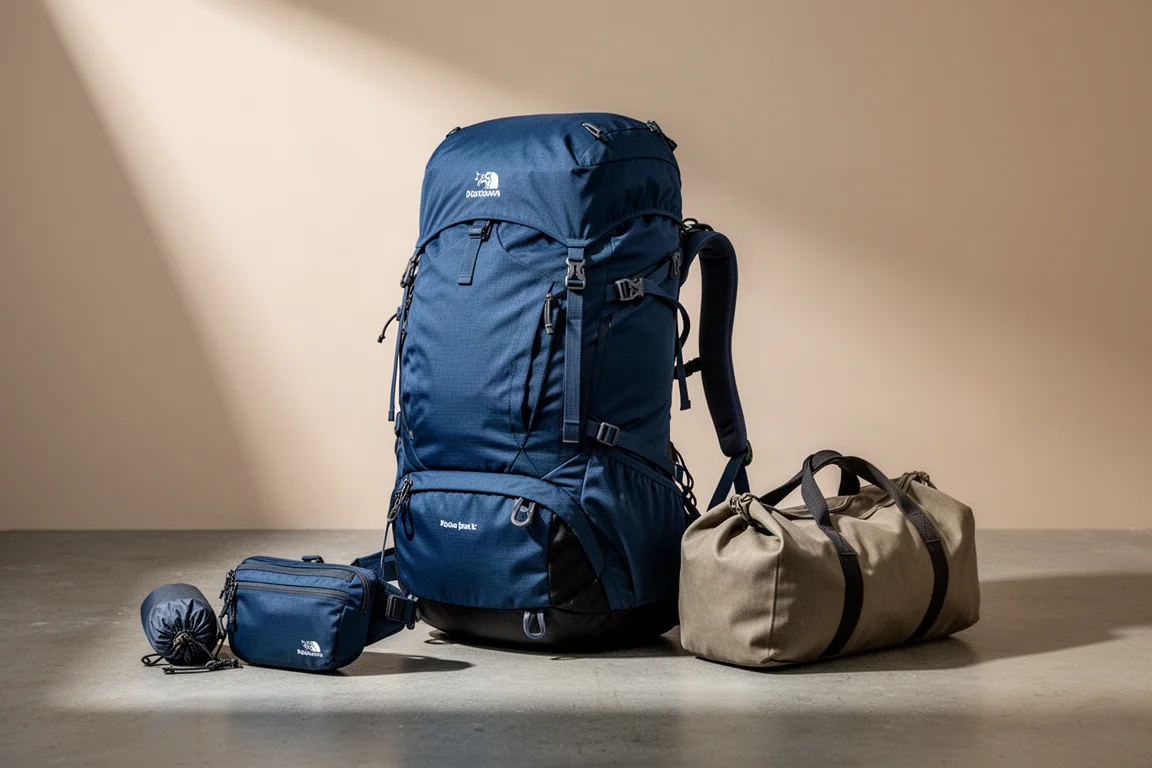
The Osprey Unlimited is what happens when a pack maker decides to ignore the cost sheet. It was developed by Osprey’s founder and its innovation team, who were given room to explore newer manufacturing techniques rather than hit a target price. The result is a backpacking pack built around a 3D-printed Fitscape lumbar panel made with Carbon DLS technology, and it sells for around $700. It even ships with its own duffel bag.
That price puts it well above what most backpackers would consider spending, so the real question is whether the design decisions behind it justify the cost. This review covers what the Unlimited does well, where it gets awkward in daily use, and who should realistically consider it.
Who the Osprey Unlimited Is For
The Unlimited makes the most sense for backpackers who carry heavier loads and care more about comfort and ventilation than about shaving grams. In testing, the pack carried roughly 35 pounds including food, water, and fuel across about 30 miles over a few days. That is the kind of load where a well-built suspension and an open back panel start to matter far more than a low base weight.
It is a less natural fit for ultralight hikers. Anyone who has trimmed their kit down to a minimal setup will find the feature set and the structure of this pack heavier than they need, and the simplicity of a stripped-back pack is a genuine advantage over long distances.
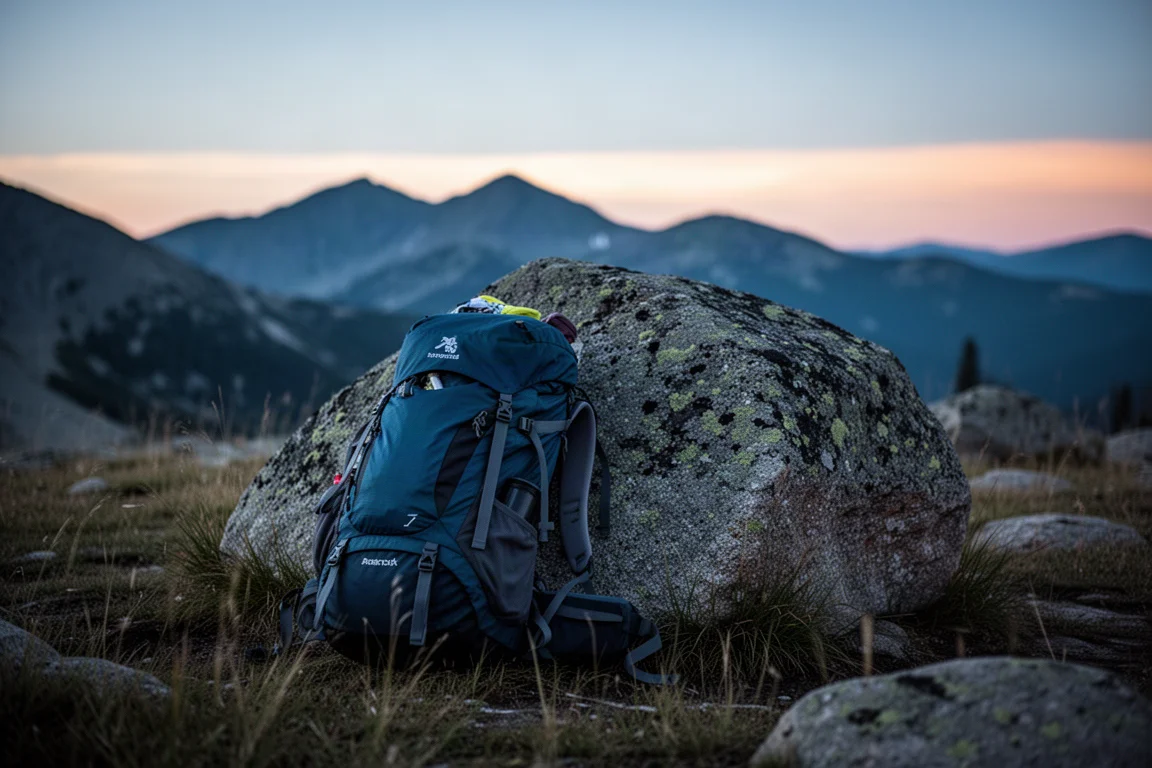
The Unlimited also suits people who want a pack that adjusts without a lot of fiddling. The frame, the load lifters, and the shoulder strap height all move to meet the wearer rather than the other way around, which shortens the setup time at the trailhead.
Main Strengths
Three areas stand out: the fit system, the ventilation, and the amount of thought that went into storage and hardware.
Fit and Suspension
The most impressive part of the Unlimited is how it carries a load. The hip belt has a wide range of adjustment and holds its position, so it does not loosen up a couple of miles into a hike. Shoulder strap height can be raised or lowered along the internal aluminum frame using alignment arrows on both sides, letting you set the pack so the straps sit cleanly over the shoulders.
Once the pack is on, pulling the two load lifter straps brings the whole thing in against the body. The frame also flexes with the wearer as they move, so the pack stays put on descents and uneven ground. With roughly 35 pounds aboard, this is where the Unlimited earns its keep.
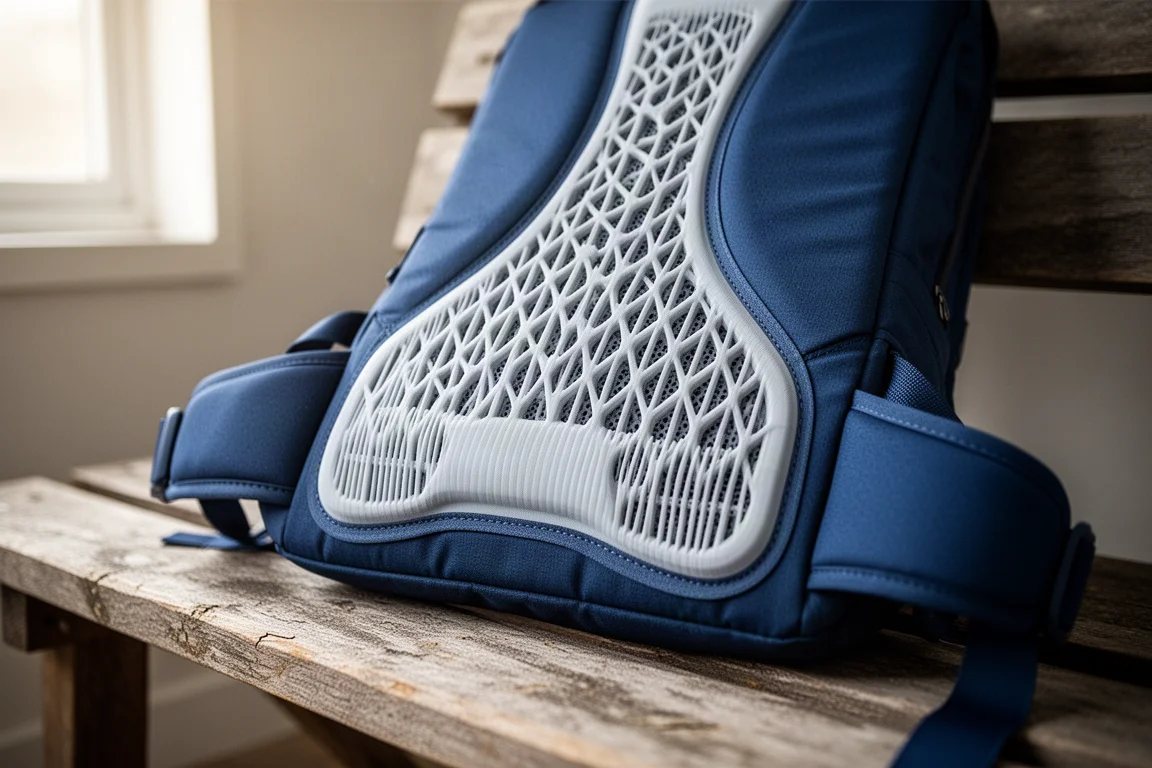
The detachable lumbar pad uses a 3D-printed lattice structure made with Carbon DLS technology. It feels soft and slightly rubbery, provides anti-slip grip against clothing, and is heavily ventilated. Whether or not that construction is strictly necessary, it is comfortable in use and clearly form-fitting rather than a flat pad.
Ventilation and Load Carriage
Ventilation is a deliberate design theme here. The back panel is open across its full length, including around the hips, with roughly two inches of separation between the outer panel and the section of the pack that holds gear. That gap does two things: it moves air across the back, and it keeps hard items inside the pack from pressing into the wearer. Your back rests against the ventilated panel, not against the contents.
For anyone who runs warm on the trail, this is the feature that will be noticed first.
Access, Storage, and Materials
Access is more flexible than on most packs. The main compartment opens from the bottom as well as from the top, and both openings lead to the same space, so you can reach gear without unpacking everything.
The detachable lumbar pad doubles as a small hip pack for side trips from camp, and it has its own hydration port so a bladder and hose can be routed through it. The main pack also has an external sleeve that lets you reach a water bladder from the outside, which means refilling does not require pulling the entire load out.
Storage details include one hip belt pocket, which is useful but needs two hands to open, and a single large mesh bottle pouch on one side that is angled forward for easy reach. The rear of the pack has two zippered pockets that cross over each other and are separated by a panel of fabric, effectively doubling that storage area. Those rear pockets are covered with fabric rather than being stretchy mesh, so they hold their shape but do not expand.
Materials are chosen for durability. The main body uses 200 denier nylon, while the base uses a heavier 500 denier nylon in a darker color to handle being set down on rock and dragged across rough ground. A DWR finish adds water resistance, the top and hip belt zippers are waterproof, and a rain cover is included rather than sold separately.
Small hardware details are worth noting too. Most of the plastic components are injection molded specifically for this pack, from the hydration tube clips to the hard corner pieces on the base that protect the fabric when the pack is stood upright. There are also attachment loops and straps for lashing a sleeping pad or a tent to the outside.
Things to Consider Before Buying
The obvious consideration is price. At around $700, the Unlimited costs roughly what a complete, carefully chosen backpacking setup can cost, which makes it a difficult recommendation on value alone.
Weight is the second factor. This is a feature-rich pack, and the structure that makes it comfortable with heavy loads is also what makes it heavier than ultralight alternatives. Backpackers who have moved to minimalist packs may find the extra material and hardware noticeable, and the simplicity of those packs is hard to give up.
A few smaller points are worth knowing before you commit. The single hip belt pocket opens with two hands, which is frustrating when you want quick access on the move. The rear zippered pockets do not stretch, so bulky items are harder to cram in than they would be in a mesh pocket. The bottle pouch sits on one side only, and pairing it with a large 1.5 liter bottle can make reaching and replacing the bottle awkward, particularly when a filter is also being swapped in and out.
Buying Advice
The Unlimited is best understood as a comfort-first pack for heavier loads. If you regularly carry 30 pounds or more, value ventilation on warm trips, and want a suspension system that sets up quickly and stays put, this is one of the more thoughtfully built options available. The 3D-printed lumbar panel, the external bladder access, and the included rain cover all point to a pack designed around real trail problems rather than spec-sheet numbers.
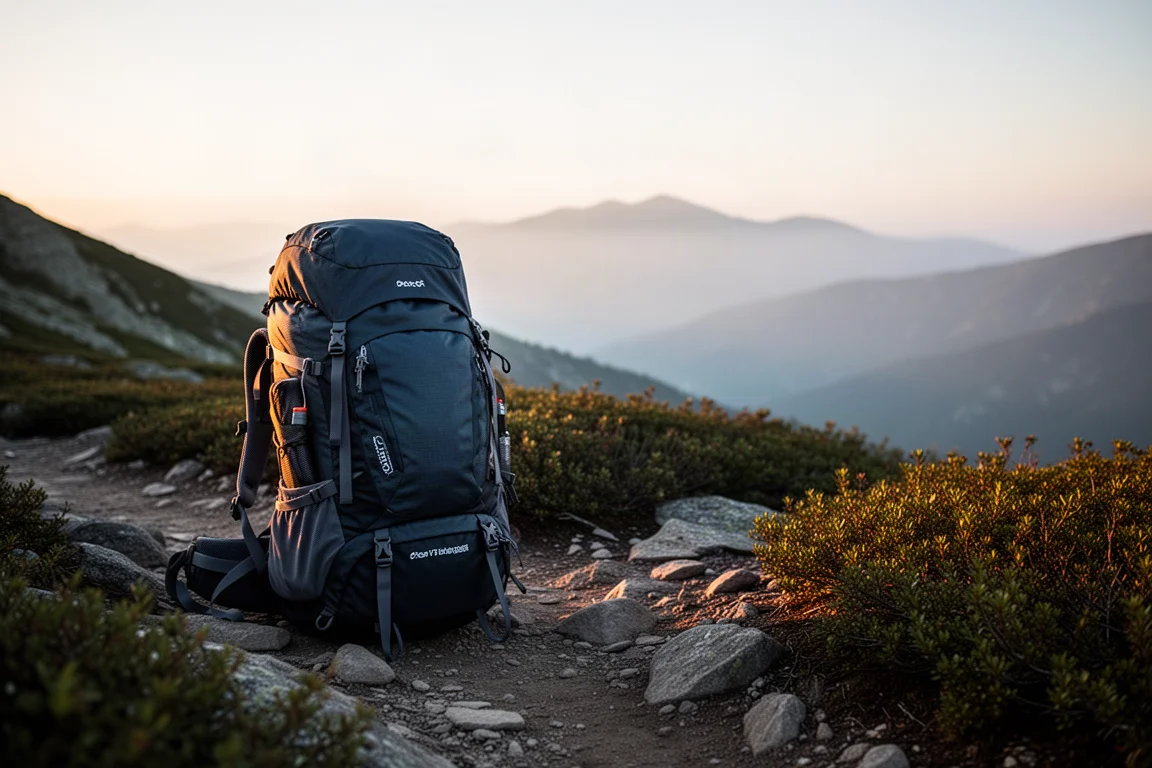
If your kit is already light, or if the price is a stretch, a simpler pack will serve you well and leave budget for the rest of your gear. The Unlimited is not the rational choice for everyone, and it does not pretend to be. It is the choice for someone who has decided that carrying comfort is the priority.
Before ordering, check that the torso adjustment range suits your body and think honestly about the loads you typically carry. A pack like this rewards the right match and is wasted on a light load.
Conclusion
The Osprey Unlimited is a genuinely impressive piece of design. The fit system, the ventilated back panel, the flexible access, and the durable materials all hold up in use, and it carries a heavy load with less fatigue than most packs. The $700 price and the weight are real trade-offs, and they are the reasons many backpackers will look elsewhere.
If comfort with a heavy pack is what you are shopping for, the Unlimited is worth serious consideration. If you are counting grams or watching your budget, it is a harder sell.
Product link
View more details for Osprey Unlimited
This product is mentioned in the review. Check the specifications, options, and compatibility before buying.
View more details for Osprey UnlimitedFurther reading
Related Reviews
Backpacking Packs
Backpacking Pack Types Compared: Traditional, Ultralight, Frameless, and Hybrid
Four pack categories, four representative packs, and a practical way to decide which kind of backpacking pack matches the weight of your gear.
Backpacking Packs
Best Backpacking Packs 2026: Six Picks for Every Style of Trip
Six backpacking packs that earned their place by weight class and purpose, with the real strengths and trade-offs to weigh before you buy.
Backpacking Packs
Big Agnes Prospector 50 Review: A Hybrid Pack That Sits Between Two Worlds
A 50-liter backpacking pack that mixes ultralight features with traditional padding and panel access. Here is who it suits and where it falls short.