Backpacking Packs
Osprey Unlimited Anti-Gravity 64 Review: Premium Build, Serious Trade-Offs
A long-term look at Osprey's $700 backpacking pack, covering its class-leading ventilation, premium materials, heavy weight, and the value case against the Atmos AG.
Introduction
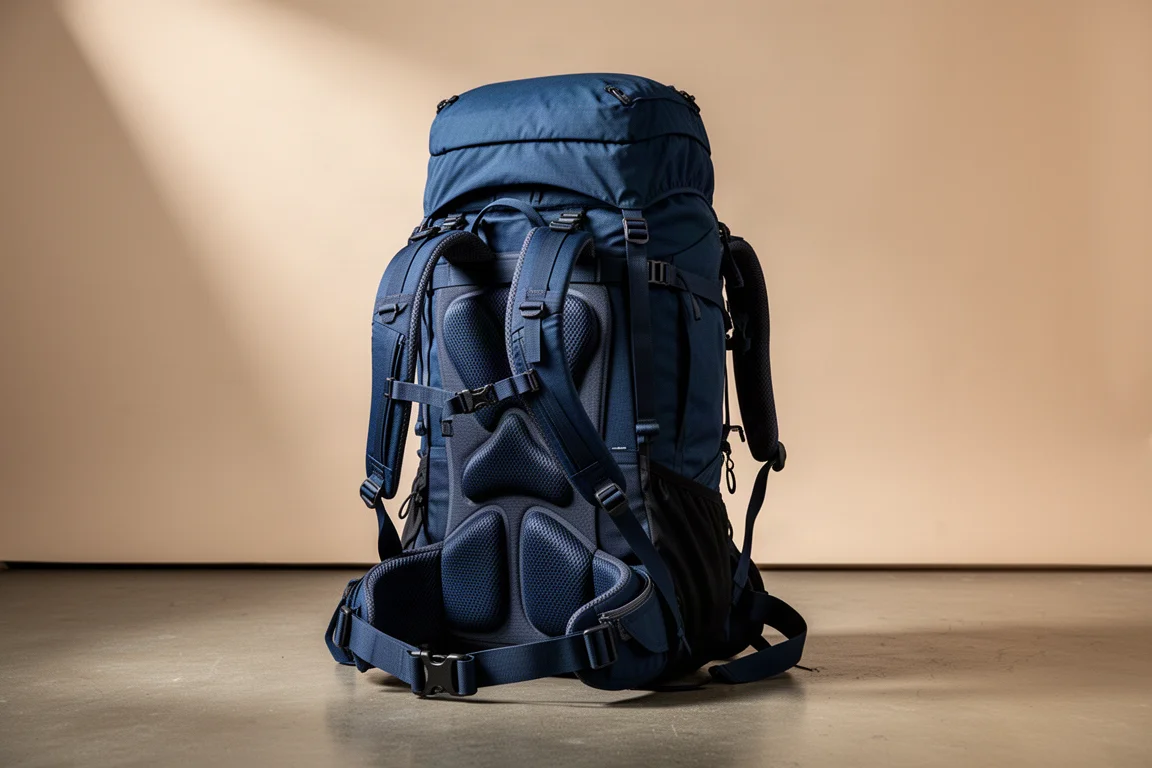
Osprey’s Unlimited project set out to collect every technological advance the company has developed since it was founded, and the Anti-Gravity 64 is the backpacking pack at the centre of that effort. Development took more than two years, and the brief was deliberately unusual: design the best pack the company could manage, then worry about the price. The result is a 64-litre pack priced at around $700 at the time of writing, down from an earlier figure closer to $750.
That price is the most important fact about this backpack. It sits at the very top of the backpacking market, and Osprey focused on design, capability and performance rather than on cost. The pack is built on the Atmos AG platform, a design that already sells for around $240 and that remains a very good backpack in its own right.

After more than a year of real-world use across a wide range of load weights, the verdict is clear. This is a very good backpack with one genuinely outstanding strength, several practical drawbacks, and a price that is difficult to justify.
Who This Backpack Is For
This pack makes the most sense for hikers who place ventilation at the very top of their priorities. Airflow is the one area where the Anti-Gravity 64 clearly outperforms everything else, and it is the main reason to consider paying this much.
It also suits hikers carrying moderate loads, roughly 22 to 35 pounds, who want a rigid, locked-in carry and premium materials that feel like they will last for years. Osprey’s lifetime guarantee covers its packs for any reason and from any era, which adds real long-term confidence.
It is a harder recommendation for value-focused buyers, for anyone who cannot try the pack on before purchasing, and for larger-framed hikers who may find the stiff frame unforgiving. Hikers who want to drink without stopping will also find the water bottle pockets frustrating.
Main Strengths
Materials and Build Quality
The materials are top-notch, and they should be at this price. Every stitch is clean, the fabrics feel premium, and the pack gives the impression that it will hold up for many seasons. Construction is a step above the Atmos AG, which uses very good, very tough materials of its own but not quite at this level.
Water resistance is strong for a fabric pack. The materials shed light rain well, and a rain cover is included for proper downpours, which is exactly how a pack like this should be set up. A generous set of compression straps lets you cinch a load down so it stops shifting.
Ventilation and Carry Comfort
Ventilation is the headline. In extended side-by-side use it outperforms every other backpack tested, including the Atmos AG, and it comes down to the 3D printed back panel, the lumbar support and the harness design.
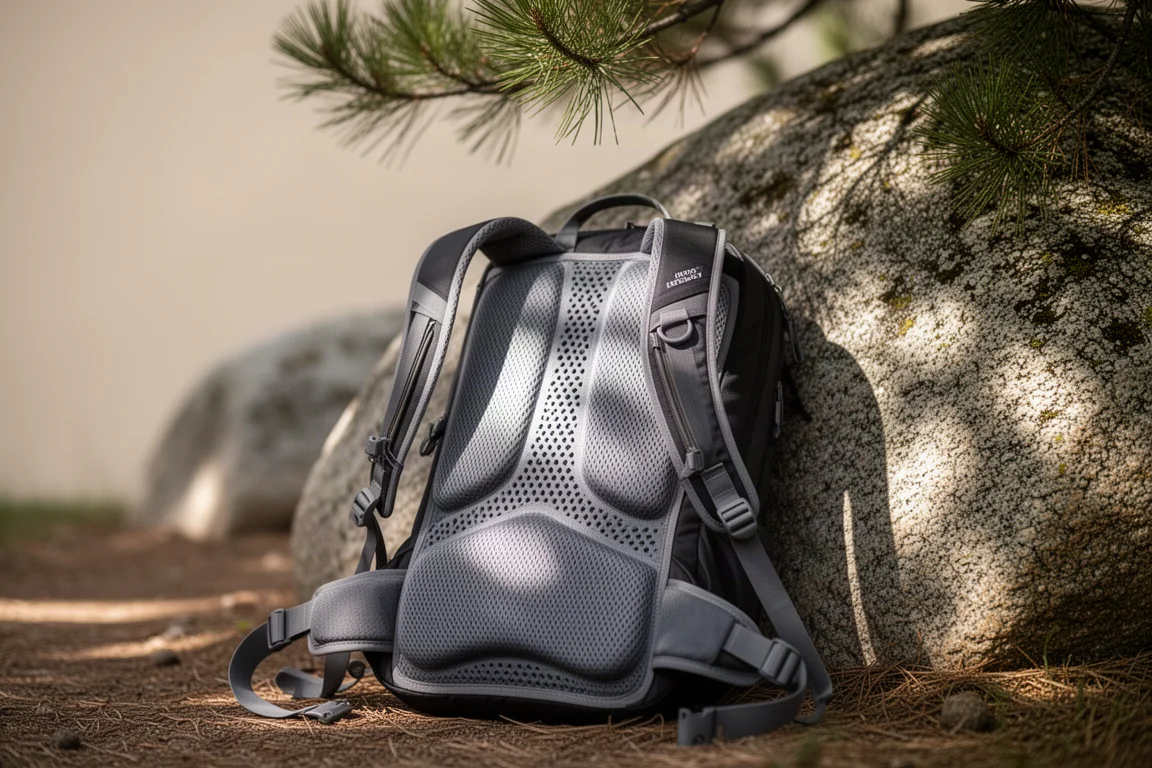
The clearest demonstration came on off-trail desert hiking in Utah with temperatures around 85 degrees Fahrenheit. Even pushing hard uphill, the back and shoulders were dry once the pack came off. For hot-climate hikers and anyone who sweats heavily under load, that is a meaningful difference rather than a marketing line.
Load handling matches the comfort. Trips ranged from around 22 pounds up to roughly 35 pounds, and the pack carried both ends of that range with ease. The harness, torso length and waist belt are all fully adjustable, and adjustments can be made without taking the pack off. That adjustment range is wider than on other Osprey packs, including the Atmos AG.
Adjustment, Access, and Storage
The suspension is extremely rigid, and that rigidity is what locks a load against the back. Tighten the compression straps, dial in the harness, and the pack sits very close and very stable.
Access is well thought out. There is a zipper at the top and a U-shaped zipper at the base, so gear can be reached from either end. The lid is unusually adaptable: it can run on the pack, be worn as a fanny pack, or be left at home when you do not need the capacity. Pocket count is well judged, with enough organisation for a multi-day load without so many compartments that gear disappears into them.
The blue and black colourway also looks sharp in person, which is a small point but a genuine one.
Things to Consider Before Buying
A few issues come up consistently in extended use, and most of them trace back to the same rigid, heavily built frame that makes the pack so stable in the first place.
None of these drawbacks make the Anti-Gravity 64 a bad backpack. They do, however, change who should buy it and how much sense the price makes.
Weight and Packed Size
For a pack loaded with every advance Osprey could bring together, the weight is disappointing. It measures around five and a half pounds on the scale and close to six pounds by specification, which is heavy for a 64-litre backpacking pack. The weight and the capacity do not line up well.
The bulk is just as noticeable as the weight. The pack wears large, and because the frame sits high, the head cannot be tipped fully back without contacting the top of the pack. A backpack should eventually fade from your awareness on a long hike. This one does not. It stays present from the trailhead to camp.
Fit and Frame Rigidity
The fit is excellent for some hikers and difficult for others, and the frame is the reason. The harness, waist belt and frame are exceptionally stiff, with very little flex, so the pack hugs the body tightly and offers minimal give.
For a frame that matches the pack’s proportions, that tight fit is comfortable and efficient. For larger waists, broader shoulders or more muscular builds, the lack of flex translates into pressure and discomfort. This is a pack to try on in person before committing, and the Atmos AG is the safer choice for anyone who cannot.
Price and What Comes With It
At around $700, the Anti-Gravity 64 is priced far above the Atmos AG it is based on. The Atmos AG delivers most of the same experience for a fraction of the cost, and in extended use the two feel far more similar than the price gap suggests. Ventilation is the only area where the difference is unmistakable.
The price also includes a travel bag that the pack can be stored inside for flights. It is a useful item for some buyers and dead weight for many others, and it would make more sense as an optional add-on than as part of a mandatory bundle. There are two versions of the pack, the Anti-Gravity and the Airscape, with the Airscape built to haul even heavier loads.
Water Bottle Access on the Move
The angled water bottle pockets are not reachable while the pack is worn. Drinking means stopping, taking the pack off, and putting it back on, or asking a hiking partner to pass a bottle over. On a hot day that is a real annoyance, and it works against the pack’s biggest strength.
Buying Advice
The Anti-Gravity 64 is a strong product that is hard to recommend at full price. If ventilation in hot conditions matters more to you than anything else, and the frame fits your build, this is one of the most effective packs available. Try it on first, ideally with weight inside it.
For most backpackers, the Atmos AG is the better decision. It offers a very similar carry, a fair price, and the same lifetime guarantee, leaving a substantial amount of budget for other gear or for funding the trip itself. A spare shirt and a willingness to sweat a little costs far less than the upgrade.
If you do go ahead with the Anti-Gravity 64, check current pricing before ordering. The list price has already moved from around $750 to around $700, so there is little reason to pay the top figure.
Conclusion
Osprey deserves credit for building something genuinely new, and the ventilation system here is the best available in a backpacking pack. The materials, the build quality and the adjustment range are all excellent, and the lifetime guarantee makes the long-term ownership case easy.
The problem is everything else. The pack is heavy, it wears large, it never quite disappears on the trail, the water bottle pockets are impractical on the move, and the frame will not suit every body type. Add a price of around $700 and the maths stops working, especially with the Atmos AG sitting alongside it for around $240.
This is a very good backpack that does not do enough to justify its price. Buy it for the ventilation if that is your priority, but go in with clear expectations about the trade-offs.
Product link
View more details for Osprey Unlimited Anti-Gravity 64
This product is mentioned in the review. Check the specifications, options, and compatibility before buying.
View more details for Osprey Unlimited Anti-Gravity 64Further reading
Related Reviews
Backpacking Packs
Backpacking Pack Types Compared: Traditional, Ultralight, Frameless, and Hybrid
Four pack categories, four representative packs, and a practical way to decide which kind of backpacking pack matches the weight of your gear.
Backpacking Packs
Best Backpacking Packs 2026: Six Picks for Every Style of Trip
Six backpacking packs that earned their place by weight class and purpose, with the real strengths and trade-offs to weigh before you buy.
Backpacking Packs
Big Agnes Prospector 50 Review: A Hybrid Pack That Sits Between Two Worlds
A 50-liter backpacking pack that mixes ultralight features with traditional padding and panel access. Here is who it suits and where it falls short.