Hiking Backpacks
Waymark Mile 28L Review: A 16-Ounce Pack for Day Hikes and Overnights
An ultralight 28 liter backpack that covers day hikes and light overnights at roughly 16 ounces, with recycled fabrics and genuinely useful organization.
Introduction
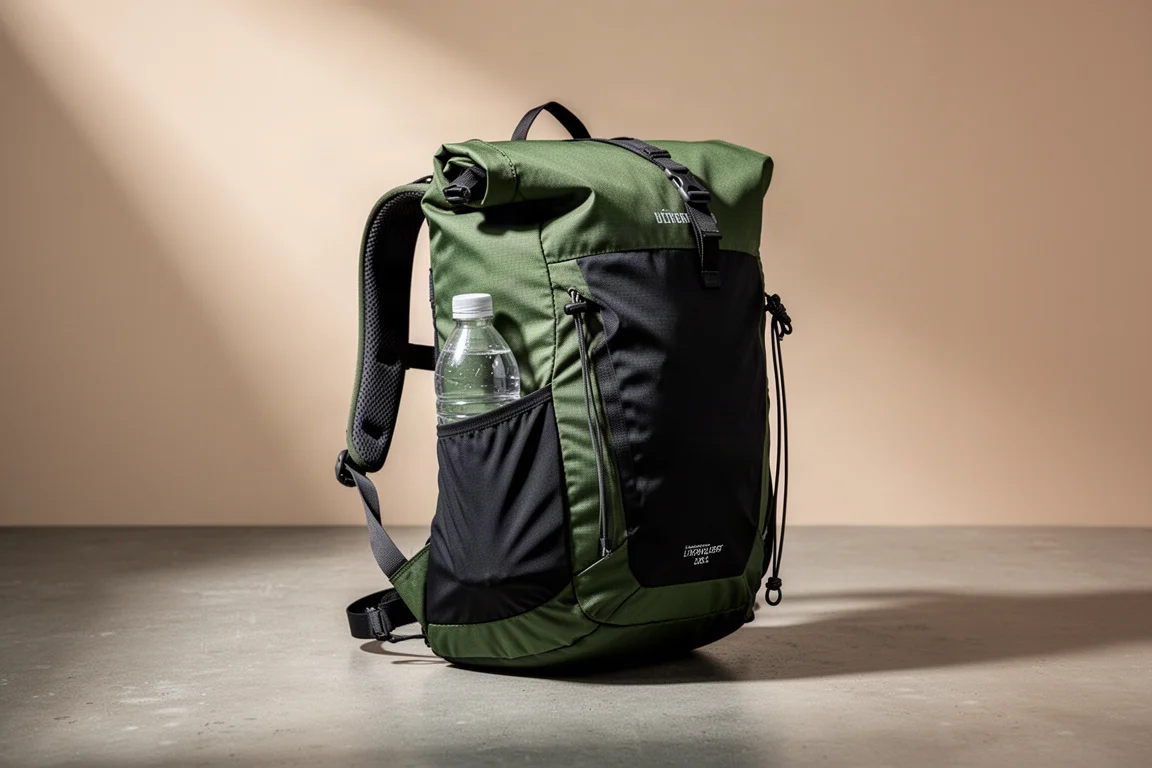
The Waymark Mile 28L is an ultralight backpack built around a simple goal: one pack that can cover a day hike, an overnight, and even a two or three day trip without adding much weight. It comes in at roughly 16 ounces before any accessories are added, which is genuinely light for a pack with this much capacity.
It combines a rolltop closure, recycled EcoPak fabrics, and a practical feature set that handles water bottles, quick-access items, and small essentials. The result is a pack that stays organized and comfortable while keeping base weight low.
Who This Pack Is For
The Mile is aimed at hikers who want a single pack that covers a wide range of trips. It works for day hikes where you want more room and structure than a bare stuff sack provides, and it has enough capacity for overnight backpacking and lighter two or three day outings.
It also suits anyone trying to keep their base weight down. Because the pack itself contributes only about a pound, nearly all of your carried weight comes from what you put inside it. The design target was a 28 liter pack that works for a wide range of hikers and situations, and the feature list reflects that.

If you already own a heavier daypack and a separate overnight pack, this is the kind of design that can replace both for lighter trips.
Build and Materials
The pack is made almost entirely from recycled materials. Around 90 percent of it uses recycled content, with the lycra, webbing, bungee, and some of the shoulder strap material as the exceptions.
Two EcoPak fabrics do the structural work. The black sections use EPX 70, a laminated multi-layer fabric with a 70 denier face and a 70 denier ripstop liner, plus a recycled polyester thread running through it for extra strength and to help prevent stretch bias. Other colorways, including ranger green, use EPX 200, which pairs a 200 denier face fabric with the same 70 denier ripstop polyester liner.
The fabric itself is waterproof and finished with an eco-friendly DWR treatment that avoids harmful chemicals. The seams are not seam sealed or taped, though, so a pack liner is still the right call for sustained wet weather.
Storage and Organization
Storage is where this pack earns its keep. The side pockets are large enough to hold a Nalgene bottle securely, so bottles stay put rather than working their way loose. A lightweight compression cord runs along the side, letting you cinch the pack down when it is not full and secure taller items such as a tall bottle or a fishing pole.
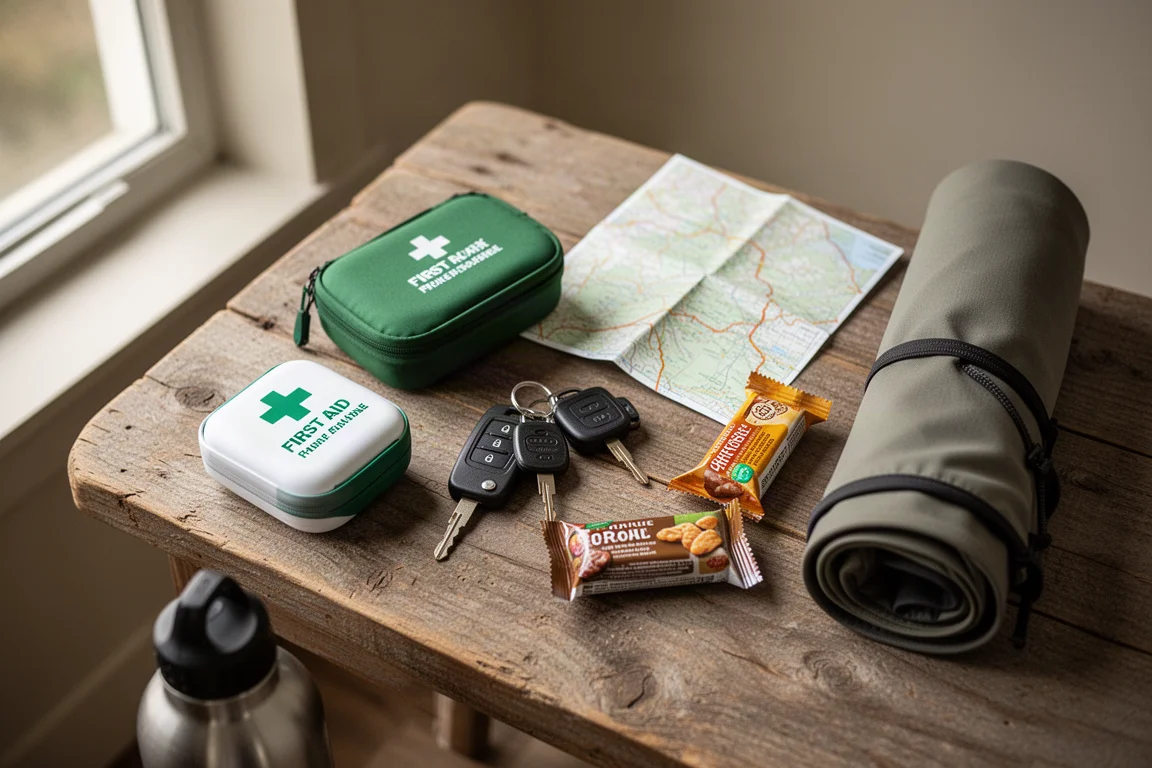
On the front there is a large stretch lycra pocket for quick access to items you want within reach, though it is not built for heavy loads. The front access zipper organizer pocket uses a YKK AquaGuard zipper that runs the full length and is water resistant rather than waterproof. Inside, an organizer panel offers two smaller pockets plus a larger one, which works well for a wallet, keys, and snacks. A small triangle flap covers the zipper run to help keep water out and protect the zipper itself.
A rolltop closure handles the main compartment, and trekking pole loops sit at the bottom of the left side with a bungee for attachment.
Shoulder Straps and Carry Comfort
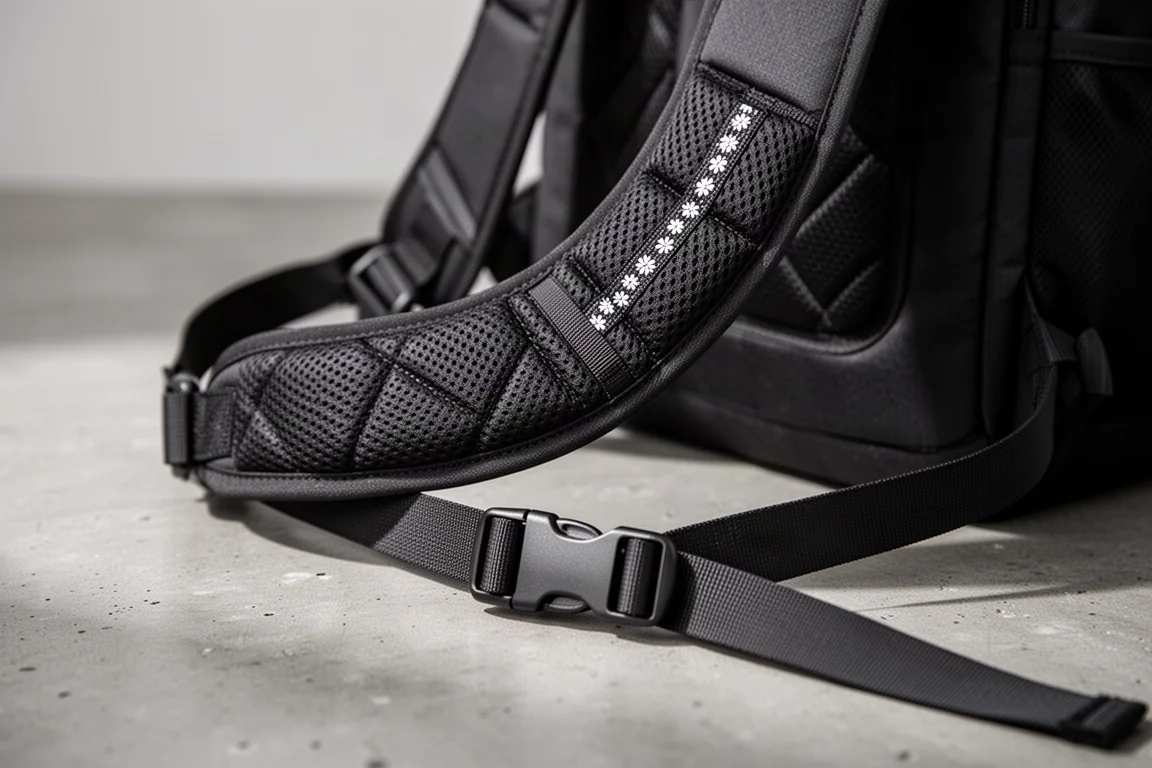
The shoulder straps are padded and lined with a soft 3D mesh. A daisy chain system runs along them for accessory attachment. The Waymark stretch shoulder pocket is one option, attaching with a slick clip at the top and elastic that wraps around the back of the strap, giving you a place for a water bottle, snacks, or a phone.
The sternum strap includes a whistle buckle. A removable one inch webbing hip belt is available separately and mounts at the bottom of the pack to add stability when the load is heavier.
The back panel is one of the more thoughtful details. A one eighth inch foam layer is contained inside the back panel rather than being removable. It adds cushioning against your back and, just as importantly, gives the pack structure so it does not collapse on itself when it is only partly full. The shoulder straps are shaped with articulation in multiple directions, which helps the pack fit a range of body types.
Load Handling in Practice
Carrying the Mile feels straightforward. The articulated straps and padded back panel keep it stable, and the pack handles loads up to roughly 20 pounds comfortably. That is a sensible ceiling for this design, and the 28 liter capacity makes it difficult to load much past that anyway.
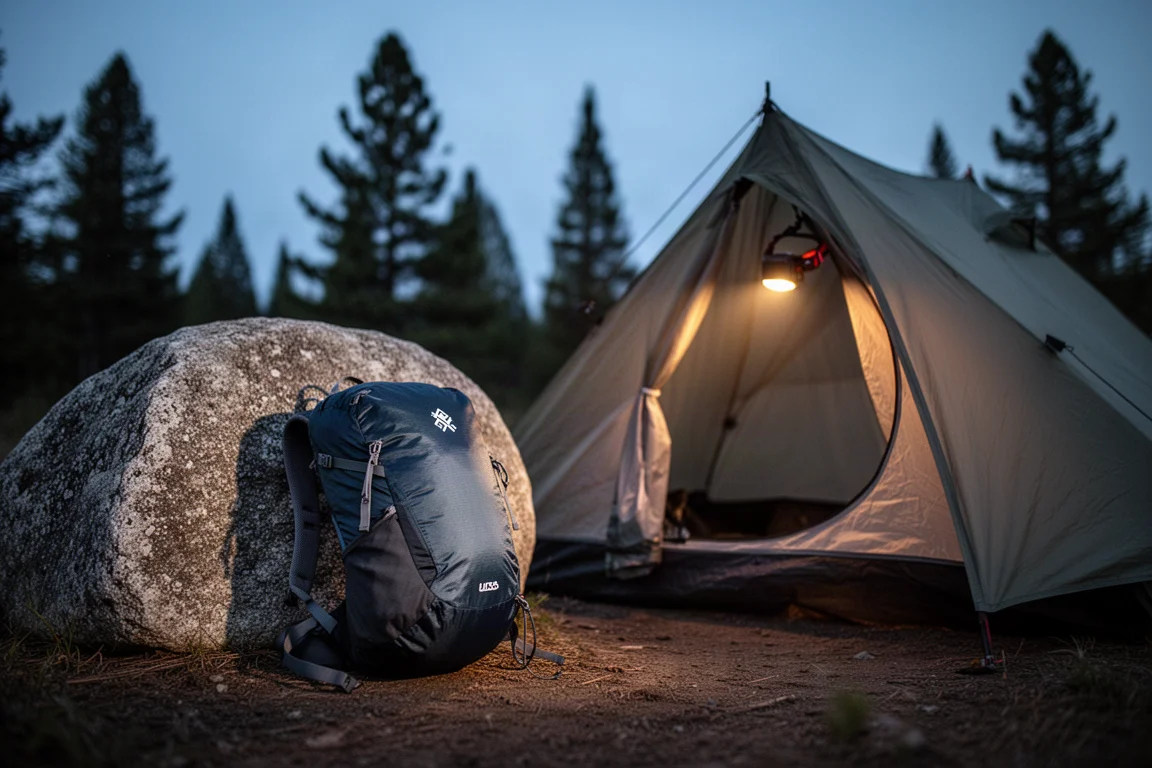
For day hikes the pack rides light and unobtrusive. For overnights, the rolltop gives you room to expand, and the optional hip belt is worth adding if you plan to carry closer to that upper weight range.
Things to Consider Before Buying
The first thing to plan for is weather protection. The fabric is waterproof, but the seams are not sealed or taped, so you will want a pack liner or dry bags inside for genuinely wet conditions.
Second, some of the most useful additions are optional. The stretch shoulder pocket and the one inch webbing hip belt are accessories rather than standard equipment, so budget for them if you want the full setup.
Third, this is a lightweight pack built from lightweight materials. The stretch lycra front pocket should not be overloaded, and the back panel foam is fixed rather than removable, which is a deliberate trade for structure and comfort. If you regularly carry heavy multi-day loads, a larger framed pack will serve you better.
Buying Advice
The Mile makes the most sense for hikers who want one light pack that covers day hikes and lighter overnights without giving up organization. The large side pockets, the front organizer pocket, and the rolltop give it more day-to-day usability than most packs in this weight class.
If your trips are mostly short and you value low weight, this is an easy recommendation. If you are heading out for multiple days with a heavier load, plan on adding the hip belt and keeping total weight near 20 pounds.
Conclusion
The Waymark Mile 28L does something useful: it takes an ultralight weight target and pairs it with the organization and comfort features that make a pack pleasant to use trip after trip. At about a pound before accessories, and with roughly 90 percent recycled content, it is a strong option for hikers who want to travel light without giving up practical details.
Product link
View more details for Waymark Mile 28L
This product is mentioned in the review. Check the specifications, options, and compatibility before buying.
View more details for Waymark Mile 28LFurther reading
Related Reviews
Hiking Backpacks
Decathlon MT 900 70+10 Backpack Review: Big Capacity, Heavy Weight, High Price
A feature-dense 80-liter hiking backpack with excellent build quality, ten pockets, and dual loading, held back by a six-pound weight and a $210 price.
Hiking Backpacks
Martingtop 65L MOLLE Hiking Backpack Review: Capacity and Value, Undone by Hardware
A 65-liter tactical-style internal frame pack with MOLLE webbing, an adjustable torso, and a rain cover, held back by slipping hardware and a flexible frame.
Hiking Backpacks
Osprey Rook 65L First Look: Osprey's Most Affordable 65L Backpack
A detailed first look at the Osprey Rook 65L, the least expensive 65-litre pack Osprey makes at $190, covering its suspension, storage layout, weight, materials, and the trade-offs to weigh before buying.