Climbing Backpacks
Osprey Mutant 38 and Mutant 52 Review: Two Technical Climbing Packs Compared
A practical comparison of the Osprey Mutant 38 and Mutant 52, covering weight, materials, climbing features, fit, and which capacity suits which objective.
Introduction
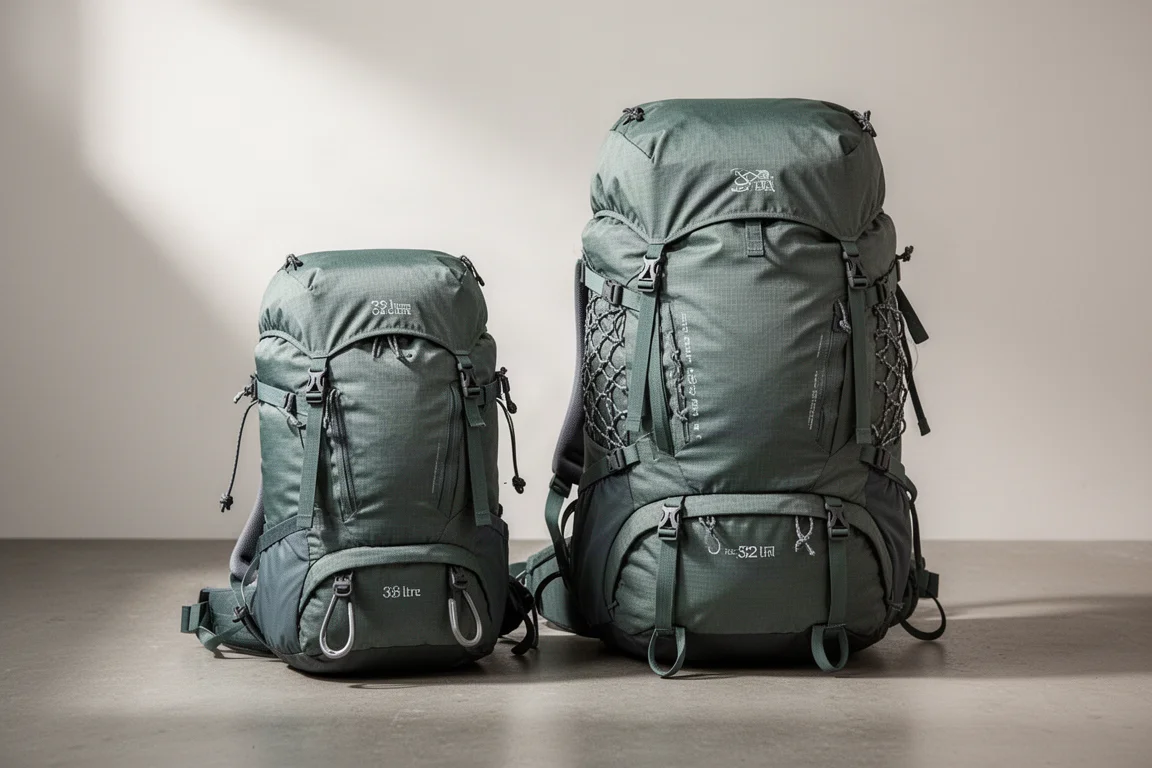
Osprey builds nothing but luggage and backpacks, so its climbing packs tend to be unusually focused on the details that matter on rock and ice. The Mutant 38 and the Mutant 52 return with largely the same feature set that made the line popular, and both sit in a useful middle ground between a stripped alpine sack and a durable cragging workhorse.
This comparison covers what each pack weighs, what they share, and which capacity makes more sense for the way you actually climb.
Osprey Mutant 38: A Versatile All-Rounder
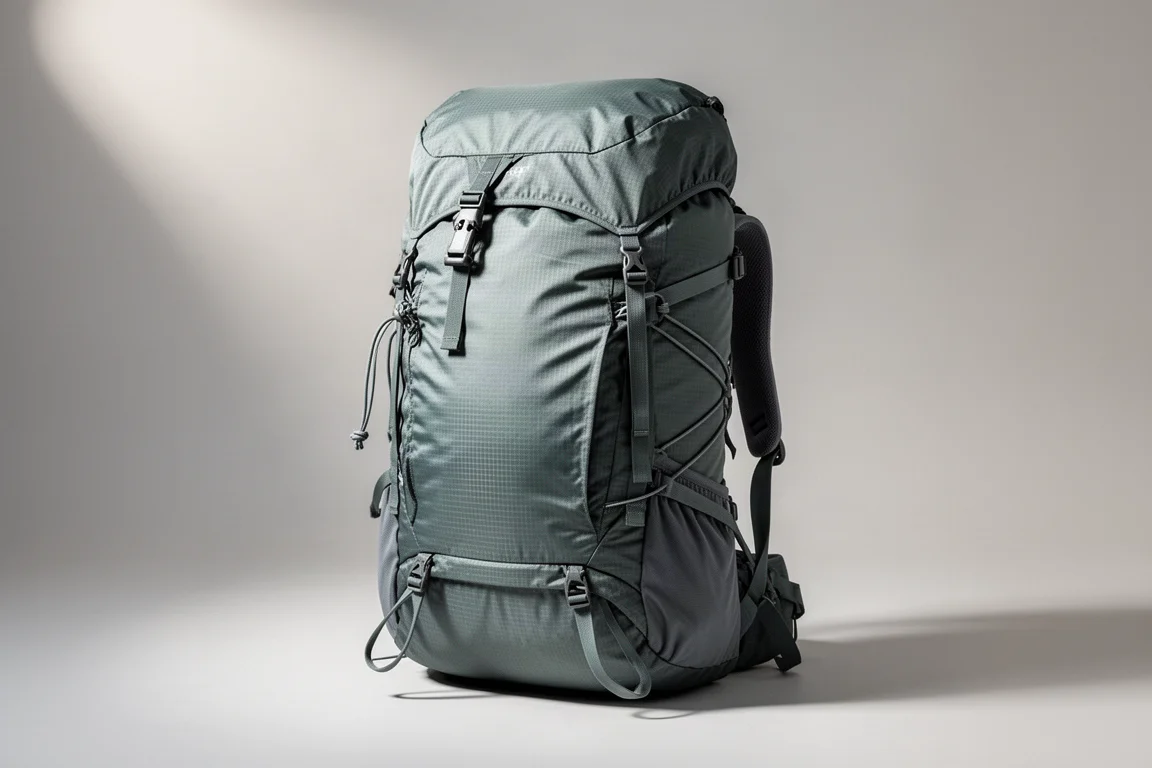
At 1.2 kilograms the Mutant 38 is not the lightest climbing pack on the market, but it is far from the heaviest either. That weight buys a 210 denier ripstop recycled face fabric, which feels genuinely tough while staying light, plus a PFC-free DWR finish for water repellency. The pack comes in a couple of back lengths, so most people can find a fit that sits properly across the shoulders and hips.
The design lands between earlier versions of the Mutant. The first was robust but simple and a little clunky to climb in, while the next was light and easy to move in but not as durable. This one is a sensible compromise for anyone who wants a single pack for both cragging and alpine routes.
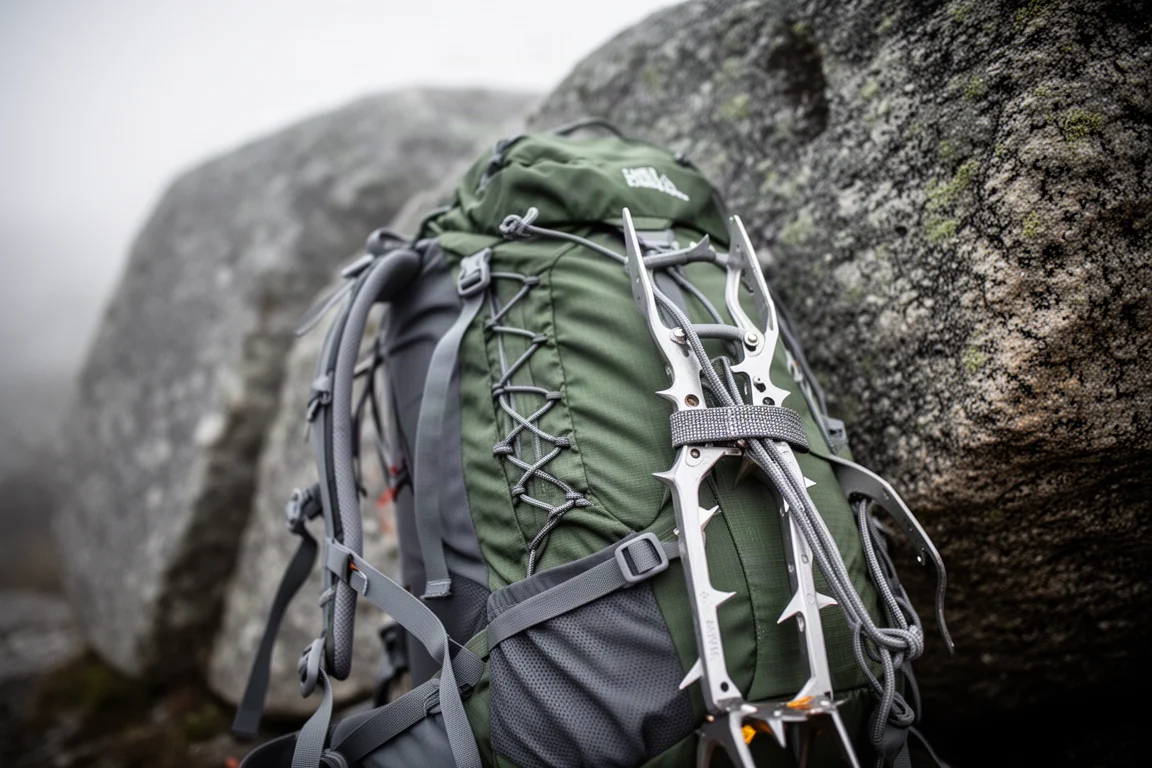
What makes the 38 unusually flexible is how strippable it is. If you want to go faster and lighter you can remove features rather than buy a second pack, which matters for climbers who cannot justify a separate sack for every type of climbing.
Shared Materials and Construction
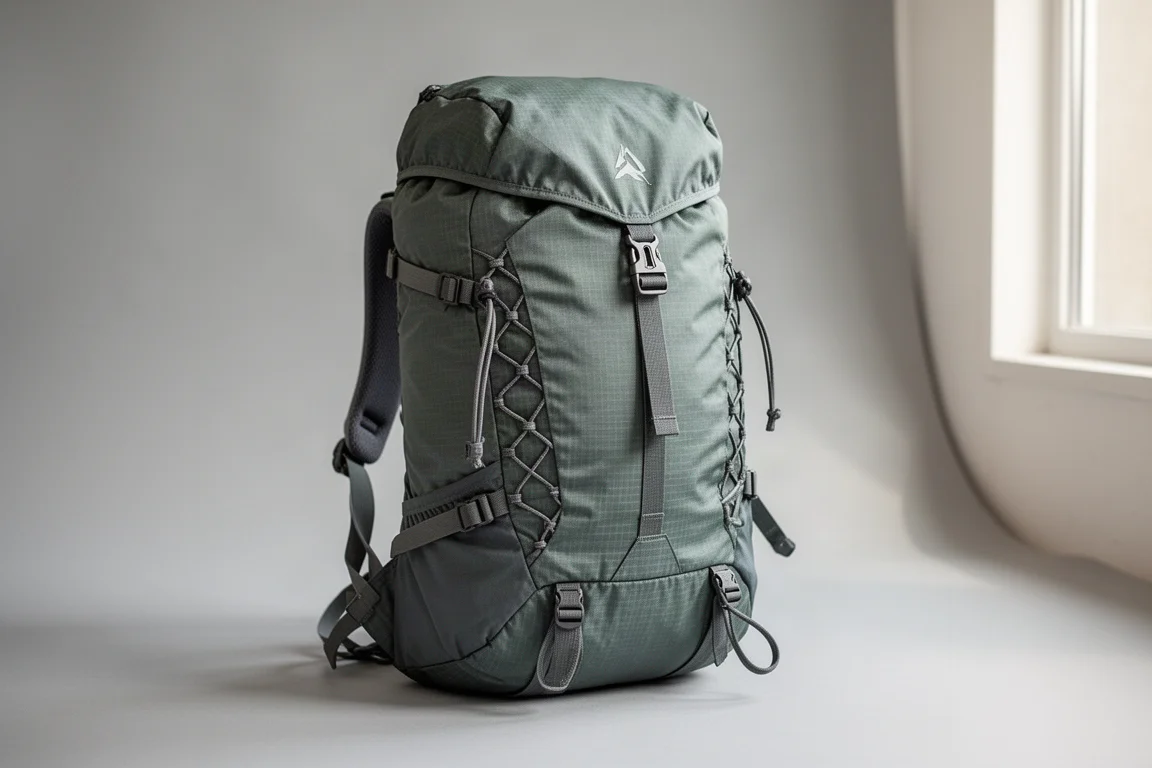
Both packs use the same 210 denier ripstop recycled face fabric and the same PFC-free DWR treatment. Both have removable lids, removable frames, and attachment hardware that can be repositioned or taken off entirely. The lid on the 52 looks considerably larger once opened, with enough room inside to stow a jacket.
Inside, both have a hydration sleeve and a small internal zip pocket for essentials when the lid has been removed. The top lids also carry a large zip pocket that is easy to open with gloves on.
Osprey Mutant 52: More Volume for Longer Missions
The Mutant 52 weighs 1.5 kilograms, which is not much more than the 38 given the extra capacity on offer. It uses the same materials and shares nearly every feature, with one notable addition: bungee side pockets alongside the ski straps. Those pockets make it much quicker to stash and retrieve items you are getting in and out of regularly.
The extra volume suits multi-day adventures, long walk-ins with a camp before the climbing starts, and routes where you need to carry a lot of gear and supplies.
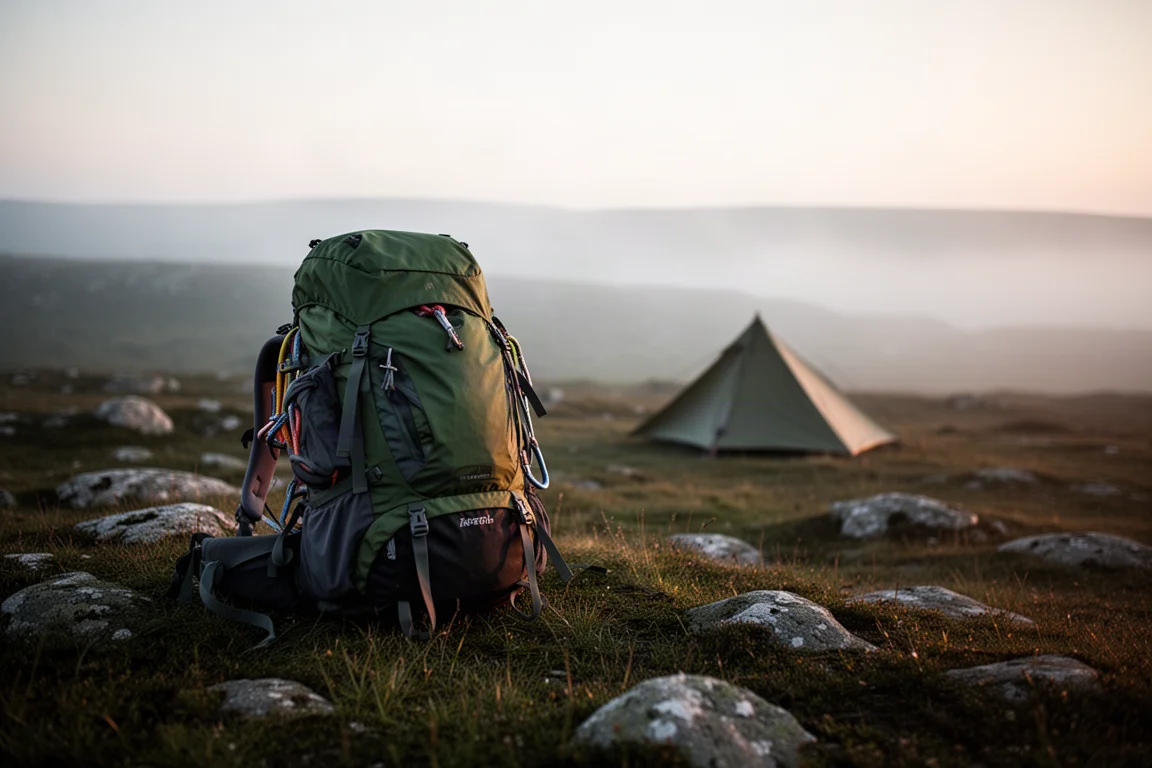
When fitting the 52, it often makes sense to wear it a little longer on the back than the 38. If you are not climbing technical ground with the pack on, a longer carry lets the load sit more comfortably on the hips.
Features That Earn Their Place on Technical Ground
Daisy chains run down both sides, and the straps threaded through them can be moved up and down, removed entirely, or replaced with your own bungee. That is handy for stashing crampons on the outside, so a partner can pass them to you on a snow slope without you taking the pack off.
Ski straps on the sides add winter versatility for ski touring. Ice axe attachment points are shaped to work with big gloves, and the reinforced haul points let you lift a loaded pack without tearing the handle. The lid comes off in seconds with a few clips, which keeps it out of the way when you are wearing a helmet, and a small flap clips into the same buckles to stop snow getting into the top of the pack.
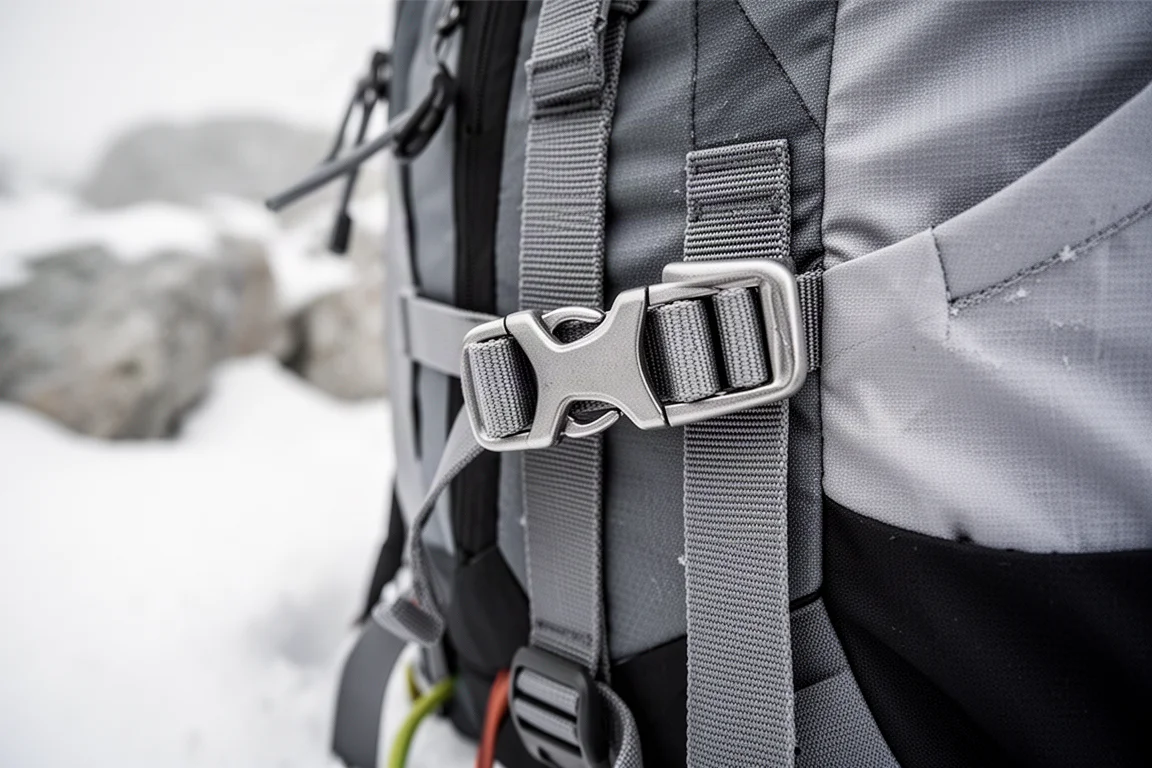
A helmet holder lives in the lid, so it stays out of sight until you need it. The hip belt is comfortable under load and carries gear loops, and even though it is attached it interferes less with a harness than many others. A small extra handle makes it easy to clip the pack to a belay.
Fit and Load Carrying
Both packs come in a couple of back lengths, and the frame inside can be removed if you want to roll the pack up and stow it inside a larger bag. The frame is also bendable, so you can shape it to match your back, whether your shoulders hunch or your spine is straighter.
Think about how you will use the pack before you settle on the fit. For multi-pitch climbing with a harness on, a slightly higher carry keeps the pack out of the way. For cragging, where the pack mostly sits on the ground, a longer carry distributes weight better.
Choosing Between the Mutant 38 and the Mutant 52
Choose the 38 if you want one pack that covers cragging, multi-pitch routes, and winter mountaineering without much bulk, and if you value the ability to strip features off for lighter days. Choose the 52 if your plans involve multi-day routes, long approaches with a camp, or a lot of gear and supplies, and if you would rather carry the load comfortably than move fast over technical ground.
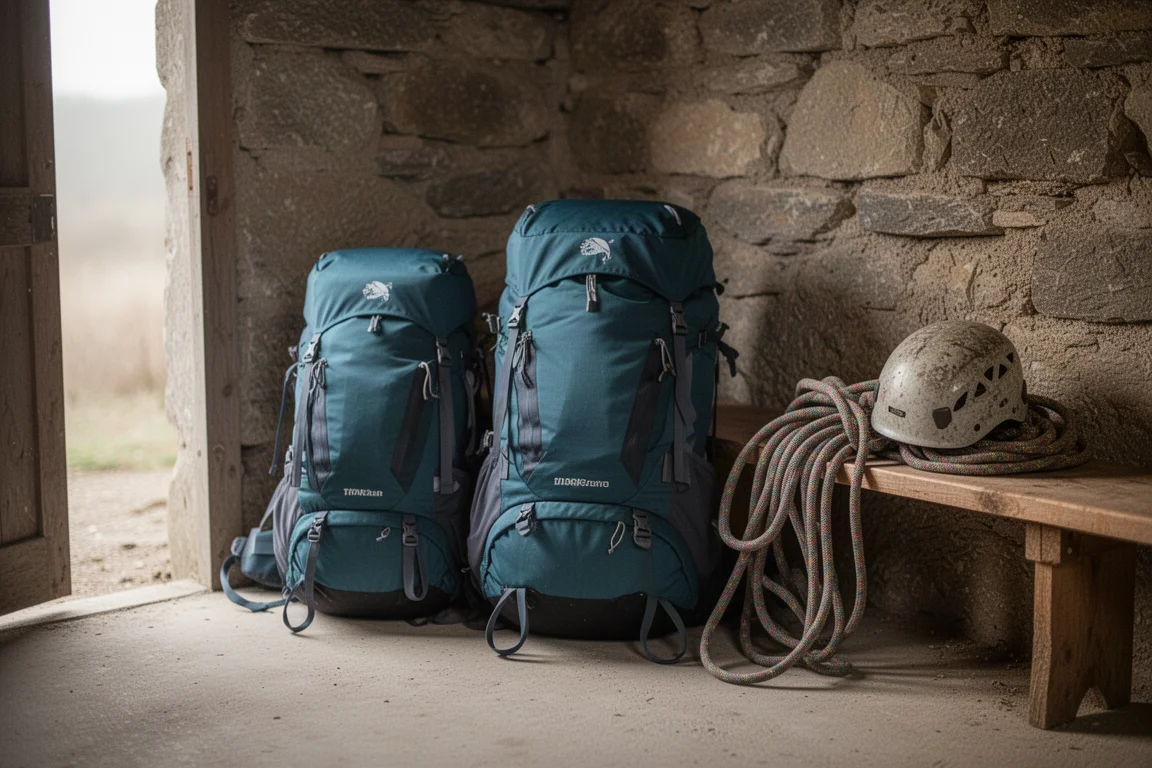
Neither pack is aimed at ultralight specialists, and both trade a little weight for durability and features that hold up to repeated use. If you already own a light alpine sack and a heavier cragging pack, either Mutant could stand in for both on most trips.
Conclusion
The Mutant 38 and the Mutant 52 are well thought out, genuinely versatile climbing packs. The 38 is the stronger single-pack answer for climbers who mix cragging with alpine routes, while the 52 adds capacity and bungee side pockets for longer missions. Match the size to your typical objective and the feature set does the rest.
Further reading
Related Reviews
Climbing Backpacks
Mammut Neon 45 Review: A Simple, Well-Designed Crag Pack
The Mammut Neon 45 is a 45-litre climbing pack built for day trips to the crag, with a suitcase-style opening, durable fabric, and a removable hip belt.

Backpacking Gear
Building a 10 lb Base Weight: An Ultralight Backpacking Gear List
A practical walkthrough of the ultralight pieces behind a 10 lb base weight, from a 765 g pack and a roomy one-person tent to a full camp chair and a dependable water filter.

Road Bikes
10 New Road Bikes Worth Watching: Aero, Titanium, Steel and Endurance Standouts
A practical roundup of 10 new road bikes, from aero flagships chasing single-watt gains to titanium, steel and endurance platforms built for real roads.