Backpacking Packs
Osprey Exos vs Osprey Atmos: How to Choose the Right Backpack Capacity
Capacity is only part of the decision. Here is how the Osprey Exos and the Osprey Atmos differ, and how to match pack size to your tent, sleeping bag and the loads you can realistically carry.
Introduction
Choosing a backpacking pack can feel like a minefield. Capacity is the number most people fixate on, but litres alone do not tell you how a pack will behave once it is loaded. Two packs of a similar size can carry very differently depending on padding, frame support and the bulk of everything else you are bringing along.
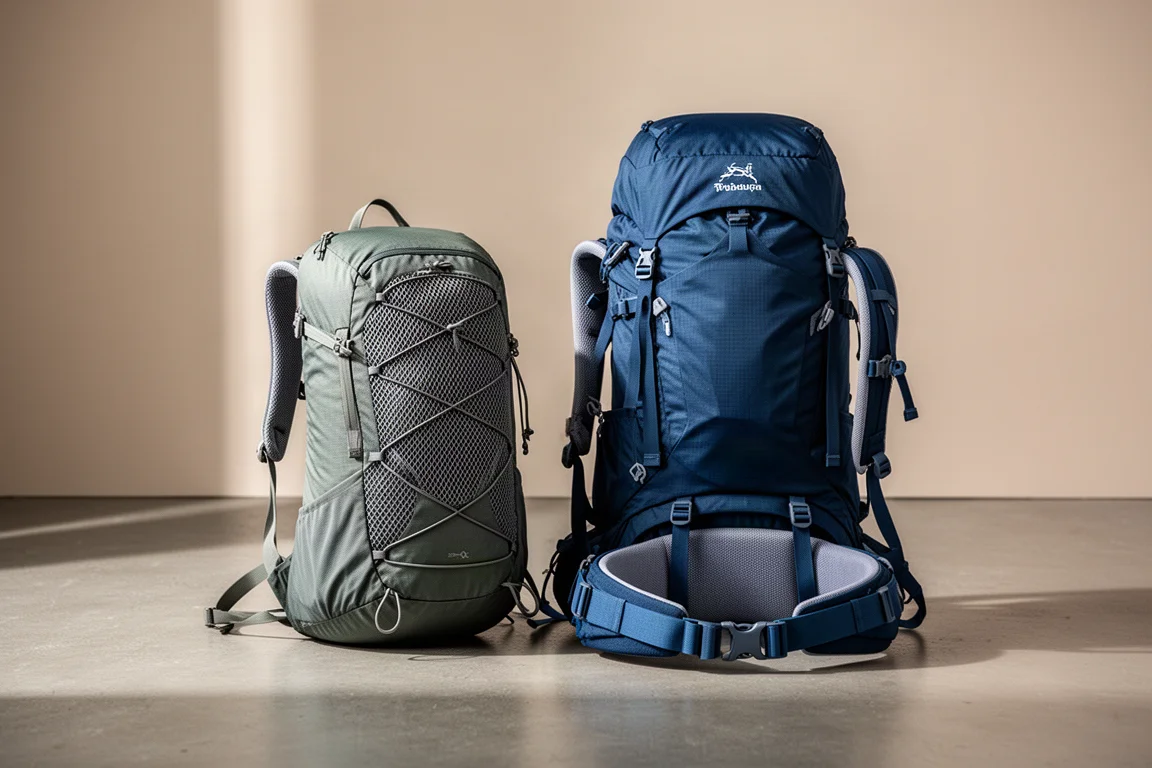
The Osprey Exos and the Osprey Atmos make that difference easy to see. The Exos comes in 38, 48 and 58 litre versions, and the padding does not change between them, so only the capacity grows. The Atmos is a heavier, more supportive design that keeps its shape under a much bigger load. Choosing between them is really a question about what you carry and how much weight you can comfortably manage.
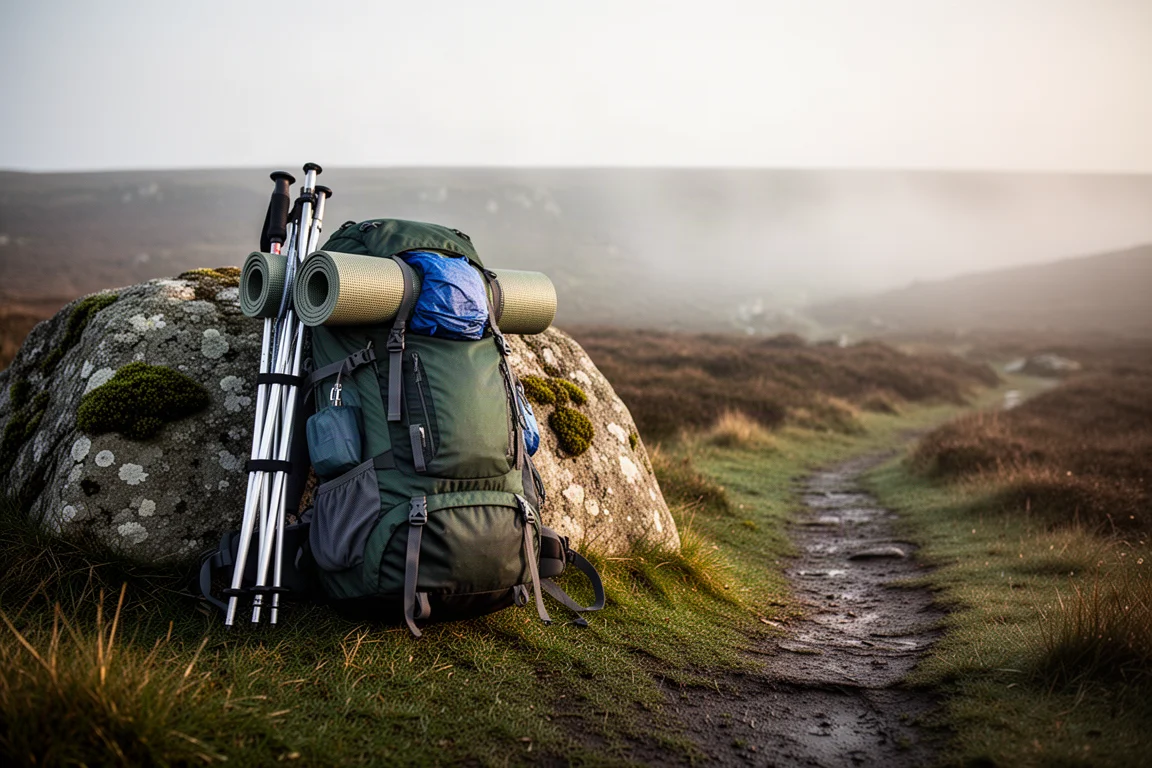
If you are unsure, the safer instinct is to go bigger. A 60 to 65 litre pack covers most eventualities within reason, and the extra room tends to matter most for the bulky items that decide whether a trip feels comfortable or like hard work.
What Actually Decides the Capacity You Need
Before comparing packs, it helps to be honest about the kind of camping you do. Someone who camps all year needs room for winter kit, and four-season tents and four-season sleeping bags are both bigger than their summer equivalents. A thick jacket for camp adds bulk too. If you hike in wet weather, your waterproofs need a home in the pack as well, and they can be surprisingly bulky.
Trip length matters just as much. A short walk to a wild camping spot and a multi-day route with serious distance are very different packing problems, mainly because food and spare clothing scale with the number of days out. Allow capacity for both.
Weight is the other half of the equation. If you are not especially fit, or you are managing an injury or a persistent niggle, a 70 litre pack filled to 17 or 18 kilos is not a realistic option. Buying a huge pack and then being unable to carry it is a worse outcome than buying a smaller one you can actually walk with.
Osprey Exos: Light and Adaptable Across Capacities
The Exos is the lighter of the two, and its sizing is refreshingly simple. The 38, 48 and 58 litre versions share the same padding, so the difference between them is purely how much gear you can fit inside. That has a real consequence: at 38 litres the pack carries a moderate load very well and stays genuinely comfortable, while the 58 litre version loses some of that comfort once it is fully loaded.
That is the trade-off with lightweight packs in general. Less padding means less structure, so the Exos is at its best when the rest of your kit is compact. A 48 litre version packed with a summer sleeping bag, a large one-person tent, a sleeping mat and a small camping stove was effectively at its limit with only those four items inside. Swap the tent for a trekking pole shelter and use a summer sleeping mat, and the same pack suddenly has an enormous amount of spare room.
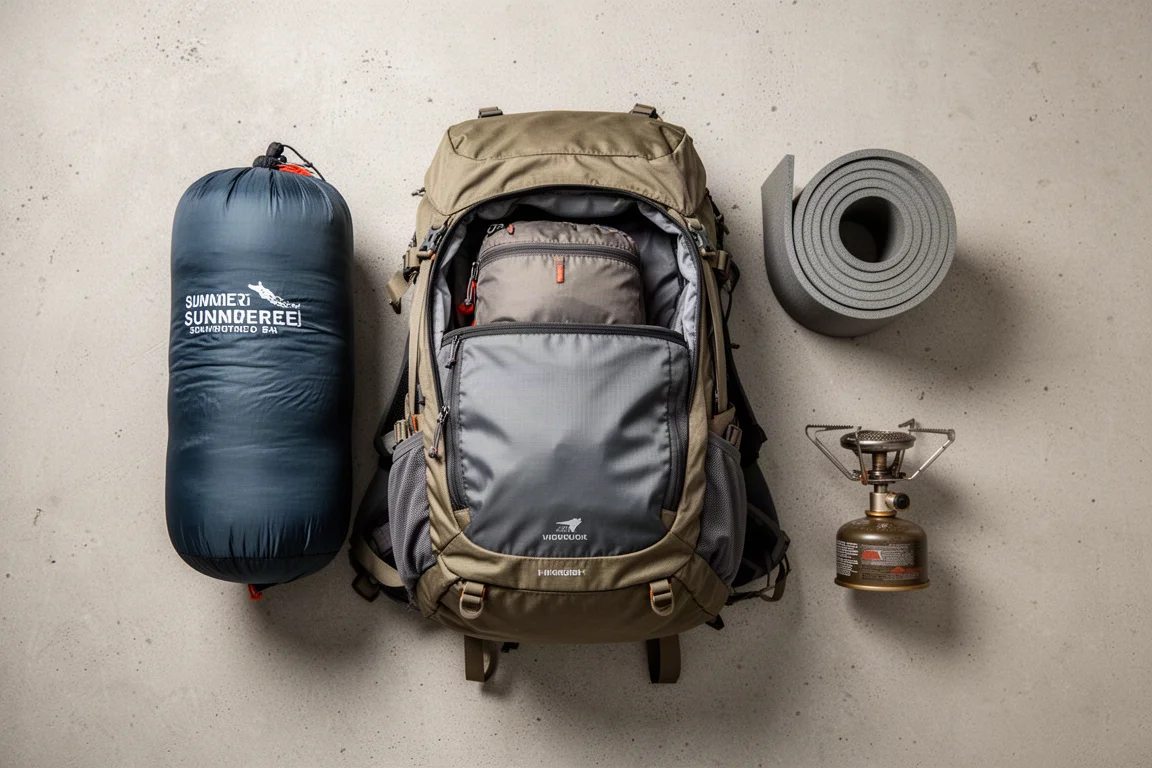
The pattern is clear: the Exos rewards you for trimming bulk elsewhere. If your summer kit is already compact, a mid-sized Exos can feel far roomier than its litre figure suggests.
Osprey Atmos: More Support for Heavier Loads
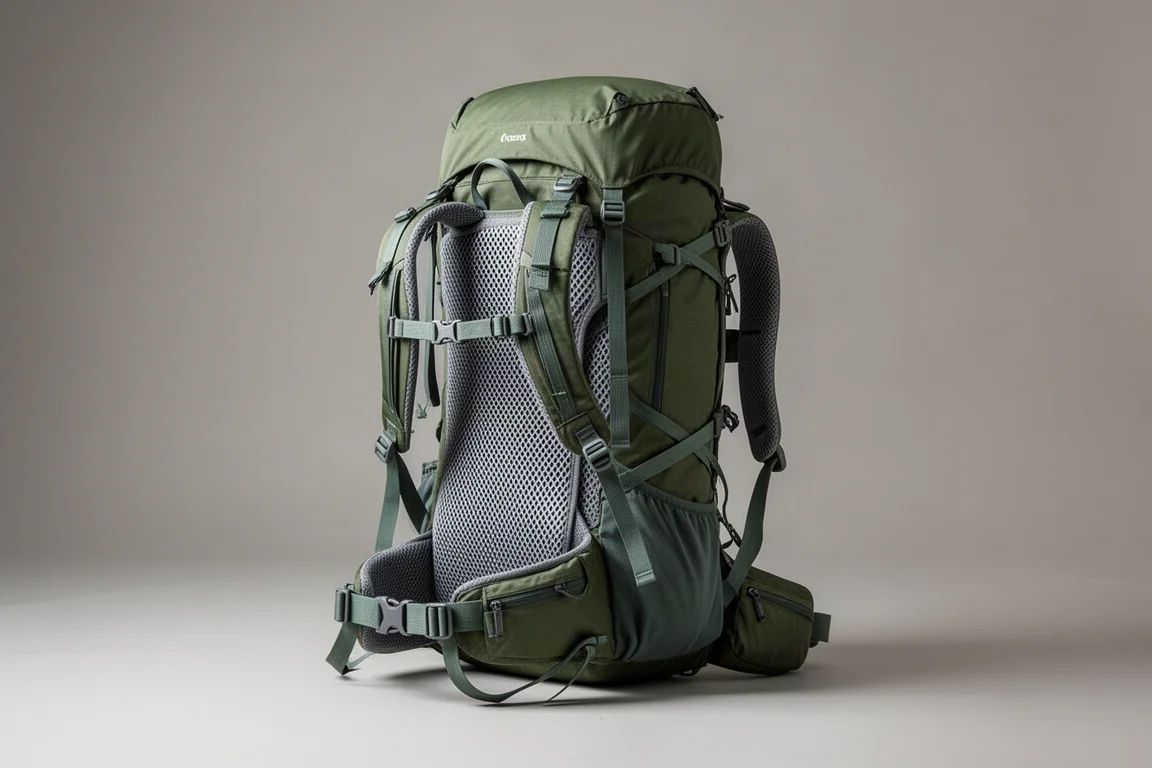
The Atmos sits at the other end of the spectrum. It can carry up to around 20 kilos and still remain reasonably comfortable, which is a different class of load carrying. The flip side is that it is more pack than most trips require. Loading 10 kilos into an Atmos is over the top, and at around 12 or 13 kilos a lighter pack such as the Exos is the better choice.
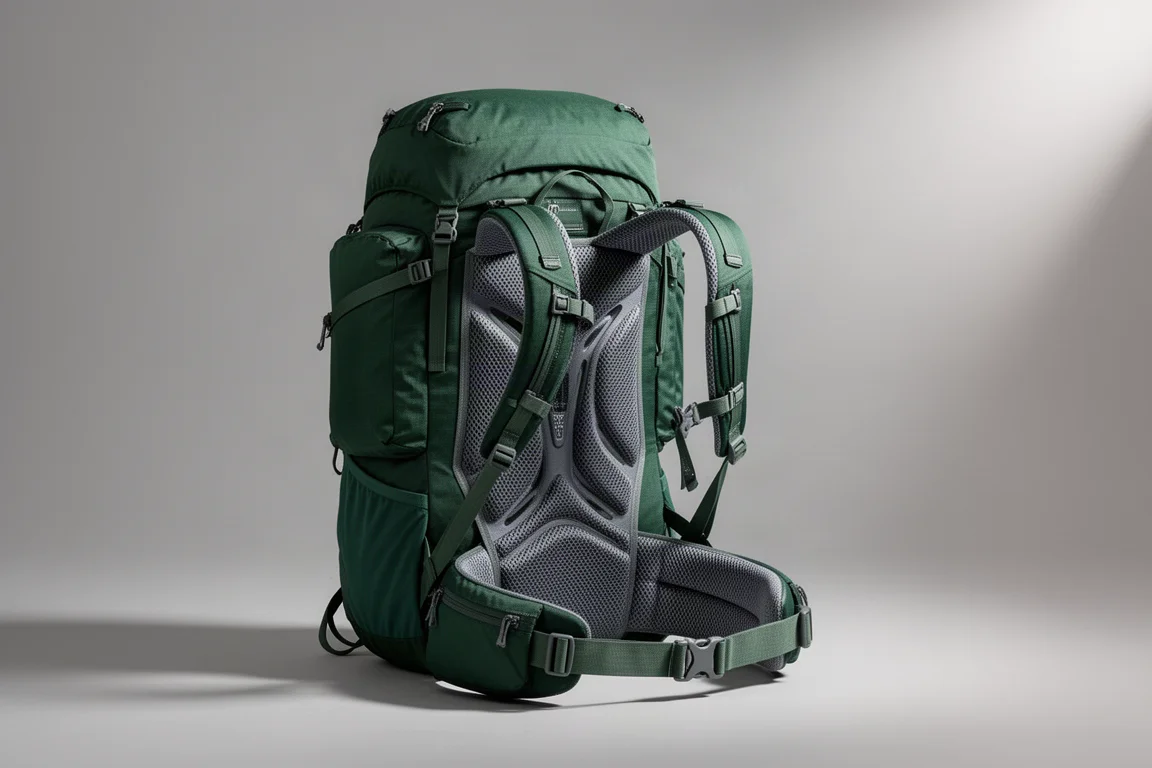
Heavier backpacks earn their weight through structure. They typically have a proper frame system, strong hip support and well-padded shoulder straps, plus a longer list of features. The same gear that filled an Exos 48 to its limit left acres of unused space in an Atmos 65, with the load sitting well below the top of the pack.
Matching Your Backpack to Your Tent and Sleeping Bag
If you can only buy two items together, make it your backpack and your sleeping bag, or your backpack and your tent. These are the items that dictate how much usable space you actually have, and they are the reason a pack that looks generous on paper can fill up instantly.
Sleeping bags show this most starkly. A four-season bag and a summer bag look very different even when uncompressed, and the difference is enormous once both are fully compressed. Even a slim summer bag takes up a serious share of the main compartment, and once it is in, there is not a huge amount of room left for anything else. This is one reason a 40 litre pack can work perfectly well in summer, when the tent, sleeping mat and sleeping bag are all smaller.
Tents need the same scrutiny, and pack size matters as much as overall weight and dimensions. A large one-person four-season tent can be close to 50 centimetres tall when packed, so a small pack may not accommodate it at all. Some people store the poles and the tent body separately, but if your poles are 50 centimetres long, your pack still has to carry them. It is also worth remembering that one-person tents are not automatically smaller than two-person tents. Trekking pole shelters pack down to a fraction of the size of a conventional tent, which lets you get away with a much smaller pack, and some manufacturers offer genuinely compact versions of their popular designs. When you shop for a tent, look at the packed size rather than just the headline weight.
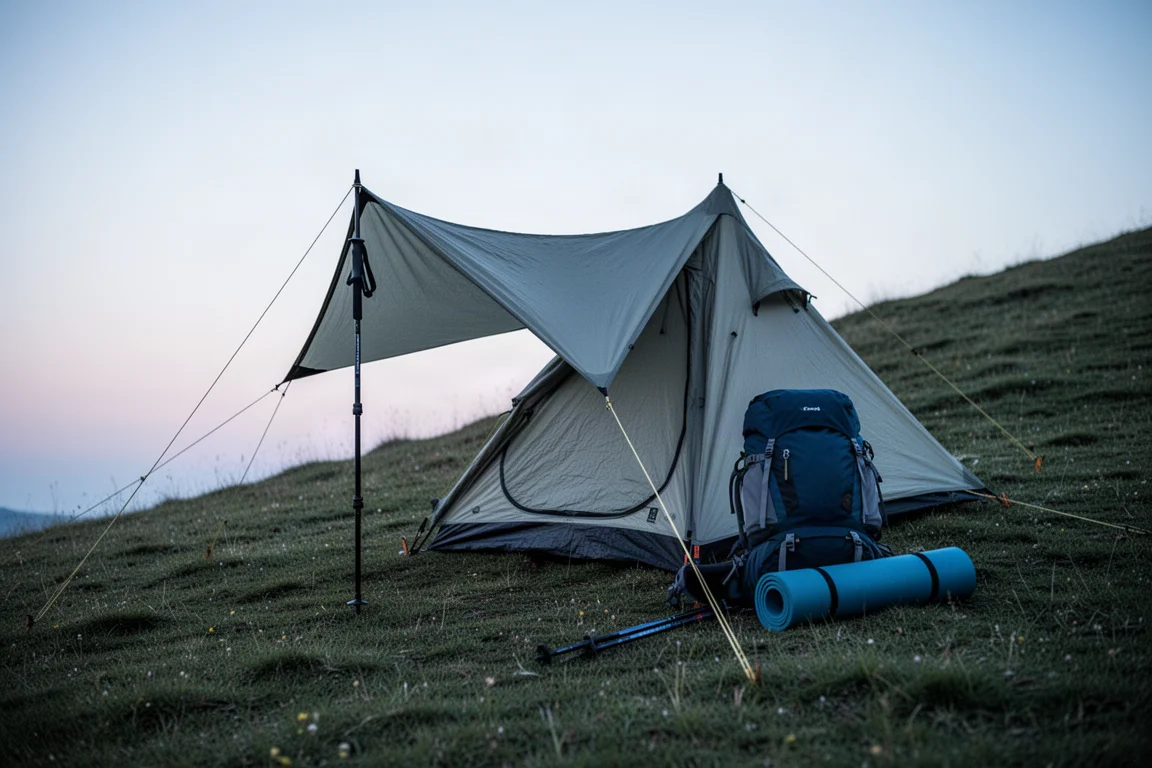
The practical test is simple: pack your tent and sleeping bag into the pack you are considering and see whether everything fits with room to spare.
How to Choose With Confidence
The most reliable approach is to get to a shop with a good range of stock, take a backpack, a tent and a sleeping bag off the shelf, and try packing them together. Almost everything else you carry is relatively small, so if the big three work in harmony, the rest usually falls into place.
Two seasonal adjustments are worth planning for. In winter, allow capacity for extra clothing. On multi-day trips, allow capacity for food. Both eat into the space that a summer weekend leaves free.
Finally, be realistic about weight. If you cannot comfortably carry a heavy load, do not buy a massive pack and fill it with heavy gear. If you intend to own just one backpack for everything, going big is the sensible compromise, and something in the 60 to 65 litre range will handle the widest range of trips.
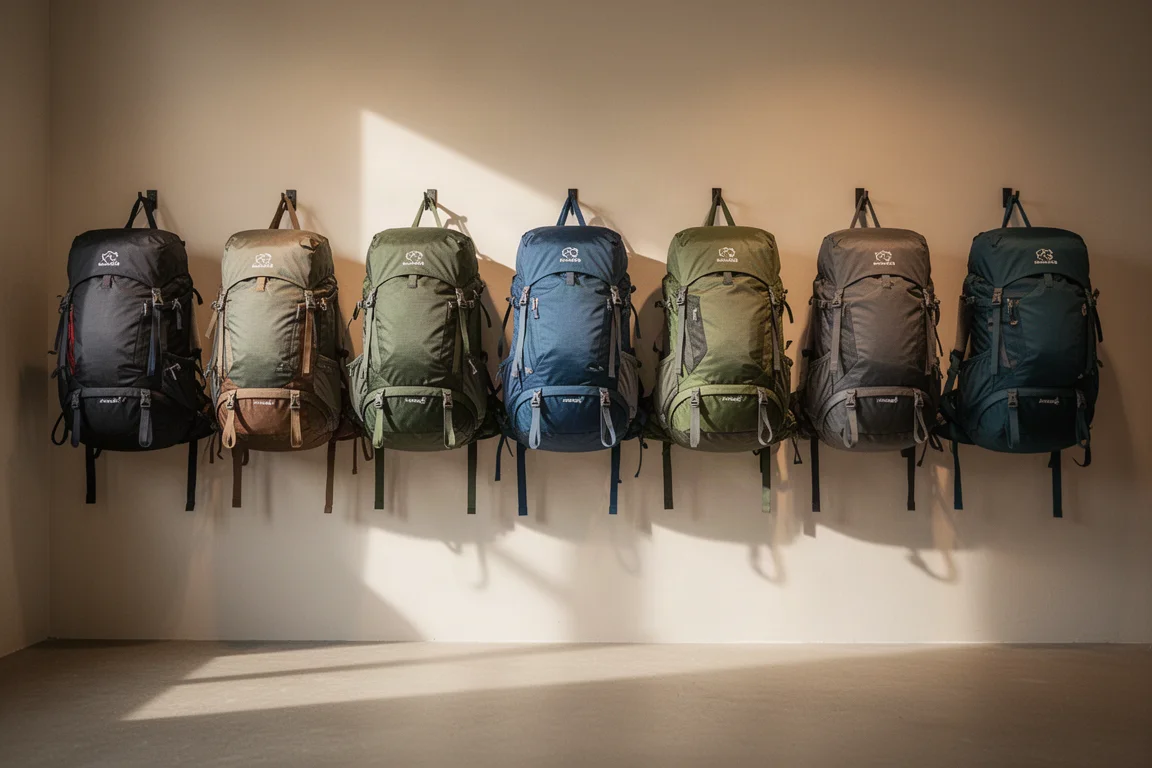
Matching your pack, tent and sleeping bag so that they work together matters far more than any single specification, and it is the difference between a pack that feels spacious and one that fights you every time you load it.
Conclusion
The Osprey Exos suits backpackers with compact kit who keep their loads moderate, and its 38, 48 and 58 litre options let you size up without changing how the pack carries. The Osprey Atmos suits heavier loads and longer or colder trips, where a proper frame and strong hip support are worth the extra weight. If you only ever buy one pack, a 60 to 65 litre capacity is the safest single choice.
Further reading
Related Reviews
Backpacking Packs
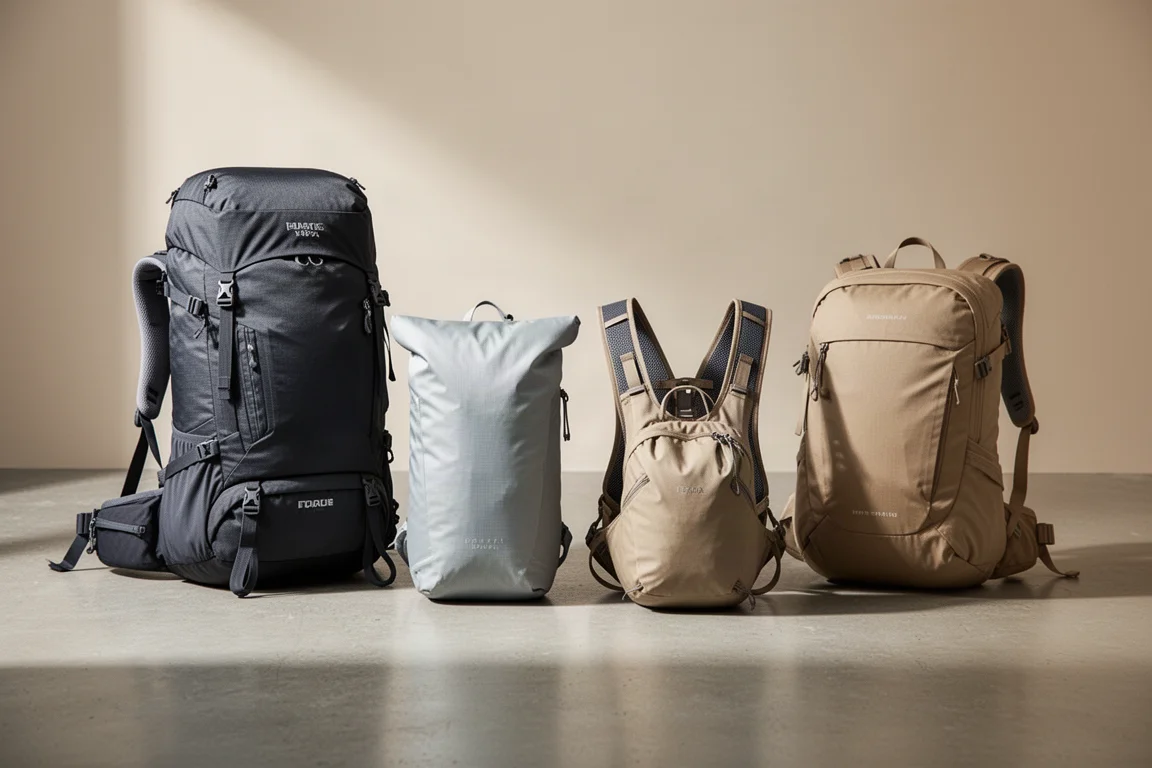
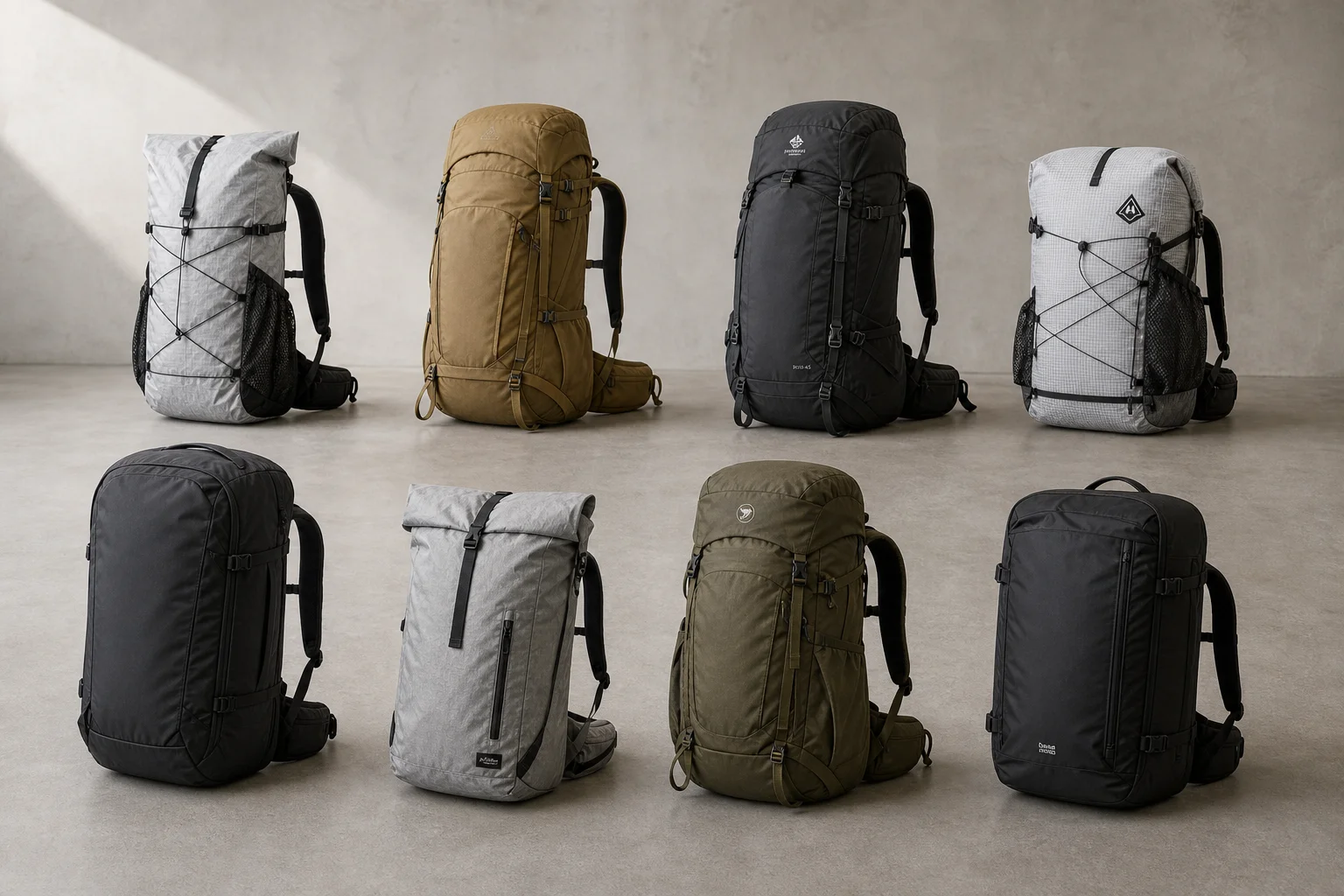
Backpacking Pack Types Compared: Traditional, Ultralight, Frameless, and Hybrid
Four pack categories, four representative packs, and a practical way to decide which kind of backpacking pack matches the weight of your gear.
Backpacking Packs
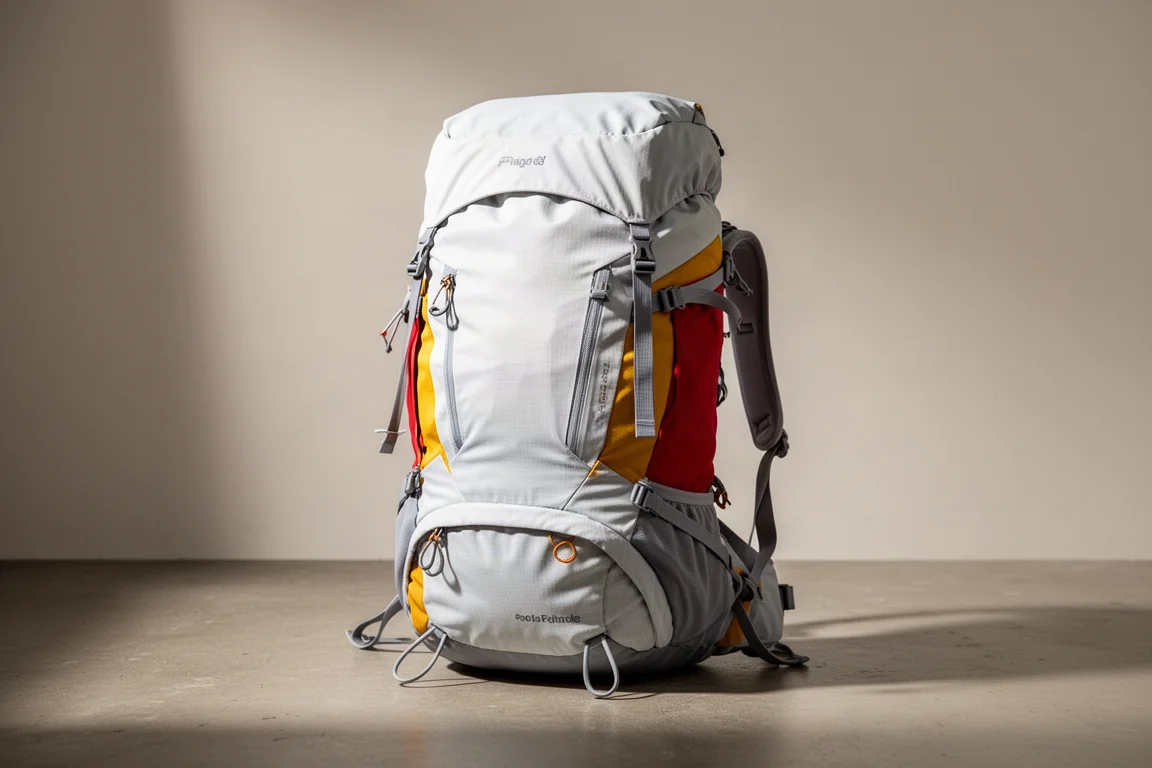
Best Backpacking Packs 2026: Six Picks for Every Style of Trip
Six backpacking packs that earned their place by weight class and purpose, with the real strengths and trade-offs to weigh before you buy.
Backpacking Packs
Big Agnes Prospector 50 Review: A Hybrid Pack That Sits Between Two Worlds
A 50-liter backpacking pack that mixes ultralight features with traditional padding and panel access. Here is who it suits and where it falls short.