Backpacking Packs
Osprey Exos Pro 55 vs Zpacks Arc Haul: Two Lightweight Backpacking Packs Compared
A practical look at the Osprey Exos Pro 55 and the Zpacks Arc Haul, from carry comfort and ventilation to how each one handles a bear canister.
Introduction
Lightweight backpacking usually asks for a trade-off. You can strip a pack down to the essentials and live with a minimal feature set, or you can keep the organisation and carry the extra grams. The Osprey Exos Pro 55 and the Zpacks Arc Haul sit on opposite sides of that line, and knowing where each one lands makes the decision much easier.
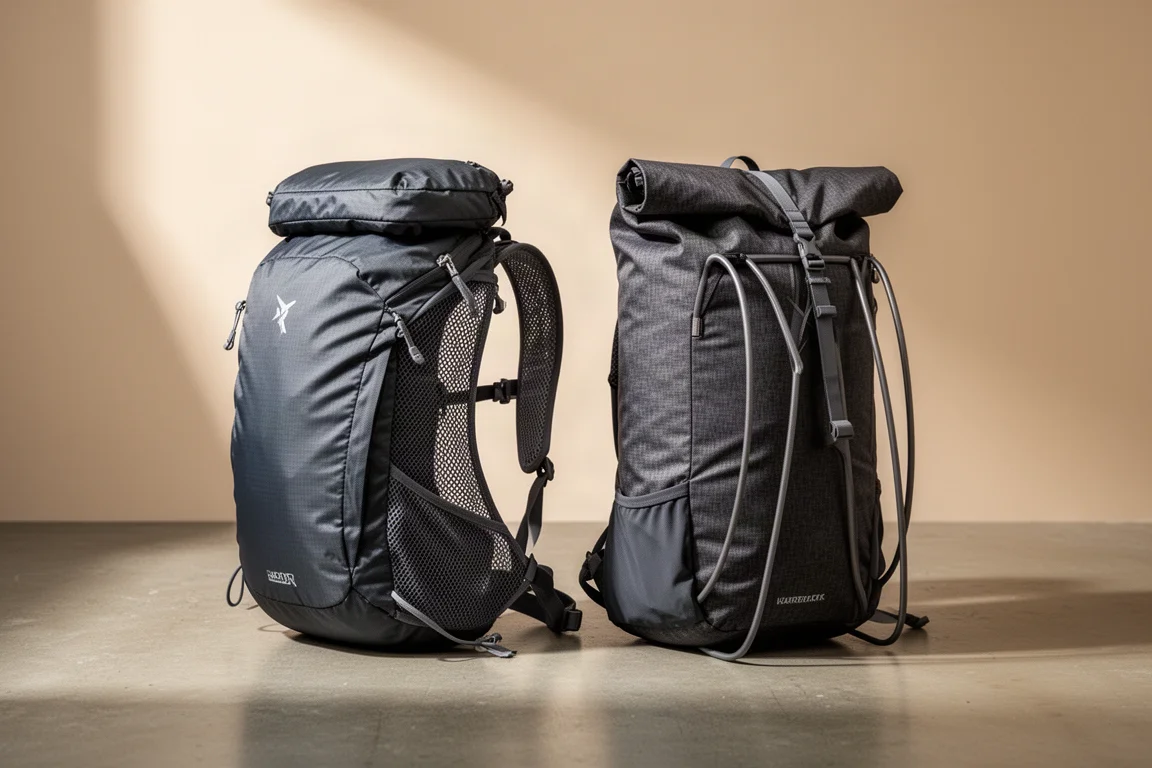
The Exos Pro 55 weighs 2 lb 5 oz, which is less than half the weight of many traditional Osprey packs that can reach 5 lb or more. It holds 55 litres and still swallows a large bear canister without trouble. The Arc Haul is the ultralight option here: 60 litres, an arching frame, and a back panel that keeps the pack off your back. It is also the pack that struggles once a canister has to go inside.
That contrast is the heart of this comparison.
What Sets These Two Packs Apart
Traditional packs tend to carry a lot of hardware: multiple pockets, zippers, straps, and a lid that covers the main compartment. Ultralight packs go the other way, usually keeping to two side pockets, a centre mesh pocket, and a simple closure. The Exos Pro 55 borrows from both approaches. It keeps the minimal pocket layout of an ultralight pack and adds a removable top lid, which is unusual in this weight class.
Weight tells a similar story. True ultralight packs generally come in under 2 lb, and the Exos Pro 55 does not quite reach that mark. Removing the lid shaves 3 oz and brings the pack to 2 lb 2 oz, which is a strong figure for a pack with this much structure and organisation.
The Arc Haul takes the opposite route, prioritising low weight and a stripped-back build. Both packs are light enough to move a traditional kit into lighter territory, but only one of them is built to swallow a bear canister, and that single difference decides a lot of trips.
Osprey Exos Pro 55: A Hybrid Ultralight Pack
The Exos Pro 55 is best understood as a hybrid. It holds 55 litres, weighs 2 lb 5 oz as shipped, and drops to 2 lb 2 oz once the removable lid comes off. That 3 oz lid is worth keeping for most trips, since it adds a generous zippered pocket on top for gear you want within reach and makes the pack noticeably more functional overall.
The lid does bring two compromises. With the lid removed, a small flap is supposed to keep the pack usable, but it feels inadequate for that job, and the flap also gets in the way when the lid is in place. The main compression strap is routed inside the pack rather than over the outside of the main compartment, which makes it harder to reach and less effective at tightening a load down.
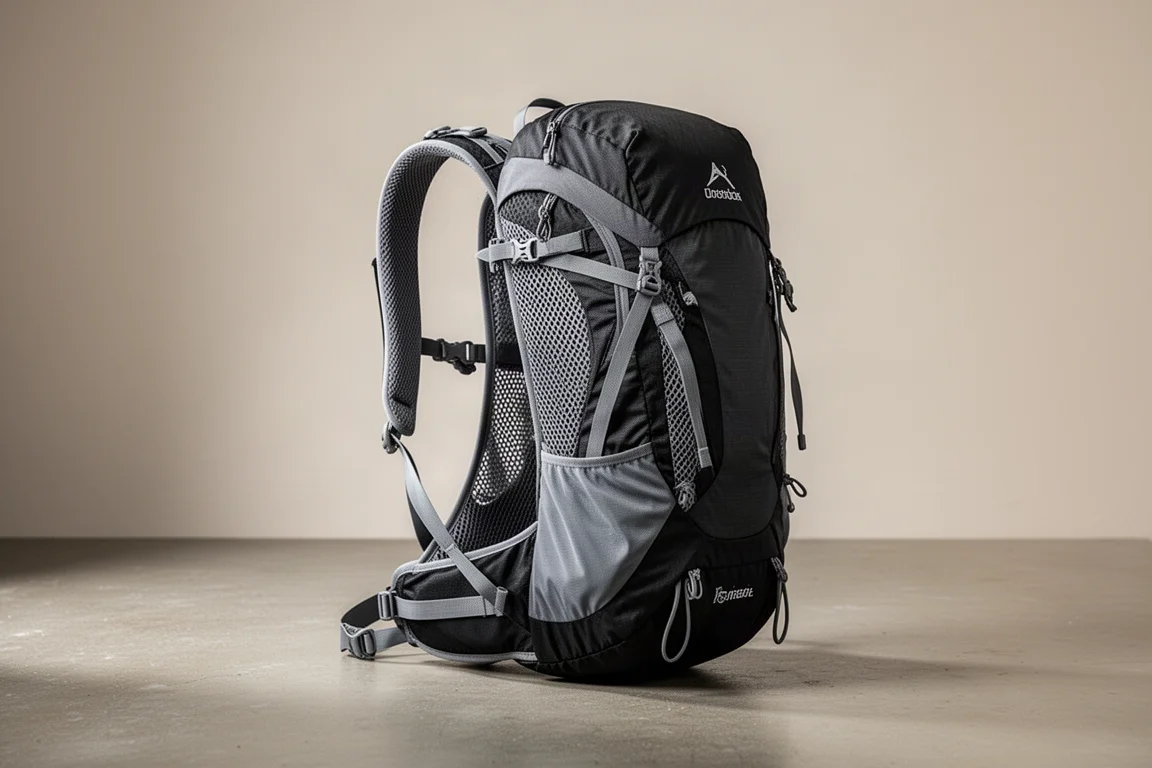
Everything else lands well. The pack keeps a clean pocket layout with two side elastic pockets and a centre mesh pocket, and the suspension is what makes it feel like a full-featured pack rather than a stripped-down ultralight bag.
Zpacks Arc Haul: The Ultralight Benchmark
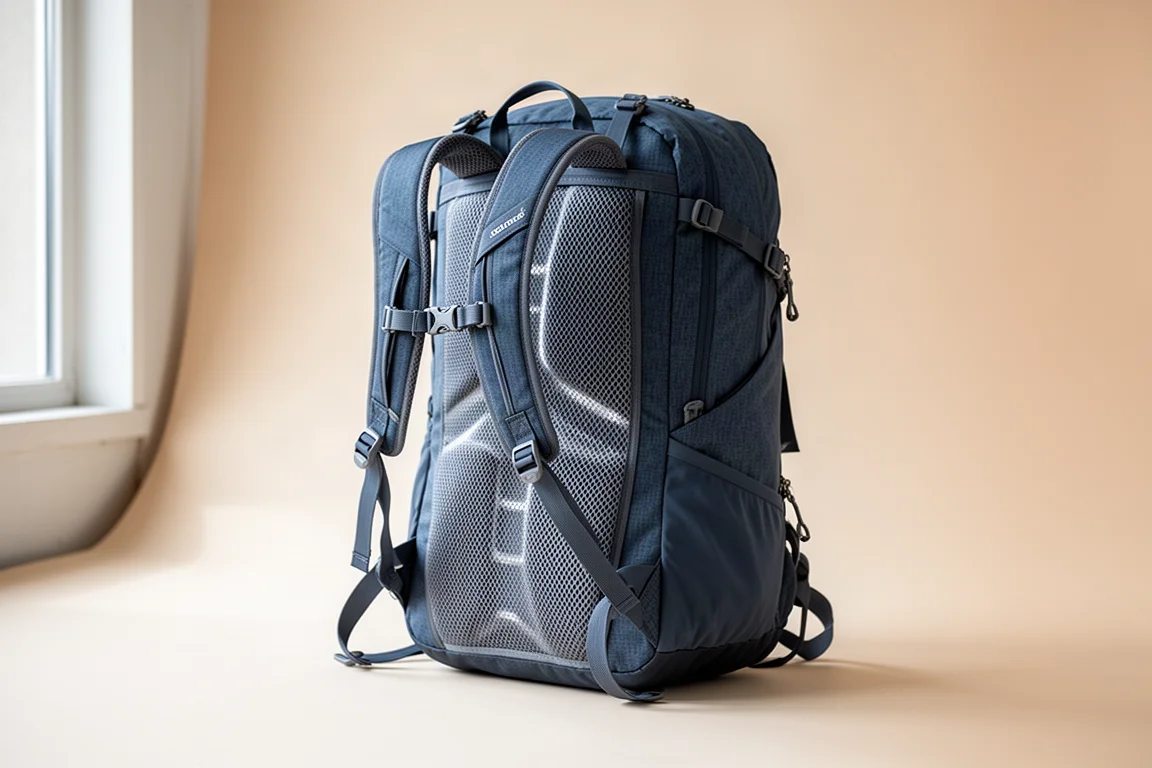
The Arc Haul is built for lighter trips: 60 litres, an arching frame, and a mesh back panel that keeps air moving across your back. For loads without a canister, it is a genuinely appealing pack and an easy one to like.
Where it comes unstuck is rigid, bulky cargo. Even a small bear canister such as the BearVault 450 is a struggle, and a larger backpacker’s cache flexes the frame to a worrying degree. That is a design limit rather than a flaw in every situation, but it rules the pack out for trips where a canister is mandatory.

None of that makes the Arc Haul a poor choice. It simply defines its own limits: it is at its best on trips where no canister is required and every gram counts.
Bear Canisters and Load Carrying
Bear canister rules are one of the clearest ways to separate these two packs. The Exos Pro 55 carried a large canister without any problems, despite offering 55 litres against the Arc Haul’s 60 litres. The Arc Haul, by contrast, struggled with even a small canister and flexed noticeably under a large one.
Load carrying is the other half of the story. The Exos Pro 55 has been carried with over 30 lb across several trips and stayed comfortable at that weight, which is unusual for a pack this light. That comfort arrives without the thick padding traditional packs use to offset heavy loads, and it reflects how much attention the suspension received.
Weight and Pack Organization
At 2 lb 5 oz, or 2 lb 2 oz without the lid, the Exos Pro 55 sits just above the under-2 lb mark that defines true ultralight packs. For anyone moving down from a traditional pack, that is a meaningful drop, and the removable lid gives you a way to trim another 3 oz whenever you want to travel leaner.
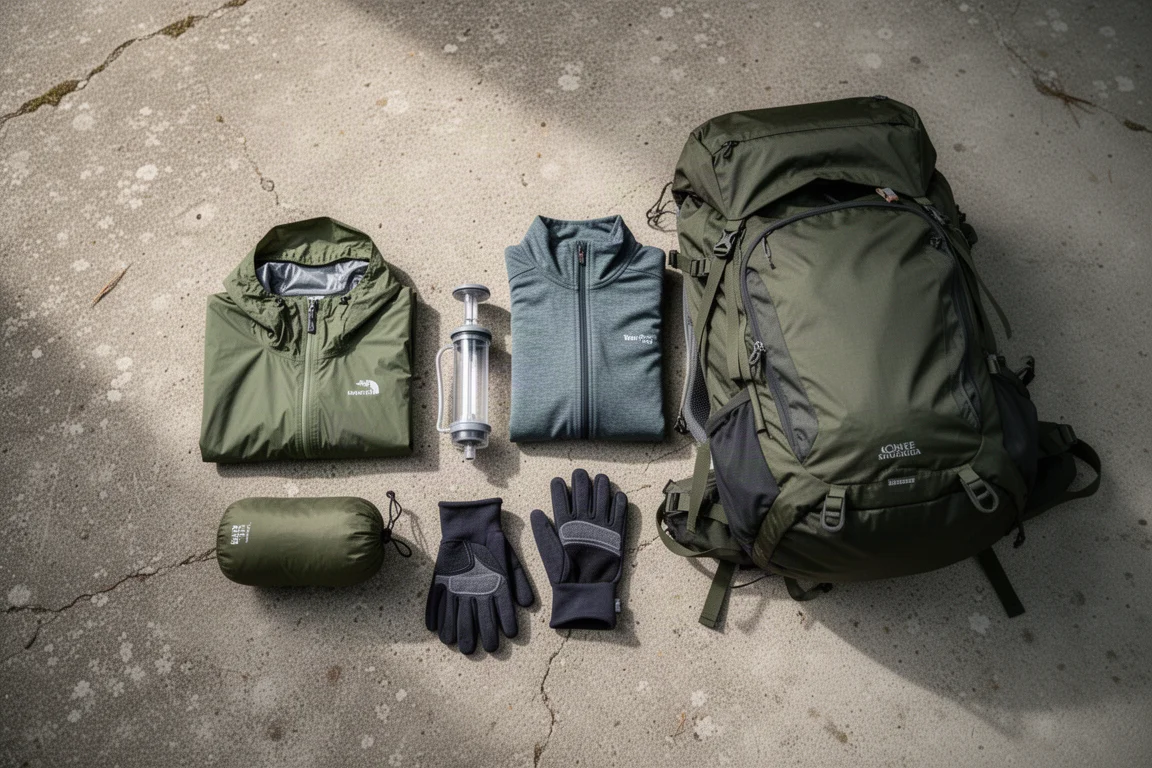
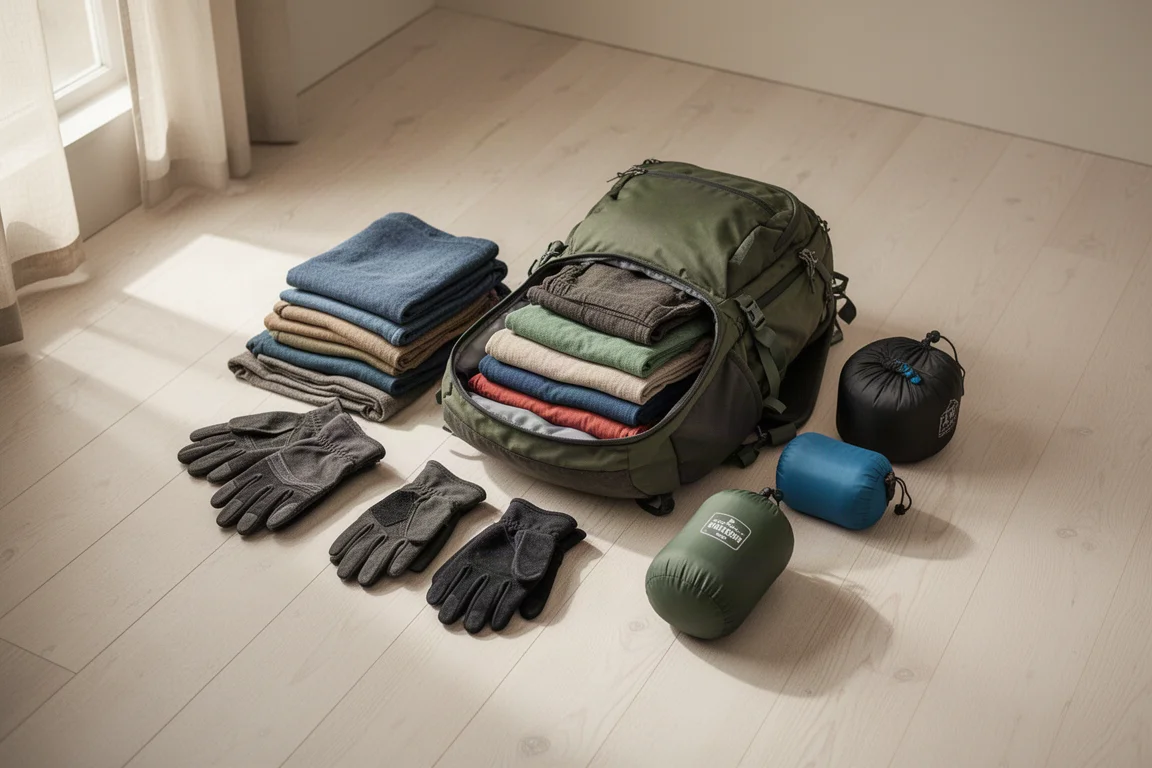
The organisation is deliberately simple. Two elastic side pockets and a centre mesh pocket handle bottles, layers, and anything you want to grab without opening the pack. The lid pocket takes the quick-access items that usually end up crammed into a mesh pocket, such as rain gear and a water filter, which leaves the mesh free for a mid layer and gloves you want to keep handy until the last minute.
Two details are worth knowing before you buy. The left hip belt pocket closes with elastic rather than a zipper, which is less secure than the zippered pocket on the other side. And the internal compression strap sits inside the main compartment, so tightening a load takes more effort than it does on packs with an external strap.
Ventilation and Carry Comfort
Ventilation is where the Exos Pro 55 makes its strongest case. The tensioned mesh back panel and arching frame hold the pack away from your back, and the resulting airflow is excellent, among the best available on a pack of this type. The arched frame is a familiar idea in ultralight design, and it is the more refined execution of the two packs here.
Comfort holds up as loads grow. The pack has been used with over 30 lb and remained comfortable, which is the point where many lightweight packs start to feel like a compromise. Traditional packs often rely on thick padding to manage heavy loads, while the Exos Pro 55 manages them through structure instead.
Buying Advice
Which pack makes sense depends entirely on the trips you take. If your plans involve bear canister requirements, bulky food loads, or a gradual move away from traditional packs, the Exos Pro 55 is the safer choice. It carries large rigid items well, stays comfortable at higher weights, and still trims down to 2 lb 2 oz when you want to travel lighter.
If your trips are built around low weight and you never need to fit a canister, the Arc Haul remains a compelling pack. Its 60 litres and arched frame suit long, light carries, and the mesh back panel keeps air moving across your back.
Neither pack is a compromise in the wrong direction. The Exos Pro 55 trades a little weight for structure, organisation, and canister capacity. The Arc Haul trades canister capacity for a lower base weight. Match that trade to the trips you actually take, and either pack will serve you well.
Conclusion
The Exos Pro 55 is the more versatile of the two. It weighs 2 lb 5 oz, drops to 2 lb 2 oz without its lid, keeps the simple pocket layout of an ultralight pack, and adds the organisation most ultralight packs leave out. Its arched, mesh-backed suspension carries heavy loads and large bear canisters comfortably, and the removable lid gives you a way to shed weight when you want to.
The Arc Haul remains the pack to choose when minimum weight matters more than anything else and no canister is required. Deciding between them is less about which is better and more about which set of trade-offs matches your next trip.
Further reading
Related Reviews
Backpacking Packs
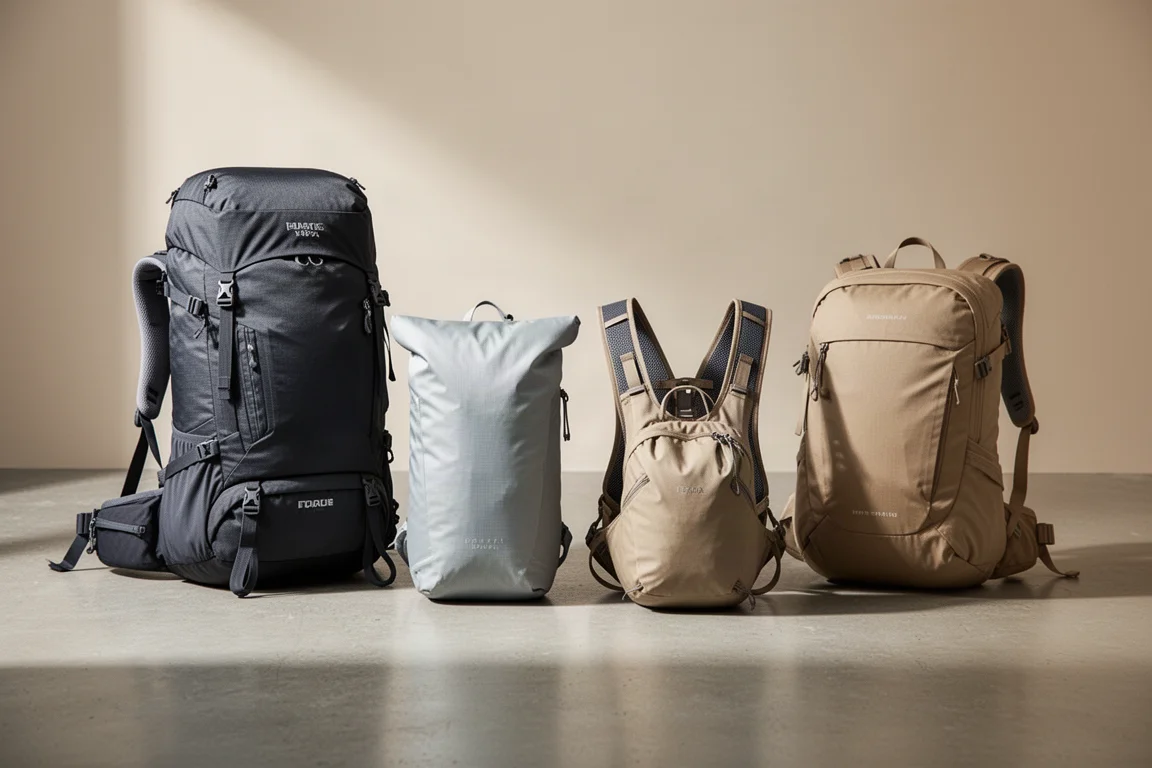
Backpacking Pack Types Compared: Traditional, Ultralight, Frameless, and Hybrid
Four pack categories, four representative packs, and a practical way to decide which kind of backpacking pack matches the weight of your gear.
Backpacking Packs
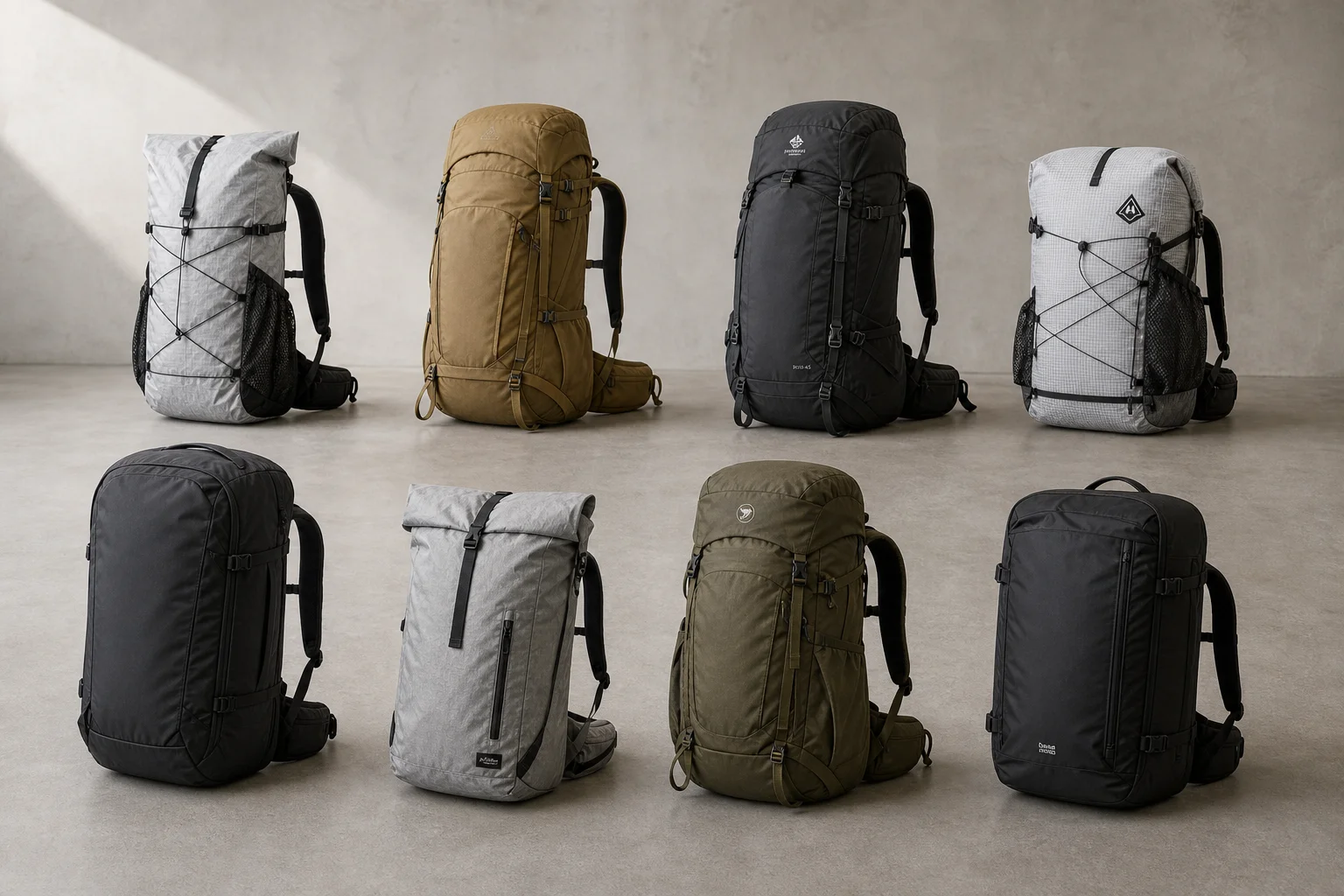
Best Backpacking Packs 2026: Six Picks for Every Style of Trip
Six backpacking packs that earned their place by weight class and purpose, with the real strengths and trade-offs to weigh before you buy.
Backpacking Packs
Big Agnes Prospector 50 Review: A Hybrid Pack That Sits Between Two Worlds
A 50-liter backpacking pack that mixes ultralight features with traditional padding and panel access. Here is who it suits and where it falls short.