Backpacking Packs
Osprey Exos Pro 55 Review: A Lightweight Hybrid Pack That Takes a Bear Canister
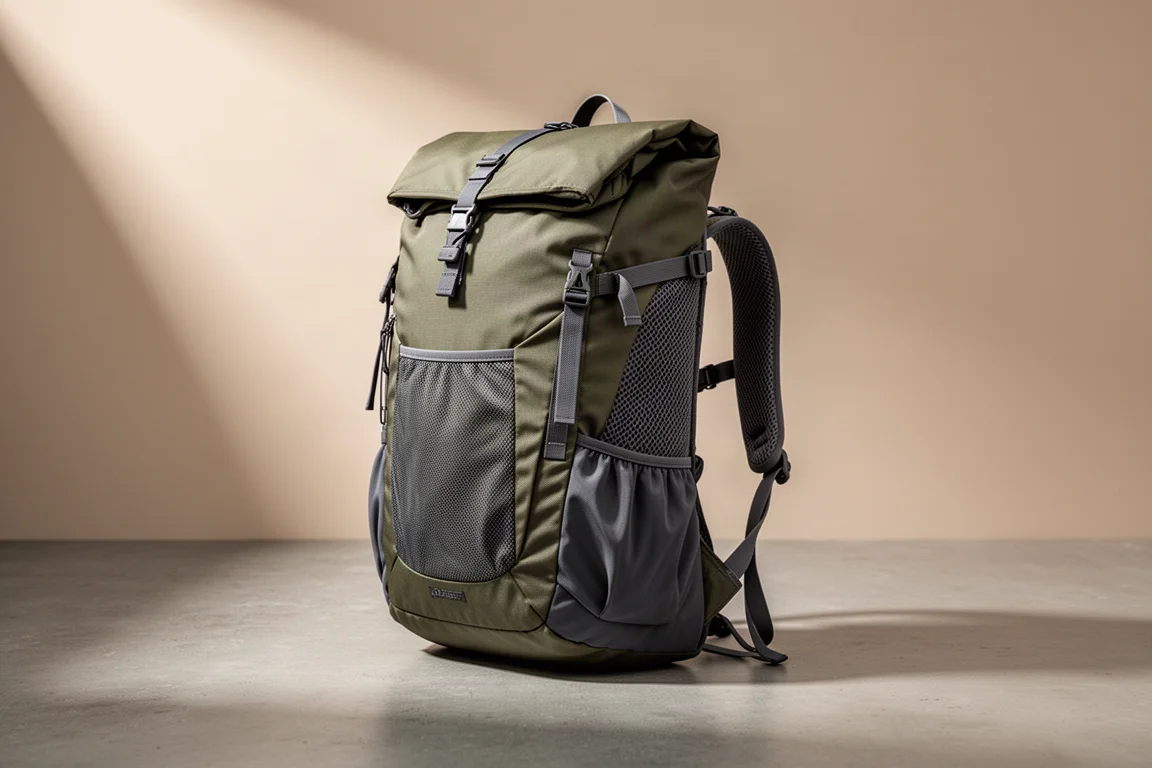
The Osprey Exos Pro 55 pairs an ultralight layout with a removable top lid and a suspended mesh back panel, and it carries a large bear canister without complaint.
Introduction
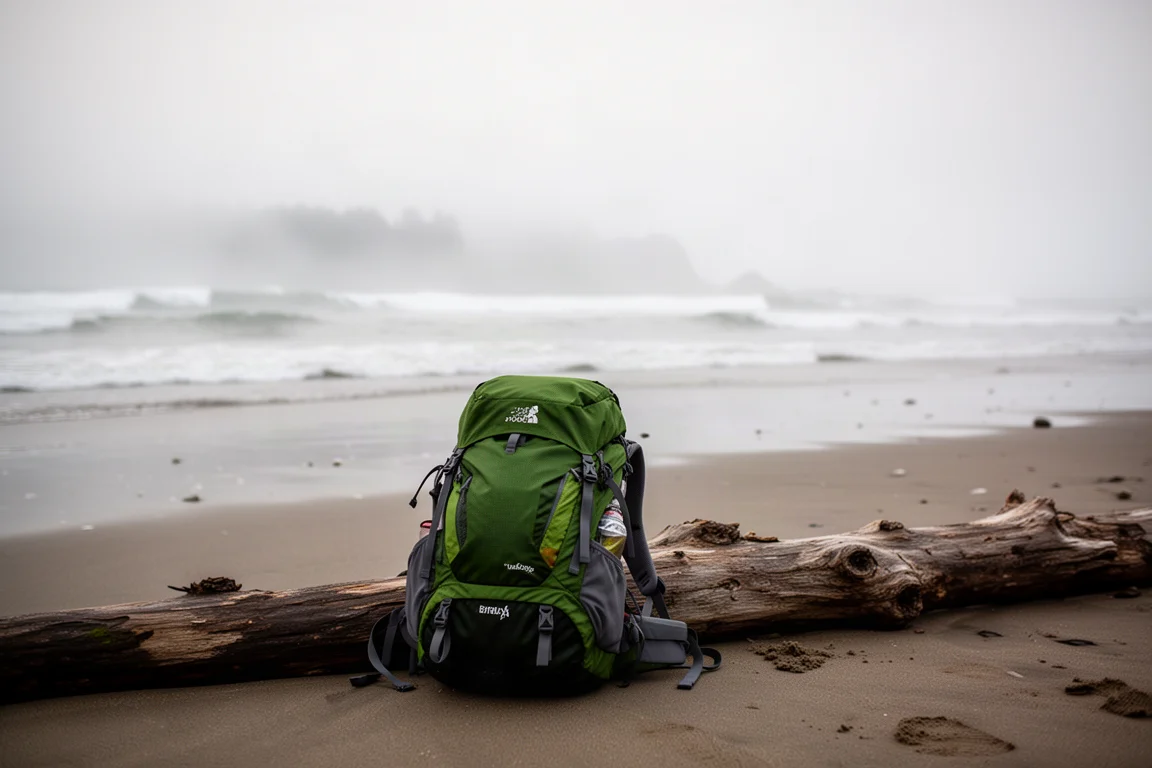
Traditional Osprey packs have a reputation for being heavy, bulky, and loaded with pockets, zippers, and straps that many backpackers never actually use. That reputation is the reason the Osprey Exos Pro 55 was nearly passed over. What changed the calculation was a simple trip constraint: Olympic National Park requires bear canisters, and the pack that normally goes along on coastal trips, the Zpacks Arc Haul, does not handle them well. A large canister is enough to strain that frame. The Exos Pro 55 arrived around the same time, so it went instead. It swallowed the bear canister without complaint, and it turned out to be a far more interesting pack than its category suggests.
At 55 liters, the Exos Pro 55 sits between stripped-down ultralight packs and conventional load haulers. That middle ground is exactly where it earns its place.
Who the Exos Pro 55 Is For
This pack makes the most sense for backpackers who want to move down into lightweight or even ultralight territory without giving up a couple of traditional conveniences. It is not the absolute lightest option on the shelf. True ultralight packs typically come in under 2 lb, and the Exos Pro 55 starts at 2 lb 5 oz. Even so, that is less than half the weight of many traditional Osprey packs, which frequently reach 5 lb or more.
It is also a strong candidate for anyone whose trips require a bear canister, particularly a large one. That was the deciding factor on a recent coastal trip, and the pack handled the load where a lighter alternative struggled.
Weight and Packability
At 2 lb 5 oz, the Exos Pro 55 is not a record holder, but it is light enough to open the door to lightweight and ultralight packing. The top lid, or brain, is removable, and taking it off sheds another 3 oz, bringing the pack down to 2 lb 2 oz. That is genuinely competitive for a pack with this feature set.
The 55 L capacity is enough for multi-day trips, including the bulky items that ultralight packs often force you to strap outside. The weight savings here come from the frame and suspension design rather than from stripping away every pocket, which is the trade-off most packs in this class make.
Suspension and Ventilation
The suspension is the standout feature. A springy mesh panel sits over an arching frame, and the result is the best back ventilation of any pack used so far. Air moves between the pack and the wearer’s back, which matters on warm, humid days and long climbs.
Comfort holds up under load as well. Loads over 30 lb were carried across several trips, and the pack stayed comfortable at those relatively high weights. That is unusual for a pack this light, and it comes without the thick padding that traditional packs rely on to manage heavy loads.
The arching frame concept is similar to the design used on the Zpacks Arc Haul, but the execution here feels more refined, and this pack appears to hold more despite a smaller listed capacity: 55 L against 60 L. The clearest demonstration is bear canister carry. Even a small canister such as the BearVault 450 is a struggle for the Arc Haul, and a larger backpacker’s cache puts enough stress on that frame that breakage looks likely. The Exos Pro 55 carried a large canister without any trouble.
Pockets, the Removable Brain, and Access on the Trail
The pocket layout follows ultralight convention: two elastic side pockets and a center mesh pocket. That is the same basic arrangement found on nearly every ultralight pack, and it keeps the body of the pack clean and simple.
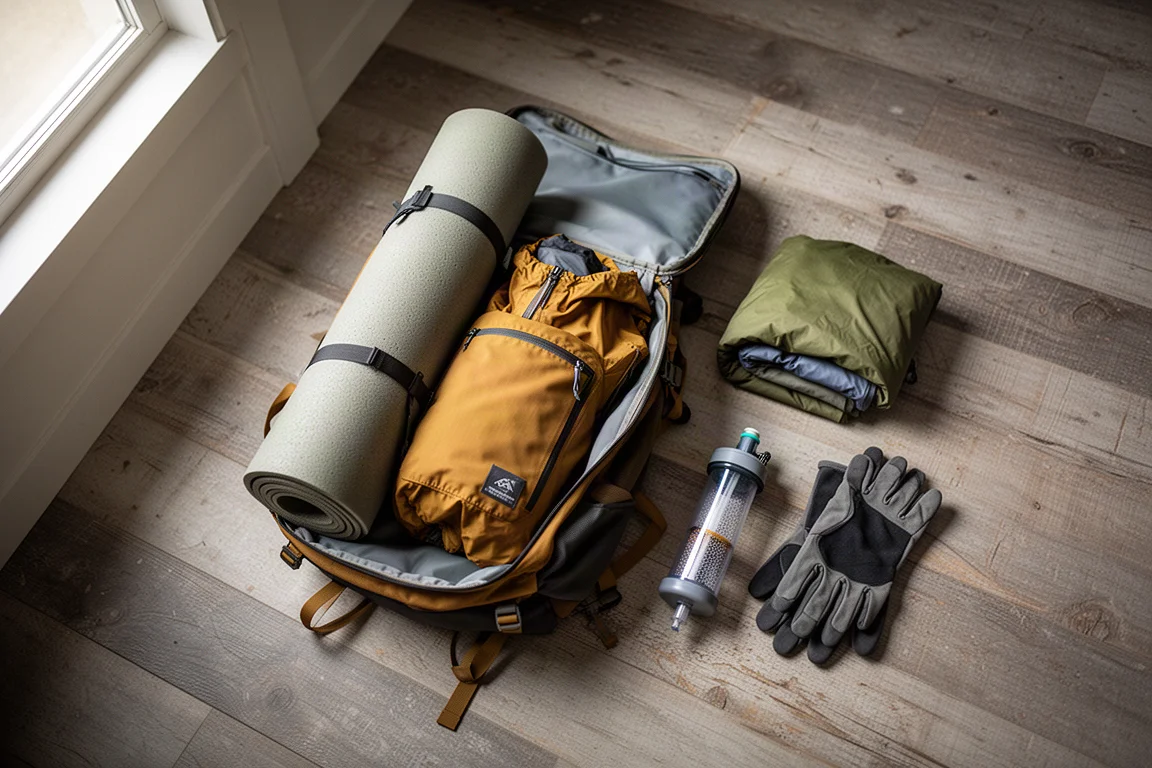
What is unusual is the removable brain. Very few ultralight packs include a top lid at all, and having one back is a real convenience. The zippered pocket up top is generous enough for quick-access items such as rain gear and a water filter, and it keeps them secure. That frees the outer mesh pocket for a mid layer and gloves, the items that tend to stay in hand until the last minute.
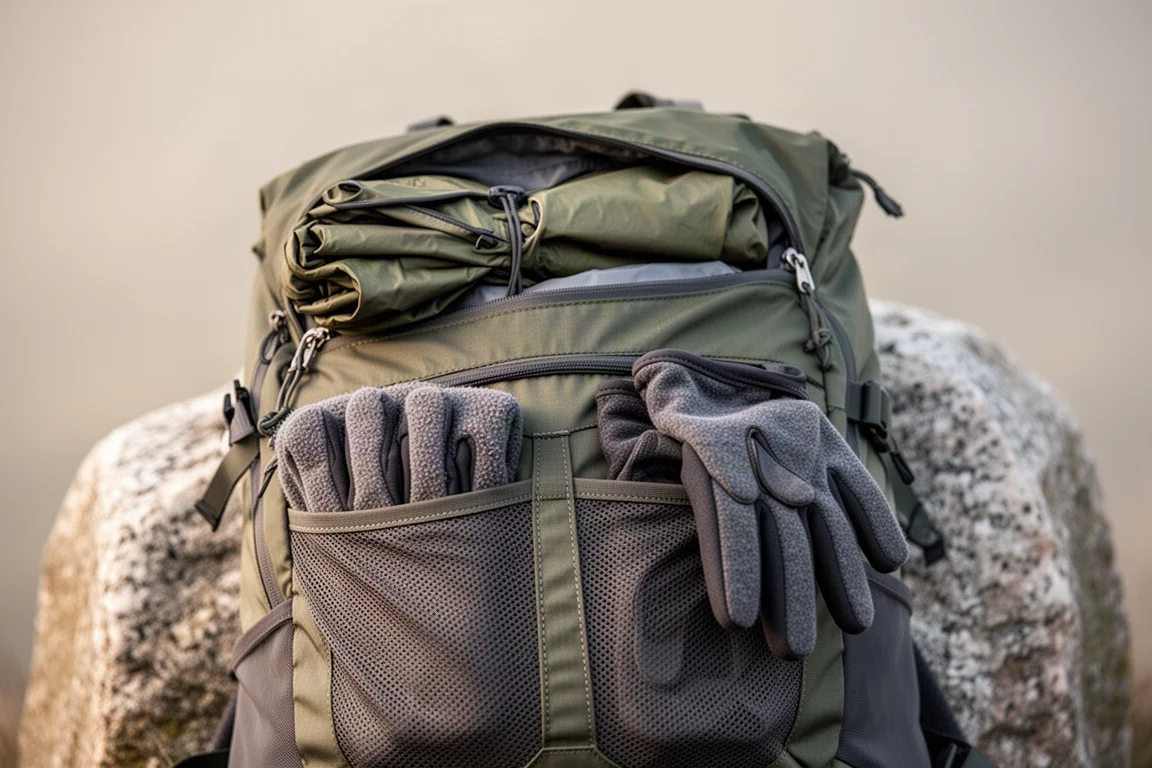
The combination is what makes the Exos Pro 55 feel like a genuine hybrid: ultralight pockets and ultralight weight, plus one traditional compartment that most stripped-down packs leave out.
Things to Consider Before Buying
A few details are worth knowing before committing. The first is the flap that keeps the pack functional once the brain is removed. It feels inadequate, and it also gets in the way when the brain is in place, which is how most people will run the pack given that the lid only adds 3 oz.
The second is the compression strap. On most packs, including roll-top ultralight designs, the compression strap runs over the outside of the main compartment, where it does a good job of tightening and compacting a load. On the Exos Pro 55 it is routed inside the main compartment, which makes it harder to reach and less effective at compressing the load.
The third is the left hip belt pocket, which uses an elastic closure rather than a zipper. Items are more likely to work their way out than they would with a zipped pocket, and it is a small inconsistency given that the opposite side is zipped.
Finally, it is worth being clear about the weight class. At 2 lb 2 oz without the brain, this pack is light, but it is not a sub-2 lb ultralight pack. Backpackers who count every ounce should weigh that against the comfort and ventilation the suspension provides.
Buying Advice
The Exos Pro 55 makes the most sense for backpackers who want to lighten their load without giving up a lid, and for anyone who has to carry a bear canister on trips where a lighter frame will not cooperate. The ventilation and the way it carries weight are the reasons to choose it over a simpler ultralight pack.
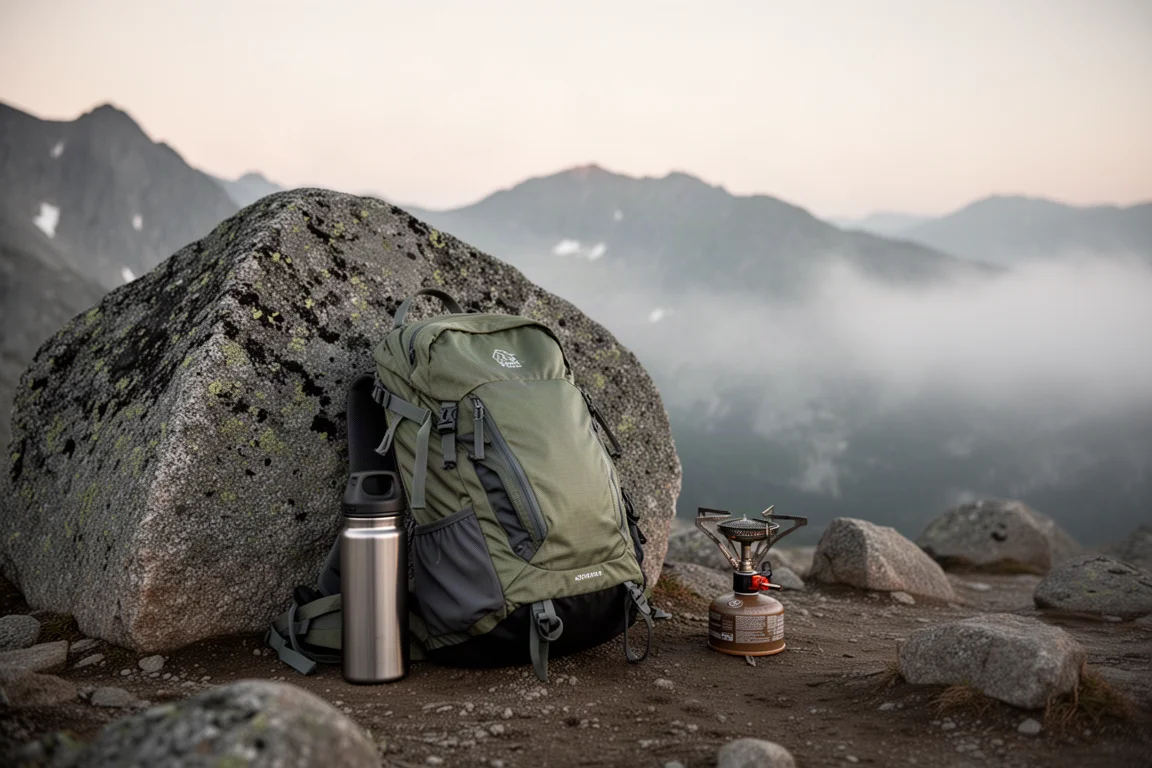
Decide up front whether to keep the brain. Leaving it on adds 3 oz and provides a secure quick-access pocket; taking it off trims weight but leaves the small flap and the internal compression strap as the main closures.
If maximum weight savings matter more than load comfort, a sub-2 lb pack will still be the better answer. If a comfortable, well-ventilated carry at moderate loads matters more, this one is worth a close look.
Conclusion
The Osprey Exos Pro 55 was nearly passed over because of a general dislike for heavy, feature-heavy Osprey packs. Instead it turned out to be a genuine hybrid: light enough to open the door to ultralight packing, conventional enough to keep a lid and a zippered top pocket, and comfortable enough under a heavy load to carry a large bear canister without complaint. The removable lid flap, the internal compression strap, and the elastic hip belt pocket are real annoyances, but they are the only ones.
Product link
View more details for Osprey Exos Pro 55
This product is mentioned in the review. Check the specifications, options, and compatibility before buying.
View more details for Osprey Exos Pro 55Further reading
Related Reviews
Backpacking Packs
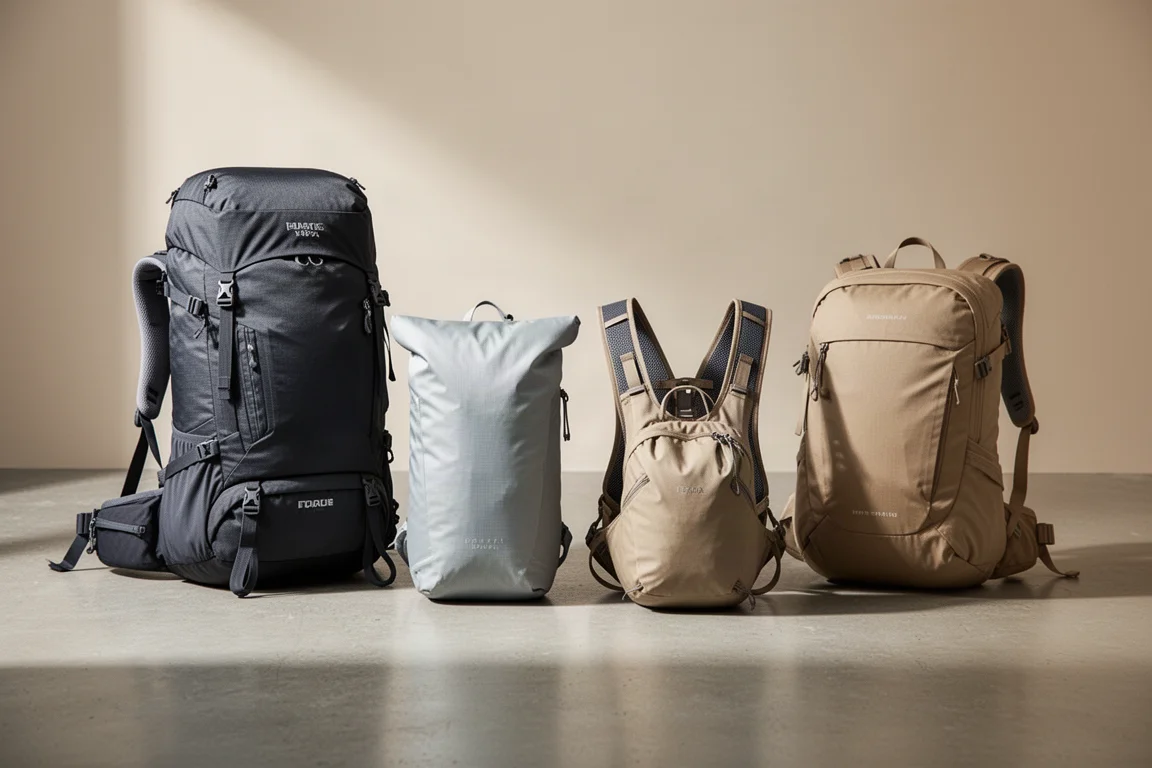
Backpacking Pack Types Compared: Traditional, Ultralight, Frameless, and Hybrid
Four pack categories, four representative packs, and a practical way to decide which kind of backpacking pack matches the weight of your gear.
Backpacking Packs
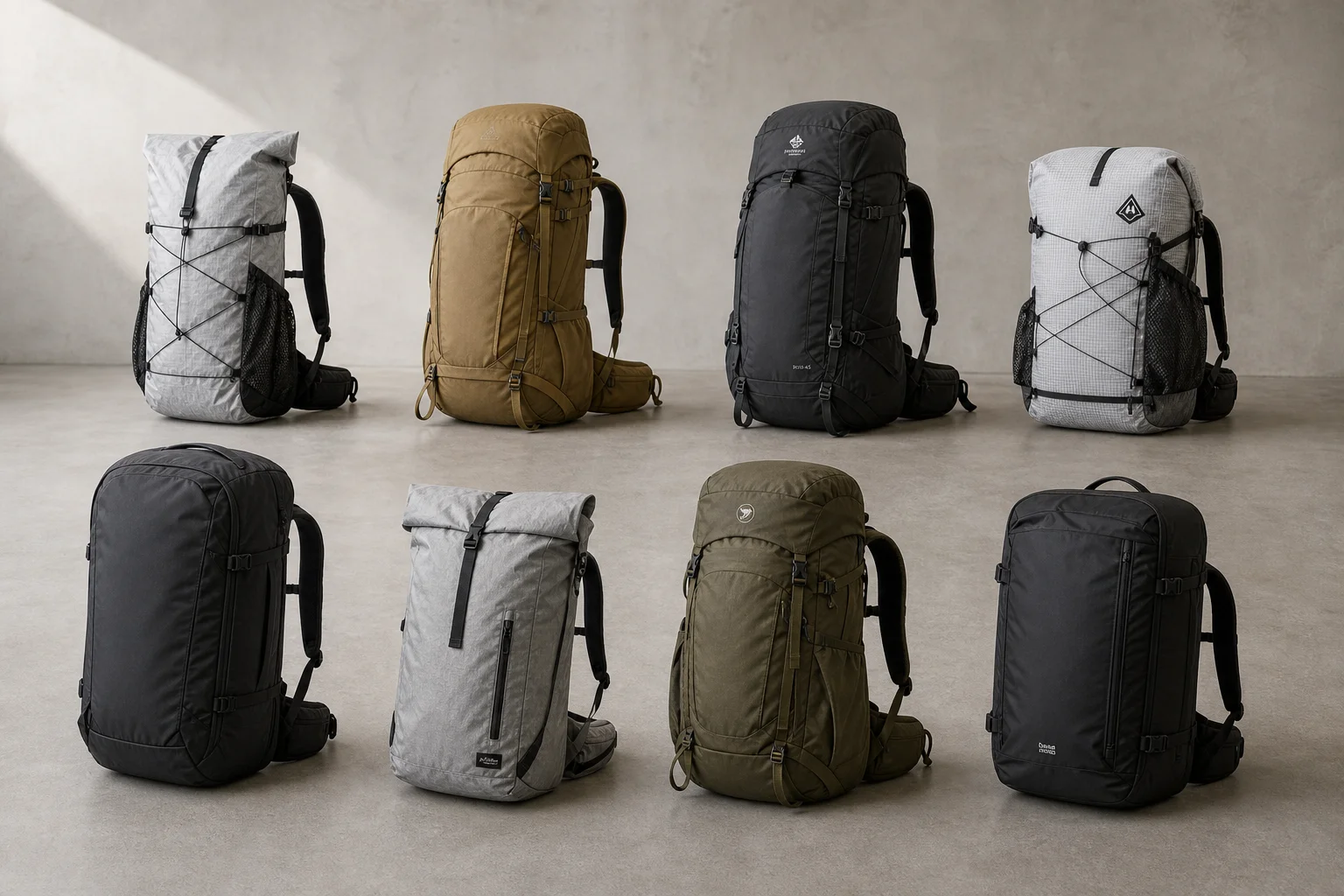
Best Backpacking Packs 2026: Six Picks for Every Style of Trip
Six backpacking packs that earned their place by weight class and purpose, with the real strengths and trade-offs to weigh before you buy.
Backpacking Packs
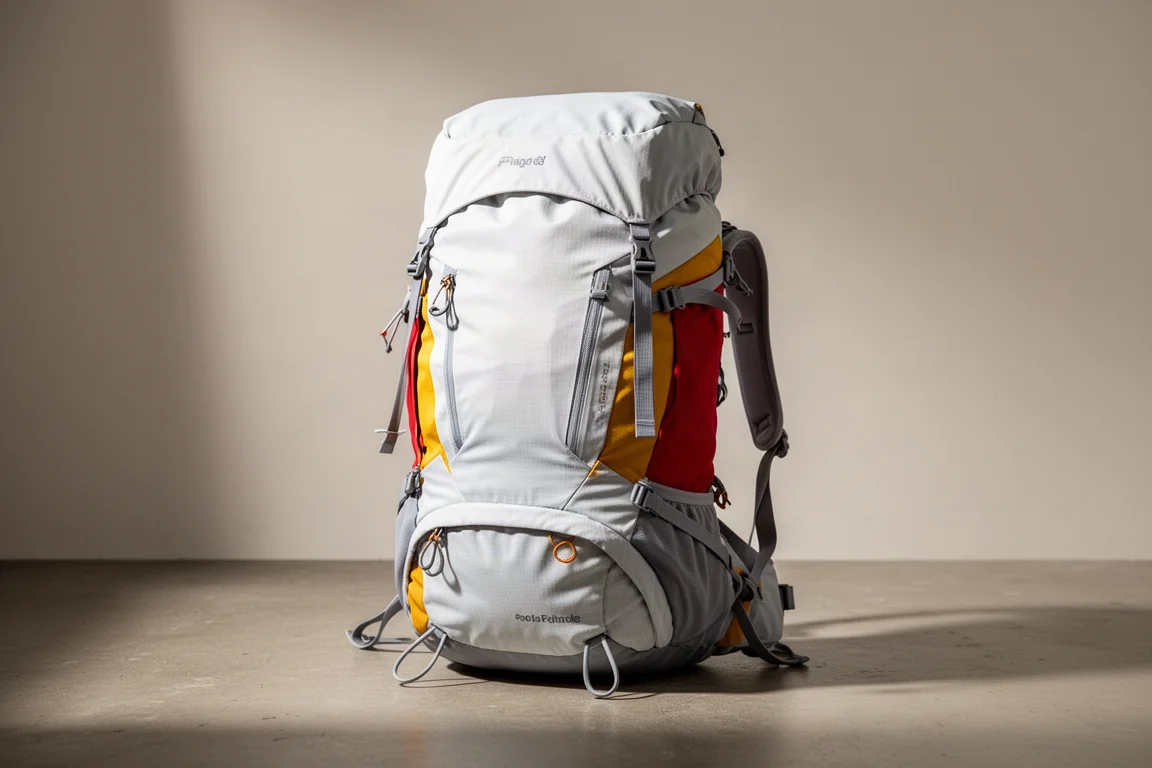
Big Agnes Prospector 50 Review: A Hybrid Pack That Sits Between Two Worlds
A 50-liter backpacking pack that mixes ultralight features with traditional padding and panel access. Here is who it suits and where it falls short.