Tube Amplifiers
Orsay Fon MC275 Clone Review: Tube Power at a Fraction of the Original Price
A close look at the Orsay Fon MC275 clone amplifier: its $1,939 asking price, its measured sound and power behaviour, and the build quality trade-offs to weigh before buying.
Introduction
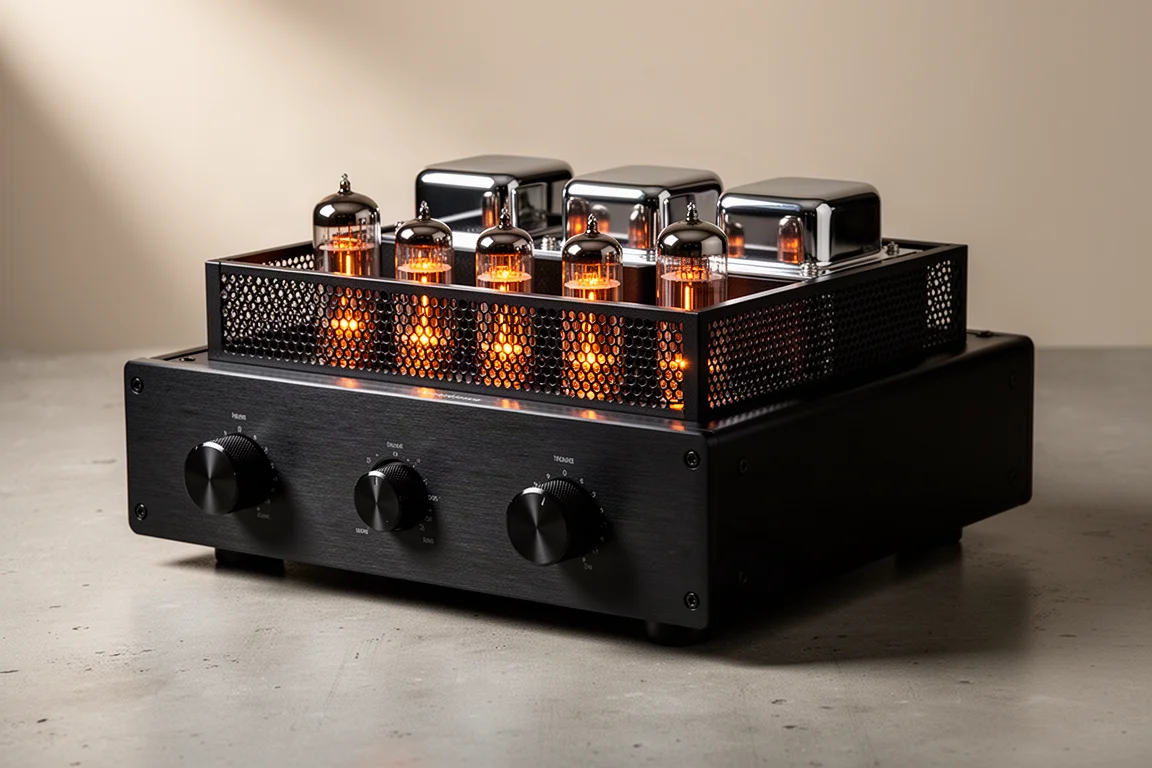
The Orsay Fon MC275 clone is a stereo tube power amplifier sold directly from Alibaba.com for $1,939, plus roughly $65 in shipping. Its own product listing describes it as a flagship version clone of the MC275, and the amplifier it copies, the McIntosh MC275 Mark VI, sells for approximately $7,500 in the United States. That puts the clone at roughly a quarter to a third of the price of the original, which is the entire reason it exists and the entire reason it is worth examining closely.
This article looks at what the Orsay Fon actually delivers for that money: the connections and power rating it shares with the original, the measured differences that appear when both amplifiers drive the same speakers, and the build quality details that separate a $1,939 amplifier from a $7,500 one.
Who This Amplifier Is For
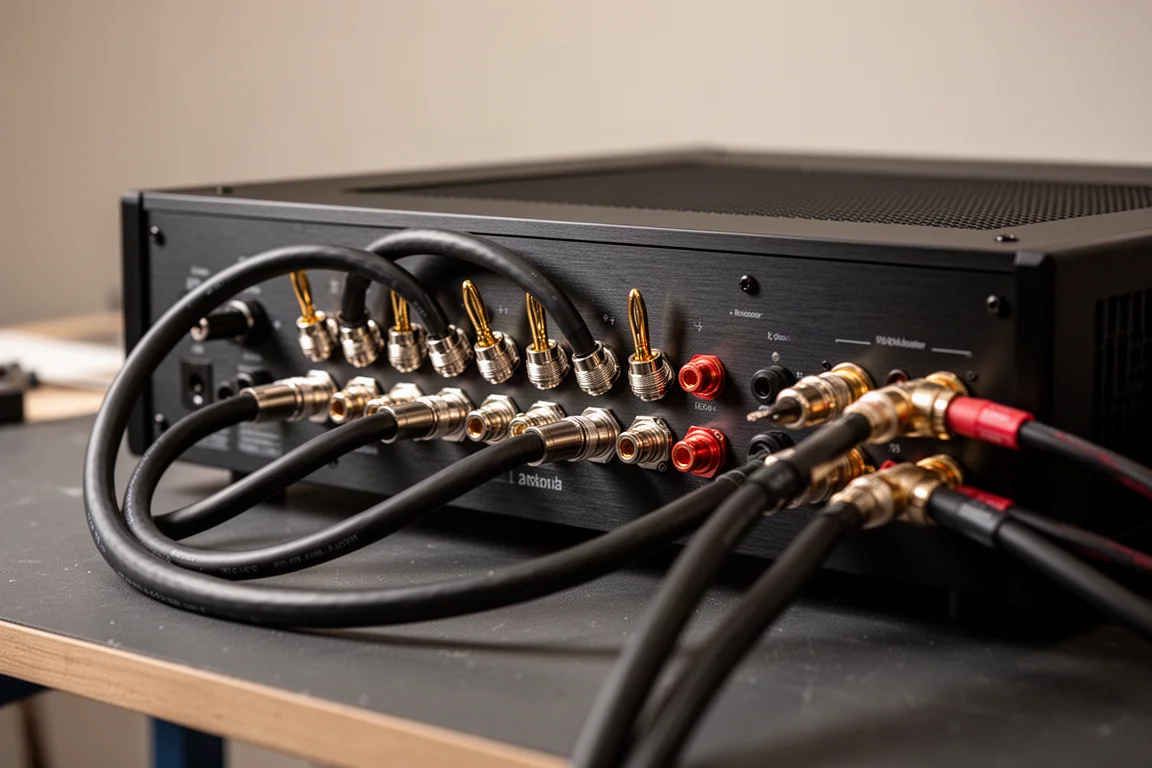
The Orsay Fon is aimed at listeners who want tube amplification and around 75 W per channel without paying McIntosh money. It carries the same basic connection set as the MC275, with unbalanced RCA inputs and balanced XLR inputs, and it adds a second set of RCA inputs that the McIntosh does not have. A front panel knob selects between CD, auxiliary, and balanced sources, and in auxiliary mode the volume control sets the output level.
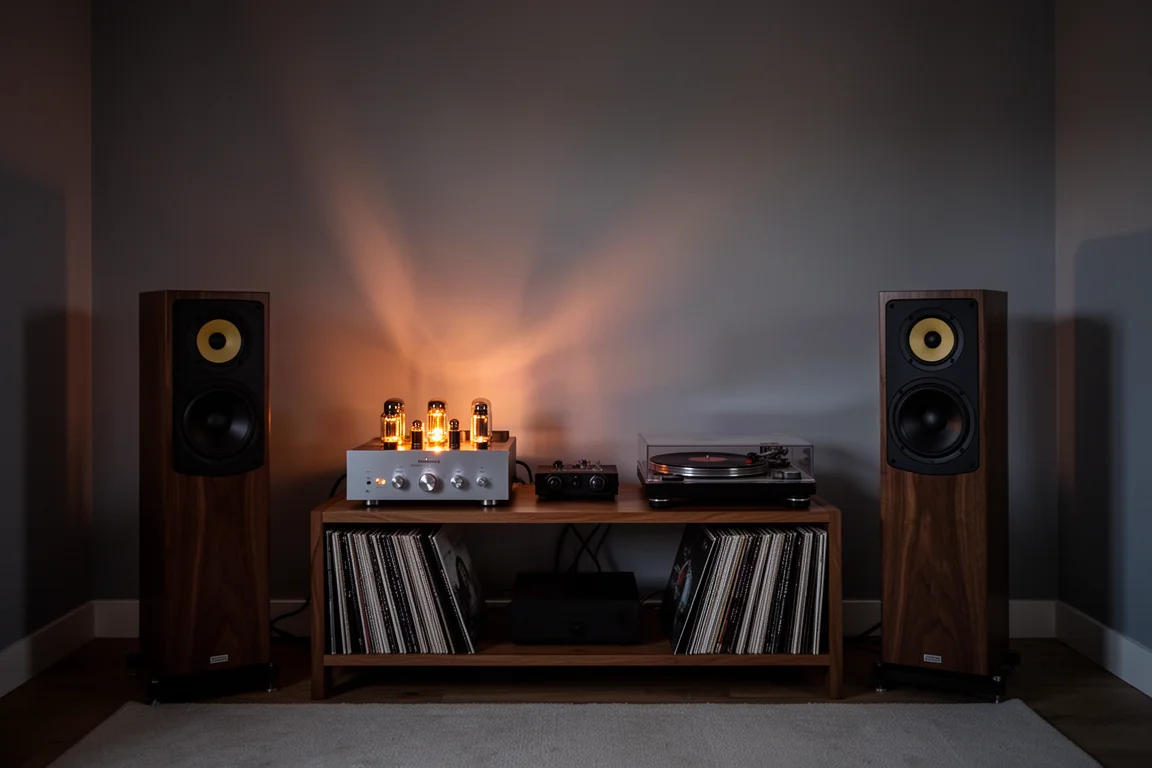
Physically it is a heavy piece. The amplifier weighs in the region of 80 lb, against roughly 68 lb for the McIntosh, and it arrives inside a flight case packed within a cardboard box.
It is not a fit for every system, though. The Orsay Fon is specified for 4, 8, and 16 ohm loads, while the McIntosh covers 2, 4, and 8 ohms. Buyers with 2 ohm speakers, or with speakers that dip low in impedance, should treat that as a real limitation rather than a footnote.
Main Strengths: Connections and Rated Output
The strongest case for the Orsay Fon is what it offers on paper for the price. It is rated at 2 x 75 W, the same nominal output as the MC275, and it provides both single-ended and balanced inputs on a chassis that feels substantial in the hand. The additional RCA input pair is a genuine convenience if you run more than one source and would rather not swap cables.
The front panel layout is straightforward: source selection on one knob, output level on the other when auxiliary mode is engaged. There is no 12 V remote trigger input, which the McIntosh does provide, so the Orsay Fon has to be switched on manually.
Measured Sound: Load Behaviour and Treble Roll-Off
Comparing the two amplifiers on the same speakers and the same source produced a consistent pattern. The Orsay Fon rolled off in the treble relative to the McIntosh, and the measurements explain why. Its output impedance sits around 0.4 ohm overall and climbs to roughly 0.6 ohm at higher frequencies. The McIntosh measures about 0.2 ohm and stays flat. Because a higher output impedance makes an amplifier’s frequency response depend on the speaker it is driving, the Orsay Fon changes character from speaker to speaker in a way the McIntosh does not.
Zooming into the frequency response data shows how that plays out. At 200 Hz the Orsay Fon measured about 0.2 dB below the McIntosh. Between roughly 600 Hz and 1.2 kHz the two track closely. Around 6 kHz the gap widens to about 0.3 dB. At 10 kHz the Orsay Fon measured about 1.2 dB lower with one speaker pair and about 1 dB lower with a second, inexpensive pair. The direction of the deviation stayed the same in both cases.
For listeners, that means the difference is not random. It follows the load. With speakers that present a benign impedance curve the two amplifiers sound close; with speakers that do not, the Orsay Fon will sound slightly darker.
Distortion and Rated Power
Both amplifiers are rated at 1% distortion, and this is where the measurements separate most clearly. The McIntosh stayed below 0.1% THD up to around 50 W and reached roughly 80 W at 1% THD at both 4 and 8 ohms on both channels, which means it genuinely delivers its rated power.
The Orsay Fon was already near 1% THD at 10 W. At its 75 W rating, the left channel measured around 10% THD, and the right channel measured just above 1%, roughly 2%. Buyers who care about clean headroom should read those numbers carefully, because they describe a real difference in behaviour at the top of the amplifier’s range rather than a marginal one.
Things to Consider Before Buying
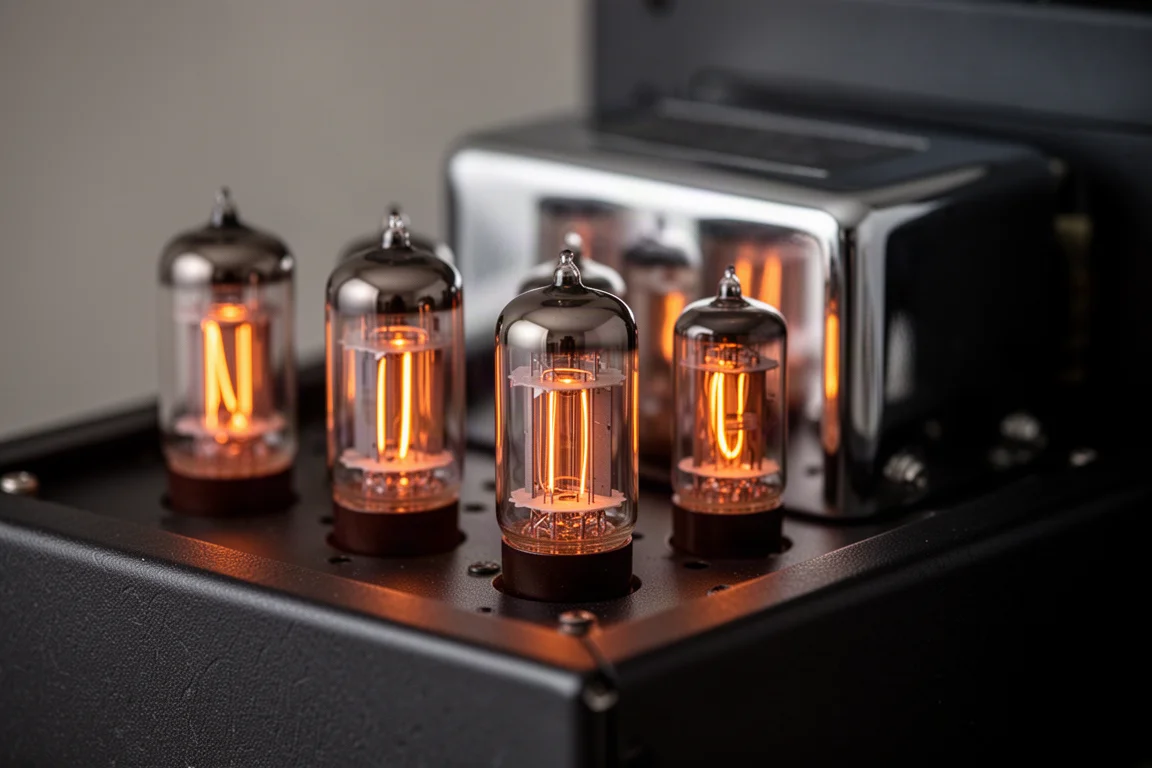
Build quality is the area where the price gap shows up most obviously. The volume knob holds its position well, but the source selection knob wobbles in place. The tube cage is held by small standoffs rather than screws. The printing on the supplied tubes does not line up consistently across the sockets, with one tube facing the opposite direction from the others, which suggests either misaligned sockets or misaligned printing. The lettering for the tube types was already scratched and fading on arrival. The transformer tops are covered by stickers that were peeling, rather than the inlaid metal plate used on the McIntosh. The binding posts on the rear panel also feel less substantial than the originals.
The amplifier also runs hot in normal use, and it lacks the 12 V trigger input found on the McIntosh, so it cannot be powered up by another component in the system.
None of these issues affect whether the amplifier makes sound, but they do affect how it will look and feel after a few years of ownership, and they are the clearest signal of where the money was saved.
The Price Gap and What It Means
At $1,939 plus shipping against approximately $7,500, these two amplifiers are far enough apart in price that few buyers will seriously consider both. That distance makes the usual advice to save up for the original harder to apply. The more useful question is what else is available at the clone’s price point. Tube amplifiers built and supported in the United States can be found around the same money, which is worth weighing against a direct-import purchase that arrives with cosmetic flaws and no local dealer support.
Buying Advice
The Orsay Fon makes sense for a listener who wants tube power, around 75 W per channel, and balanced as well as single-ended inputs, and who is comfortable with a load-dependent amplifier and a chassis that shows its price in the details. Pairing it with speakers that present a stable, reasonably high impedance will get the most out of it and minimize the treble roll-off.
It is a harder recommendation for anyone with 2 ohm speakers, anyone who needs a 12 V trigger, or anyone who wants the frequency response to stay consistent when speakers change. In those cases the McIntosh MC275 Mark VI remains the more predictable amplifier, and the measurements back that up.
If the goal is simply to experience tube amplification at the lowest possible entry price and the build details do not bother you, the Orsay Fon delivers a working 75 W tube amplifier for a fraction of the original’s cost. If the goal is a long-term component that behaves the same way with every speaker you own, the extra money buys something measurable.
Conclusion
The Orsay Fon MC275 clone is a genuine tube amplifier at roughly a quarter to a third of the price of the McIntosh it imitates, and it is upfront about what it is. It offers the same nominal power rating and a comparable set of connections, with an extra RCA input as a bonus. What it does not offer is the McIntosh’s flat output impedance, its low distortion at rated power, or its build consistency. Buyers who understand those trade-offs and match the amplifier to suitable speakers can end up satisfied. Buyers who expect the original’s behaviour at the clone’s price will not.
Product link
View more details for Orsay Fon MC275 Clone Amplifier
This product is mentioned in the review. Check the specifications, options, and compatibility before buying.
View more details for Orsay Fon MC275 Clone AmplifierFurther reading
Related Reviews
Tube Amplifiers
Three Standout Tube Amplifiers: Marantz 8B, Decware ZMA, and Convergent Audio JL2
A close look at three tube amplifiers with distinct strengths, from vintage sweetness to modern mid-range refinement and heavyweight bass authority.
Tube Amplifiers
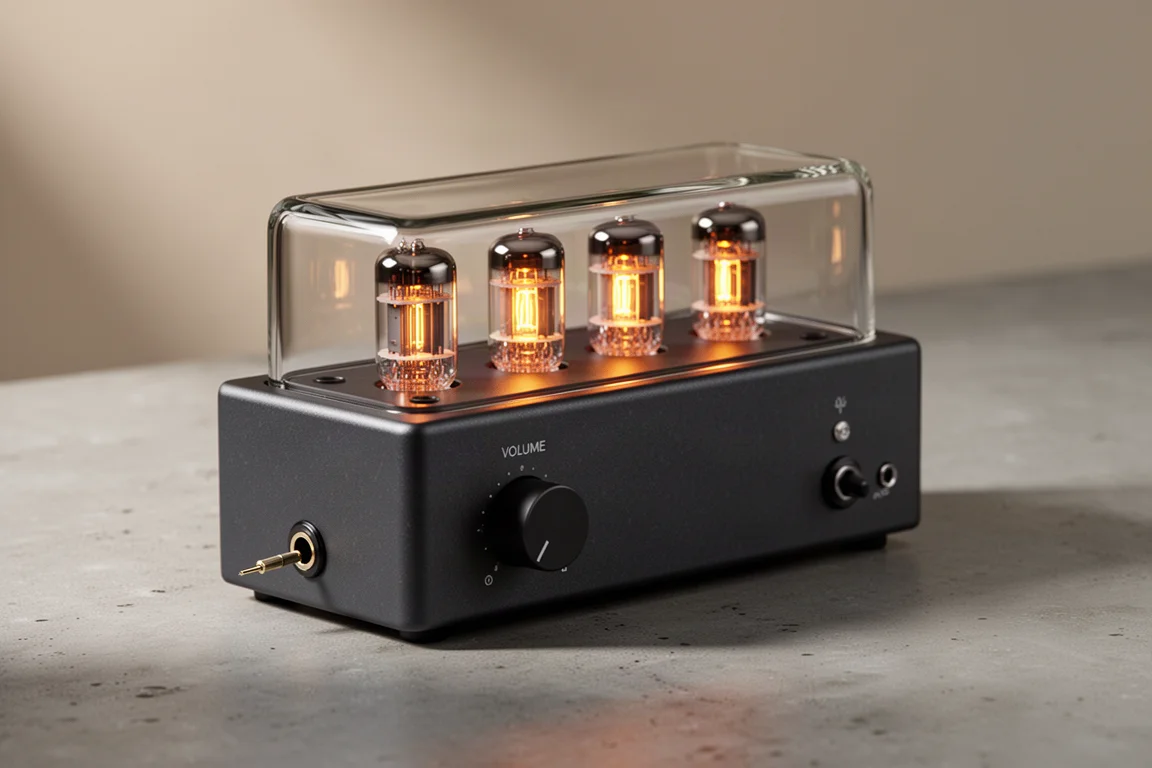
Black Ice Audio FX10 Review: A Real Tube Amplifier at a Realistic Price
The Black Ice Audio FX10 pairs EL84 tubes with a glass enclosure and a $625 price tag. Here is what it does well, what to check first, and who should consider it.
Tube Amplifiers
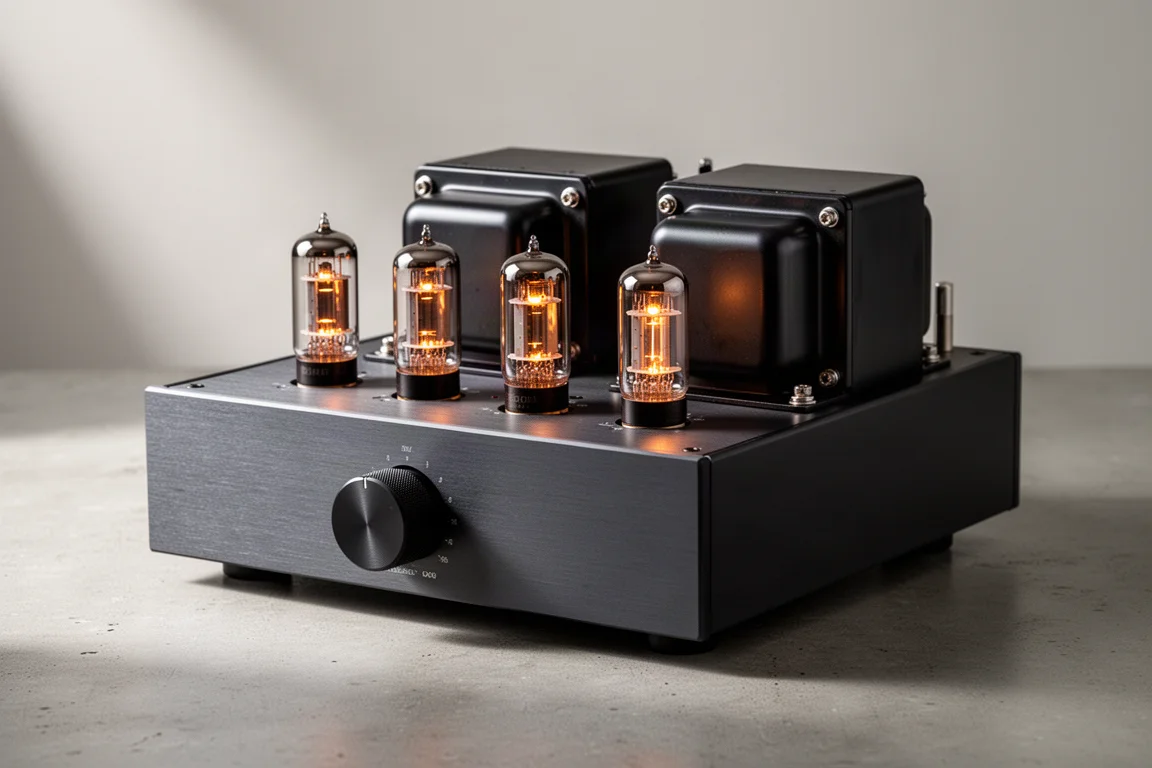
Brunoco Terra Integrated Amplifier Review: 20 Watts of Vintage RCA Character
A purist 20W tube integrated amplifier built in Korea around vintage RCA circuit ideas, with a musical, expansive sound and a few practical trade-offs.