Aquarium Lighting
Orphek Reef Lighting: How the Atlantik V4, Compact, and Gateway Fit Together
A practical guide to the Orphek Atlantik V4, Atlantik Compact, and Gateway, covering which fixture suits which reef tank and the setup details that matter most.
Introduction
Reef keepers moving into high-output LED lighting tend to run into the same handful of questions. How high should the fixtures sit above the water? How far apart should they be spaced? And which model actually belongs over a given tank? Getting those answers right is the difference between a system that spreads light evenly across the aquascape and one that leaves dark corners and a hot spot in the middle.
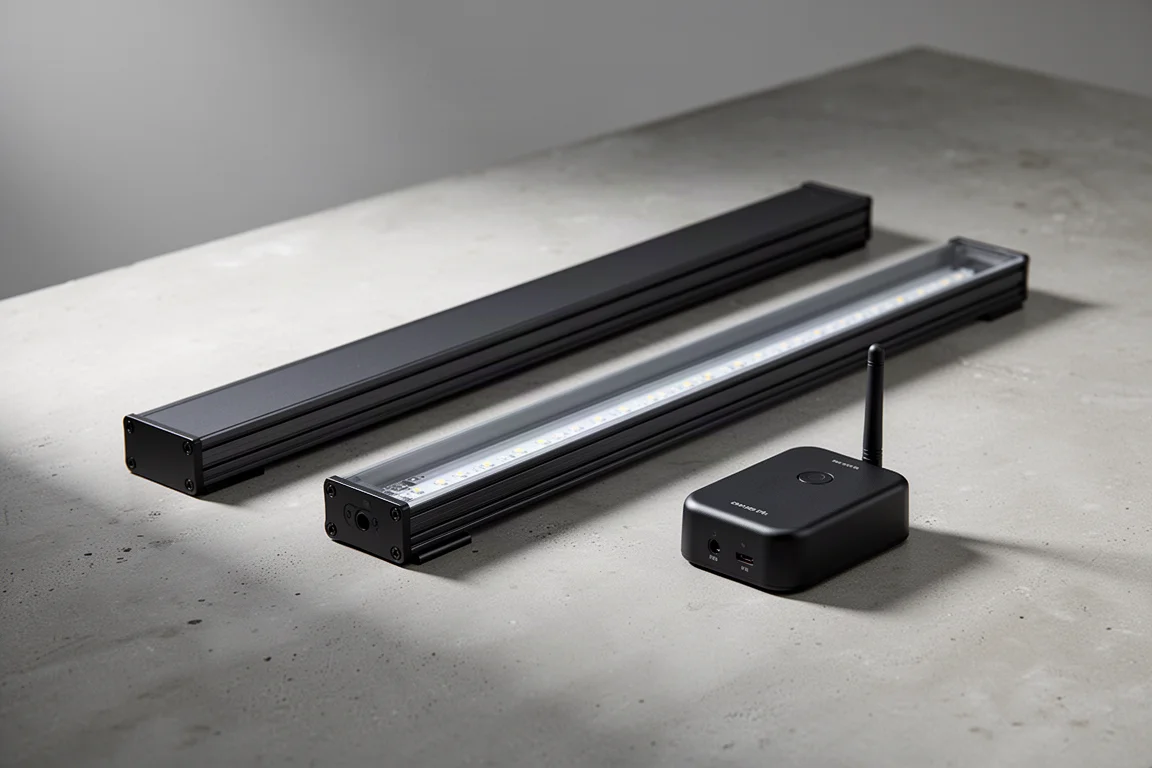
The Orphek lineup answers those questions with three pieces of hardware. The Atlantik V4 is the full-size fixture, the Atlantik Compact is the smaller and more flexible option, and the Gateway is the control hub that brings either light into a single management system.
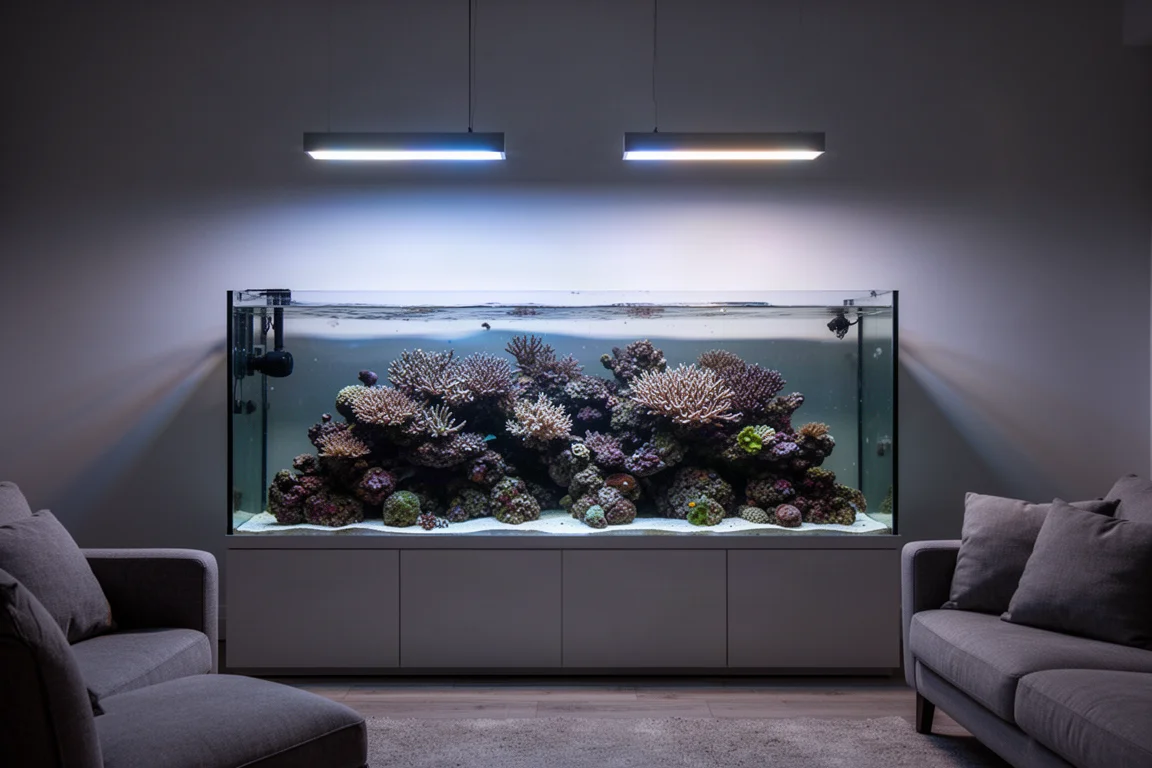
This guide covers what each component is for, where the smaller and the larger fixture each make sense, and the setup details that most often get overlooked before the lights arrive.
Choosing by Tank Type, Not by Looks
The most common misstep with high-output reef lighting is treating fixtures as interchangeable. These lights are built around specific tank types and specific mounting positions, and the results depend heavily on matching the two.
Mounting height is the detail most often underestimated. These fixtures are designed to sit higher above the water than many hobbyists expect, and a position in the 14 to 16 inch range is where they tend to perform best. That height also keeps access to the tank easy, which matters when the fixture is the only thing between you and routine maintenance.
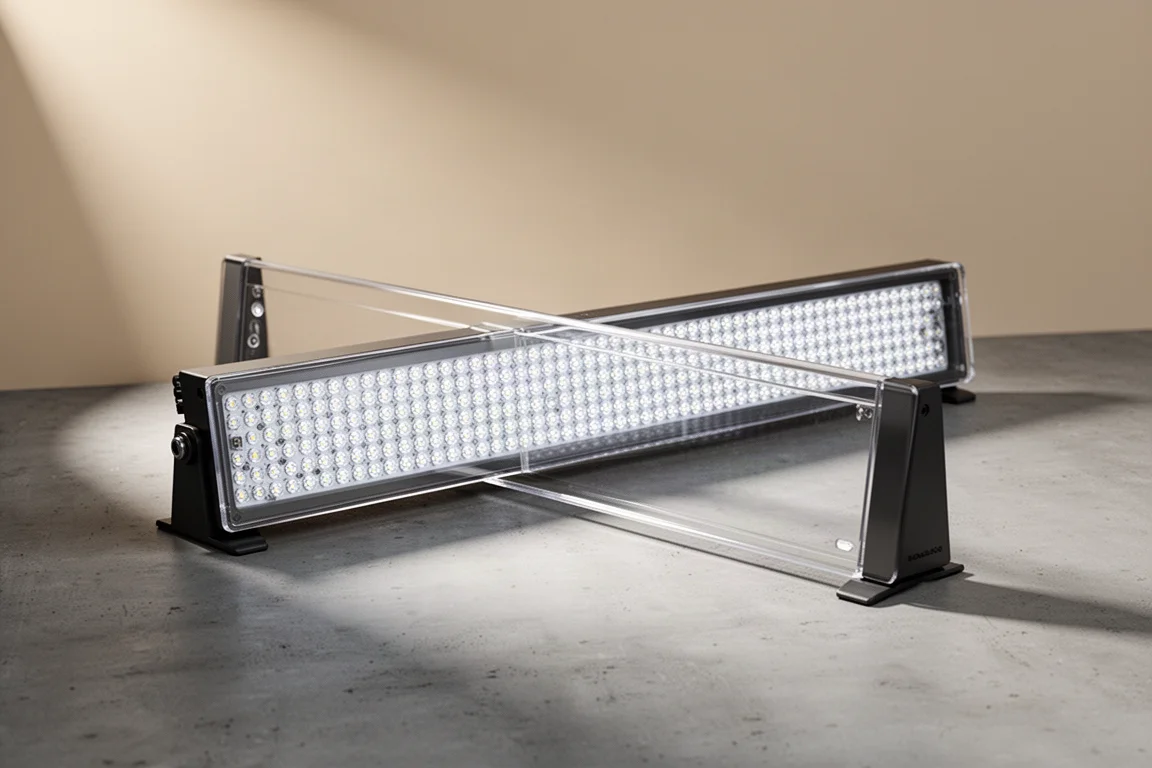
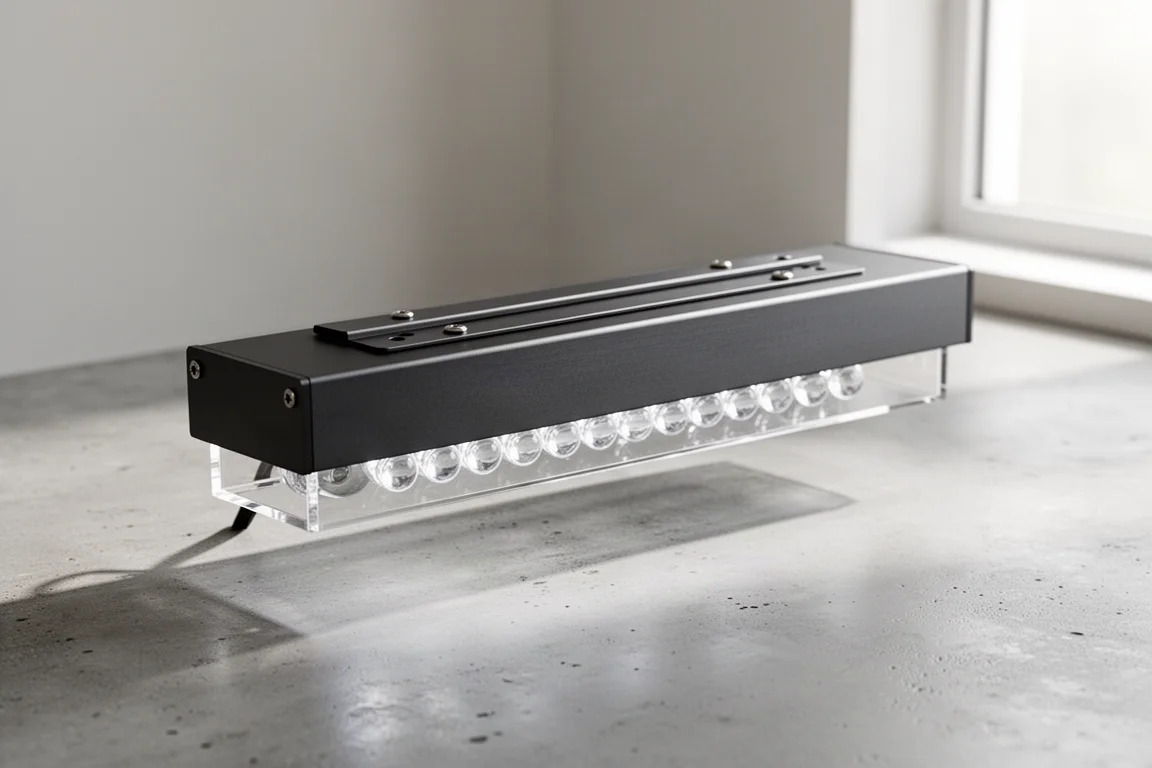
Both the full-size and compact models include an acrylic plate on the underside. It limits how much light spills sideways into the room and into your eyes, and the combination of the rounded lens elements with the reflection off that plate pushes a large share of the output down into the tank rather than across the viewing position.
Control is split across four channels, which is enough range to shape a spectrum deliberately instead of by trial and error.
Orphek Atlantik V4: The Full-Size Fixture
The Atlantik V4 is the fixture to reach for when the plan is a wall-to-wall SPS system. A single unit handles a 60 gallon cube, and two units over a 120 gallon tank will get the job done.
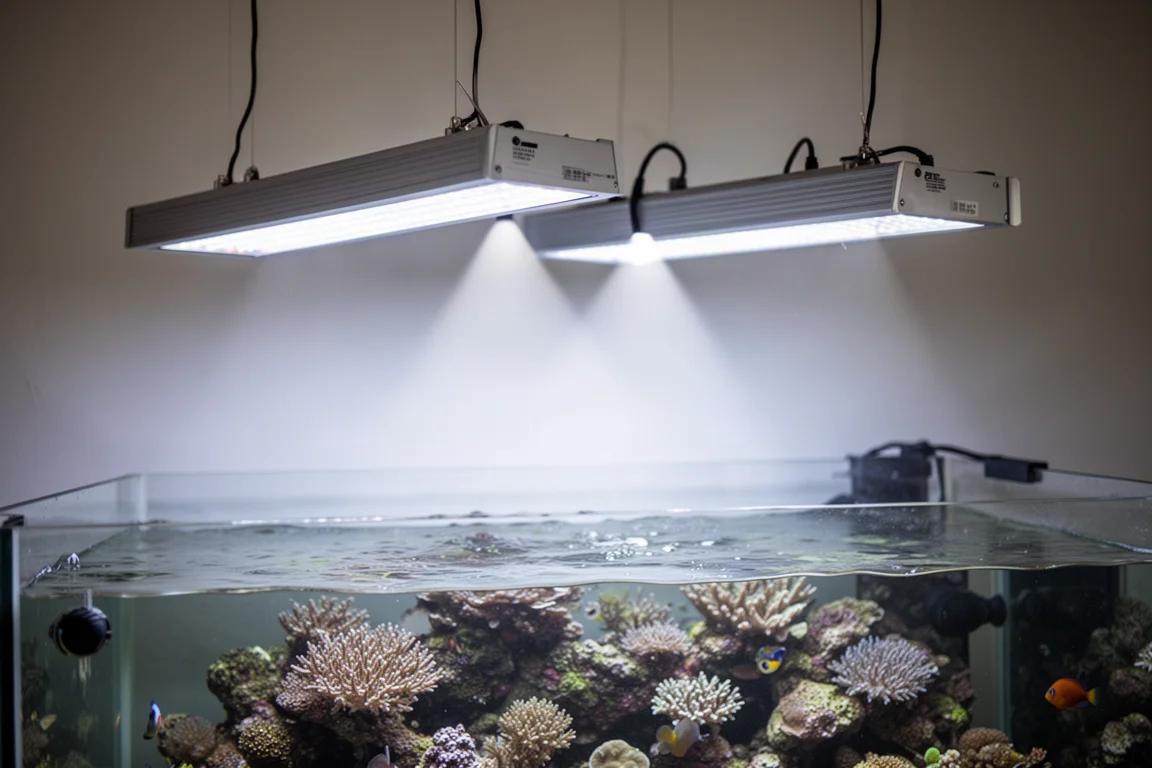
Each fixture is roughly two feet long, and running two of them side by side changes the character of the light considerably. Rather than a single source from one angle, the tank receives illumination from several directions at once, which goes a long way toward eliminating shadowing across dense coral structures.
Orphek Atlantik Compact: When Smaller Makes Sense
The Compact is the better fit for LPS-dominant and mixed reefs. A 60 gallon 24 by 24 by 24 cube is a natural home for it, and multiple units can be used to cover a larger 120 gallon system where the stocking plan does not call for a full SPS wall.
Spacing deserves more thought than it usually gets. Arranging fixtures at even, visually pleasing intervals can produce a bright hot spot in the middle of the tank and dimmer edges, because the beams intersect rather than spread. Moving the fixtures farther apart than instinct suggests gives a more even result across the footprint.
Orphek Gateway: The One Accessory You Cannot Skip
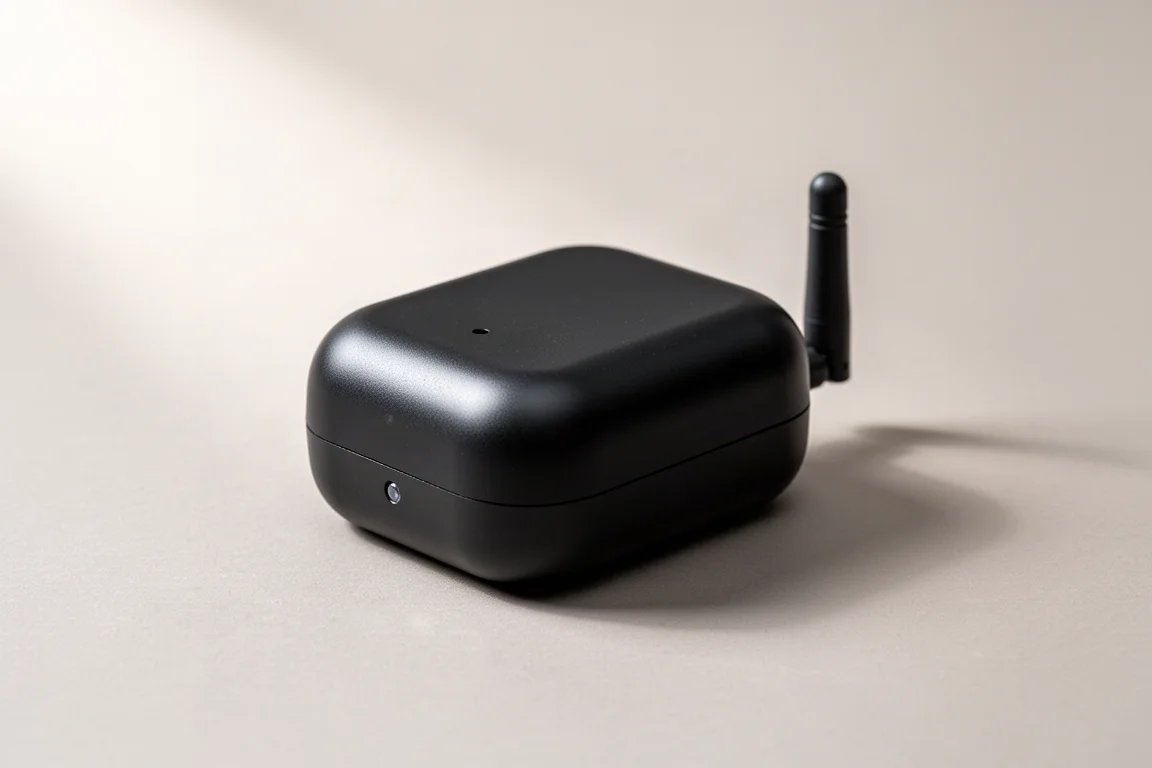
Neither the Atlantik V4 nor the Compact can be controlled without the Gateway. It is a required part of the system rather than an optional extra, so it belongs in the initial purchase alongside the light itself.
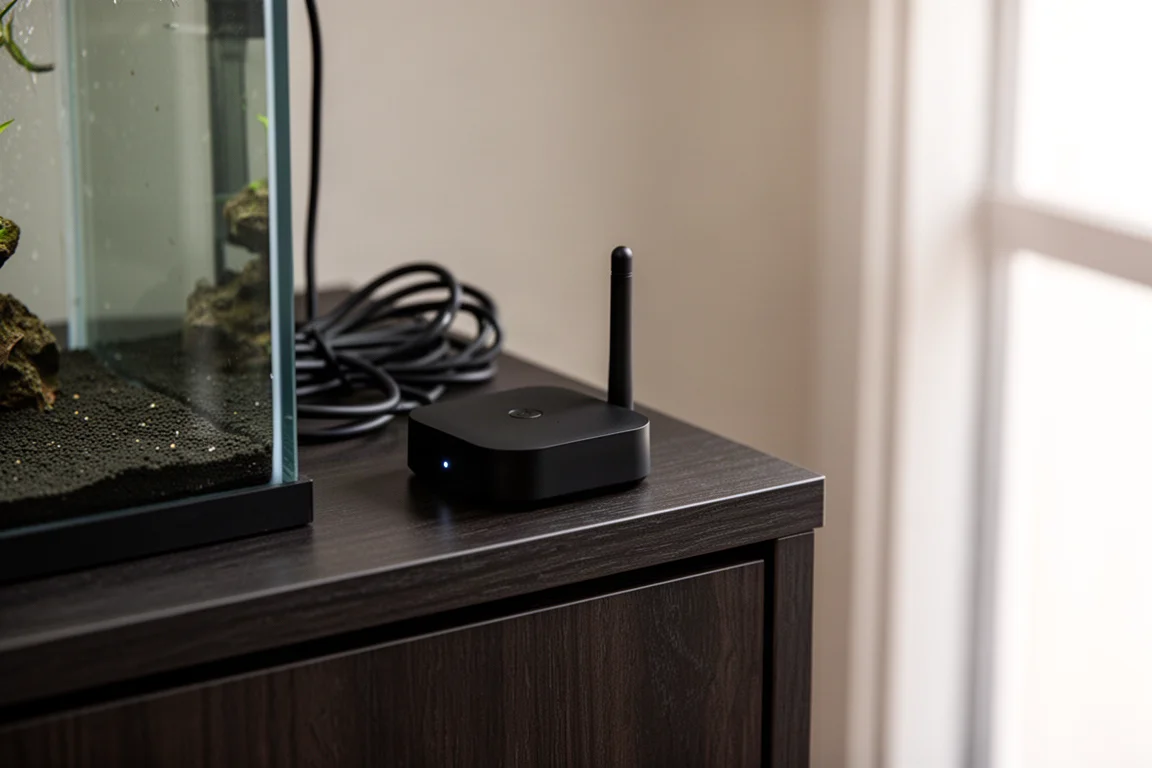
Only one Gateway is needed for a group of lights. Buying one per fixture adds cost without adding capability. Once programming is finished, the antenna can be removed if it interferes with mounting or simply looks untidy, and a small cap keeps the connector protected.
Mounting Height, Spacing, and Spectrum Tuning
Even with a sensible starting point, the settings that work on one tank rarely transfer perfectly to another. Aquascape shape and tank dimensions both shift the numbers, and the only reliable way to confirm intensity is to measure it. Renting a PAR meter for an afternoon is a small cost against the price of the system, and losing a single coral to a poorly tuned fixture costs more than the rental.
Spectrum is the other area where restraint pays off. Four channels make it tempting to keep adjusting the mix, but color in coral comes from the pigment the coral itself produces. Constantly changing the spectrum leaves the tank unstable, and unstable conditions tend to produce drab brown coral rather than vivid coloration. Settle on a considered spectrum, then leave it alone and let the animals respond.
On height, the practical answer for most setups is a mounting position somewhere in the 14 to 16 inch range above the water. Fixtures built for much lower mounting do not offer the same access, and access is what makes a large light easy to live with over the long run.
Which Orphek Setup Suits Your Tank
The decision comes down to stocking plans and tank shape. For a mixed or LPS-focused reef in the 60 to 120 gallon range, the Compact offers the flexibility to scale up by adding units as the tank grows. For a system built around SPS, the full-size Atlantik V4 is the right tool, with one unit over a 60 gallon cube and a pair over a 120 gallon tank. In both cases, a single Gateway ties everything together.
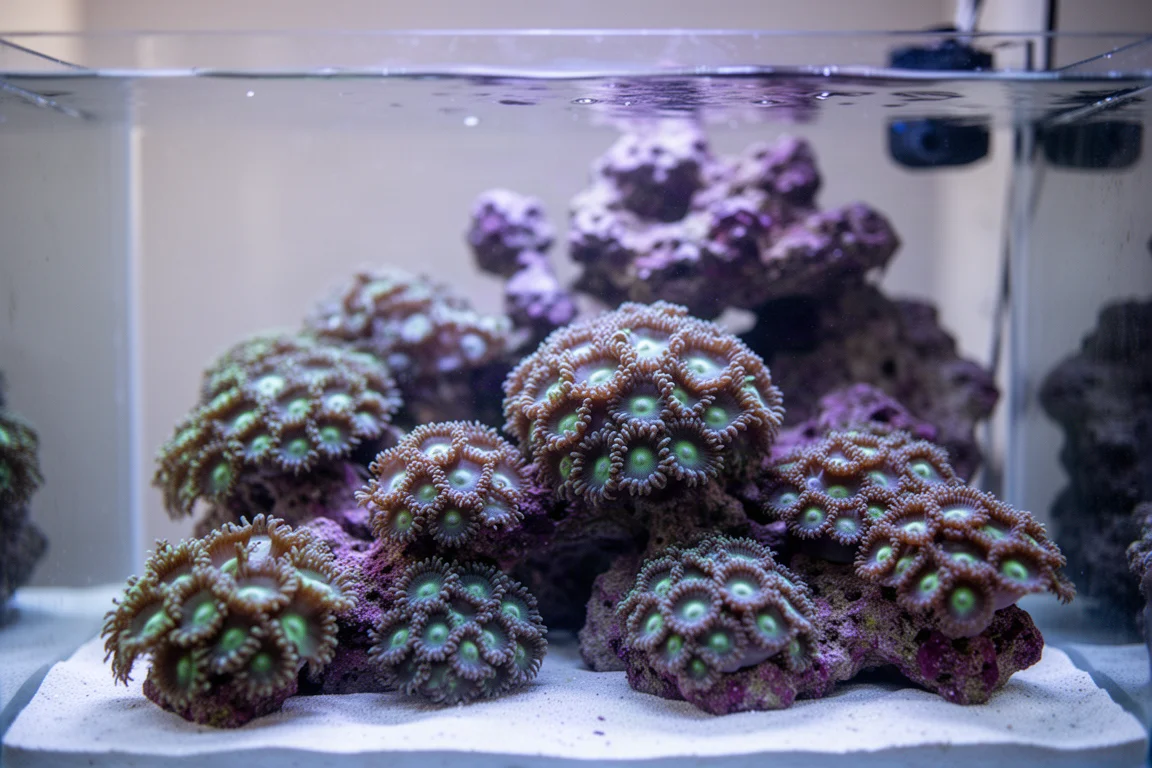
Whichever route you take, plan the mounting position and fixture spacing before the lights arrive. Those two decisions shape light distribution for the life of the tank, and they are far easier to get right the first time than to correct later.
Conclusion
The Orphek system is straightforward once the roles are clear. The Atlantik V4 covers demanding SPS systems and larger tanks, the Atlantik Compact handles LPS and mixed reefs with room to add units later, and the Gateway is the piece that makes either light controllable. Match the fixture to the tank, mount it high, space it wider than instinct suggests, and measure the result rather than guessing at it.
Further reading
Related Reviews
Aquarium Lighting
AI Blade LED Lights Review: A Versatile Strip Light for Reef Tanks
A practical look at the AI Blade LED line, including the value-focused Grow spectrum, mounting options, app control and PAR performance.
Aquarium Lighting
AI Hydra 32 and Hydra 64 Setup Guide: Mounting Heights, Spacing, and Add-On Lighting
A practical reef lighting guide covering optimal mounting heights for the AI Hydra 32 and Hydra 64, spacing for even coverage, and when add-on lighting is worth it.
Aquarium Lighting
AI Prime Review: A Compact Reef Light That Grows With Your Tank
A small, modular reef aquarium LED that reaches LPS and soft coral PAR levels over a 60-gallon cube, plus the spacing, mounting height, and control habits that make it work.