Binoculars
Orion UltraView 10x50 Wide-Angle Binoculars: A Comfortable Choice for Stargazing
Fully multi-coated optics, generous eye relief, and a hand-holdable two-pound build make these 10x50 binoculars a strong pick for astronomy, with a few limits to know first.
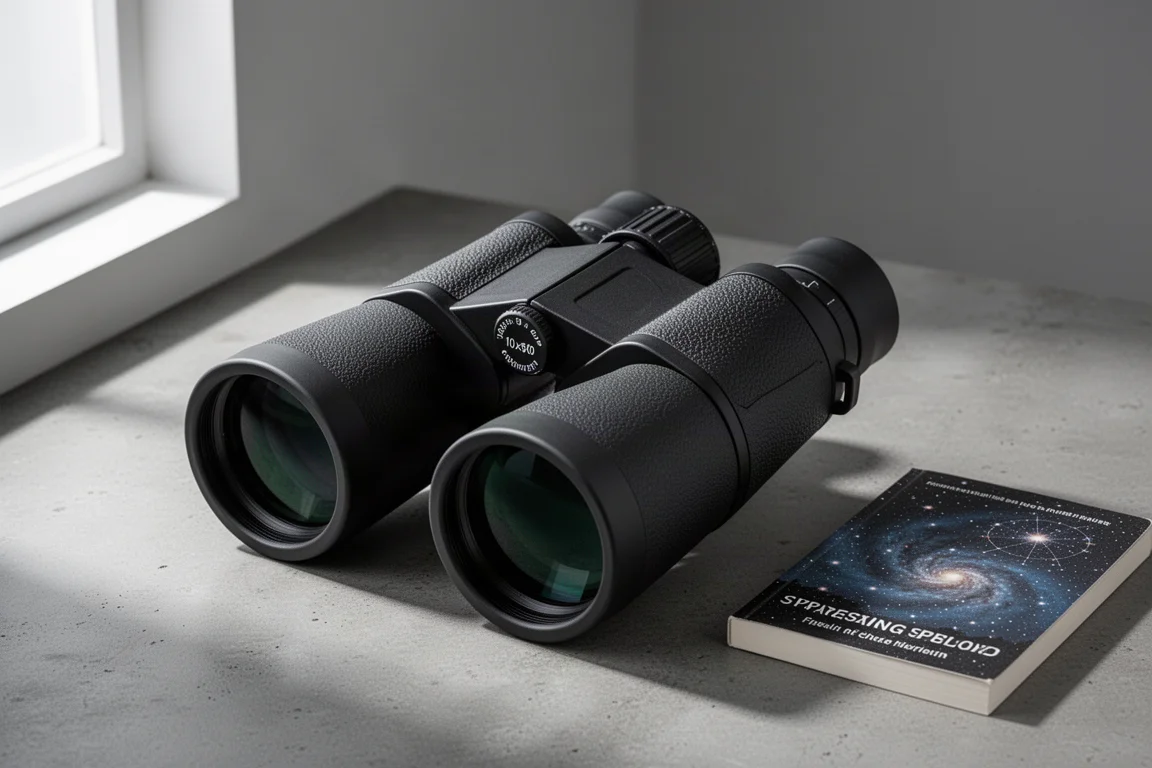
Introduction
A solid pair of binoculars is one of the most rewarding companions you can have for stargazing, and a good one often comes down to comfort as much as optics. That is exactly what shaped this look at the Orion UltraView 10x50 Wide-Angle Binoculars. After previous 15x70 binoculars proved too large and heavy to use by hand, the goal was a lighter pair around two pounds with slightly lower magnification, and these were bought specifically to meet that brief.
First Impressions and Build Quality
Right out of the box, the first thing worth noting is how substantial they feel. They are not heavy, but the construction is solid and sturdy rather than flimsy. The binoculars arrive in a proper Orion carrying case with a neck strap included, and during purchase Orion included a free binocular astronomy field guide worth around 12 to 15 dollars, a genuinely useful bonus for beginners getting into the hobby.
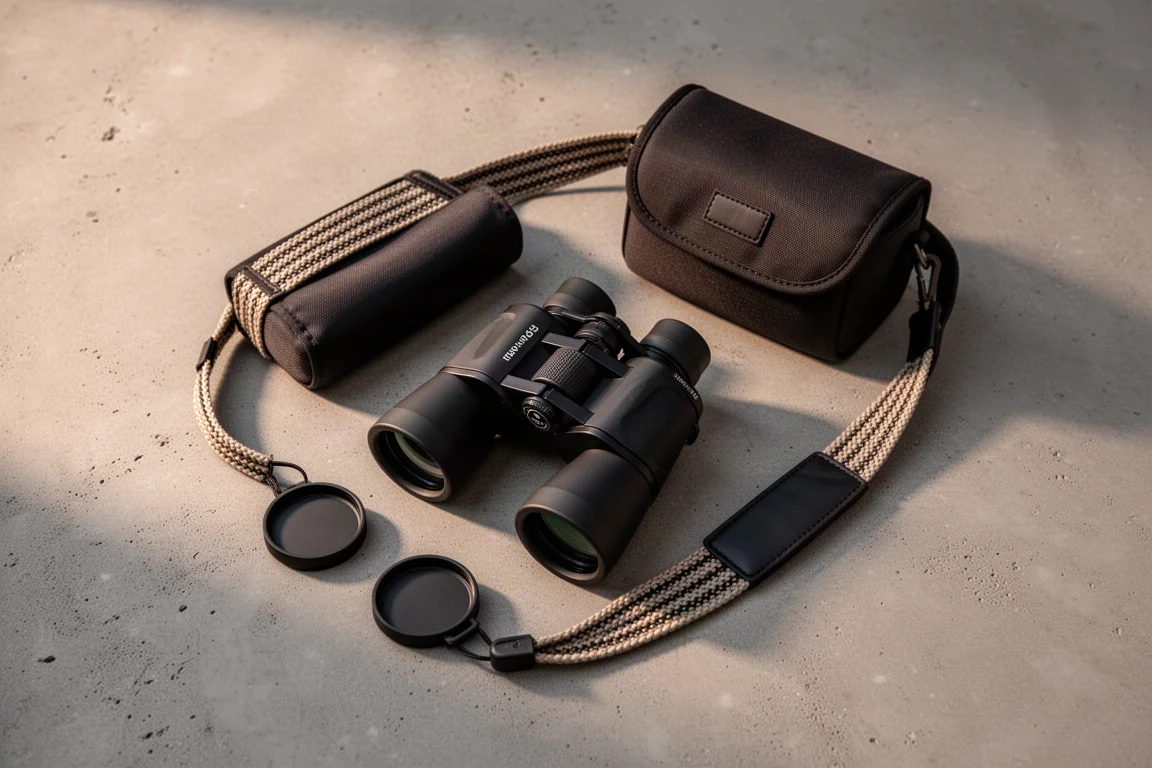
At roughly two pounds, they sit in a sweet spot compared to heavier large-aperture binoculars. Previous 15x70 binoculars saw far less use simply because of their weight, and this lighter format is a direct response to that experience.
Comfort and Ease of Use
Ease of use was the main priority for this purchase, and the UltraView 10x50 delivers on it. They offer 22 millimeters of eye relief, which matters for anyone who wears glasses, since it determines how far your eye can sit from the glass while still seeing the full field of view. Even without glasses, that extra distance simply makes long observing sessions more comfortable.
The rotating eye cups are another highlight. Compared to the fold-down eye cups on other binoculars, these have a genuinely premium feel and, combined with the generous eye relief, set the stage for very nice views.
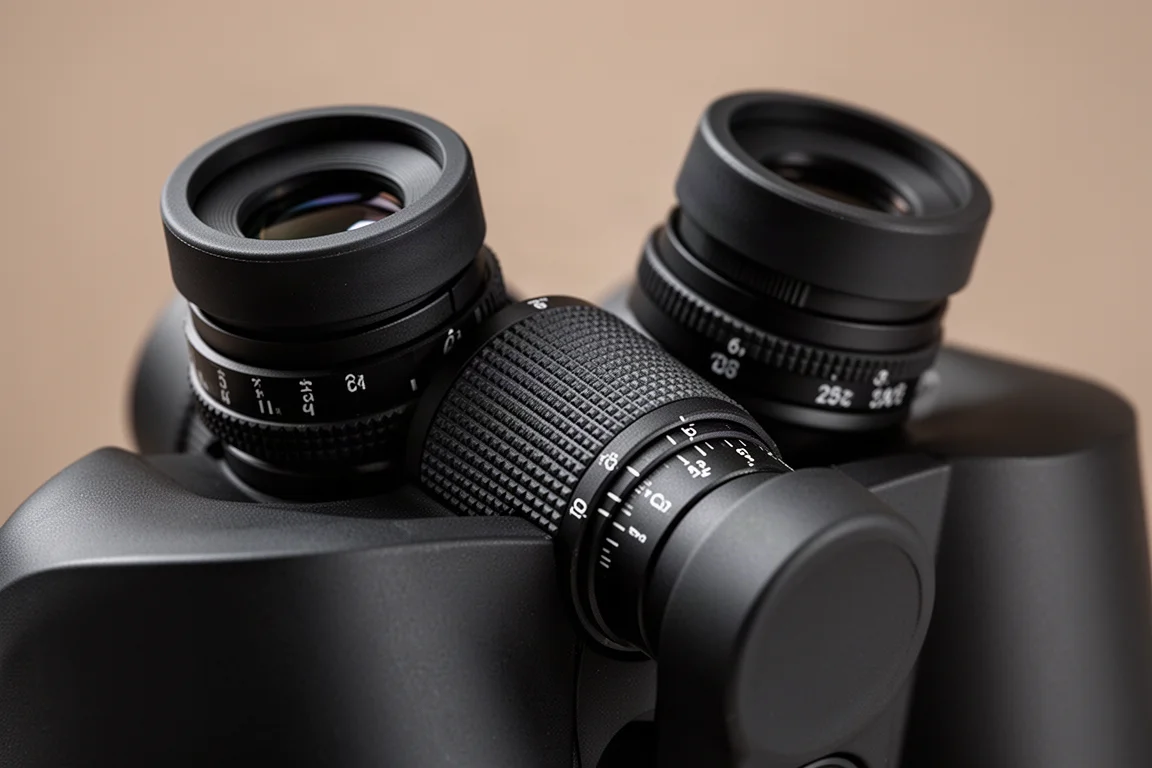
The view itself spans a 6.5 degree field of view. Combined with the manageable two-pound weight, that means most nights these can be used completely handheld. If you do want to settle in for long, extended studies of a specific object, there is a tripod adapter built in that works just fine.
Optical Performance Under the Night Sky
The first real test was the Moon, about 30 minutes after sunset. Beyond the center focus wheel, there is a diopter adjustment on the right barrel that lets you fine-tune for eyes that focus slightly differently, and the setup process is straightforward: focus the left eye with the center wheel, then adjust the diopter for the right eye.
The results were immediately impressive. Light reflection was noticeably lower than in the previous pair, which were not fully multi-coated, and the Moon’s edge showed far less chromatic aberration. On the older binoculars, bright edges against dark sky picked up a discoloration; here the image came across as cleaner and sharper all around.
Sharpness holds well from the center out to roughly 60 or 70 percent of the field, at which point stars begin to elongate slightly. For this price range that is expected, and since observing concentrates on the center of the field, it is not distracting. On a bright edge like the lunar limb, the view was clean and sharp in a way the previous pair never managed.
Testing on Deep Sky Objects
After the Moon set, the binoculars were pointed at M81 and M82 near Ursa Major, hunting them under Bortle 5 skies as part of the Astronomical League’s Messier binocular program. Both galaxies were found right where they should be: the cigar-shaped one and the more classical blurry spiral, both faint fuzzies, with one noticeably fainter than the other.

Finding both galaxies at 10x magnification under moderately light-polluted skies is a good indicator of what these binoculars can do, and they handled the task comfortably by hand.
What to Know Before Buying
The single clear limitation is that these binoculars are not waterproof. For astronomy on clear nights that rarely matters, but if you plan to use them for hunting or any outdoor activity where weather could be a factor, a waterproof model would be the better choice.
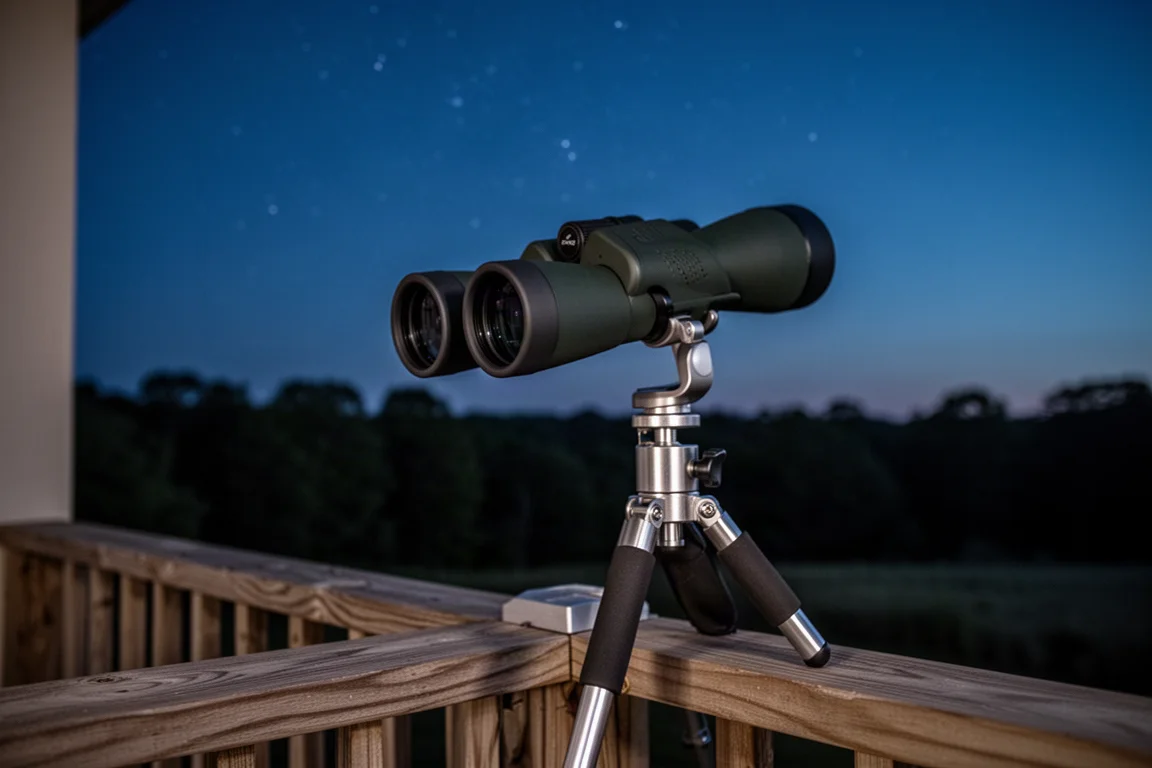
Overall, the combination of fully multi-coated optics, BaK glass, solid construction, and generous eye relief makes them comfortable to use with sharp views, pinpoint stars out to most of the field, and no tripod required.
Buying Advice
These binoculars suit anyone starting out in astronomy who wants a hand-holdable instrument that does not fight back with weight. They are also a smart upgrade for anyone who previously struggled with heavier 15x70-class binoculars. If weather exposure is part of your planned use, look at waterproof alternatives instead; for dedicated stargazing, this is a very capable and comfortable option at its price range.
Conclusion
The Orion UltraView 10x50 Wide-Angle Binoculars succeed because they get the everyday details right: comfortable eye relief, rotating eye cups, a manageable two-pound weight, and clean, sharp optics for the price. Faint galaxies under Bortle 5 skies, a crisp Moon, and no tripod needed add up to a binocular that is easy to recommend for anyone getting serious about stargazing.
Product link
View more details for Orion UltraView 10x50 Wide-Angle Binoculars
This product is mentioned in the review. Check the specifications, options, and compatibility before buying.
View more details for Orion UltraView 10x50 Wide-Angle BinocularsFurther reading
Related Reviews
Binoculars
Vortex Viper 8x42 vs Diamondback 8x42: Which Binoculars Are Right for Birding?
Two capable Vortex birding binoculars compared, with honest notes on optics, weight, accessories, and where the extra money pays off.
Binoculars
Move Shoot Move Wide View Binoculars Review: A Compact Pair Built for Backyard Birding
A compact, wide-angle 5x binocular that trades raw zoom for a generous field of view, and why that makes it a great fit for backyard birding.
Binoculars
Vortex Diamondback 8x42 vs Celestron TrailSeeker ED 8x42: Which Birding Binocular Wins?
Two excellent 8x42 binoculars compared on build quality, focus, low-light performance, weather sealing, and price to help you pick the right pair.