Cycling
Orbea Terra vs Orbea Orca: How Much Slower Is a Gravel Bike on the Road?
A practical comparison of a gravel bike and a road bike at identical power outputs, plus what actually happens when you fit road wheels to a gravel frame.
Introduction
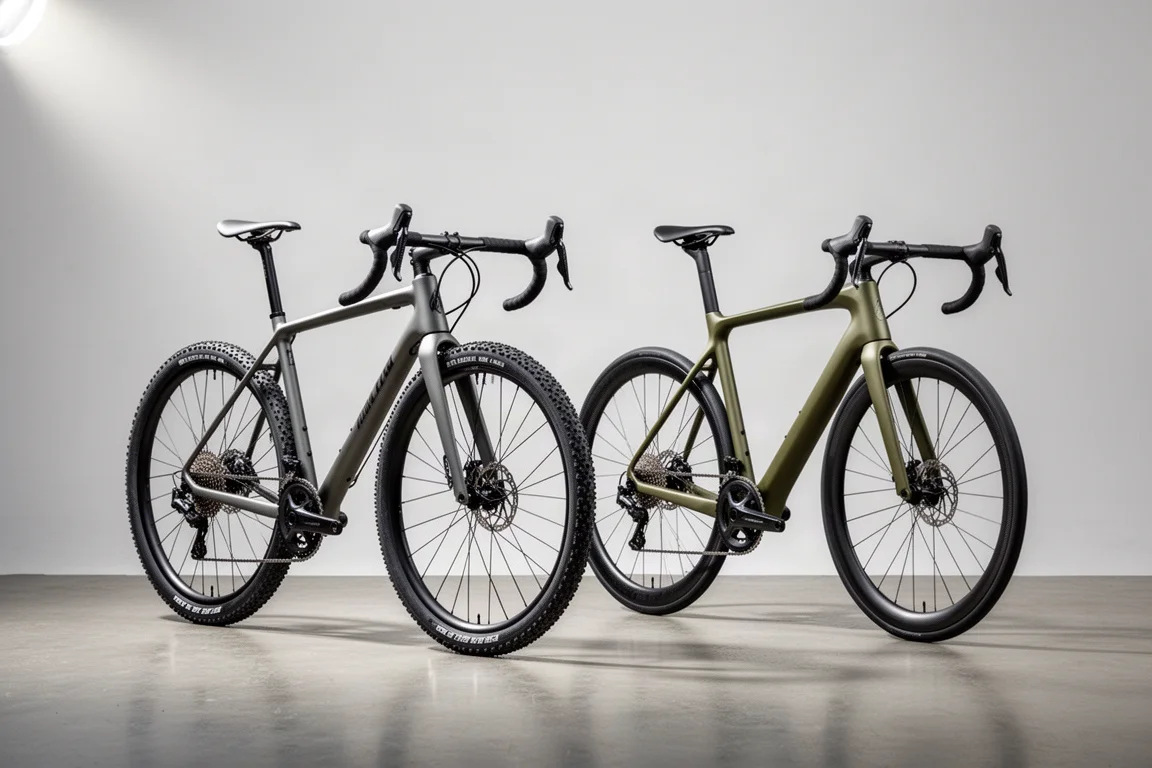
Gravel bikes are often pitched as the one bike that can do everything, and for plenty of riders that holds true. The question that matters more in day-to-day riding is simpler: if you ride a gravel bike, how much slower are you than a friend on a road bike, and will you still be able to keep up?
To put numbers on it, the same rider took a gravel bike and a road bike out and rode them at identical power outputs, with runs at 150 watts, 300 watts and 400 watts. Then the road wheels were moved onto the gravel frame to see how much of the gap came down to tyres alone.
The headline result: the gravel bike was around 2 km/h slower on average, and the wheel swap clawed back roughly half of that. The detail behind those numbers is where it gets interesting.
What Separates These Two Bikes
Tyres are the most significant difference between the two bikes. Road tyres are designed to roll smoothly and efficiently on tarmac, and they do not need tread to bite into mud or dust. Tread costs speed, and a road tyre casing can be built differently because it does not have to withstand sharp rocks and rough ground.
Frames and setup matter too. Road bikes can be designed to be aerodynamic, and on more expensive models that can be a significant gain. For a racer chasing every watt it makes a measurable difference, though for most riders it is far less important than position on the bike.
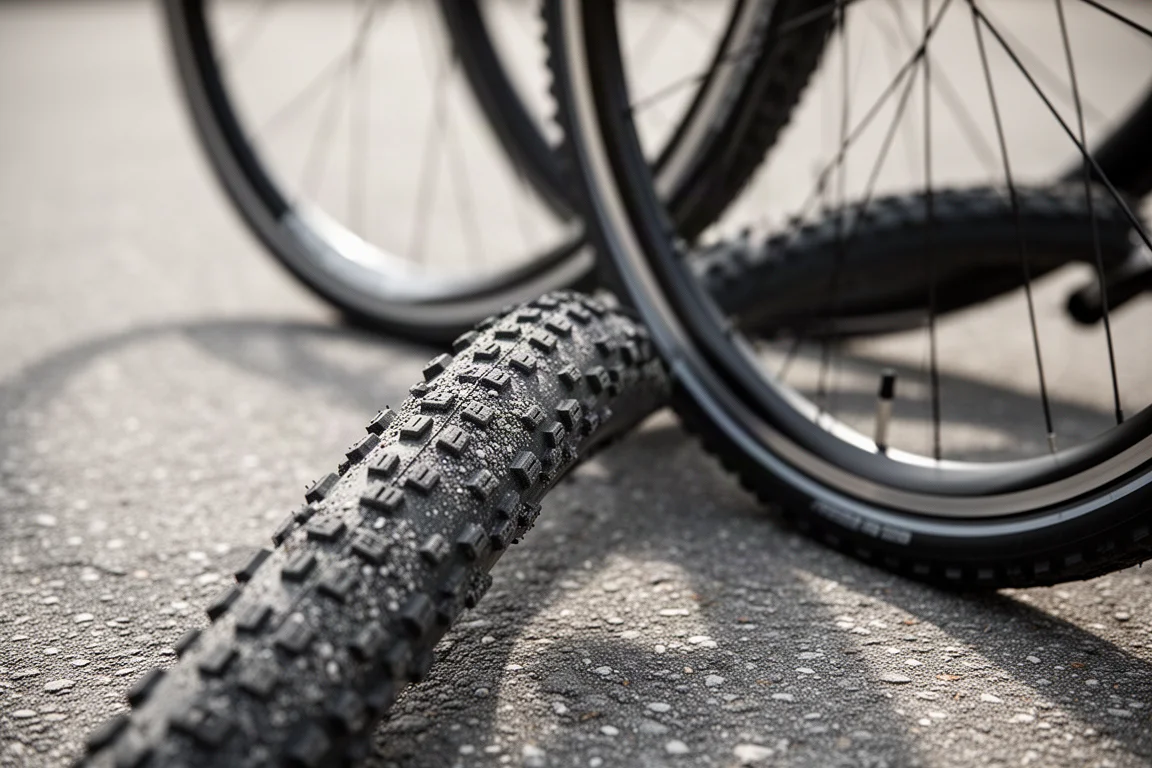
Gravel bikes tend to put the rider more upright for comfort and control, which makes the rider less aerodynamic at higher speeds. On these two bikes that could be corrected fairly easily and relatively inexpensively by moving the handlebars and stem across. Weight also plays a part: gravel bikes generally carry a little more material so they can cope with rough off-road tracks, rock strikes and general abuse. The difference between these two bikes is around 1.3 kg, which is a small fraction of total system weight once the rider is included.
Geometry is the other quiet difference. The road bike’s wheelbase is 52 mm shorter, which makes it turn faster. That is not only noticeable in corners, because staying upright on a bike involves constant small steering inputs, so the character of the handling is present the whole time.
Orbea Terra: The Gravel All-Rounder
The Terra is a light gravel bike, though gravel frames typically carry more material than road frames in order to survive rough tracks. That extra material is part of what makes it comfortable and composed once the surface turns loose or uneven.
On tarmac with its gravel tyres fitted, the ride is smooth and steady in a straight line, and cornering and descending feel excellent in a way that is different from a road bike rather than worse. The trade-off is the more upright position, which is a benefit for control on rough ground and a cost at higher speeds.
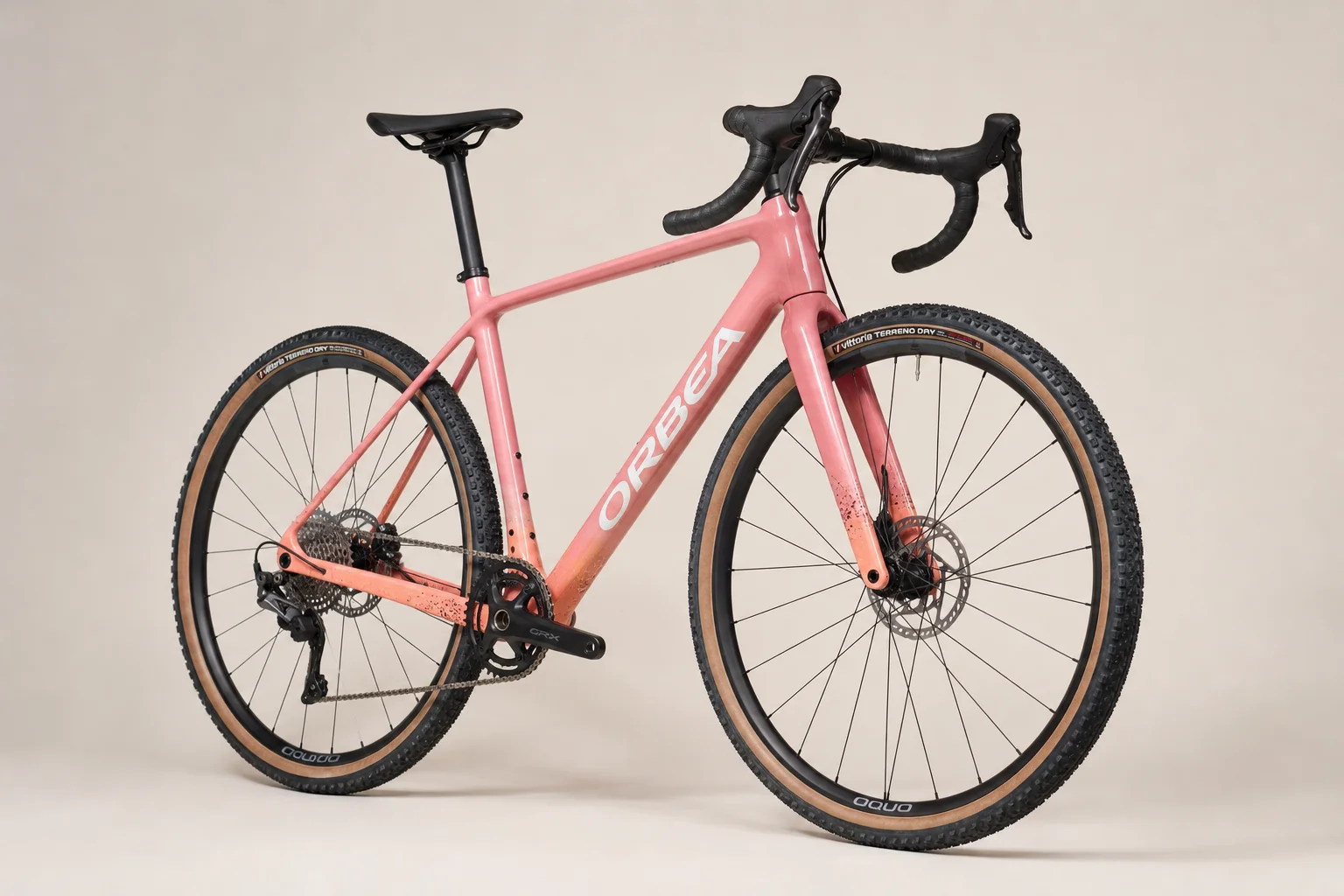
If your riding regularly leaves the tarmac, that balance is the point. The Terra gives up a little outright pace in exchange for being the bike you can take almost anywhere.
Orbea Orca: The Road-Focused Option
The Orca is very light and built around going fast on tarmac. Its aerodynamic frame design and shorter wheelbase make it feel sharper and more precise, and that precision is most obvious when you climb out of the saddle. The bike turns quickly and responds immediately, which makes it feel quick even when your power output is modest.
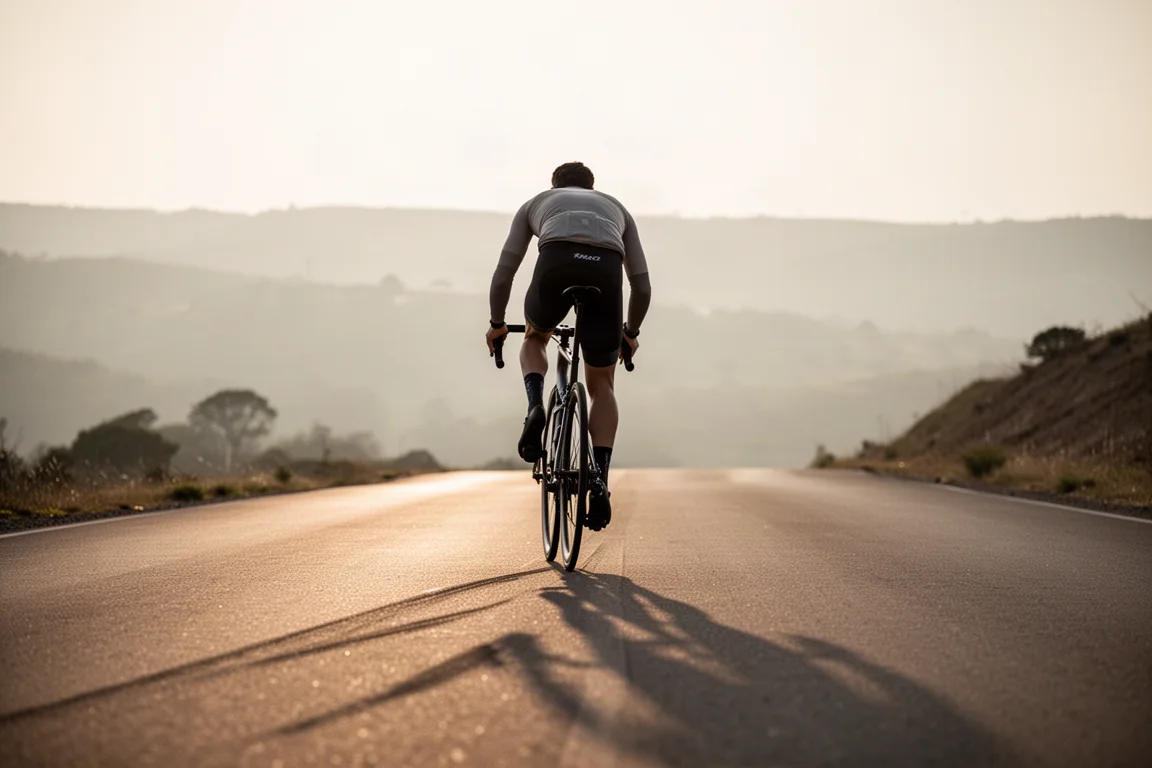
It is also the faster of the two at any given power output, which is the whole reason it exists. The catch is specialisation: this is a bike tuned to be very good at one thing, and it does not have the robustness or the tyre approach of a gravel bike.
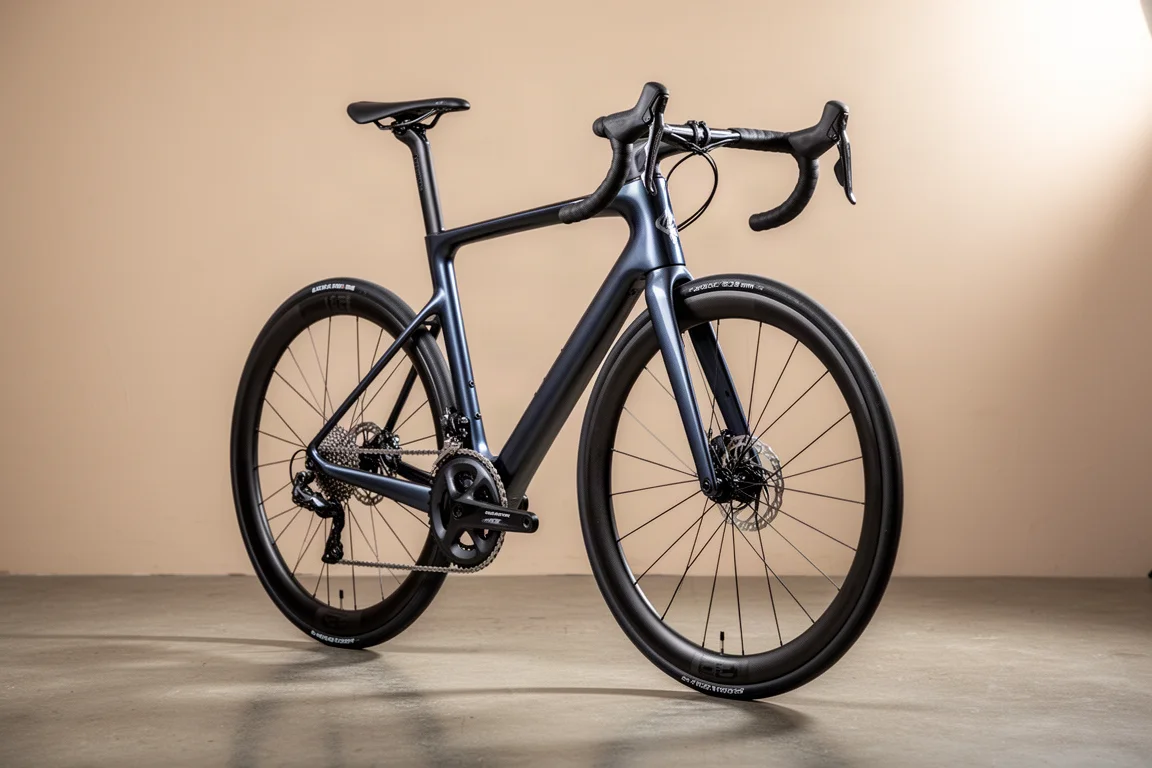
For a rider whose rides are almost entirely on tarmac, that focus is a feature rather than a limitation.
Gravel vs Road: What the Numbers Show
Across the runs, the gravel bike was on average 2 km/h slower than the road bike at the same power. The gap was slightly smaller at 150 watts and slightly larger at 400 watts, which suggests the difference widens as speed rises.
That is a real difference, but it is not enormous. As a rough guide, a 100 km ride on a gravel bike would take somewhere in the region of 20 to 30 minutes longer than the same ride on a road bike. Whether that matters depends entirely on how you ride: on a solo outing it is easy to live with, and on a fast group ride it is enough to notice.
The Wheel Swap Question
Swapping road wheels onto the gravel bike is quick and relatively inexpensive compared with buying another bike, and the result was clear: the gravel bike became faster by roughly 1 to 1.5 km/h. It was still not quite as fast as the road bike.
That tells you tyres are not the whole story. Body position is the other significant factor, and it is something you could address by changing the handlebars and stem. At that point, though, it is fair to ask whether a gravel bike set up with road position, road tyres and road wheels is still really a gravel bike. The useful takeaway is simply that the option exists, and it is worth knowing about if you already own a second set of wheels.
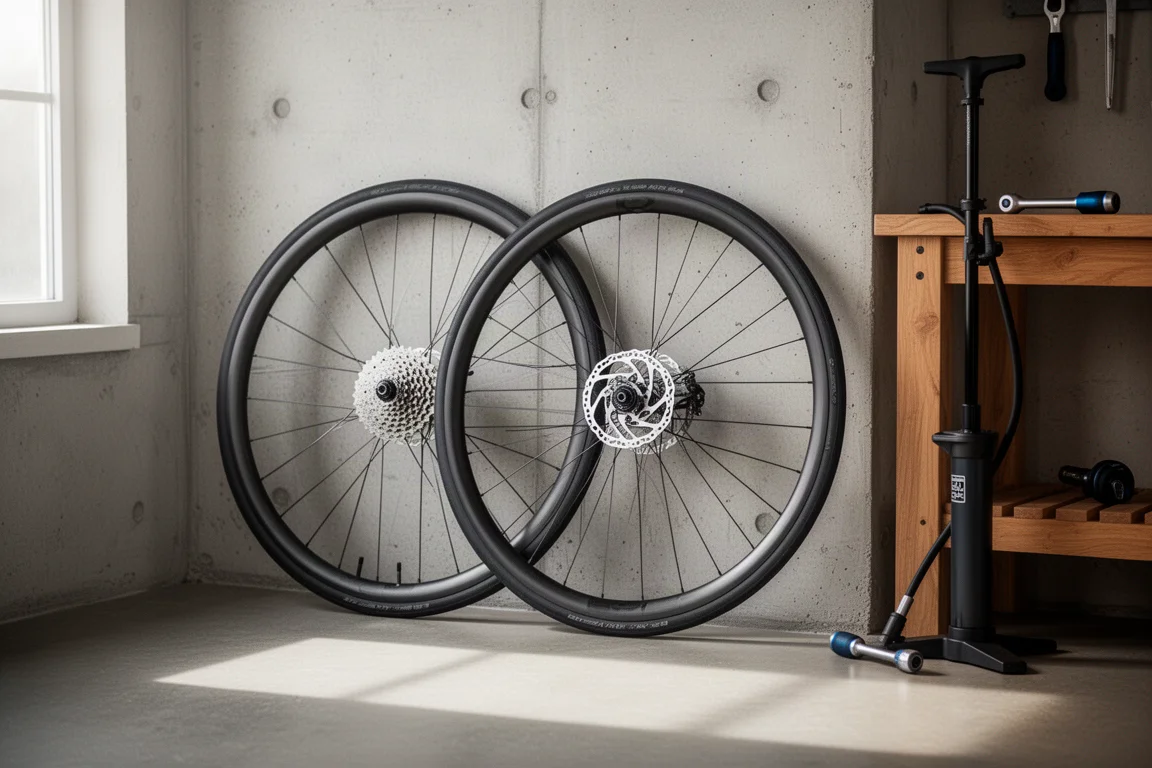
If you do not have a spare wheelset, the cost of adding one narrows the gap between this approach and simply owning a second bike.
What Road Riders Notice About Feel
Speed is not the only thing that separates these two bikes, and for many riders it is not even the most important thing. Agility and responsiveness do not make a bike faster, but they make it feel more precise and sharper, and they make climbing out of the saddle feel better regardless of your power-to-weight ratio.
That is why a rider used to a road bike will often feel that a gravel bike on the road is slower even with road tyres fitted. Cornering and descending on a gravel bike on tarmac feel excellent in their own right, but the moments spent riding out of the saddle add up, and they are where the difference is most apparent.
More agile is not automatically better. It is simply a different set of priorities, and it explains why the two bikes feel so different even when the measured speed gap is modest.
Buying Advice: Which One Makes Sense
If almost all of your riding is on tarmac and you want to stay with faster groups, the road bike is the straightforward choice. It is lighter, more aerodynamic and quicker to turn, and it will be around 2 km/h faster at the same effort.
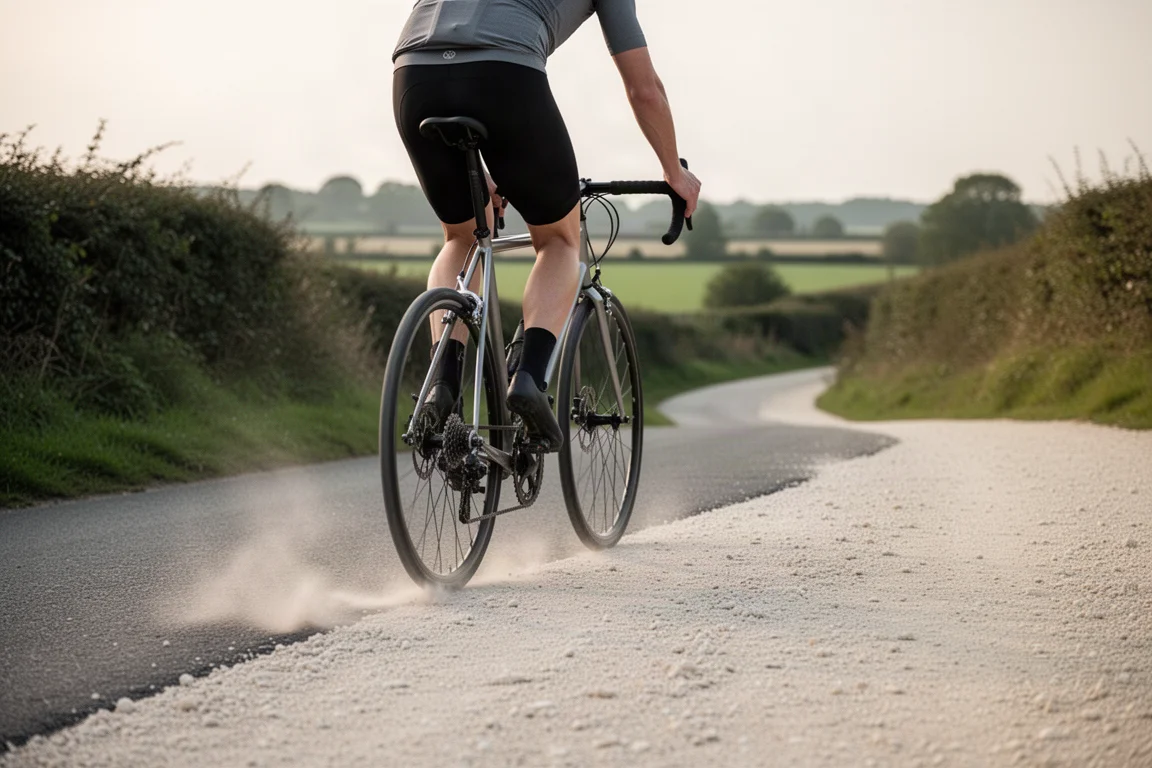
If you want one bike that handles tarmac and rough surfaces, the gravel bike is the more versatile purchase, and the roughly 2 km/h average difference is something many riders will happily accept. Adding a second wheelset with road tyres narrows the gap further and takes only minutes to swap, which is a sensible upgrade to plan for rather than a reason to avoid the bike.
The honest framing is that neither bike is better in the abstract. They are tuned for different jobs, and the right pick depends on the surfaces you actually ride and how much you value that sharper, more precise feel.
Conclusion
A gravel bike is around 2 km/h slower than a road bike at the same power output, and the difference grows slightly as speed rises. Fitting road wheels recovers roughly half of that gap in a quick and relatively inexpensive way, while a change of handlebars and stem can address position as well.
Both bikes here are light and both are capable. If you ride mostly on tarmac and want to keep up, the road bike earns its place. If you want one bike for everything and can live with a modest speed penalty, the gravel bike delivers far more than the numbers alone suggest.
Further reading
Related Reviews
Cycling
2026 Bike of the Year and the Cycling Gear Worth Watching
A drop bar roundup for 2026 covering the Ridley Kanzo Fast 2.0, Shimano Dura-Ace Di2 R9300, Trek Checkpoint ALR Gen 3, Specialized Tarmac SL9, Garmin Fenix 9 and Insta360 X6.
Cycling
Best All-Road Bikes 2026: Six Versatile Endurance Road Bikes Worth Considering
A practical look at six all-road and endurance road bikes, from lightweight carbon speed machines to steel all-rounders and comfort-focused mile eaters.
Cycling
Best All-Road Bikes 2026: 8 Endurance Bikes for Road and Light Gravel
Eight all-road bikes that blur the line between endurance road and light gravel, compared on tire clearance, ride character, practicality, and value.