Road Bikes
Orbea Orca Review: A Lightweight Climbing Bike With One Real Catch
The £6,000 Orbea Orca climbs beautifully and rides smooth, but a wide top tube and lighter rivals at the price give buyers real trade-offs to weigh.
Introduction
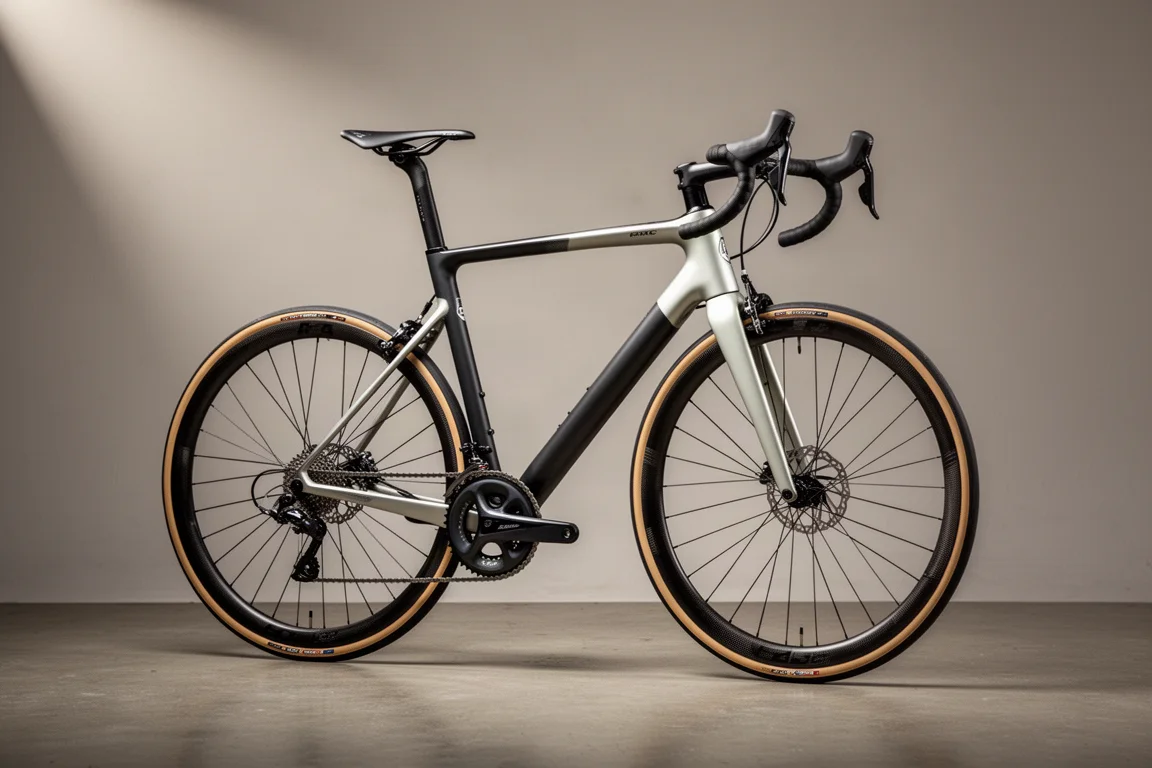
The Orbea Orca is the Spanish brand’s dedicated lightweight climbing platform, and it reflects a deliberate split in the range. Riders can choose a full aero package in the Orca Aero or a pared-back climbing bike in the Orca, rather than a single hybrid design that tries to serve both.
At the top of the line, the Orca is the company’s lightest ever road bike at 6.7 kg. The mid-tier build covered here costs £6,000 and weighed 7.5 kg on our scales, so a good part of that headline weight advantage narrows as you move down the range.
This review covers what the mid-tier Orca does well, where it asks for compromise, and the type of rider it suits best.
Who the Orbea Orca Is For
The Orca makes most sense for riders who put climbing feel first. Its frame is built around stiffness and rigidity for climbing efficiency, and that shows up in the details: a very deep down tube that runs oversized into the bottom bracket and then tapers into the head tube.
It is also a strong option for anyone who wants a bike they can personalise. Orbea lets buyers configure the look of the Orca through its website, a level of customisation most brands simply do not offer, and that counts for a lot when you are weighing value for money against rivals.
What the Orca is not is an aero specialist. Orbea keeps that job for the Orca Aero, so riders chasing maximum speed on flat roads should look at the range with that split in mind.
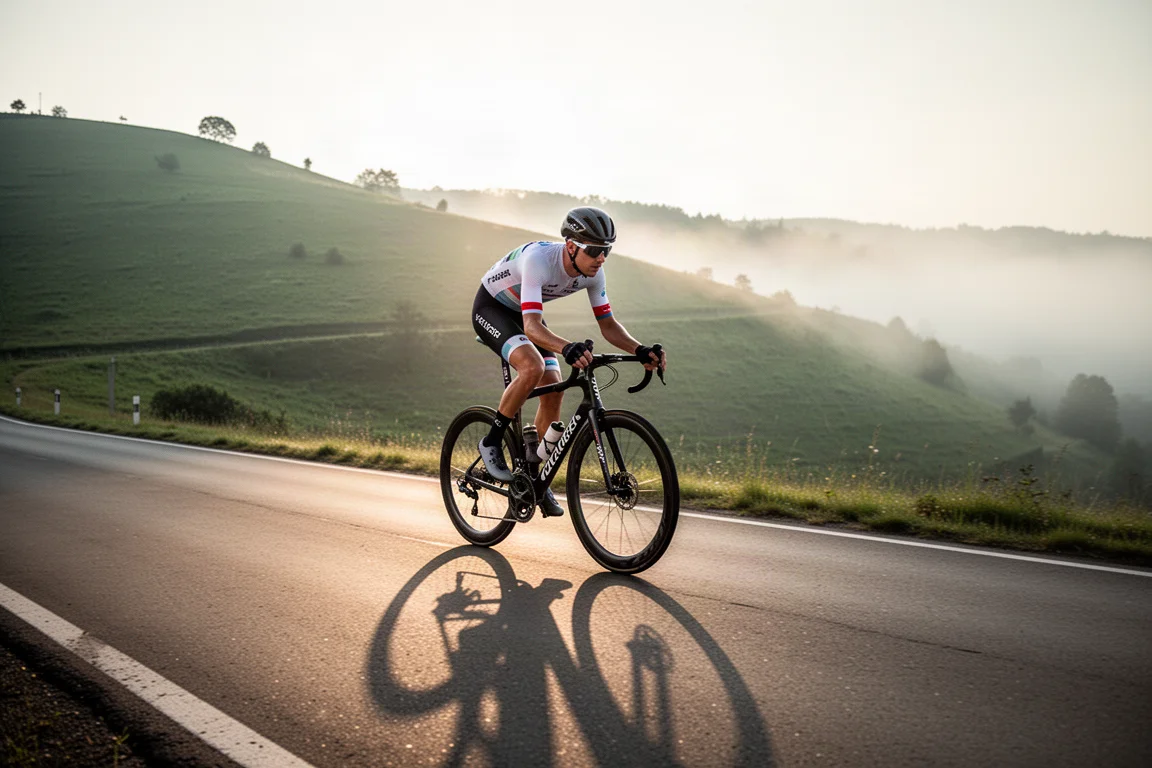
Weight is the other consideration. At 7.5 kg the Orca is not heavy, and plenty of expensive road bikes sit at around the same figure these days, but it is not as light as some rivals in this price bracket. If the number on the scale matters to you, that is worth knowing before you commit.
Frame and Carbon Options
The Orca frame comes in two carbon versions that share the same shapes and profiles but use different fibre layups. The OM frame used here weighs just over 1,000 g in a size 55. The OMX version, built with high-grade carbon, comes in at around 750 g, which is a meaningful difference between the mid-range and top-end offerings.
For context, a similarly priced Giant road bike has a frame that is nearly 200 g lighter than the OM, a reminder of how competitive this part of the market is.
Visually the frame is a classic shape rather than a modern aero silhouette, and that is clearly intentional. The near-level top tube, the skinny non-dropped rear stays, the slender fork and the oversized down tube come together in a way that looks purposeful rather than busy.
Design Details and Customisation
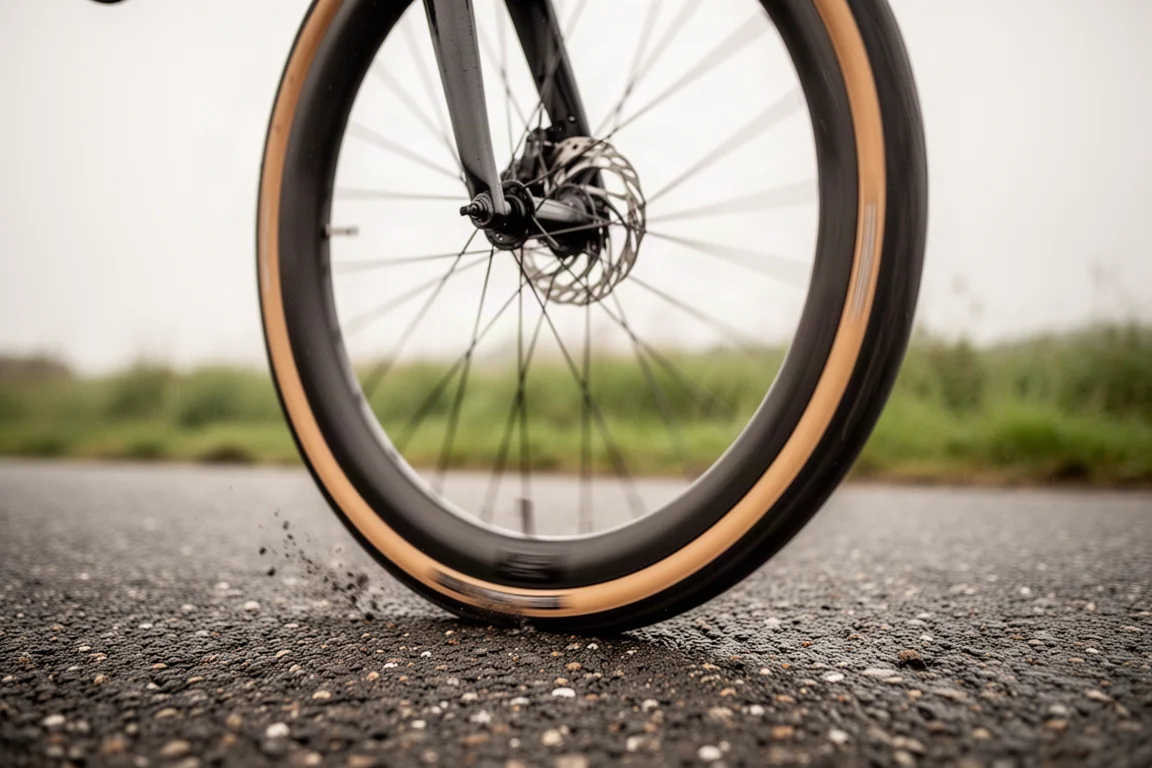
Colour and finish are a big part of the Orca’s appeal, including the contrasting fork on the non-drive side. Tan sidewall tyres complete the look, though they take more effort to keep clean through a wet winter.
The build here uses a two-piece handlebar and stem. Further up the range you get a one-piece carbon handlebar and stem, so the finish depends on how much you are willing to spend. The bar on this model is conventional: round diameter, a slight forward sweep towards the hoods, and easy mounting points for a computer or camera. Brake hoses run underneath the stem, which makes swapping stems or handlebars straightforward.
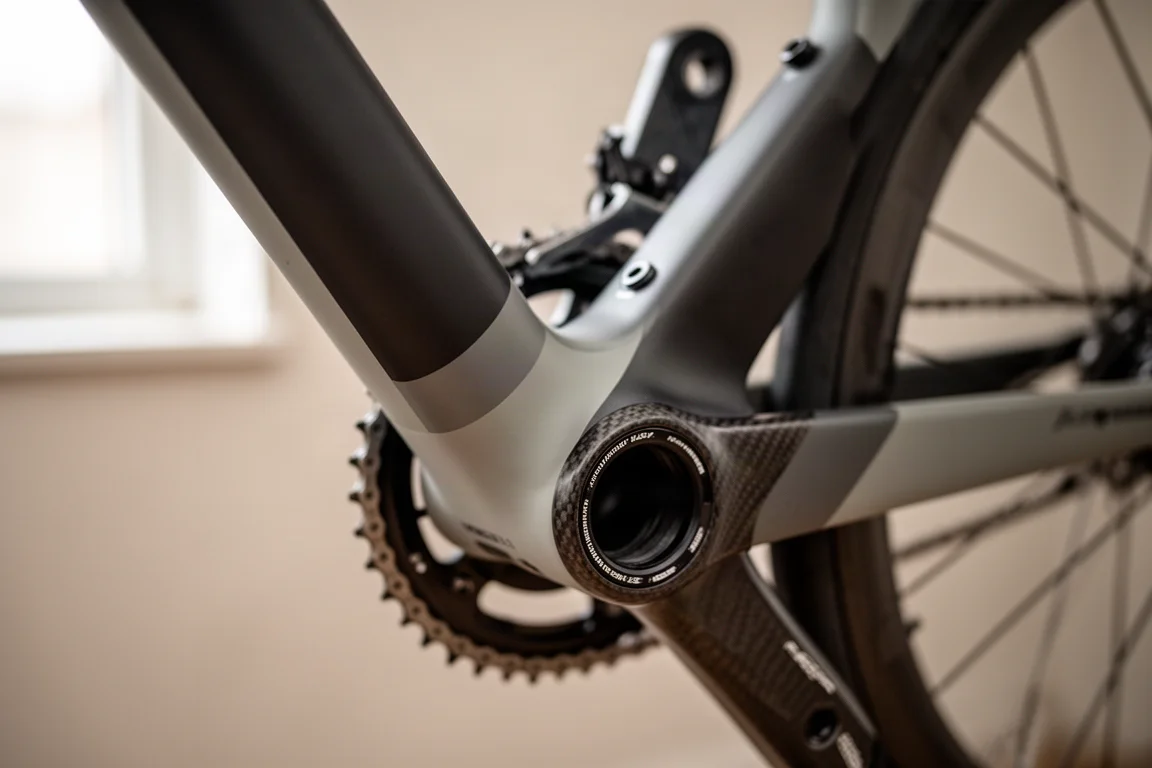
Two smaller details stand out. The seat post clamp uses a separate bolt to adjust saddle tilt independently, which makes dialling in saddle position much easier than some designs. The clamp itself sits directly in the firing line of rear wheel spray, and although a rubber flap covers it, the bolt underneath is a tiny 3 mm size. A T25 or a 4 or 5 mm bolt would be more practical.
The bottom bracket is a press-fit BB386 unit, and the full width of the shell is used. A conventional round seat tube handles the internal routing.
Climbing Performance and Stiffness
On a smooth local climb, the Orca did not feel heavy at all. It feels excellent out of the saddle, with the frame stiffness coming through clearly when pushing hard, and it comes across as more exciting and more responsive on a climb than an aero race bike. Weight is not the only thing that decides how a climb feels, and this bike makes that case convincingly.
The rolling road test told a slightly different story. Over an 11 km circuit ridden at a 32 km/h average, the Orca finished at the bottom of the leaderboard, though not far behind similar-weight aero race bikes. That suggests the bike is still reasonably efficient at those speeds even without an aero-led design. It is not a laboratory test, but it is repeatable, with the same riding position and zero wind conditions each time.
Comfort and Real-World Ride Quality
Comfort is one of the Orca’s strongest points. Despite running 28 mm tubeless tyres at low pressure and an aluminium handlebar, the ride is smooth over rough roads, and noticeably smoother than a lightweight aero race bike we tested recently.
The tyres themselves are high quality 28 mm Vittoria Corsa Pro, and there is clearance to move up to 32 mm if you want more volume. That combination gives the bike a rare quality for a climbing-focused machine: it is fast and responsive when you want it, and calm when the road surface turns poor.
The overall character is sporty and highly responsive, and it is genuinely fun to ride. It is not the lightest bike at the price and it is not an aero bike, yet it works well as a rounded road bike.
Things to Consider Before Buying
The most significant issue is the top tube. It is very flat and very wide, with a definite edge, and riders who pedal with their knees turned in may find their knees contacting it throughout a ride. For a rider with that pedalling style, it is a genuine deal breaker rather than a small annoyance. Bikes such as the Giant TCR and the Canyon Ultimate use a slimmer top tube in that area, so this is worth checking on a test ride if you can. Riders who pedal with knees out or in a more neutral position may not notice it at all.
Weight is the second consideration. At 7.5 kg the Orca is not heavy, but several rivals in the same price bracket are lighter, and knowing you are not getting the lightest bike for your money is a fair reason to compare alternatives carefully.
Finally, this is not an aero bike. If your goal is all-out speed everywhere, the Orca may leave you wanting more, and Orbea’s own aero model or a rival with more pronounced aero benefits would be the better fit.
Buying Advice
Value is a real strength here. For £6,000 you get a Shimano Ultegra Di2 12-speed groupset and Orbea’s own Shadow carbon rims. Customisation through Orbea’s website adds a benefit that most brands do not match.
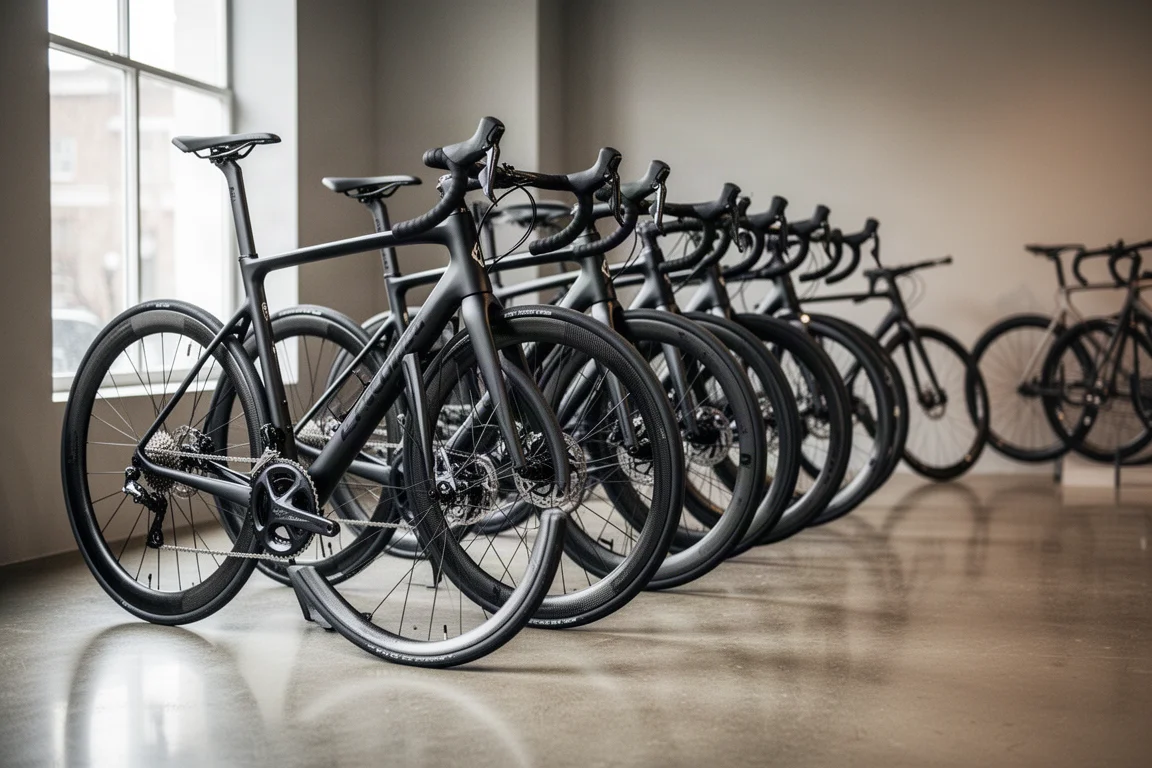
Comparisons at this price are tough, though. A comparable Canyon Ultimate build costs the same with the same groupset and similar wheels, and includes a carbon handlebar and stem while being a few hundred grams lighter. The Orca undercuts a comparable Giant build by £500, but that bike is also a few hundred grams lighter, and it sits £2,000 below a Specialized road bike weighing 6.6 kg, which is almost a kilo lighter again.
Choosing a road bike today is largely a question of where you sit on the scale between aerodynamics and weight. The Orca sits firmly on the weight side without chasing the lowest possible figure. If climbing feel, frame stiffness, comfort and customisation matter most, it makes a compelling case. If the lowest weight or the strongest aero advantage is the priority, the alternatives above are worth a closer look.
Conclusion
The Orbea Orca is a likeable bike with plenty of positives. It offers good value for money, climbs better than its weight suggests, delivers excellent comfort, and is impressively quick on rolling terrain despite no real emphasis on aero design. The ability to customise the build is a genuine bonus.
The trade-offs are clear as well. Lighter bikes exist at the same price, rivals offer more pronounced aero benefits, and the wide top tube will rule the bike out entirely for riders who pedal with their knees turned in. For everyone else, it is a well-rounded, enjoyable road bike that rewards hard efforts on a climb.
Product link
View more details for Orbea Orca
This product is mentioned in the review. Check the specifications, options, and compatibility before buying.
View more details for Orbea OrcaFurther reading
Related Reviews
Road Bikes
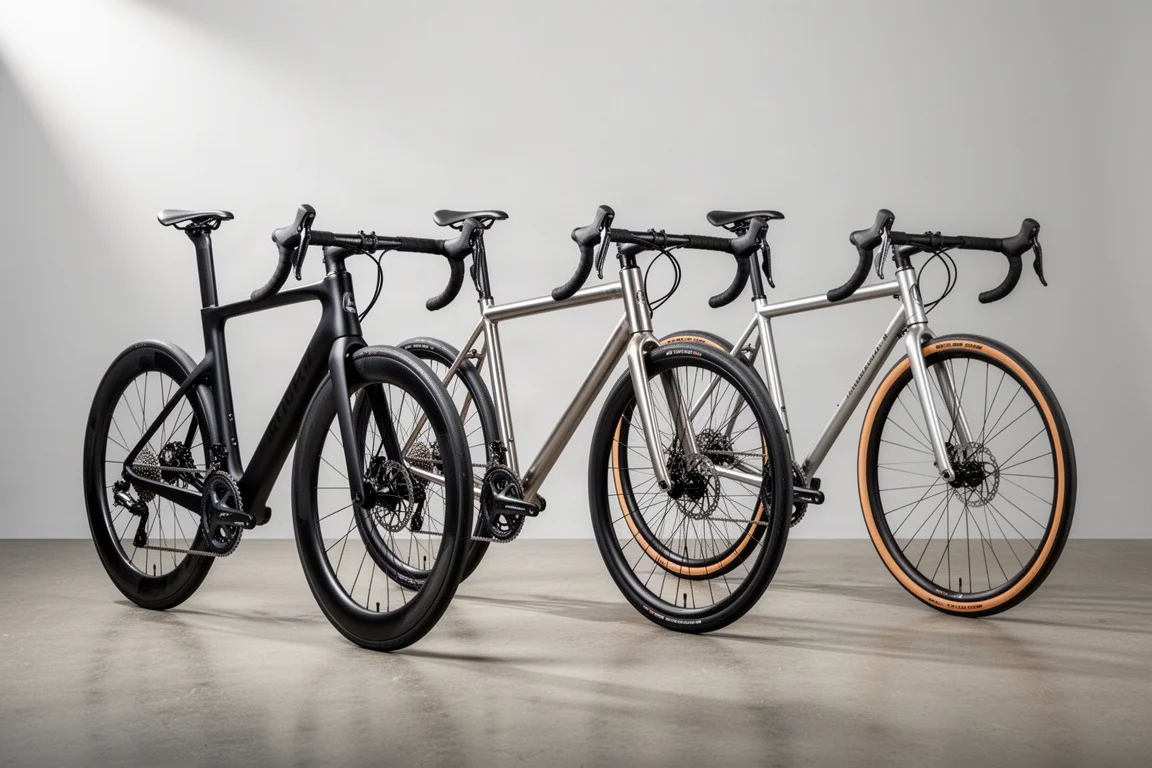
10 New Road Bikes Worth Watching: Aero, Titanium, Steel and Endurance Standouts
A practical roundup of 10 new road bikes, from aero flagships chasing single-watt gains to titanium, steel and endurance platforms built for real roads.
Road Bikes
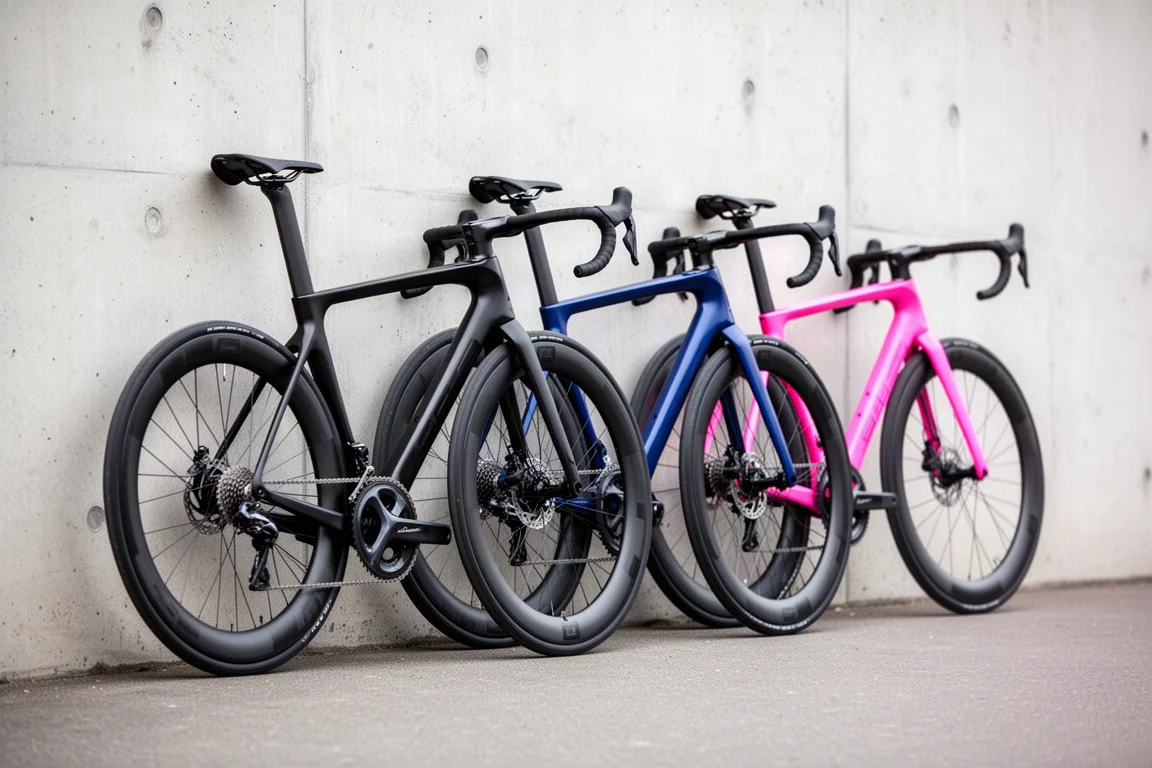
2026 Tour de France Road Bikes: Six Race Machines Worth a Closer Look
Six race bikes from the 2026 Tour de France grid, reviewed for paint, silhouette, wheels and the specification details that matter to buyers.
Road Bikes
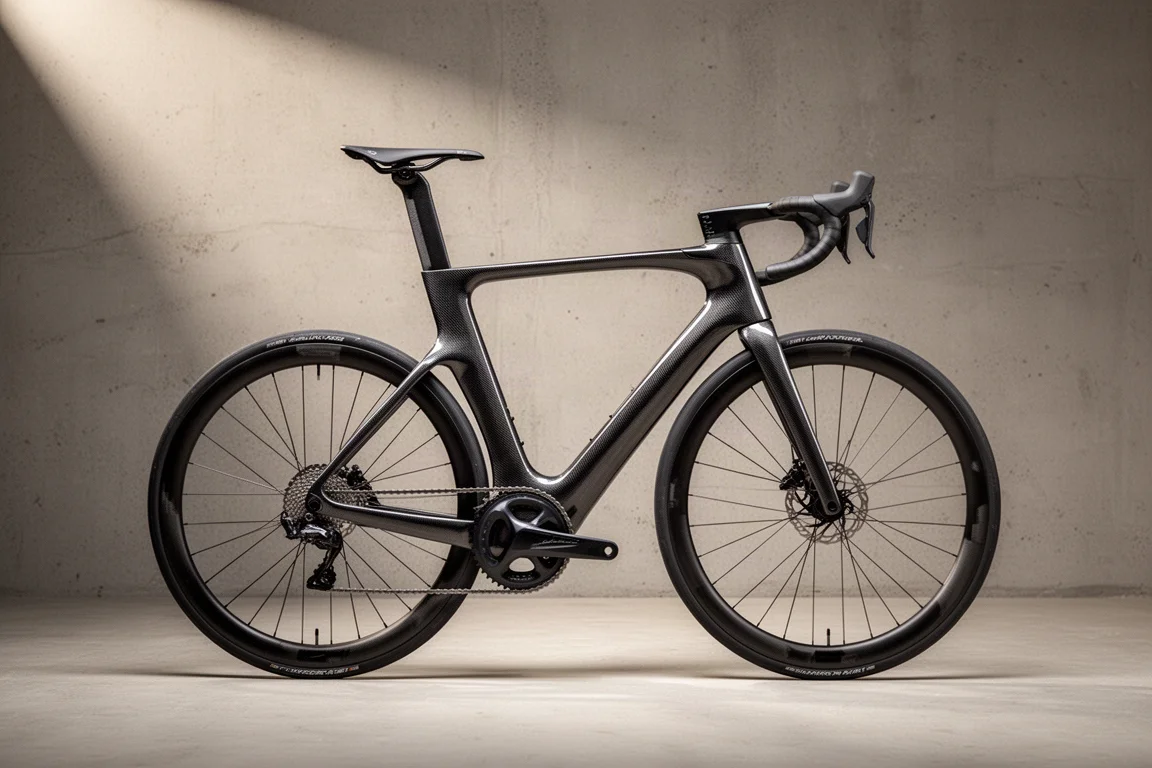
3T Strada Italia Review: A Radical Aero Road Bike That Rides Smooth
A made in Italy carbon aero road bike with a deep head tube, wide tire clearance and a genuinely comfortable ride. Here is what to know before buying.