Road Bikes
Orbea Orca Aero Review: A Race-Ready Aero Road Bike Built for Speed
A practical look at the Orbea Orca Aero, an aero road bike with a 15-watt drag claim, sharp handling, and a build range that starts at £4,000.
Introduction
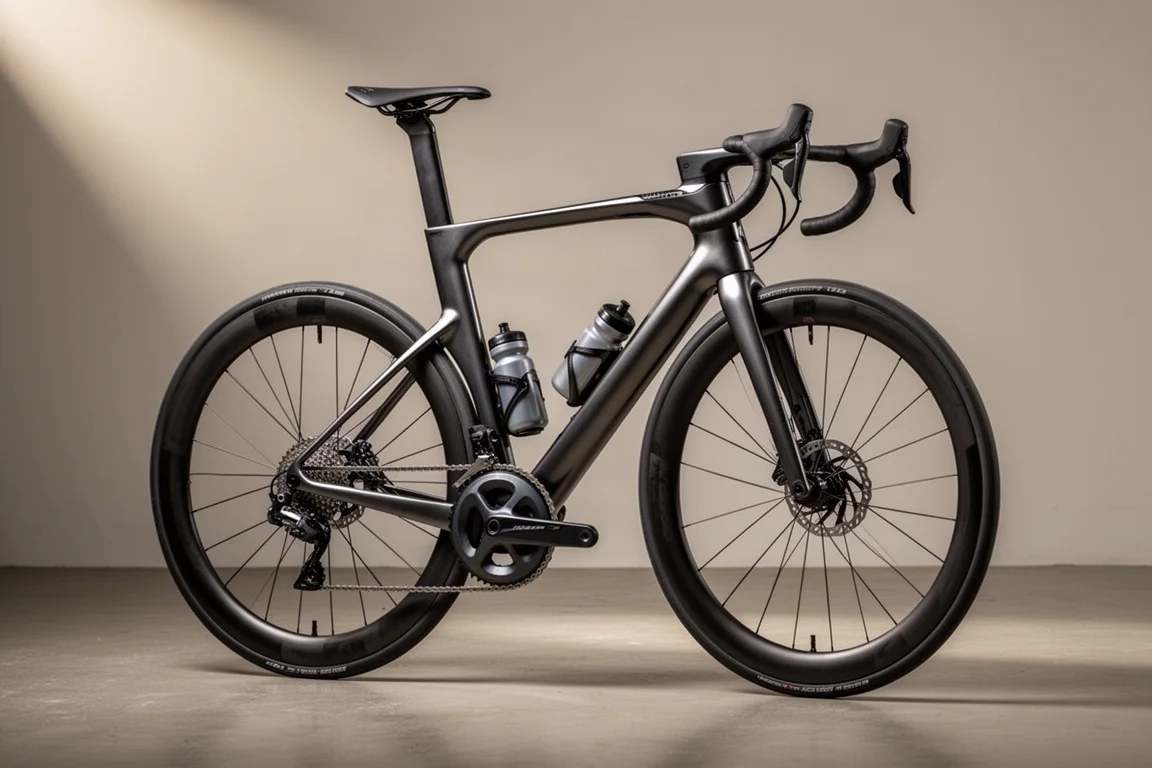
The Orbea Orca Aero is a road bike with one clear priority: going as fast as possible. It represents a complete ground-up redesign rather than a facelift, and the shape that comes out of it leans heavily on aerodynamic thinking borrowed from time trial machines. Deep fork blades, an hourglass head tube, a near-level top tube, a deep down tube that hugs the front wheel, and a seat tube that wraps close to the rear tire all point in the same direction.
It is also a disc-brake-only platform, with 12 mm thru axles, flat-mount calipers, and every cable and hose routed internally. If you want a bike that looks fast standing still and rewards hard, sustained efforts, this one is worth a closer look.
Who This Bike Is For
This is a bike for riders who chase speed. If your idea of a good ride involves holding a fast group, racing on circuits, or simply covering familiar roads quicker than usual, the Orca Aero is built around that goal. The geometry has been sharpened compared with the previous version, with a shorter wheelbase, compact chain stays, and a lower stack that pushes the rider into a more aggressive, racier position.
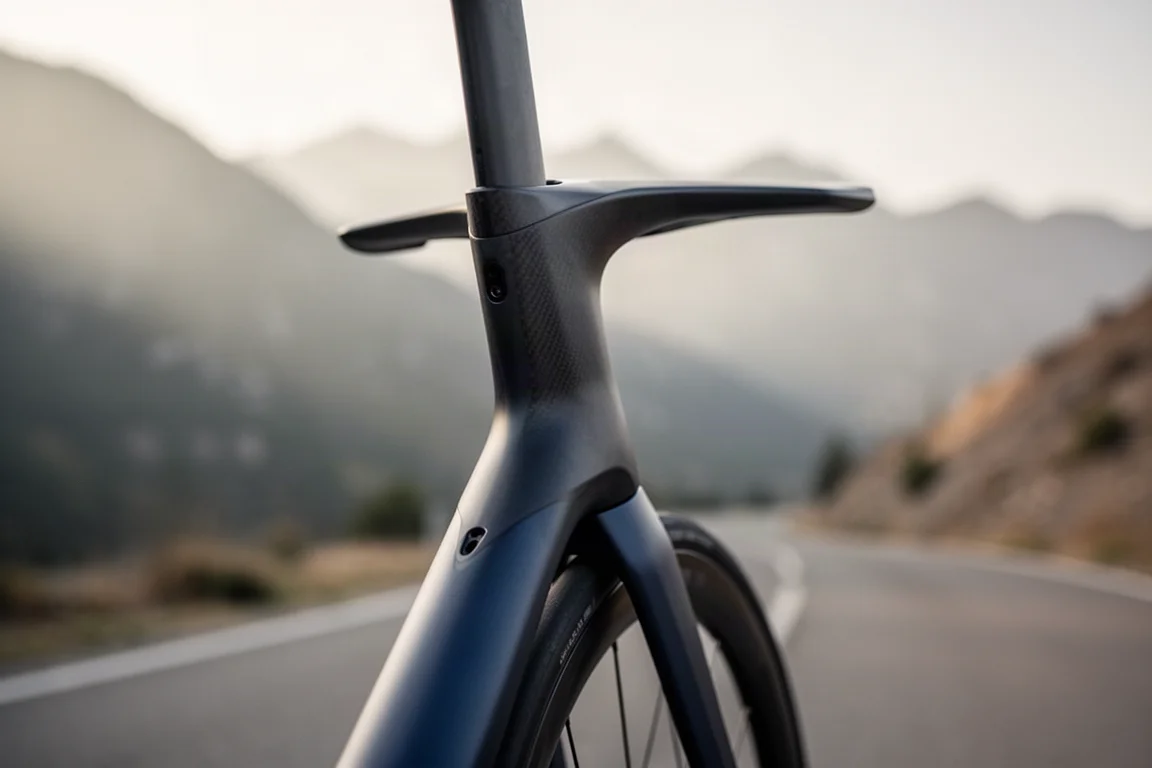
That position is the point. A large part of aerodynamic performance on a road bike comes from frontal area, which is why the new handlebar is narrower than normal and the hoses run through a recessed channel underneath it. Riders who are willing to work on their position will get more out of this frame than those who prefer an upright, relaxed fit. It also suits riders who want a fast bike that does not need to be a dedicated race-day-only machine.
Beyond racing, the bike makes sense for anyone who wants to go faster for the same effort. That is a genuinely appealing proposition for riders on rolling terrain where momentum matters and you are constantly going up, down, and across rather than settling into long steady climbs.
Main Strengths
Aerodynamic performance
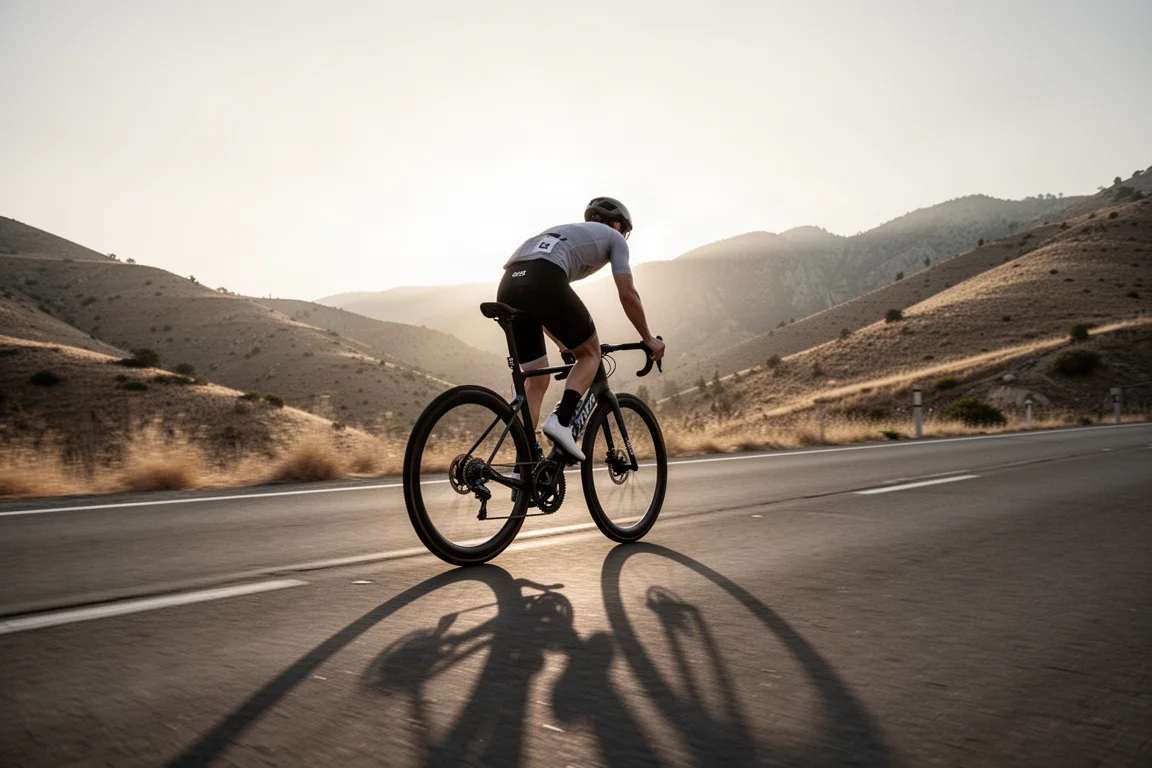
The headline claim is a 15-watt drag reduction at 40 km/h compared with the previous generation, derived from the brand’s own real-world and wind tunnel testing. That is a substantial gain in this category, and it shows up as a real sense of speed on the road. Speeds above 40 km/h come easily, and the benefit is not limited to all-out efforts: at a steadier 30 km/h, the power required to hold pace is noticeably lower than on a conventional road bike.
Handling and agility
The Orca Aero is not a one-trick pony built only for straight-line speed. Steering is direct and responsive, the bike turns into a corner easily, and it changes direction quickly. On a race circuit with frequent corners, that willingness to be flicked from side to side is exactly what you want. The redesigned geometry, shorter wheelbase, and compact rear end are all working in service of that agility.
Comfort that holds up over distance
Aero bikes have historically sat at the bottom of the comfort rankings, and that is where this one surprises. It is not an endurance bike and it does not isolate you from the road surface; you can feel the texture and contours beneath the tires. But it is not harsh, big impacts are handled well, and rough tarmac does not become tedious. For a stiff aero frame, that is a meaningful step forward, and it means longer rides will not beat you up.
Equipment and setup
The build is a complete package. The 12-speed Shimano Dura-Ace Di2 groupset shifts cleanly and the front shifting is quicker than the previous generation, with smoother cadence steps at the low end of the cassette. Braking is powerful, quiet, and confidence-inspiring. The wheels are wider than before, giving 25 mm tires a broader platform, and they spin up fast with a quick-engaging freehub. The stubby-nose saddle adds noticeable comfort, and the grippy bar tape works well with or without gloves.
One detail worth highlighting is the two-piece handlebar and stem. Where many aero bikes use a one-piece cockpit, this setup still routes hoses internally but lets you swap the bar or stem to change width or reach. That is a real practical advantage for riders who are still dialling in their fit.
Things to Consider Before Buying
Weight
The frame is not light. The claimed figure for a size 53 is 1,140 g, and several rivals in this category sit well under a kilo. A complete size 57 build with the Dura-Ace Di2 groupset and matching wheels measured 8 kg without pedals. None of that matters much when the goal is outright speed, because aerodynamics dominates at speed, but riders who prioritize low weight should go in with clear expectations. In practice the bike carries speed so well into the bottom of a climb, and holds it so effectively on short ramps, that it does not feel held back, though it is not a dedicated climbing bike.
Tire clearance
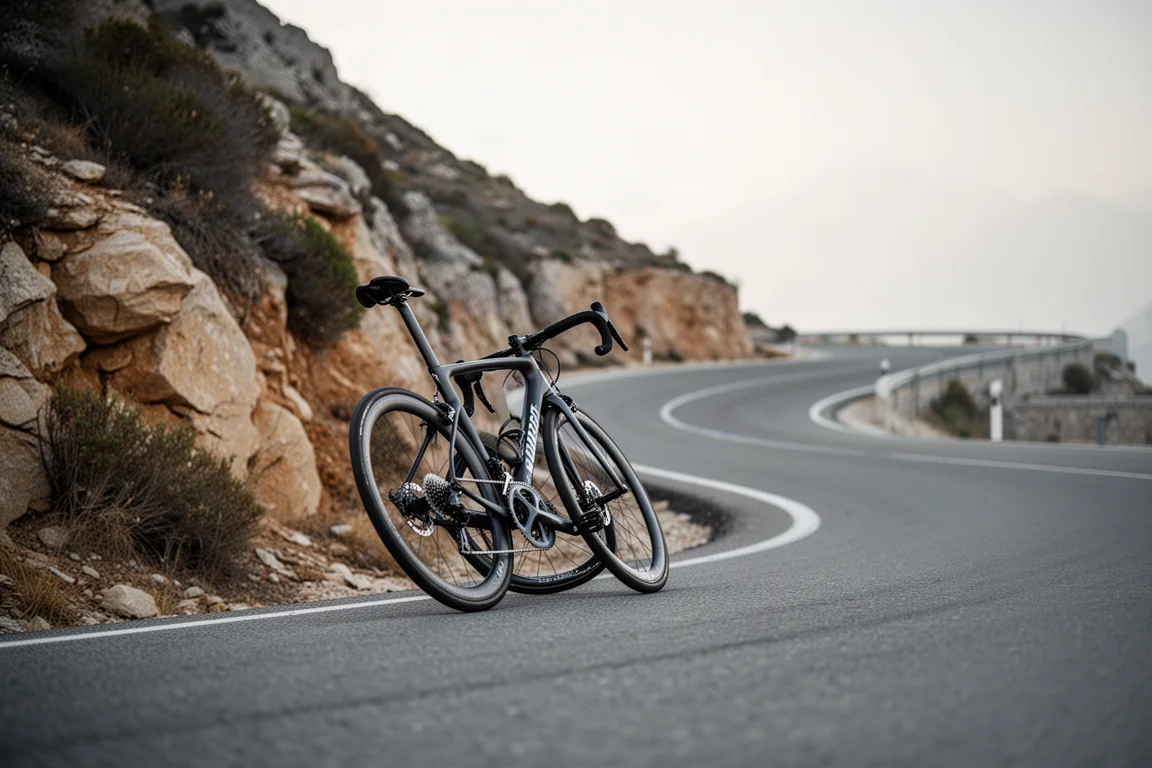
The bike came fitted with 25 mm tires, and on the wide carbon rims there is not much space between rubber and frame. Clearance for wider rubber appears tight, particularly on a modern wide rim, so anyone planning to run significantly larger tires should check the fit carefully. Going tubeless at lower pressure is an option, and the bike ships with the valves needed to do it.
Paint and everyday practicality
The white finish looks sharp, but keeping it clean on gritty, muddy roads is a chore. If your local lanes see farm traffic dragging mud onto the tarmac, this is not the easiest bike to live with through a wet winter. The good news is that Orbea offers custom paint colours at no extra fee, so a darker black, blue, or red finish is available if you would rather not fight the filth.
The aero toolbox
The frame can accept an aero toolbox at the bottom of the down tube. It is a functional addition, but the bike looks cleaner without it, and removing it gives up a small aerodynamic gain. Riders chasing maximum efficiency will want to run both the toolbox and the aero bottle; riders who prefer a simpler look can leave it off.
Buying Advice
The Orca Aero range starts at £4,000 and tops out with the 12-speed Dura-Ace Di2 build at £9,600. That is a serious amount of money, but similar frames paired with comparable groupsets from other brands often start at £10,000, £11,000, or more. Keeping the flagship build under £10,000 is a genuine achievement, and the free custom paint option adds value that most brands cannot match.
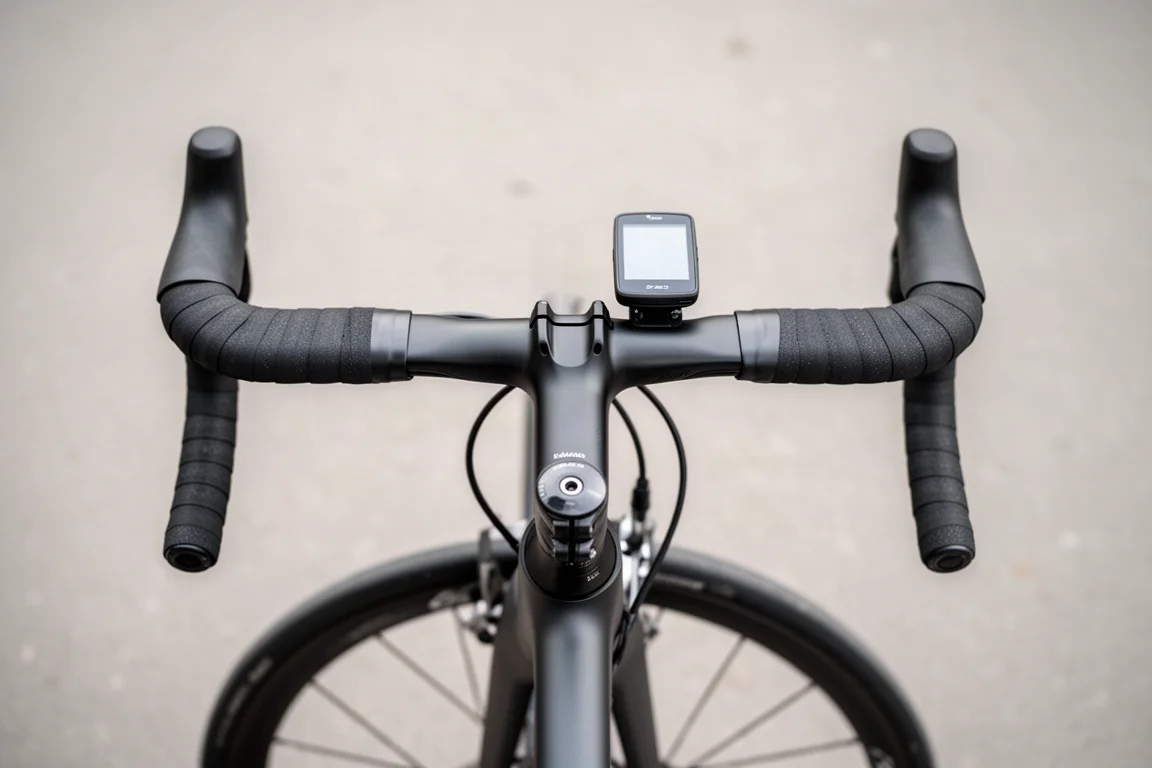
Which build makes sense depends on your priorities. The frame and its aerodynamic character are the constant across the range, so the smartest approach is to choose the groupset level that fits your budget rather than stretching purely for the top tier. The Dura-Ace Di2 build is faultless, with excellent shifting and superb brakes, but the ride quality, handling, and speed come from the frame, and those are present throughout. If you ride rolling terrain, want to hold a faster group, or race on circuits, this is a bike where the investment translates directly into speed. Riders who care most about low weight, or who want a comfortable endurance fit, are better served looking elsewhere.
Conclusion
The Orbea Orca Aero delivers on its promise. It is extremely fast, and more importantly it makes going fast feel easy and enjoyable rather than like hard work. The aerodynamic gains are tangible in the real world, the handling is sharp and direct, and the comfort is genuinely good for an aero bike, even on 25 mm tires.
The equipment is first class, the two-piece cockpit is a practical choice, and the cable routing is tidy. The trade-offs are clear: it is not a light frame, tire clearance is tight, and the white paint makes winter maintenance harder than it needs to be. A custom colour solves the last of those at no extra cost. For riders whose priority is speed, this is a compelling and well-rounded aero road bike.
Product link
View more details for Orbea Orca Aero
This product is mentioned in the review. Check the specifications, options, and compatibility before buying.
View more details for Orbea Orca AeroFurther reading
Related Reviews

Road Bikes
10 New Road Bikes Worth Watching: Aero, Titanium, Steel and Endurance Standouts
A practical roundup of 10 new road bikes, from aero flagships chasing single-watt gains to titanium, steel and endurance platforms built for real roads.
Road Bikes
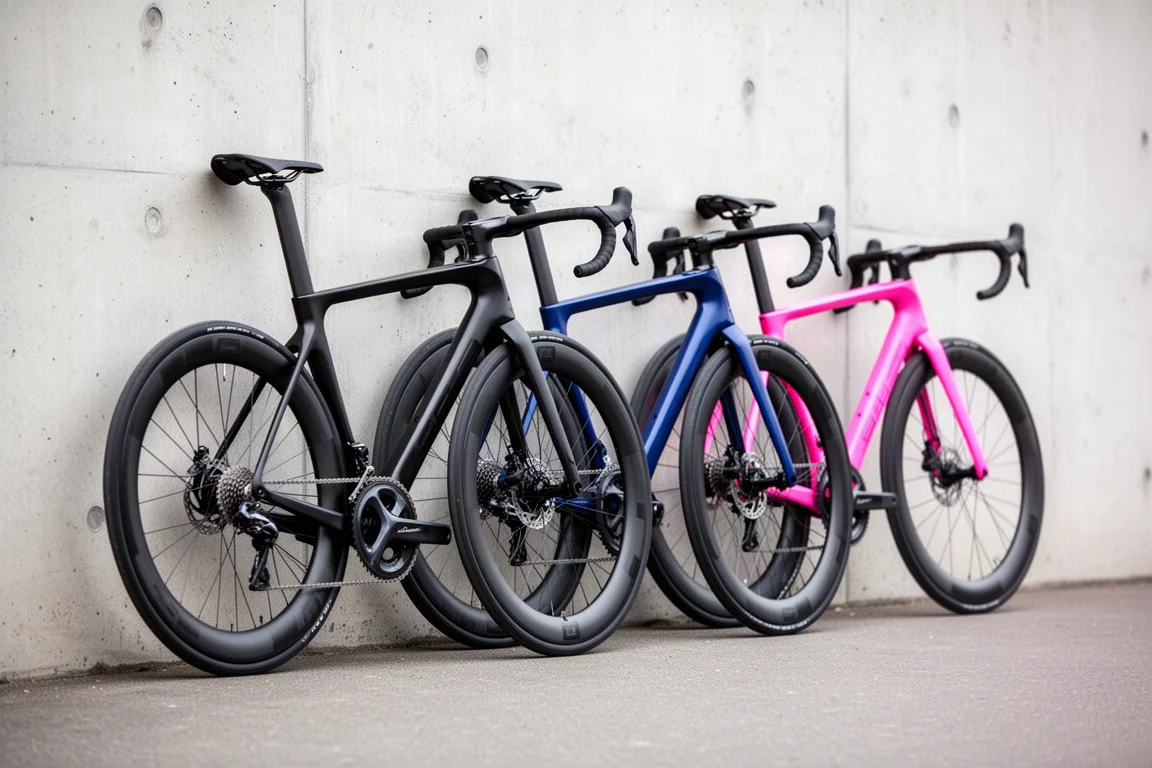
2026 Tour de France Road Bikes: Six Race Machines Worth a Closer Look
Six race bikes from the 2026 Tour de France grid, reviewed for paint, silhouette, wheels and the specification details that matter to buyers.
Road Bikes
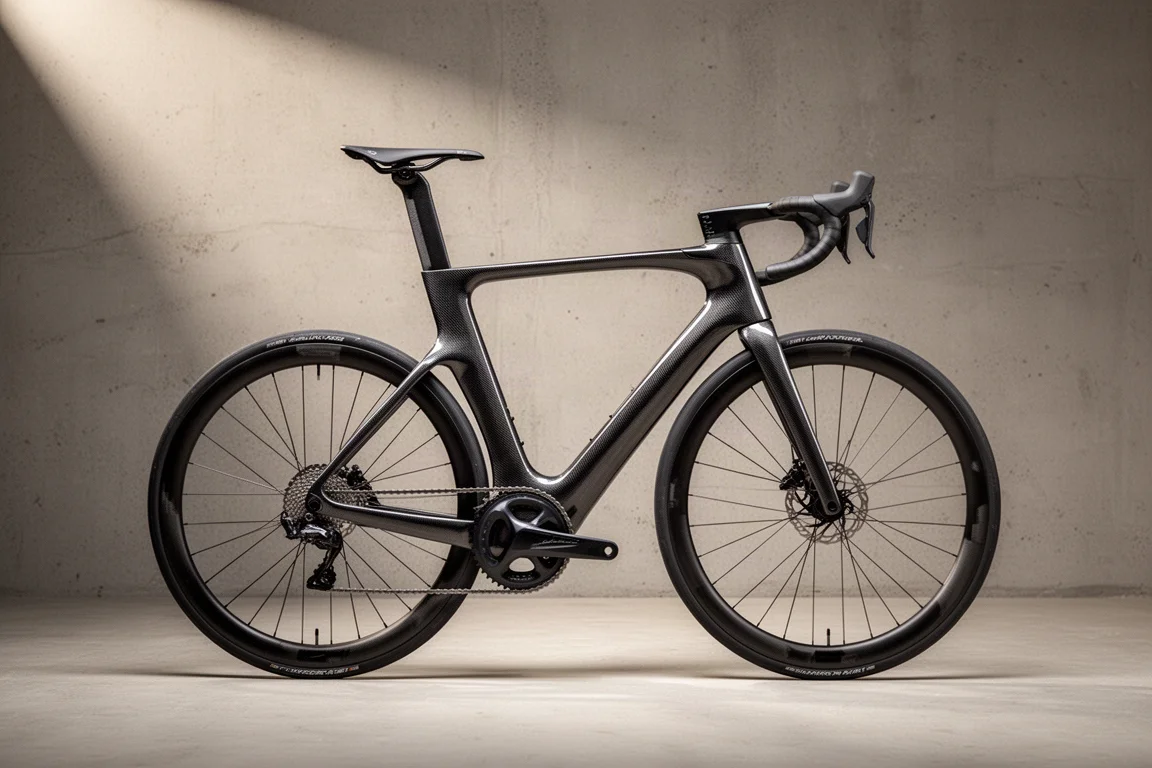
3T Strada Italia Review: A Radical Aero Road Bike That Rides Smooth
A made in Italy carbon aero road bike with a deep head tube, wide tire clearance and a genuinely comfortable ride. Here is what to know before buying.