Aero Road Bikes
Orbea Orca Aero M10i Limited Review: Fast, Practical and Customisable
A deep dive into the range-topping Orbea Orca Aero M10i Limited, covering its aero speed, Shimano Dura-Ace build, comfort, weight, and the practical details worth knowing before buying.
Introduction
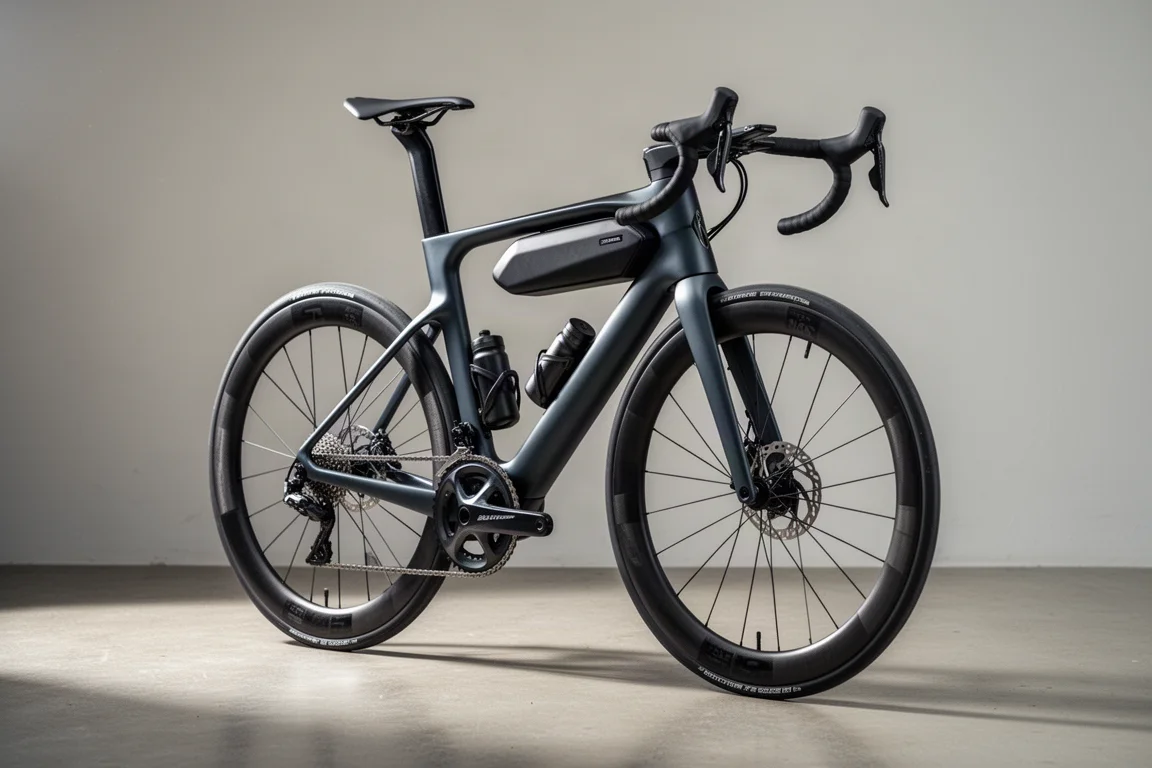
The Orbea Orca Aero is the Basque brand’s dedicated aero road bike, and this generation borrows heavily from the Ordu time trial platform. Deep aerofoil tube shapes, dropped seat stays and a fork flared specifically for deep section wheels place it firmly in the modern aero race bike category.
Orbea claims the redesign saves a rider 15 watts at 40 km/h compared with the outgoing model. That number cannot be confirmed without a wind tunnel, but the sensation on the road supports the intent behind it. On flat and rolling terrain the Orca Aero carries speed with noticeably less effort than a standard road frame, and it does so without feeling nervous underneath you.
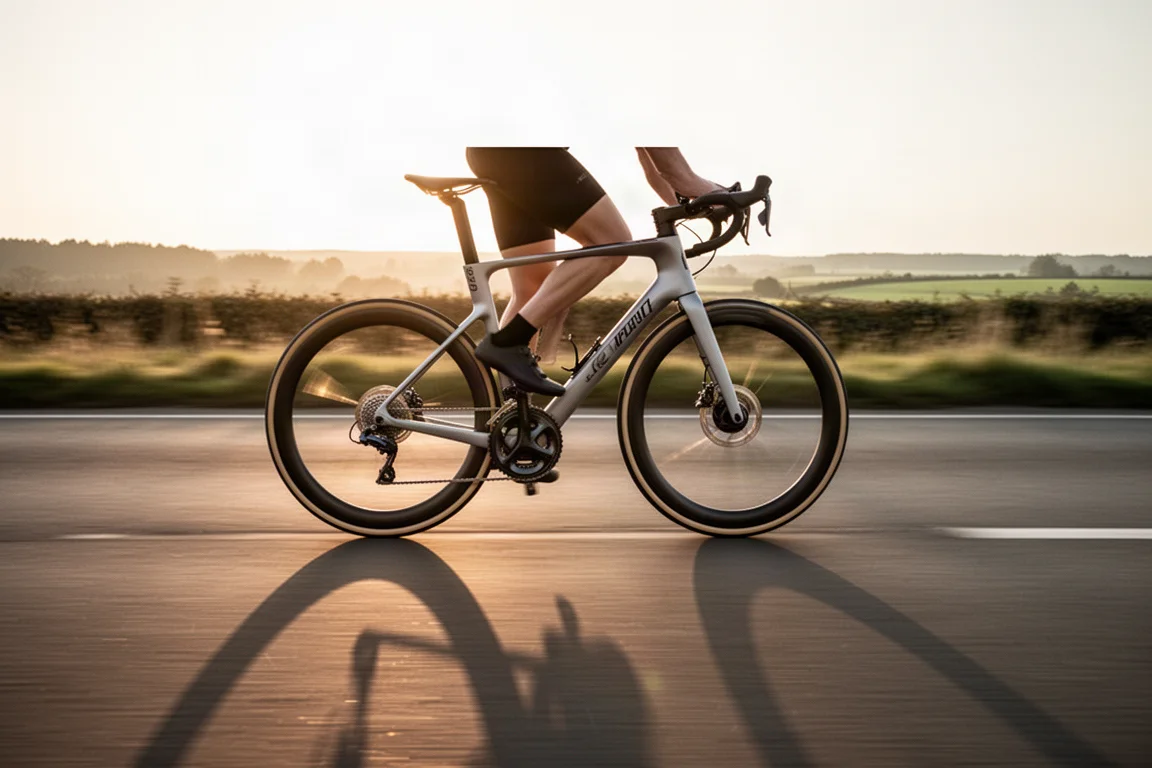
The M10i Limited is the top specification in the range, and it is the build examined in this review.
Who This Bike Is For
This is a bike for riders who race, ride fast group sessions, or simply want an aero road platform that does not force them into awkward compromises. It suits someone who spends most of their time on flat and rolling roads where aerodynamic efficiency pays off, and who values the ability to run standard components rather than proprietary parts.
It also makes sense for riders who compete in time trials or triathlons, where the supplied aero bottle and storage box are more clearly in their element. If your riding is dominated by long alpine climbs, a lighter all-round frame will usually serve you better, and the Orca Aero should not be the first choice on that basis.
Finally, anyone who has struggled to find a stock bike with the right bar width or crank length will find a lot to like here, because Orbea’s MyO programme lets you specify those details at the point of order.
Main Strengths
Aero Speed and Handling
The Orca Aero is a genuinely fast bike, and it feels it. The best aero road bikes share an ability to sail along flat and rolling roads with less effort, and this Orca has that quality in abundance. Against the benchmark of a Cannondale SystemSix, the gap is small, and any difference in sensation is likely to come down to the slightly shallower and narrower wheelset fitted here, along with different test conditions.
Handling is the other standout. The geometry is close to the SystemSix, and the Orca Aero feels nimble, racy and sharp in the same way, exciting without ever tipping into twitchy or unruly behaviour. It is a bike that rewards confident input rather than demanding it.
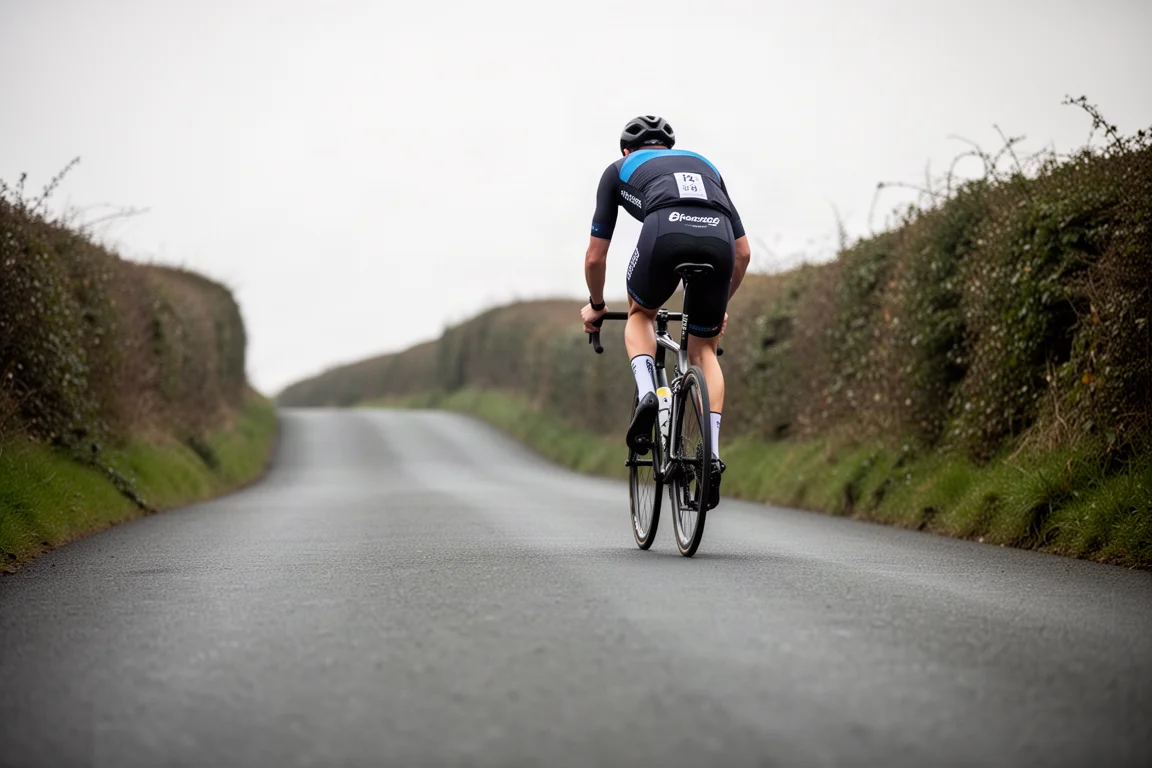
That combination of straight line speed and quick steering is the hardest thing to get right in this category, and this frame lands closer to it than most.
Shimano Dura-Ace Di2 R9200 Performance
The M10i Limited comes with the 12-speed Shimano Dura-Ace Di2 R9200 groupset, and it works close to flawlessly. Rear shifts are as quick and accurate as ever, while front shifting is genuinely phenomenal, which is the area most riders notice first on a high-end electronic groupset.
The less obvious details also impress. Shimano has revised the shifter hood ergonomics, and the hoods have gained a little height and size over the previous Di2 shifters. For riders who like to hold the top of the hoods and hook a single finger under the brake lever, that extra girth is a real improvement.
Braking is unsurprisingly powerful, with plenty of stopping force available. Things do get a little noisy in the wet or after dragging the brakes on long descents, though this bike is fitted with the outgoing rotors, so newer rotors may perform slightly better on that front.
Comfort and Practical Details
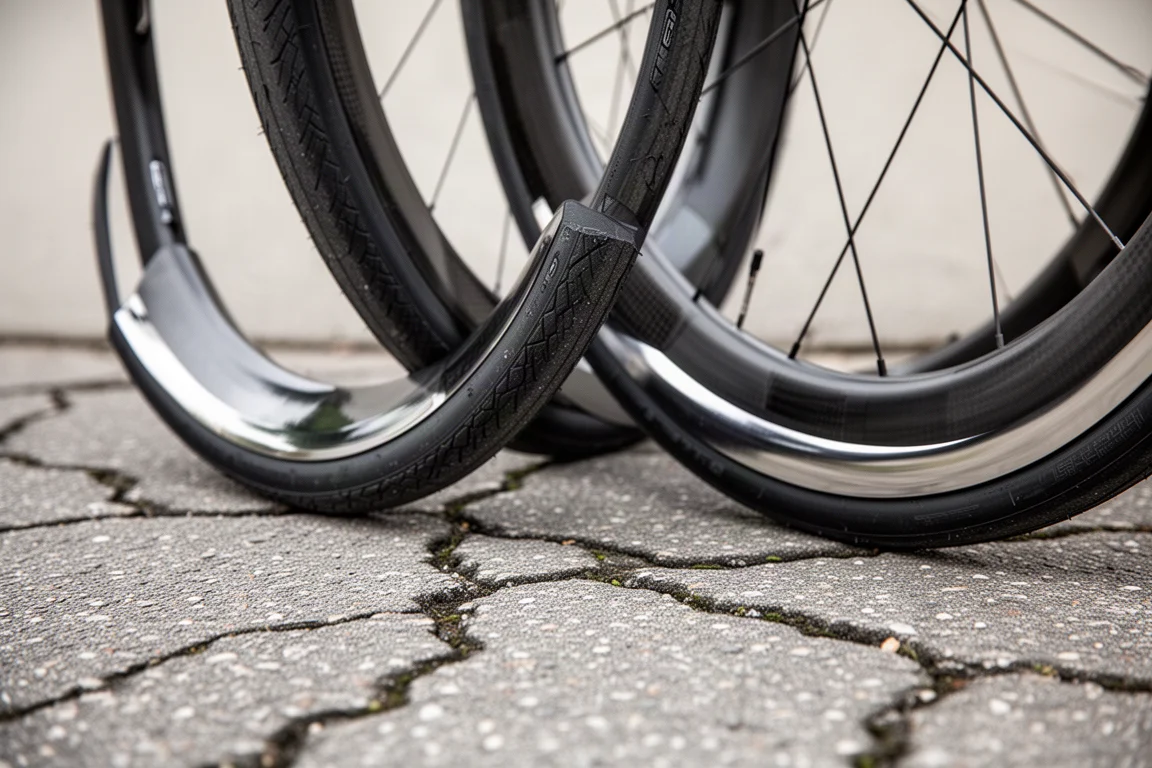
Comfort is a genuine surprise on a bike this focused. The 700 x 25c Vittoria Corsa TLR tyres measure out at just under 28mm wide on the Shimano wheels, and the bike never felt overly harsh even on poor quality road surfaces. Some of that comes from a smart carbon layup and the dropped seat stays, but tyre volume and the Prologo Dimension T4 saddle almost certainly make the larger contribution.
If you want more cushioning, the frame officially accepts tyres up to 30mm wide.
The downtube storage box is the other practical win. It removes the need for a saddle bag or spares stuffed into jersey pockets, and Orbea says it makes the bike slightly more slippery as well. It is fully detachable, and it is banned under UCI race regulations, so it will not appear in governed racing, but for everyday riding and training it is a straightforwardly useful addition.
Customisation Through MyO
Component sizing is a common frustration on aero road bikes, particularly on larger frames, where you can end up with an absurdly wide handlebar and long cranks that work against an efficient position. Orbea addresses this directly through its MyO programme.
Our test bike came with a 42cm handlebar and 172.5mm cranks, but a buyer can specify narrower bar widths and different crank lengths, along with a custom paint finish. Remarkably, this does not add cost unless you opt for component upgrades, although it will likely extend lead time.
The frame also uses a standard round 31.8mm stem clamp, so you are not locked into the stock aero handlebar if the shape does not suit you.
Things to Consider Before Buying
Weight
Weight is the area where the Orca Aero is least impressive. A size 57cm test bike with the aero bottle and storage box fitted weighed 8.3kg, and adding pedals and a bike computer pushes it past 8.5kg on the road. That is 700g more than the 7.6kg figure Orbea quoted at launch for this model.
The explanation is straightforward. Orbea confirmed the 7.6kg figure refers to a size 53cm bike without the aero bottle or storage box and with one of the lightweight raw carbon clear coat paint finishes, and the brand also confirmed the test bike weighed 8.24kg on its own scales before dispatch, which aligns with the independent measurement.
Against rivals, that is still around 350g heavier than a size 58cm Cannondale SystemSix with deeper, wider wheels, and a size medium Canyon Aeroad CFR was close to a full kilogram lighter. In practice the difference is hard to feel while riding, and converting to a tubeless setup would shed a little weight while reducing rolling resistance, but this was never intended as a hill climb bike.
The Aero Bottle
The aero bottle is the one accessory that divided opinion. It would be ideal for a short time trial or triathlon, but for general road riding and racing it is not as easy to use as a standard round bottle, which is a meaningful drawback in a bunch. It also holds only 500ml despite occupying a substantial part of the downtube.
Swapping to two standard bottle cages is simple and there was no noticeable performance penalty, though the edges of a round bottle do protrude beyond the downtube, so a small aerodynamic trade-off is likely. A dedicated aero bottle cage paired with a downtube shaped to manage airflow around standard bottles may be the better solution for a road bike that usually carries two.
Handlebar Shape
The carbon aero handlebar is an elegant piece of kit, and routing the hydraulic cables underneath rather than through the bar is a neat touch. The downside is the heavily profiled tops, whose rear edges caught bony wrists when sprinting out of the saddle in the drops while still covering the brake levers. Tapering the aero section a little earlier towards the drops would improve wrist clearance.
Because the bike uses a standard 31.8mm stem clamp, this is a component you can change rather than a deal breaker.
Buying Advice
This is a genuinely well executed aero road bike, and one that balances practicality with speed better than most. The design is thoughtful, the adjustability is closer to a standard road bike than you would expect, and the customisation options are extensive enough to matter.
The price is high. This world tour specification comes in at around £9,599 or $9,999, and the extra weight is a fair criticism at that level. The counterargument is that the bike does not feel heavy on the road, and against the clock the penalty is likely to be small.
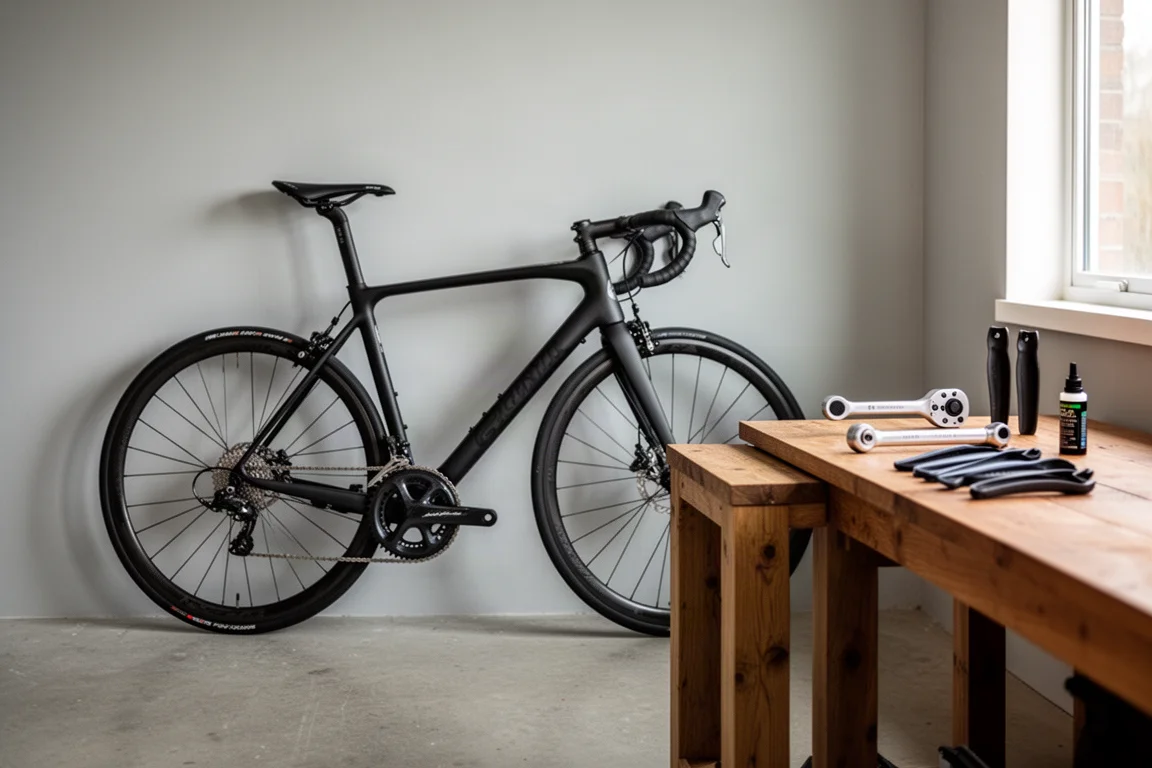
Buyers should decide which accessories actually serve their riding. The storage box is a clear win for everyday use and worth keeping fitted. The aero bottle is best left on for time trials or triathlons and swapped for standard cages everywhere else. Spend the customisation budget on bar width, crank length and paint, since those changes cost nothing extra and shape how the bike feels far more than a few hundred grams ever will.
Conclusion
Orbea has done a fantastic job updating its dedicated aero road bike. The Orca Aero M10i Limited is fast, confident and comfortable enough for long days, with Shimano Dura-Ace Di2 R9200 delivering near flawless electronic shifting and a frame that accepts standard components and a wide range of personal fit choices.
The weight is the obvious talking point, and the aero bottle will not suit everyone, but neither undermines what the bike is actually for. As a complete aero race package with genuine practicality built in, it is a compelling machine, and one that is easy to want to own.
Product link
View more details for Orbea Orca Aero M10i Limited
This product is mentioned in the review. Check the specifications, options, and compatibility before buying.
View more details for Orbea Orca Aero M10i LimitedFurther reading
Related Reviews
Aero Road Bikes
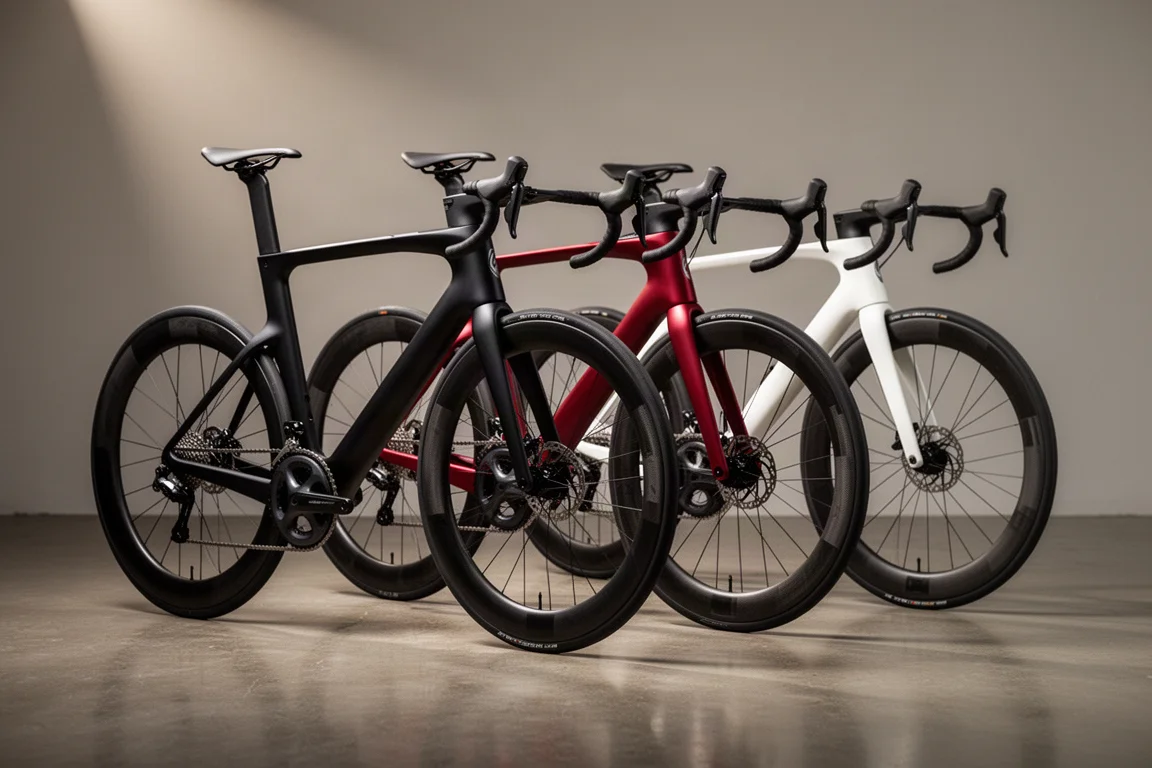
Best Aero Bikes 2026: Six Picks for Speed, Value and All-Round Performance
A practical guide to the best aero road bikes for 2026, covering outright speed, stability, all-round balance and the strongest value options.
Aero Road Bikes
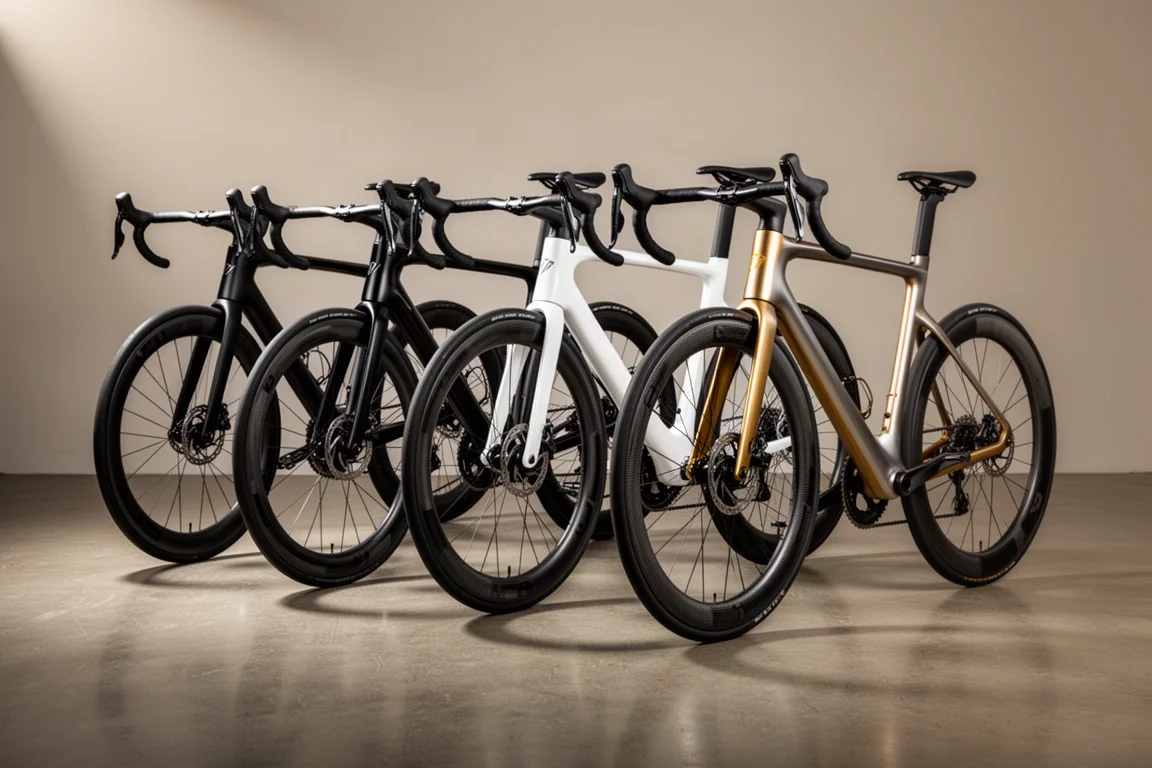
Best Aero Road Bikes From the 2025 Tour: Five Race Machines Compared
Five aero road bikes raced at the 2025 Tour de France Grand Départ, compared on build weight, measured tyre width and cockpit design.
Aero Road Bikes
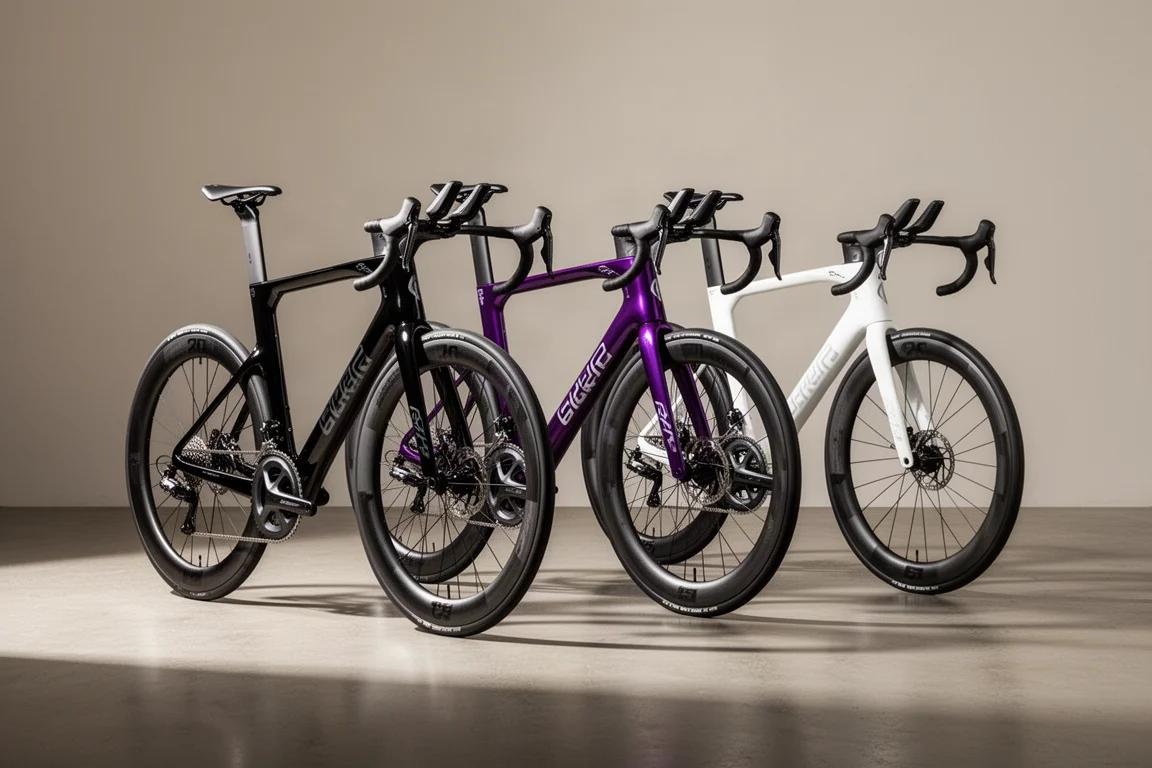
Best Aero Road Bikes 2025: Five Race-Proven Platforms
Five aero road bikes that shaped the category, from a team favourite with a distinctive front end to designs that blur the line between aero and all-round race machines.