Electric Bikes
Ora DM10, DM20 and DM30 Review: Three City E-Bikes Where Integration Does the Work
Ora's DM10, DM20 and DM30 city e-bikes share one patented frame and Shimano assist, then diverge on gearing, drivetrain and battery size.
Introduction
City cycling covers a wide spread of machines, from simple single-speed runarounds to old-school town bikes, road bikes, gravel bikes and mountain bikes. All of them work in a city, and that is exactly why the choice matters: some designs simply fit urban riding better than others.
Ora is a manufacturer best known for road and mountain bikes, and the company has applied that background to a purpose-built city range. The result is the DM family, three closely related electric bikes that share a single integrated frame platform and Shimano motor assistance, then diverge on gearing, drivetrain and battery capacity.
The DM10 sits at the top of the range with the fullest specification available. The DM20 and DM30 step down through the line while keeping the same core design. This guide covers what all three share, where they differ, and which one makes sense for a given rider.
What Makes These Bikes Different
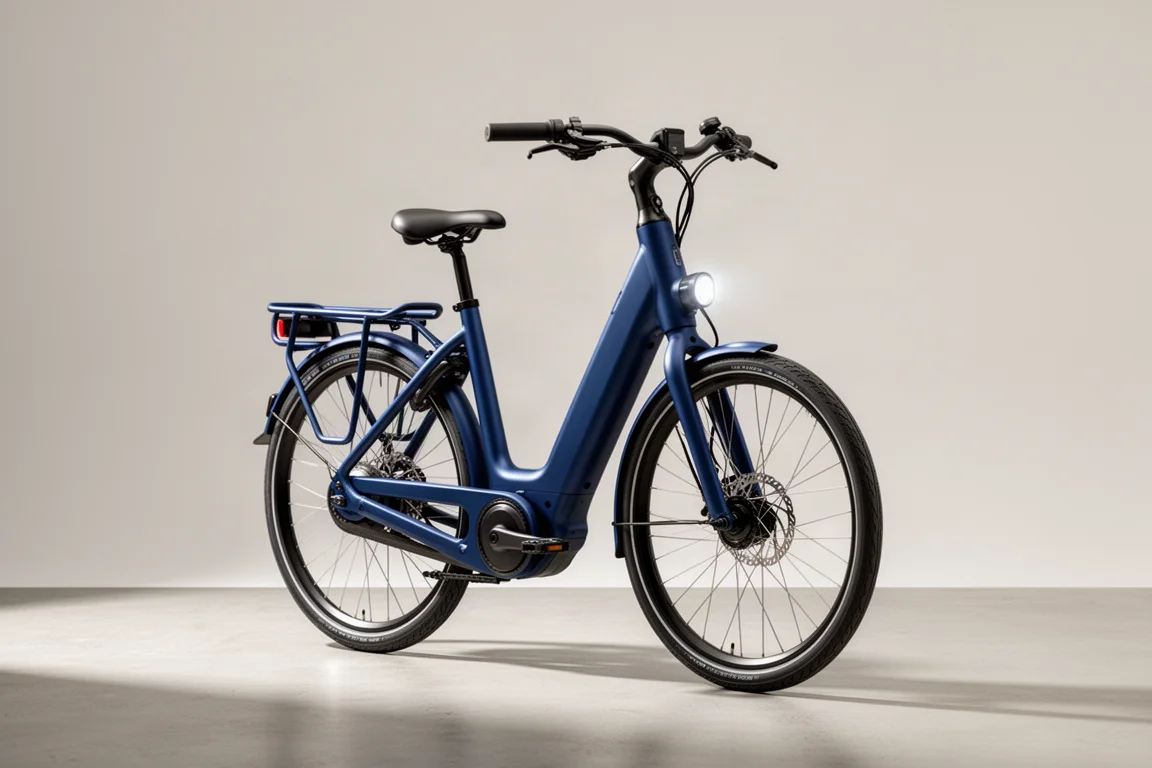
The starting point is the frame. Ora calls the central structure Diamond Glide and has patented it, on the basis that it absorbs bumps without the need for suspension, which would otherwise add another component to maintain. The geometry is also deliberately confidence inspiring: stable and settled, yet still nimble around town. The low-slung top tube makes getting on and off easy, and the saddle can be lowered at the push of a button, which helps when stopped at traffic lights or junctions and makes the bike easier to share between riders of different heights.
Integration is the other theme. Lights, mudguards, rack, motor and phone mount are all built in, and there are essentially no exposed cables or wires. A 630Wh battery is secured inside the down tube and charged through a port on the frame. Wide, highly puncture-resistant tyres and powerful disc brakes round out the platform, and despite all the technology on board the bike stays reasonably light.
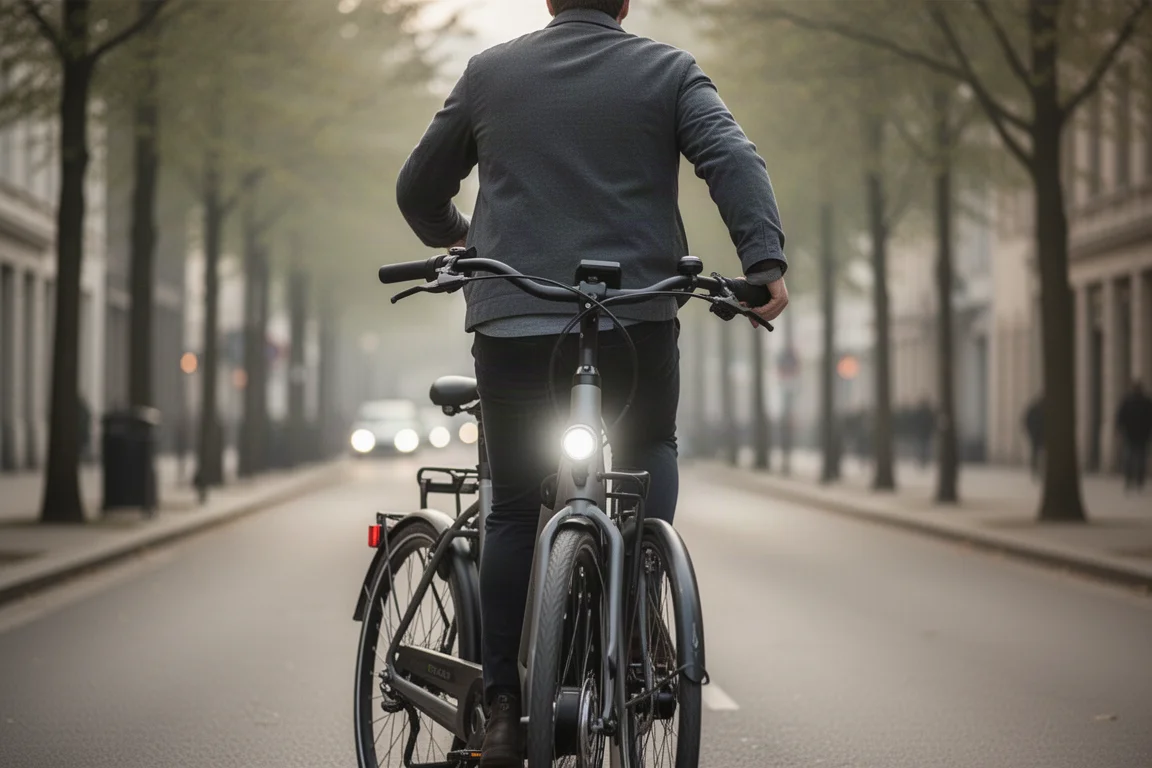
That combination is what separates this range from a typical city bike. Nothing needs to be added, removed, charged separately or carried in a bag, which lowers the number of small decisions a rider has to make before every trip.
Ora DM10: The Range-Topping Model
The DM10 is the all-singing version of the range. It runs the Shimano EP8 motor, which produces 85 Nm of torque. In practice that is enough to pull away from a standstill on the steepest climbs while heavily loaded, or even while towing a trailer. The 630Wh battery is integrated into the down tube and charges through a frame port.
Gearing comes from enviolo, and there is no shifter on the handlebar at all because the system is fully automatic. The idea is that the bike is always in the right gear and the rider does not notice the shifts as speed changes. An accompanying app allows the cadence at which the system shifts to be adjusted. The bigger advantage is mechanical: there are no exposed moving parts, and the drivetrain runs on a belt rather than a chain, so there is nothing oily or rusty to maintain.
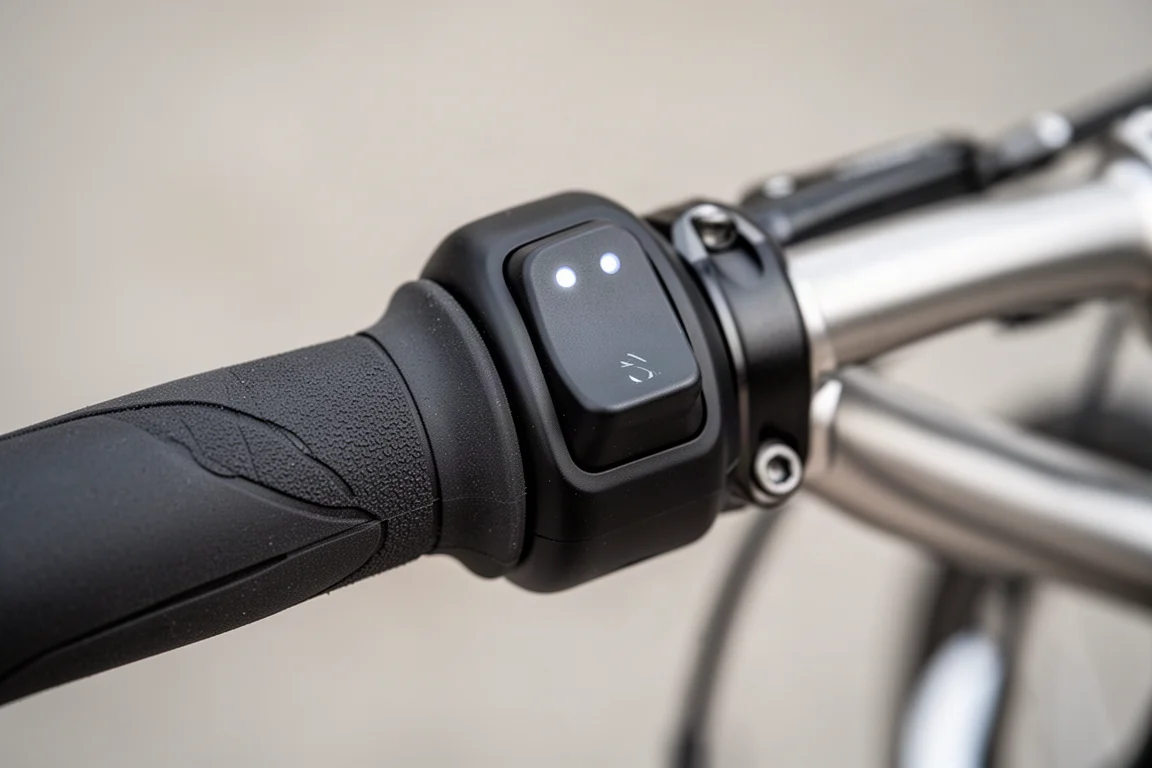
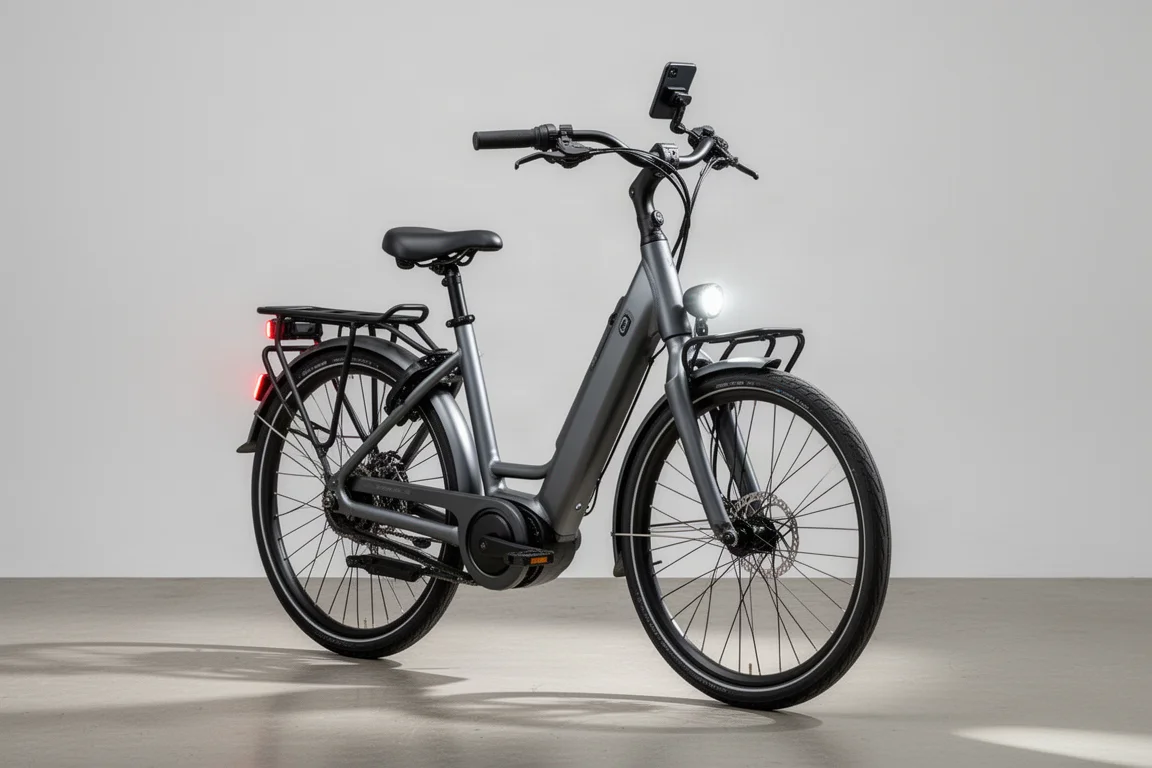
The cockpit is equally pared back. There is no dedicated motor display on the handlebars; instead a thumb control scrolls up and down through three power modes, with one small LED showing the selected mode and another showing battery status. More detail from the motor is available through an app connection. A dedicated phone case clips to the handlebars so a phone can serve as a navigation screen, and a USB-C port on the bike lets that phone charge while it is in use.
Lighting runs entirely off the central battery. There are daytime running lights front and rear, the rear light also indicates when the bike is slowing, and a separate front headlight switches on automatically as conditions darken. Because everything draws from the same battery, there is far less to keep charged and far less that can be taken off the bike when it is parked. Ora has also built in a compartment designed to house an AirTag or similar tracker.
Practical details are covered too: a kickstand, mudguards, a rear rack rated for 20 kg of load and a front rack rated for a further 10 kg, with compatibility for most dedicated bike trailers.
For riders who want the most automated version of the platform, the DM10 is the obvious pick. The automatic gearing and belt drive remove the two tasks that most often put people off commuting by bike, which is why it is also the version most likely to appeal to someone returning to cycling after a long break.
Ora DM20: Automatic Gears Replaced
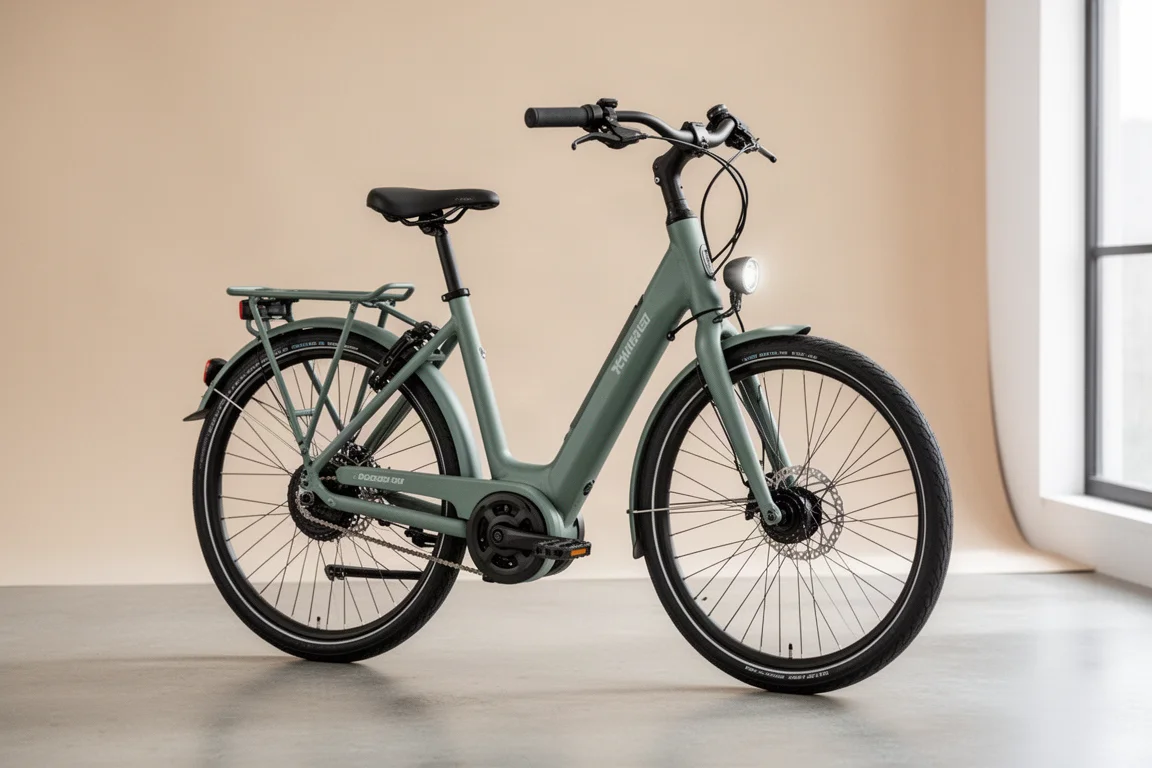
The DM20 keeps much of the DM10’s approach but swaps the fully automatic enviolo system for a five-speed Shimano Nexus hub. The belt drive stays, so the maintenance-free, oil-free drivetrain remains, but the rider controls the shifts rather than the bike doing it.
That makes the DM20 a sensible middle option. It preserves the belt-drive simplicity and the integrated frame design while giving back a conventional gear-shifting feel, which suits riders who prefer to decide when the bike changes gear.
Ora DM30: The Most Conventional Option
The DM30 moves to more conventional Shimano gearing with a normal chain. It also carries a slightly smaller battery, which makes the bike lighter but trims range compared with the models above it. Even so, Ora rates it as good for more than 100 km on a charge, depending of course on how hard the motor is being worked.
This is the version for riders who want familiar mechanicals and a lighter build, and who accept that a chain brings a little more cleaning and lubrication into the routine.
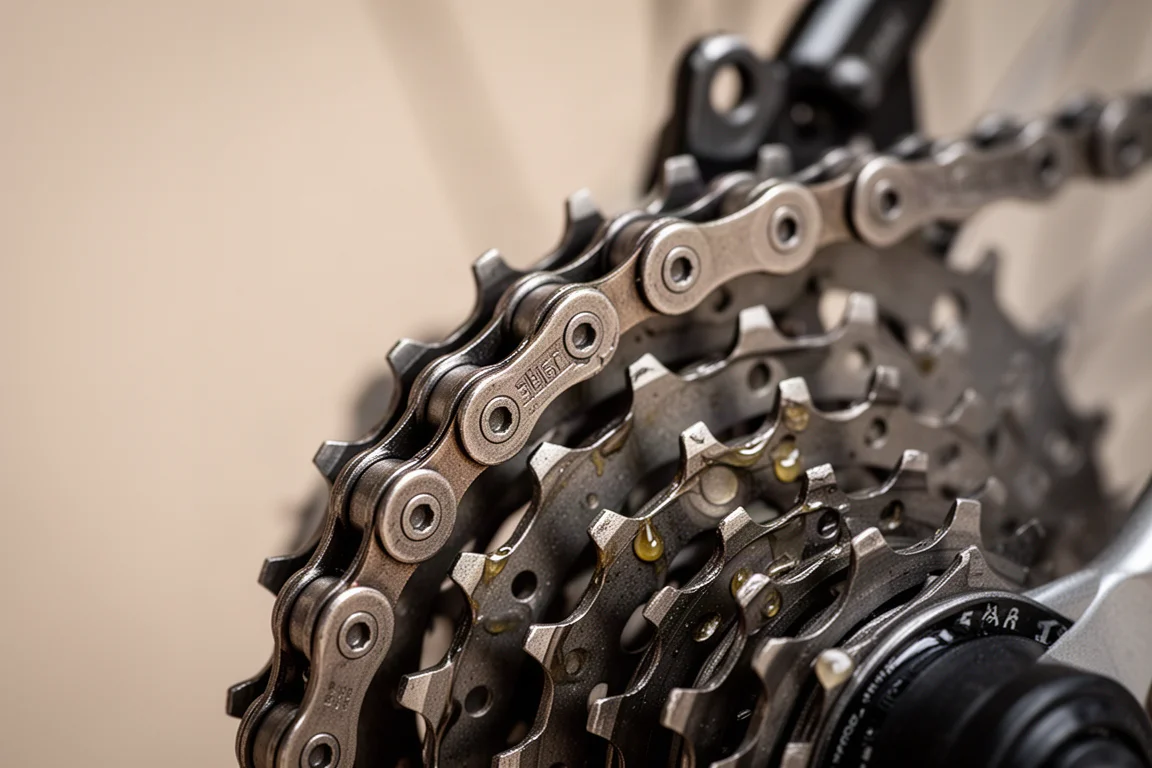
The trade is straightforward: less automation and a little less range in exchange for a lighter bike and a drivetrain that is easy to have serviced. For a shorter, flatter commute, that balance can be the right one.
Buying Advice: Which Ora DM Model Fits You
Choosing between the three comes down to how much automation and range matter relative to weight and familiarity.
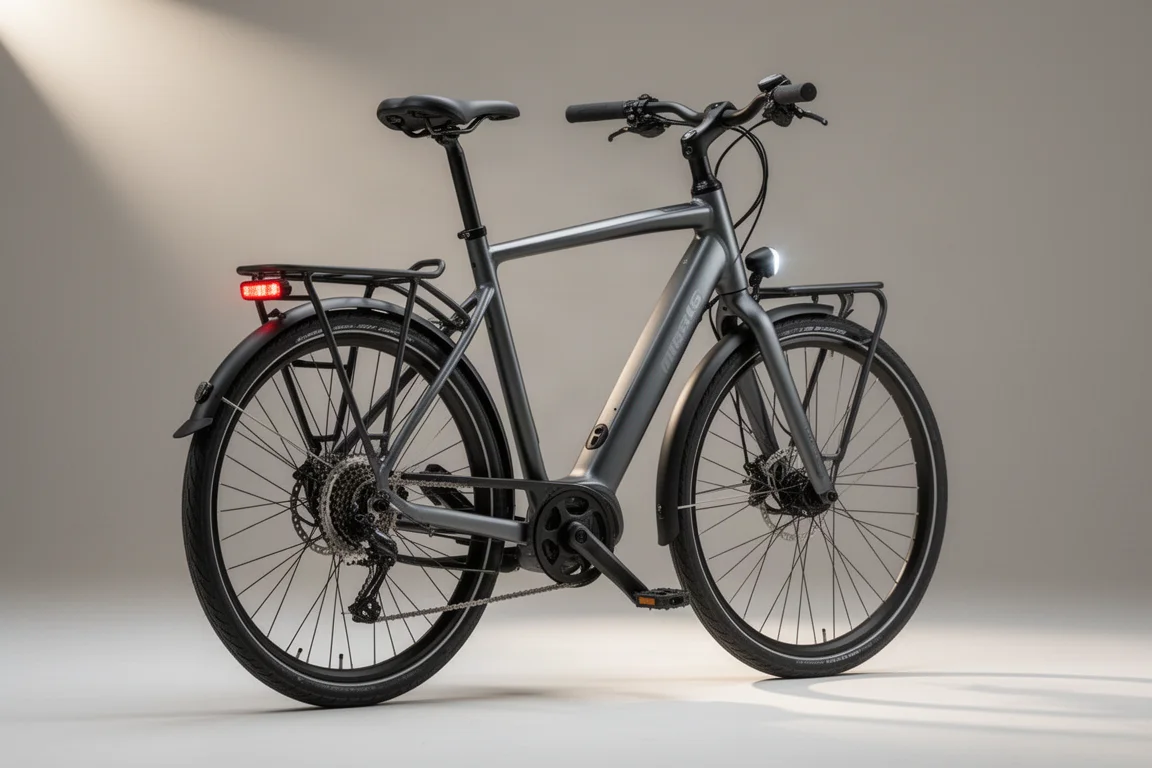
The DM10 is the fullest expression of the design: the most powerful assist, the largest battery, automatic gearing, a belt drive and the complete accessory set. It is the version to choose if the goal is to think about the bike as little as possible.
The DM20 keeps the belt drive and the integrated frame but hands gear changes back to the rider through a five-speed hub. It suits anyone who likes the simplicity of a belt but does not want the bike deciding when to shift.
The DM30 is the lightest and the most conventional, with a smaller battery, regular gears and a chain. It is the natural choice for shorter journeys where a chain and slightly more upkeep are not a concern.
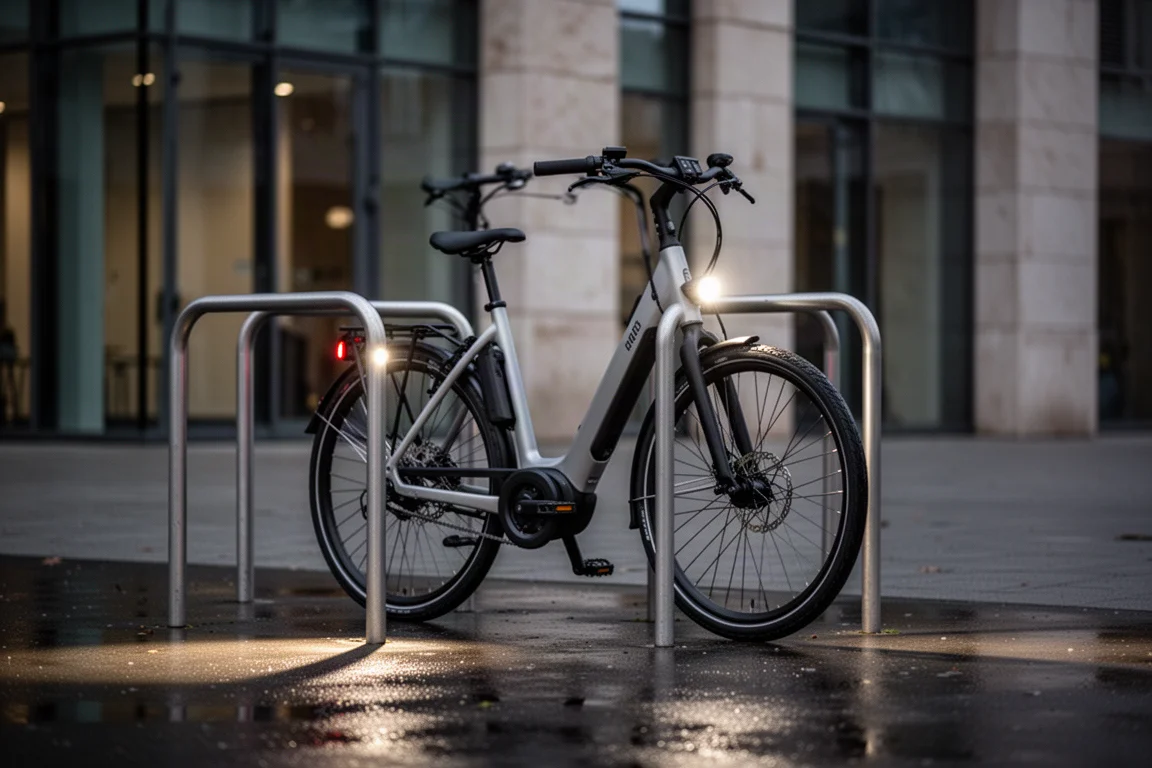
It is worth being clear about what this range is not. There is a price premium over a simple single-speed city bike, and these models are not intended to replace one. They are designed to sit alongside other city bikes, offering a fully equipped option for riders who have the budget and want the assist, the integration and the low-maintenance drivetrain in a single package.
Conclusion
All three Ora DM models share the same foundation: a patented frame designed to soften bumps without suspension, a low-slung top tube that makes mounting and dismounting simple, a 630Wh battery hidden in the down tube, integrated lighting running from a single power source, and essentially no exposed cabling.
Where they separate is gearing and drivetrain. The DM10 leads with automatic enviolo gears, a belt drive and a Shimano EP8 motor producing 85 Nm of torque. The DM20 keeps the belt but returns manual shifting through a five-speed Shimano Nexus hub. The DM30 uses conventional Shimano gears and a chain, paired with a lighter battery that still offers more than 100 km of range.
For anyone who has been put off city cycling by gear changes, hills, punctures, oily chains or awkward mounts, the DM range was clearly designed with those objections in mind. Matching the right model to your own commute is the only remaining decision.
Further reading
Related Reviews
Electric Bikes
Best Cargo E-Bikes for Family Use: Three Practical Options for Car-Free Living
Three electric cargo bikes designed for families and everyday transportation, each with distinct strengths for replacing car trips and building community.

Electric Bikes
Best Electric Bikes 2026: The Most Exciting Launches From CES
From lightweight e-motos to compact city commuters, these are the most interesting electric bikes unveiled at CES 2026.
Electric Bikes
Best Electric Bikes 2026: Seven E-Bikes Worth a Closer Look
A practical look at seven electric bikes spanning endurance road, gravel, cargo and experimental designs, with the real strengths and trade-offs of each.