Loudspeakers
Opera Classica Prima V2 Review: Handcrafted Italian Standmounts at £3,000
A handcrafted Italian two-way standmount at £3,000 a pair, with tight bass, a natural midrange and a refined treble that is easy to live with.
Introduction
Opera is a small, family-owned Italian loudspeaker maker based in Treviso, and it has been building handcrafted speakers for more than three decades. The company was founded by Giovanni Nasta in 1989, and following his passing in 2020 it has been run by his sons Bartolomeo and Riccardo alongside their mother, Donatella.
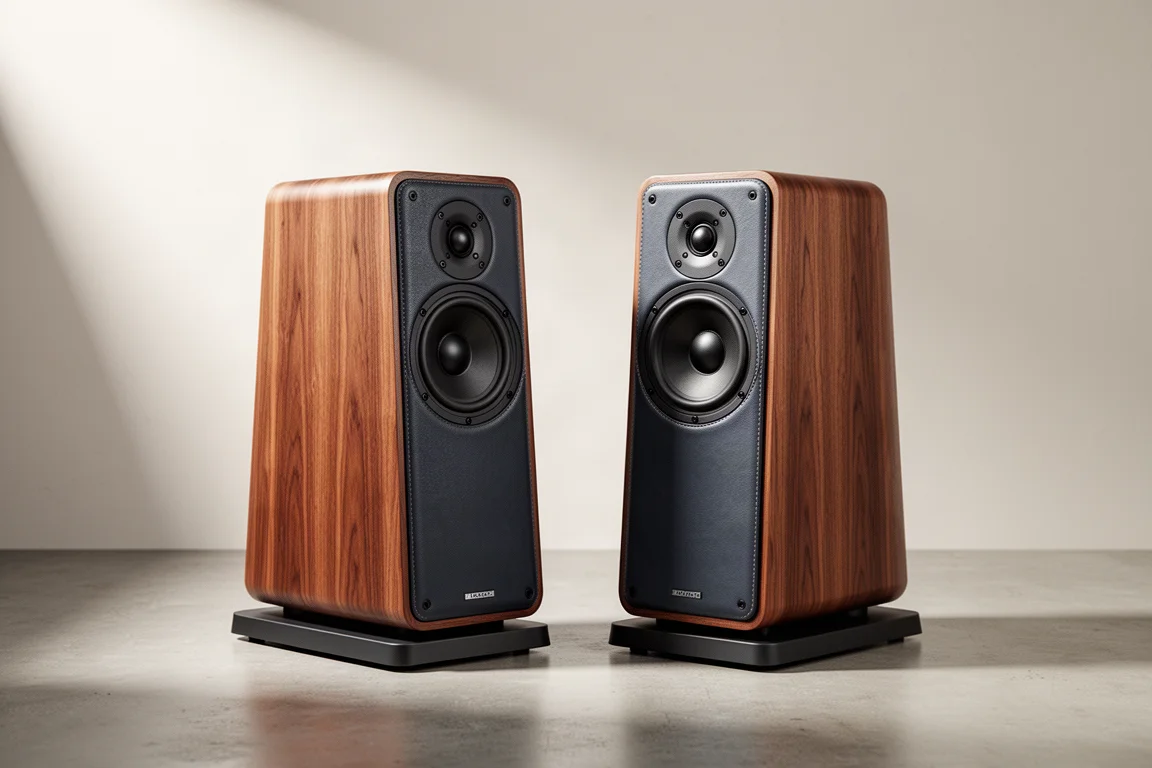
The Classica Prima V2 is a two-way standmount that sets out to combine traditional Italian cabinet craftsmanship with modern driver engineering. A pair costs £3,000, which places it in a competitive part of the standmount market where finish and sound quality both have to justify the outlay.
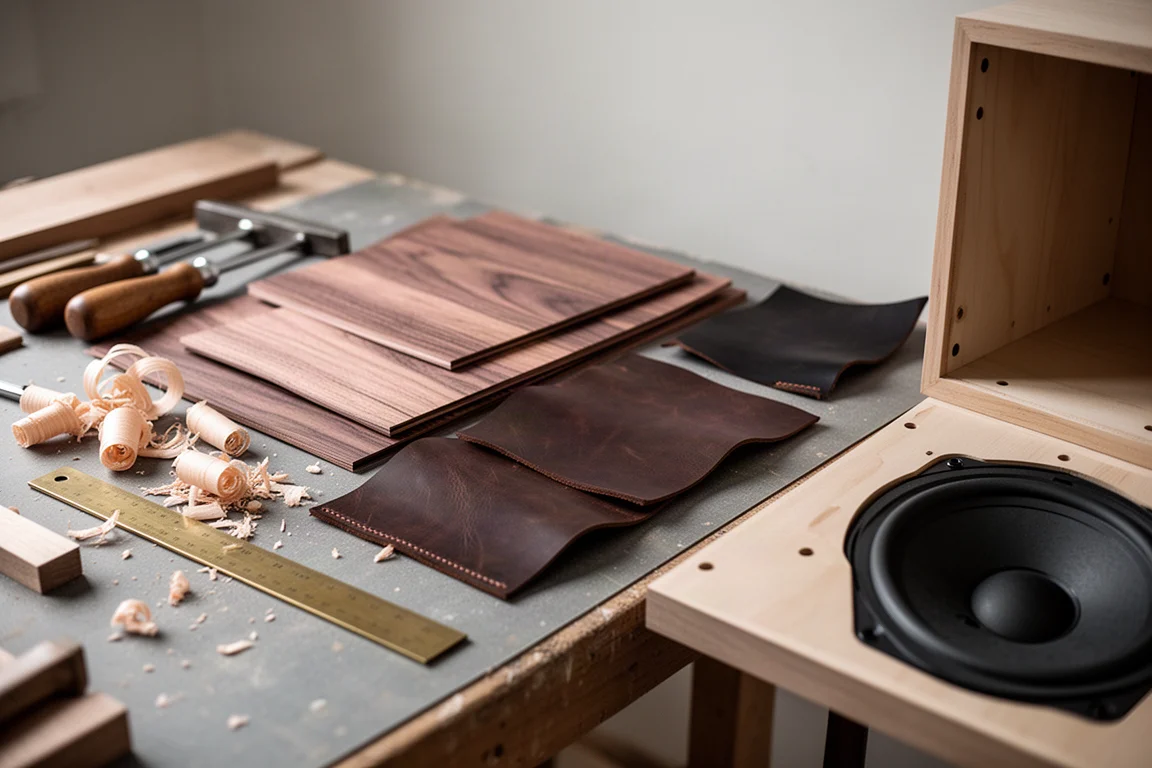
What makes it worth a closer look is the balance it strikes. It looks like a warm, traditional speaker, yet it behaves like a revealing and even-handed one.
Who This Product Is For
This is a speaker for listeners who want a compact two-way that works in a normal living room without demanding an exotic amplifier or a dedicated listening space. It suits people who value natural vocal tone, a wide sweet spot, and a treble that stays comfortable over long sessions.
It also makes sense for anyone drawn to the idea of a small, enthusiast-run manufacturer. The cabinets are built by a supplier a 40 minute drive from the Treviso workshop, and every speaker is hand-assembled in-house.
If your absolute priority is maximum detail per pound, or you listen almost exclusively to very loud, bass-heavy material, other designs in this bracket may suit you better. For most everyday listening, the Prima V2 is an easy recommendation to audition.
Main Strengths
The bass is articulate and tight rather than plump, and the midrange carries a slight richness that gives vocals body without sounding coloured. The treble is the standout: open, detailed and relaxed at the same time, with no sense of brightness or fatigue over extended listening.
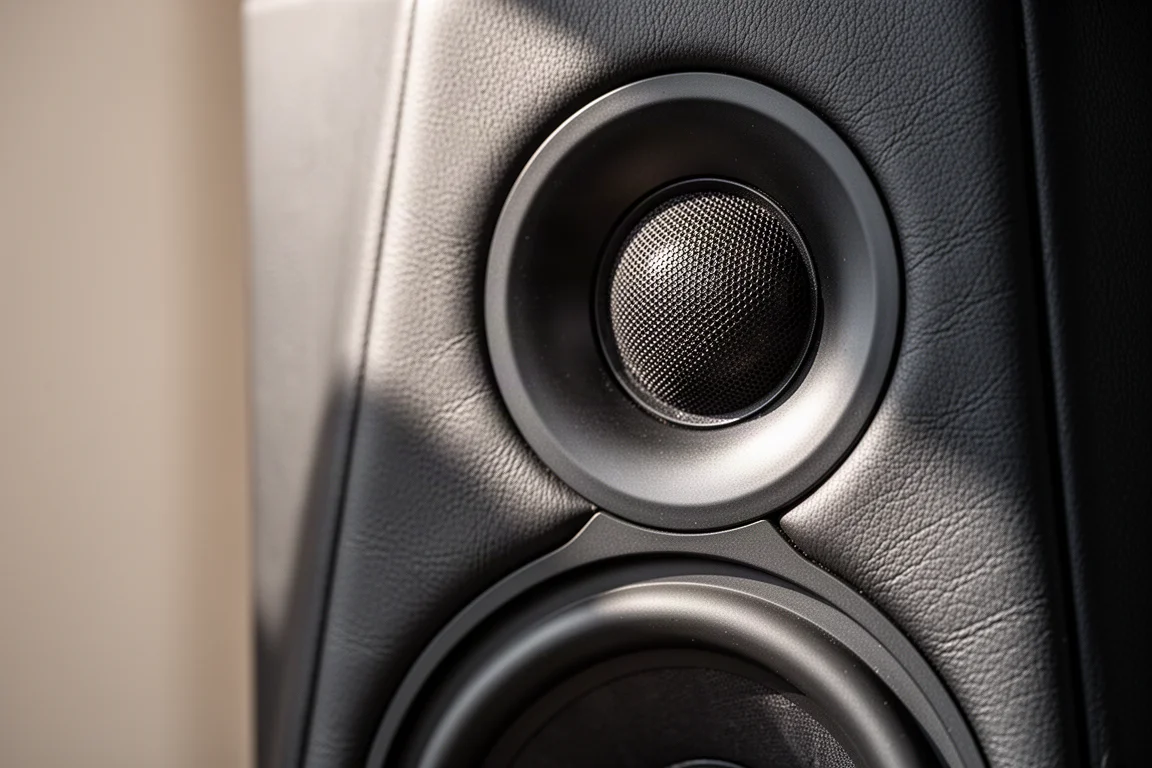
That combination is unusual at this price. Plenty of compact speakers manage detail or warmth, but fewer do both while keeping the soundstage firmly focused. Everything in the image stays in place, performers are located solidly within it, and the presentation scales well beyond what the cabinet size suggests.
The Prima V2 also performs nicely at low and moderate levels, which matters if you listen in the evening or in a shared space.
Design and Craftsmanship
The Classica range wraps synthetic leather around the front, top and rear baffles, with rosewood-effect veneered side panels. A cement grey finish is also available for a more contemporary look. The leather and vinyl are convincing enough that you may find yourself checking whether they are the real thing.
Cabinet construction is unusually serious for the money. The walls are 40 mm thick and taper towards the rear, with no parallel vertical or horizontal surfaces, which reduces internal resonances. The speaker sits on a plinth that keeps it stable and aligns the drivers correctly.
Dimensions are 428 by 237 by 390 mm, or 16.9 by 9.3 by 15.4 inches, and each cabinet weighs a reassuring 14 kg.
Inside, the drivers are customised to Opera’s specifications. The 180 mm, 7 inch Scan-Speak mid-woofer uses a rigid black anodized aluminium cone with a 38 mm copper-clad aluminium voice coil on an aluminium former, a flux control ring to lower distortion, and a die-cast basket to reduce vibration. The 26 mm, 1 inch treated fabric soft dome tweeter comes from the premium D26 line, with a double ferrite magnet assembly and an internal decompression chamber that pushes resonances out of the driver’s bandwidth to 860 Hz.
Crossover is set at 2,500 Hz on this two-way bass reflex design, using second order filters with Mundorf capacitors, Vishay resistors and air core inductors. A rear port extends the reported response to 50 Hz at the minus 3 dB point. Sensitivity is specified at 90 dB into a nominal 6 ohm load, dropping to a minimum of 3.8 ohms.
Things to Consider Before Buying
The materials are the main talking point. Synthetic leather and vinyl wraps will be a dealbreaker for some buyers, even when the quality is high. If you want real wood throughout, this is not that speaker.
The load is moderate rather than trivial. With a minimum impedance of 3.8 ohms, a decent quality amplifier is worthwhile rather than optional, even though the 90 dB sensitivity figure suggests it will not be hard work.
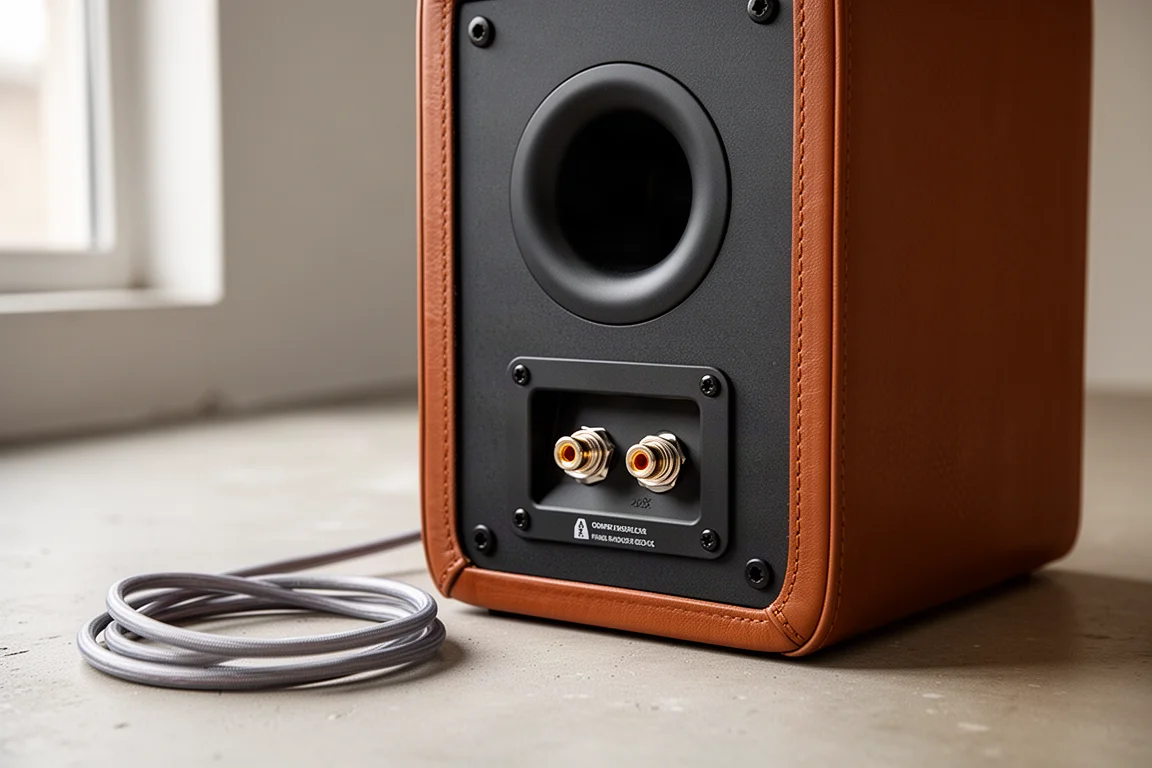
Placement is genuinely forgiving. There is a wide listening sweet spot and the speakers are straightforward to position, though leaving a little distance from wall boundaries noticeably improves imaging and bass definition.
Room Placement and System Matching
A little space behind and beside the cabinets pays off. Positioning them slightly further into the room than a typical standmount placement sharpens the bass and opens up the soundstage, and conventional toe-in aimed at the listening position works well.
Amplifier matching is not a minefield. At low and moderate levels, a low-powered single-ended triode amplifier drove them comfortably, producing a beautifully textured midrange and ethereal highs, though the bass and leading edges of notes softened slightly. A control-focused solid-state integrated delivered a very neutral, precise result. A high-powered MOSFET design, meanwhile, unlocked resolution, natural tone and spatial presentation well beyond what you would expect from a £3,000 pair.
If hard rock is your main diet, avoid very low-powered valve amplifiers. Otherwise, good quality push-pull valve designs, solid-state class A and class AB amplifiers are all sensible partners.
Buying Advice
At £3,000 a pair, the Prima V2 competes with some excellent standmounts. What separates it is the combination of a tight, articulate low end, a natural and open midrange, and a treble that is both detailed and easy to live with.
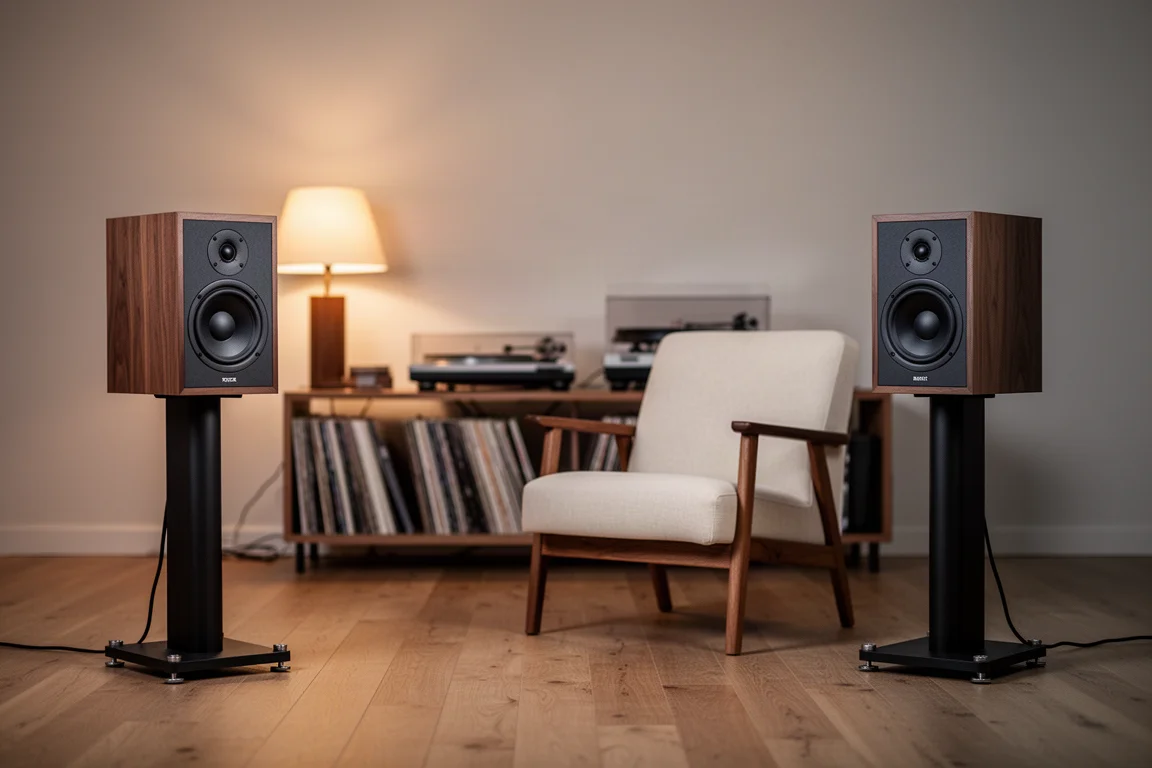
In direct comparisons with similarly sized rivals, it comes across as the more refined and better balanced performer, with tighter bass and a more open midrange, giving up only a little to the very best in absolute detail. Its forgiving placement and broad sweet spot also make it easier to get sounding right in a real room.
If you want a compact speaker that makes recordings sound real rather than merely impressive, this belongs on your shortlist. Buy from a dealer who will let you audition it at home where possible, and budget for an amplifier of reasonable quality rather than an exotic one.
Conclusion
The Opera Classica Prima V2 is a beautifully constructed Italian standmount that refuses to sound nostalgic. Its bass is tighter than its looks suggest, its midrange is natural and full-bodied, and its treble is open and refined without a hint of harshness. It is easy to drive, plays well at all levels, and is unusually tolerant of room placement.
The synthetic leather and veneer finish will not suit every buyer, and that is the main caveat. Everything else about the package holds together. For listeners who want a handcrafted, family-built speaker that delivers natural tone and genuine resolution at £3,000 a pair, this one earns its place on the shortlist.
Product link
View more details for Opera Classica Prima V2
This product is mentioned in the review. Check the specifications, options, and compatibility before buying.
View more details for Opera Classica Prima V2Further reading
Related Reviews
Loudspeakers
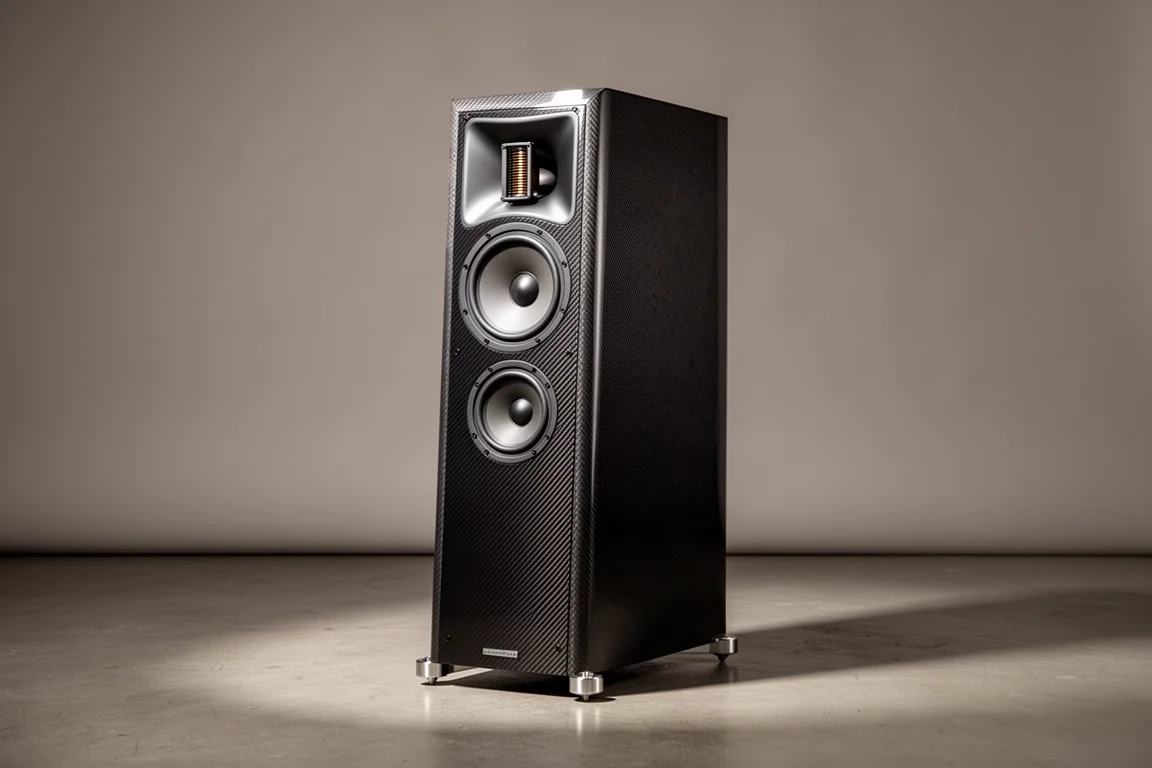
Borresen X2 Review: Deep Bass and a Warm Balance From a Slim Floorstander
A close look at the Borresen X2 loudspeaker: ribbon tweeter and carbon fiber drivers, bass below 30 Hz without a subwoofer, and how it behaves with solid state, integrated and tube amplification.
Loudspeakers
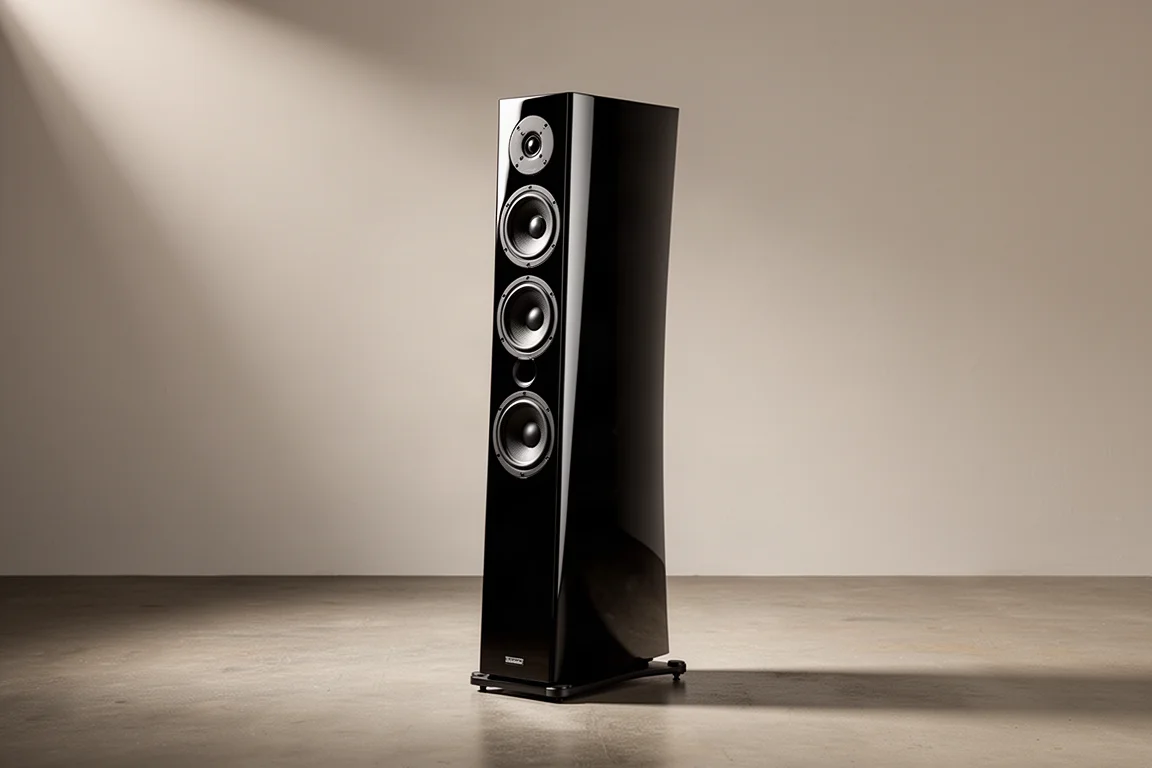
Borresen X3 Review: A Danish Floorstander Built Around Soundstaging
The Borresen X3 pairs a true ribbon tweeter and a slim Danish cabinet with remarkable imaging, fast transients, and a few practical trade-offs worth knowing before you buy.
Loudspeakers
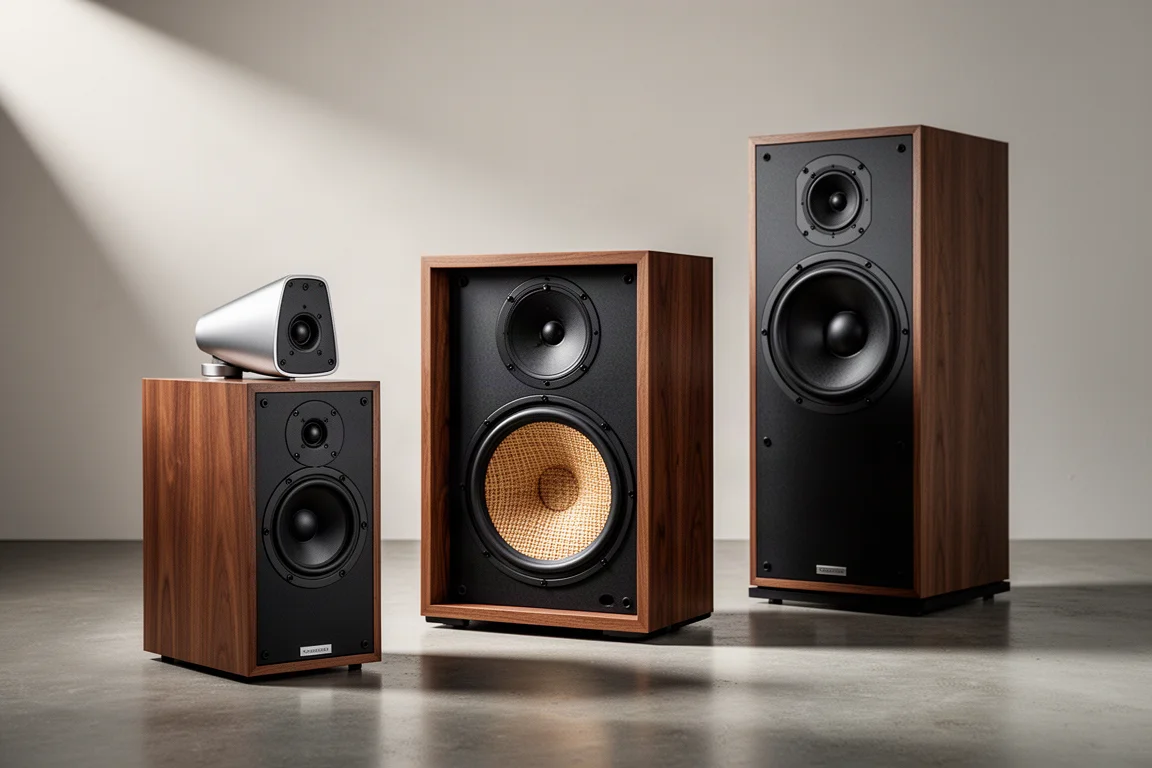
Bowers & Wilkins 705 S3 vs Wharfedale Linton vs Zu Audio DWX: Three Standmount Speakers Compared
A three-way standmount loudspeaker comparison covering the detail-led Bowers & Wilkins 705 S3, the value-focused Wharfedale Linton, and the dynamic Zu Audio DWX.