Handheld Gaming
OneXPlayer 3 Review: A Powerful OLED Handheld With a Few Trade-Offs
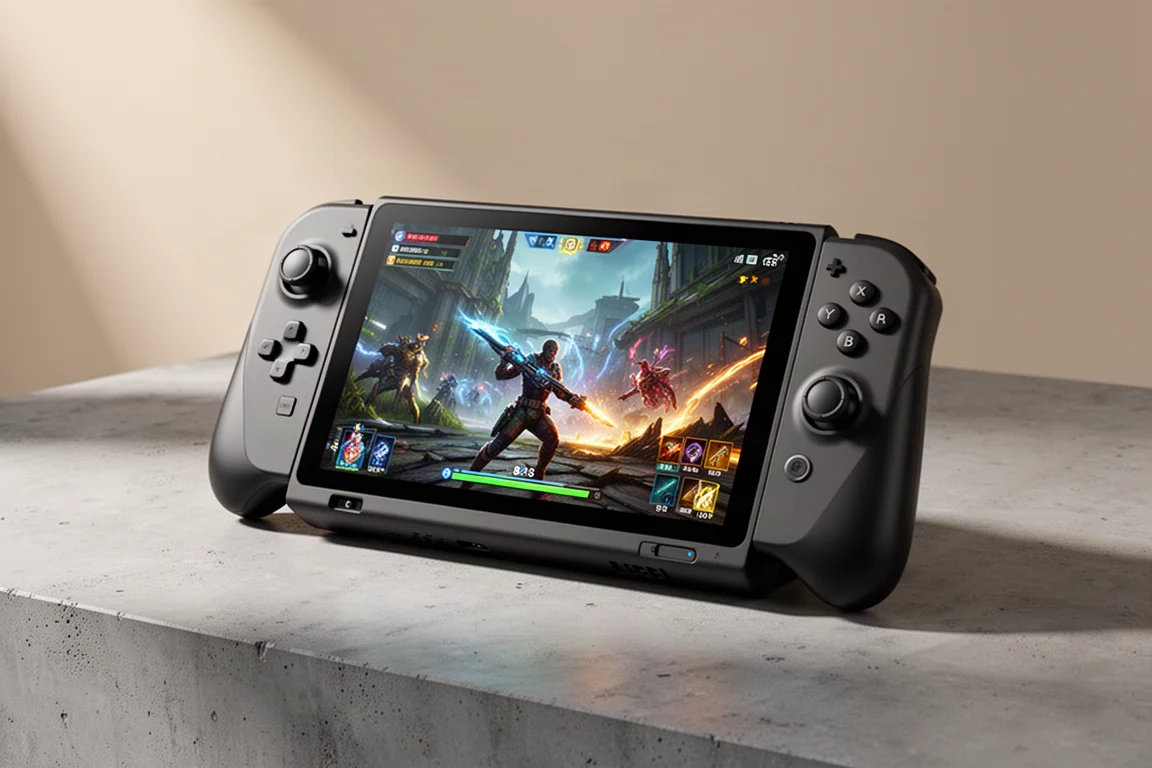
The OneXPlayer 3 pairs a stunning 8.8-inch OLED display with Intel's new G3 Extreme chipset, but its size, weight, and software hold it back from being a clear winner.
title: “OneXPlayer 3 Review: A Powerful OLED Handheld With a Few Trade-Offs” excerpt: “The OneXPlayer 3 pairs a stunning 8.8-inch OLED display with Intel’s new G3 Extreme chipset, but its size, weight, and software hold it back from being a clear winner.” publishDate: 2026-08-21 updatedDate: 2026-08-21 category: “Handheld Gaming” tags:
- “Handheld PC”
- “OLED”
- “Intel G3 Extreme”
- “Gaming” heroImage: "" heroImagePrompt: “Clean editorial product photography, soft natural lighting, neutral background. A large handheld gaming PC with an 8.8-inch OLED display, detachable controllers on either side, and a dark matte finish. The device is shown at a three-quarter angle on a matte concrete surface, with the screen displaying a vibrant game scene. Soft directional studio light from the left, gentle shadows. Minimalist composition, 2-3 dominant neutral tones.” draft: false featured: false featuredProducts:
- onexplayer-3 affiliateDisclosure: true topic: tech inlineImages:
- path: "" alt: “Handheld gaming PC with detachable controllers and large OLED display on a desk” prompt: “Clean editorial photography, soft natural lighting, neutral background. A large handheld gaming PC with an 8.8-inch OLED display and detachable controllers resting on a wooden desk. The screen shows a colorful game scene. Soft window light from the side, shallow depth of field, editorial mood, no text.” anchorHeading: “Introduction”
- path: "" alt: “Close-up of the handheld’s OLED screen displaying a vibrant game scene” prompt: “Clean editorial photography, soft natural lighting, neutral background. Close-up detail shot of a handheld gaming PC’s OLED screen displaying a vibrant, colorful game scene. The screen is bright and crisp, with deep blacks and rich colors. The device’s dark matte frame is visible around the edges. Shallow depth of field, editorial mood, no text.” anchorHeading: “Display and Performance”
- path: "" alt: “Handheld gaming PC in tablet mode with kickstand and keyboard attachment” prompt: “Clean editorial photography, soft natural lighting, neutral background. A handheld gaming PC in tablet mode, propped up by its metal kickstand on a clean desk. A compact keyboard attachment is connected at the bottom via magnetic pogo pins. The detachable controllers are placed nearby. Soft studio light, editorial mood, no text.” anchorHeading: “Versatile Form Factor”
- path: "" alt: “Handheld gaming PC held in two hands during gameplay” prompt: “Clean editorial photography, soft natural lighting, neutral background. A person’s hands holding a large handheld gaming PC while playing a game. The device’s OLED screen is visible, displaying a game scene. The focus is on the device and the hands gripping the controllers. Soft ambient light, editorial mood, no faces visible, no text.” anchorHeading: “Things to Consider Before Buying”
Introduction
The OneXPlayer 3 is a premium handheld gaming PC that aims to stand out in a crowded market. It combines an 8.8-inch OLED display, detachable controllers, and Intel’s new G3 Extreme chipset in a package that is as versatile as it is powerful. With a starting price around $1,500, it is positioned firmly at the high end of the handheld PC spectrum.
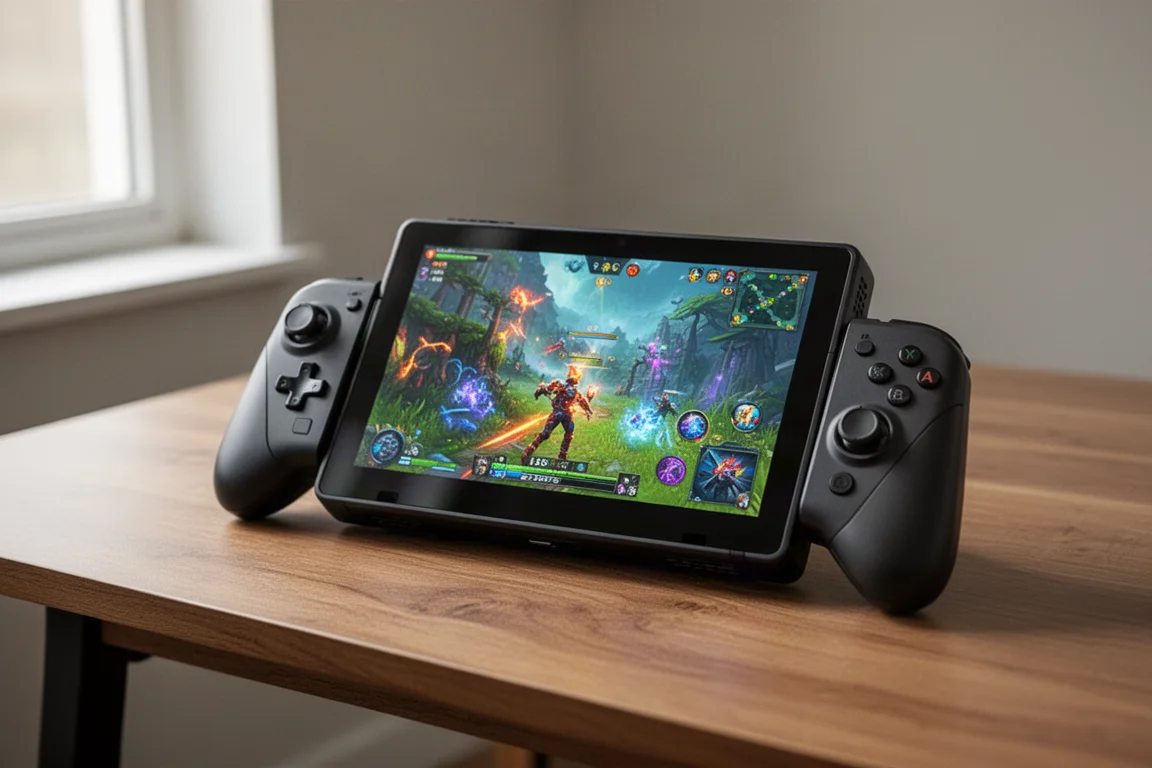
This review takes a close look at what makes the OneXPlayer 3 special, as well as the compromises that come with such an ambitious design. From its gorgeous screen and impressive performance to its wobbly kickstand and underbaked software, there is a lot to unpack.
Who This Product Is For
The OneXPlayer 3 is designed for gamers who want a single device that can handle a wide range of tasks. Its detachable controllers and optional keyboard attachment mean it can transform from a handheld into a tablet or a mini laptop. This versatility makes it appealing to travelers or anyone who wants one device for both gaming and light productivity.
It is also a strong choice for those who prioritize display quality. The 8.8-inch OLED panel is one of the best available on a handheld PC, and it makes everything from modern AAA titles to retro emulation look stunning. If you are someone who only wants an OLED handheld, this device is one of the few options that delivers.
However, the OneXPlayer 3 is not for everyone. Its size and weight make it one of the heaviest handhelds on the market, and its premium price tag puts it out of reach for many gamers. It is a device for enthusiasts who are willing to overlook some rough edges in exchange for top-tier performance and a beautiful screen.
Display and Performance
The standout feature of the OneXPlayer 3 is undoubtedly its display. The 8.8-inch OLED panel offers a resolution of 1920 x 1200, a 16:10 aspect ratio, and a 144Hz refresh rate with variable refresh rate support down to 30Hz. It is the same screen found in the Legion Go 2, and it is simply gorgeous. Colors are vibrant, blacks are deep, and the brightness is comfortable for both indoor and outdoor play.
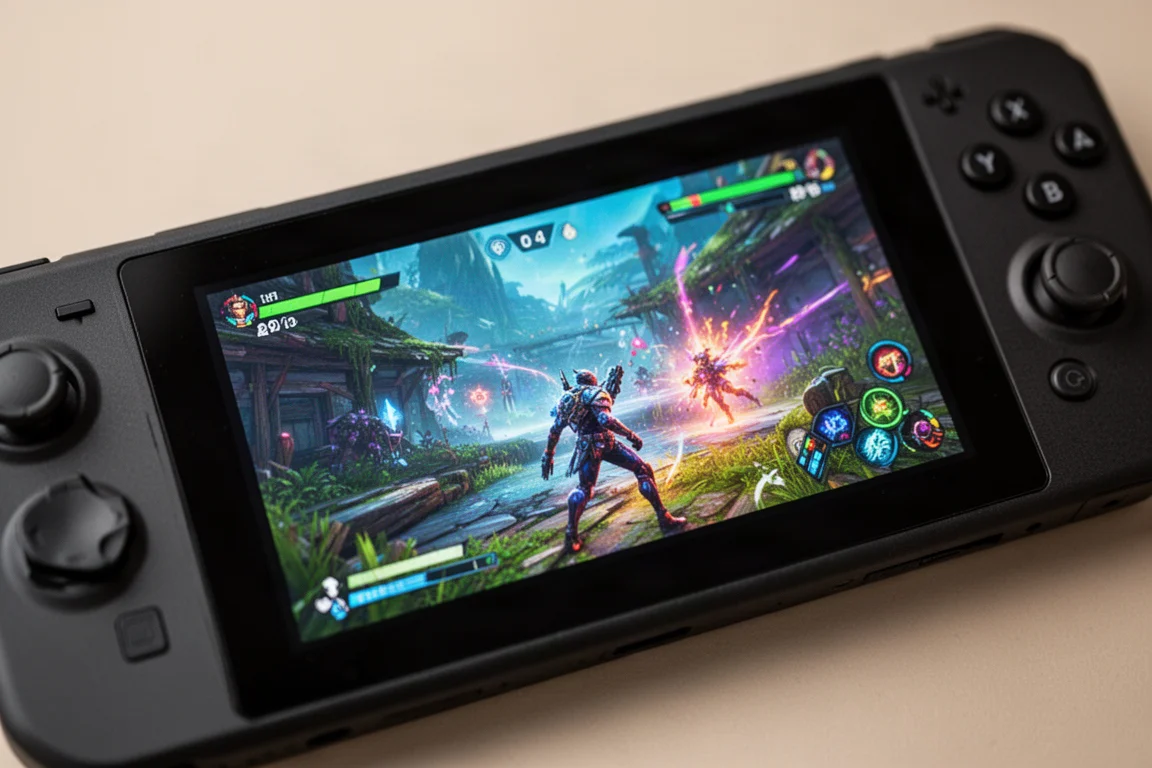
Under the hood, the OneXPlayer 3 is powered by Intel’s G3 Extreme chipset, a Panther Lake CPU with B390 integrated graphics. This is Intel’s premier handheld chipset, and it delivers a generational leap in performance. At the device’s native 1200p resolution, most games run smoothly. Lighter titles can be played at 15 watts or below, while more demanding games can be pushed to the chipset’s maximum 35-watt TDP.
Battery life is another strong point. The 85Wh battery is slightly larger than the 80Wh cells found in most competitors, and it shows in real-world usage. Lightweight games can run for over 16 hours at very low TDPs, while more demanding titles typically deliver between two and four hours. Even at maximum power draw, the OneXPlayer 3 manages around 90 minutes of gameplay.
Versatile Form Factor
One of the most distinctive aspects of the OneXPlayer 3 is its detachable controller design. The controllers snap off easily, transforming the device into a tablet. A built-in kickstand and a range of accessories, including a keyboard case and a controller base, expand its functionality even further.
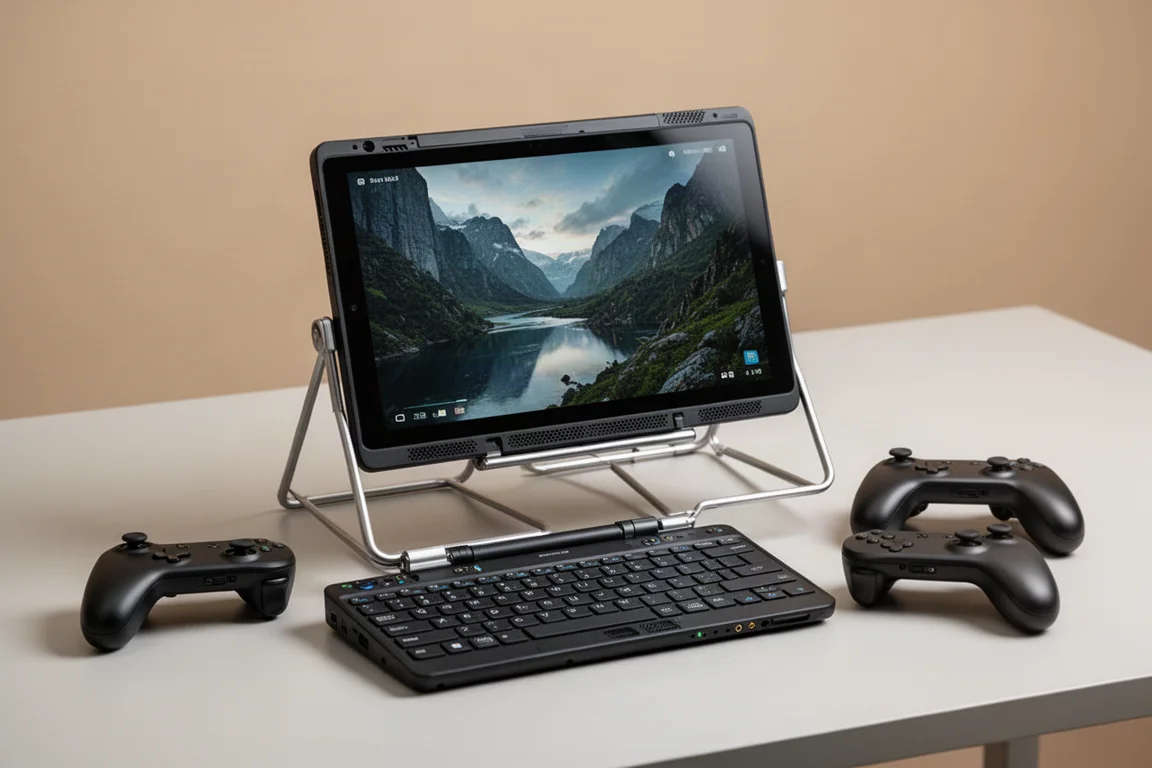
The keyboard case connects via pogo pins and snaps into place magnetically. It can be used flat on a table or propped up at a slight angle, giving the device a mini laptop feel. While it is not a full laptop replacement, it is more than adequate for quick emails, web browsing, or installing software.
The controller base is another clever accessory. It connects the two detachable controllers into a single gamepad for tabletop or docked play. It includes a built-in battery and connects via a 2.4GHz dongle. While the resulting controller is large and somewhat unwieldy, it is a convenient option that eliminates the need to carry a separate gamepad.
Things to Consider Before Buying
While the OneXPlayer 3 has many strengths, there are several issues that potential buyers should be aware of. The first is its size and weight. At 939 grams with controllers attached, it is one of the heaviest handhelds available. This makes it uncomfortable to hold for extended periods, and the weight distribution places pressure on the middle fingers rather than the palms.
The kickstand is another weak point. Despite looking sleek and being made of metal, its rounded bottom edge makes it unstable. Finding the perfect angle is essential, and even then, the device can wobble or fall over if bumped. This is especially frustrating given the device’s premium price.
The software experience is also underwhelming. The OneXPlayer 3 runs standard Windows 11, and the company’s 1X Console software offers only basic controls like TDP adjustment and RGB lighting. There are no performance profiles, which means users must manually adjust the TDP slider for each game. This is a significant oversight compared to competitors that offer per-game presets.
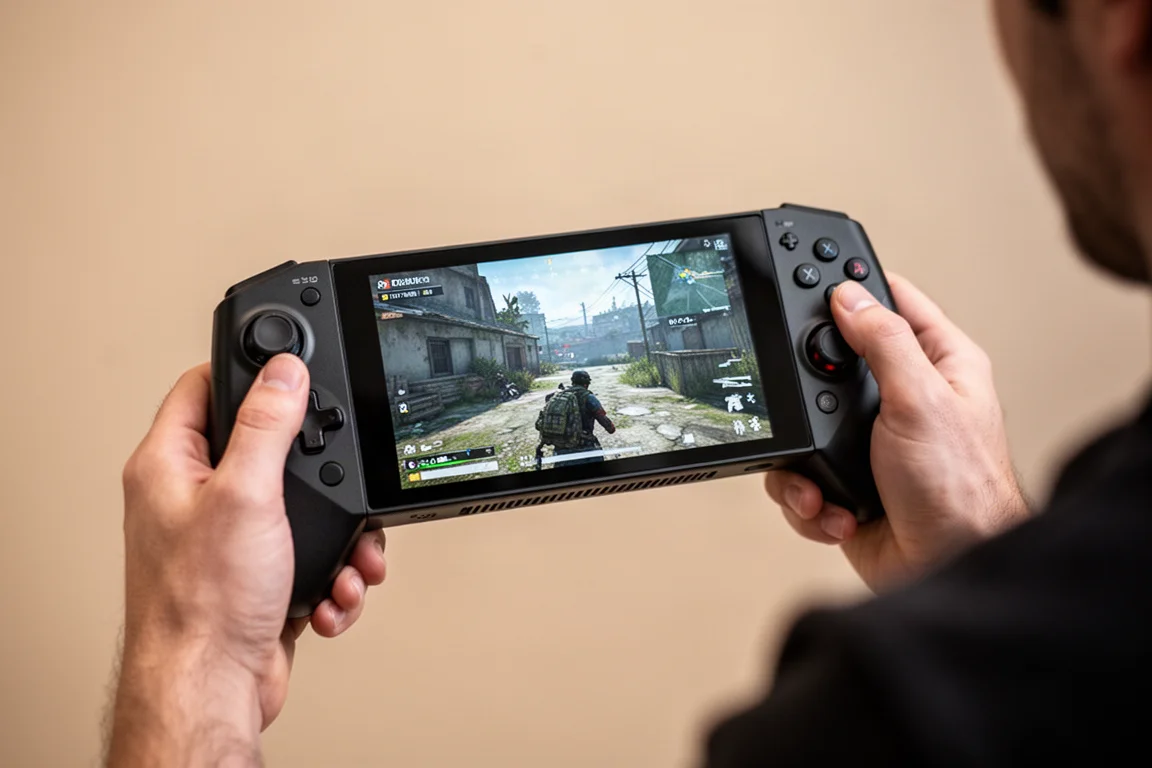
Finally, there is the question of support. OneXPlayer is a smaller company, and its return and warranty process involves shipping devices back to China. This can be expensive and time-consuming, especially compared to the convenience of buying from a major retailer with local support.
Buying Advice
The OneXPlayer 3 is a compelling device for the right buyer. If you value a stunning OLED display, powerful performance, and a versatile form factor above all else, this handheld delivers. Its battery life is also a major plus, especially for a device with such a large screen.
However, it is important to weigh these strengths against the device’s shortcomings. The size and weight may be deal-breakers for some, and the wobbly kickstand and basic software are frustrating at this price point. The lack of local support is also a consideration for international buyers.
If you are in the market for a premium handheld PC and can overlook these issues, the OneXPlayer 3 is worth serious consideration. It offers a combination of features that few competitors can match, and its OLED display alone is reason enough for many gamers to take notice.
Conclusion
The OneXPlayer 3 gets a lot of things right. Its OLED display is among the best in the category, its performance is excellent, and its battery life is impressive. The detachable controllers and accessory ecosystem add a level of versatility that is rare in handheld PCs.
At the same time, the device is held back by a number of quality-of-life issues. The heavy chassis, unstable kickstand, and basic software all detract from the premium experience. For a device that can cost upwards of $2,000, these flaws are hard to ignore.
Ultimately, the OneXPlayer 3 is a personal decision. If you prioritize screen quality and performance, it is an excellent choice. If you value polish and refinement, you may want to look elsewhere. Either way, it is a fascinating device that shows just how far handheld PCs have come.
Product link
View more details for OneXPlayer 3
This product is mentioned in the review. Check the specifications, options, and compatibility before buying.
View more details for OneXPlayer 3Further reading
Related Reviews
Handheld Gaming
Acer Nitro Blaze Link and Predator Atlas 8: Two New Handhelds Compared
Acer's new handheld lineup includes a budget streaming device and a powerful Windows gaming machine. Here is what to expect from both.
Handheld Gaming
Anbernic RG Rotate Review: A Unique and Powerful Pocket Handheld
The Anbernic RG Rotate brings a clever rotating design, a square 720x720 screen, and solid Android performance to a truly pocketable form factor.
Handheld Gaming
Anbernic RGDS: A Fresh Look at the Linux Experience
The Anbernic RGDS gets better with updated Linux firmware. We explore Rocknix improvements, the new official Anbernic Linux OS, and how this dual-screen handheld handles Nintendo DS gaming.