Handheld Gaming
Acer Nitro Blaze Link and Predator Atlas 8: Two New Handhelds Compared
Acer's new handheld lineup includes a budget streaming device and a powerful Windows gaming machine. Here is what to expect from both.
Introduction
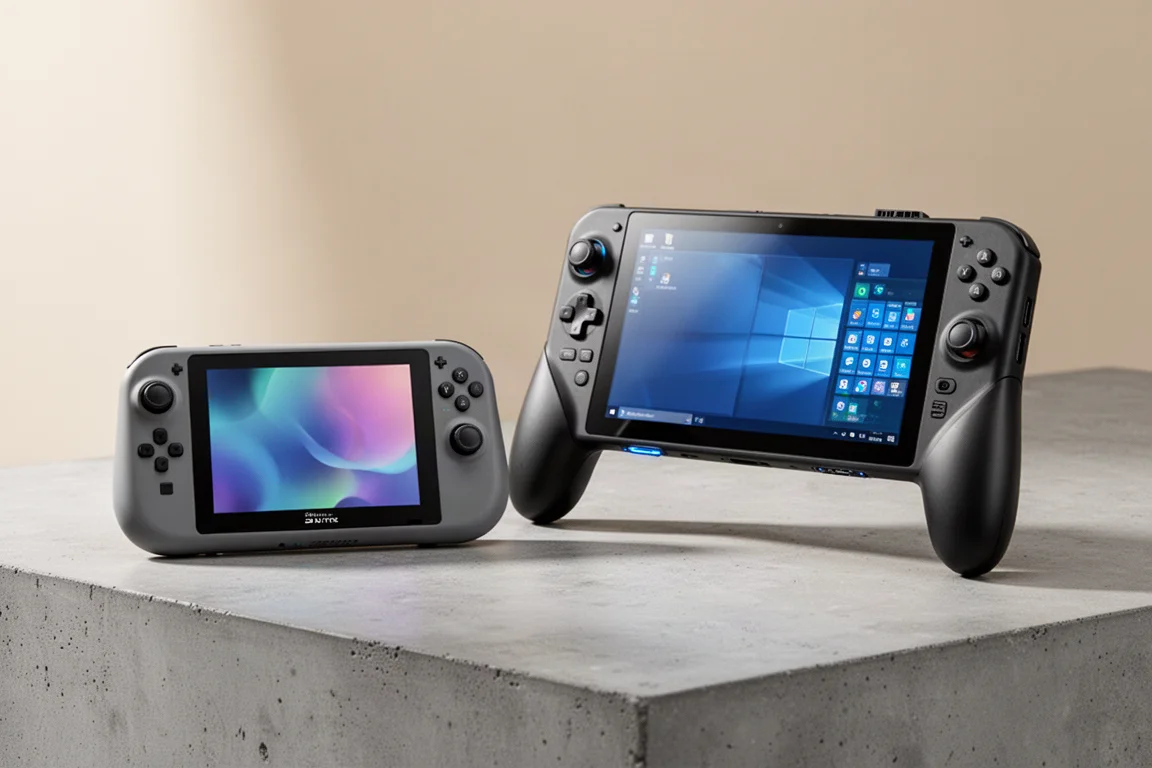
Acer has been busy expanding its handheld gaming lineup. At a recent trade show, two new devices were on display: the Nitro Blaze Link, a streaming-focused handheld, and the Predator Atlas 8, a Windows-based gaming machine powered by Intel’s latest handheld chips. Both devices target different audiences, and both have distinct strengths and trade-offs worth considering before you commit to a purchase.
This article breaks down what each device offers, how they feel in the hand, and what you should keep in mind if you are thinking about picking one up.
Acer Nitro Blaze Link: A Budget Streaming Handheld
The Nitro Blaze Link is Acer’s answer to the growing demand for dedicated streaming handhelds. It features a 7-inch screen with a 1200p resolution and a 16:10 aspect ratio, though the actual display appears to be 16:9, suggesting it may be a 1080p panel. The screen is LCD rather than OLED, and the refresh rate is likely 60 Hz, though 120 Hz is possible.
Under the hood, the Nitro Blaze Link is modestly equipped. It runs Linux and comes with 1 GB of LPDDR4 RAM and 8 GB of eMMC storage. This is clearly a device built for streaming rather than local gaming. It supports Wi-Fi 6 and is designed to leverage Moonlight for streaming games from a PC over a local network.
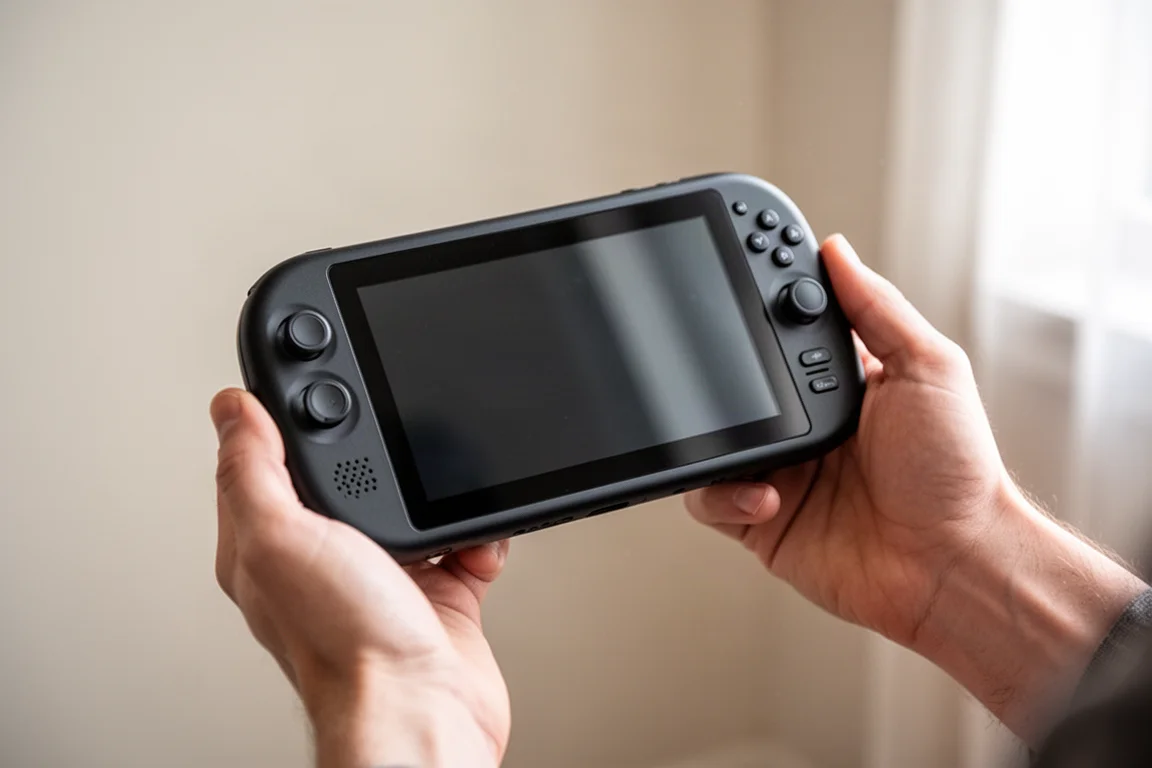
In terms of build quality, the Nitro Blaze Link is relatively lightweight and comfortable to hold. The plastic texture feels good, and the face buttons are responsive. The D-pad is a bit mushy, and the analog sticks are traditional potentiometers rather than Hall effect sensors. The most notable drawback is the digital input triggers, which work like a Nintendo Switch: they are either fully pressed or not pressed at all. This is a significant limitation for game streaming, especially for racing games like Forza Horizon 6, where analog trigger control is essential for nuanced acceleration and braking.
Acer Predator Atlas 8: A Powerful Windows Handheld
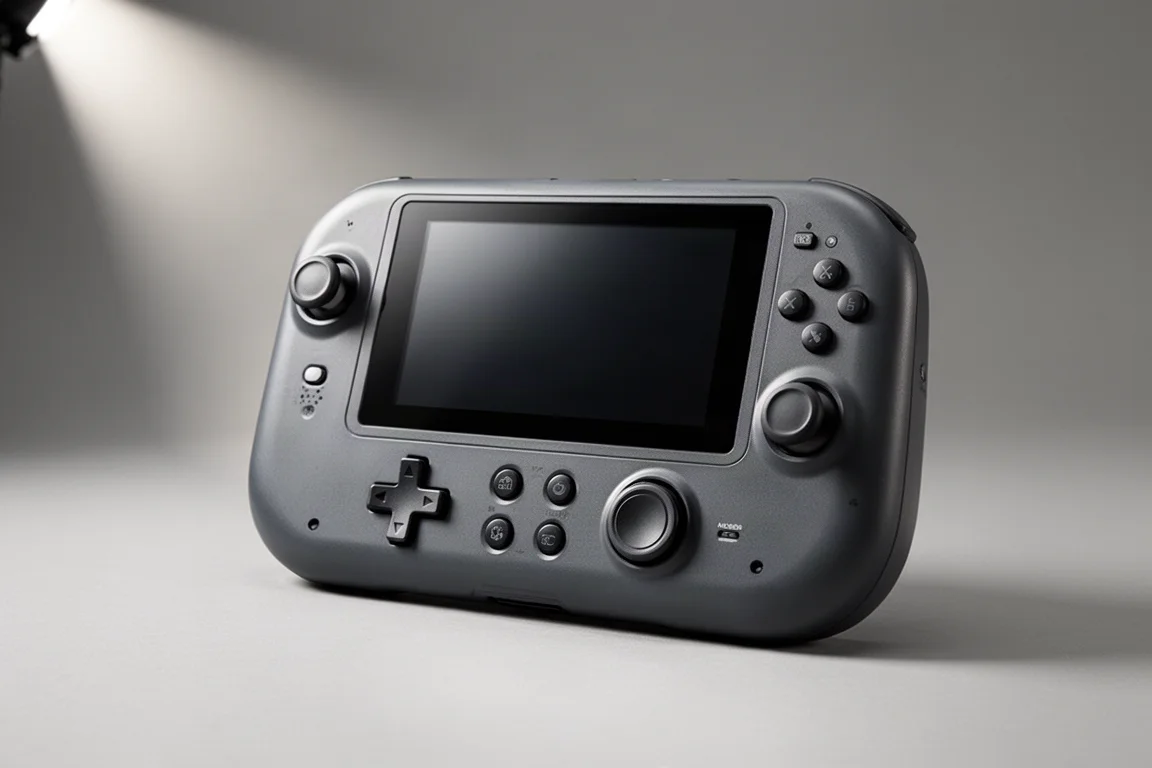
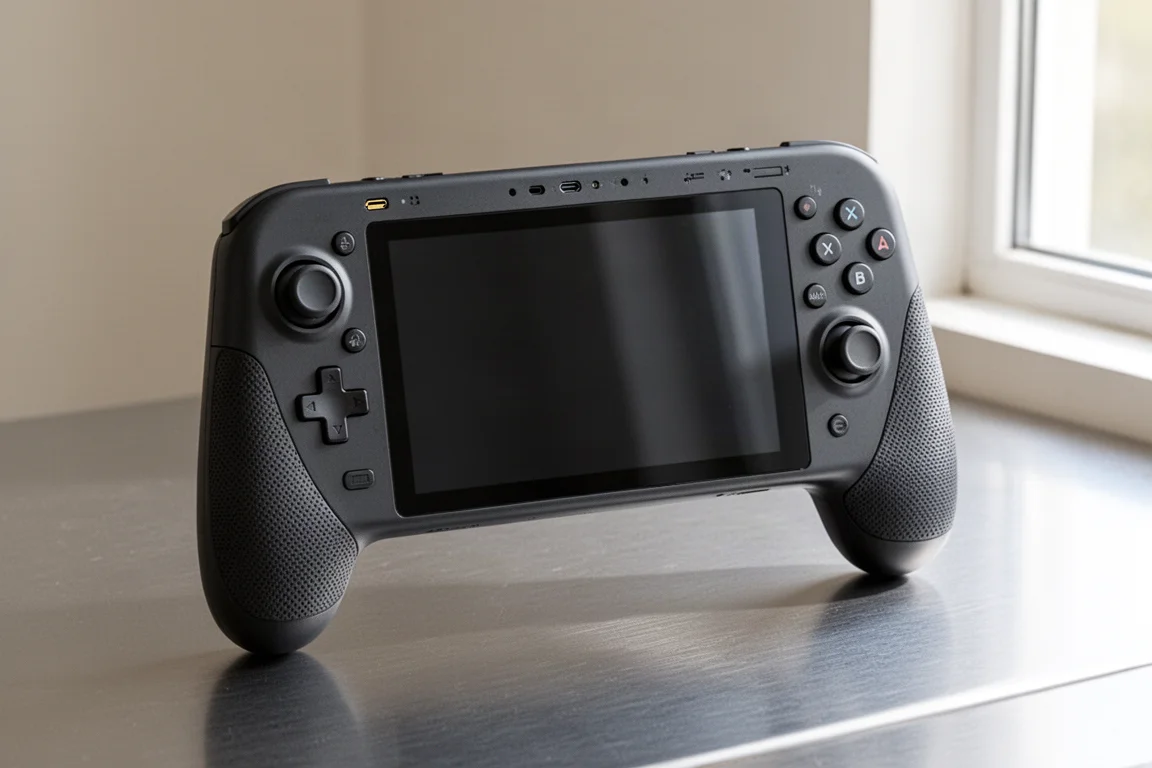
The Predator Atlas 8 is the more exciting of the two devices. It is Acer’s first Windows handheld aimed at the Western market, and it is powered by Intel’s new handheld-specific chips: the G3 Extreme and the G3. Both chips feature 14 cores, including two performance cores, eight efficiency cores, and four low-power efficiency cores. This design prioritizes GPU performance over CPU power, which is a sensible approach for handheld gaming.
The device is expected to come in two configurations. The lower-spec version will likely feature 16 GB of RAM and 512 GB of storage, while the higher-spec version will offer 24 GB of RAM and 1 TB of internal storage. Battery sizes are also expected to differ, with the low-spec model around 64 Wh and the high-spec model up to 80 Wh.
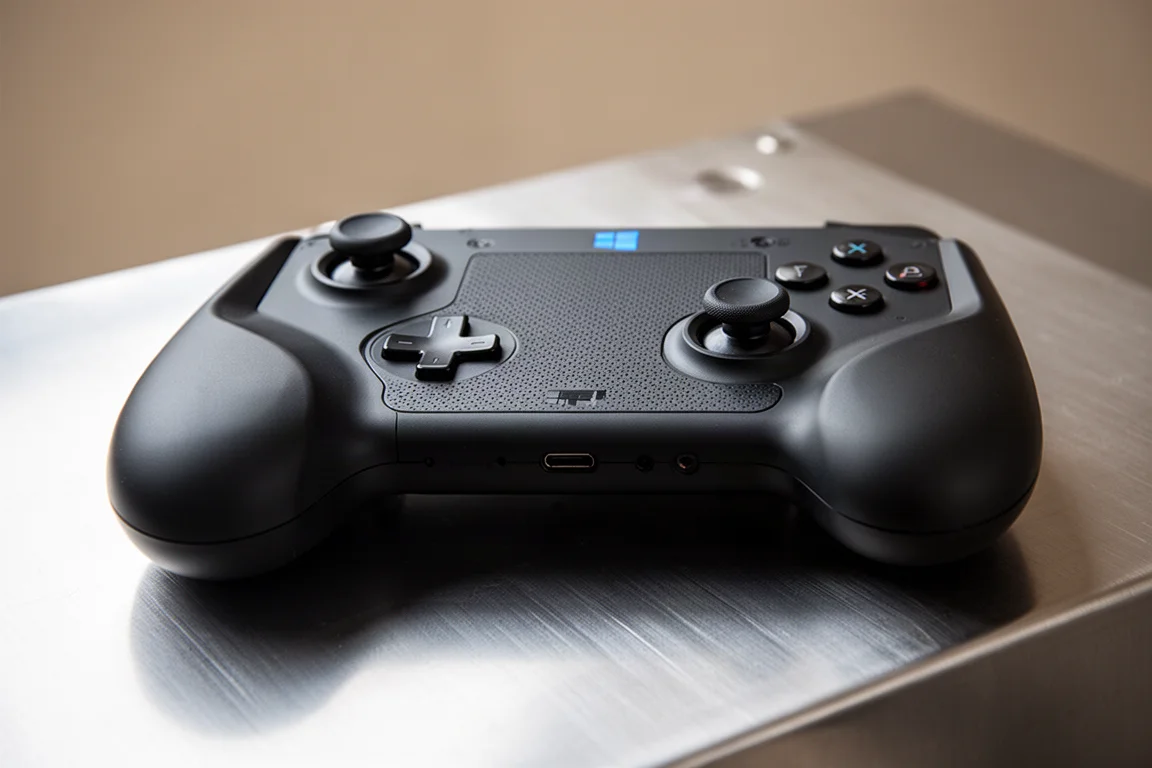
The Predator Atlas 8 features an 8-inch display with a 1200p resolution and a 16:10 aspect ratio. It supports a 120 Hz refresh rate and variable refresh rate, and it includes an anti-glare coating that works well in various lighting conditions. Peak brightness reaches 500 nits, which looked solid even in a well-lit room.
Connectivity is robust, with Wi-Fi 7, Bluetooth 5.4, and two Thunderbolt 4 ports on the top. The device runs Windows 11 and boots into an Xbox-style mode, similar to other handheld PCs on the market.
Performance and Display
The Predator Atlas 8 impressed during hands-on testing. The G3 Extreme chip delivered strong performance, running Forza Horizon 6 at 1200p with high settings and averaging around 55 frames per second. That is a significant achievement for a handheld, and it suggests the device can handle modern titles with ease.
The display is well-suited for gaming, with a resolution and aspect ratio that match other popular handhelds like the Legion Go S and the MSI Claw. The 120 Hz refresh rate and variable refresh rate support make for smooth gameplay, and the anti-glare coating is a thoughtful addition for playing in different environments.
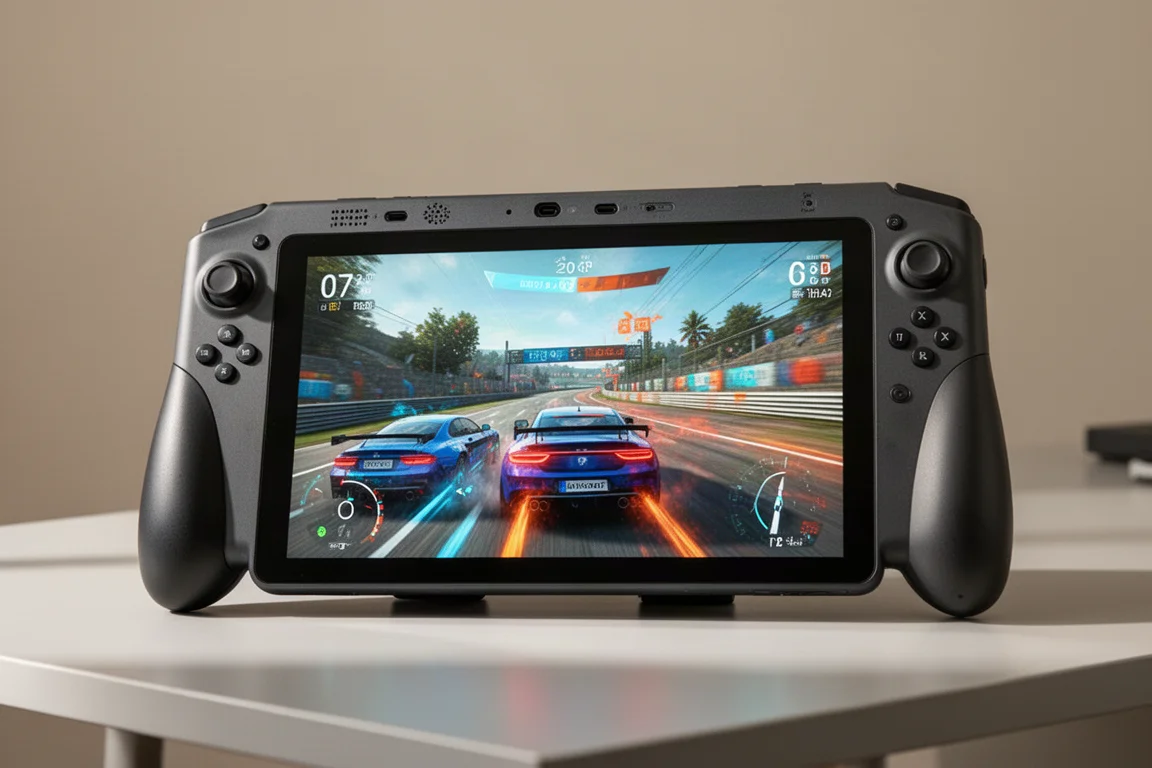
The controls are another highlight. The analog sticks feel fine, though they are traditional potentiometers rather than Hall effect or TMR sensors. The triggers, however, are Hall effect and include a trigger stop that converts them to digital input when needed. The face buttons are rounded and comfortable, similar to an Xbox controller, and the back grips have a nice texture that prevents smudging.
Ergonomics and Build Quality
The Predator Atlas 8 is designed with comfort in mind. The grips are rounded and ergonomic, making it easy to hold for extended gaming sessions. The back grips have a textured finish, and the regular plastic has a slight grit that prevents smudging, similar to the Steam Deck.
The speaker placement is thoughtful, with no risk of covering them with your hands. The D-pad is functional but a bit shallow and mushy, which may be a concern for fighting games. The back macro buttons are easy to reach and easy to avoid, depending on your preference.
Overall, the build quality is impressive for a first-generation device. It feels more refined than some other initial handheld PCs, and the ergonomics are a clear step up from flatter designs like the original Ally X or the MSI Claw.
Buying Advice
The Nitro Blaze Link is a niche device. It is designed purely for streaming, and its digital triggers limit the types of games you can play comfortably. It could be a viable option if the price is right, especially compared to the Logitech G-Cloud, which still retails for around $350. A price in the $150 to $200 range would make it a reasonable choice for dedicated streamers who do not need analog triggers.
The Predator Atlas 8, on the other hand, is a more compelling purchase for gamers who want a powerful Windows handheld. The G3 Extreme chip offers performance well above the AMD Z2 Extreme, and the G3 chip should be comparable to the Radeon 890M. Pricing is uncertain, but the G3 non-extreme version could land around $1,000 to $1,200, while the G3 Extreme version might be more expensive but hopefully under $2,000.
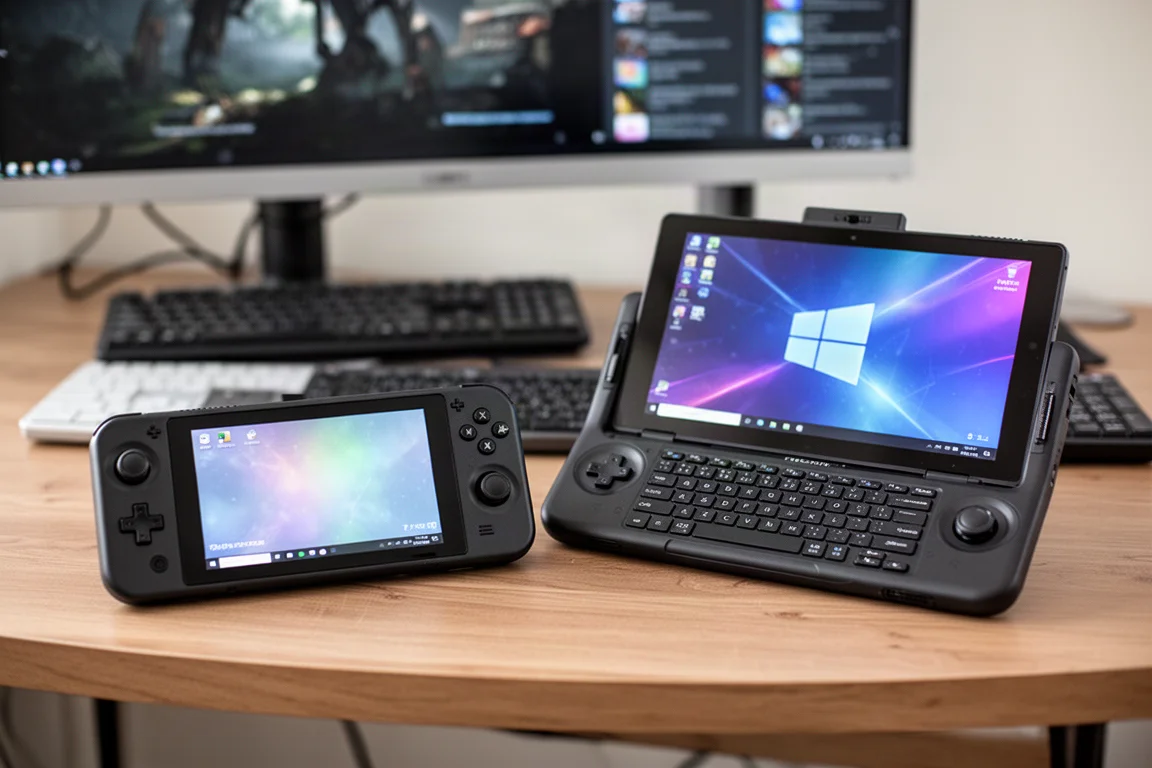
Availability is expected within the next three to four months, though component shortages could affect pricing. If you are in the market for a high-performance handheld, the Predator Atlas 8 is worth waiting for, provided the final price aligns with your budget.
View more details for Acer Predator Atlas 8
Conclusion
Acer’s new handheld lineup offers something for different types of gamers. The Nitro Blaze Link is a budget-friendly streaming device with clear limitations, while the Predator Atlas 8 is a powerful Windows handheld that could compete with the best in its class. If you prioritize performance and versatility, the Predator Atlas 8 is the standout choice. If you are looking for a simple, affordable streaming solution and can live without analog triggers, the Nitro Blaze Link might be worth a look.
Further reading
Related Reviews
Handheld Gaming
Anbernic RG Rotate Review: A Unique and Powerful Pocket Handheld
The Anbernic RG Rotate brings a clever rotating design, a square 720x720 screen, and solid Android performance to a truly pocketable form factor.
Handheld Gaming
Anbernic RGDS: A Fresh Look at the Linux Experience
The Anbernic RGDS gets better with updated Linux firmware. We explore Rocknix improvements, the new official Anbernic Linux OS, and how this dual-screen handheld handles Nintendo DS gaming.
Handheld Gaming
AYN Odin 3 Six Month Review: The Handheld That Keeps Getting Better
After six months of daily use, the AYN Odin 3 remains a top-tier Android handheld with improved software, driver support, and Linux compatibility.