Handheld Gaming
OneXPlayer 3 and X2 Mini Pro: Two New Handhelds, Two Very Different Chips
OneXPlayer is launching two new handheld PCs this month, one with Intel's latest chip and one with AMD's Strix Halo. Here is what we learned from hands-on time with both.
Introduction
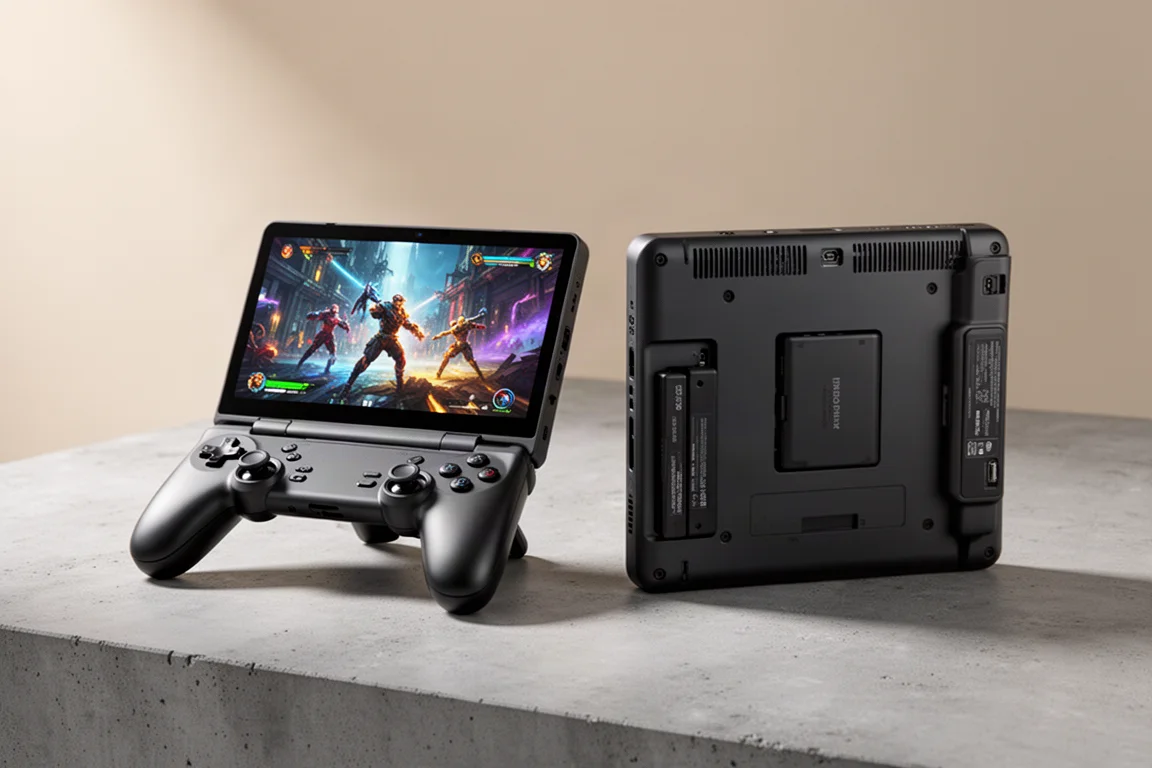
OneXPlayer is preparing to launch two new handheld gaming PCs this month, and both take a very different approach under the hood. The OneXPlayer 3 uses Intel’s new G3 Extreme processor, while the OneXPlayer X2 Mini Pro is built around AMD’s Strix Halo AI Max 395 chip. Both share the same chassis concept, the same impressive display, and the same detachable controller system, but the differences in power, cooling, and battery design are significant enough that the choice between them comes down to how you plan to use the device.
The Shared Screen and Core Specs
The most immediately striking feature on both devices is the display. It is an 8.8-inch OLED panel with a 1920 x 1200 resolution and a 144 Hz refresh rate, and it supports variable refresh rate. The panel is the same one used in the Lenovo Legion Go 2, and it looks just as good here. It is bright, colors are vivid, and it is easily one of the best screens we have seen on any handheld PC. The native landscape orientation is a welcome touch for PC gaming.
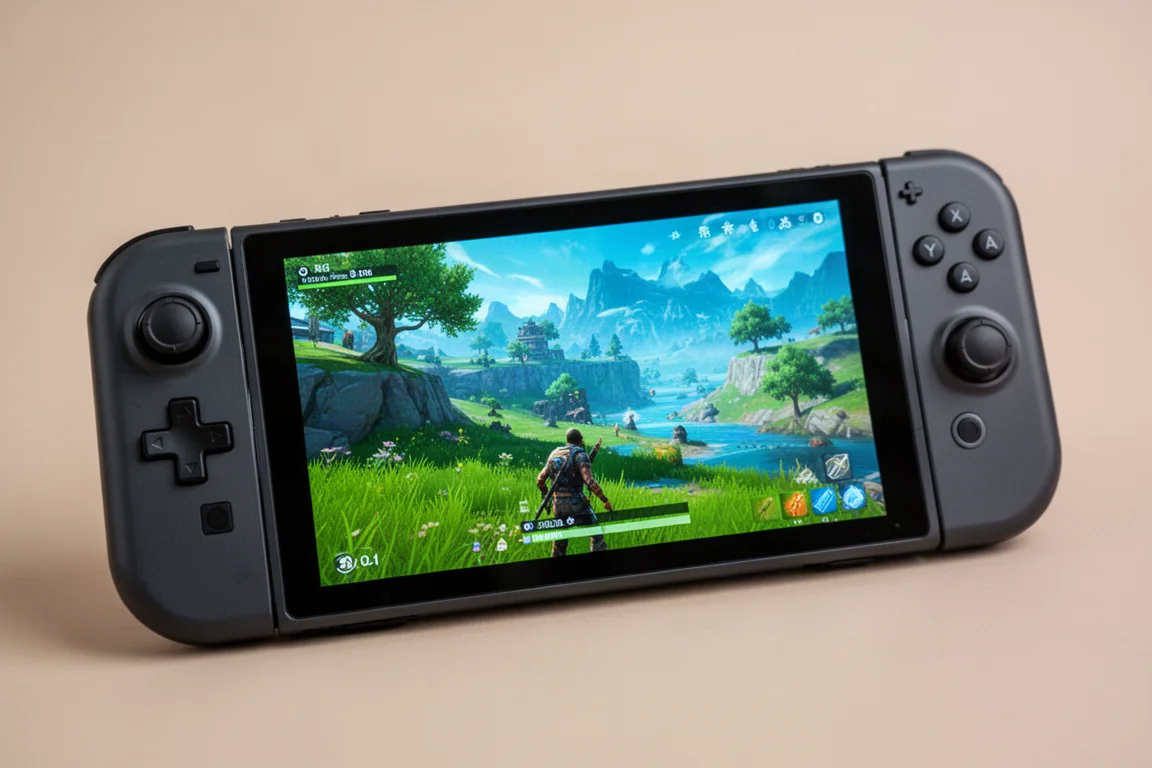
The 8.8-inch size is a matter of personal preference. Some will love the extra screen real estate, while others may find it a bit large for a handheld. For those who prefer a more compact device, the 8-inch form factor still feels like the sweet spot, but there is no denying the quality of this panel.
Design and Ecosystem
Both devices are designed to work as more than just a handheld. The controllers detach via a rail system that is similar to the Lenovo Legion Go, though the connection process feels smoother here. Once detached, the device can be used as a tablet, and with an optional keyboard attachment, it can function as a mini laptop. The keyboard connects magnetically and uses pogo pins, and it includes a small trackpad. It is not a replacement for a full laptop keyboard, but it is serviceable for travel.
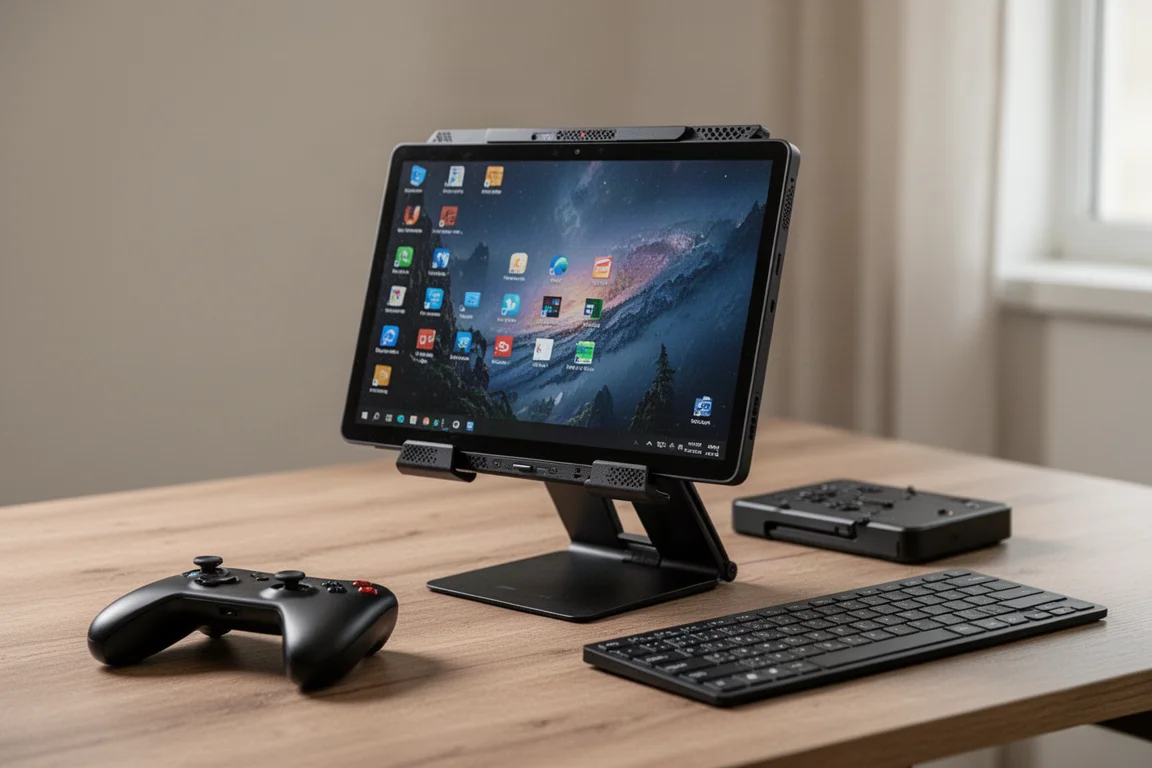
The controllers themselves have no internal battery and connect only via pogo pins. To use them wirelessly, you need a separate controller adapter that includes its own 1100 mAh battery and a USB-A dongle. The adapter has a trackpad, which makes navigating Windows much easier when the device is docked to a larger display. OneXPlayer is also offering a smaller controller option, which some may find more comfortable for extended sessions.
Controls and Ergonomics
The face buttons use a clicky micro switch connection with a rubber membrane, giving them a soft mouse-click feel. They are easy to press and relatively quiet, though they feel more like a PC controller than a classic gamepad. The D-pad is also micro switch based and comes in two variants: a traditional four-way design and a shield-style design similar to an Xbox Series controller. Both feel precise.
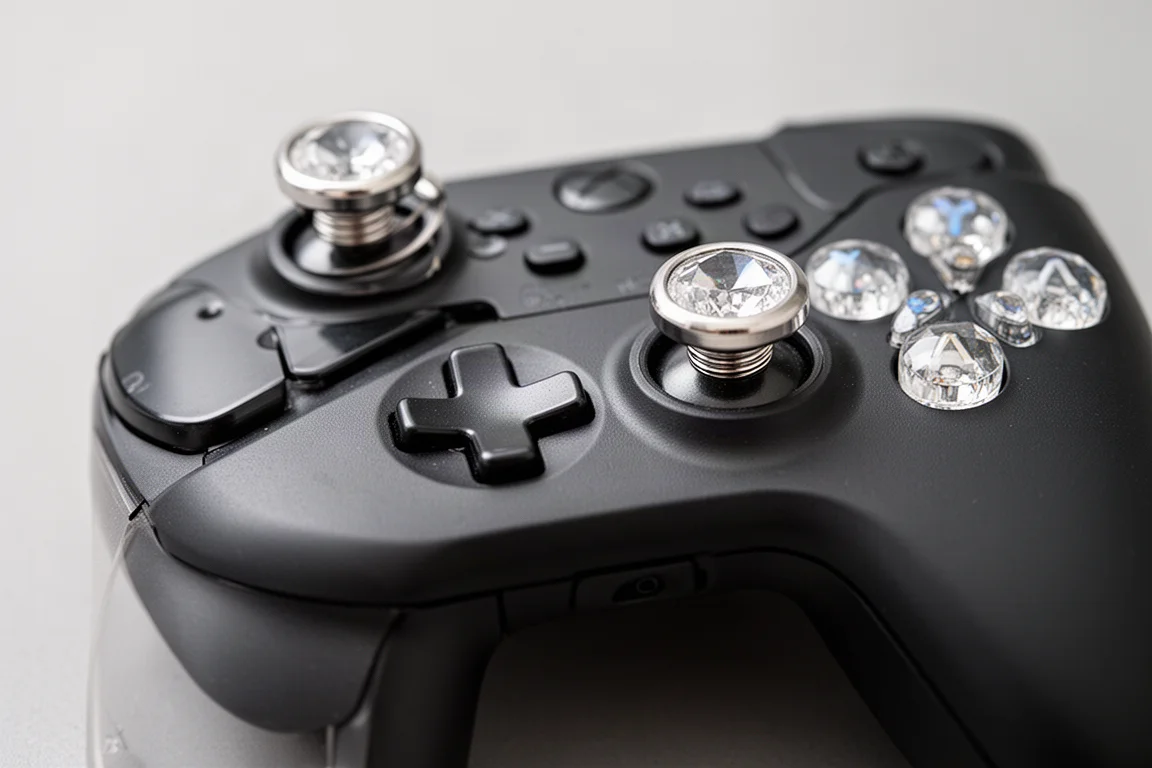
The thumbsticks are capacitive, a different technology from the hall sensor or TMR sticks found in most handhelds. Capacitive sticks are known for being significantly more precise, but they require careful software tuning to feel right. The stick tension on these units felt quite loose, which may not pair well with the high precision of capacitive technology for fast-paced shooters. The sticks themselves are smooth, with a metal band around the post, but the light tension is something to watch in the final production units.
The shoulder buttons are clicky but quiet, and the triggers are hall effect with trigger stops on the back for a more precise digital input. There are also two programmable buttons on the back of the controller. The overall build feels sturdier than expected, though the matte plastic finish is prone to smudging over time.
Performance and Power
The OneXPlayer 3 uses Intel’s G3 Extreme processor from the Panther Lake line. It is a capable chip for handheld gaming, and performance appears to be in line with other devices using the same processor. The X2 Mini Pro, on the other hand, uses AMD’s Strix Halo AI Max 395, which is noticeably more powerful but also runs hotter and is expected to cost more.
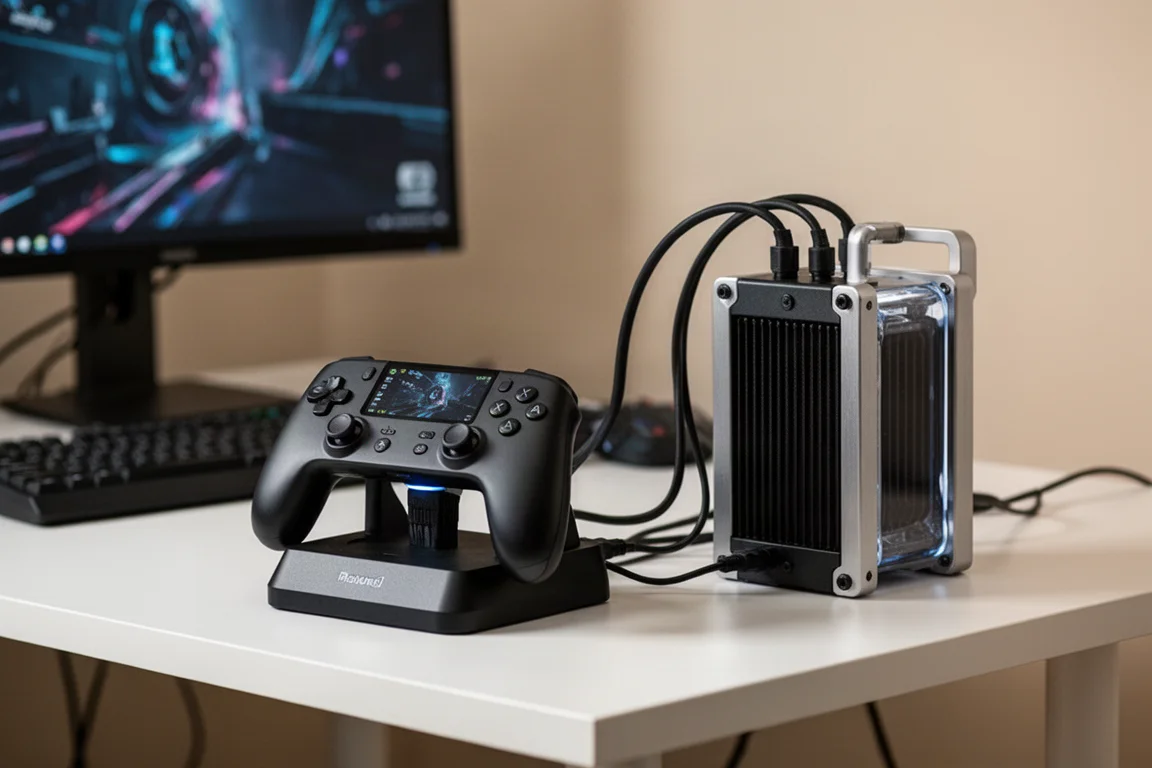
The battery situation is where the two devices diverge most clearly. The Intel model has a built-in 85 Wh battery and charges via USB-C, like most handhelds. The AMD model has a detachable battery, which allows for a more substantial cooling solution. This means the AMD model can run at 45 watts on battery and up to 85 watts when plugged in, thanks to a barrel jack power connection. It also supports OneXPlayer’s Frostbay liquid cooling solution, which can push the device to 120 watts when docked, approaching desktop-class performance.
Both devices will offer a range of RAM and storage configurations, from 24 to 32 GB of RAM and 512 GB to 2 TB of storage. They also include a mini SSD port for fast read and write speeds, along with standard micro SD card slots. Pricing has not been announced, but given the current RAM and storage market, these are expected to be expensive devices, likely in the $1,500 to $2,500 range.
Overall Buying Advice
The OneXPlayer 3 and X2 Mini Pro are niche products aimed at enthusiasts who want a handheld that can also serve as a tablet or laptop. The AMD model is the performance leader, but it will likely carry a higher price and requires the detachable battery design to manage its thermals. The Intel model is the more conventional option, with a built-in battery and USB-C charging, and it should be more affordable while still offering solid performance.
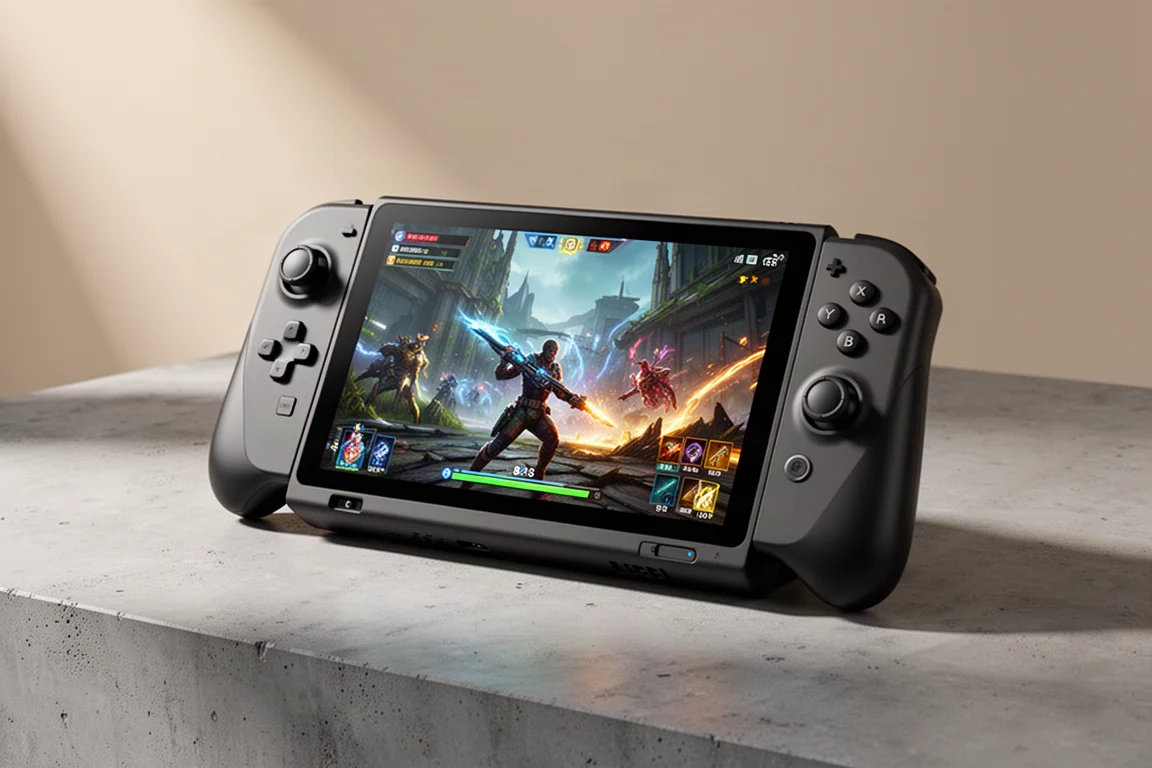
If the display is your top priority, both devices deliver the same excellent OLED panel. If you want maximum performance and are willing to deal with the extra cost and complexity, the X2 Mini Pro is the one to watch. If you prefer a more straightforward handheld experience with a lower price, the OneXPlayer 3 is the safer bet.
Conclusion
OneXPlayer is doing something genuinely interesting by offering two handhelds with the same chassis but very different internal philosophies. The shared screen, detachable controllers, and ecosystem accessories make both devices versatile beyond typical handheld gaming. The final decision will come down to price and how much performance you actually need. These are premium devices for a specific audience, and they are worth paying attention to when they launch.
Further reading
Related Reviews
Handheld Gaming
Acer Nitro Blaze Link and Predator Atlas 8: Two New Handhelds Compared
Acer's new handheld lineup includes a budget streaming device and a powerful Windows gaming machine. Here is what to expect from both.
Handheld Gaming
Anbernic RG Rotate Review: A Unique and Powerful Pocket Handheld
The Anbernic RG Rotate brings a clever rotating design, a square 720x720 screen, and solid Android performance to a truly pocketable form factor.
Handheld Gaming
Anbernic RGDS: A Fresh Look at the Linux Experience
The Anbernic RGDS gets better with updated Linux firmware. We explore Rocknix improvements, the new official Anbernic Linux OS, and how this dual-screen handheld handles Nintendo DS gaming.