Camping Shelters
OneTigris Tetra 160 vs Tetra 130: Two Square Tarp Shelters Compared
A close look at the OneTigris Tetra 160 and Tetra 130, two square single-pole shelters that share premium materials and a very low price, but suit different trips.
Introduction
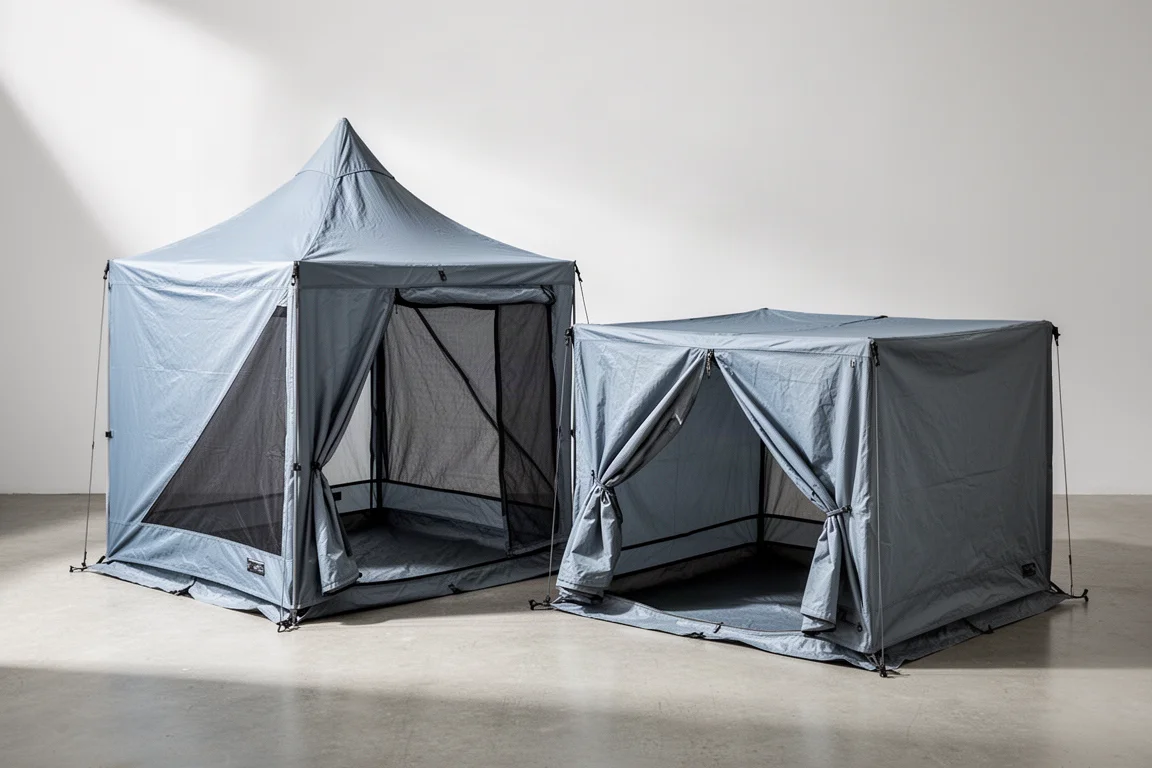
Square-shaped tarp shelters have become one of the more interesting corners of camping gear, and OneTigris offers two of the most accessible options in the Tetra 160 and the smaller Tetra 130. They share a clear family resemblance: the same 20D silicone and PU coated nylon, the same YKK zippers, the same 3,000 mm waterproof rating, and the same single-pole, four-corner pitch that makes both unusually quick to set up.
The differences matter more than the similarities. The Tetra 160 is a complete shelter with a permanently attached inner tent, a bathtub floor and bug mesh. The Tetra 130 sits closer to a tarp: no inner, no pole in the box, and a snow skirt instead. Both are worth a serious look, but they suit different kinds of trips.
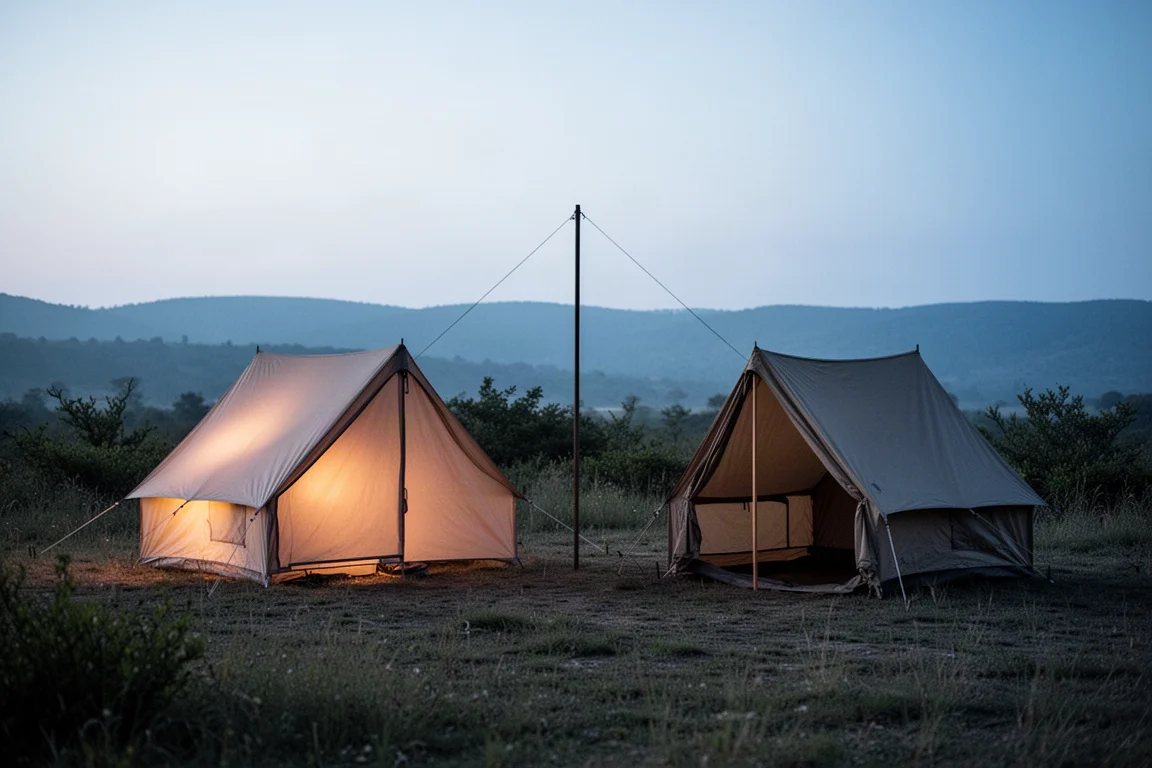
Choosing between them comes down to how much enclosed, insect-free living space you need and how much weight you are willing to carry. What follows is a breakdown of what each shelter does well, where both fall short, and which one makes more sense for most buyers.
What Both Tetra Shelters Share
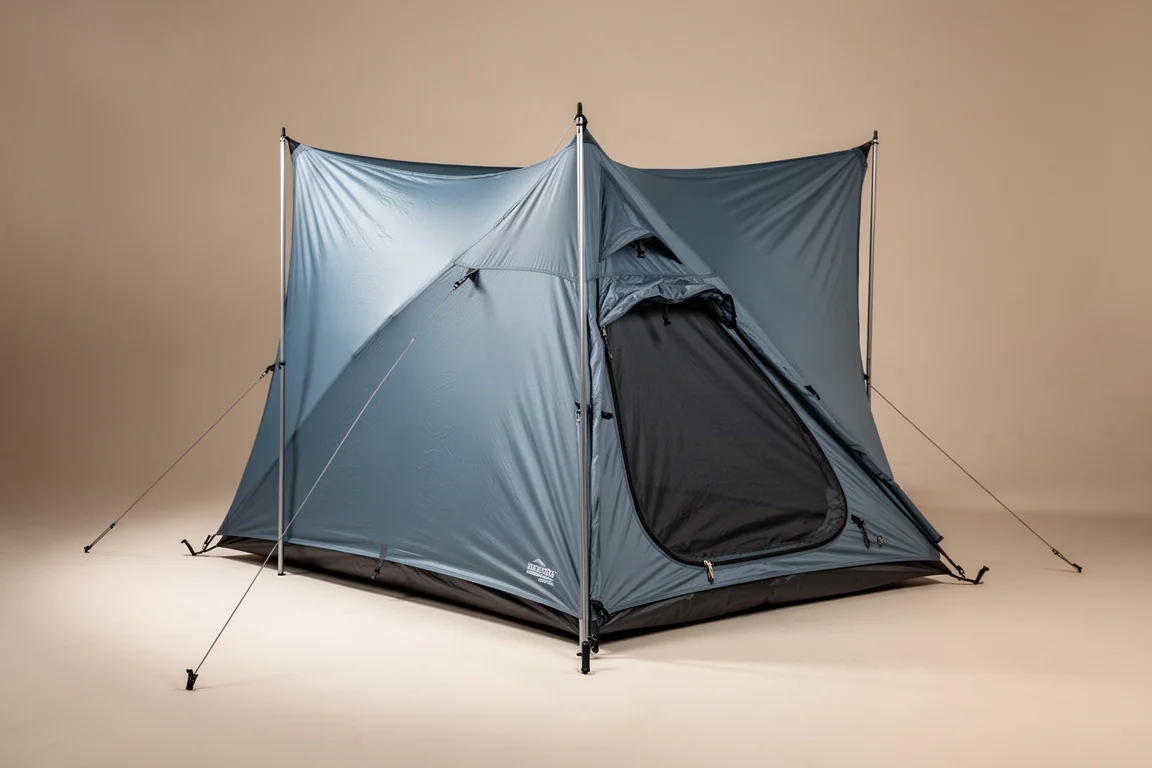
Both Tetra models are square-shaped tarp tents. A single pole goes in the center, and the perimeter is staked out in a square. That geometry is the reason setup is so forgiving, because there is no complicated pitch to get wrong. Lay the shelter out, stake the corners square, pull the fabric tight, insert the pole, make small adjustments, and the shelter is up. Even when a corner is slightly off, the square footprint keeps the structure stable rather than lopsided.
Ventilation works the same way on both. There are two vents at the top and one large vent at the rear, which OneTigris calls its 3D condensation system. The rear wall is sloped and fitted with mesh, and the shelter floor is elevated at the back so condensation runs down and out rather than pooling. An interior storm flap shields that rear vent from rain while still letting air move.
Materials and hardware are identical across the pair: 20D silicone and PU coated nylon, YKK zippers, and a 3,000 mm waterproof rating. Both ship with a burrito-style stuff sack that is generously sized and easy to pack, and both include four guy lines. OneTigris lists 12 stakes in the box for each shelter, and both actually arrive with 14. The color is Urban Gray, a soft blue-gray that reads well outdoors and blends into most terrain.
OneTigris Tetra 160: The Larger Shelter
The Tetra 160 is the more complete shelter of the two. Its inner tent is permanently attached rather than removable, and it adds the features that turn a tarp into a proper tent: bug-proof mesh, a bathtub floor, and three zippers that run up and to the sides so the inner can be opened wide or closed down.
Dimensions are 5 feet 3 inches tall, 7.2 feet deep and 7.8 feet wide, with a packed size of 17.3 by 6.3 inches and a weight of 4 pounds. An aluminum pole is included, so the shelter is ready to pitch straight out of the box. The price is $180.
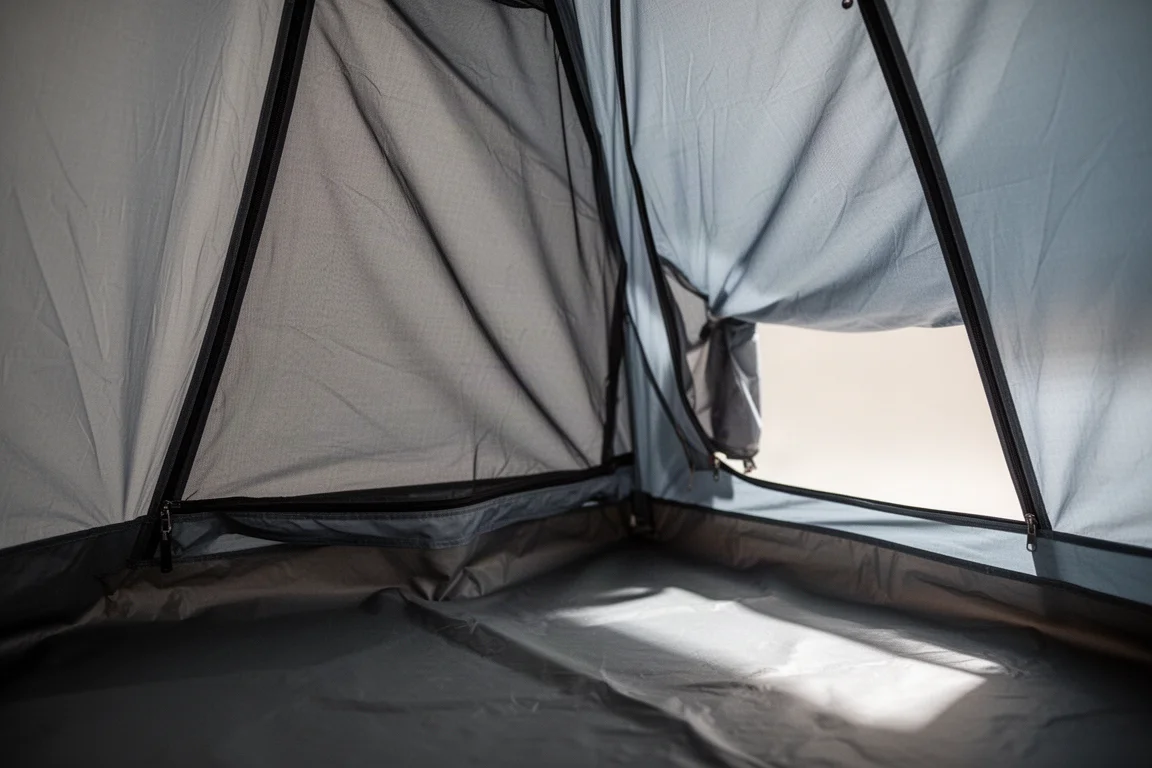
The interior is genuinely roomy. It is comfortable for one person with gear, and there is enough floor area that two people could theoretically sleep inside. In practice, the silnylon fabric stretches and sags overnight, and because there are no guy line points at the rear of the shelter, there is no way to pull that slack fabric back off the sleepers. The Tetra 160 is best treated as a spacious one-person shelter rather than a two-person tent.
OneTigris rates it for two people, and the interior volume shows why that claim is made, but the missing rear guy-out points make it hard to live with overnight. As a single-occupant shelter it does exactly what you would want, with a bathtub floor and bug mesh that work as intended.
OneTigris Tetra 130: The Smaller Shelter
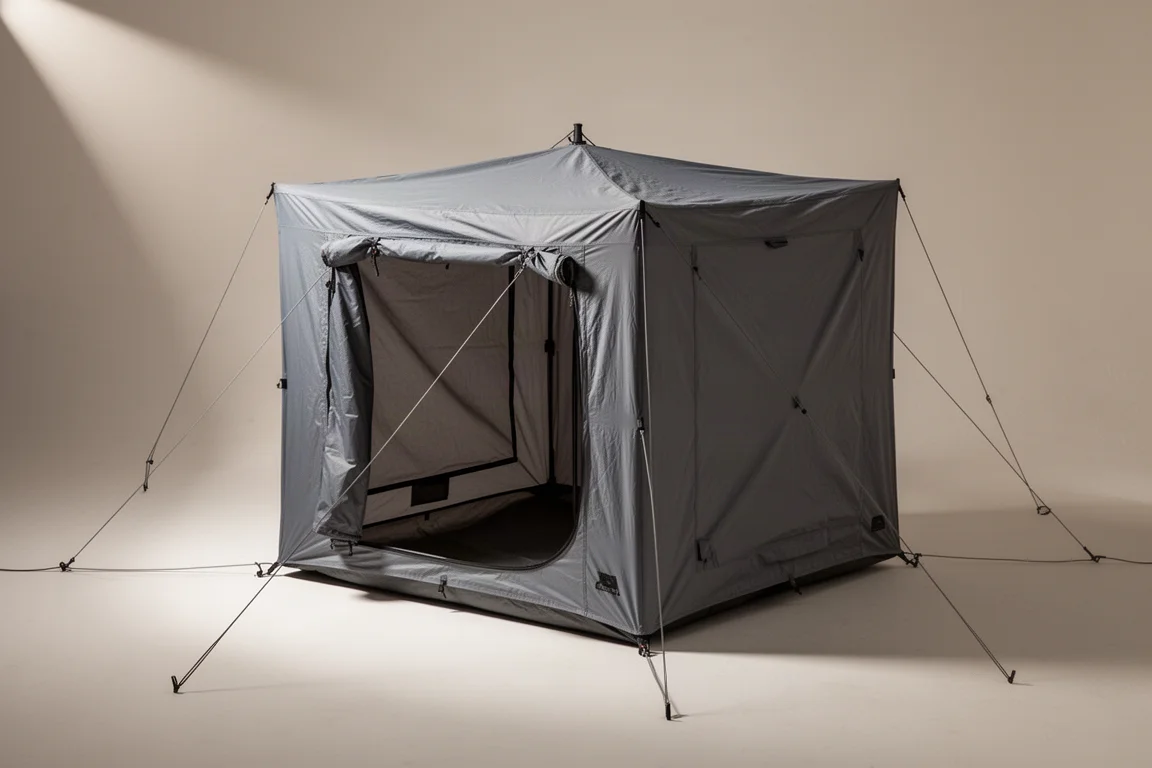
The Tetra 130 strips the concept back. There is no inner tent, no floor, and no pole in the box, so you supply your own pole or use a stick or an overhead branch. It is best understood as a tarp shelter rather than a tent, and it is priced accordingly at $130.
It stands 4.3 feet tall, 7.2 feet deep and 7.5 feet wide, packs down to 15.7 by 5.9 inches, and weighs just 2.4 pounds. That low weight and small pack size make it appealing for fast, light trips where an enclosed inner is not a priority, and both Tetra models offer generous floor area for a single occupant plus gear.
The Tetra 130 has a snow skirt that the larger model does not, and its rear vent can be opened completely and dropped for maximum airflow. The same 3,000 mm waterproof fabric, 20D coated nylon and YKK zippers are used throughout.
What Both Tents Get Right
Build quality is the standout. Seam tape is clean, stitching is tight, and there are no loose threads on either shelter. The materials are premium for the price bracket: silicone-coated nylon, YKK zippers, and an aluminum pole on the larger model. Shelters built to this specification by domestic brands would typically cost several times as much.
Both have proven fully waterproof in practice, including in snow, ice and heavy rain. Water has not worked its way under the storm flap, through the zippers, or in through the top and rear vents. The 3D condensation system performs well too: air is drawn up the walls and out of the rear vent, so condensation stays manageable even though both shelters are single walled.
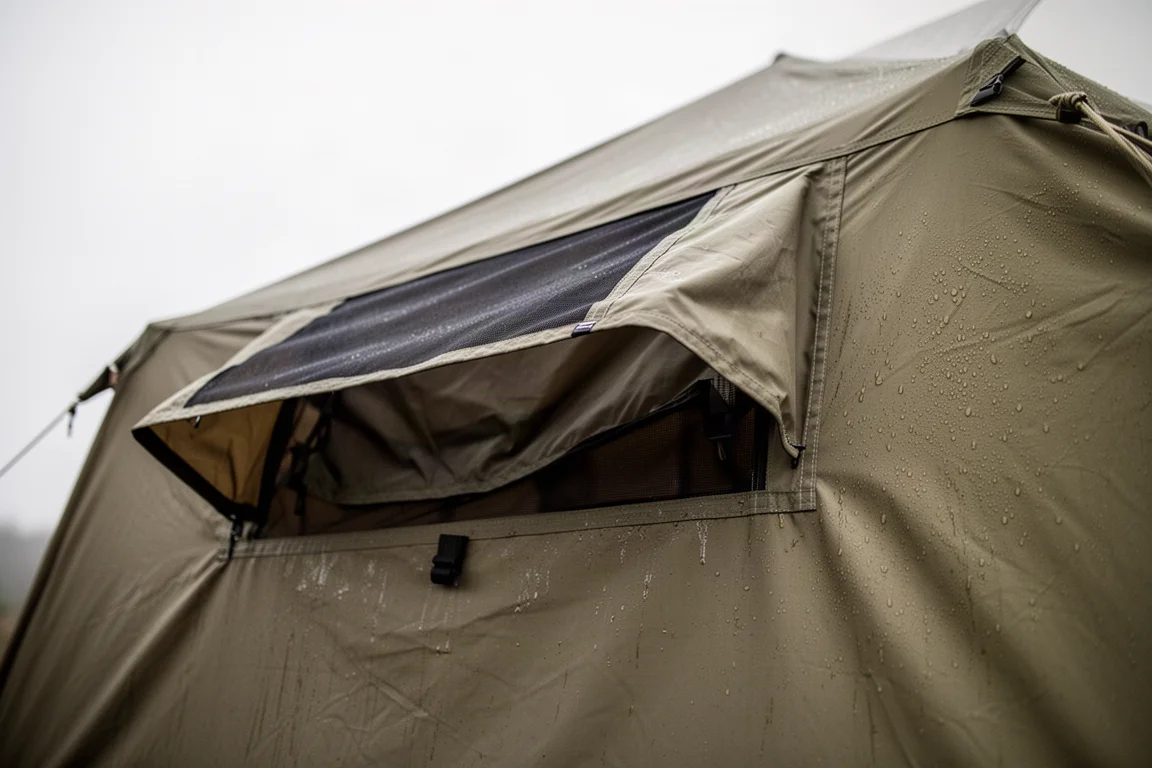
The door design is another highlight. Panels can be rolled fully back, closed on one side and left open on the other, or pitched into a porch using one or two poles. That porch configuration is excellent for shade on hot days, and with a tarp thrown over the top it becomes a genuinely useful covered living area for cooking or sitting out bad weather.
Both shelters also accept a wide range of pitches. Poles, sticks or an overhead branch can all be used, which adds flexibility when the ground is awkward or conditions change through the day.
Trade-Offs to Weigh Before Buying
The porch setup is the clearest compromise. The side panels leave open gaps beneath them, so while the porch blocks sun effectively, it is not storm proof. Rain driven sideways will reach the ground around you. OneTigris has acknowledged the gap and says panels are something it will look at for future versions, but as shipped, the porch needs a tarp overhead in wet weather.
The more significant issue is the absence of guy line points at the rear of both shelters. All four guy line placements sit at the front. That runs against how these shelters are usually pitched, with the wind hitting the back wall so the occupant can sit up front and stay protected. Without rear anchoring, the back of the shelter is the weakest part of the pitch, and the slack cannot be tensioned out. This makes both Tetra models a poor fit for very strong, stormy or windy conditions, and it is the main reason the Tetra 160 inner sags onto sleepers overnight.
The interior storm flap cannot be fully sealed either. It angles airflow up the walls to fight condensation, which works well in warm weather, but on cold, windy nights there is no way to close the vents completely and hold in heat. Condensation control and heat retention pull against each other, and the current design only gives you one of the two.
The cord on the included tent stakes is also not up to the knot used on it. The knots work loose, and the cord can pull free of the stake, leaving sharp edges exposed. Replacing the cordage, or locking the knots down with super glue or seam grip, solves the problem cheaply.
Buying Advice: Which Tetra Makes Sense
For most buyers, the Tetra 160 is the more useful shelter. The integrated inner with bug mesh and a bathtub floor makes it a four-season option that works in winter as well as summer, and the extra interior height makes getting in and out noticeably easier. At $180 it is the better long-term purchase of the two.
The Tetra 130 makes sense for a narrower set of trips. Its 2.4-pound weight, compact pack size and $130 price suit fast and light travel, or use as a summer tarp where insects are not a concern. Because there is no inner, it is less comfortable in cooler weather unless you add a separate inner or bug net.
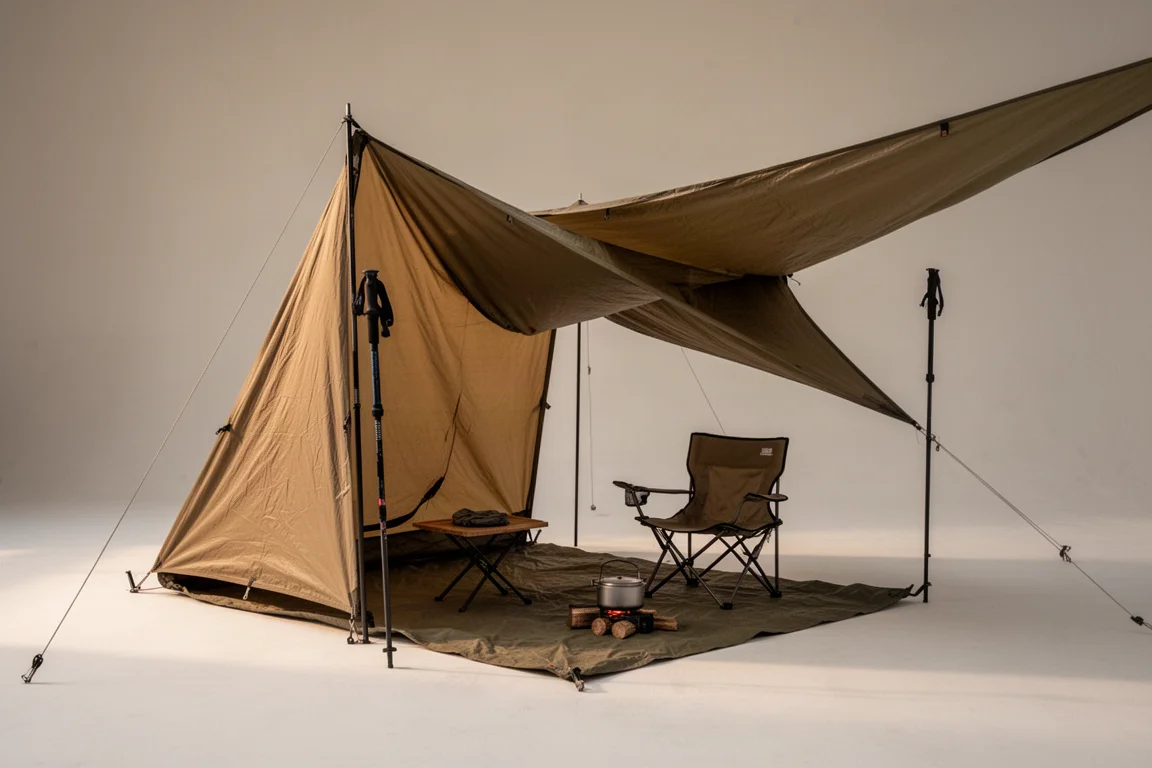
Whichever you choose, budget for a few small additions: a replacement pole for the Tetra 130, better stake cordage for either shelter, and a tarp if you plan to use the porch configuration in rain. Those extras are inexpensive and address nearly every practical weakness in the design.
Conclusion
The Tetra 160 and Tetra 130 are closely related shelters with the same strengths: quick square pitches, premium materials, dependable waterproofing and effective ventilation at a price that is hard to argue with. Both come close to excellent, held back mainly by the missing rear guy line points and a porch that needs a tarp to be weatherproof. Choose the 160 for a complete, year-round shelter, and the 130 for lightweight tarp duty where every ounce counts.
Further reading
Related Reviews
Camping Shelters
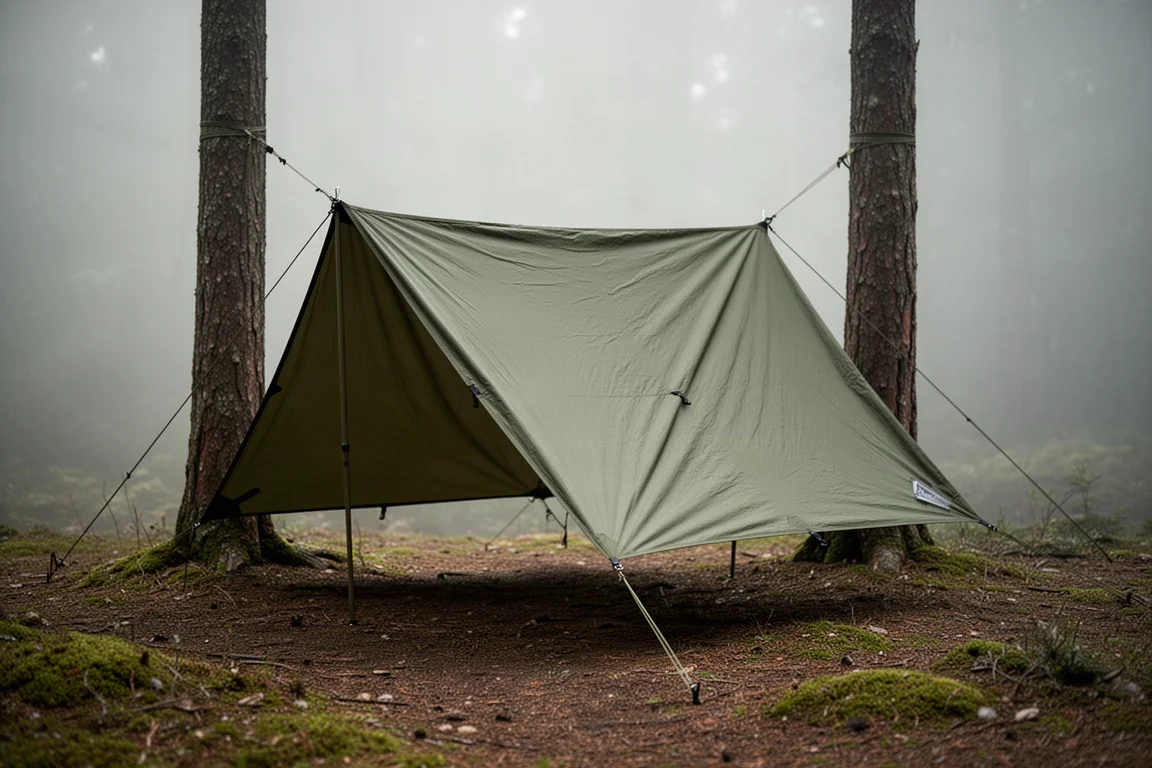
Alps Mountaineering Stealth 1 Bivy Review: A Waterproof Claim That Does Not Hold Up
The Alps Mountaineering Stealth 1 Bivy carries a 2,000 mm hydrostatic head rating and a waterproof claim, but sustained rain exposure and build quality concerns make it difficult to recommend.
Camping Shelters
AquaQuest Safari Hybrid 20 ft x 13 ft Tarp Review: Two Years Under a Very Large Roof
A long-term look at the AquaQuest Safari Hybrid 20 x 13 tarp, covering build quality, weather protection, setup realities, and who should buy one.
Camping Shelters
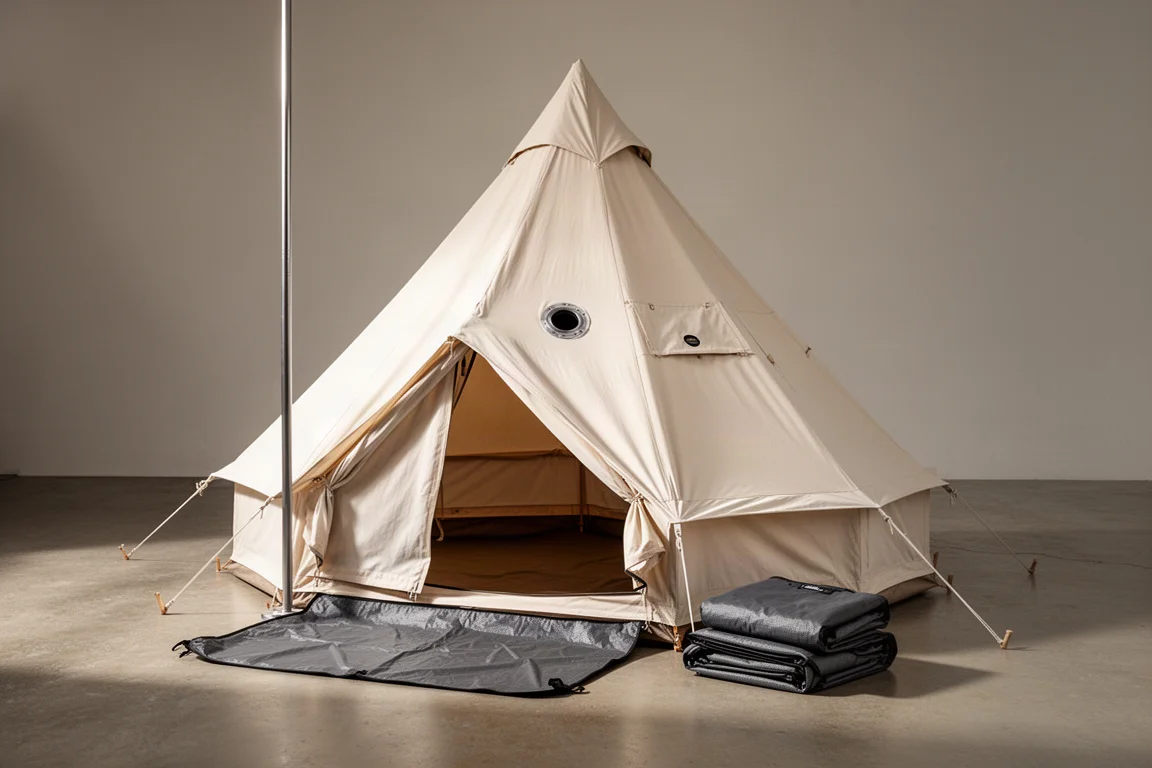
Backcountry Light Mesa 3 Hot Tent and Floor SL Tarp Review
A practical look at the Backcountry Light Mesa 3 four-season hot tent and its optional Floor SL Tarp, covering materials, stove jack design, packed weight, pricing, and the trade-offs to weigh before buying.