Camping Sleeping Pads
OneTigris Noble Jade vs Therm-a-Rest XTherm: A Sleeping Pad Comparison for Backpackers
The OneTigris Noble Jade claims a 7 R-value at $110, while the Therm-a-Rest XTherm costs about $140 more and stays far warmer. Here is how to choose between them.
Introduction
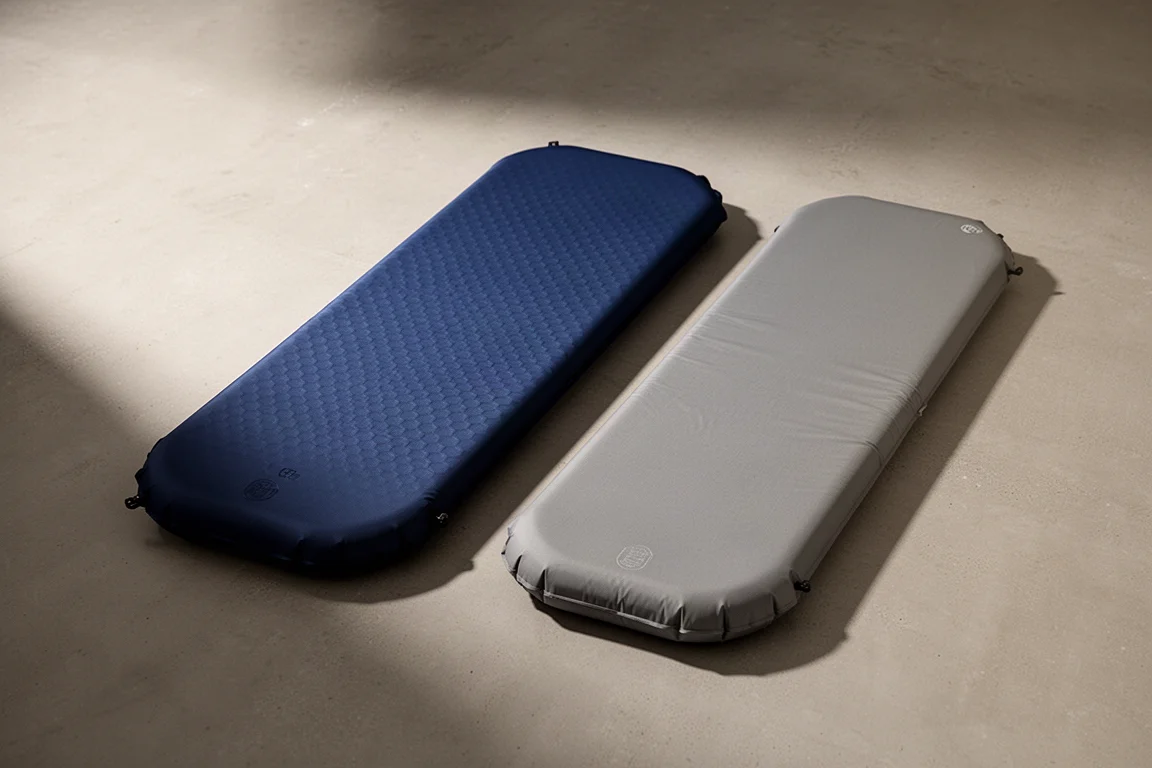
Two sleeping pads, one practical question: how much warmth do you actually need, and what is it worth paying for? The OneTigris Noble Jade is the company’s first genuinely comfortable backpacking pad, and it pairs a reflective interior with a 7 R-value and a $110 price. The Therm-a-Rest XTherm sits at the opposite end of the market: lighter, more compact, considerably warmer in real use, and about $140 more expensive.
On paper the two look like direct rivals, because both carry the same R-value on their spec sheets. In practice they behave very differently once the temperature drops, and understanding where they diverge is the quickest way to avoid buying the wrong pad.
What Matters Most in a Backpacking Sleeping Pad
A pad has to earn its place in a pack across several separate measures, and no single number tells the whole story.
Warmth comes first. A stated R-value describes insulation under controlled conditions, but what matters on a cold night is how much body heat the pad reflects back and how effectively it blocks cold air rising from the ground. Two pads can share an identical rating and still feel completely different at 30°F.
Comfort comes second, and it is largely a function of thickness and surface design. A four-inch pad keeps hips and shoulders clear of the ground when you lie down, while a thinner pad demands a more careful sleeping position and rewards you with less support.
Then there is packed size, weight, and inflation effort. A pad that takes two minutes and a lot of lung power to fill is a different proposition from one that inflates easily, and a crinkly reflective interior can matter as much as grams once you are actually trying to sleep.
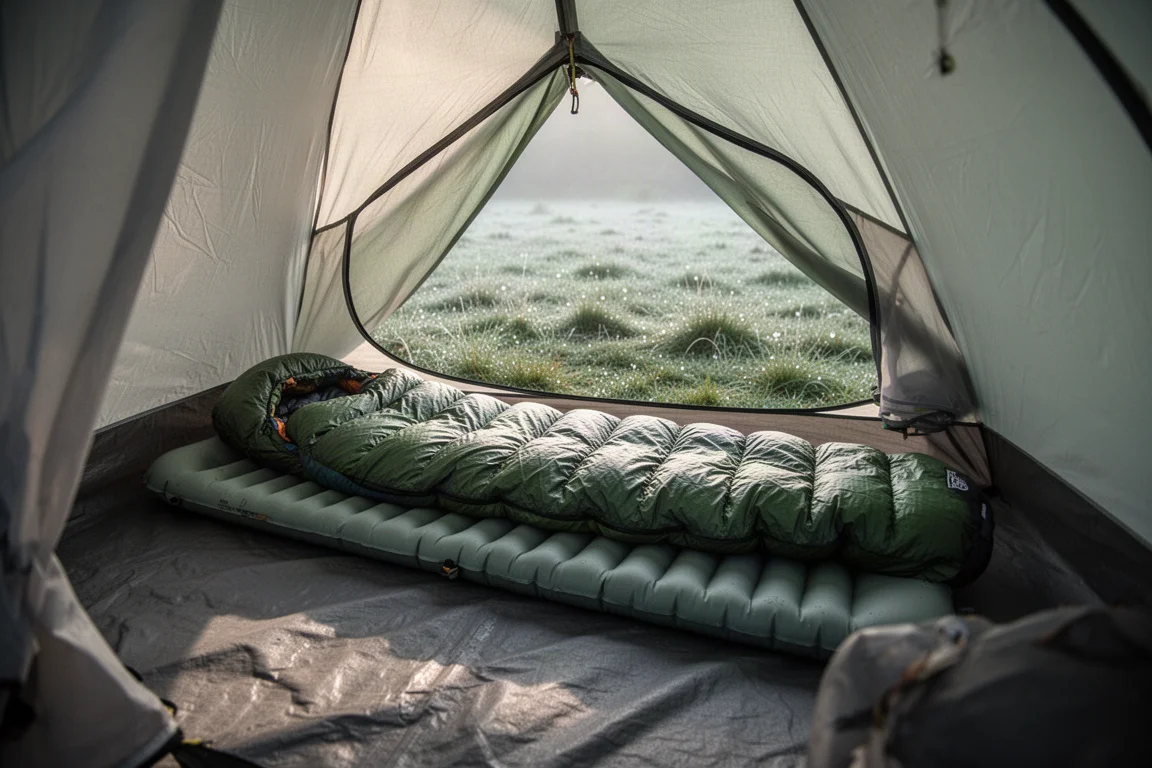
Price ties all of it together. The least expensive pad that keeps you warm enough is almost always a better purchase than an expensive pad used outside its comfort zone.
OneTigris Noble Jade Sleeping Pad: Design and Comfort
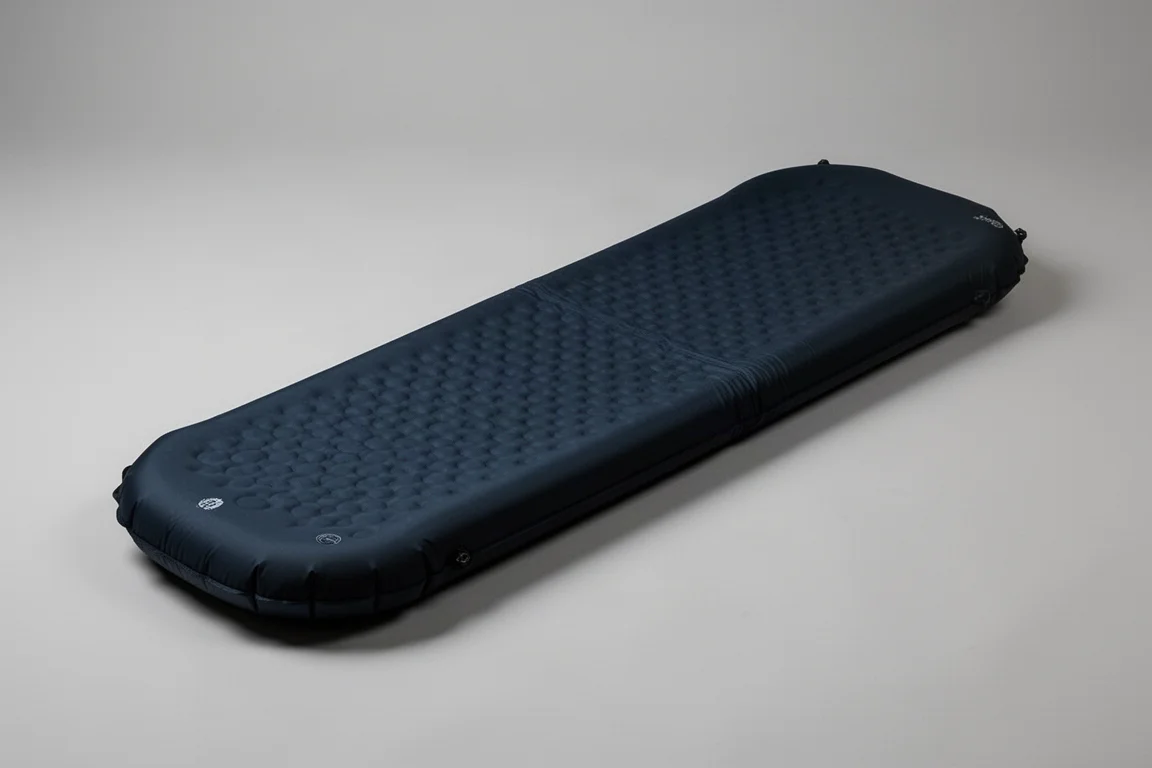
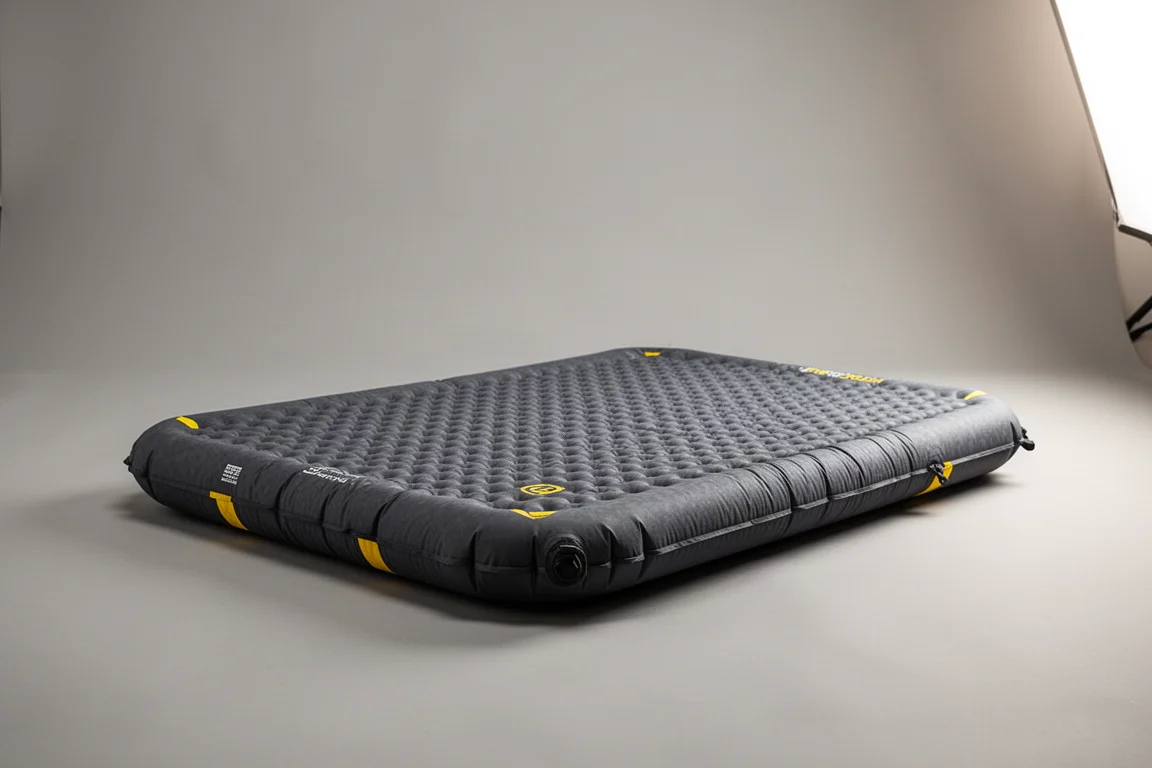
The Noble Jade is built around a honeycomb surface pattern, and the geometry is unusual: the centre of the pad measures a full 4 inches thick, while the perimeter tapers down to roughly 2.5 inches. The outline follows a mummy cut, wider at the shoulders and narrower toward the feet, and it measures 77.6 inches long, 25.6 inches wide, and 4 inches thick when fully inflated. That length suits sleepers up to about 6 ft 3 in, and the width is adequate for most adults. It is offered in a single size and a single colour, a deep navy that reads almost black.
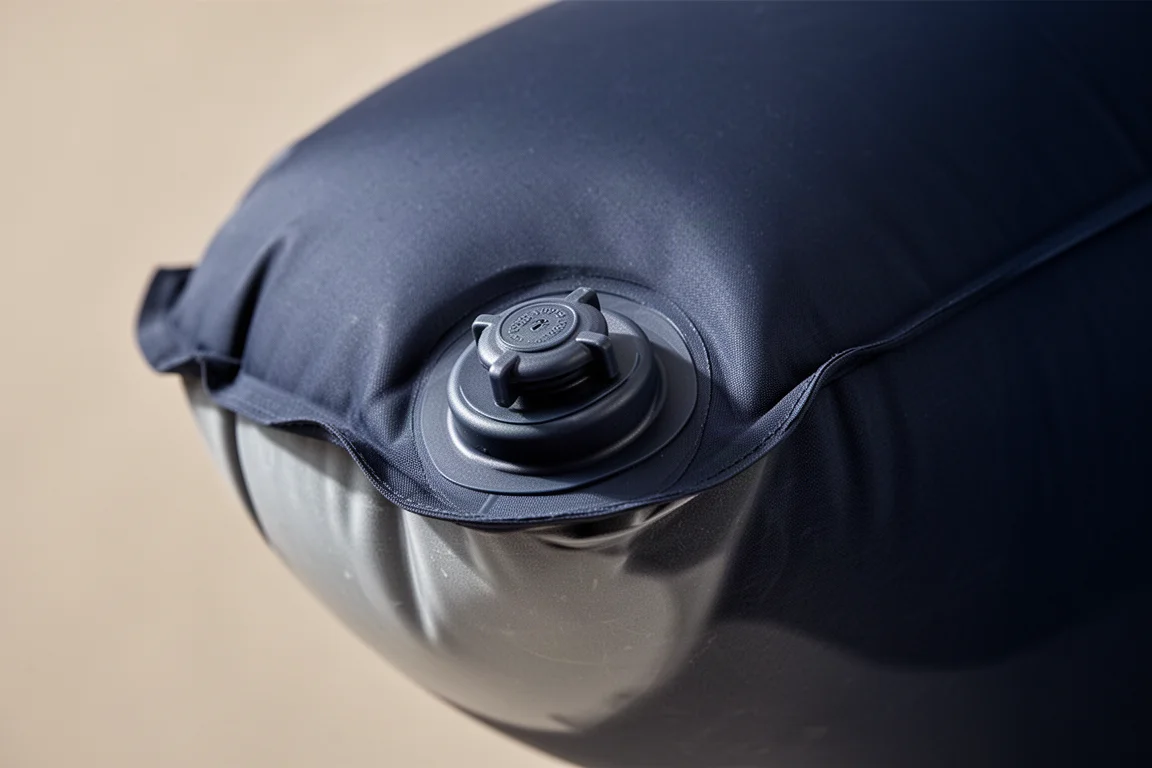
Inflating the pad uses a two-piece valve system: a cover, an adjustable inflation valve, and a removable section for deflation. The pad holds air well, and construction quality is clean throughout, with neatly welded seams, no fraying, and no leaks observed over months of use. Inflation itself is the weak point. The pad can be filled in under two minutes, but the honeycomb structure swallows a lot of air, so expect real effort. The included pump sack is poorly designed, disconnects from the pad easily, and is frustrating enough that a small electric air pump is the better answer, particularly in cooler weather when breath moisture is a concern. Once deflated and rolled, the pad slides easily into an oversized storage bag that makes packing simple.
Comfort is where this pad finally delivers for OneTigris. Lying down on a fully inflated Noble Jade keeps hips, shoulders, and back clear of the ground, and a good night’s rest is realistic. Sitting on it is a different story: weight concentrates in one spot and sinks straight to the floor. The tapered perimeter also creates a genuine chance of rolling off the edge if you move around in your sleep. Inflating the pad to its absolute maximum matters, because anything less brings your body closer to the ground. On a simple comfort scale, this lands around seven out of ten: better than good, short of the best.
Warmth and Cold-Weather Limits
The interior uses a thermo-reflective aluminium foil layer, the same broad approach found in far more expensive pads, and the Noble Jade carries an R-value of 7. That rating invites a direct comparison with the XTherm, and the honest answer is that the two do not perform alike.
At around 30°F the pad feels chilly, though a full night is still manageable. At 15°F it becomes genuinely cold and warmth is hard to hold onto. It reflects less body heat than the XTherm and does less to stop cold air moving up from the ground. That has practical consequences for how you use it: pair it with a properly insulated sleeping bag rather than a backless ultralight quilt, and consider a second thin pad underneath for shoulder-season trips.
Warm weather into the cooler months is where this pad makes sense. For winter camping there are far better options, though most of them cost considerably more. The reflective foil interior also has a characteristic crinkle. It is not silent, but it is not obnoxious either. Very light sleepers may notice it, while most people will not.
Therm-a-Rest XTherm: The Warmth Benchmark
The XTherm remains the reference point for backpackers who want one pad for every season. It weighs right around 1 lb, packs smaller than the Noble Jade, and is thinner, yet it is more comfortable in use. Its reflective construction is markedly more effective: body heat comes back rather than escaping, and cold air from the ground struggles to reach you.
That performance is what allows the XTherm to be used year round, including in summer with a lighter, thinner insulation layer or a backless quilt, which saves weight on long trips where every ounce counts. It also shares an R-value of 7 with the Noble Jade on paper, which is exactly why a spec sheet alone is a poor way to choose between them.
The catch is price. The XTherm costs about $140 more than the Noble Jade, and that gap is the whole story of this comparison. It is the more capable pad in cold conditions, and it is priced accordingly.
How the Two Pads Compare
| | OneTigris Noble Jade | Therm-a-Rest XTherm | | Weight | 1.5 lb | 1 lb | | Packed size | 10 x 3.5 in | Smaller | | Thickness | 4 in | Thinner | | R-value | 7 | 7 | | Warmth in use | Chilly near 30°F, very cold at 15°F | Warm enough for year-round use | | Comfort | Around 7 out of 10 | More comfortable | | Price | $110 | About $140 more |
The table explains the split clearly. The Noble Jade matches the XTherm’s stated R-value and beats it on thickness, yet it is heavier, bulkier when packed, and noticeably less warm where it counts. The XTherm gives up thickness and gains comfort, warmth, and a smaller packed volume.
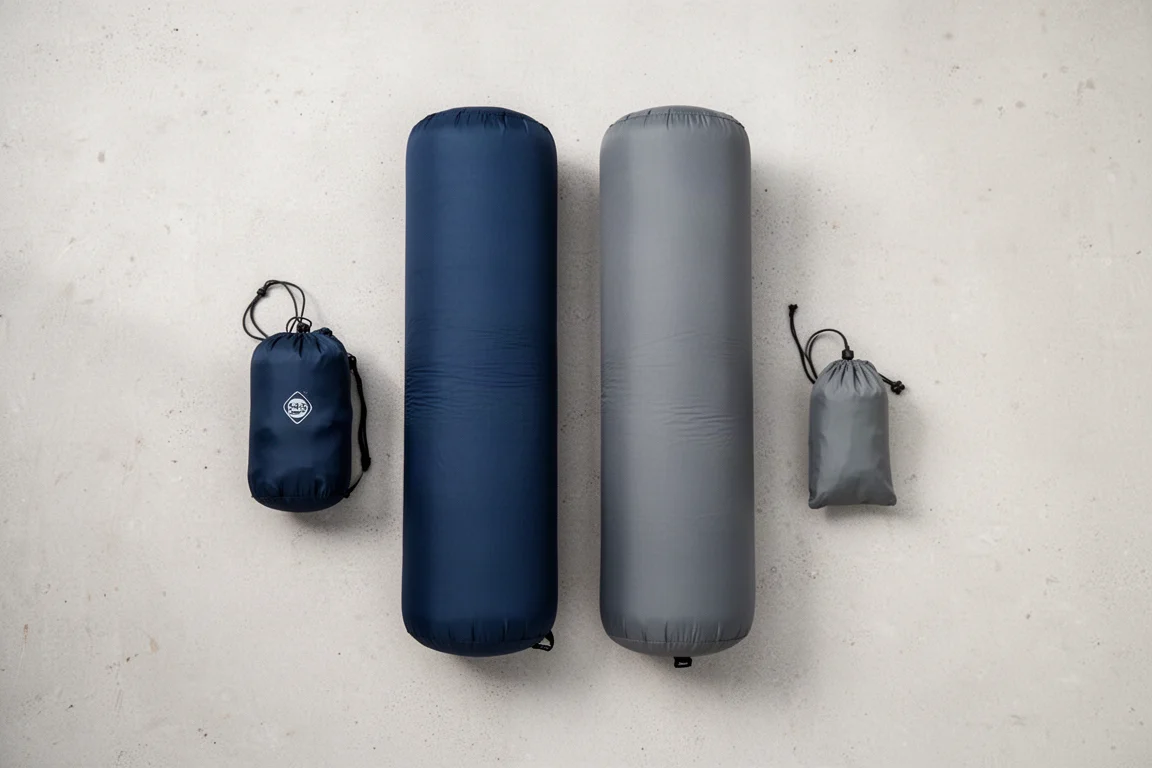
The lesson is that an R-value is a starting point, not a verdict. Construction, the quality of the reflective lining, and how a pad handles ground cold all shape the experience, and those are the things a spec sheet cannot show you.
Buying Advice: Matching a Pad to Your Season
Choose the OneTigris Noble Jade if most of your nights out fall between late spring and early autumn. At $110 it offers a 7 R-value, a comfortable four-inch sleeping surface, solid construction, and a packed size that disappears into a pack. It is the best backpacking sleeping pad OneTigris has made, and for warm-weather trips it does everything most campers need. Budget for a small air pump as well, since the included pump sack is not worth the frustration.

Choose the Therm-a-Rest XTherm if you camp in cold conditions, want a single pad for the whole year, or plan to use an ultralight backless quilt. It is lighter, packs smaller, sleeps more comfortably, and holds warmth far better. The higher price is the trade-off, and it is a real one.
If your trips sit somewhere in the middle, the deciding question is simple: how often will you sleep on frozen ground? A pad that leaves you cold at 15°F is not a bargain at any price, and a premium pad is wasted money if your coldest nights are mild.
Conclusion
The OneTigris Noble Jade is not the XTherm competitor its spec sheet suggests. It shares the R-value and undercuts the price by about $140, but it is heavier, bulkier, and clearly less warm when temperatures fall. What it is, however, is a well-built and genuinely comfortable warm-weather pad at a realistic price, and that is a meaningful step forward for OneTigris.
Buy it for three-season camping and mild nights. Step up to the XTherm if cold weather is part of your plans. Matching the pad to the conditions you actually camp in is what turns either purchase into a good one.
Further reading
Related Reviews
Camping Sleeping Pads
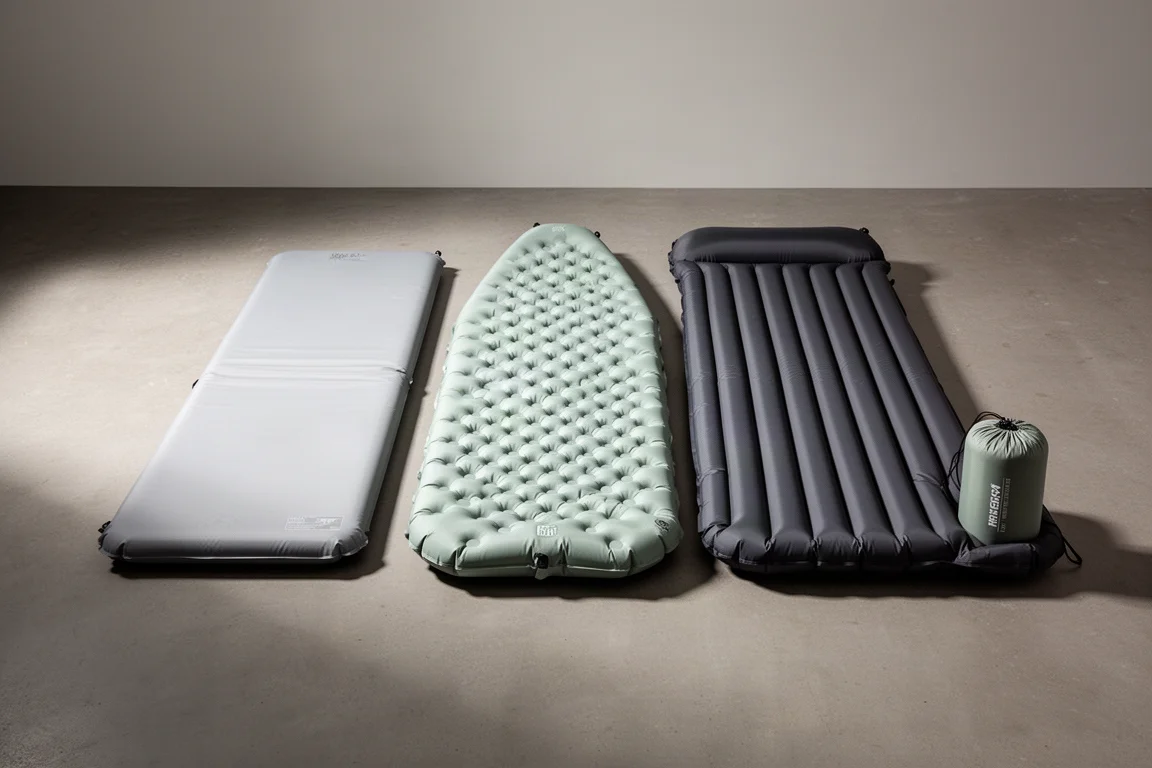
Best Sleeping Pads 2026: Comfort Awards and Top Picks
A comfort-focused roundup of ten sleeping pads, from budget dimpled designs to thick stretch-top models, with gold, silver, and bronze comfort awards.
Camping Sleeping Pads
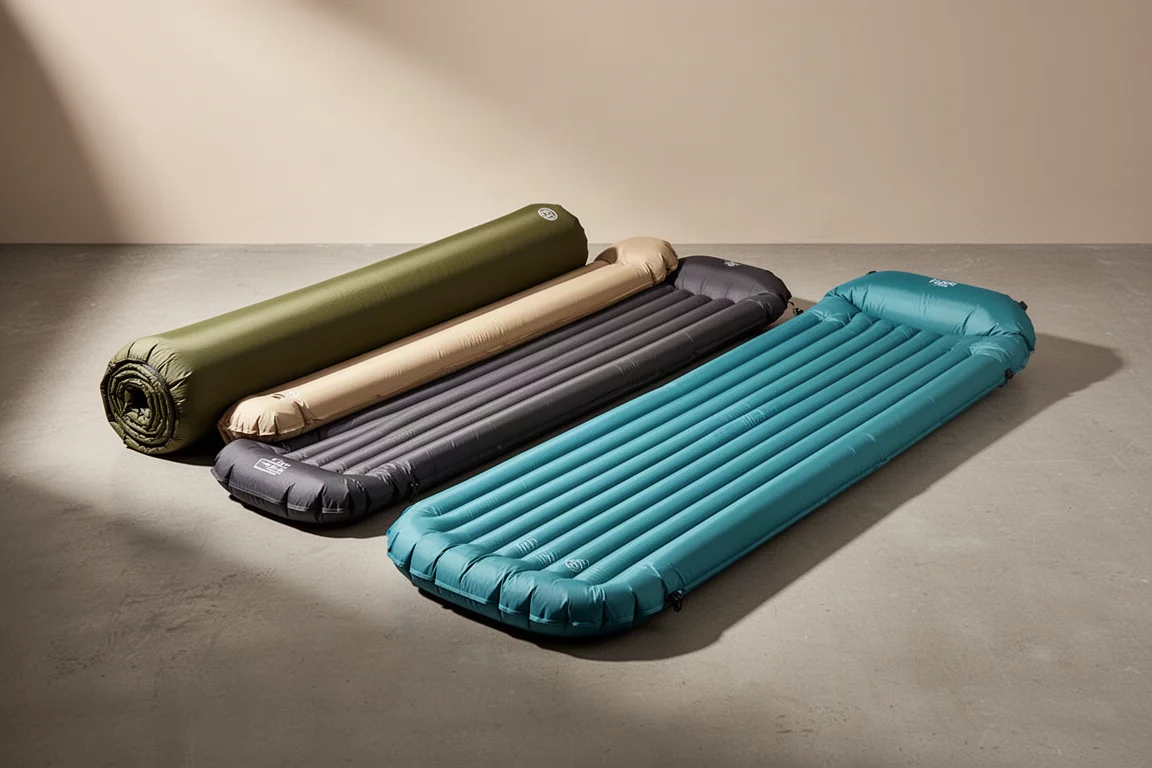
Best Ultralight Sleeping Pads 2026: Seven Lightweight Pads Compared
Seven sub-600 g sleeping pads compared on weight, comfort, warmth, and price, with clear picks for cold sleepers, comfort seekers, and budget buyers.
Camping Sleeping Pads
DOD Outdoors Soto Air Mattress Review: Comfort First, at a Price
A thick foam-and-air camping mattress with an 8.3 R-value and a clever inflation system, weighed against a premium price and a tight storage bag.