Sleeping Pads
OneTigris Dreamstar Mattress Review: Compact Comfort for Cold-Weather Camping
A 3-inch sleeping pad with a 6.3 R rating, a packed size roughly half that of larger car camping mattresses, and a slow self-inflation process worth planning around.
Introduction
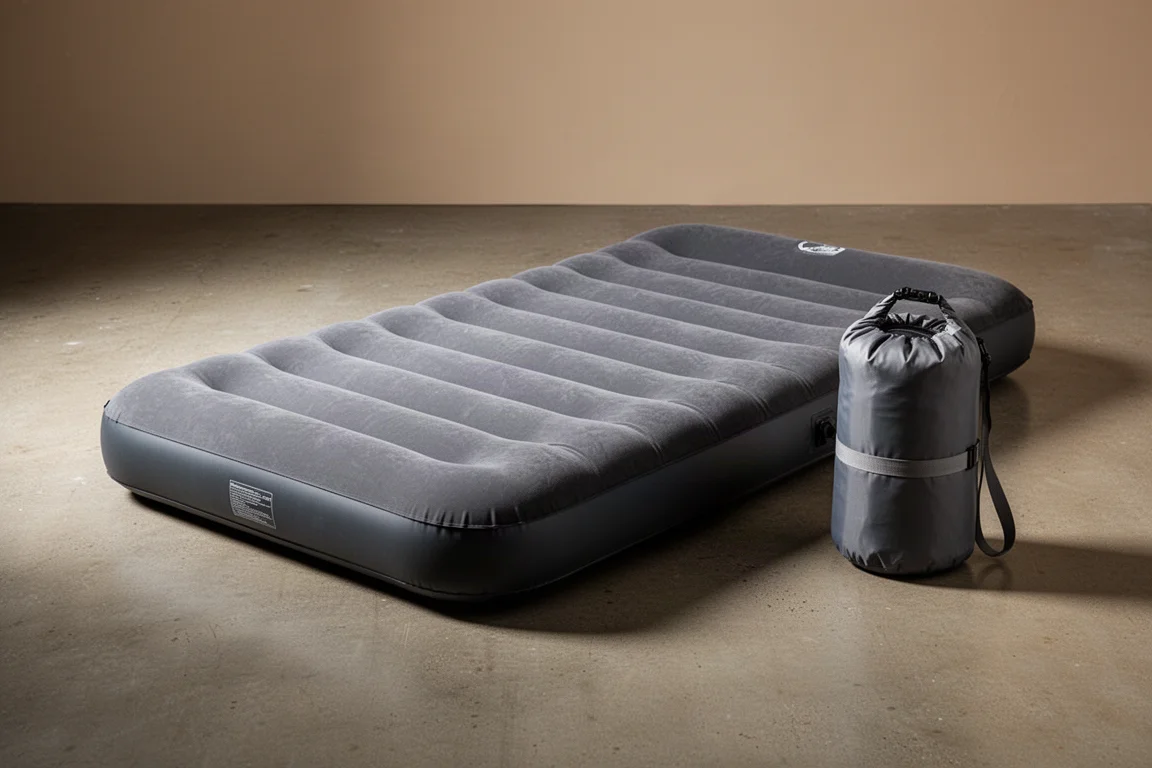
A thick sleeping pad is one of the simplest ways to make car camping comfortable, but the trade-off has always been bulk. The OneTigris Dreamstar approaches that problem from the other direction. It measures 78 inches long, 27.5 inches wide, and 3 inches thick, weighs 4.6 lb, and packs down to 13.7 by 9.4 inches, which is roughly half the stored size of the larger mattresses in this class.
It carries an R rating of 6.3 and costs $120 without an air pump. A two-person version is also available at $180. This review covers what the Dreamstar does well, where it asks for patience, and who will get the most out of it.
Who This Mattress Is For
The Dreamstar suits campers who care about storage space as much as comfort. If you drive a smaller vehicle, share a tent, or simply do not want a mattress that swallows an entire cargo area, the reduced packed footprint is the headline feature. At 4.6 lb it is also noticeably lighter than the 6 lb of a comparable larger pad.
It makes equal sense for cool and cold weather camping. The R rating of 6.3 and the foam core are aimed at insulation rather than warm-season lounging.
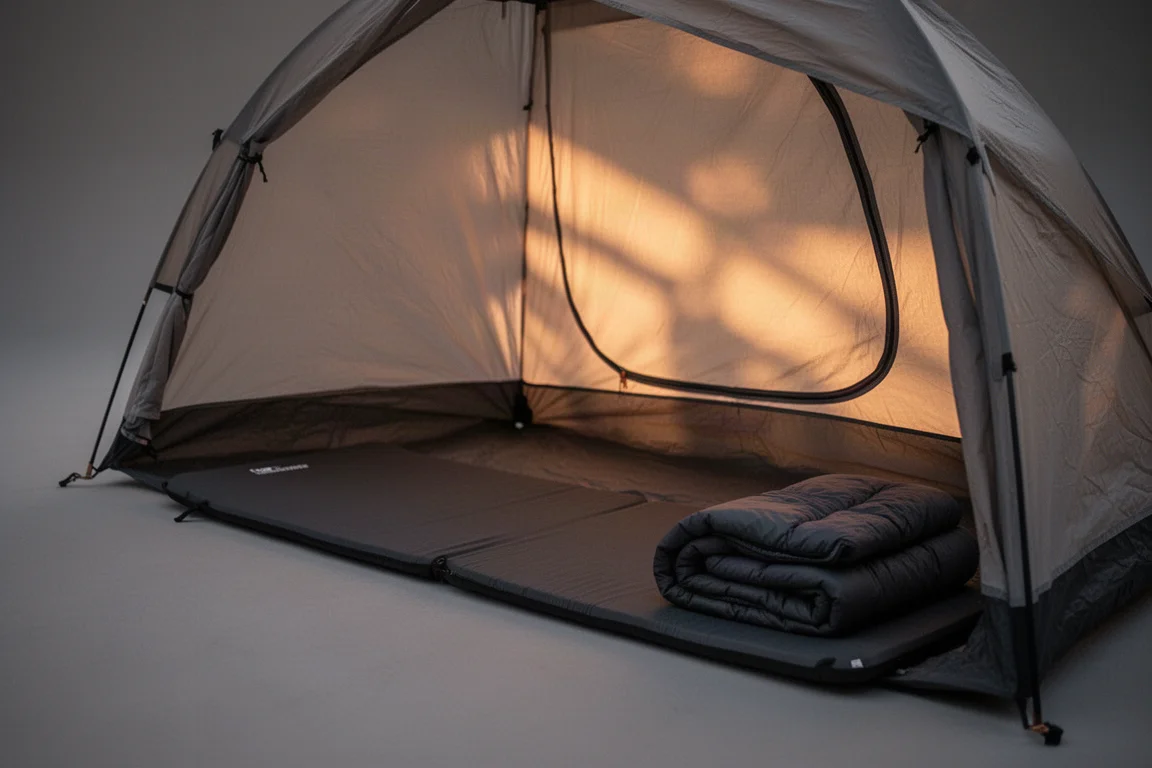
Sleeping position is not a constraint here. The pad supports back, stomach, and side sleeping without hips or shoulders pressing into the ground, and the silicone dots on the underside hold it in place on a slick surface such as a tent floor.
Main Strengths
Construction is where the Dreamstar quietly earns its keep. The top and sides use 30D polyester, while the bottom is 190T, a tougher and more resistant material than the top. Inside sits a high-resistance foam layer. The welds and seams are clean, the pad holds air without leaking, and it is warm enough for most conditions.
Comfort is genuinely good on flat ground. Lying on it in a tent, the Dreamstar feels as comfortable as a wider, thicker pad, and the practical difference between 3 inches and 4 inches of thickness is smaller than the numbers suggest.
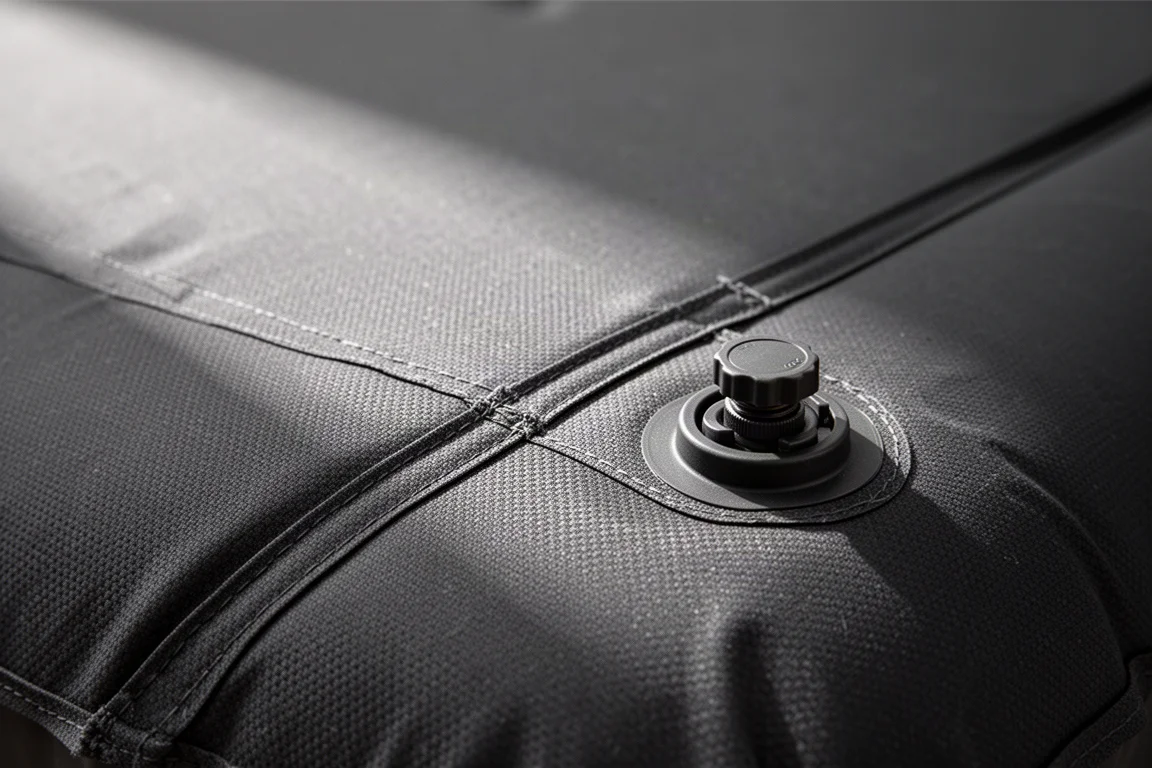
Two things stand out most against the competition. The first is the storage size, which is a major advantage for anyone with limited space. The second is appearance: the pad comes in a single color called Deep Gray, an almost black shade that looks sharp in a way that cream-toned mattresses generally do not.
Setup and Inflation: What to Expect
The valve is a rotating design with a screw-on cap. Turned fully open, it lets air escape for deflation. In the inflate position it accepts air without letting it back out, so you can blow into the pad directly if you prefer.
The storage bag doubles as a pump. It has a roll top, a grab handle, and an inflation valve, and it attaches to the pad easily: you roll the bag and push the air through. It works, and it is also slow. Filling the mattress this way takes around six bags of air, so an air pump is the faster route. Note that the $120 configuration does not include one.
Self-inflation is the part worth setting expectations around. The pad is advertised as self-inflating to 80 percent of capacity in 30 seconds, and that does not match real-world behavior. Left alone after coming out of its highly compressed storage bag, it does not want to inflate on its own. After five hours it still required manual inflation, and full self-inflation can take many hours. In short, plan on the bag or a pump rather than waiting it out.
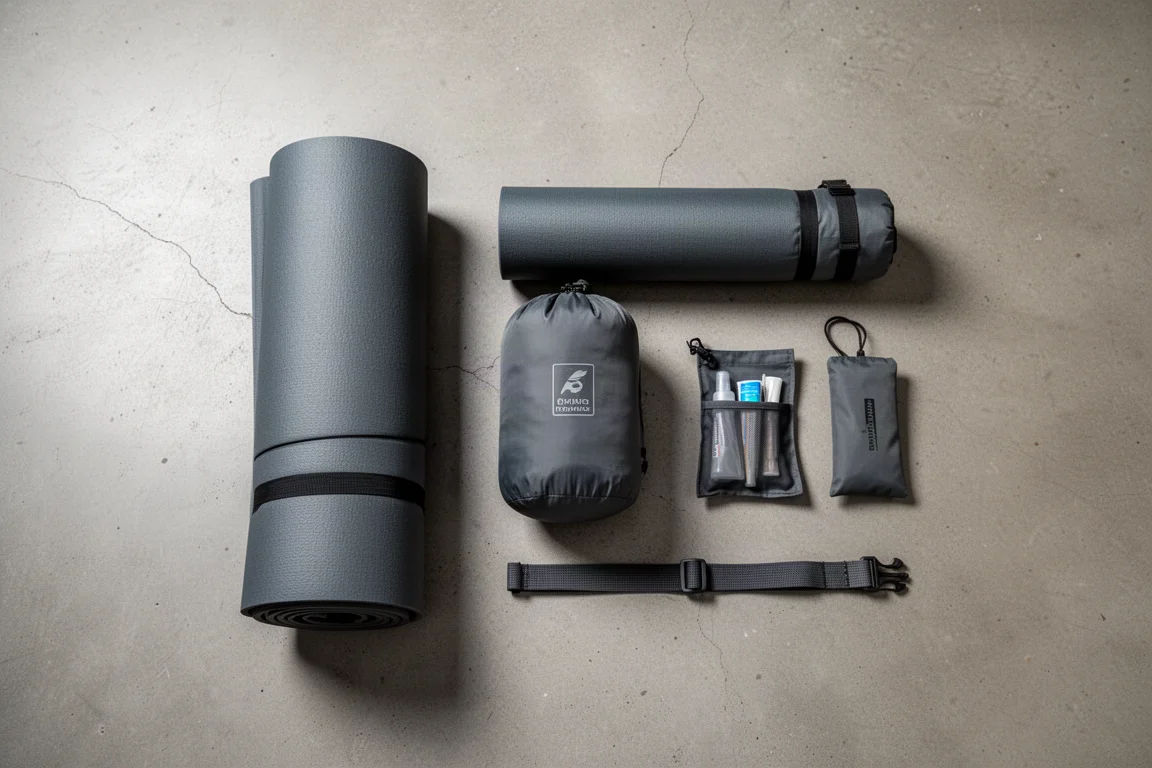
In the box you get the Dreamstar mattress, the storage bag, a repair kit, and a compression strap.
Cold-Weather Performance in Real Use
The Dreamstar has been used across three trips with overnight lows of roughly 38 degrees, 25 degrees, and 19 degrees Fahrenheit. In cool to cold conditions it performed well, stayed warm, and showed no leaking at any point.
On flat ground in a tent, comfort tracks closely with a larger, thicker pad. The real difference comes down to width and length rather than thickness: a 30-inch wide, 79-inch long pad offers more room to spread out, while the Dreamstar is 27.5 inches wide and 78 inches long.

Where thickness does matter is an uneven sleeping surface. In the back of a vehicle with a raised section under the mattress, the extra inch of a thicker pad is felt, and the 3-inch Dreamstar transmits more of that hump. On level tent ground, that concern disappears.
Things to Consider Before Buying
The clearest consideration is inflation. Self-inflation is slow enough to be impractical, so budget for the storage bag pump, an air pump, or lung power. This is the single biggest adjustment coming from pads that inflate on their own within an hour.
Thickness is the second. Three inches is comfortable on flat ground, but on an uneven surface such as a vehicle floor with a hump, a 4-inch pad will feel better.
Size is the third. The compact packed dimensions come from a slightly narrower and shorter body than the largest pads in this category, and side sleepers who roll around a lot may prefer the extra width. Finally, if you want a pump included, that is a separate purchase at the $120 configuration.
Buying Advice
The decision comes down to what you are sleeping on and how much space you have. If you camp in a tent on level ground and want a mattress that stores in a fraction of the space of a full-size pad, the Dreamstar is a strong match: it is light, warm, well built, and easy to live with.
If your sleeping surface is uneven, particularly the cargo area of a vehicle, a thicker pad is the more comfortable choice, and the extra inch is worth the added bulk. Couples who want the same design in a larger format can look at the two-person version at $180.
Whichever way you lean, the practical takeaway is simple: bring a pump or use the storage bag, and let the pad’s packed size and insulation do the rest of the work.
Conclusion
The OneTigris Dreamstar gets the fundamentals right. It is warm for its class at an R rating of 6.3, it sleeps comfortably on flat ground in any position, and it packs down to roughly half the size of the thick mattresses it competes with, all at 4.6 lb. The trade-offs are a slow self-inflation process that makes a pump or the storage bag essential, and a slimmer profile that shows up on uneven surfaces. Match it to level ground and limited storage, and it is an easy recommendation.
Product link
View more details for OneTigris Dreamstar Mattress
This product is mentioned in the review. Check the specifications, options, and compatibility before buying.
View more details for OneTigris Dreamstar MattressFurther reading
Related Reviews
Sleeping Pads
Best Backpacking Sleeping Pads 2026: Nine Pads Rated on Price, Comfort, Warmth, and Weight
Nine backpacking sleeping pads compared on price, comfort, warmth, and weight, from a $65 summer pad to a year-round option rated at R-7.3.
Sleeping Pads
Best Backpacking Sleeping Pads: Comfort, Warmth, and Weight Compared
A practical comparison of the Nemo Quasar 3D, Therm-a-Rest NeoAir XTherm Max, and Big Agnes Rapide SL for backpackers choosing between comfort, warmth, and packed weight.
Sleeping Pads
Best Backpacking Sleeping Pads: Ultralight, Winter, Comfort and Budget Picks
A practical roundup of the sleeping pads that stand out for ultralight weight, winter warmth, pressure relief and value, plus three popular pads that fell short.