Camping Shelters
OneTigris 2-Person Screen Mesh Inner Tent Review: Big Space, Low Weight, Around $60
A fully meshed two-person bug inner with a bathtub floor, three doors, and a large 62 by 80 inch footprint, priced around $60 for tarp campers who want airflow without insects.
Introduction
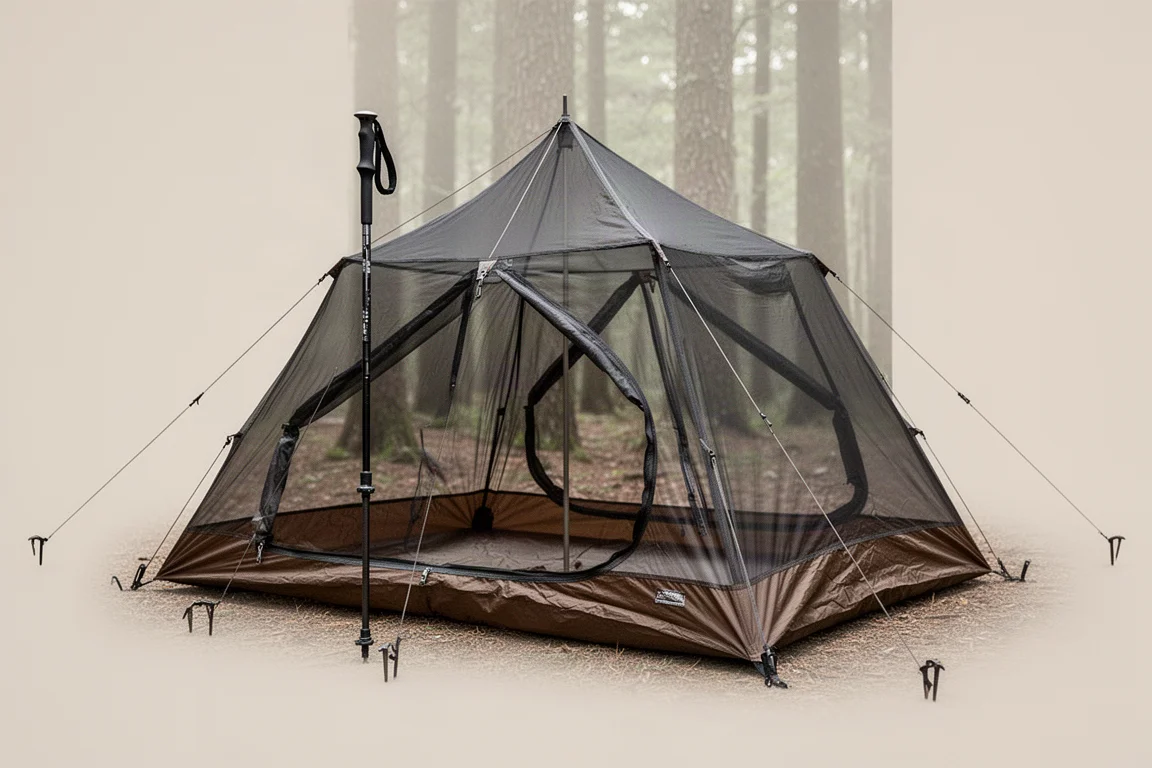
Inner tents rarely get much attention, yet they solve a very specific problem for anyone who sleeps under a tarp: staying separate from ticks, spiders, ants, and mosquitoes without giving up airflow. The OneTigris 2-Person Screen Mesh Inner Tent is built for exactly that job. It is a fully meshed bug inner with a bathtub floor, and it can be pitched on its own, inside a larger tent, or beneath a tarp.
The detail that stands out first is size. The two-person version measures 62 inches wide, 80 inches long, and 50 inches tall, which is generous enough for a sleeping pad plus a backpack kept off the ground. It weighs 2.4 lb with every component, packs down to 12 by 6 inches, and sells for around $60.
This overview covers what the shelter is, how it sets up, what comes in the bag, and where it makes the most sense for tarp campers and hikers.
Who This Inner Tent Is For
This shelter is aimed at campers who sleep under a tarp or a simple open shelter and want reliable insect protection without sealing themselves into a heavy tent. It suits areas with serious tick and mosquito pressure, where a floor and full mesh walls matter more than weatherproof fabric.
It also works well for hikers who want their pack inside the shelter overnight rather than on the ground. The 80 inch length and 62 inch width leave room for a pad, a quilt, and gear alongside.
It is not a replacement for a storm-worthy tent on its own. The body is mesh, so rain protection comes from whatever you pitch above it.
Main Strengths: Space, Airflow, and Bug Protection
Space is the defining strength. With 50 inches of headroom and a footprint that comfortably fits two, the interior feels closer to a small tent than a typical bug net. Trekking poles at full extension reach the apex, which tells you how much vertical room the design offers.
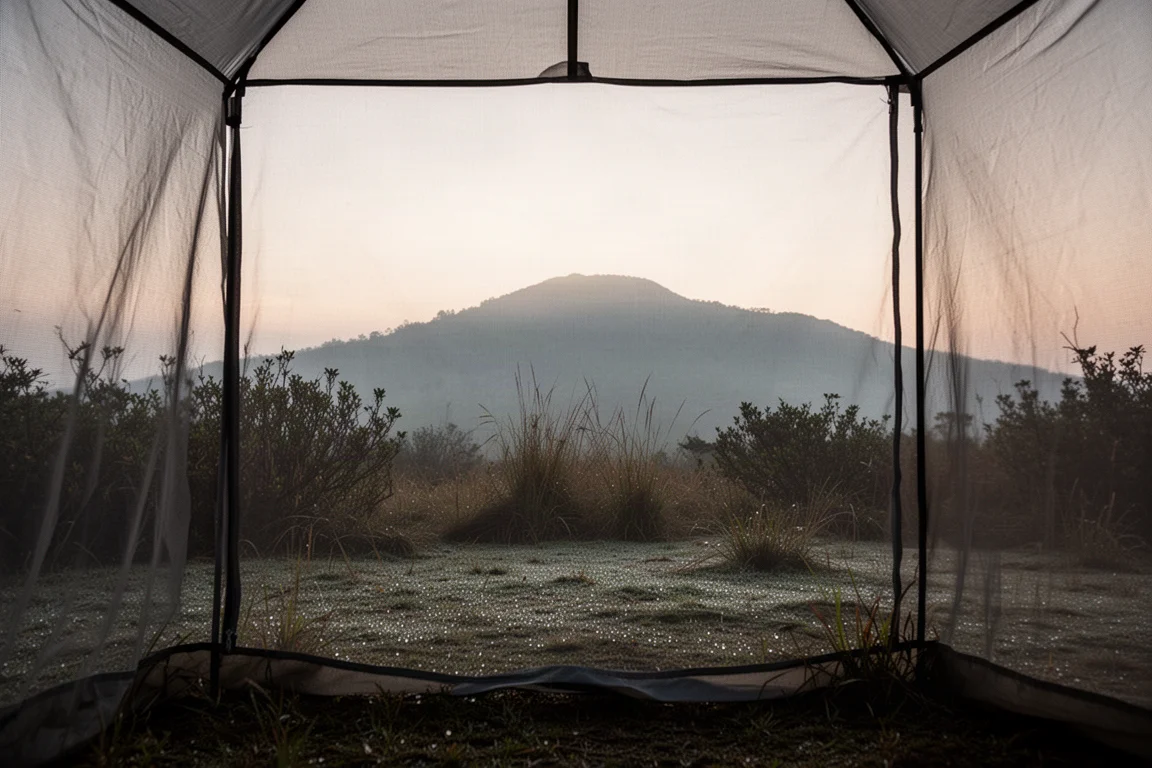
Ventilation is the second strength. The upper body is entirely mesh, so air moves freely while the bathtub floor keeps ground moisture and crawling insects out. Every seam is taped, and the floor carries a claimed 3,000 mm hydrostatic head rating.

Three doors make the layout practical. The large front door and the two side doors each run on two zippers, and each mesh panel can be tied up and stored out of the way when you want an open view.
Setup, Included Components, and Materials
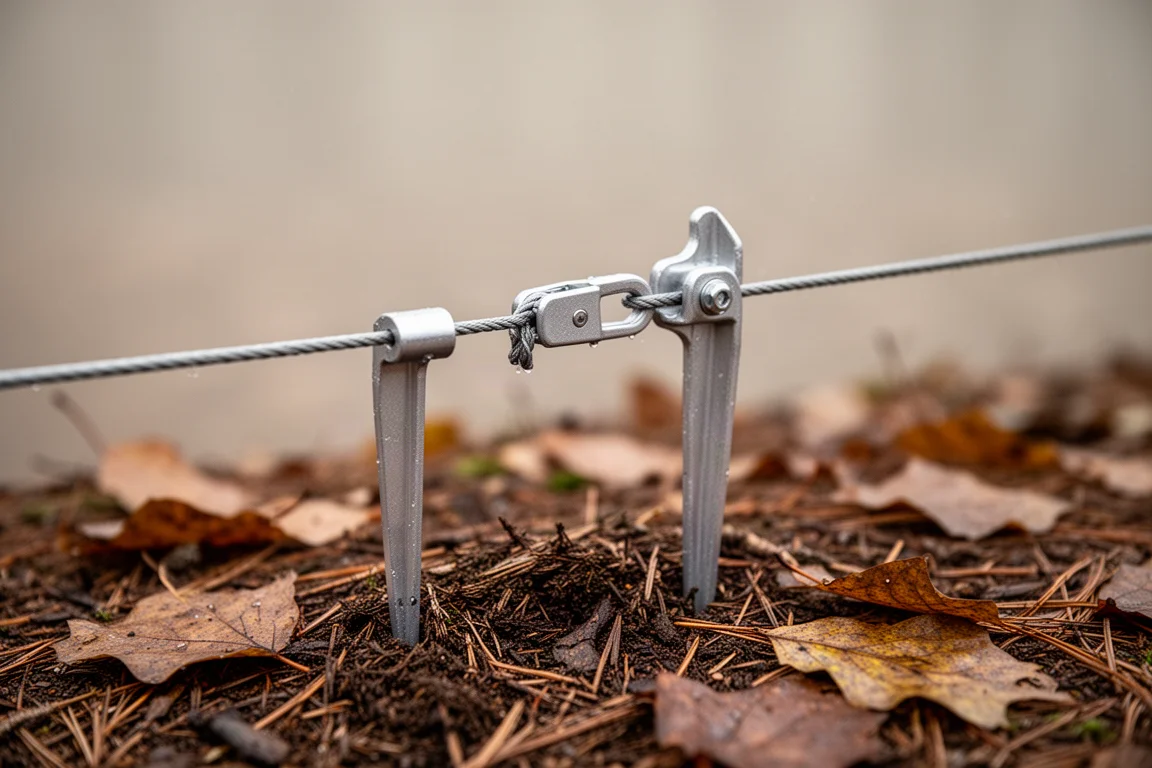
The kit arrives with a storage bag, six tent stakes, four 6.5 ft guy lines with adjusters, and two spare shock cords. No poles are included, so you supply trekking poles, cut sticks, or trees. Setup is straightforward: stake the corners, raise the apex, then tension the shelter.
Tensioning is where this design goes a step further than most inners. Each corner has two adjustment points, one at the bottom and one a few inches above, so you can pull the structure tight rather than settling for the loose pitch that mesh shelters often have. Three external connection points, each fitted with shock cord, add further anchoring options.
Materials are 70D nylon, nylon mesh, and SBS zippers that run smoothly. The shelter is offered in brown only and has no internal pockets.
Things to Consider Before Buying
The main consideration is coverage. The two-person version is large, so a small tarp will not do. Plan on a tarp at least 10 ft wide, and wider is safer, because each side runs roughly 5 ft from the top of the shelter down to the ground and the length exceeds 6 ft.
A few other points are worth knowing before ordering:
- The side doors are partly blocked by whatever supports the shelter. Longer poles angled outward, or tying out to nearby trees with a long line, restores full access.
- There are no internal pockets, so small items stay in your pack or a stuff sack.
- The storage bag carries no label, which makes multiple bags from the same brand hard to tell apart.
- The mesh body needs a tarp overhead for rain, so factor that into the total weight and cost.
Shelter Pairing and Tarp Sizing
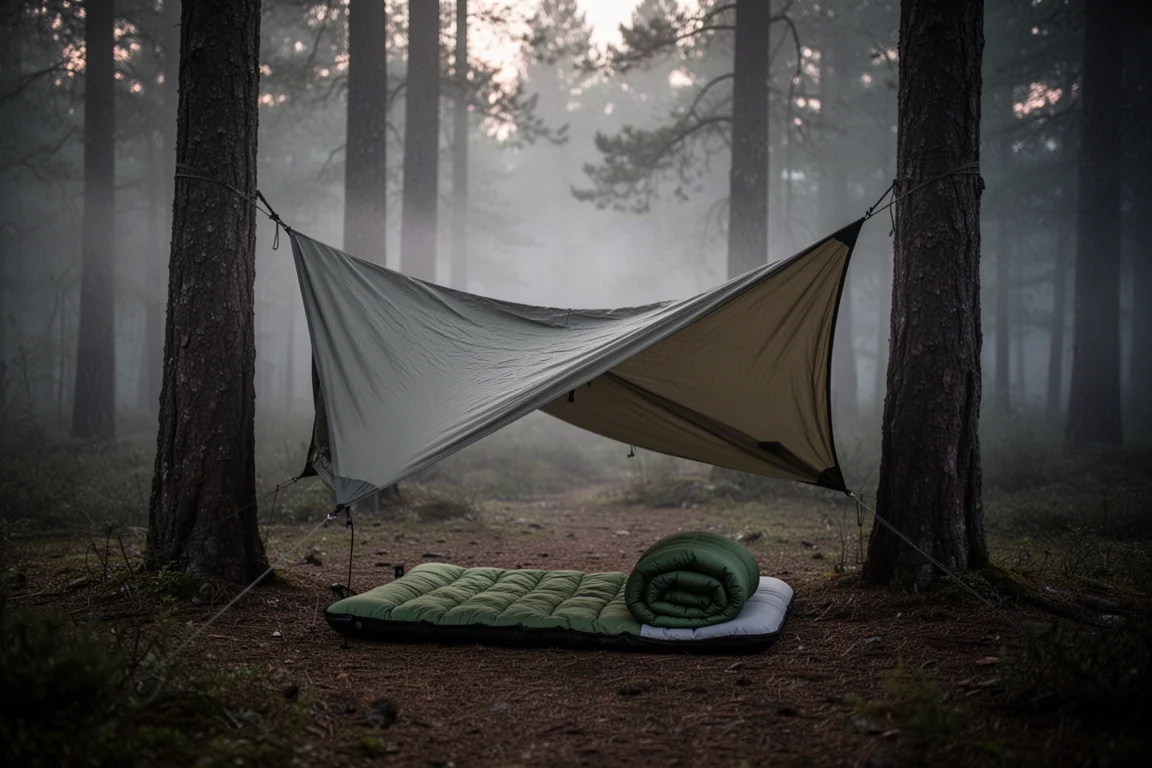
Because the shelter is designed to work under cover, pairing it with a tarp is the natural setup, whether that is an A-frame, a lean-to, or a flat pitch. It can also be used with the RoC Shield tent, and it works on its own in dry, mild conditions.
For tarp sizing, start at 10 ft wide and go larger if you want generous overhang on both sides. A longer tarp also helps if you plan to keep gear inside the shelter, since the footprint runs over 6 ft front to back. Campers who only need solo coverage should look at the one-person version, which shares the same design approach in a smaller footprint.
Buying Advice
At around $60, this inner tent is priced fairly for what it delivers: a large two-person footprint, taped seams, quality zippers, tensioning hardware at every corner, and stakes and guy lines included. Comparable inners often cost more while offering less interior room.
Buy the two-person version if you want space for two sleepers, or one person plus a full pack, and if you already carry a tarp wide enough to cover it.
Choose the one-person version instead if you travel light, use a smaller tarp, or camp alone. Either way, this is a sensible purchase for anyone whose main worry is insects rather than weather.
Conclusion
The OneTigris 2-Person Screen Mesh Inner Tent does one job well: it creates a roomy, well-ventilated, fully enclosed sleeping space that keeps crawling and flying insects out while you sleep under a tarp. Its size is both its appeal and its main constraint, since it needs a large tarp to be fully covered.
For campers in tick and mosquito heavy country who want airflow and floor protection at a modest price, it is an easy recommendation.
Product link
View more details for OneTigris 2-Person Screen Mesh Inner Tent
This product is mentioned in the review. Check the specifications, options, and compatibility before buying.
View more details for OneTigris 2-Person Screen Mesh Inner TentFurther reading
Related Reviews
Camping Shelters
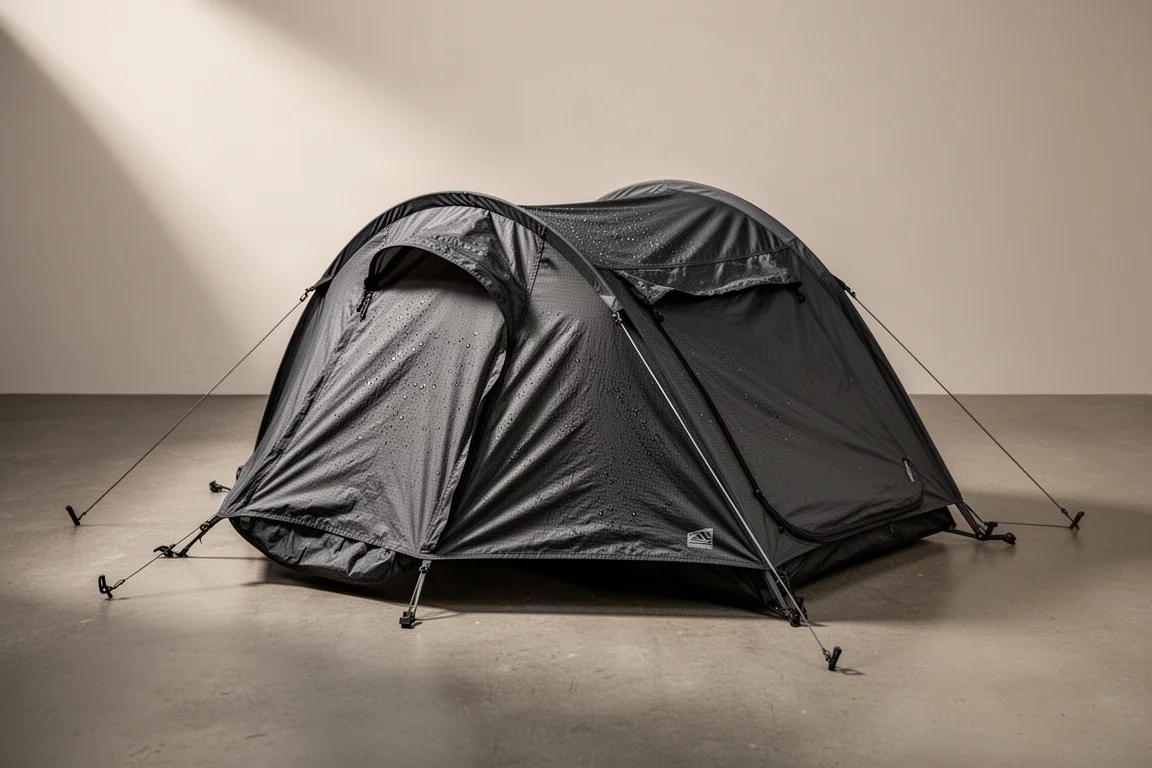
Alps Mountaineering Stealth 1 Bivy Review: A Waterproof Claim That Does Not Hold Up
The Alps Mountaineering Stealth 1 Bivy carries a 2,000 mm hydrostatic head rating and a waterproof claim, but sustained rain exposure and build quality concerns make it difficult to recommend.
Camping Shelters
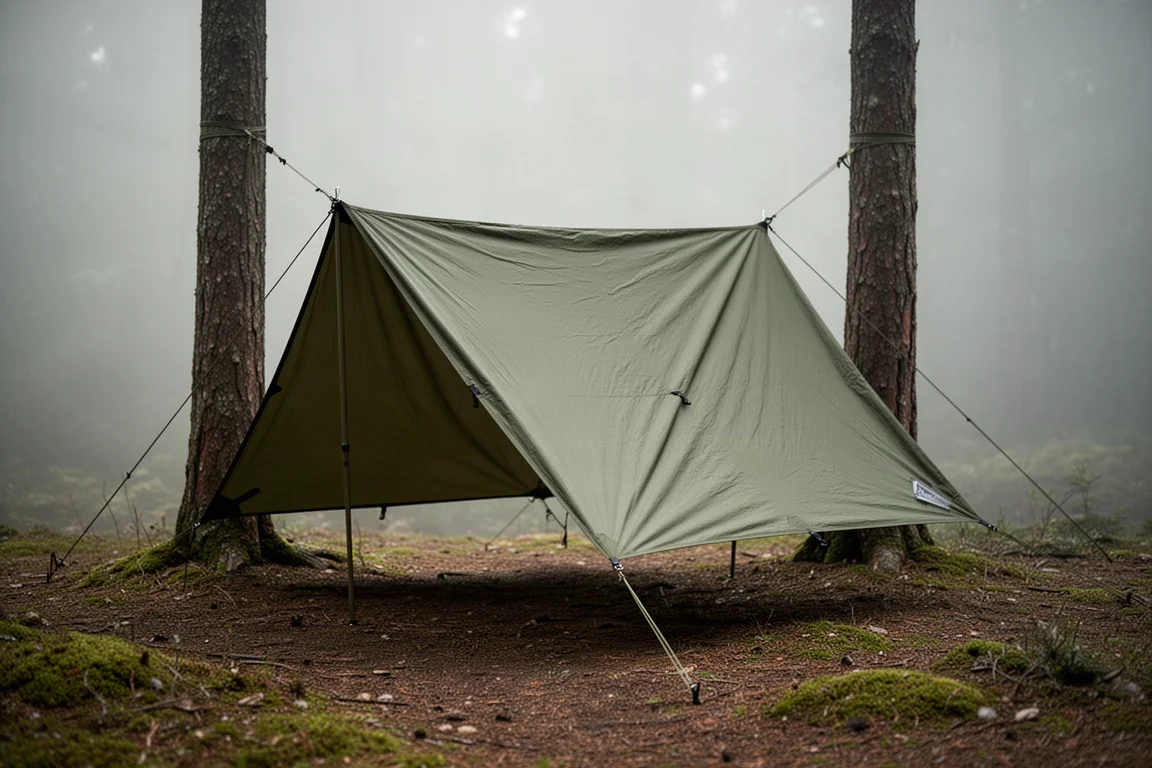
AquaQuest Safari Hybrid 20 ft x 13 ft Tarp Review: Two Years Under a Very Large Roof
A long-term look at the AquaQuest Safari Hybrid 20 x 13 tarp, covering build quality, weather protection, setup realities, and who should buy one.
Camping Shelters
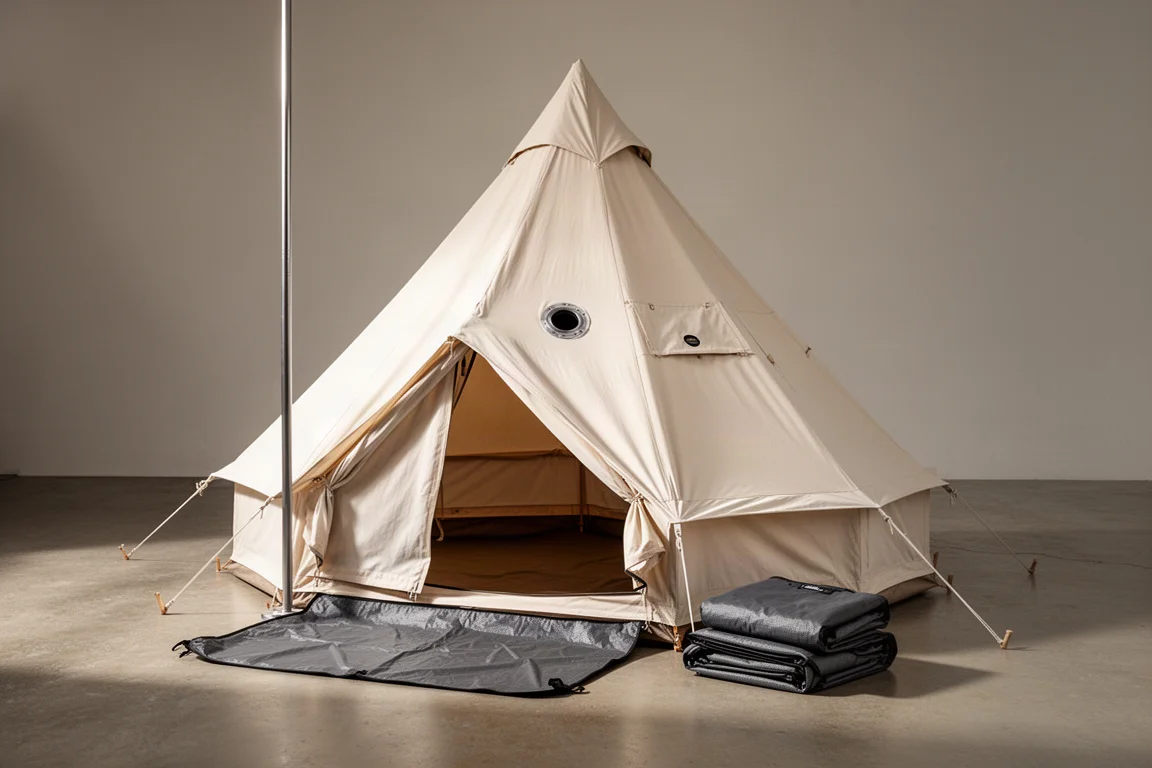
Backcountry Light Mesa 3 Hot Tent and Floor SL Tarp Review
A practical look at the Backcountry Light Mesa 3 four-season hot tent and its optional Floor SL Tarp, covering materials, stove jack design, packed weight, pricing, and the trade-offs to weigh before buying.