Camera Reviews
OM System OM-1 Mark II Review: A Bird Photography Kit Worth a Close Look
Hands-on impressions of the OM System OM-1 Mark II with the 150-600mm and 300mm lenses for bird and wildlife photography.
Introduction
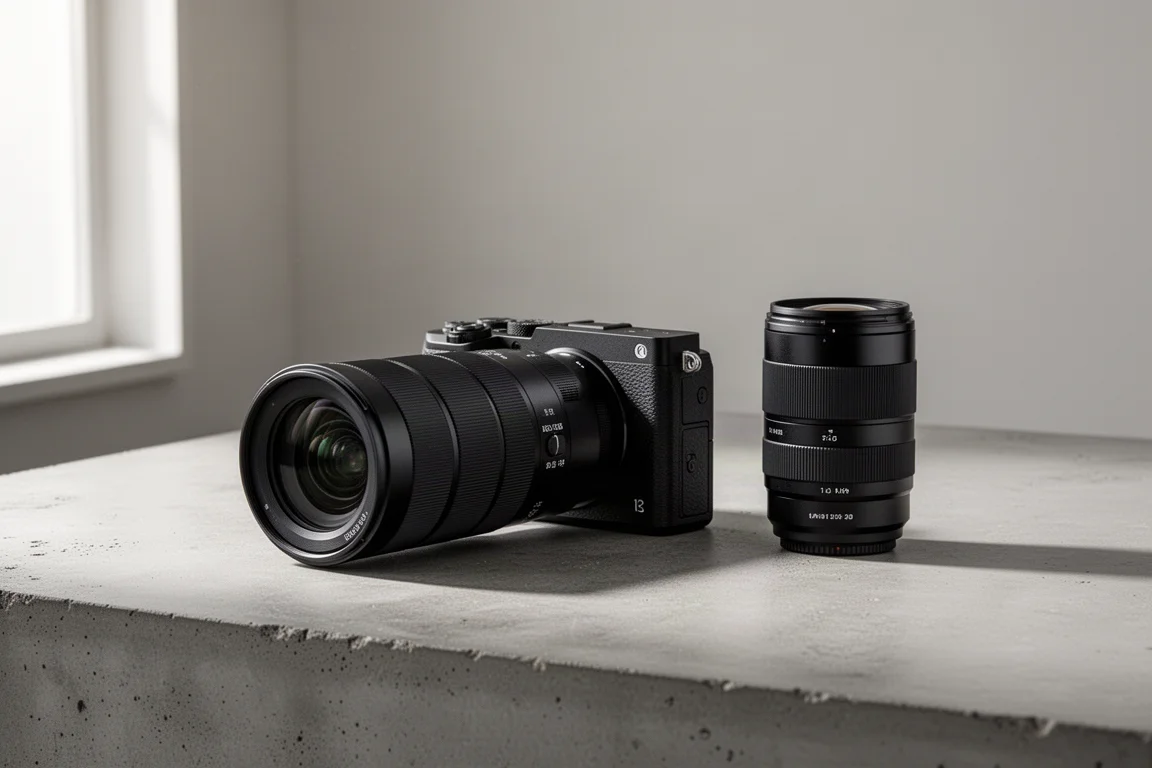
The OM System OM-1 Mark II is a micro four thirds mirrorless camera aimed squarely at wildlife and bird photographers, and pairing it with the 150-600mm lens makes for one of the more interesting long-reach setups available. Having previously enjoyed the original OM-1, including time with the very sharp 300mm lens and the 150-400mm Pro, this updated body and the 150-600mm combination promised even more reach for small, distant subjects. This review covers what the Mark II improves, what micro four thirds means in practice, and how the kit performed across backyard birds, mammals, and a local nature center.
What’s New in the OM-1 Mark II
The upgrades from the original OM-1 center on autofocus. Bird eye autofocus is designed to lock onto a bird’s eye rather than its body or the background, which matters enormously when your subject is constantly moving. In use, it did a good job keeping eyes sharp, and the occasional miss is the kind of thing you run into with any camera system.
Pro Capture has also been enhanced. You can hold the shutter halfway and the camera buffers frames before you fully press, so you don’t miss fast action like a bird taking off. Expect a lot of extra files, but that is the trade-off for not missing the moment. The buffer size has been doubled, sequential shooting is blackout free, and focus stacking is on board as well. Image stabilization is another strong point: the view can look shaky, then smooth out noticeably once the shutter is half-pressed.
Micro Four Thirds: Benefits and Drawbacks
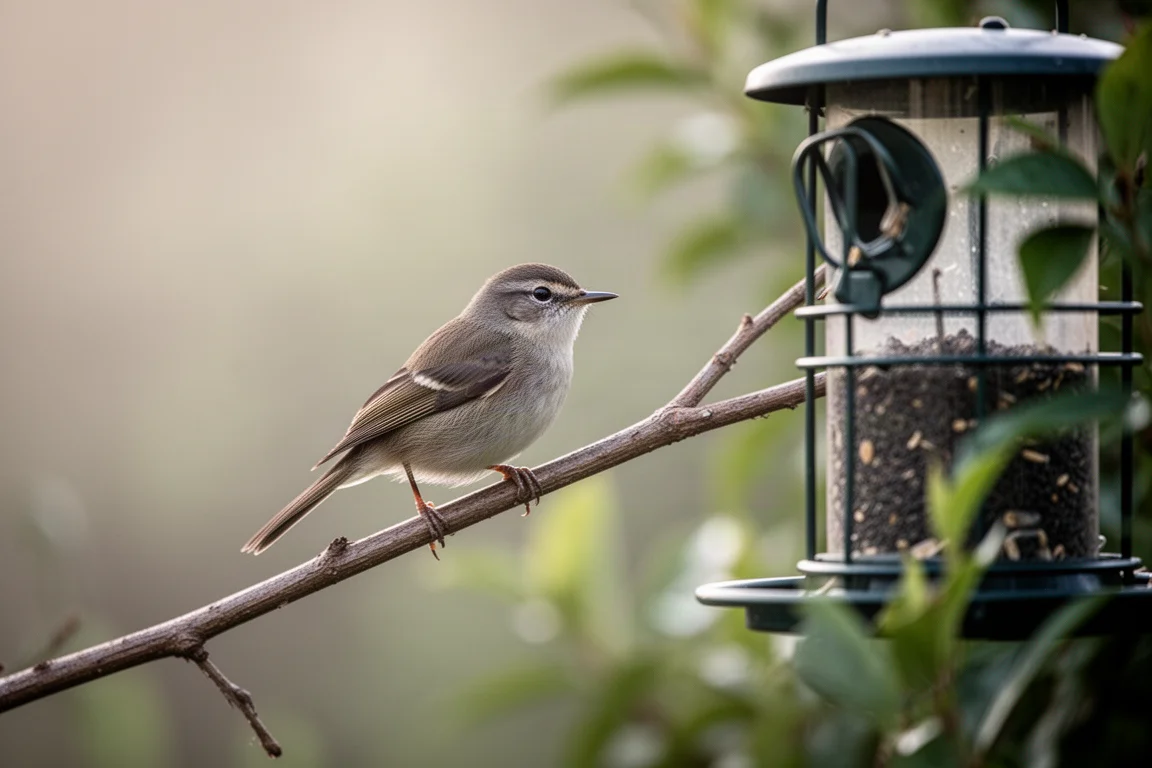
The 2x crop factor is easy to forget and completely changes the math. The 150-600mm lens effectively behaves like a 300-1200mm lens, which is exactly why it suits small birds. Even at 600mm it can feel like more reach would help, but the effective 1200mm end covers a lot of situations.
The benefits of micro four thirds are real. The gear is compact and lightweight compared to full frame equivalents, making it a genuinely travel-friendly setup. There is a huge lens ecosystem, and cross-compatibility means you can mount lenses from other micro four thirds brands such as Panasonic. Image quality and video quality are both strong despite the smaller sensor.

The drawbacks follow from that same smaller sensor. Low light performance is weaker than full frame, so grain can appear when the light fades. Depth of field is deeper, so background blur takes more effort, though it is achievable. There are fewer megapixels to crop into, so heavy cropping can look soft, and the smaller batteries mean shorter battery life.
OM System 150-600mm Lens
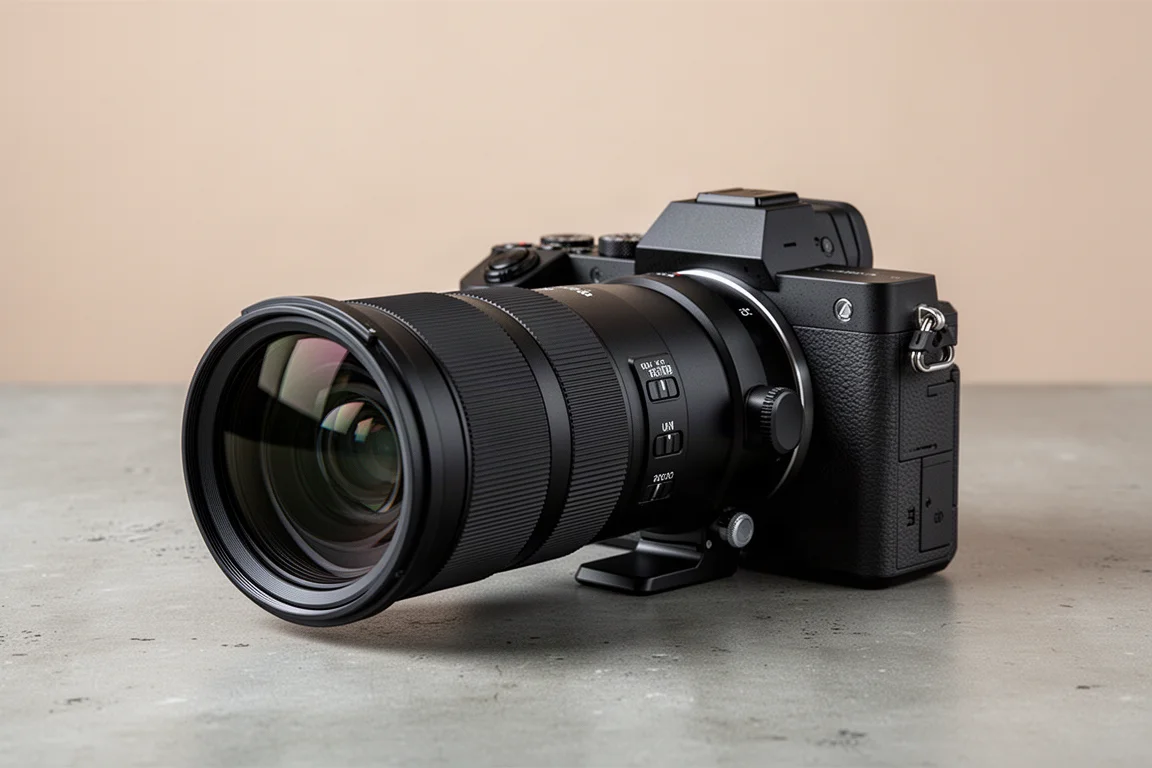
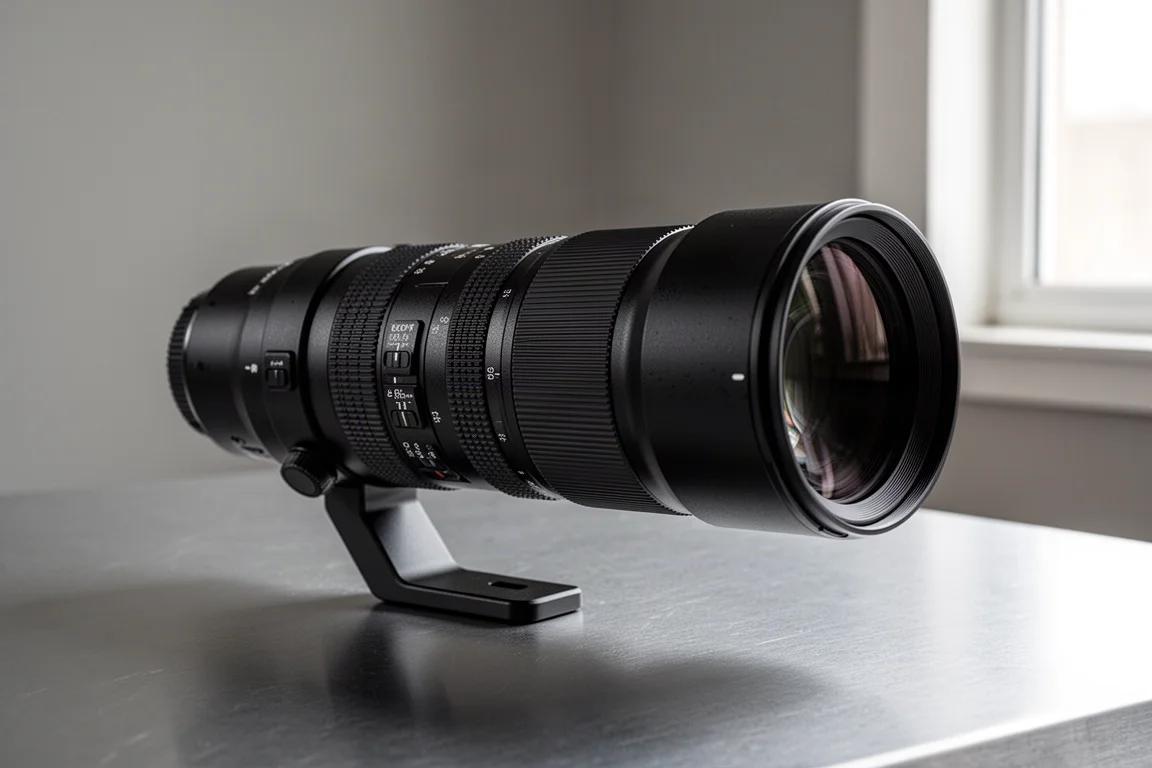
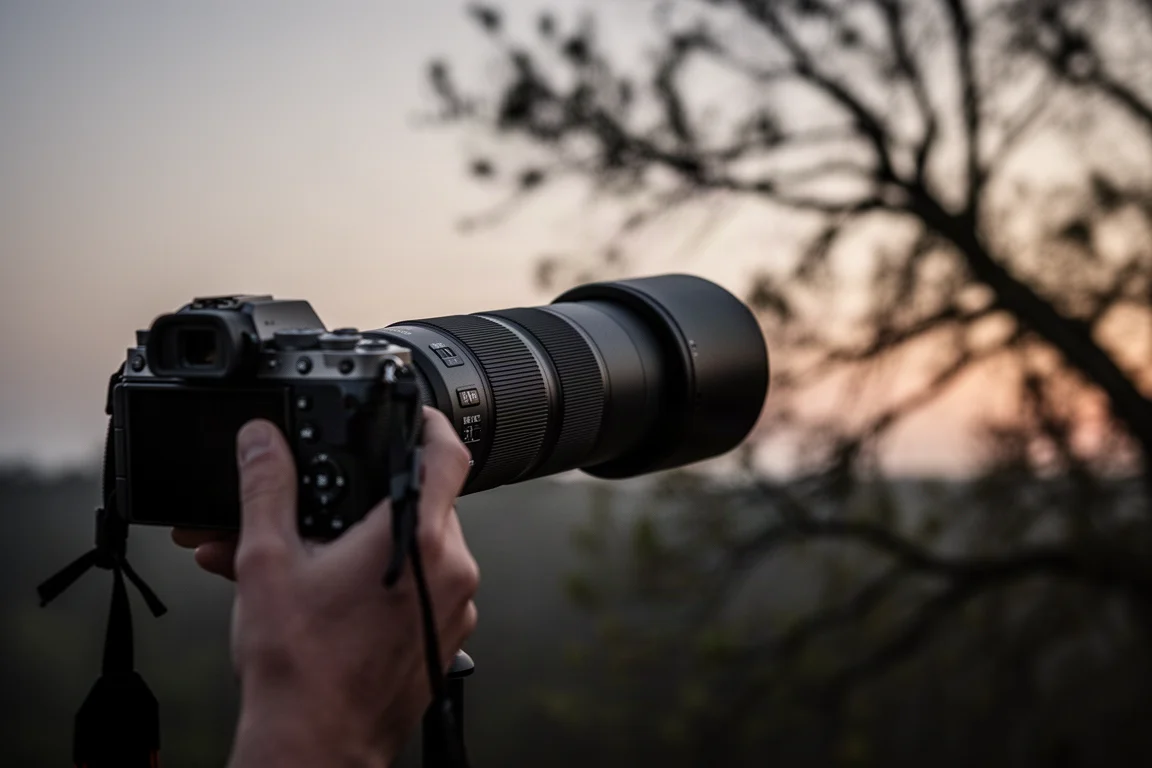
The 150-600mm is the reason this kit reaches so far, and it delivered crisp, sharp images of robins, ground squirrels, chipmunks, cardinals, Baltimore orioles, and common grackles. The zoom mechanism takes a bit of force to move in and out, though the tension appears adjustable so it can be set tighter or looser to taste. The main caveat is weight: it is a little heavy for a system otherwise known for being light and travel-ready.
If the weight is too much and you can get closer to your subjects, the 300mm is the lighter alternative worth considering.
OM System 300mm Lens
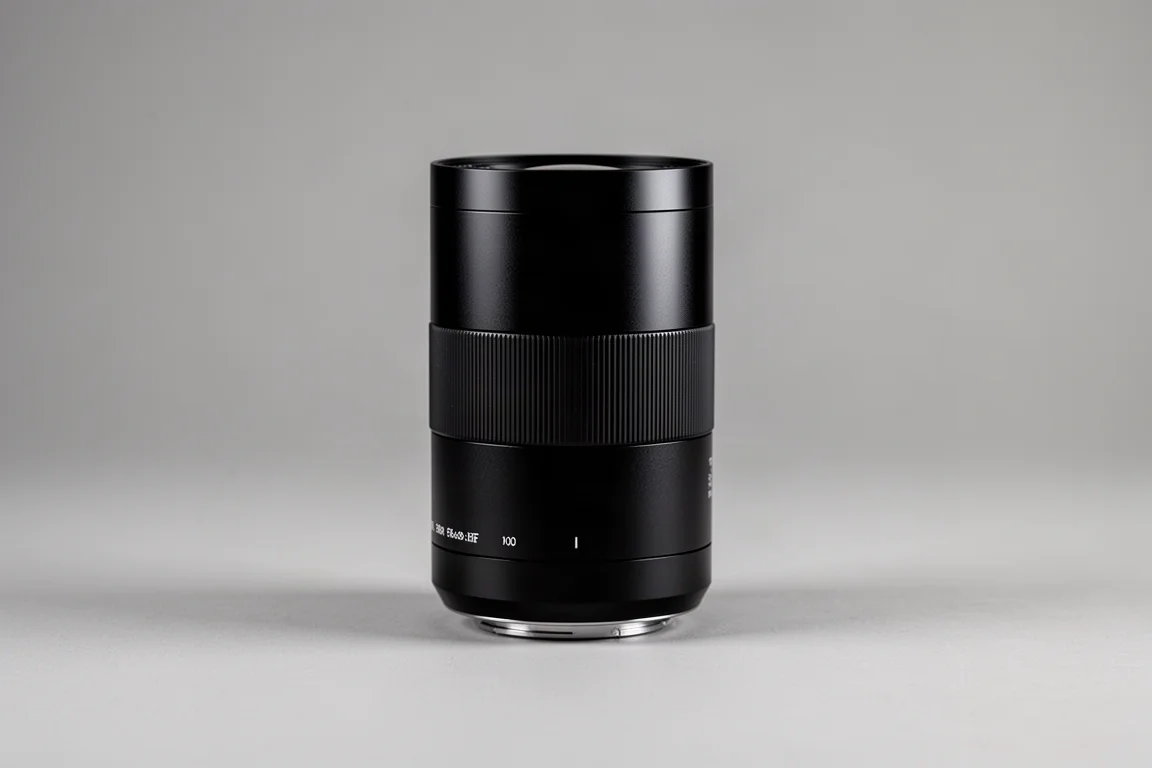
The 300mm from OM System is described as super crisp and really light, and it was one of the sharpest lenses used with the original OM-1. It suits photographers who can get closer to their subjects and want to keep the kit light. It gives up some reach compared to the 150-600mm, so it works best when distance is not a problem.
Shooting in Lower Light
Low light was the main drawback across the whole test. Conditions stayed less than ideal for most of the shooting, so ISO climbed and some grain showed up in the images, even though the camera performed reasonably well at high ISO. Practical fixes include shooting in better light, slowing the shutter speed to bring ISO down, and moving closer to subjects ethically so you don’t need the extreme end of the zoom range.

Final Impressions
Overall, the OM-1 Mark II with the 150-600mm was a genuinely fun kit to shoot with. The bird eye autofocus did a good job, image stabilization proved excellent, and the crispness of the images held up across birds and small mammals. Low light remains the known limitation of the system, best managed with good lighting habits. If the 150-600mm feels too heavy, the 300mm makes an excellent lighter companion for closer-range work. All sample images in this test were shot in unedited JPEG straight out of camera, with cropping only.
Conclusion
For bird photographers who value reach without full frame weight, the OM System OM-1 Mark II paired with the 150-600mm lens is a compelling package, and the 300mm is a smart alternative when you can get close. Just plan your shoots around good light and the system rewards you.
Further reading
Related Reviews
Camera Reviews
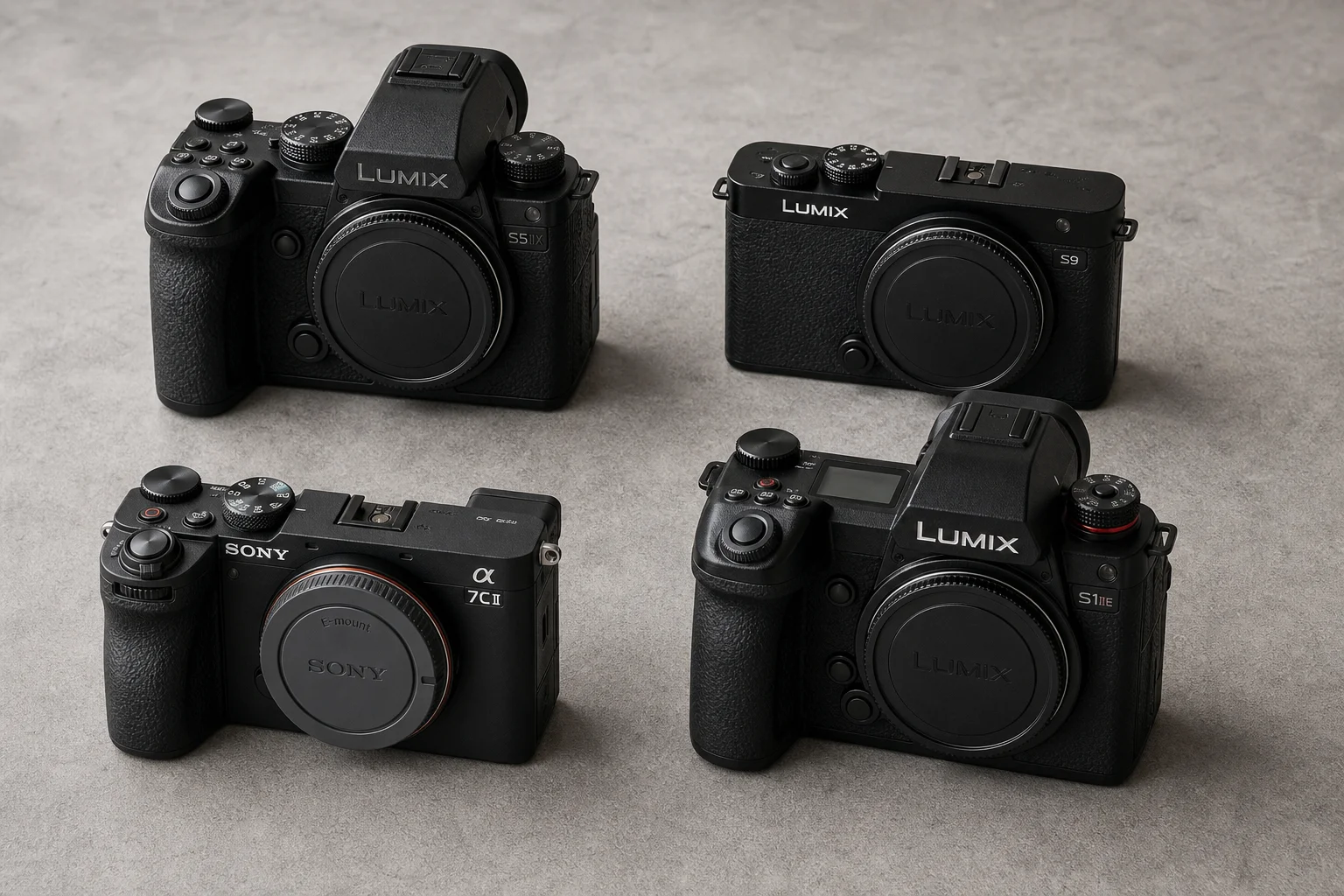
Best Budget Full-Frame Cameras for Video: Four Strong Options Compared
Four full-frame cameras that deliver excellent video capabilities without premium pricing. Lumix leads with unique features, while Sony offers strong autofocus for hybrid shooters.
Camera Reviews
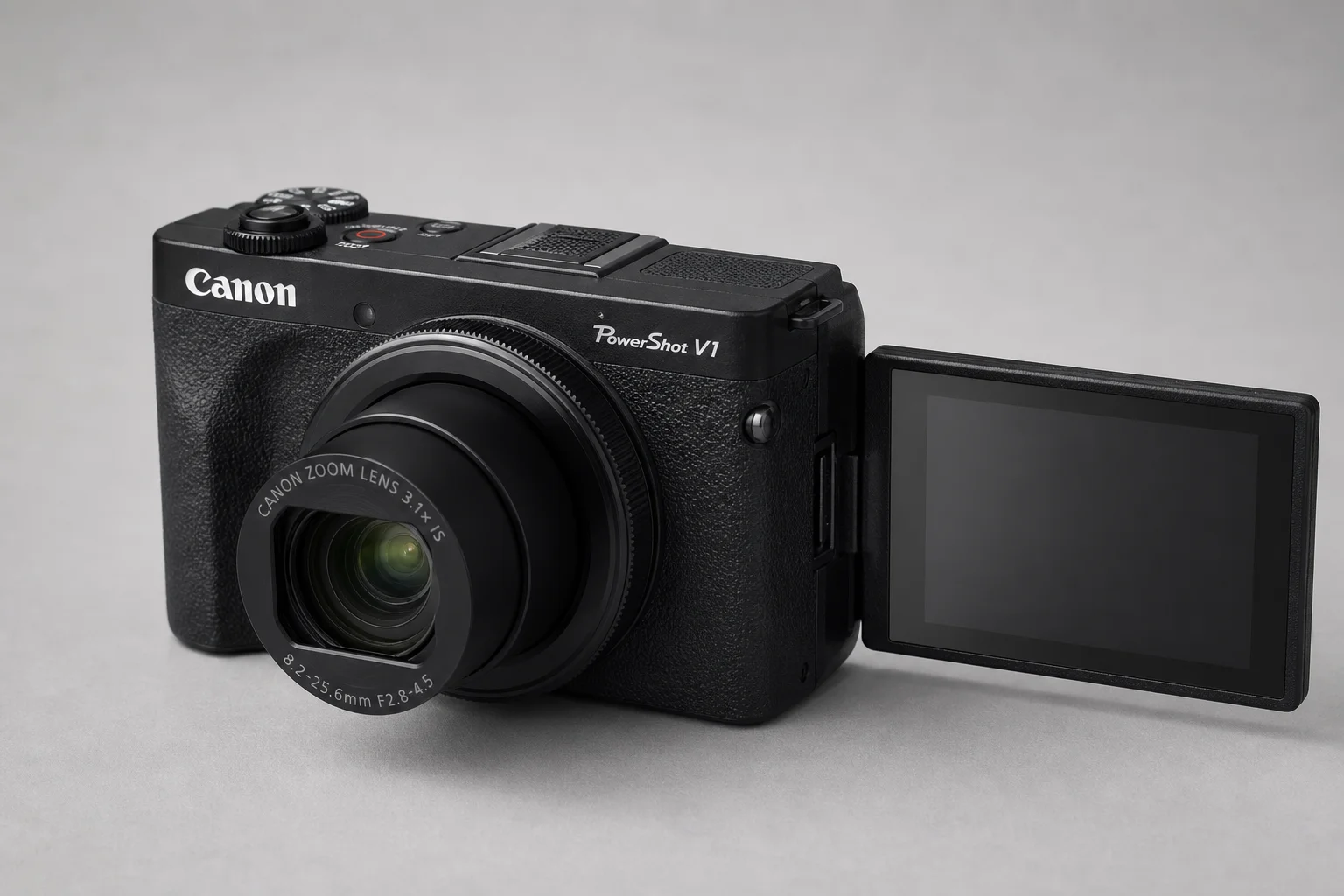
Canon PowerShot V1 Review: A Serious Vlogging Camera with Real Trade-offs
The Canon PowerShot V1 brings a larger sensor and optical stabilization to compact vlogging, but size, battery life, and dynamic range limitations deserve careful consideration.
Camera Reviews
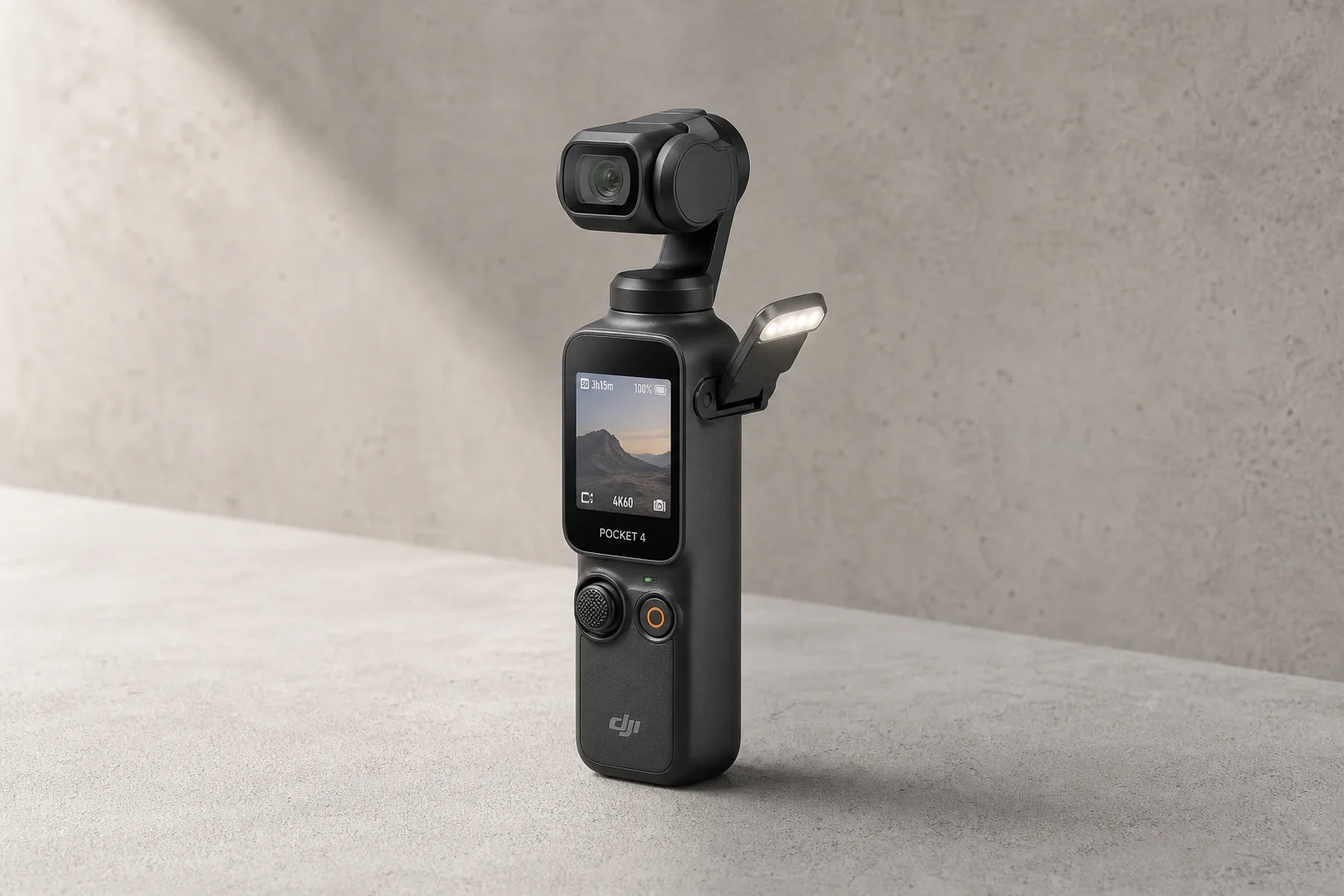
DJI Pocket 4 Review: Compact Gimbal Camera with 1-Inch Sensor and Fill Light
The DJI Pocket 4 brings a 37-megapixel 1-inch sensor, built-in fill light, 4K 240fps video, and 107GB internal storage to a single-handed stabilised camera. A detailed look at what's new and what remains unchanged.