EDC Flashlights
Olight Black Friday Upgrades: Baton 4, Baton 3, and i3T 2 Compared
Three compact Olight EDC flashlights, two of them freshly upgraded, with clear trade-offs to weigh before buying.
Introduction
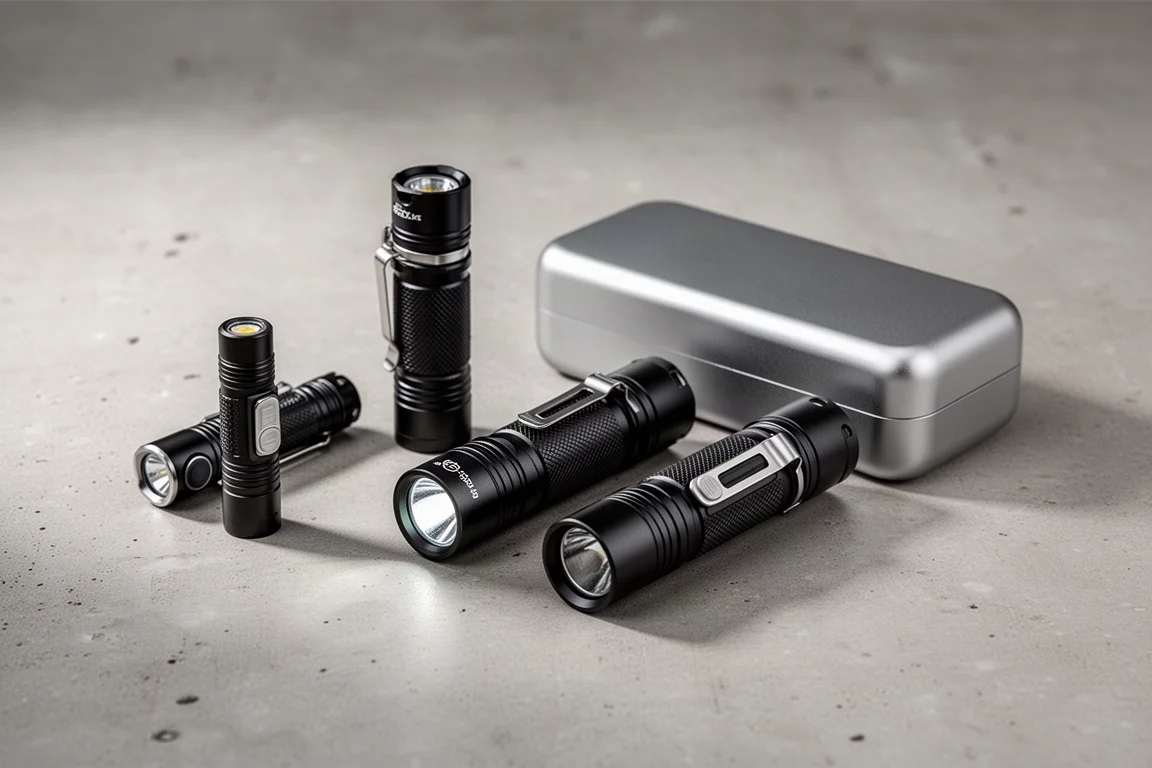
Olight refreshed two of its most popular compact flashlights, and the timing matters if you are shopping the sale season. The i3T 2 and Baton 4 both arrive with real changes, while the Baton 3 remains a capable option that is now noticeably cheaper to live with. This guide breaks down what actually changed, what matters, and which one fits how you carry a light.
Olight i3T 2: Same Price, Big Improvements
The i3T 2 is the easiest recommendation here. At the same price as the previous generation, essentially everything has been upgraded. The pocket clip is now integrated underneath the collar for a stronger hold, and the metal is slightly thicker. The light is now compatible with 10440 lithium batteries, delivering roughly a 50 percent output increase over its standard cell, and it includes low voltage protection so the battery is not drained into an unsafe state. Earlier models overclocked with these cells had no such protection and could effectively be damaged by deep discharge.
Out of the box on a standard AAA battery, the i3T 2 runs 200 lumens on high, 20 lumens more than the original, and holds that output for 7 minutes before stepping down, versus 5 minutes at 180 lumens on the older model. On the 5-lumen low mode, runtime improves by a full 5 hours. There is also a genuinely useful new feature: programmable mode memory. The light still defaults to low first, but you can set it to turn on in high every time if that suits your use.
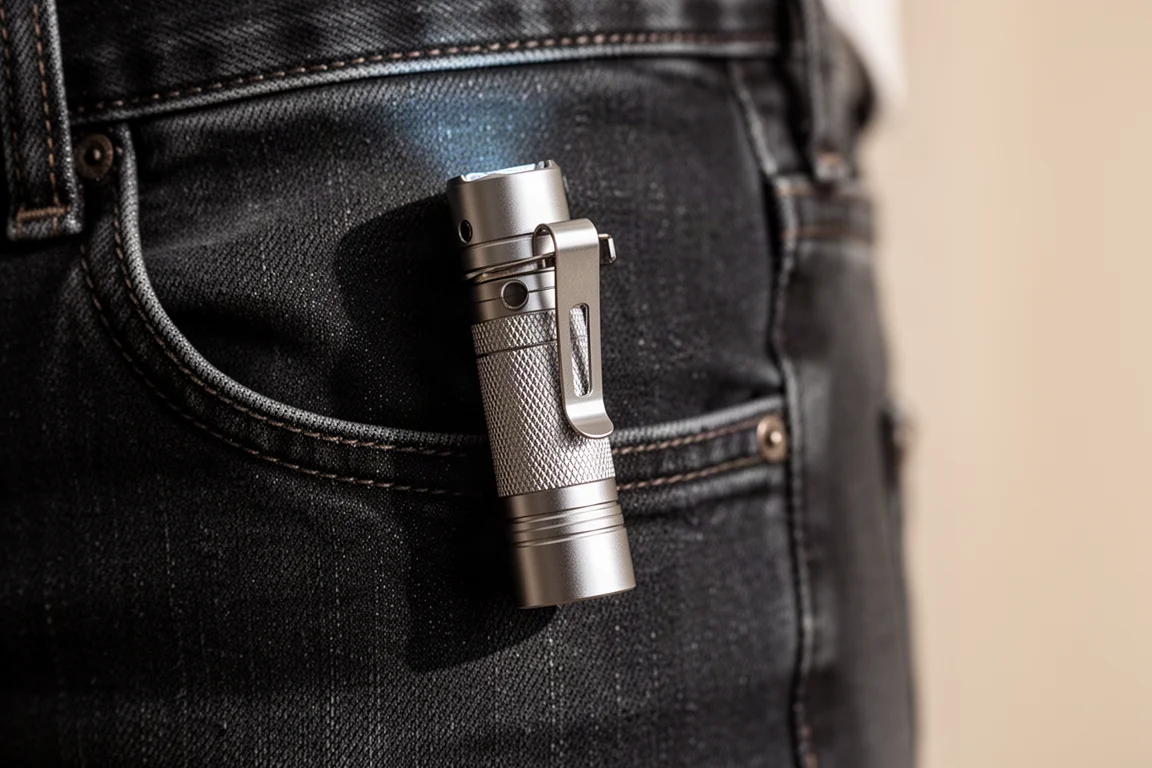
At around $16 on sale, this is the most straightforward value in the lineup. If you do not already own one, it is an easy call.
Olight Baton 4: What Changed on the Light Itself
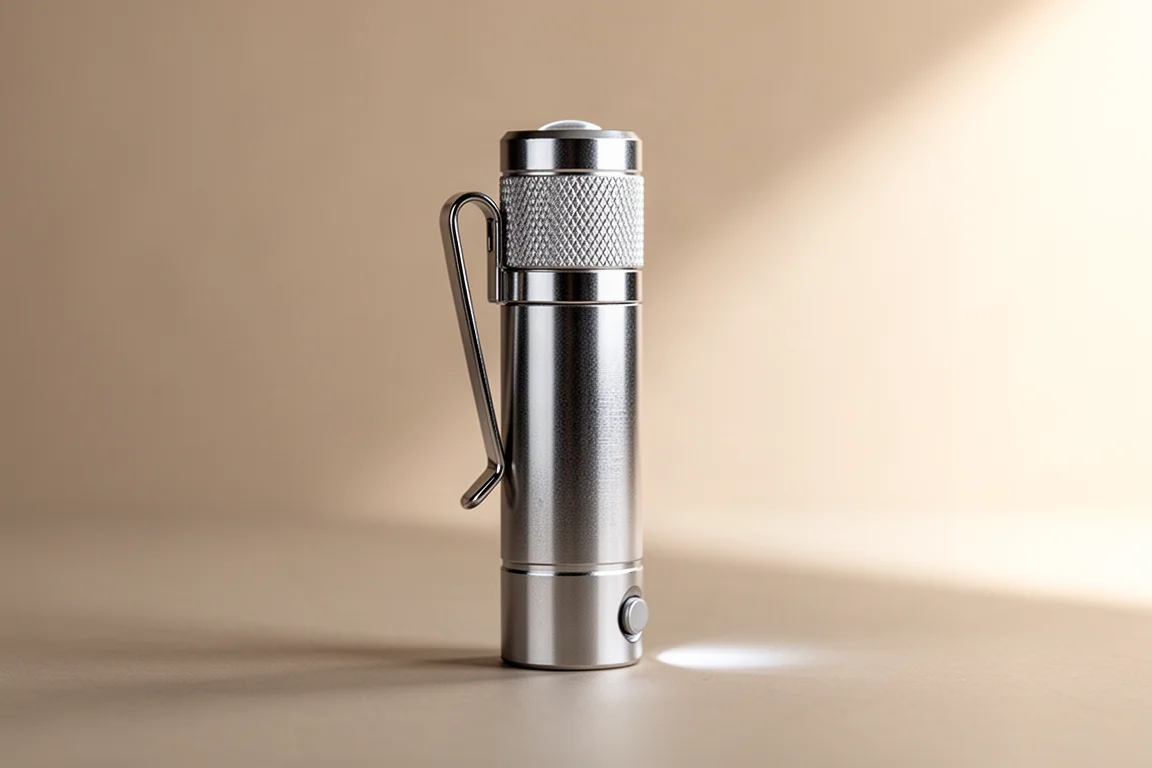
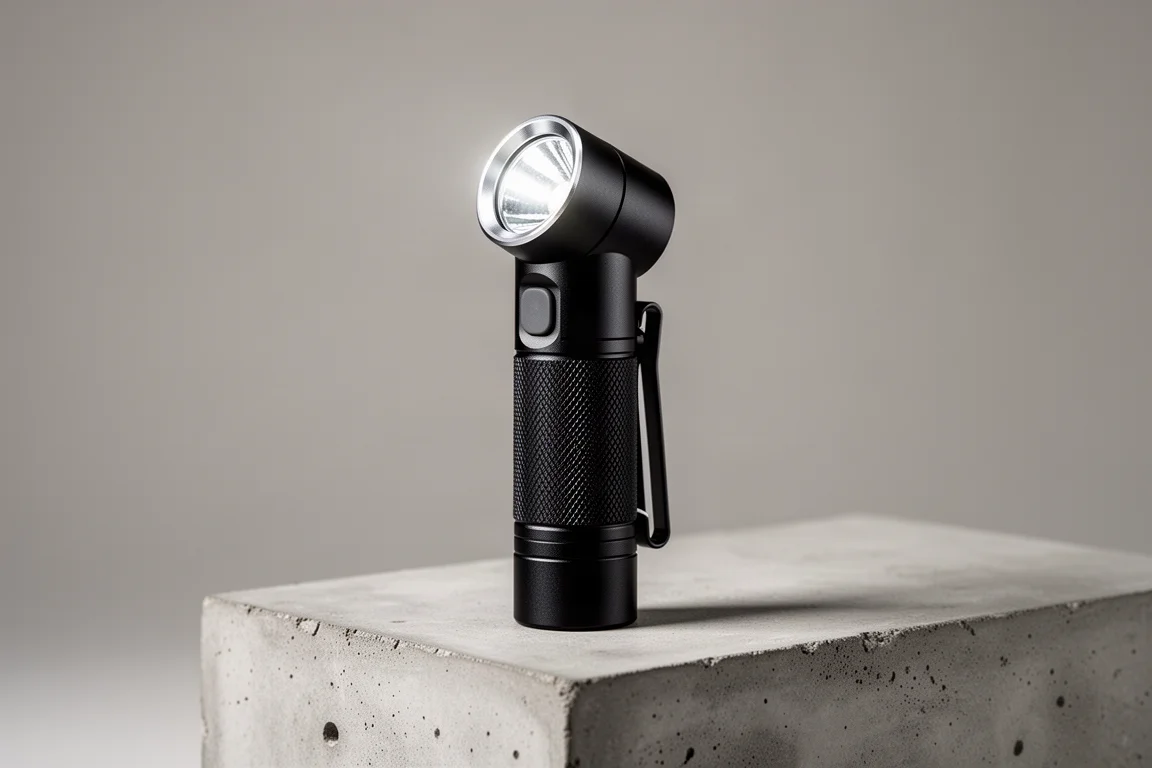
The Baton 4 brings quality-of-life refinements rather than a dramatic overhaul. The side button is now metal instead of rubberized, and it sits completely flush with the body, making accidental activation even harder than before. Output rises slightly from 1,200 to 1,300 lumens, which you are unlikely to notice in practice, but the improvement costs nothing elsewhere: turbo still drops down due to heat after about 3 minutes, and overall runtime is actually higher than the Baton 3.
Moonlight mode is another quiet win, extending from roughly 12 days to 20 days of runtime. Most people will not need that, but it costs nothing. The bigger behavioral change is on the sustained high mode: the Baton 3 settles at 300 lumens, while the Baton 4 starts around 600 lumens and then drops to 300 after roughly 20 minutes. That is a difference you may like or dislike, so it is worth knowing before you buy.
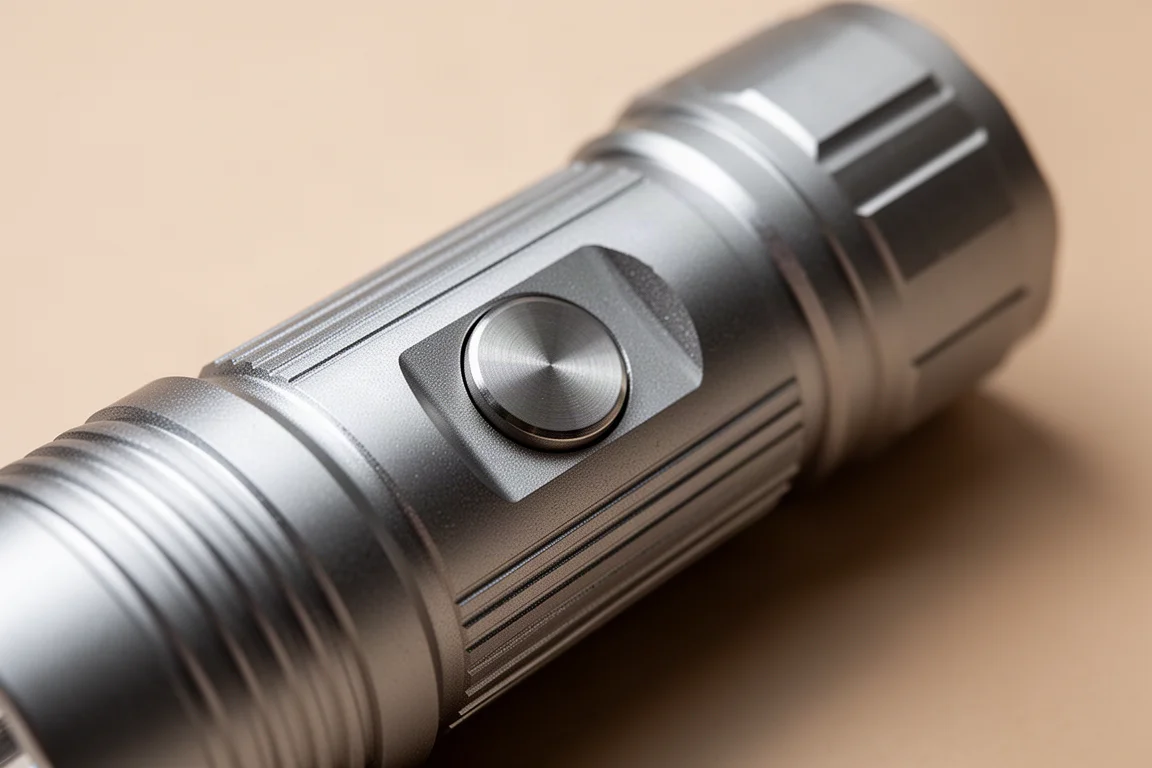
On the light alone, the Baton 3 remains a fantastic flashlight. If you already own one and do not plan to buy the charging case, the case for upgrading gets much weaker.
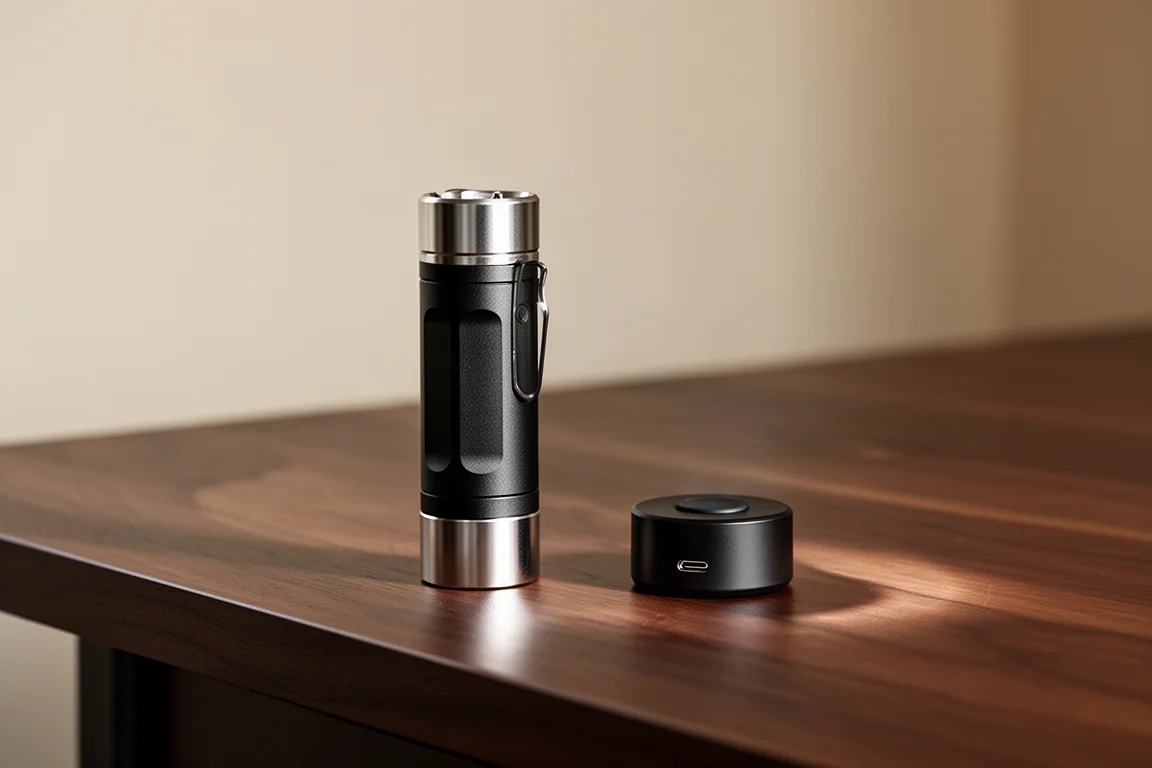
The Charging Case: The Real Reason to Upgrade
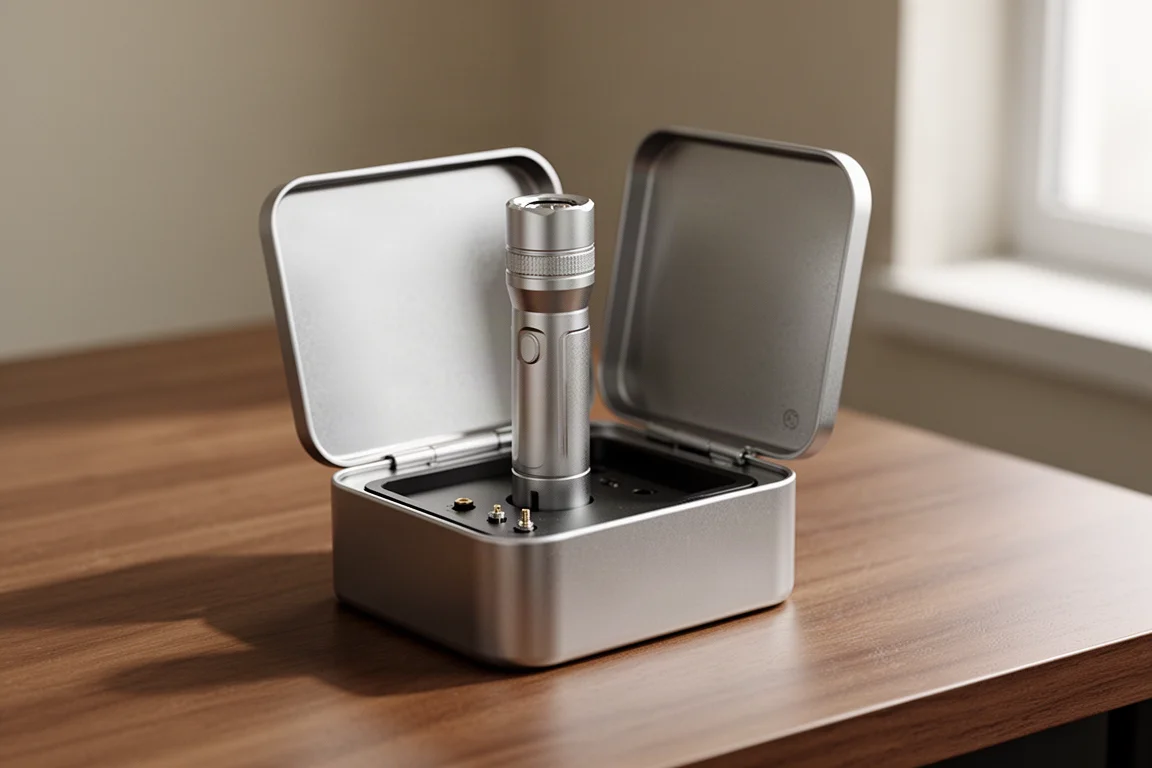
The new charging case is where the Baton 4 package earns its upgrade argument. The original case held a 3,500 mAh 18650; the new one steps up to a 5,000 mAh 21700 battery that can recharge the flashlight five times, which Olight claims adds up to about 190 days of total Moonlight runtime. That number is more flex than necessity, but the capacity is genuinely practical.
The case also charges other Olight lights, including the S1R II and the Baton Mini and Baton Mini 2, something previously only possible with unofficial modifications. While the light is docked, the case’s battery indicator doubles as a button that ramps the flashlight’s output up or down, letting you dial in an exact brightness, and closing the lid shuts the light off automatically. Olight’s Nightour lamp integrates with the case too, with the button ramping the lamp while it is plugged in. A diffuser is not included, though one from the Warrior Mini works reasonably if you want the docked light to double as a small reading lamp.
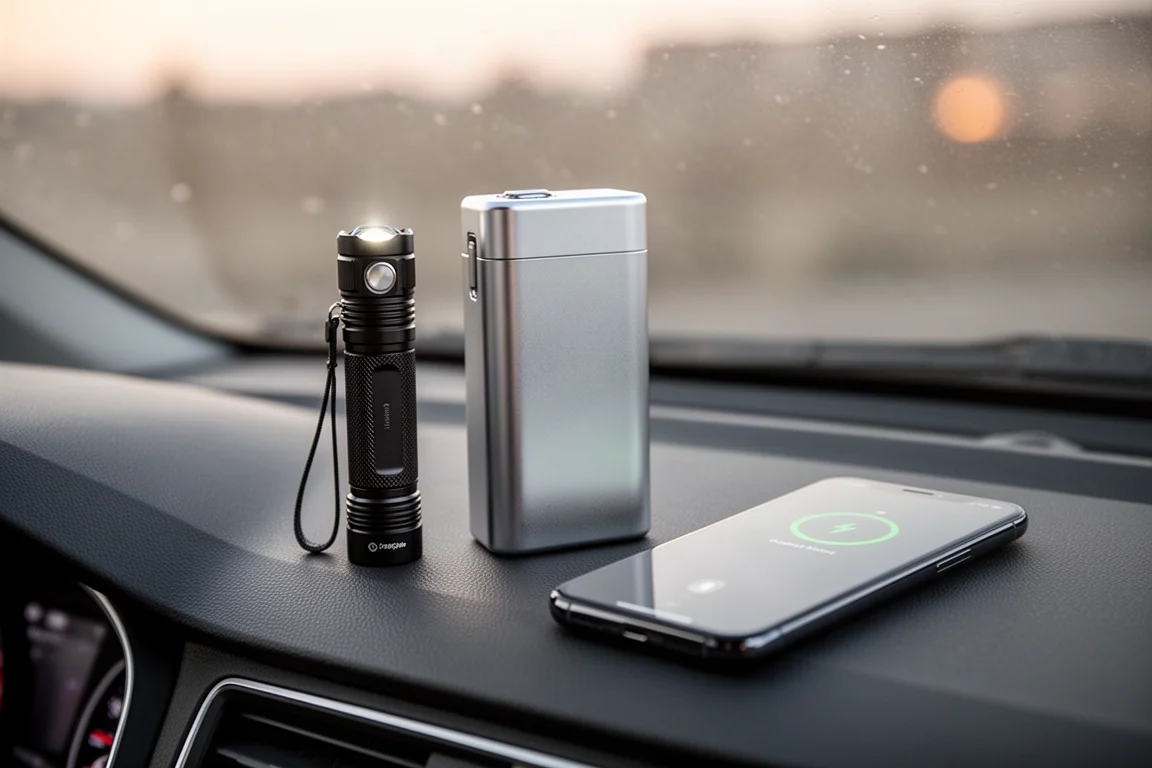
The headline feature is that the case now works as a power bank for other devices. Charging a Samsung Galaxy S23 Ultra while actively watching videos and playing games during a 15-minute car ride still produced a net gain of about 12 percent, which points to efficient power transfer. The Premium Edition bundle with the case costs the same as the previous Premium Edition, and during the sale the full package was listed at $65. A new-account $10 coupon on orders over $60 can bring it to $55, only $10 more than the standalone Baton 4 at $45, which makes skipping the case a questionable way to save money. Olight has confirmed the case will not be sold separately during the sale, though it will become purchasable on its own later, likely without the launch-window discount.
Buying Advice: Which One Should You Get?
If you want the cheapest, safest win, the i3T 2 at around $16 is the no-brainer: every aspect improved at the same price as its predecessor. If you are choosing between the Baton 3 and Baton 4, the decision hinges almost entirely on the charging case. Without it, the Baton 3 is still excellent and the Baton 4’s refinements are modest. With it, you get a five-charge dock, multi-light compatibility, ramp control, and a capable power bank, all at the same price the previous Premium Edition sold for. Buy the Baton 4 Premium bundle during the sale if the case appeals at all; waiting for the case to be sold separately will likely mean paying more.
Conclusion
The i3T 2 is a strict improvement at an unchanged, budget-friendly price, and the Baton 4 Premium bundle transforms an already good flashlight into a genuinely versatile travel setup thanks to its charging case. The Baton 3 remains worth considering only if you plan to skip the case entirely. Match the light to how you actually carry and charge, and each of these is easy to justify.
Further reading
Related Reviews
EDC Flashlights
Wuben X3 Owl Retail Version: What Changed from the Kickstarter Release
The retail Wuben X3 Owl keeps the same brightness and rotating head while upgrading to an aluminum charging case, terminal charging, and a streamlined red light mode.
EDC Flashlights
Olight Arcfield Review: A Flat EDC Flashlight with a Built-In Green Laser
The Olight Arcfield pairs a 1000-lumen dual-color-temperature LED with an on-the-fly green laser pointer in a slim, pocket-friendly body.
EDC Flashlights
Best EDC Flashlights 2026: Six Compact Picks Worth a Serious Look
From a 2,300-lumen right-angle work light to a surprisingly bright double-A powerhouse, six pocket-sized flashlights that punch well above their size.