Cycling Gear
The Oldest Gear Still Racing in Pro Cycling: Nine Proven Components
Nine long-serving components that professional teams still race, from a 2014 cotton clincher tyre to a bottle cage first launched in 1992.
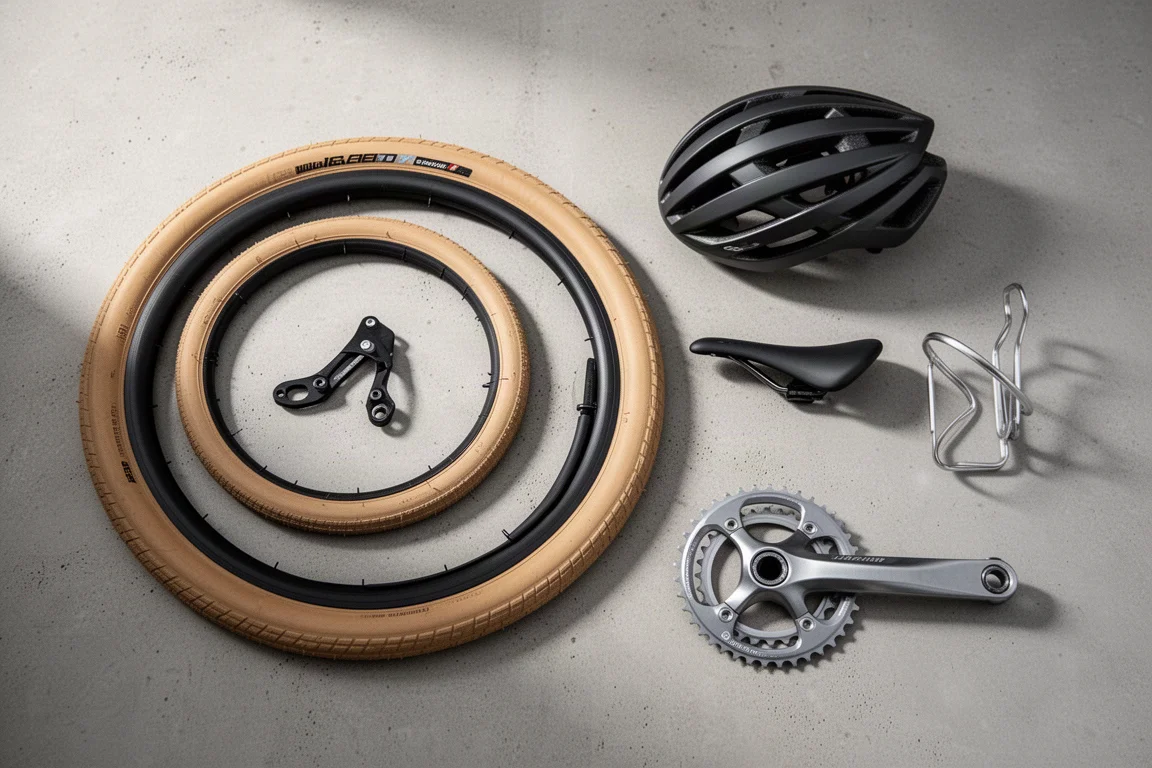
Introduction
Professional cycling looks like a sport obsessed with the newest equipment, but the peloton is more conservative than it appears. Sponsorship structures, mechanics’ habits and simple reliability keep a surprising amount of older technology in service, sometimes on equipment that predates the riders using it.
This guide looks at nine components that have stayed in professional racing long past their launch dates, what each one still does well, and where each one might be heading.
What Keeps Old Pro Gear in the Peloton
Three forces keep older designs in service. The first is sponsor structure: a brand may not have invested in a replacement, or may still see value in promoting a part that already works. The second is mechanic preference, particularly for anything that reduces the chance of a mechanical incident during a race. The third is performance, because some designs simply remain competitive against newer alternatives.
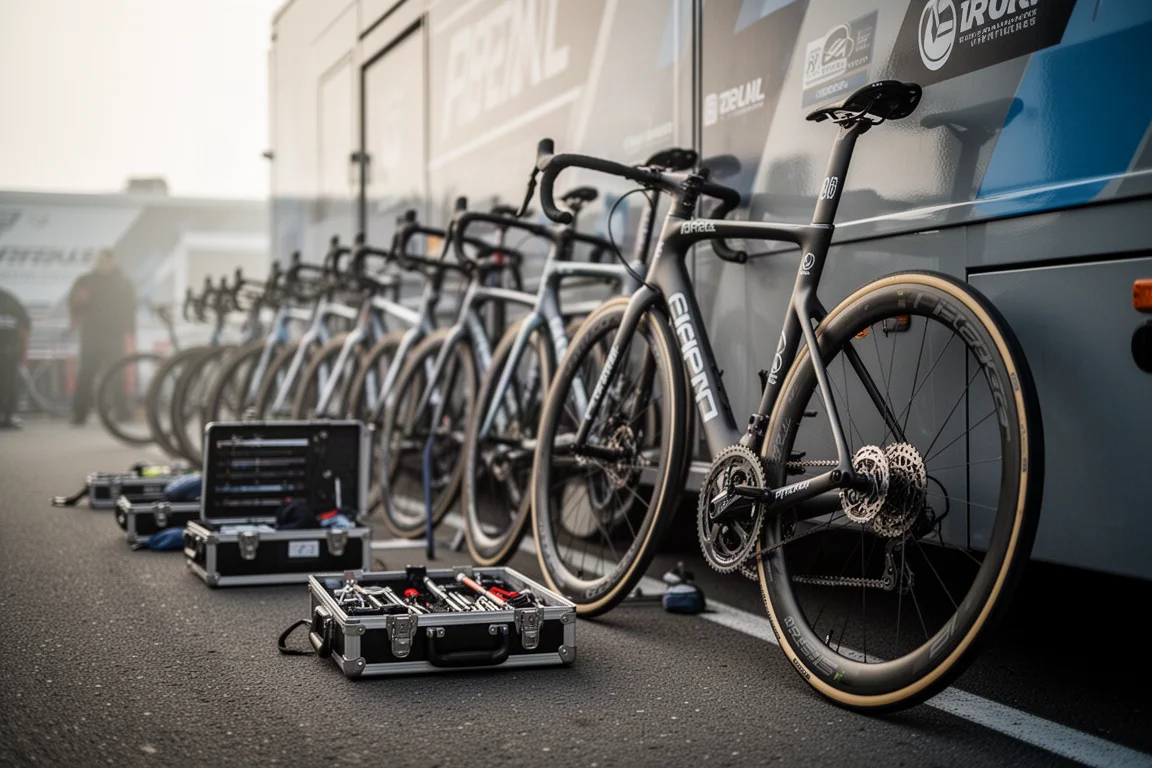
That mix explains why a cotton clincher tyre, a small aluminium chain guide and a bottom bracket standard from 2003 can all appear at the same race. Longevity in this sport is usually a sign that a product still does its job, not that teams have stopped paying attention.
Specialized S-Works Turbo Cotton
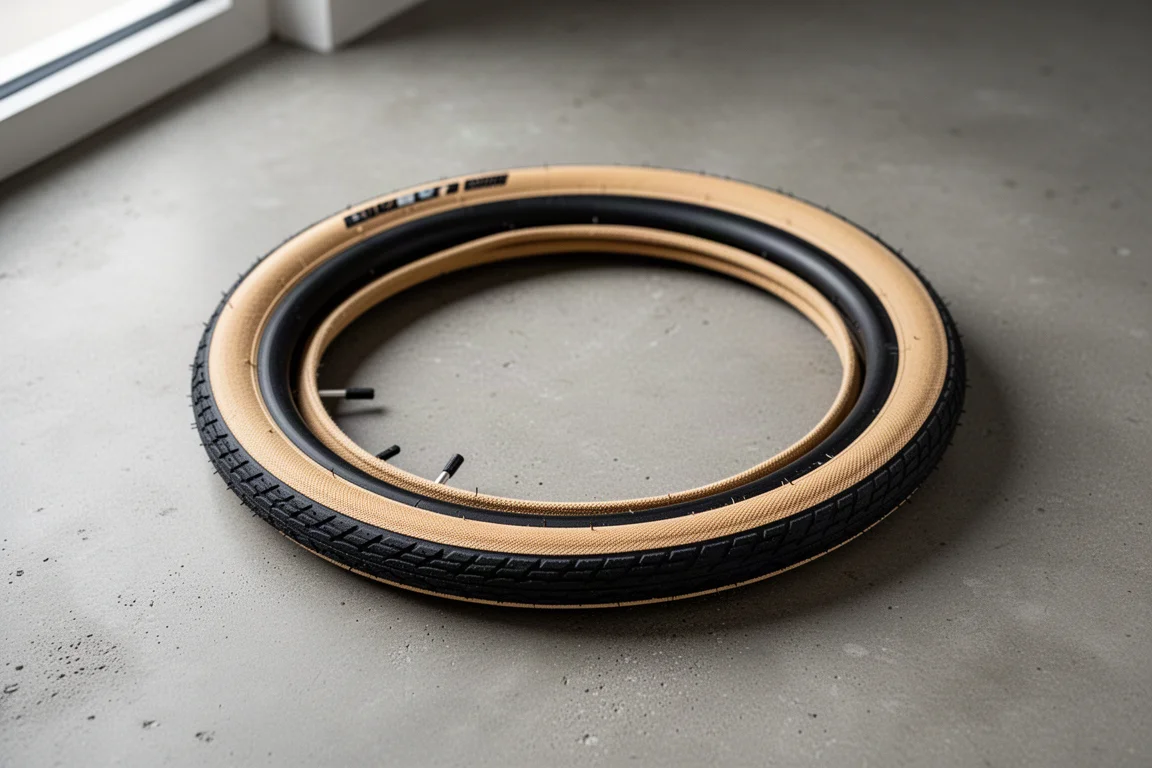
Most of the professional peloton has moved to tubeless tyres, but Specialized-sponsored teams have stayed loyal to the S-Works Turbo Cotton clincher, a design that launched in 2014. It uses an open tubular construction: a lightweight, high thread count cotton casing with the rubber tread glued on top, normally paired with a latex inner tube.
The combination is intended to deliver a fast setup with excellent ride quality on clincher rims, and the golden sidewalls are a recognisable detail. More than a decade after launch it is still clearly competitive, with a long list of high-profile wins beneath riders such as Remco Evenepoel, Mark Cavendish, Primoz Roglic and Demi Vollering.
The Turbo Cotton has also seen off internal competition from several tubeless options in the same range. Its run may be nearing an end, however, as a new S-Works Turbo tubeless tyre appears to be in development.
K-Edge Chain Catcher
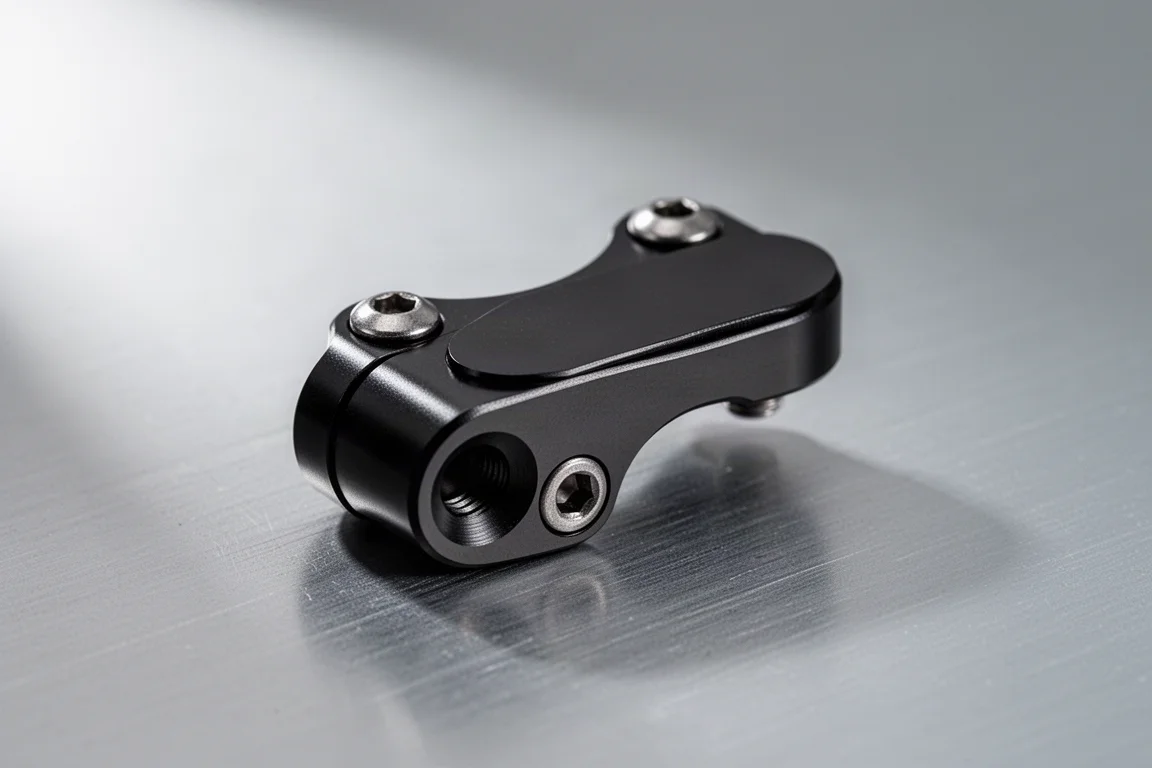
Even on one of the most expensive groupsets available, a front derailleur can still drop a chain at the worst possible moment. Many professional riders therefore run a chain catcher, mostly in the style pioneered by Kristin Armstrong in 2008. While searching for a way to prevent chain drops during the hilly time trial at the Beijing Olympics, Armstrong and her husband Joe Savola worked through several alternatives before settling on the braze-on style chain catcher used today. Armstrong rode it on the way to the first of her three Olympic gold medals, and the couple founded K-Edge the following year.
The design has been widely copied since, partly because K-Edge held a design patent rather than a utility patent. Almost two decades of drivetrain development later, these small devices are still found on plenty of professional bikes, and team mechanics often request them to avoid any blame for incidents such as the chain gate at the 2010 Tour de France.
Giro Aerohead
After the Aerohead 2 arrived, the original Giro Aerohead looked finished. Instead, the 2015-era time trial helmet has found a new lease of life in road racing, where time trial helmets have become one of the season’s most visible equipment trends. It arrived in a market dominated by short-tail time trial helmets, and as those helmets grew larger and more outlandish, the UCI announced it would carry out an in-depth analysis of the situation.
Against that backdrop, the original Aerohead looks almost restrained. Using it as an aero road helmet may simply be a stop-gap until a new design is developed for bunch racing, but for now the helmet retains its place on merit even though its role has shifted.
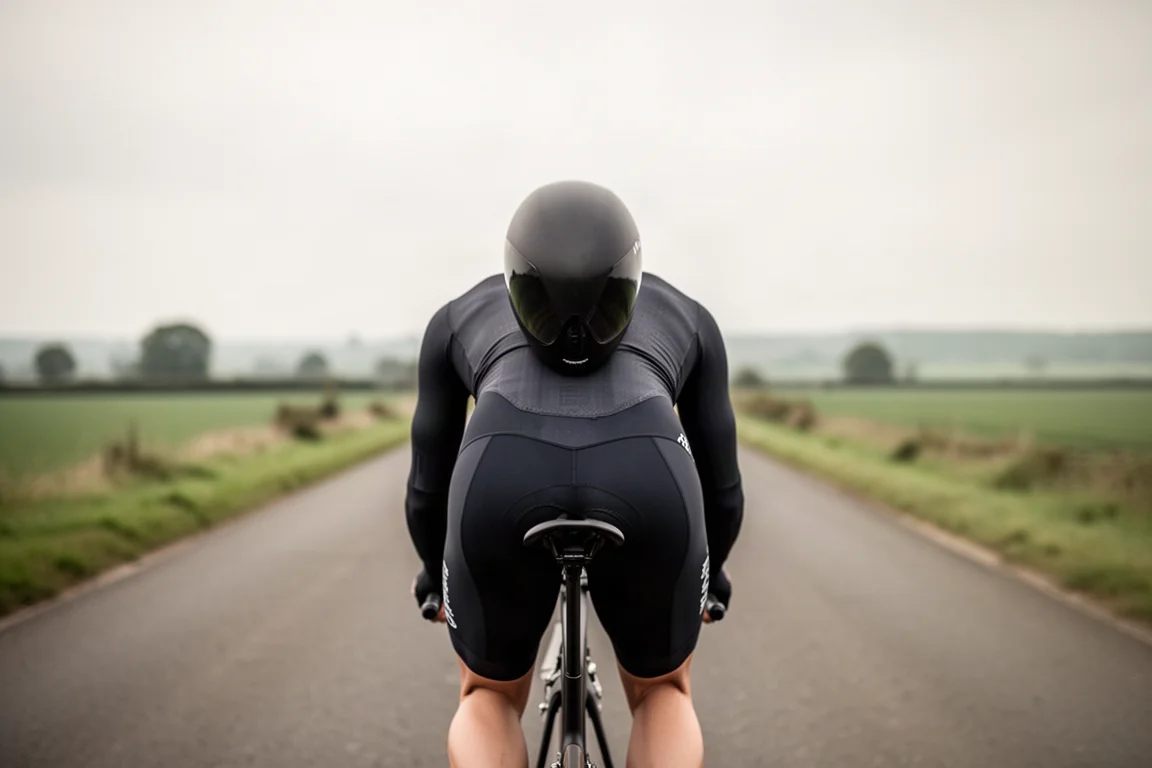
That shift is worth noting for ordinary riders too. A helmet built for time trials can still make sense as a fast road option when the priority is aerodynamic efficiency rather than maximum ventilation.
Giant Pursuit
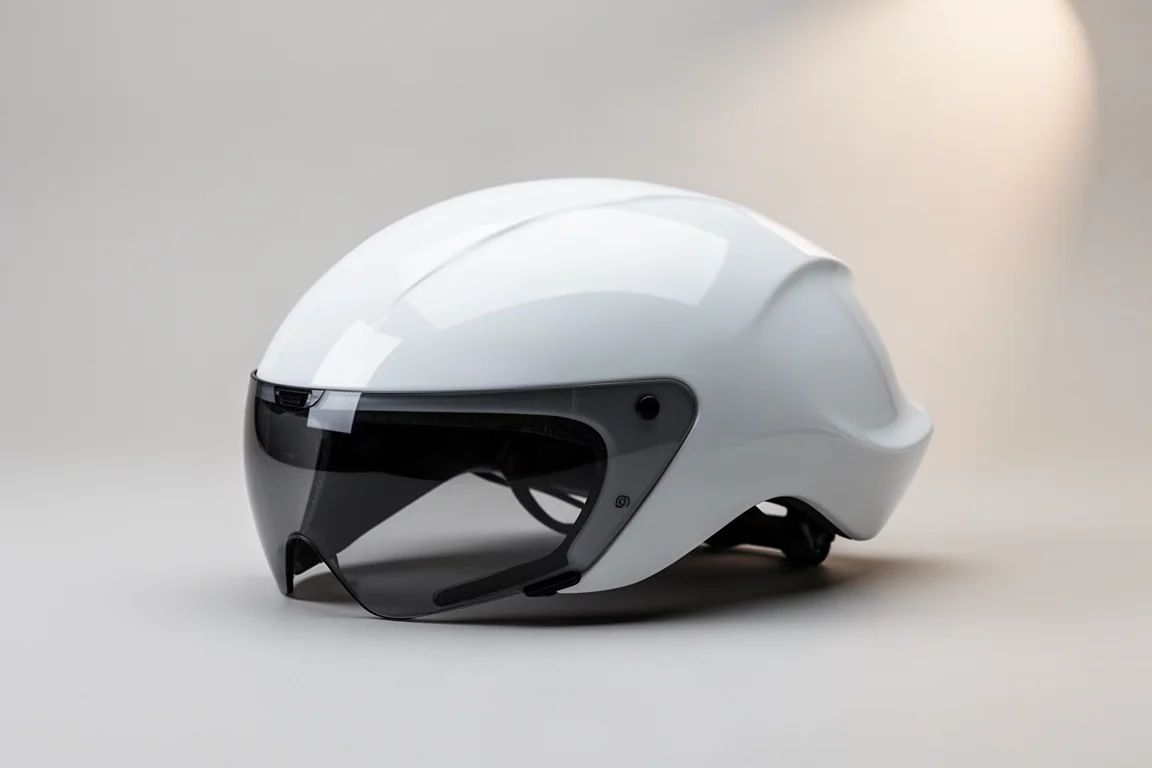
Giant’s Pursuit aero road helmet is nearly as long in the tooth. It was first used at the 2016 Tour de France, following earlier aero road helmets such as the Giro Air Attack, and it set out to balance aerodynamic efficiency, ventilation and weight, a combination that remains relevant today.
Its racing record is strong. Tom Dumoulin wore it on the way to overall victory at the 2017 Giro d’Italia, and Michael Matthews won the green jersey at the Tour de France the same year. Giant has continued to update other areas of its kit range and still encourages its professional teams to promote the Pursuit, so this part of its business has clearly not been mothballed.
Fizik Antares
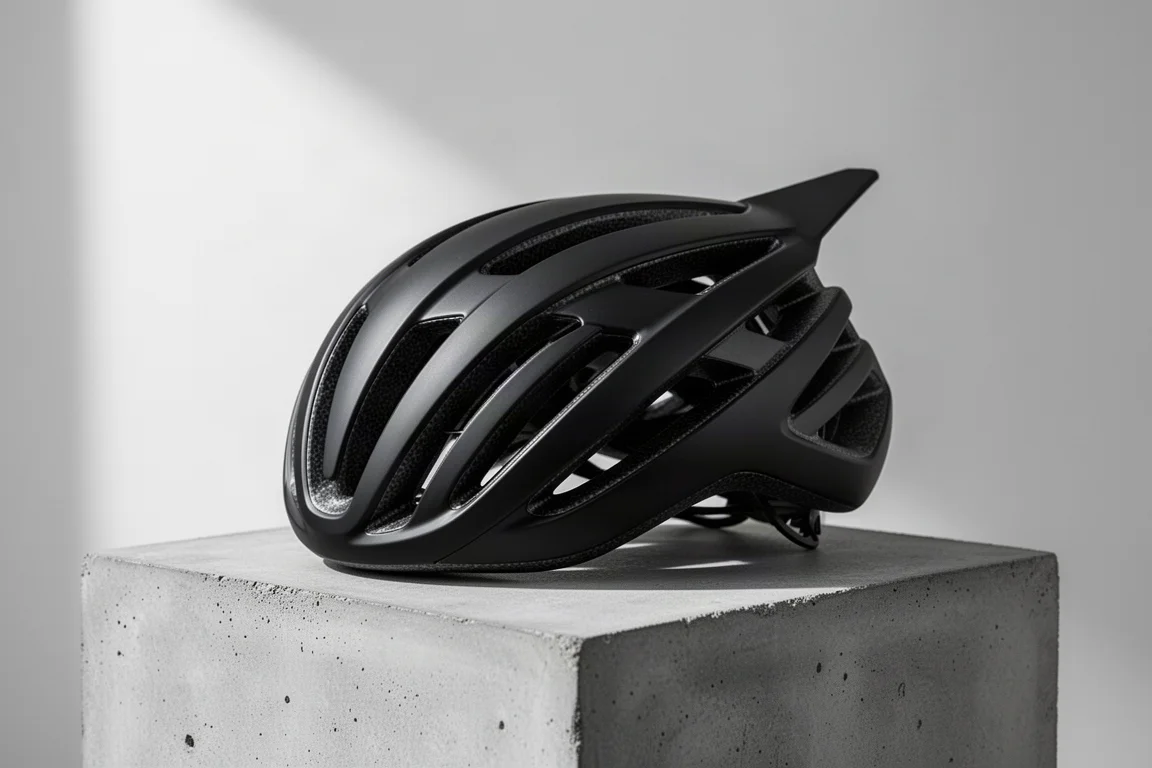
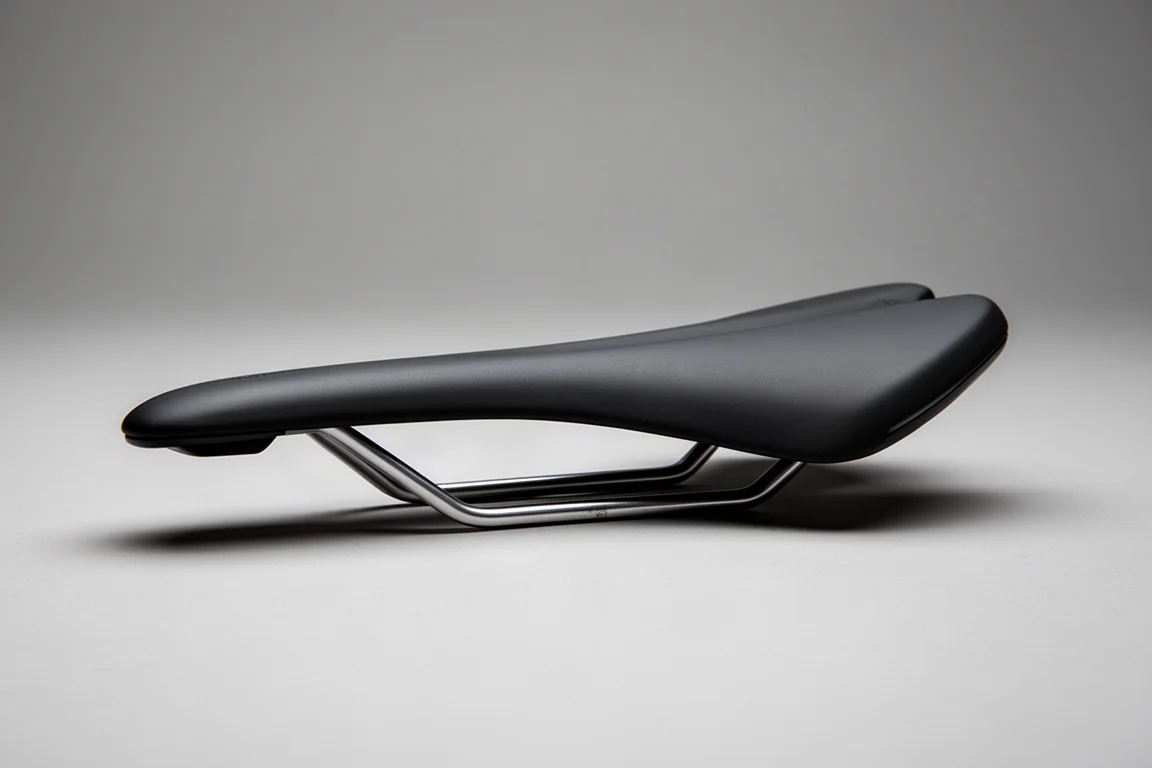
First launched in 2009, the Fizik Antares is a genuine golden oldie that still has a following in professional racing. It was originally prototyped in partnership with the Garmin-Slipstream team, which continues today as EF Education-EasyPost.
The saddle uses a short-nosed shape. Along with reducing pressure on soft tissue, the shorter length lets riders push it further forward towards the bottom bracket for a more aggressive time trial position. British road and track rider Ethan Hayter has remained a fan, at least for track racing, and his move to a new team raises the question of whether he will keep the Antares across all disciplines.
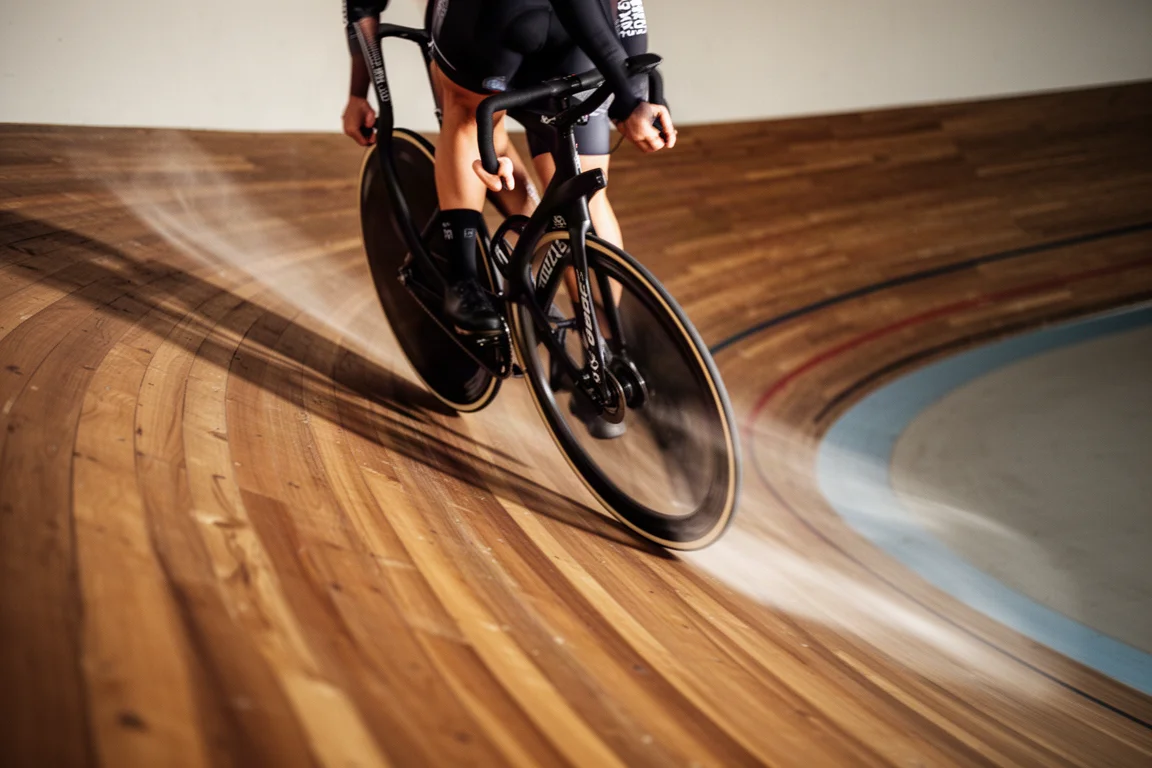
For riders who spend long hours in an aggressive position, a short-nosed saddle is one of the few component choices that changes comfort and posture at the same time.
Power2Max NG Road and FSA Powerbox Team Edition
Power meters are standard equipment on professional bikes, and the underlying technology has been fairly settled for a decade. Power2Max’s long-standing NG Road spider has been quietly recording professional power since 2016. It offers accuracy of plus or minus 1 percent across a power range of 10 to 2,999 watts and a cadence range of 20 to 250 RPM.
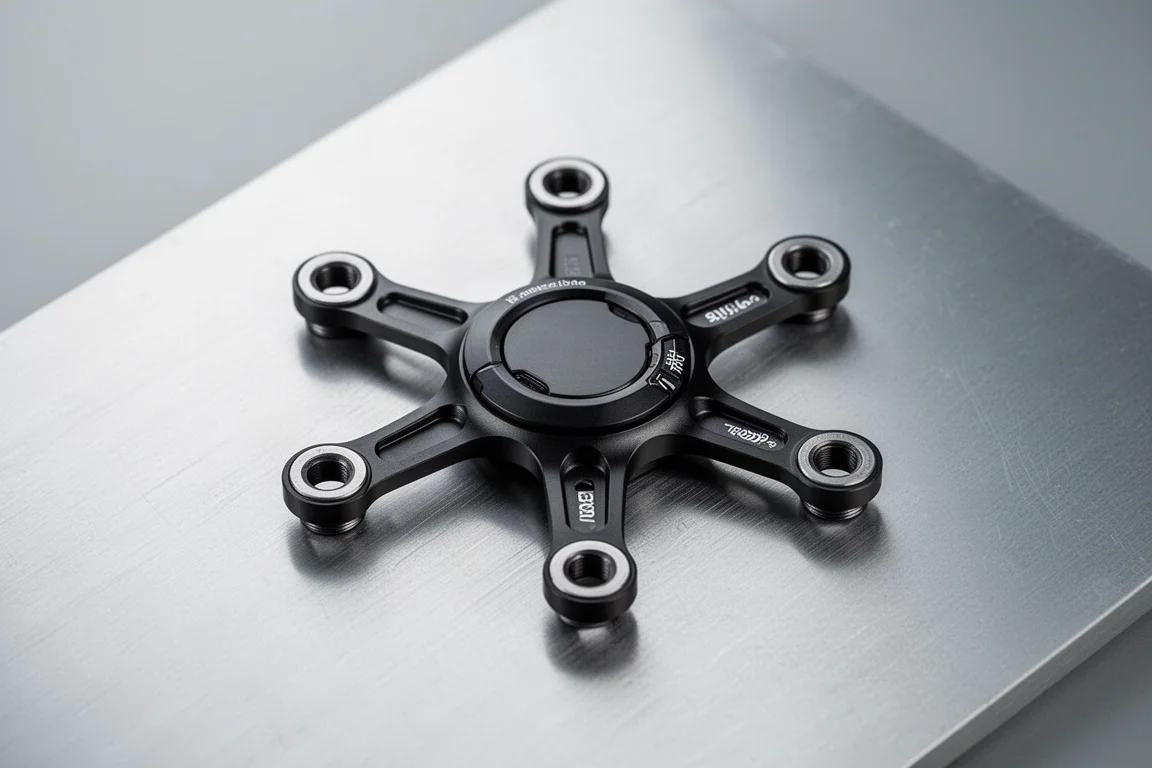
Power2Max does not sponsor WorldTour teams directly, but its hardware reaches the professional peloton through the FSA Powerbox Team Edition, which is supplied to three men’s teams and two women’s teams under agreements with FSA. In both cases the logic is the same: when a design already meets the requirement, there is little reason to replace it.
Elite Ciussi
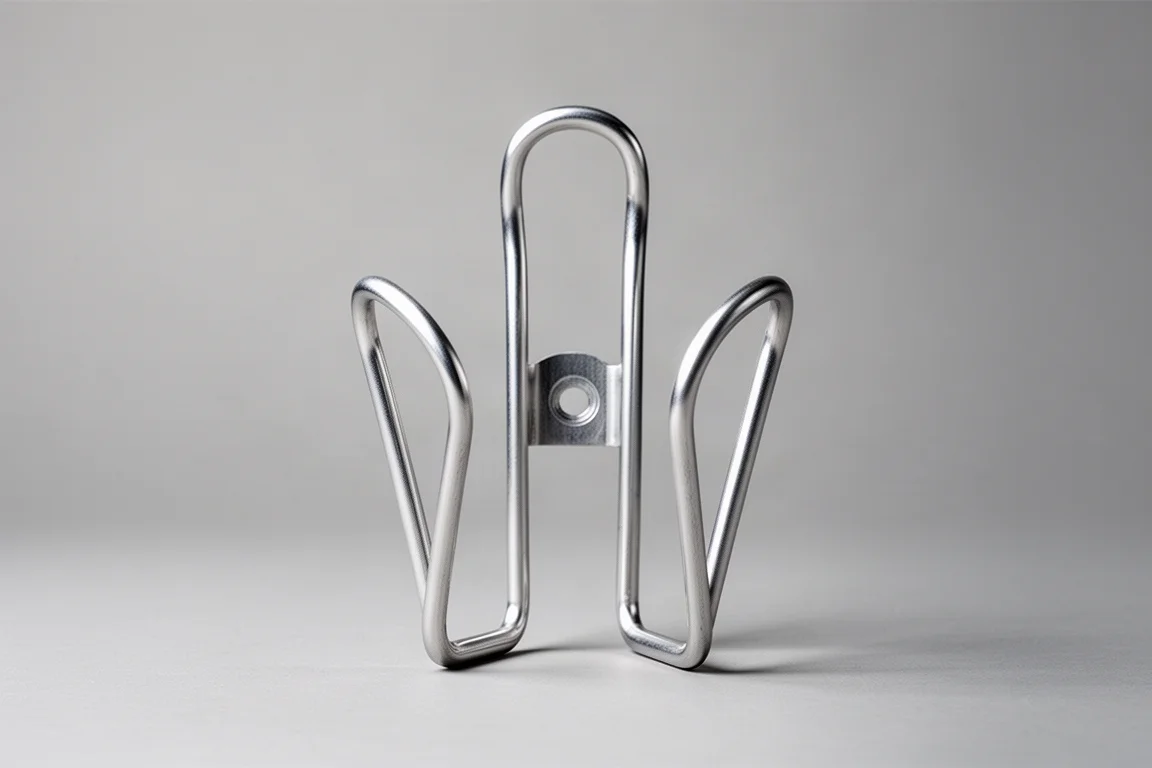
The Elite Ciussi is old enough to be technology from the previous century. The Italian brand launched the first version of this bottle cage in 1992, and it is generally reserved for one race and one race only: Paris-Roubaix. It is a rarer sight than in years past, though a national road race champion still opted for a set during a recent edition of the cobbled classic.
Why persist with a simple aluminium cage when modern materials and shapes exist? Nostalgia may play a part, but the practical answer is grip. The aluminium arms can be bent inward for a tighter hold, which matters when riders consume large amounts of fluid and carbohydrate during a race. Big power requires plenty of calories, and losing bottles is a genuine problem.
Shimano Hollowtech II
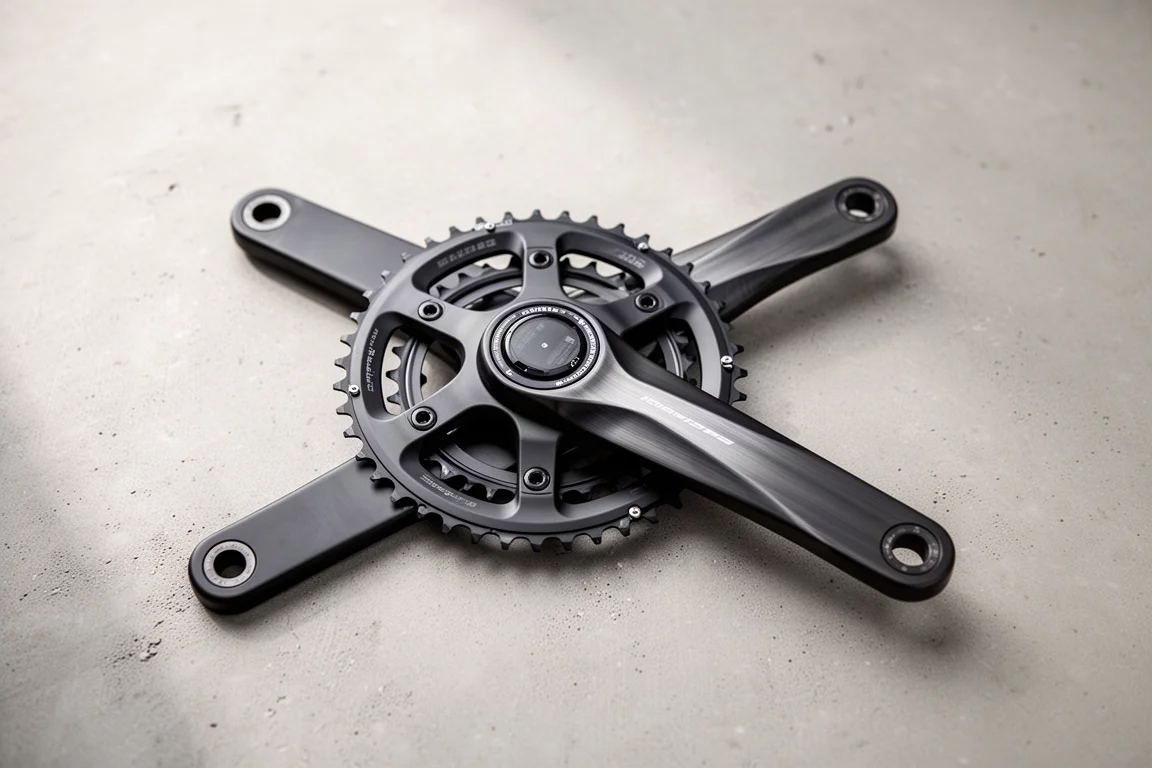
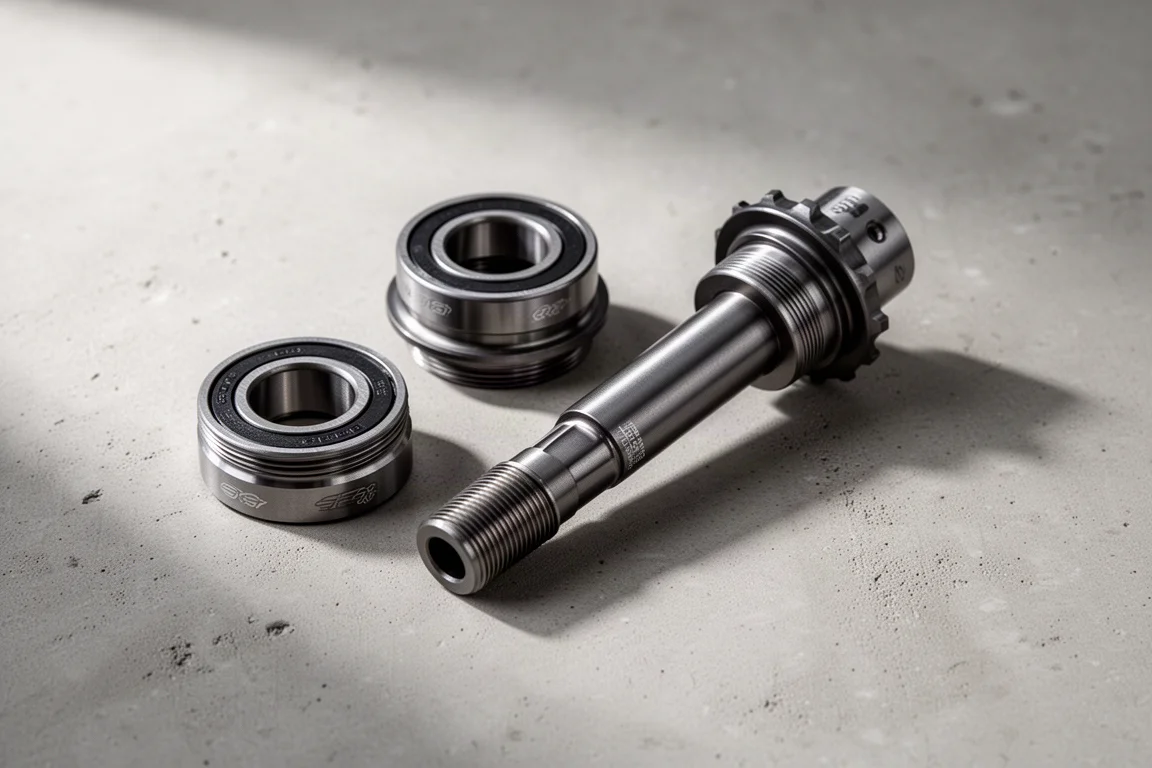
Road bikes have come full circle on bottom brackets. After the bottom bracket wars of the late 2000s and early 2010s, many bikes settled back on a standard launched in 2003. Shimano’s Hollowtech II moved the bearings outside the frame, which allowed larger bearings and a wider, stiffer bottom bracket area. It shone brightly for a few years until press-fit designs took hold and brands began innovating in every direction.
More than 20 years on, some of the most advanced race bikes in the professional peloton still use it, including the Specialized Tarmac SL8, the Cannondale SuperSix Evo and the Pinarello Dogma F.
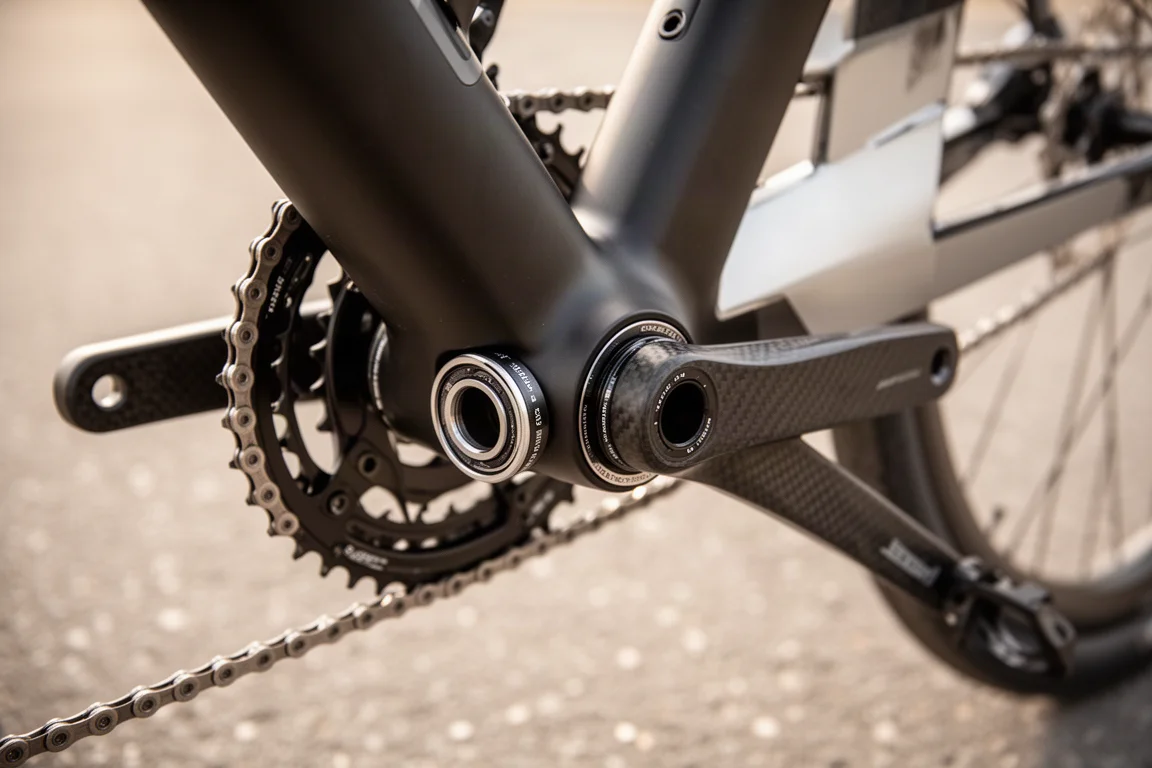
That is a useful reminder for anyone shopping for a modern road bike: an older interface is not automatically a compromise. A standard that has been supported and refined for two decades can be an advantage when it comes to parts availability and long-term servicing.
Overall Buying Advice
These components are worth attention for different reasons, so match them to what you actually need rather than to what the professionals happen to ride.
If you want the ride quality and speed of a cotton clincher, the Turbo Cotton remains a proven option, though tubeless alternatives now dominate the category and a replacement appears to be coming. A chain catcher is one of the cheapest ways to protect a ride or a race from a dropped chain, and it is easy to fit. Aero helmets such as the Giro Aerohead and the Giant Pursuit suit riders who value speed over maximum ventilation, particularly for time trials and fast solo efforts.
A short-nosed saddle like the Fizik Antares is a sensible experiment if you struggle with pressure or want a more forward position. Power meters such as the Power2Max NG Road and the FSA Powerbox Team Edition make sense for riders who train with power and prefer a spider-based system. A metal bottle cage remains one of the most reliable ways to keep bottles on the bike over rough surfaces. And when it comes to bottom brackets, a well-established standard is often easier to live with than the newest one.
Conclusion
Professional cycling keeps older equipment in service for three reasons: sponsors who see no need to replace it, mechanics who trust it, and designs that remain genuinely competitive. The nine components here span more than three decades, from a 1992 bottle cage to a time trial helmet that has been repurposed for road racing. Each one is still doing a job at the highest level, which is the clearest evidence that age and performance are not the same thing.
Further reading
Related Reviews
Cycling Gear
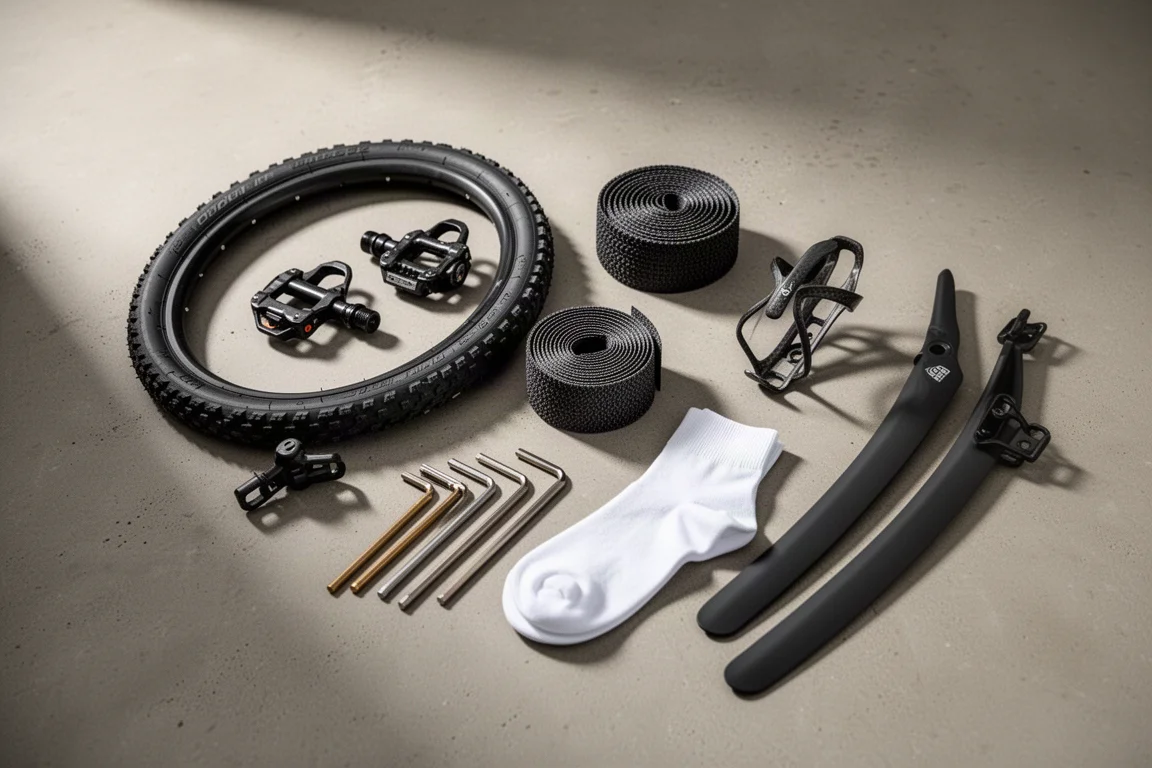
8 Cycling Products Riders Keep Coming Back To
Eight cycling components and accessories with clear strengths, honest trade-offs and long-standing reputations among riders and mechanics.
Cycling Gear
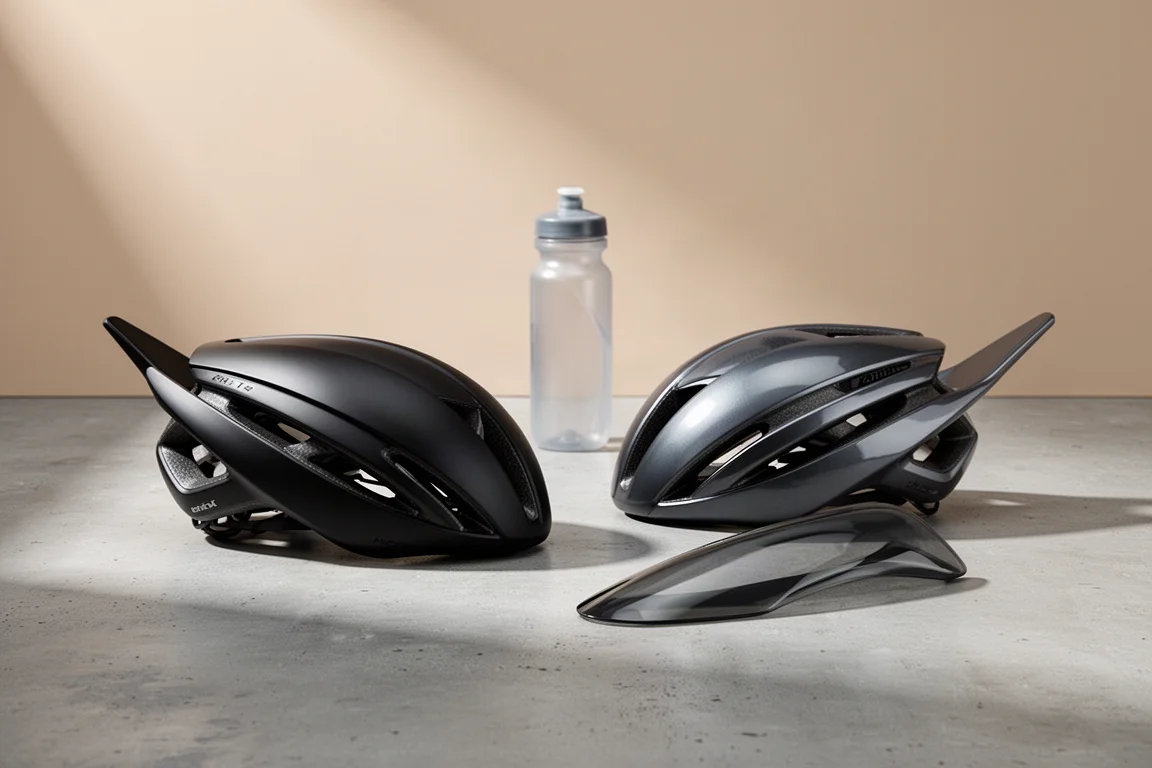
Aero Helmets and Bottle Setups Tested: Six Options Ranked by Measured Watt Savings
Wind tunnel data on six aero helmets and bottle setups, with real watt savings, practical trade-offs, and guidance on what is worth buying first.
Cycling Gear
Aero Road Bikes and Fast Tires Worth Watching in 2026
Four aero road bikes and one fast road tire, with the real strengths, the open questions, and what to check before you buy.